
View All Products
en
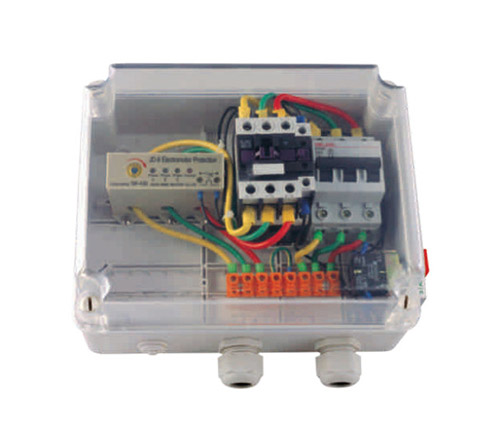
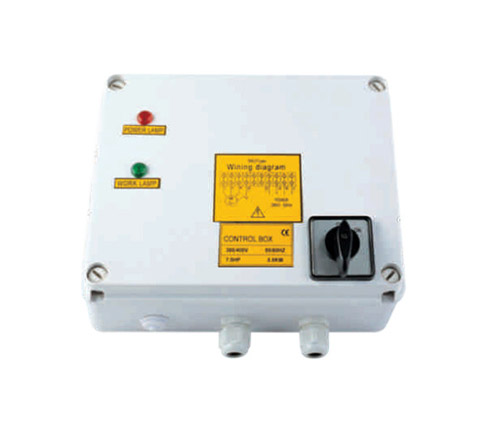
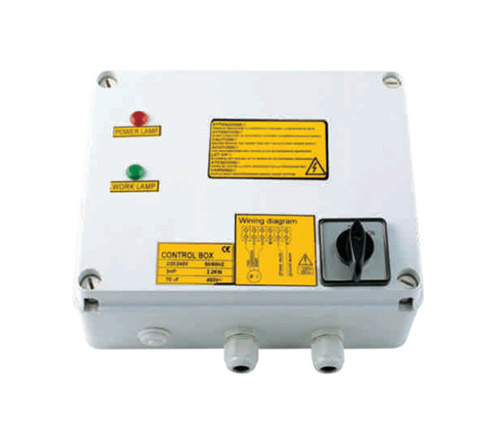
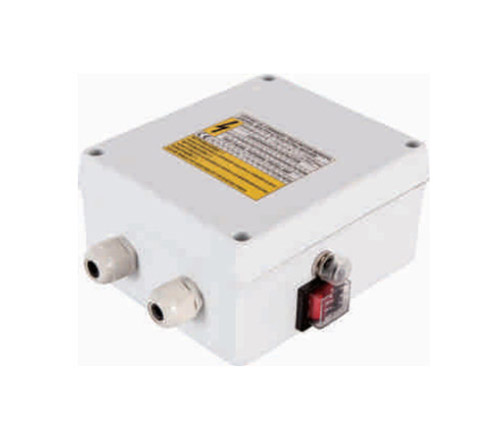
EDWIN PUMP provides a wide range of borehole pumps. The pump can be suitable for good sizes from 2" to 12". The pump material is Stainless steel, but customers can choose brass material for the outlet and connect part. The smallest power can be 0.18KW/0.25HP, very economic. The client can choose the control box to be packed together with the pump, longer cable is also acceptable. A borehole submersible pump is a type of pump that is designed to be placed inside a borehole, or well, for the purpose of pumping water from the aquifer to the surface. This type of pump is commonly used in rural areas, where access to a public water supply is limited, and in industrial applications where large quantities of water are required. The borehole submersible pump is typically made up of a number of components, including a pump body, a motor, an impeller, and a control panel. The pump body is typically made of high-grade materials, such as stainless steel or plastic, to ensure that it is durable and can withstand harsh conditions inside the borehole. The motor is responsible for driving the impeller, which creates the suction that draws water from the aquifer into the pump. The control panel is used to control the motor and monitor the performance of the pump. One of the main benefits of the borehole submersible pump is its ability to operate efficiently in deep wells, where other types of pumps may not be able to function effectively. This is due to the fact that the motor and pump are located within the well, allowing them to be cooled by the water in the borehole. This helps to prevent overheating and extends the lifespan of the pump. Another benefit of the borehole submersible pump is its versatility. This type of pump can be used to extract water from a variety of sources, including rivers, lakes, and aquifers. It can also be used to pump water from wells with different diameters, making it an ideal choice for a wide range of applications. The borehole submersible pump is also relatively easy to install and maintain. Unlike other types of pumps, which may require complex installation procedures and ongoing maintenance, the borehole submersible pump can typically be installed by a single person and requires little to no maintenance once it has been installed. This makes it an ideal choice for users who are looking for a low-cost and low-maintenance solution for pumping water from a well.
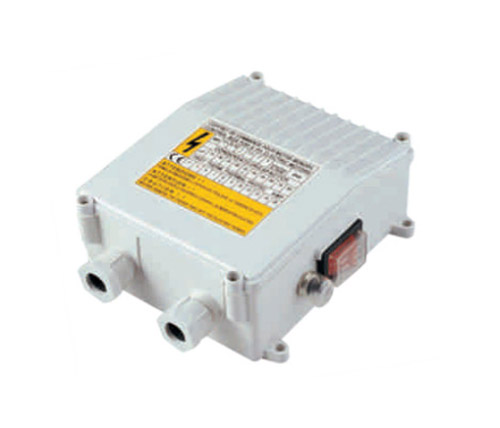
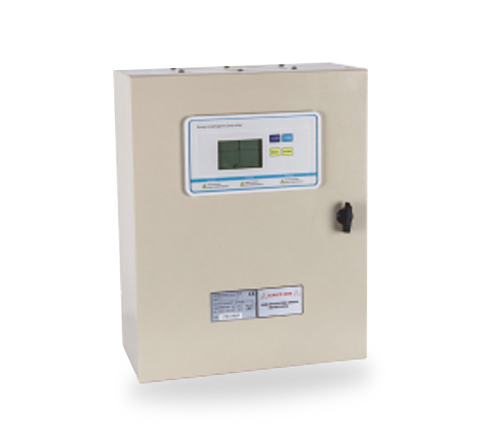
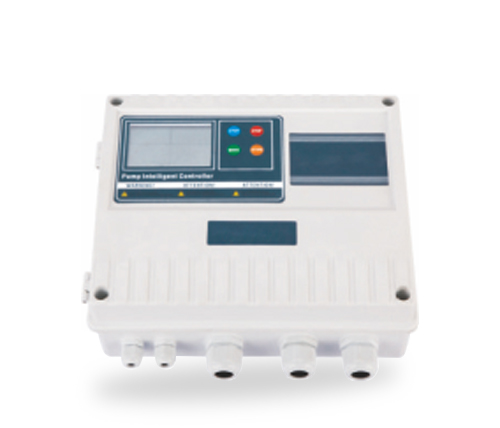
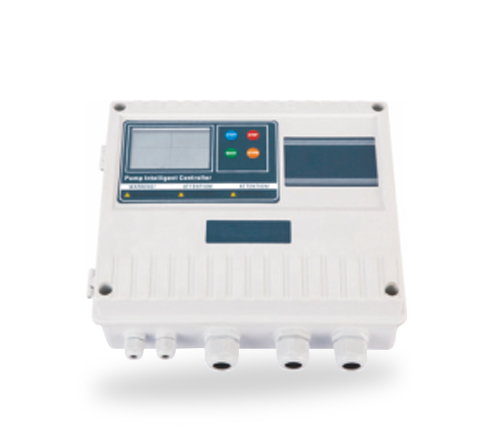
An oil-filled borehole pump, also known as a submersible pump, is a type of pump that is designed to be immersed in a fluid and operates underwater. It is commonly used in the extraction of water from wells, boreholes, and other underground water sources. The oil-filled borehole pump is a highly efficient and reliable solution for water pumping and is widely used in agricultural, industrial, and residential applications. The pump works by using an electric motor that drives an impeller, which moves the water from the bottom of the well or borehole to the surface. The electric motor is oil-filled and sealed, which helps to prevent water from entering the motor and damaging it. The oil that EDWIN PUMP used is food grade, which is toxic-free, and environment protective. This also helps to extend the life of the pump by reducing wear and tear and protecting it from corrosion. One of the main advantages of the oil-filled borehole pump is its efficiency. The electric motor is designed to operate underwater and is able to generate a high amount of power, uses high-grade copper wire, which allows it to pump large volumes of water quickly and efficiently. The max. flow can reach more than 100 cubic meters per hour. And the max. the head can reach more than 500 meters. The oil-filled borehole pump that EDWIN PUMP provides can be from 0.18KW/0.25HP to 75KW/100HP, and we still keep on developing even higher power. Additionally, the oil-filled design helps to prevent overheating, which can cause the pump to shut down or malfunction. EDWIN PUMP can also provide pump controllers to protect the pump operating. Another advantage of the oil-filled borehole pump is its durability. The oil-filled design helps to protect the pump from corrosion, which can be a major problem in water wells and boreholes. The oil also acts as a lubricant, reducing wear and tear on the pump components, which helps to extend the life of the pump. The oil-filled borehole pump is also very easy to install and maintain. The pump is designed to be simple to install and can be done by a professional plumber or by a homeowner with basic plumbing skills. If customers need it, we can offer whole assemble kits. The oil-filled design also makes it easy to maintain the pump, as the oil can be checked and changed periodically to ensure the pump is operating at peak performance.


A Submersible Pump is a critical tool for moving water and other fluids from wells, tanks, or reservoirs. Unlike surface pumps, submersible...
READ MOREAccess to groundwater is a critical concern for agriculture, residential use, and industrial operations. A borehole pump is designed to ext...
READ MOREA Deep Well Pump is designed to draw water from wells that are significantly deeper than standard household sources. These pumps are widely...
READ MOREWater management is an essential part of agriculture, and efficient irrigation systems depend on reliable pumps. An Irrigation Pump Factory...
READ MOREA submersible pump factory is responsible for producing pumps that operate fully underwater while maintaining stable performance. These pump...
READ MOREThe service life of a deep well pump refers to the length of time it can operate effectively before major repair or replacement is needed. In general, a well-installed and properly maintained deep well pump can last anywhere from 8 to 15 years, and in some cases even longer. However, its actual lifespan depends on several interacting factors rather than a fixed number of years.
Pumps made from corrosion-resistant stainless steel or high-grade engineering plastics tend to withstand long-term exposure to water and minerals better than lower-quality alternatives. Operating conditions also matter. Pumps that run within their designed flow rate and head range experience less mechanical stress, which helps extend their working life.
High sand content, sediment, or corrosive minerals can gradually wear down impellers, bearings, and seals. Even a well-designed pump may experience reduced service life if it operates continuously in poor water conditions without adequate filtration. In addition, installation quality plays a role. Proper alignment, secure electrical connections, and correct depth placement reduce vibration and overheating.
Regular inspection and basic maintenance, such as checking electrical performance and monitoring flow consistency, also contribute to long-term reliability. The table below provides a general overview of how different factors influence pump service life.
|
Factor |
Typical Impact on Service Life |
|
Pump material quality |
Higher quality extends lifespan |
|
Water cleanliness |
Clean water reduces wear |
|
Installation accuracy |
Proper setup minimizes damage |
|
Operating frequency |
Moderate use lasts longer |
|
Maintenance practices |
Regular checks improve durability |
Determining whether a borehole pump is working properly involves observing both its performance and operating behavior over time. One of the indicators is water flow consistency. A properly functioning pump should deliver a stable flow rate that matches its design specifications. If water pressure fluctuates frequently or flow suddenly decreases, it may suggest internal wear, blockage, or changes in water level.
Electrical performance is another important aspect. Monitoring voltage, current, and power consumption can reveal early signs of problems. A pump that draws unusually high current may be experiencing mechanical resistance, while low current could indicate insufficient load or motor issues. These checks are often carried out using basic electrical measuring tools during routine inspections.
Sound and vibration also provide useful clues. A borehole pump in good condition typically operates smoothly and quietly. Unusual noises, grinding sounds, or excessive vibration may indicate worn bearings, damaged impellers, or misalignment. These signs should not be ignored, as continued operation may worsen the issue.
Users should observe water quality changes. Increased sand content, cloudiness, or air bubbles in the water can signal problems with pump positioning, well conditions, or internal seals. Regularly comparing current performance data with initial installation records can make it easier to spot gradual declines.
Control systems and safety devices should be checked. Proper functioning of controllers, overload protection, and sensors confirms that the pump is operating within safe limits. Together, these observations form a practical and effective method for assessing whether a borehole pump is performing as intended.
After installing a deep well submersible pump, it is standard practice to release water for a certain period before putting the system into regular use. This process, often referred to as flushing or initial pumping, helps ensure stable operation and acceptable water quality. The duration of water release can vary depending on well depth, water conditions, and installation details, but it usually ranges from several hours to one or two days.
The primary purpose of this step is to remove sediment and debris that may have entered the well during drilling or pump installation. Fine sand, silt, and small particles can remain suspended in the water initially. Allowing the pump to run helps clear these materials and reduces the risk of abrasive wear on pump components during long-term operation.
Another reason for extended water release is system stabilization. Running the pump continuously for a controlled period allows installers to observe flow rate, pressure, and electrical performance under real working conditions. Any abnormal behavior, such as overheating or unstable output, can be identified and corrected early.
Water quality considerations are also important. In some cases, initial water may appear cloudy or contain air due to changes in pressure within the well. Releasing water until clarity improves ensures that the system is ready for domestic, agricultural, or industrial use.
+86-13586290903 (WhatsApp)
Xuri Gongliang Cutting Tool Entrepreneurship Park, Wenqiao Town, Wenling City, Taizhou City, Zhejiang Province, China

Deep Well Submersible Pumps Price


 English