
edwina@edwin-pump.com

View All Products
en
Efficient irrigation plays a key role in modern agriculture, landscaping, and water management projects. An experienced Irrigation Pump Factory supports these systems by producing pumps that deliver steady water flow and reliable operation under varying conditions. Understanding how such factories work helps buyers make informed sourcing decisions.
A well-established Irrigation Pump Factory is equipped with machining, casting, and assembly facilities designed for pump production. Components such as pump casings, impellers, and shafts are manufactured with attention to dimensional accuracy and material strength.
Factories often use CNC machining to maintain consistency across batches. Proper assembly processes ensure that moving parts align correctly, reducing vibration and extending service life. These manufacturing capabilities directly influence pump performance in real-world irrigation systems.
Material choice is a major focus for any Irrigation Pump Factory. Pumps are commonly made from cast iron, stainless steel, or reinforced plastics, depending on application needs. These materials help pumps withstand exposure to water, soil particles, and outdoor environments.
For agricultural irrigation, durability is essential since pumps may operate for long hours in demanding conditions. Proper material selection reduces corrosion, limits wear, and helps maintain consistent water output over time.
Quality control is a core process within an Irrigation Pump Factory. Pumps are inspected at multiple stages, from raw material checks to final performance testing. Flow rate, pressure, and sealing performance are commonly tested to ensure the pump meets design requirements.
Some factories conduct endurance tests to simulate extended use in the field. These steps help reduce failure rates and ensure that pumps perform reliably after installation.
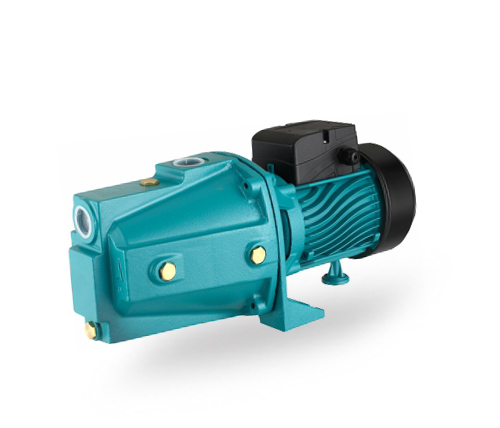
Irrigation Pump Factories produce a variety of pump types to suit different irrigation needs. These include centrifugal pumps, submersible pumps, and surface pumps used in farms, greenhouses, gardens, and landscaping projects.
Different models are designed to handle clean water, slightly muddy water, or water drawn from wells, rivers, or reservoirs. A diverse product range allows buyers to select pumps that match specific irrigation layouts and water sources.
Many buyers value an Irrigation Pump Factory that offers technical support and customization options. This may include adjusting pump specifications, providing different motor options, or offering customized packaging for export markets.
Factories with stable production capacity and export experience are better positioned to support long-term cooperation. Clear communication, consistent supply, and after-sales support help build trust between manufacturers and buyers.
When selecting an Irrigation Pump Factory, buyers should evaluate production experience, quality control processes, and application knowledge. Factories familiar with agricultural irrigation challenges can offer more practical solutions.
Certifications, testing procedures, and the ability to provide documentation are also important for international trade. A reliable factory partner helps ensure that irrigation systems operate smoothly across different regions and conditions.
An Irrigation Pump Factory plays an important role in supporting efficient water distribution for agriculture and landscaping. By focusing on solid manufacturing processes, suitable materials, strict quality control, and practical product design, these factories provide pumps that meet real irrigation needs. Understanding how factories operate allows buyers to choose partners that deliver dependable products and long-term value for irrigation projects.
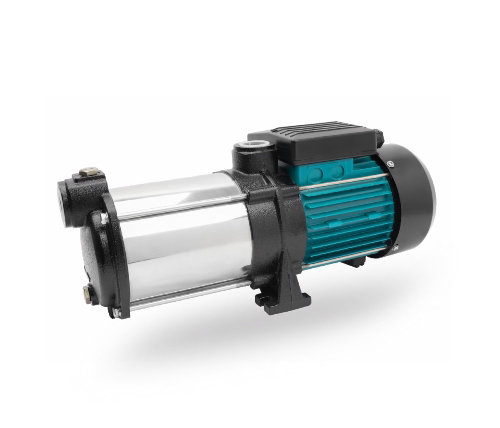
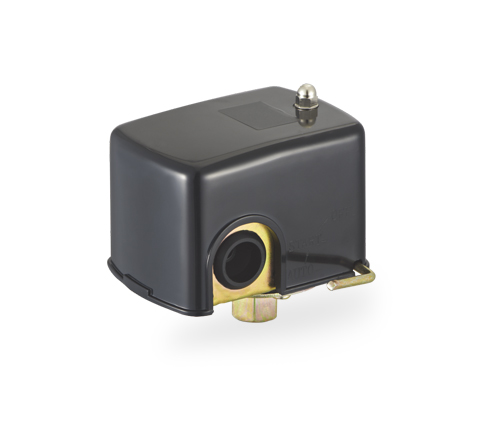
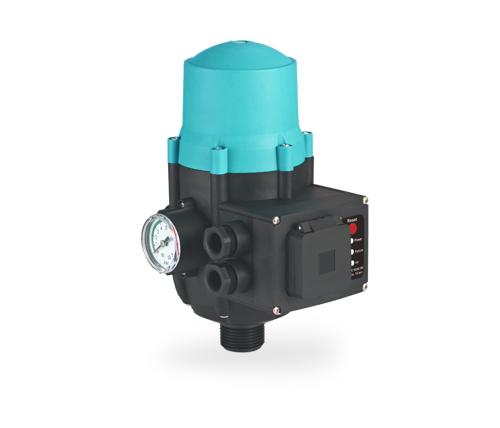
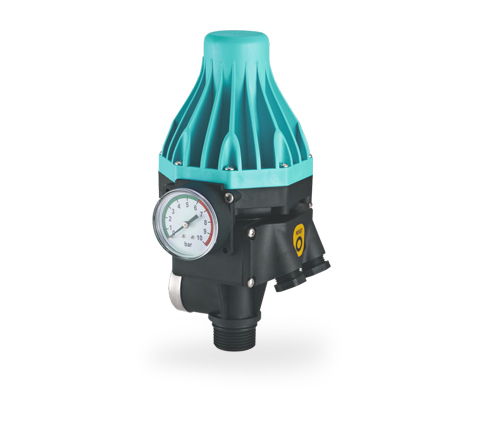
aseriesnoisereductiondesignacid-baseverticalsurfacepump-1.jpg "EV(F)A Series Noise Reduction Design Acid-base Vertical Surface Pump")
edwina@edwin-pump.com
+86-13586290903 (WhatsApp)
Xuri Gongliang Cutting Tool Entrepreneurship Park, Wenqiao Town, Wenling City, Taizhou City, Zhejiang Province, China

High Performance Smart Pump Factory


 English