
edwina@edwin-pump.com

View All Products
en
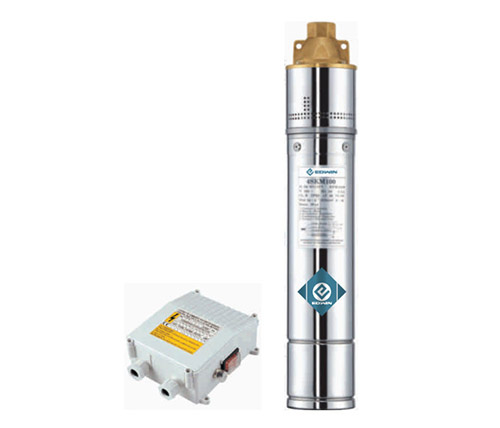
A borehole pump manufacturer plays an important role in water supply systems, especially in areas where surface water is limited. Borehole pumps are designed to draw water from deep underground sources, making them widely used in agriculture, residential water systems, and small industrial projects. Unlike surface pumps, these systems need to handle depth, pressure, and long-term operation in challenging environments.
For buyers and project planners, understanding what a borehole pump manufacturer does helps ensure the pump selected fits actual usage needs rather than just basic specifications.
Borehole pumps are often installed in rural areas where wells are the main water source. Farms rely on them for irrigation, while households use them for daily water supply. In construction and small-scale industry, they support processes that require stable water access.
A borehole pump manufacturer usually designs products with different flow rates, motor types, and materials to match these varied scenarios. Some pumps are built for continuous operation, while others are intended for intermittent use. Matching the pump design to real working conditions helps reduce wear and unexpected downtime.
From a production standpoint, a borehole pump manufacturer must consider several technical factors. One is material selection. Pumps installed underground are constantly exposed to moisture and minerals, so corrosion resistance is a practical concern. Another factor is motor compatibility, as stable performance depends on how well the motor and pump body work together.
Manufacturers also focus on sealing and insulation. Poor sealing can allow water ingress into the motor, which shortens service life. These design details may not be obvious at first glance, but they directly affect long-term reliability.
Not every project follows a standard setup. In some regions, boreholes vary greatly in depth and diameter. A borehole pump manufacturer may offer customization options to handle these differences, such as adjusting pump length, outlet size, or voltage requirements.
Communication between the buyer and the manufacturer matters here. Clear information about water depth, usage frequency, and local power supply helps ensure the pump matches actual conditions. This practical approach often prevents issues after installation.
Even a well-made pump can face problems if installation is not handled properly. Many manufacturers provide guidance on installation methods, cable management, and maintenance routines. A borehole pump manufacturer may also recommend inspection intervals and operating limits to reduce strain on the system.
Over time, proper maintenance becomes part of stable operation. Regular checks on electrical connections and water output help identify issues early. This kind of support adds value beyond the pump itself.
When evaluating a borehole pump manufacturer, experience with different markets and applications is often more useful than broad claims. Manufacturers who understand local water conditions, usage habits, and regulations can offer more relevant solutions.
Borehole pump manufacturer partnerships often work well when both sides focus on realistic expectations and long-term use. With the right communication and planning, these pumps can support steady water access for years across a range of applications.
edwina@edwin-pump.com
+86-13586290903 (WhatsApp)
Xuri Gongliang Cutting Tool Entrepreneurship Park, Wenqiao Town, Wenling City, Taizhou City, Zhejiang Province, China

High Performance Smart Pump Factory


 English