
View All Products
en
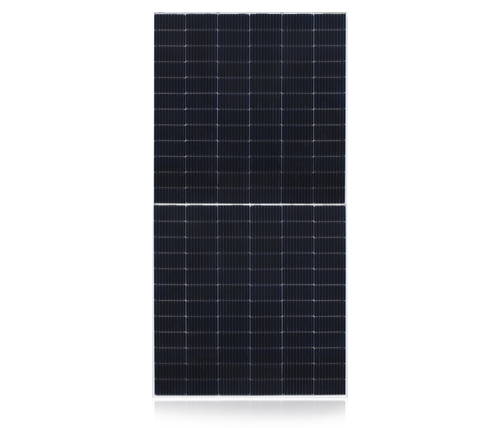
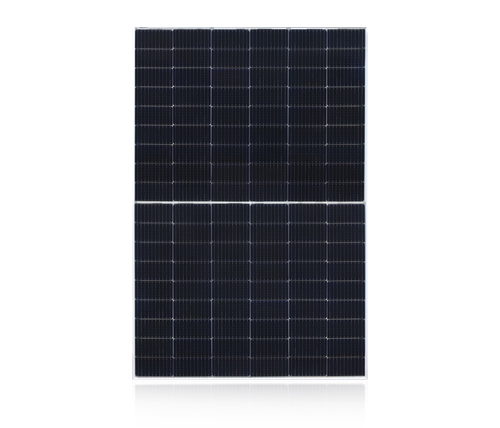
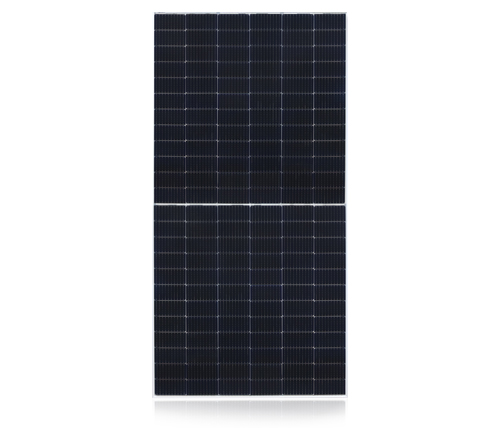
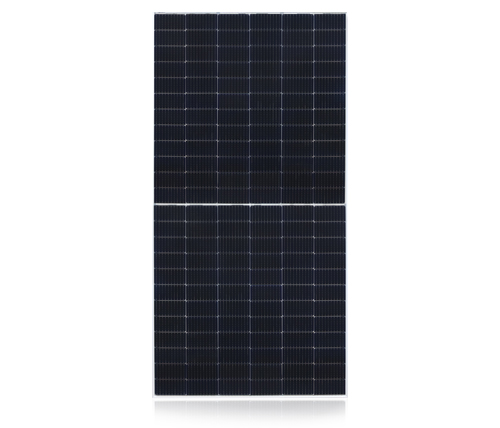
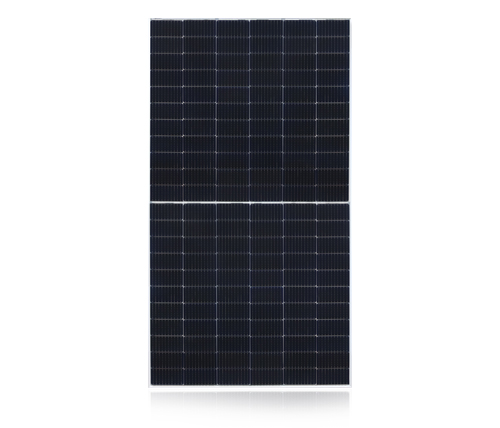
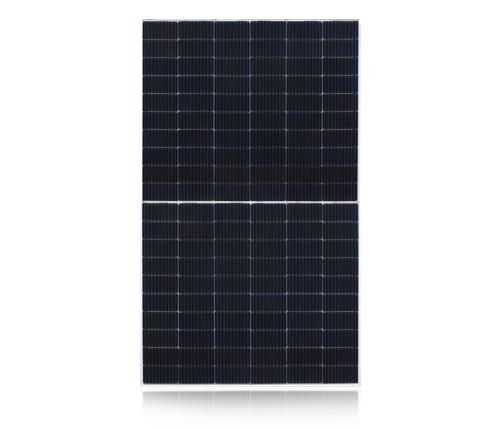
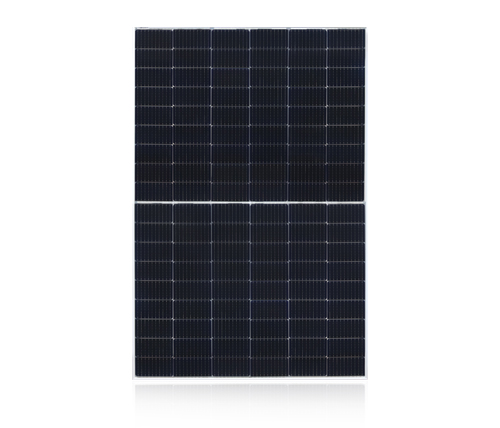
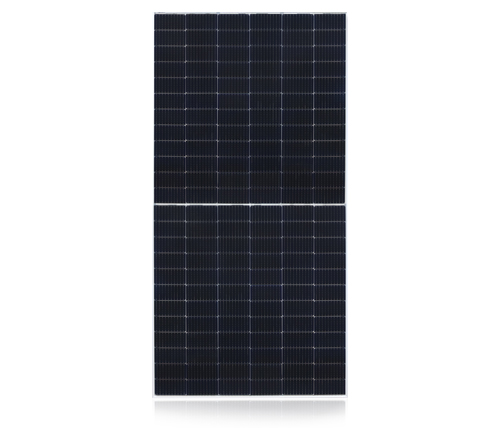
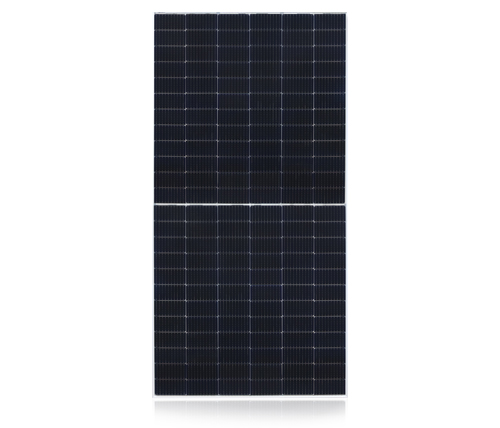
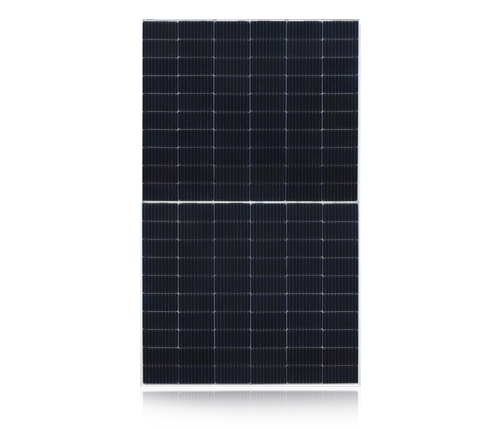
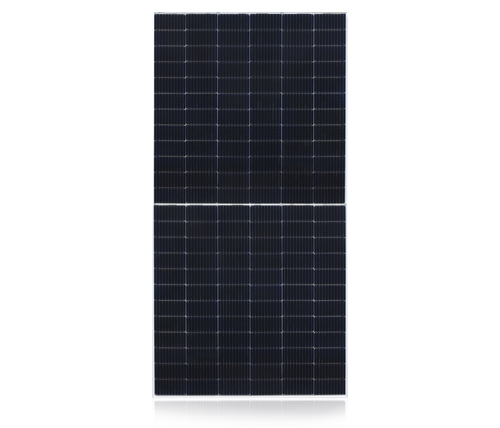
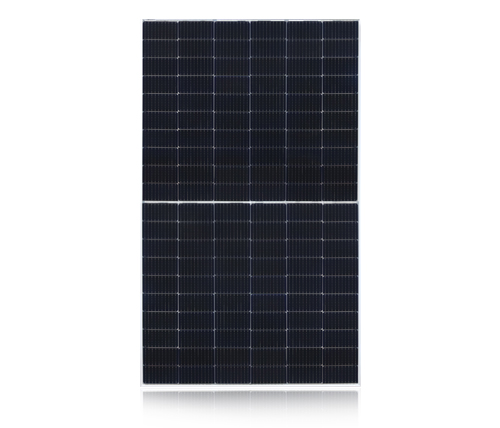
Solar pumps are increasingly becoming popular in rural and remote areas where access to the main grid is limited or non-existent. These pumps are powered by photovoltaic panels that convert solar energy into electrical energy, which is then used to run the pump. The pumps come in various sizes and capacities to cater to different needs, such as irrigation, drinking water, and livestock watering. EDWIN PUMP has developed a wide range of solar pumps, from 2" to 6" in size, and power from 0.2KW to bigger. Customers can also choose screw type or impeller type. For impeller type, we can supply both plastic material and stainless steel material. The pump head can reach a maximum of more than 300 meters. One of the key advantages of solar pumps is that they are environmentally friendly. Unlike traditional pumps that run on fossil fuels, solar pumps do not emit any harmful pollutants into the atmosphere. They also do not produce any noise, making them ideal for use in quiet rural areas. Furthermore, the cost of operating a solar pump is significantly lower compared to traditional pumps, as there is no need to purchase and transport fuel. Another benefit of solar pumps is that they are relatively easy to install and maintain. In many cases, the pumps can be installed by local technicians with minimal training, reducing the need for expensive and time-consuming installations by outside technicians. In addition, the pumps require little maintenance, as there are no moving parts that wear out over time. However, there are also some limitations to using solar pumps. One of the main limitations is that they require access to sunlight in order to operate effectively. This can be a problem in areas with long periods of cloud cover or heavy rainfall. In addition, the cost of purchasing a solar pump can be relatively high, especially for larger and more powerful pumps. This can be a barrier for communities that are already struggling with limited financial resources. To solve these problems, EDWIN PUMP developed the AC/DC solar pump, DC can be used when sunlight is strong and AC can be used when the sunlight is lacking. If the sunlight is always strong, people can just choose the DC solar pump, because it can save a lot of cost on the pump.



A submersible pump factory is responsible for producing pumps that operate fully underwater while maintaining stable performance. These pump...
READ MOREA borehole pump manufacturer plays an important role in water supply systems, especially in areas where surface water is limited. Borehole p...
READ MOREWater drawn from deep underground plays a key role in agriculture, industry, and residential supply. Behind this process is a Deep Well Pump...
READ MOREEfficient irrigation plays a key role in modern agriculture, landscaping, and water management projects. An experienced Irrigation Pump Fact...
READ MOREWater circulation is an essential part of modern homes and commercial buildings. It ensures that hot or cold water reaches the intended are...
READ MORESupporting Sustainable Water Access
Solar pumps play an important role in providing reliable water access while reducing dependence on conventional energy sources. By using sunlight as their primary power source, these systems offer a practical solution in areas where electricity supply is unstable, expensive, or unavailable. From a sustainability perspective, solar pumps help lower carbon emissions associated with diesel generators or grid-based power. This makes them especially relevant in regions facing both water scarcity and energy challenges, where long-term environmental impact must be considered alongside daily water needs.
Improving Agricultural Productivity
From an agricultural viewpoint, solar pumps contribute directly to stable crop irrigation. Farmers can draw water consistently during daylight hours without worrying about fuel costs or power outages. This reliability supports better crop planning and reduces the risk of yield loss due to irregular watering. Over time, consistent irrigation can improve soil management and farm income, especially for small and medium-scale farmers who may not have access to large infrastructure investments.
Enhancing Social and Economic Resilience
Solar pumps also have broader social and economic value. In rural communities, they reduce the physical effort required to collect water, freeing time for education and other productive activities. Local governments and development organizations often view solar pumping systems as long-term investments because they require less ongoing expenditure compared to fuel-powered alternatives. From this perspective, solar pumps help strengthen community resilience by combining water security with manageable operating costs and simpler maintenance requirements.
Efficient Use of Renewable Energy
One key advantage of solar deep well pumps is their ability to operate efficiently using renewable energy. These pumps are designed to lift water from significant depths while matching power output to available sunlight. Modern controllers and motor designs help optimize performance even when sunlight intensity varies throughout the day. As a result, users benefit from a dependable water supply without ongoing energy bills, which is particularly useful for remote or off-grid locations.
Suitability for Deep and Stable Water Sources
Solar deep well pumps are well suited for accessing underground water sources that are less affected by seasonal changes. Deep aquifers often provide more stable water quality and availability compared to surface water. By tapping into these sources, solar deep well pumps help ensure consistent supply for drinking water, livestock, or irrigation. This makes them a practical option for areas where surface water is limited or unreliable during dry seasons.
Lower Long-Term Operating Costs
Although the initial investment may be higher, solar deep well pumps typically offer lower long-term operating costs. They do not require fuel, and routine maintenance is generally limited to basic inspections and occasional component replacement. Over time, the savings on energy and fuel can offset the upfront expense. For many users, this predictable cost structure makes financial planning easier and reduces exposure to energy price fluctuations.
Despite their benefits, submersible solar well pumps also come with certain limitations that should be considered carefully.
Although maintenance is moderate, troubleshooting electrical or controller issues may require specialized knowledge.
Replacement parts may not be readily available in remote areas.
Improper installation can bring about reduced efficiency or shorter service life.
Deep wells may require larger systems, increasing costs and complexity.
Pump efficiency can decline if the system is not properly matched to well depth and water level.
Regular monitoring is needed to ensure performance remains within design limits.
+86-13586290903 (WhatsApp)
Xuri Gongliang Cutting Tool Entrepreneurship Park, Wenqiao Town, Wenling City, Taizhou City, Zhejiang Province, China

Submersible Solar Well Pumps Custom


 English