
View All Products
en
A submersible pump is a type of pump that is designed to be fully immersed in a liquid. This type of pump is commonly used for a variety of applications, including water wells, sewage treatment, flood control, and irrigation. Submersible pumps are an important tool for the safe and efficient transfer of liquids, and they have revolutionized the way in which liquids are pumped and transferred in many different industries. One of the main advantages of submersible pumps is their ability to pump large quantities of liquid with relatively low energy consumption. This is due to the fact that the pump is completely immersed in the liquid, which reduces the amount of energy required to move the liquid from one location to another. Submersible pumps also have a relatively small footprint, making them an ideal solution for applications where space is limited. Another important advantage of submersible pumps is their durability and reliability. Because the pump is fully immersed in the liquid, it is protected from damage that may be caused by environmental factors such as temperature fluctuations, sunlight, and wind. This means that submersible pumps are able to operate for many years without the need for maintenance or replacement, providing a cost-effective solution for pumping liquids.
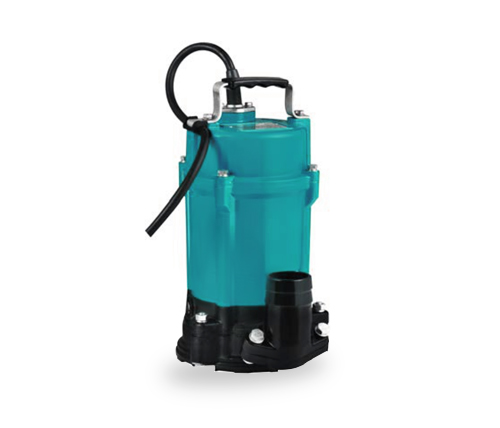
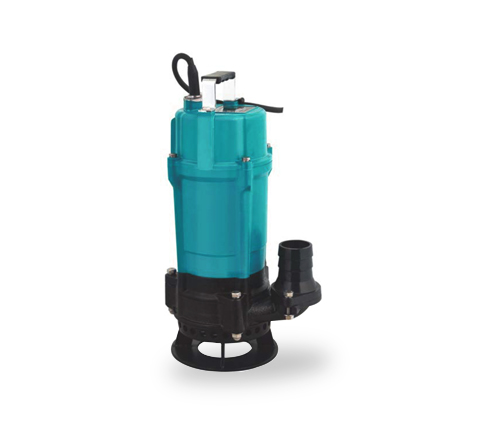
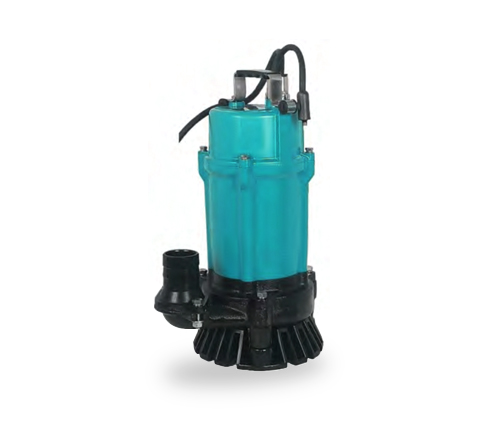
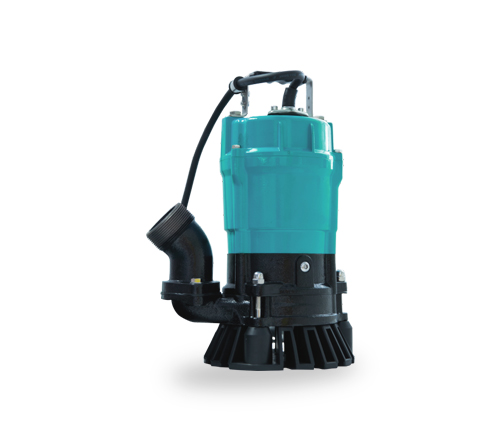
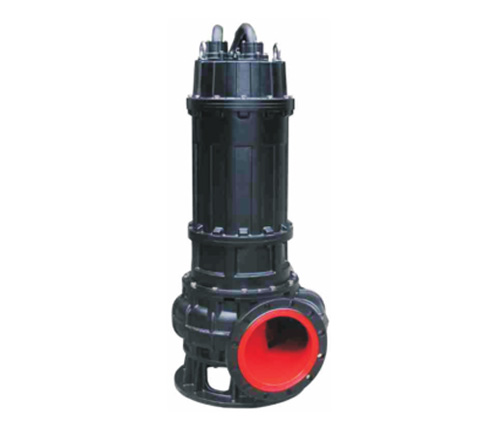
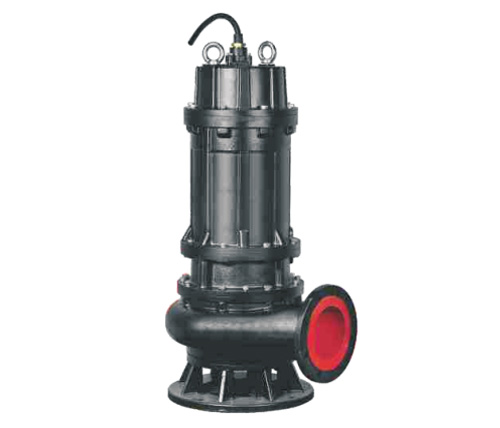
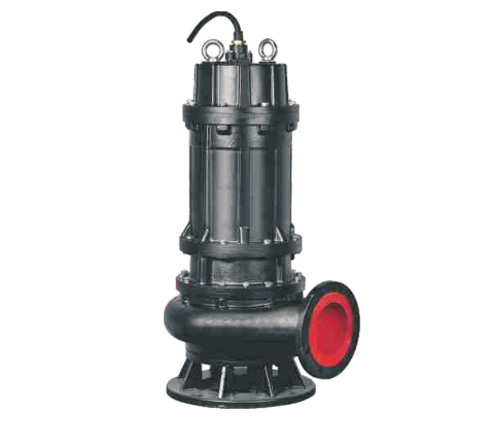
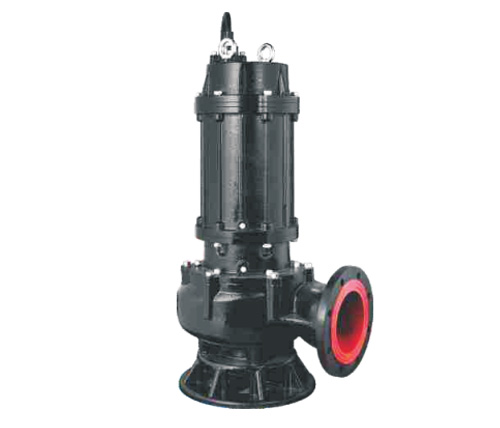
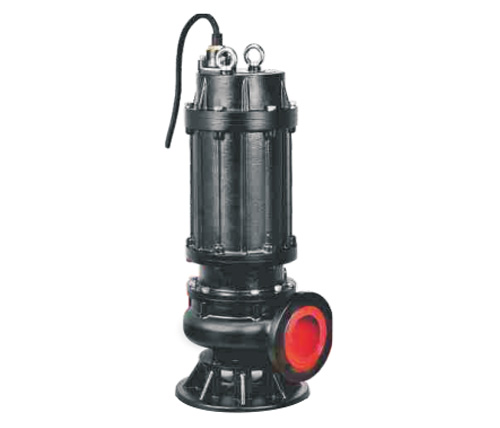
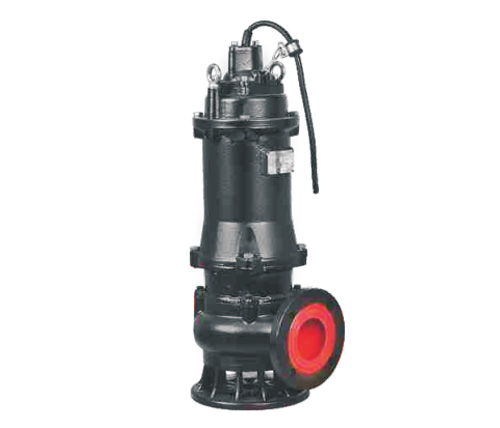
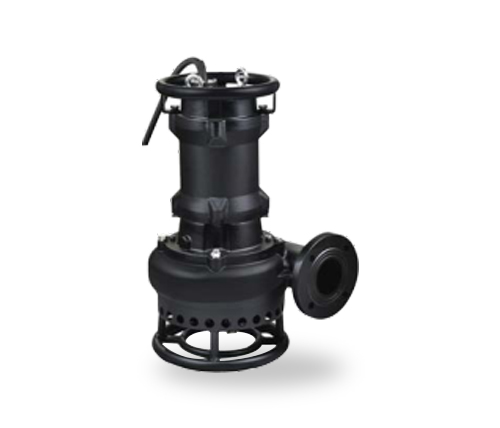
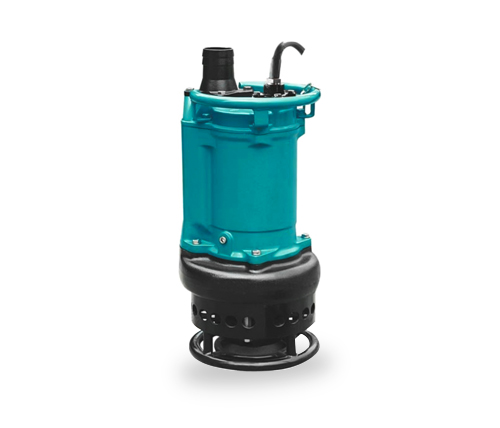

A Submersible Pump is a critical tool for moving water and other fluids from wells, tanks, or reservoirs. Unlike surface pumps, submersible...
READ MOREAccess to groundwater is a critical concern for agriculture, residential use, and industrial operations. A borehole pump is designed to ext...
READ MOREA Deep Well Pump is designed to draw water from wells that are significantly deeper than standard household sources. These pumps are widely...
READ MOREWater management is an essential part of agriculture, and efficient irrigation systems depend on reliable pumps. An Irrigation Pump Factory...
READ MOREA submersible pump factory is responsible for producing pumps that operate fully underwater while maintaining stable performance. These pump...
READ MORETheir ability to operate directly within the fluid they are moving grants them advantages in efficiency, noise reduction, and application in deep settings. A comprehensive understanding of these devices involves examining their common points of failure, their diverse applications, and the key operational parameter of pressure.
Despite their robust construction for submerged environments, submersible pumps are susceptible to several common malfunctions. Recognizing the symptoms and causes of these failures is the step in effective troubleshooting and prevention.
Submersible well pumps are a specialized subset designed primarily for accessing groundwater. Their sealed, elongated form factor makes them uniquely suited for this vertical application, serving as a reliable water source for various needs.
Residential and Commercial Water Supply: This is their widespread use. They are installed in drilled water wells to provide a consistent supply of potable water for households, farms, and commercial facilities. They feed pressure tanks and entire plumbing systems, supplying water for drinking, washing, and sanitation.
Agricultural Irrigation: Farmers and growers utilize submersible well pumps to draw water from aquifers for crop irrigation. They are often connected to drip systems, sprinkler networks, or center-pivot systems, providing a controlled and efficient water supply directly from the source.
Livestock Watering: In remote or rural settings, submersible pumps are deployed in wells or boreholes to fill troughs and tanks, ensuring a dependable water supply for cattle, poultry, and other livestock.
Industrial and Municipal Water Sourcing: Industries requiring process water and municipalities supplementing or creating public water supplies use large-capacity submersible well pumps to extract high volumes of groundwater from deep aquifers.
Ground Source Heat Pump Systems: In geothermal heating and cooling applications, submersible pumps are used in the groundwater loop to circulate water or antifreeze between the system's heat exchanger and the well, facilitating efficient thermal exchange with the earth.
Submersible utility pumps, designed for dewatering, drainage, and fluid transfer rather than pressurized supply systems, operate under different pressure expectations than well pumps. Their performance is typically defined by head (height) and flow, with discharge pressure being a resultant factor.
+86-13586290903 (WhatsApp)
Xuri Gongliang Cutting Tool Entrepreneurship Park, Wenqiao Town, Wenling City, Taizhou City, Zhejiang Province, China

Submersible Utility Pumps Wholesale


 English