
View All Products
en
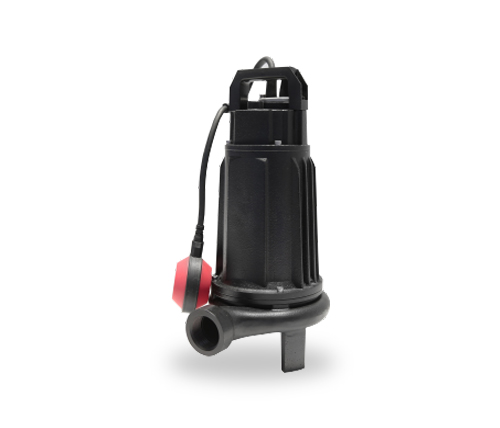
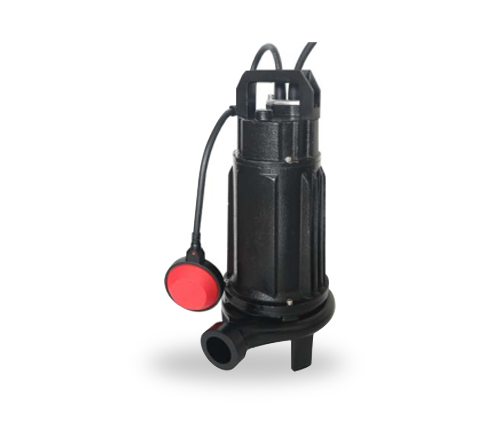
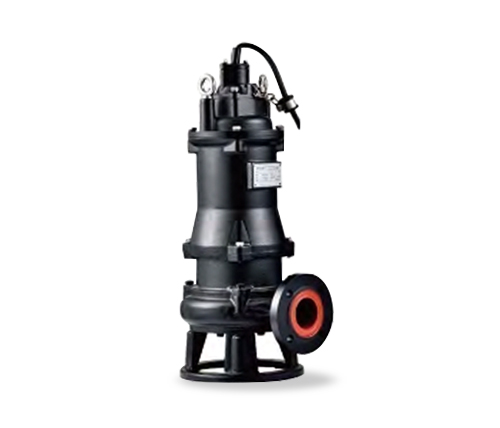
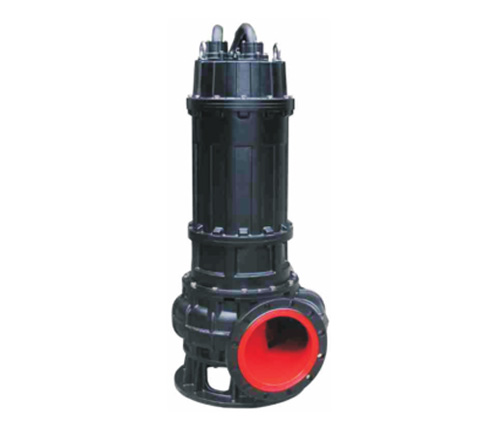
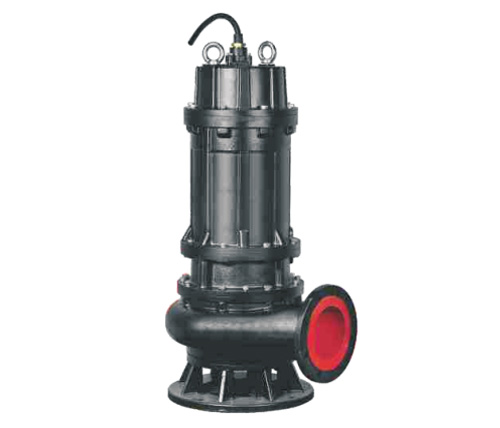
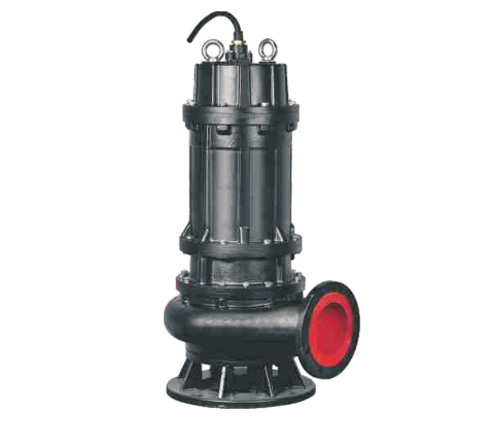
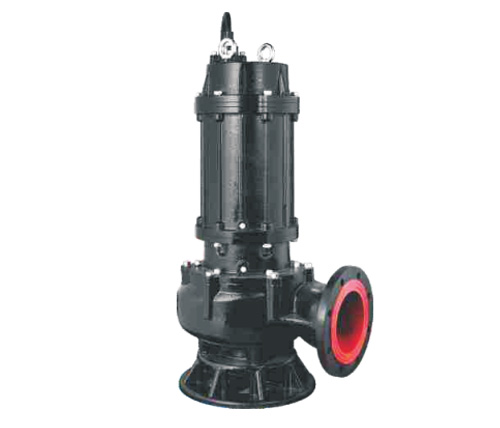
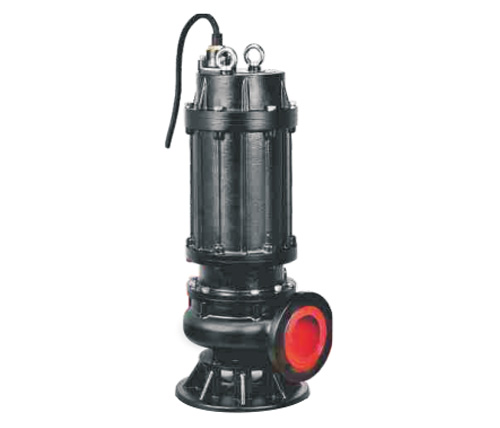
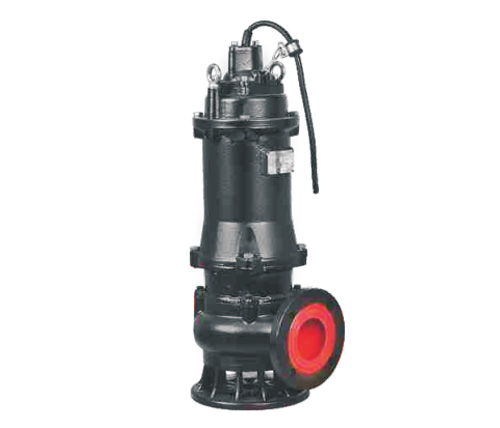
One of the main advantages of sewage submersible pumps is their ability to handle solids and other waste materials that would clog or damage traditional pumps. These pumps are designed with a grinder or shredder mechanism that breaks down waste into smaller pieces that can be pumped through the discharge pipe. This helps to reduce the risk of clogs and other blockages, which can cause serious problems in the sewage treatment process. Another important advantage of sewage submersible pumps is their ability to operate quietly and efficiently. Unlike traditional sewage pumps, which can be loud and generate a lot of vibration, these pumps are designed to operate quietly and smoothly, minimizing the disturbance they cause to the surrounding environment. They are also highly efficient, consuming less energy and reducing the overall cost of the pumping process. One of the key considerations when selecting a sewage submersible pump is the type of waste material that needs to be pumped. Different types of pumps are designed to handle different types of waste, so it is important to choose a pump that is specifically designed for the material being pumped. For example, some pumps are designed to handle high-solids waste, while others are better suited for handling liquids and other more fluid materials. Another important factor to consider when choosing a sewage submersible pump is the size and capacity of the pump. The size of the pump will determine the amount of waste it can handle at any given time, and it is important to choose a pump that is large enough to handle the needs of the system. Additionally, the capacity of the pump will determine the flow rate and the amount of time it takes to pump the waste material from one location to another.

Water management is an essential part of agriculture, and efficient irrigation systems depend on reliable pumps. An Irrigation Pump Factory...
READ MOREA submersible pump factory is responsible for producing pumps that operate fully underwater while maintaining stable performance. These pump...
READ MOREA borehole pump manufacturer plays an important role in water supply systems, especially in areas where surface water is limited. Borehole p...
READ MOREWater drawn from deep underground plays a key role in agriculture, industry, and residential supply. Behind this process is a Deep Well Pump...
READ MOREEfficient irrigation plays a key role in modern agriculture, landscaping, and water management projects. An experienced Irrigation Pump Fact...
READ MORESewage submersible pumps offer several practical advantages over traditional surface-mounted or dry-installed pumps, particularly in wastewater and drainage applications. One of the significant advantages is their installation method. Submersible pumps operate fully submerged in the sewage or wastewater they are pumping. This eliminates the need for long suction pipes, priming systems, or pump houses, which are often required for traditional pumps. As a result, system design is simpler and installation costs are typically lower.
Because submersible sewage pumps are designed to work underwater, they are less prone to cavitation, a common issue in traditional pumps caused by air entering the suction line. The direct immersion ensures stable suction conditions, which improves efficiency and reduces wear on internal components. Additionally, modern sewage submersible pumps are engineered with sealed motors and robust insulation, allowing them to operate continuously in harsh environments without frequent failures.
Noise and space efficiency are also notable advantages. Traditional pumps installed above ground often generate noticeable noise and require dedicated space or pump rooms. In contrast, submersible pumps operate quietly below the surface and occupy minimal visible space, making them suitable for residential, commercial, and municipal settings.
Maintenance requirements can also be reduced. While submersible pumps must be lifted out for servicing, they generally experience less mechanical stress due to balanced operation and cooling provided by the surrounding liquid. This can translate into longer service intervals and lower lifecycle costs when properly selected and maintained. Overall, sewage submersible pumps provide a compact, efficient, and reliable solution for modern wastewater handling compared to traditional pump systems.
Submersible sewage pumps are specifically designed to handle wastewater containing solids, fibers, and other debris. Their construction, performance characteristics, and application scope distinguish them from other pump types.
|
Feature |
Description |
Practical Benefit |
|
Fully Submerged Operation |
Pump and motor operate underwater in sealed housing |
Eliminates priming issues and reduces cavitation |
|
Sealed Motor Design |
Motor is protected with mechanical seals and insulation |
Prevents water ingress and improves reliability |
|
Solid Handling Capability |
Designed to pass solids of specified diameters |
Reduces clogging in sewage and wastewater systems |
|
Compact Structure |
Integrated pump and motor unit |
Saves space and simplifies installation |
|
Liquid Cooling |
Surrounding fluid dissipates motor heat |
Enables continuous and stable operation |
|
Automatic Control Options |
Can be paired with float switches or sensors |
Allows unattended and automated operation |
From a performance standpoint, submersible sewage pumps are available in a wide range of capacities and head ratings, making them adaptable to small residential systems as well as large municipal networks. Materials such as cast iron, stainless steel, or coated alloys are commonly used to ensure durability in corrosive or abrasive environments.
Compared to traditional dry-installed pumps, submersible sewage pumps generally provide higher efficiency in short-distance lifting applications and are easier to integrate into confined or underground spaces. Their standardized designs also make them compatible with prefabricated pumping stations and modular wastewater systems. These characteristics explain why submersible sewage pumps have become a standard solution in modern sewage and drainage engineering.
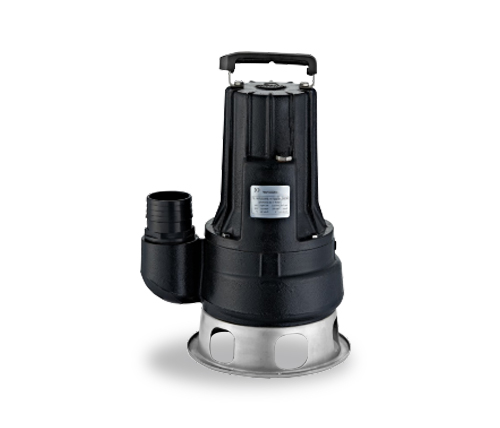
Sewage stainless steel pumps are particularly suitable for environments that demand both corrosion resistance and hygienic operation. Stainless steel construction offers resistance to rust, chemical attack, and microbial growth compared to standard cast iron materials. This makes such pumps well suited for wastewater systems where the liquid contains aggressive substances or where long-term durability is a priority.
One common application is in industrial wastewater treatment. Industries such as food processing, pharmaceuticals, chemical manufacturing, and beverage production often discharge wastewater that contains organic residues, cleaning chemicals, or mildly corrosive fluids. Stainless steel sewage pumps can withstand these conditions without rapid degradation, helping to maintain stable performance and reduce replacement frequency.
Municipal and commercial applications also benefit from stainless steel sewage pumps. In coastal areas or regions with high groundwater salinity, corrosion can be a serious concern for pumping equipment. Stainless steel pumps provide improved resistance in these environments, making them suitable for pumping stations, underground sewage pits, and stormwater systems exposed to saline or humid conditions.
Additionally, stainless steel sewage pumps are often used in buildings with strict cleanliness or safety requirements, such as hospitals, laboratories, and public facilities. Their smooth surfaces are easier to clean and less likely to accumulate deposits, supporting better hygiene management.
+86-13586290903 (WhatsApp)
Xuri Gongliang Cutting Tool Entrepreneurship Park, Wenqiao Town, Wenling City, Taizhou City, Zhejiang Province, China

Sewage Submersible Pump Manufacturer


 English