
edwina@edwin-pump.com

View All Products
en
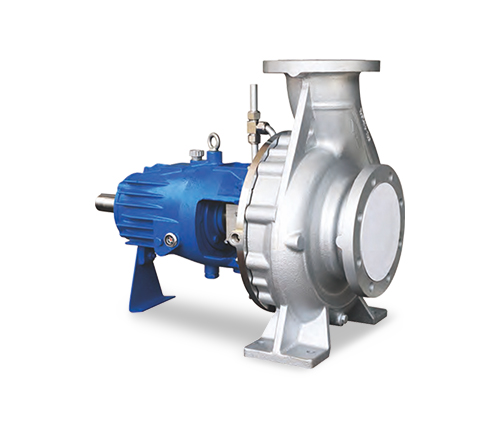
Water management is an essential part of agriculture, and efficient irrigation systems depend on reliable pumps. An Irrigation Pump Factory is dedicated to producing pumps that can handle a variety of agricultural requirements. From small-scale farms to larger commercial operations, these factories supply equipment designed to deliver consistent water flow and withstand demanding conditions.
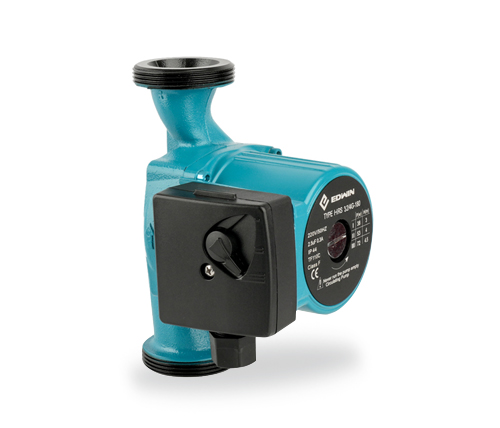
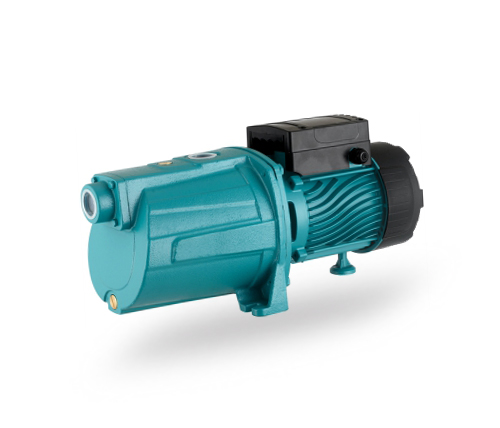
An Irrigation Pump Factory manufactures a range of pumps, including submersible, centrifugal, and booster pumps. These pumps are engineered for different water sources, such as wells, reservoirs, or rivers, and are adaptable to multiple irrigation methods like drip, sprinkler, or flood systems.
The factory carefully selects materials to resist corrosion and wear, ensuring the pumps remain functional over long periods of operation. Each unit undergoes tests to verify performance under expected working conditions.
Consistency is critical in a Irrigation Pump Factory. Automated assembly processes, precision machining, and thorough inspections are used to maintain uniform quality across all pumps.
Testing includes evaluating flow rate, pressure output, and energy efficiency, along with durability assessments. This ensures that farmers receive reliable pumps capable of supporting daily irrigation needs without frequent breakdowns.
The Irrigation Pump Factory serves a broad range of agricultural tasks. Smaller farms might require lightweight, portable pumps for seasonal crops, while larger farms need high-capacity pumps to distribute water over extensive fields.
Customization options allow pumps to be adapted to specific terrain, crop types, and water sources, making the equipment flexible enough to support different farming approaches.
Durability is a key consideration for pumps from an Irrigation Pump Factory. Components are built to resist abrasion, pressure fluctuations, and long-term exposure to water.
Routine maintenance, such as checking seals, cleaning filters, and lubricating moving parts, helps extend the service life of these pumps. Factories often provide guidance on maintenance schedules and supply replacement parts to maintain consistent performance.
Pumps from an Irrigation Pump Factory are designed for efficient operation. Consistent water delivery helps reduce waste and ensures crops receive adequate hydration. Energy-efficient motors and well-designed impellers allow farmers to manage resources carefully while maintaining healthy crops.
Reliable irrigation not only supports plant growth but also reduces labor and operational stress, allowing more precise control over farming activities.
Whether for a vegetable farm, orchard, or large-scale plantation, irrigation pumps from a dedicated factory improve water management and crop reliability. They provide steady flow, minimize interruptions, and adapt to different field conditions.
With proper use and regular maintenance, these pumps remain effective throughout multiple planting cycles, helping farmers plan more efficiently and reduce the risk of water-related crop stress.
An Irrigation Pump Factory plays a vital role in agriculture by producing durable, versatile, and reliable pumps. By focusing on quality, testing, and adaptability, these factories support farmers in managing water efficiently and maintaining crop health.
From production to long-term maintenance support, the factory ensures that irrigation systems are dependable, helping farmers improve productivity and sustain their operations over time.
edwina@edwin-pump.com
+86-13586290903 (WhatsApp)
Xuri Gongliang Cutting Tool Entrepreneurship Park, Wenqiao Town, Wenling City, Taizhou City, Zhejiang Province, China

High Performance Smart Pump Factory


 English