
View All Products
en
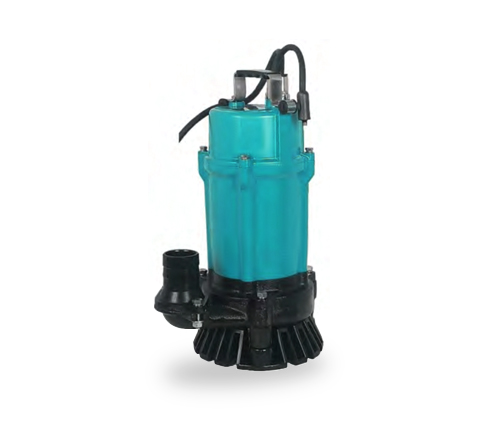
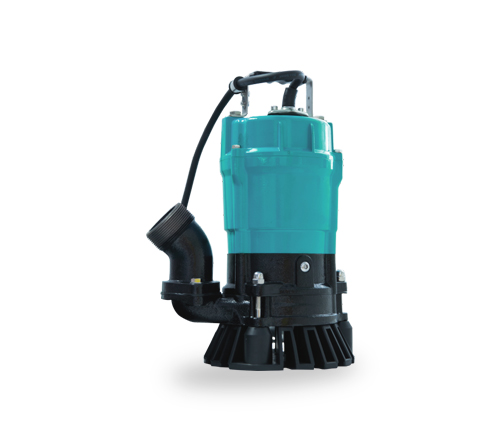
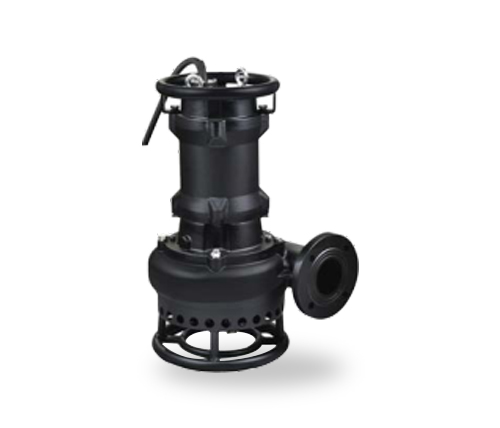
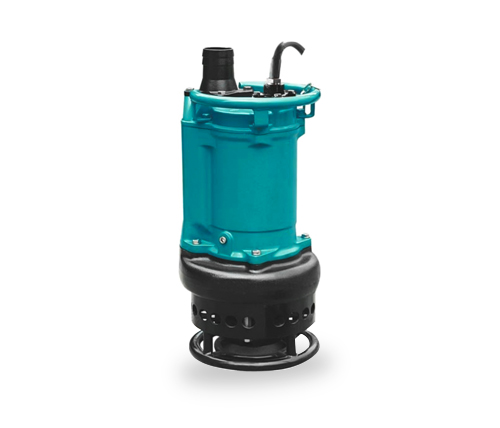
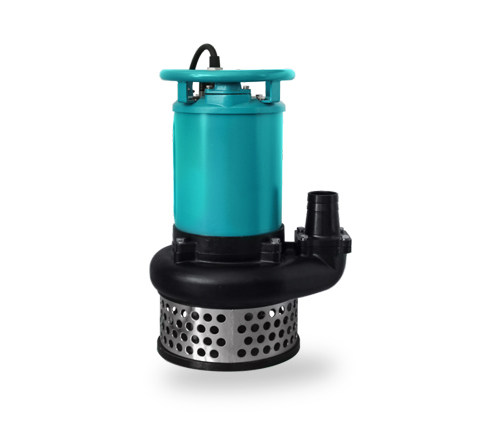
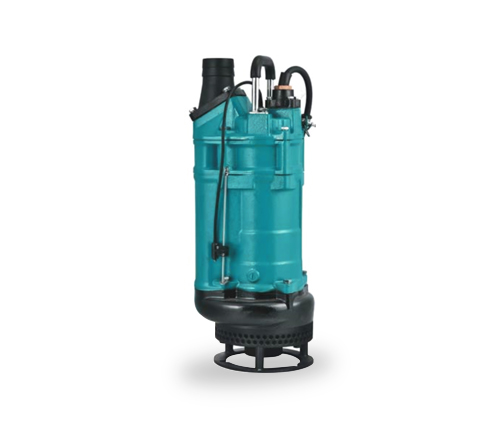
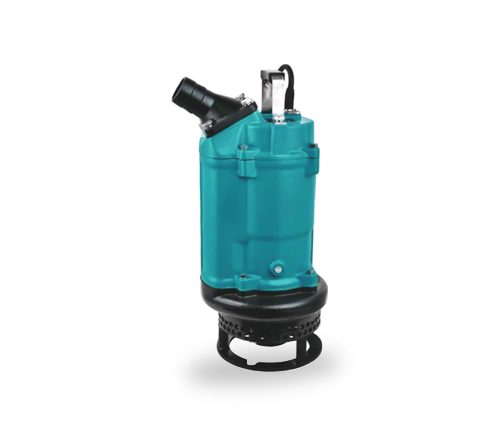
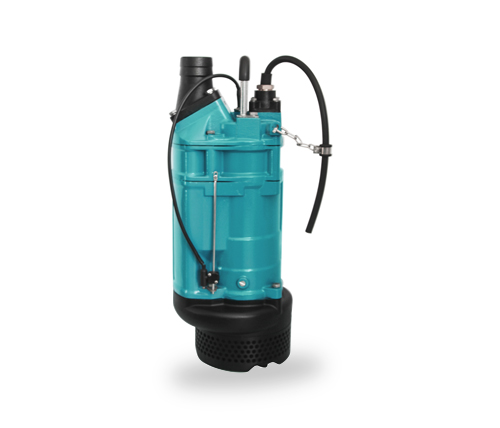
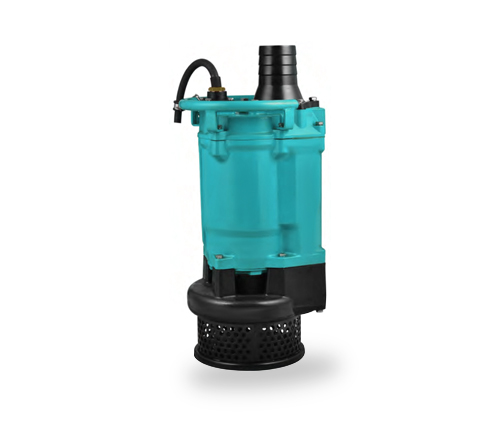
Drainage and slurry pumps are essential components in several industrial and agricultural processes. They are responsible for removing excess water, waste, and other harmful liquids from work sites, thereby preventing contamination and damage to the environment. These pumps are engineered to handle liquids with high solids content, viscous fluids, and abrasive materials. They play a crucial role in the transportation of liquids, especially in industries that deal with mining, chemical production, sewage treatment, and agricultural irrigation. A drainage pump, as the name suggests, is used to pump out excess water from a particular area. It is designed to handle clear water and is ideal for removing water from basements, swimming pools, wells, and other similar applications. Drainage pumps are typically submersible and are installed below the water level. This enables them to extract water without having to prime the pump, and they can also run continuously without having to stop and refill. Drainage pumps come in various sizes and capacities, ranging from small, portable units to large, heavy-duty pumps that can handle high volumes of water. On the other hand, slurry pumps are designed to handle liquids with a high solids content, such as sludge, slurry, and other abrasive materials. These pumps are made of hard-wearing materials like high-chromium iron, which are resistant to abrasive wear and corrosion. They come in various designs and configurations, including horizontal, vertical, and submersible models, which cater to different application requirements. Slurry pumps are commonly used in industries such as mining, where they are used to transport ore and tailings, as well as in sewage treatment plants, where they are used to transfer sludge and other waste materials.
Water management is an essential part of agriculture, and efficient irrigation systems depend on reliable pumps. An Irrigation Pump Factory...
READ MOREA submersible pump factory is responsible for producing pumps that operate fully underwater while maintaining stable performance. These pump...
READ MOREA borehole pump manufacturer plays an important role in water supply systems, especially in areas where surface water is limited. Borehole p...
READ MOREWater drawn from deep underground plays a key role in agriculture, industry, and residential supply. Behind this process is a Deep Well Pump...
READ MOREEfficient irrigation plays a key role in modern agriculture, landscaping, and water management projects. An experienced Irrigation Pump Fact...
READ MOREDrainage and slurry pumps are critical components in various industries, providing efficient solutions for moving water, slurry, and other liquids containing solid particles. These pumps are designed to handle different levels of viscosity, density, and particle sizes, making them versatile for multiple applications. Their robust construction ensures reliability in challenging environments where conventional pumps may fail. Below are some of the key applications:
Drainage pumps are widely used in construction projects to remove accumulated water from excavation sites, tunnels, and basements. They prevent flooding and allow work to proceed efficiently even during heavy rainfall.
Slurry pumps are essential in mining operations for transporting abrasive mixtures of water and mineral particles. They move tailings, ores, and slurry to processing plants or disposal areas. These pumps are designed to withstand high wear and tear caused by abrasive solids.
Municipalities use drainage pumps for stormwater management, sewage treatment, and flood control. They help move water efficiently from low-lying areas, pumping stations, and drainage channels.
Many industrial processes require the transfer of chemical slurries, wastewater, or cooling fluids. Slurry pumps in chemical, paper, and textile industries transport viscous liquids with solids, maintaining smooth operations and preventing blockages.
Agriculture and Irrigation:
Drainage pumps assist in managing water in fields, canals, and ponds, especially during heavy rainfall. They also support irrigation systems by moving water to crops efficiently.
In thermal and hydroelectric power plants, slurry pumps handle ash, sludge, and other byproducts, ensuring safe disposal and maintaining environmental compliance.
Slurry pumps are employed in dredging to remove sediment, sand, and sludge from rivers, lakes, and harbors. They ensure efficient sediment transport and maintain navigable waterways.
A submersible sludge and slurry pump is designed to operate fully submerged in the fluid it pumps. It handles liquids containing solids, sludge, or abrasive particles, often in mining, wastewater treatment, and industrial applications. Being submerged reduces the risk of cavitation and allows efficient pumping from deep tanks or ponds.
Submersible pumps eliminate the need for priming since they are already underwater. They also reduce noise, require less space, and minimize the risk of leaks. Their sealed design prevents contact between the motor and pumped fluid, ensuring safe operation even in harsh conditions.
They are built with wear-resistant materials such as high-chrome alloys or stainless steel. The impellers and casings are specifically engineered to reduce abrasion, allowing the pumps to handle high concentrations of solids without frequent maintenance.
Yes, submersible pumps often consume less energy compared to above-ground pumps due to reduced friction losses and shorter suction distances. Modern models incorporate efficient motor designs and variable frequency drives to optimize energy use.
Regular inspection of seals, impellers, and bearings is essential. Operators should monitor wear, check for blockages, and ensure the pump remains submerged during operation to prevent motor overheating.
Lifespan depends on the material of construction, operating conditions, and maintenance frequency. High-quality pumps in standard conditions can last 5–10 years or more, with critical parts replaced periodically.
Current trends include corrosion- and wear-resistant materials, integrated monitoring systems for predictive maintenance, and designs optimized for higher solid content handling. These improvements enhance efficiency, reduce downtime, and lower operating costs.
+86-13586290903 (WhatsApp)
Xuri Gongliang Cutting Tool Entrepreneurship Park, Wenqiao Town, Wenling City, Taizhou City, Zhejiang Province, China

Drainage And Slurry Pump Manufacturer


 English