edwina@edwin-pump.com

View All Products
en
Modern water systems increasingly need to balance reliability, energy efficiency, installation flexibility, and operating cost. In many homes, farms, remote facilities, and small commercial projects, conventional electric pumps can provide dependable water movement but may depend entirely on an unstable or expensive grid connection. Traditional solar pumps, on the other hand, can reduce electricity consumption but may experience interruptions when sunlight changes. The ADJET Series AC/DC Hybrid Motor Solar Jet Pump addresses this challenge by combining solar direct-current operation with mains alternating-current operation in one compact surface pumping solution.
This product is designed for users who require more than basic water transfer. Its jet pump structure is intended to increase pressure and support longer-distance delivery, making it suitable for household water supply, agricultural irrigation, garden watering, tanks, rooftops, community systems, and off-grid projects. The integrated hybrid motor provides the flexibility to use available solar energy during suitable daylight conditions while allowing the pump to operate from an AC supply when solar output is reduced or unavailable.
Unlike a pump designed around only one energy source, the AC/DC hybrid concept gives the system a broader operating range. Solar power can reduce dependence on conventional electricity, while AC backup helps maintain water availability during cloudy weather, evening operation, seasonal changes, or periods of increased demand. This combination is especially valuable in locations where water access is essential but the power supply is variable.
The ADJET Series is produced by Taizhou Edwin Electric Co., Ltd., an integrated pump manufacturer with experience in research and development, mass production, and global export. Since its establishment in 2008, the company has developed product lines covering deep well pumps, submersible pumps, domestic booster pumps, circulation pumps, solar water pumps, and intelligent booster pumps. This broad product background supports a practical understanding of different water system requirements, from residential supply to agricultural, municipal, construction, mining, HVAC, and renewable-energy applications.
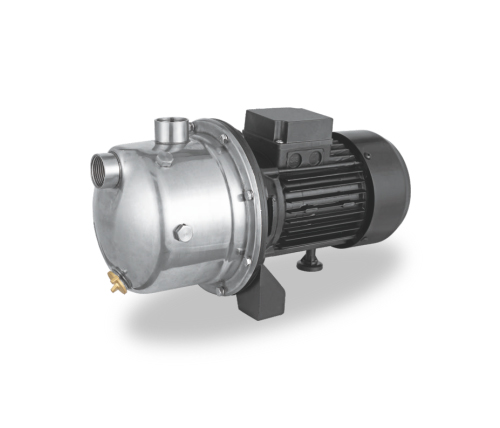
ADJET Series AC/DC Hybrid Motor Solar Jet Pump
An AC/DC hybrid solar jet pump is a surface-mounted pump that can receive power from two different electrical sources. The first is DC power generated by solar panels. The second is AC power supplied by the electrical grid or another compatible mains source. The pump motor is designed to work with both input types within the specified voltage ranges, allowing the user to select or manage the most suitable energy source for current conditions.
The ADJET3-55-72-750 model is rated at 750 watts and supports an AC voltage range of 85V to 280V. Its DC operating range is 100V to 350V. This wide input flexibility can help accommodate changing solar conditions and variations in available electrical supply. The listed maximum flow is 3 cubic meters per hour, while the maximum head reaches 55 meters. The pump has a 1-inch by 1-inch outlet configuration and is supplied with a 2-meter cable.
In practical terms, maximum head indicates the highest vertical pressure capability under specified test conditions, while maximum flow indicates the greatest volume the pump can move under favorable conditions. Actual performance depends on pipe length, pipe diameter, elevation, fittings, water source conditions, suction arrangement, solar power availability, and the operating point selected on the performance curve. A proper system design should therefore consider the complete hydraulic requirement rather than relying only on the maximum figures.
The jet pump structure is particularly important. A standard surface centrifugal pump may be suitable for relatively simple transfer duties, but a jet pump is designed to produce stronger pressure performance in applications involving elevation, distance, or household distribution. The jet arrangement supports water movement where users need a more forceful supply than a basic transfer pump can provide.
Because the pump is surface-mounted, it is generally installed outside the water source rather than submerged inside a well or tank. This arrangement simplifies inspection, maintenance, and access to the motor and pump body. It also makes the product suitable for applications where water must be drawn from a storage tank, shallow source, collection point, or pressurized supply system. Installation must follow the product instructions, especially concerning suction conditions, priming, pipe sealing, and protection from dry running.
The most significant functional advantage is the ability to use both DC solar power and AC mains power. Solar energy can be prioritized when it is available, reducing operating electricity costs and supporting renewable-energy objectives. AC power can serve as a backup or alternative source when solar output is not sufficient.
This arrangement is different from a single-source solar pump, which may stop when sunlight becomes weak. It is also different from a standard AC pump, which cannot directly use solar DC power without an additional conversion system. A hybrid pump can reduce the number of separate components required for an integrated solar-water solution, depending on the overall control and installation design.
The hybrid approach is valuable in regions with variable weather. A sunny day can provide suitable power for irrigation or tank filling, while a cloudy period can still allow operation through the AC supply. In household systems, the pump can support regular water pressure without requiring a completely separate backup pump. In agricultural systems, it can help reduce the risk of missed irrigation cycles caused by short-term solar fluctuations.
Surface pumps offer a practical alternative to submersible pumps when the water source and installation conditions are suitable. The motor remains accessible above ground, allowing operators to check connections, clean components, inspect seals, and perform maintenance without lifting the complete pump from a deep well.
This accessible structure can be useful for farms, gardens, workshops, rooftops, and small water treatment installations. It also supports faster troubleshooting. If the pump does not start, technicians can more easily check the power source, cable, inlet pipe, outlet pipe, priming condition, and motor behavior.
However, surface installation must be planned correctly. The suction distance, elevation, water temperature, pipe condition, and inlet arrangement all affect performance. A surface jet pump cannot compensate for every unsuitable installation condition. A correctly sized suction pipe, effective foot valve where required, airtight connections, and appropriate protection from freezing or flooding are essential for reliable service.
The AC/DC hybrid motor is the foundation of the product’s flexibility. It enables operation from a solar DC array or an AC mains supply within the specified voltage ranges. This means system designers do not need to choose between renewable energy and conventional power at the initial planning stage. The pump can be incorporated into a hybrid energy strategy from the beginning.
For users, this can improve operational continuity. Solar energy may be used during daytime pumping, while AC supply can be used for night-time water demand or poor weather. The arrangement can also make the pump more suitable for areas where the grid exists but is unreliable or costly. Instead of treating solar power as a separate system, the pump integrates it into the main water supply concept.
The motor’s wide voltage compatibility is another practical advantage. Solar panel output changes according to sunlight intensity, temperature, shading, and panel configuration. The specified DC range gives system planners a defined electrical window for selecting a compatible solar array. The AC range also provides flexibility for applications with different mains conditions, subject to local electrical requirements and professional installation.
The jet pump design is intended for applications that require stronger pressure and longer-distance transfer. This makes the ADJET Series different from a simple low-pressure transfer pump. It can be considered for household distribution, elevated tanks, irrigation networks, garden systems, and other applications where water must travel through pipework or reach a higher point.
Pressure performance is important in residential water supply. A pump may need to move water from a storage tank to bathrooms, kitchens, washing areas, or upper floors. In agricultural use, water may need to travel across an orchard or garden through multiple branches. The jet configuration helps address these conditions by providing a pressure-oriented pumping profile.
System designers should still calculate the total dynamic head. This includes static elevation, friction losses, valves, elbows, filters, meters, and the pressure required at the final outlet. The pump’s maximum head is not the same as the head available at maximum flow. The performance curve should be used to identify the actual operating point.
Solar operation can reduce dependence on grid electricity and help lower energy costs over the service life of a water system. The ADJET Series is designed to make use of solar-generated DC power while maintaining AC compatibility for continuity. In a properly designed installation, the pump can use renewable energy during periods of suitable solar production and reduce the amount of conventional electricity required.
Energy efficiency is not determined by the motor alone. It also depends on pipe sizing, pump selection, operating schedule, water storage, system pressure, and maintenance. A pump connected to an undersized pipe may operate against unnecessary friction losses. A system with leaks may require longer operating hours. A system that fills a storage tank during strong sunlight can be more efficient than one that attempts to maintain unnecessary continuous pressure.
The product is therefore best understood as part of an energy-efficient water system. Its hybrid function gives the system more opportunities to use solar energy, while the jet design can support efficient water delivery when the hydraulic design is correctly matched to the pump’s performance range.
The compact surface-pump arrangement supports installation in locations where space is limited. It can be considered for rooftops, equipment rooms, tank areas, garden structures, small farms, and remote solar pumping stations. The supplied 2-meter cable provides a practical connection length for many basic layouts, although the final electrical arrangement may require additional compliant wiring and protection equipment.
A compact pump can also simplify transportation and site handling. This matters for remote projects where large equipment is difficult to deliver. Smaller systems can be designed with a solar array, pump, pipes, valves, storage tank, and control protection without requiring large civil works.
Easy installation does not mean that professional planning is unnecessary. Electrical connections, solar panel voltage, overcurrent protection, grounding, pipe alignment, priming, and water-source conditions must all be checked. The advantage is that the product’s format is compatible with practical small and medium water systems, not that installation can be performed without technical consideration.
The product is intended for long-term use in residential, agricultural, and off-grid applications. Durable construction is important because solar pumps may be installed in locations where service access is limited. A robust pump reduces the likelihood that ordinary environmental exposure, repeated operation, or routine water-system use will quickly interrupt service.
Low maintenance requirements can provide benefits to both homeowners and commercial operators. Regular maintenance generally focuses on keeping the inlet system clear, checking for leaks, inspecting electrical connections, confirming adequate priming, and monitoring unusual noise or vibration. Preventive checks are usually less costly than repairs after a complete failure.
Maintenance intervals should be adjusted to the water quality and operating environment. Clean water systems may require less frequent attention than irrigation systems handling sand, sediment, organic matter, or mineral deposits. A strainer or suitable filtration device may be necessary where the water source contains suspended particles. Filters should be maintained carefully because excessive blockage can reduce inlet performance and increase stress on the system.
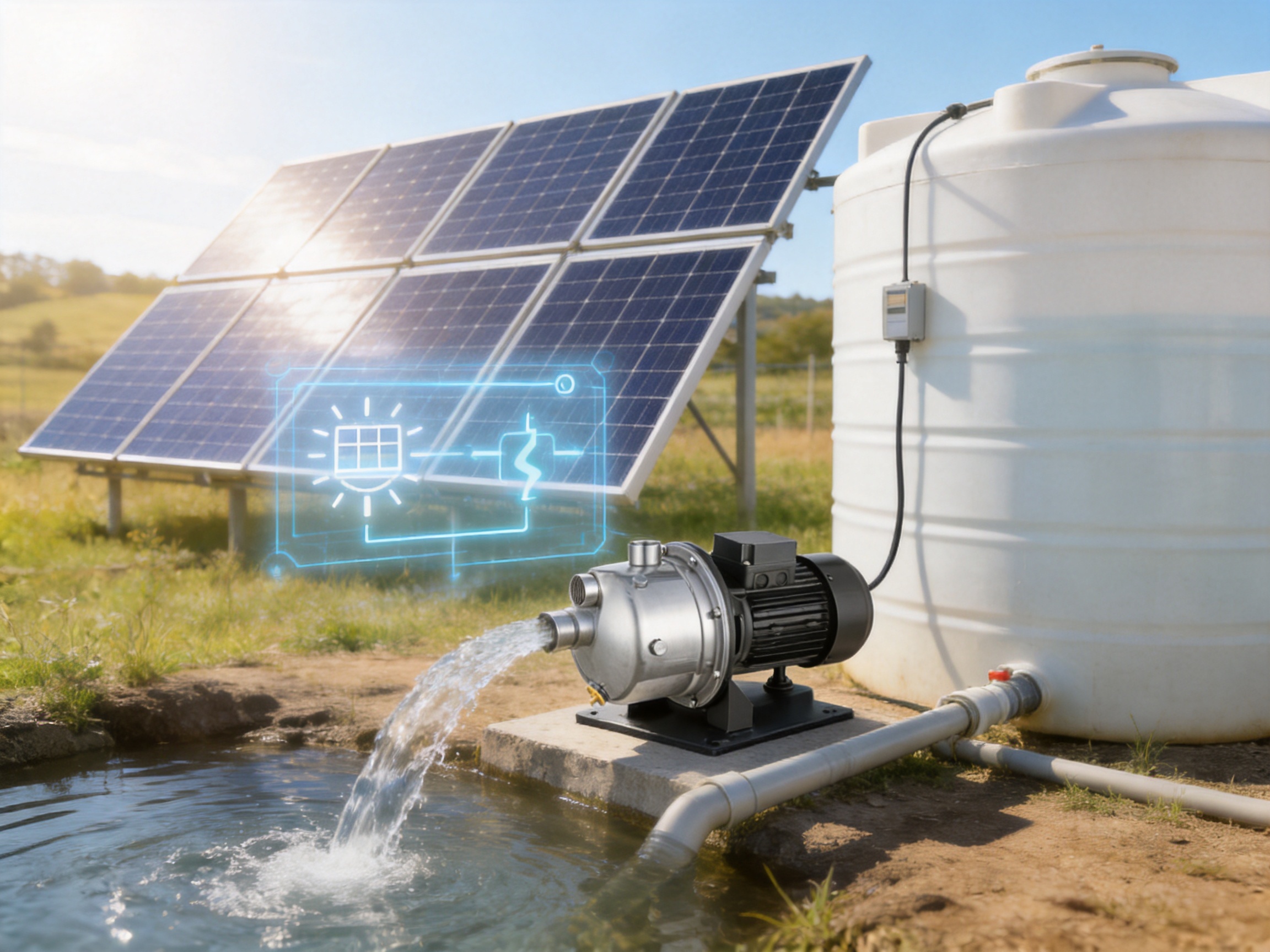
The published performance data for the ADJET3-55-72-750 provides a useful starting point for selection. The following table summarizes the available model information.
| Specification | ADJET3-55-72-750 |
|---|---|
| AC voltage | 85V–280V |
| DC voltage | 100V–350V |
| Rated power | 750W |
| Maximum flow | 3 m³/h |
| Maximum head | 55m |
| Outlet | 1" × 1" |
| Cable length | 2m |
| Solar panel open-circuit voltage | Less than 450V |
| Recommended solar panel power | At least 1.3 times pump power |
The recommended solar panel power is at least 1.3 times the pump power. For a 750W pump, this indicates a solar array with a minimum nominal power of approximately 975W, subject to the manufacturer’s system requirements and the characteristics of the selected panels. The solar panel open-circuit voltage must remain below 450V. These values must be evaluated together, because a panel array may meet the wattage requirement while exceeding the allowable voltage, or remain within the voltage limit while providing insufficient power under normal conditions.
Solar panels do not always deliver their nameplate power. Temperature, cloud cover, shading, panel orientation, dust, cable losses, and seasonal sun position can reduce actual output. A suitable design should account for these factors and should avoid placing panels where nearby buildings, trees, poles, or roof structures create partial shading.
The maximum flow of 3m³/h is equivalent to approximately 50 liters per minute under favorable conditions. The maximum head of 55m represents a substantial pressure capability for a compact surface pump, but actual flow at a given head will be lower than the maximum flow figure. The performance curve should be consulted when selecting the pump for a particular pipe network.
For example, a household system may require a moderate flow at a moderate head, while a long irrigation line may require a different balance between flow and pressure. If the design requires several outlets to operate simultaneously, the engineer should calculate the combined demand and determine whether the pump can maintain the desired pressure at that flow rate.
The correct operating point is where the pump curve intersects the system curve. The pump curve describes the pressure or head the pump can develop at different flow rates. The system curve represents the pressure needed to overcome elevation and friction at different flow rates. The final operating condition is determined by both the pump and the pipe network.
Pipe diameter has a major effect on friction loss. Although the pump has 1-inch connections, the complete system should be designed with appropriate pipe dimensions and transition fittings. Long pipe runs, narrow pipes, many elbows, clogged filters, and partially closed valves can reduce delivered flow. A system that is hydraulically efficient can obtain better performance from the same pump and solar array.
One effective way to use a solar pump is to fill a storage tank during daylight rather than trying to meet every demand instantly. Water storage acts as an energy buffer. During strong sunlight, the pump can transfer water to the tank. Users can then draw water later, including during periods when solar power is weak.
The hybrid AC/DC feature makes this arrangement even more flexible. If the tank level becomes low during the evening or on a cloudy day, AC power can be used to restore the supply. In areas with unreliable grids, the tank can provide a reserve while solar energy remains the primary source.
Storage capacity should be determined by daily water consumption, irrigation schedule, weather conditions, available water source, and the desired reserve period. A tank that is too small may not provide sufficient resilience, while an unnecessarily large tank may increase project cost and structural requirements.
An AC-only surface pump depends on mains electricity or a generator. This can be acceptable where the grid is stable and electricity costs are manageable, but it provides no direct access to solar DC power. Adding solar energy later may require an inverter, a separate controller, additional wiring, and a revised system design.
The AC/DC hybrid pump is prepared for both energy sources. This can reduce the complexity of integrating solar power into the pumping system. It also gives users the ability to use renewable energy without completely abandoning AC backup. The result is a more adaptable energy strategy for homes, farms, and remote facilities.
During strong sunlight, solar operation can lower grid consumption. During low solar conditions, AC operation can preserve water availability. This operational flexibility is a key advantage over an AC-only design.
A DC-only solar pump can be highly effective in a fully off-grid installation, but its operation is closely tied to solar availability unless batteries or another backup system are included. Batteries add cost, maintenance, weight, and replacement considerations. Without storage or backup, water production may stop after sunset or during extended cloudy weather.
The hybrid pump provides an alternative. Users can operate from direct solar power while retaining access to AC mains supply. This may reduce the need for a large battery bank, especially when the system uses a water storage tank as its primary energy buffer. For projects that already have grid access but want to reduce energy costs, a hybrid pump can offer a more balanced solution than a DC-only design.
Basic transfer pumps are generally intended to move water from one location to another with limited pressure requirements. They may be unsuitable for long pipelines, elevated outlets, or household distribution systems that require stronger pressure.
The jet design of the ADJET Series is intended for higher-pressure water movement. It can be more appropriate for applications involving long-distance transfer, elevation, irrigation branches, and residential water supply. This does not mean that every jet pump will outperform every transfer pump in every condition; selection must still be based on the pump curve and system requirements. However, the product’s design purpose is clearly oriented toward pressure enhancement and more demanding surface-pumping duties.
Another approach is to install a conventional AC pump, a solar inverter, a changeover system, and separate controls. Such an arrangement may provide extensive design flexibility, but it can also increase the number of components, connection points, and potential failure locations. More components may require more installation space and more detailed commissioning.
A hybrid pump can simplify the overall equipment concept by combining AC and DC compatibility in the motor system. The exact external controls still depend on the project, but the core pumping equipment is designed around dual-energy operation. This can be attractive for smaller projects where simplicity and compactness are important.
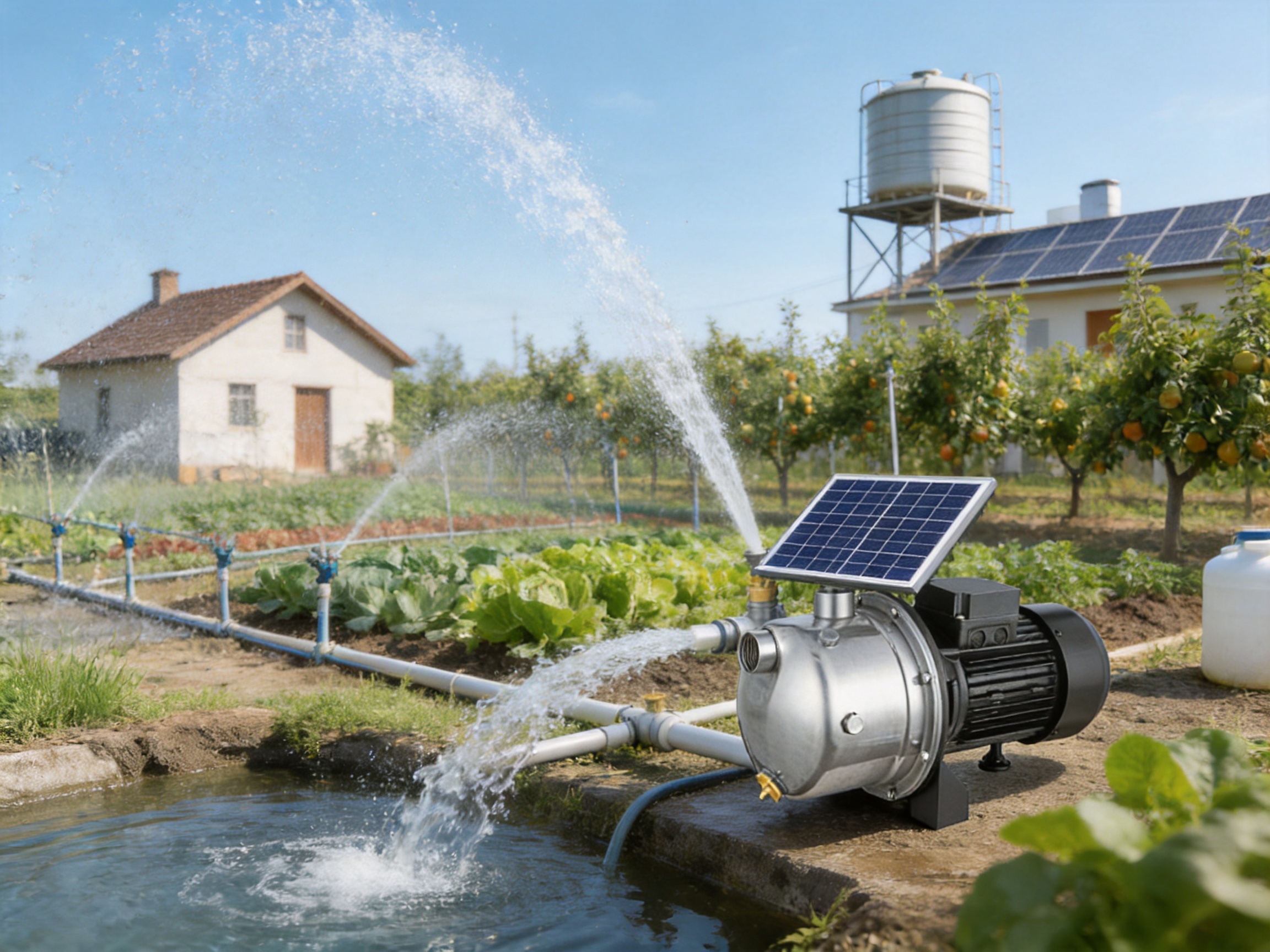
The ADJET Series can support household water systems where water must be transferred from a tank, shallow source, or collection point to taps and appliances. The jet design is suitable for applications requiring improved pressure, while the hybrid power arrangement allows homeowners to use solar energy during the day and AC power when necessary.
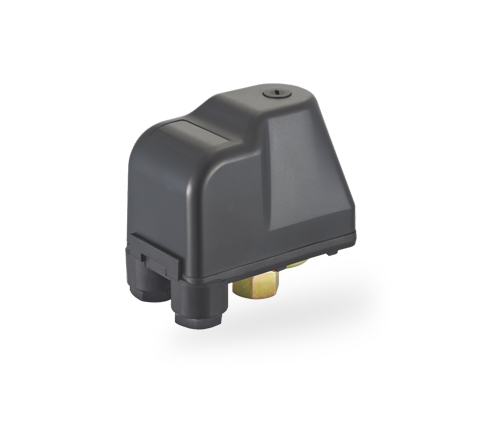
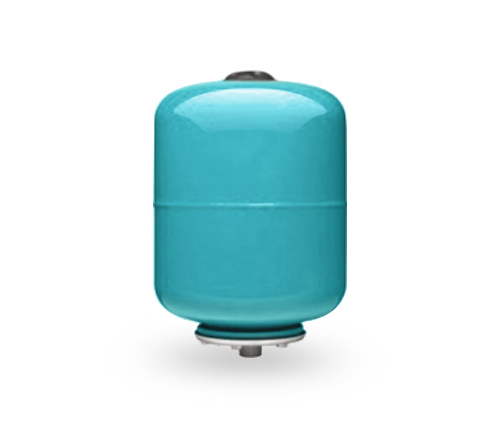
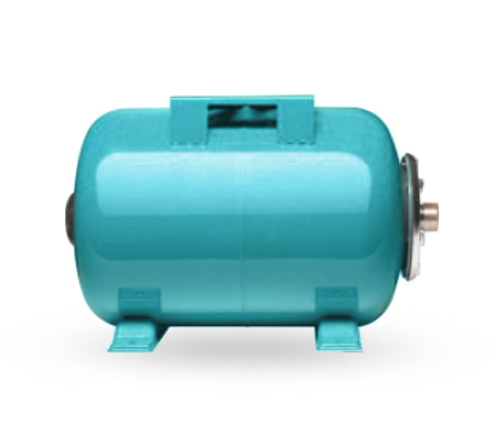
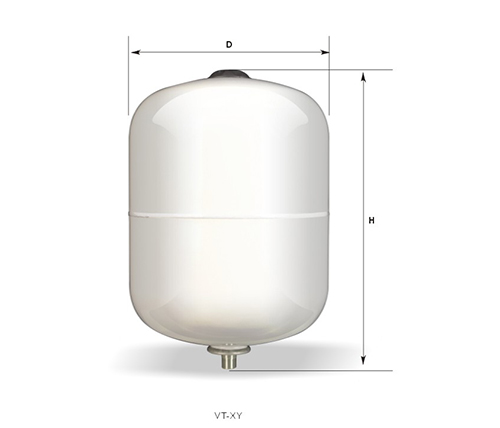
In a residential installation, the pump may be connected to a storage tank, pressure vessel, or distribution network. A pressure switch or suitable control method may be used where required by the system design. The installation should include appropriate protection against dry running, overcurrent, and abnormal operating conditions according to the project’s electrical and hydraulic requirements.
Households in areas with rising electricity prices may use solar operation to reduce daytime pumping costs. Homes in regions with unreliable grids may use the AC input as a backup rather than relying on a generator. The result is a more resilient water supply with several available operating modes.
Small farms, orchards, nurseries, and gardens often need water moved across moderate distances or delivered to elevated sections of land. The pump’s pressure-oriented jet design can support irrigation systems with hose lines, branch pipes, sprinklers, and selected drip systems, provided the flow and pressure requirements are compatible.
Solar pumping is particularly useful for daytime irrigation because irrigation demand often coincides with periods of sunlight. Where the irrigation schedule changes or additional water is needed during low-light conditions, AC operation can supplement solar energy. Farmers can also use a storage tank to separate the timing of water pumping from the timing of irrigation.
Water quality should be evaluated before installation. Sand, mud, plant matter, and other solids can affect pump performance and service life. A suitable intake arrangement and filtration strategy can protect the system. Irrigation operators should also inspect valves and emitters because blocked or damaged components can change system pressure and cause inefficient operation.
Remote facilities may include cabins, field stations, construction camps, small community systems, livestock areas, and isolated agricultural installations. In such locations, solar power can provide an important source of energy without requiring a long utility connection. The hybrid input also gives project operators an option to use a generator or local AC source when solar energy is insufficient.
The compact design can simplify transportation to remote sites. A solar array, pump, pipes, valves, and storage tank can be planned as a modular system. Remote installations should include protection from weather, unauthorized access, flooding, and physical impact. Electrical components must be installed in accordance with local safety standards and environmental conditions.
Small community water systems can benefit from a pump that combines renewable-energy operation with backup flexibility. The pump may transfer water from a source to an elevated tank, from a storage tank to a distribution point, or through a localized supply network.
For community applications, reliability and serviceability are especially important. Operators may not have immediate access to specialized technicians, so an accessible surface-mounted pump can be easier to inspect than deeply installed equipment. A documented maintenance schedule, spare parts plan, and clear operating procedure should be prepared for shared systems.
Rooftop tanks, garden irrigation systems, and small landscape projects often require compact equipment with manageable power demand. The 750W rating of the listed model can be suitable for selected small and medium installations, subject to the actual hydraulic requirement.
Rooftop installations require careful attention to structural loading, water leakage, cable routing, lightning protection, and weather exposure. Garden systems should be designed to avoid unnecessary cycling. A timer, storage tank, or controlled irrigation zone may help the pump operate at more suitable intervals.
The performance of a solar pump depends not only on its published specifications but also on the consistency of its manufacturing process. Taizhou Edwin Electric Co., Ltd. operates as an integrated manufacturing enterprise covering independent research and development, mass production, and global export. This structure allows the company to connect product design with production planning, quality control, order coordination, and international delivery.
An integrated manufacturer can develop products with manufacturing practicality in mind. During product development, motor selection, pump hydraulics, housing structure, cable arrangement, connection dimensions, and service requirements can be considered together. This helps reduce the risk of designing a product that performs well in theory but is difficult to produce consistently or install economically.
Independent research and development is important in the solar-pumping sector because renewable-energy applications present different operating conditions from standard AC pumping. Solar input is variable, system voltage can change, and users may require hybrid operation. Product development must therefore consider electrical compatibility, hydraulic performance, energy use, and practical installation.
The company’s investment in new energy and intelligent technology since 2018 reflects a continuing effort to expand beyond conventional pump categories. The ADJET Series represents this direction by combining a solar-compatible motor concept with the pressure characteristics of a jet pump. Its development is aligned with growing demand for renewable-energy water systems and flexible residential or agricultural equipment.
Mass production can provide important advantages for distributors, project contractors, and original equipment purchasers. Consistent production planning helps support repeat orders, standard model availability, and more predictable procurement. It also allows manufacturing teams to develop repeatable assembly and testing procedures.
For a pump product, repeatability matters because small variations in motor assembly, impeller balance, sealing, electrical connections, and housing fit can affect operating behavior. A manufacturer with established mass-production experience can organize these processes around standard work instructions and inspection points. Although exact factory procedures may vary by model and production batch, the underlying goal is stable quality across repeated units.
The company’s product portfolio includes deep well pumps, submersible pumps, domestic booster pumps, circulation pumps, solar pumps, and intelligent booster pumps. This range gives the manufacturer experience across different hydraulic configurations and application environments.
Portfolio breadth can support better product matching. A customer may begin with a surface solar pump but later require a deep well pump, a booster system, or a circulation pump. A manufacturer familiar with multiple pump categories can provide more coherent technical guidance across a complete water project. This is also beneficial for distributors seeking a one-stop product range.
The company has established supporting import and export organizations to assist with procurement planning, order tracking, cross-border delivery, and foreign trade services. For international customers, these capabilities are important because successful equipment supply involves more than manufacturing. Product documentation, packaging, delivery coordination, communication, and after-sales support all affect the customer experience.
Global export experience can also improve awareness of different market requirements. Voltage conditions, installation practices, packaging expectations, environmental conditions, and customer preferences vary by country. A manufacturer serving international customers must coordinate these factors while maintaining product consistency.
The company’s stated focus on quality, innovation, high-performance water pumps, and one-stop procurement services aligns with the requirements of international industrial customers. For buyers, one-stop service can reduce the time required to source different pump types from multiple suppliers. It can also simplify communication when several products are part of one water project.
Customers should still confirm the technical documentation, certifications, testing requirements, warranty terms, packaging standards, and spare-parts arrangements relevant to their destination market. A strong manufacturing background is valuable, but proper project documentation and application-specific verification remain essential.
The solar array must remain within the permitted DC voltage range and open-circuit voltage limit. The listed model supports 100V to 350V DC operation, and the solar panel open-circuit voltage should be below 450V. Panel series and parallel arrangements must be calculated using the actual panel electrical characteristics at the lowest expected temperature, because open-circuit voltage can rise in cold conditions.
The recommended solar panel power is at least 1.3 times the pump power. For the 750W model, a nominal array of approximately 975W or more is indicated. The final selection should consider local solar radiation, seasonal weather, panel degradation, cable losses, and the expected pumping schedule.
The AC supply must remain within the specified 85V to 280V range. A qualified electrician should verify the local voltage, frequency, grounding, protective devices, and isolation method. The pump should be protected from short circuits, overload, abnormal voltage, and environmental hazards in accordance with applicable regulations.
Where the pump is installed outdoors, the electrical enclosure and cable arrangement should be protected from rain, condensation, direct water spray, and flooding. Cable entries should be sealed appropriately, and the pump should not be installed where water can accumulate around the motor or electrical connections.
The suction line should be as short and direct as practical. It should be properly sealed to prevent air entering the system. Air leaks on the suction side may cause loss of prime, unstable operation, reduced flow, or excessive noise. The suction pipe should be supported independently so that its weight does not place stress on the pump connection.
The discharge side should include suitable valves and, where needed, a pressure gauge or flow monitoring point. A non-return valve may be required depending on the system arrangement. Long discharge lines should be sized to control friction losses. The 1-inch outlet connection should be matched with suitable fittings rather than forcing incompatible components into place.
Surface jet pumps commonly require correct priming before operation. The pump casing and suction line must be filled according to the installation instructions. Operating without water can damage internal components and reduce service life.
Where the water source can become empty, a low-level sensor, float switch, flow monitor, or other dry-running protection method should be considered. This is particularly important for solar systems because variable power can make operating conditions less predictable. Automated protection can help prevent the pump from continuing to run when the water source is unavailable.
The pump should be placed on a stable, level foundation that reduces vibration and keeps the motor properly aligned with the pipework. Protection from dust, direct flooding, excessive heat, freezing conditions, and accidental impact should be provided where necessary.
Solar panels should be installed with suitable orientation and tilt for the project location. They should be kept clear of avoidable shading and maintained free from excessive dust, leaves, and other deposits. Panel performance can decline when the array is neglected, reducing available pump power even when the pump itself is functioning normally.
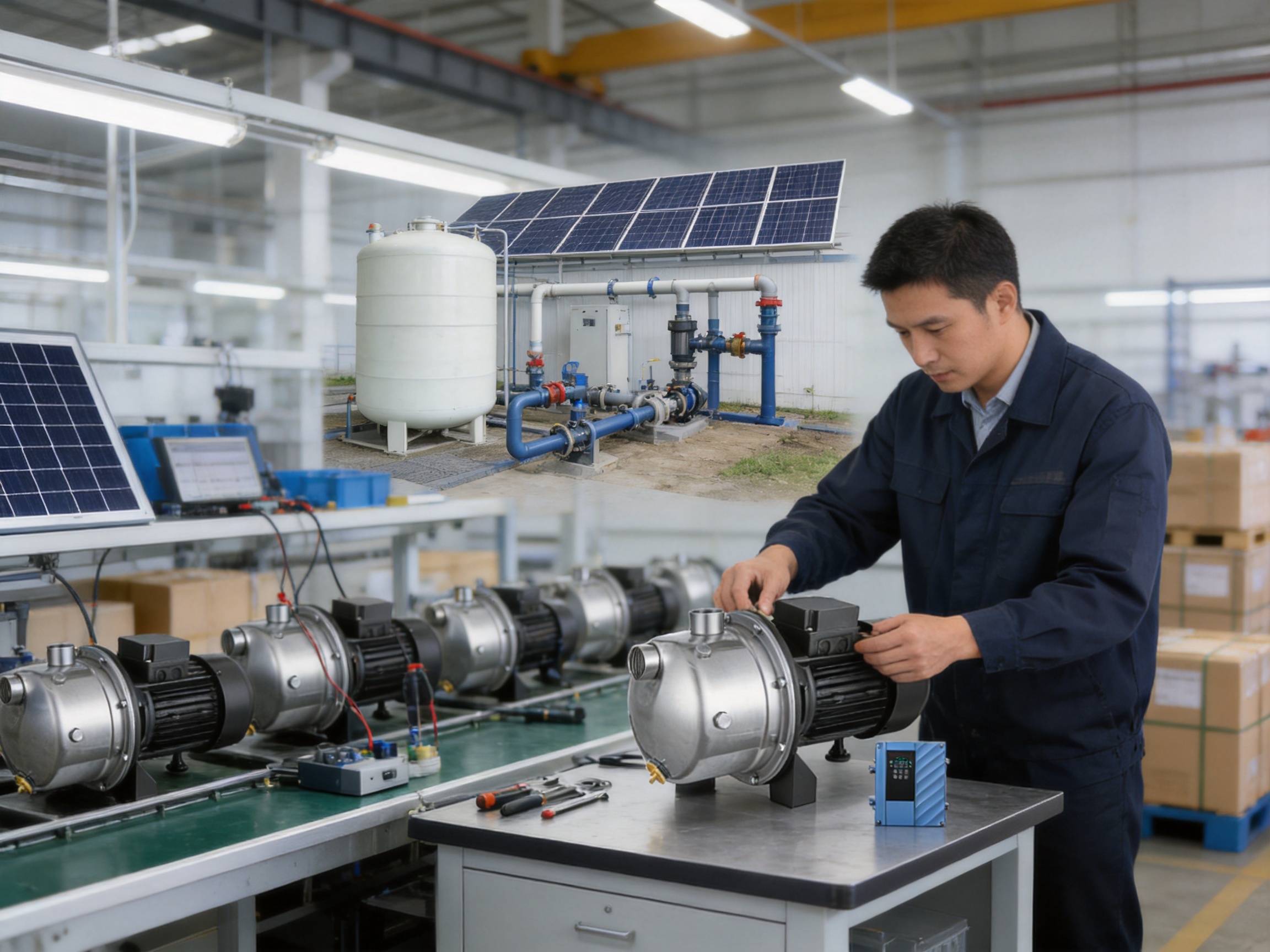
Regular inspection helps preserve pump performance and extend service life. Operators should check for water leakage around pipe joints, seals, and valves. They should also observe unusual vibration, noise, motor heating, frequent starting and stopping, or a noticeable reduction in flow.
If the pump does not start, the first checks should include the AC or DC power source, protective devices, cable connections, solar array voltage, and any external control equipment. On a solar installation, insufficient sunlight or incorrect panel configuration may prevent normal operation. On an AC installation, low voltage or a tripped protection device may be responsible.
If the pump runs but does not deliver water, the system may have lost prime, developed a suction-side air leak, or encountered a blocked inlet. The water level may also be too low, or the suction arrangement may exceed the suitable operating conditions. The pump should be stopped before inspecting the inlet system.
If flow is lower than expected, operators should inspect filters, strainers, valves, pipes, and outlets for blockage. Excessive pipe friction, an incorrectly positioned valve, or a change in elevation may also explain reduced performance. Solar power should be checked under actual operating conditions rather than relying only on the panel nameplate rating.
If the pump cycles too often in a household system, the cause may be a small pressure vessel, a leak, an incorrectly set pressure control, or insufficient storage. Frequent cycling can increase mechanical and electrical stress. The system should be assessed as a complete installation rather than replacing the pump without investigating the cause.
The ADJET Series combines several features that are often purchased separately: solar compatibility, AC backup, surface installation, jet-style pressure performance, compact construction, and a moderate power rating suitable for many small and medium applications. This combination gives it a practical position between a basic electric transfer pump and a more complex off-grid pumping package.
Its strongest competitive advantage is flexibility. A buyer does not have to commit to solar-only operation or grid-only operation. The same pump can be integrated into different energy strategies as project conditions change. This can be particularly useful for farms that want to begin with grid-assisted solar pumping, homeowners who want to reduce energy costs, or remote users who need both renewable power and generator compatibility.
The second major advantage is pressure capability. The 55-meter maximum head and jet pump structure make the product suitable for applications where water must be moved upward or across distance. The pump is therefore not limited to simple tank-to-tank transfer. It can support carefully designed water distribution and irrigation systems.
The third advantage is manufacturer support. Edwin Pump’s experience across multiple pump categories, combined with its research and development, mass-production, and export capabilities, gives customers access to a broader industrial supply base. This can be important for distributors, engineering contractors, and international buyers who require repeatable supply and coordinated procurement.
The fourth advantage is suitability for renewable-energy expansion. Solar water pumping is becoming more important as electricity costs rise and organizations seek lower-carbon equipment. By supporting both DC and AC inputs, the ADJET Series provides a practical transition path. Customers can use available solar energy without sacrificing the security of conventional power.
The pump is designed for surface water transfer where users require solar-compatible operation, AC backup, improved pressure, and longer-distance delivery. Typical applications include household supply, agricultural irrigation, garden systems, tanks, rooftops, community water systems, and off-grid projects.
Yes. The hybrid motor supports AC mains operation within the specified 85V to 280V AC range. This allows the pump to operate from a compatible mains supply when solar power is unavailable or insufficient.
It can be used in an off-grid solar system when the solar array and the complete installation are correctly designed. The system must meet the required DC voltage and power conditions. A storage tank can help provide water when solar power is weak. If operation is required at night or during extended cloudy weather, an additional energy or water-storage strategy may be needed.
The listed maximum flow rate for model ADJET3-55-72-750 is 3m³/h. Actual flow depends on head, pipe friction, elevation, fittings, water-source conditions, and available electrical power.
The listed maximum head is 55 meters. This is a maximum performance value under specified conditions. The actual head and flow must be selected from the performance curve according to the complete system design.
The listed recommendation is at least 1.3 times the pump power. For a 750W pump, this corresponds to approximately 975W or more of nominal solar panel power. The solar array must also remain within the stated DC voltage and open-circuit voltage limits.
The listed DC operating range is 100V to 350V, and the solar panel open-circuit voltage should be below 450V. Panel configuration should be verified by a qualified technician using the actual panel specifications and local temperature conditions.
No. The ADJET Series is a surface solar pump. The pump is installed outside the water source, with the suction pipe connected to the source. Correct priming and airtight suction connections are important.
Suitability depends on the actual suction depth and water-source conditions. A surface jet pump is intended for surface installation and should not automatically be used for deep-well conditions beyond its design capability. For deep wells, a suitable deep-well or submersible pump may be more appropriate.
Yes. The product is intended for selected agricultural irrigation applications, including orchards, farms, gardens, and small irrigation networks. The flow and pressure requirements should be compared with the pump curve, and filtration should be considered where the water contains sediment or debris.
No. The required external equipment depends on the installation. Protection against overload, dry running, abnormal voltage, and other conditions may be necessary. Pressure controls, level sensors, valves, filters, storage tanks, and isolation devices may also be required.
Routine maintenance may include checking for leaks, inspecting electrical connections, cleaning filters or strainers, verifying priming, monitoring noise and vibration, and protecting the pump from flooding or freezing. Maintenance frequency should reflect water quality, operating hours, and environmental conditions.
An AC-only pump depends on mains electricity, while the ADJET Series can also use solar DC power. This allows renewable-energy operation during suitable sunlight conditions and provides AC backup when required.
A DC-only pump may stop when sunlight is unavailable unless it has battery or water storage. The ADJET Series can use AC mains as an alternative source, giving users greater continuity and reducing dependence on battery storage.
The product is manufactured by Taizhou Edwin Electric Co., Ltd., also known as Edwin Pump. The company specializes in research and development, mass production, and global export of water pumps and related products.
The ADJET Series AC/DC Hybrid Motor Solar Jet Pump is designed for water systems that require flexibility, pressure, and energy efficiency. Its ability to operate from both solar DC power and AC mains supply gives users a practical way to combine renewable energy with dependable backup operation. The jet pump design supports enhanced pressure and longer-distance water transfer, while the surface-mounted format allows accessible installation and maintenance.
With a rated power of 750W, maximum flow of 3m³/h, and maximum head of 55m, the ADJET3-55-72-750 model can serve a variety of household, agricultural, garden, rooftop, community, and remote applications when properly matched to the hydraulic system. Its performance depends on correct pipe sizing, appropriate solar array design, adequate water supply, proper priming, and suitable electrical protection.
The product also benefits from the manufacturing background of Taizhou Edwin Electric Co., Ltd. The company combines independent research and development, mass production, export experience, and a broad pump portfolio. Its investment in solar and intelligent pumping technology reflects the changing needs of modern water systems, where customers increasingly seek lower energy consumption, greater resilience, and easier integration of renewable power.
Compared with AC-only pumps, the ADJET Series offers direct solar compatibility. Compared with DC-only solar pumps, it provides AC backup. Compared with basic transfer pumps, its jet structure is intended for stronger pressure and longer-distance delivery. These combined advantages make it a versatile choice for users seeking a compact and adaptable pumping solution.
For the best results, every installation should be designed around the actual water source, required flow, total head, pipe layout, solar conditions, and local electrical standards. When these factors are properly considered, an AC/DC hybrid solar jet pump can provide reliable water movement while reducing dependence on conventional electricity and supporting a more sustainable approach to water supply.
1. Manufacturer product specification for the ADJET3-55-72-750 AC/DC Hybrid Motor Solar Jet Pump.
2. Manufacturer product information concerning solar pump applications, hybrid motor operation, and performance characteristics.
3. Manufacturer corporate information concerning research and development, mass production, global export, and pump product categories.
4. General principles of centrifugal and jet pump selection, including flow, head, friction loss, priming, and system-curve analysis.
5. General solar photovoltaic system design principles concerning array voltage, open-circuit voltage, nominal power, shading, and environmental derating.
6. General water-pumping installation practices for surface pumps, irrigation systems, storage tanks, suction pipework, filtration, and dry-running protection.
7. General preventive maintenance principles for electric motors, surface pumps, solar pumping systems, and household water distribution equipment.
edwina@edwin-pump.com
+86-13586290903 (WhatsApp)
Xuri Gongliang Cutting Tool Entrepreneurship Park, Wenqiao Town, Wenling City, Taizhou City, Zhejiang Province, China

High Performance Smart Pump Factory


 English