edwina@edwin-pump.com

View All Products
en
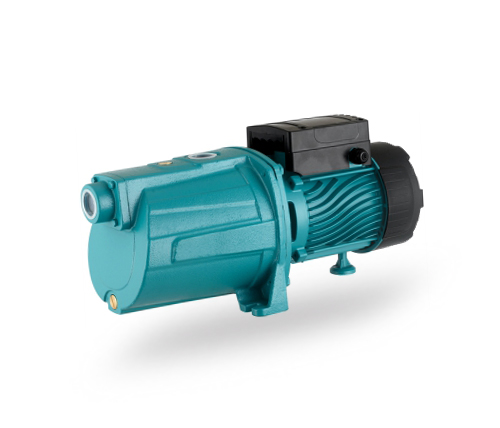
Modern irrigation systems require more than a pump that simply moves water. Agricultural fields, gardens, lawns, greenhouses, domestic water systems, and small commercial installations all depend on stable pressure, dependable starting performance, efficient operation, and protection against common operating problems. The ITJET Series Automatic High Pressure Jet Water Pump is designed to meet these requirements in one compact self-priming solution.
Built for clean-water pressurization and water supply applications, the ITJET Series combines a jet-pump hydraulic design with automatic pressure and flow control. Its integrated control system can recognize pipeline conditions, start the pump when demand appears, stop it when demand ends, and provide protection when water is unavailable. This makes the pump suitable for users who need practical automation without installing a complex external control cabinet.
The series covers motor powers from 0.55 kW to 1.5 kW, equivalent to approximately 0.75 HP to 2 HP. Depending on the model, maximum head ranges from 40 to 48 meters, maximum flow ranges from 3.0 to 4.0 cubic meters per hour, and maximum suction lift reaches 9.5 meters. These specifications make the pump particularly suitable for small and medium-sized irrigation systems, shallow-well water supply, garden watering, domestic pressurization, and equipment-support applications.
Unlike a basic manual jet pump, the ITJET Series is equipped with a linear pressure sensor and a double control system. These technologies allow the unit to respond more intelligently to actual demand. The result is a more convenient water-supply solution that can reduce unnecessary running time, protect the motor and hydraulic components, and improve user confidence during daily operation.
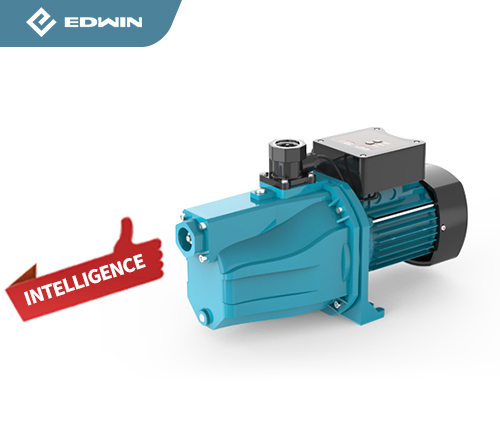
ITJET Series Automatic High Pressure Jet Water Pump for Irrigation
A self-priming jet pump is designed to draw water from a source located below the pump and then deliver that water under pressure. In a typical installation, the pump is connected to a suction pipe leading to a well, reservoir, storage tank, or other clean-water source. After the pump body has been correctly filled and the suction pipe has been installed with proper sealing, the jet mechanism helps create the suction necessary to lift water.
The jet system generally uses a nozzle and venturi passage. Water passes through the nozzle at high velocity, creating a pressure difference that assists the movement of water from the source. This arrangement allows the pump to work effectively in applications where the water level is below the pump position, provided that the suction lift remains within the rated limit.
The ITJET Series extends this conventional concept by adding automatic control functions. Instead of requiring an operator to switch the motor on and off manually, the pump can detect changes in pipeline pressure and water flow. When a faucet, irrigation line, sprinkler, or other water outlet creates demand, the system can start the pump. When the demand is removed and pressure is restored, it can stop the pump.
This operating principle is especially useful in irrigation. Water demand often changes throughout the day. A garden may require a short period of watering in one zone, followed by a longer operating cycle in another zone. A greenhouse may use a small number of emitters at one moment and several irrigation lines later. Automatic control ensures that the pump responds to these changes without requiring constant supervision.
The pump is also suitable for domestic and hospitality environments where intermittent water use is common. A user may open a tap, flush a system, fill a tank, or activate a small irrigation circuit. The pump responds automatically, helping maintain a more consistent supply than a conventional pump that depends entirely on manual switching.
The ITJET range includes four principal motor versions. The smallest model provides a practical entry point for light-duty irrigation and domestic pressurization, while the higher-power models offer increased head and flow for more demanding installations. All models share the same maximum suction rating of 9.5 meters and use 1-inch suction and discharge connections.
Model |
Motor Power |
Motor Power |
Maximum Flow |
Maximum Flow |
Maximum Head |
Maximum Suction |
Pipe Size |
ITJET-550A/B |
550 W |
0.75 HP |
3.0 m³/h |
50 L/min |
40 m |
9.5 m |
1 inch × 1 inch |
ITJET-750A/B |
750 W |
1 HP |
3.6 m³/h |
60 L/min |
42 m |
9.5 m |
1 inch × 1 inch |
ITJET-1100A/B |
1,100 W |
1.5 HP |
3.8 m³/h |
63 L/min |
45 m |
9.5 m |
1 inch × 1 inch |
ITJET-1500A/B |
1,500 W |
2 HP |
4.0 m³/h |
67 L/min |
48 m |
9.5 m |
1 inch × 1 inch |
The figures in the table represent maximum rated values. Actual flow and pressure depend on several factors, including suction lift, pipe length, pipe diameter, bends, valves, elevation changes, water temperature, and the operating point of the irrigation system. A professional application should therefore be selected according to the required duty point rather than maximum flow or maximum head alone.
The 550 W model is appropriate for small gardens, short irrigation lines, household water transfer, and basic pressurization. The 750 W version provides additional capacity for larger domestic systems or several watering outlets. The 1,100 W and 1,500 W models are better suited to installations requiring greater pressure, longer pipe runs, additional elevation, or a higher number of irrigation outlets.
One of the most important advantages of the ITJET Series is automatic operation. A conventional pump may require an operator to start and stop the motor manually, creating inconvenience and increasing the risk of running the pump after water demand has ended. The automatic control system reduces this burden by responding to pipeline pressure and flow conditions.
Automatic start and stop are valuable in irrigation because demand is often intermittent. When a sprinkler valve opens or an irrigation outlet begins drawing water, the pressure in the pipeline changes. The pump detects this condition and starts. Once the valve closes or the water demand disappears, the system can stop the motor after the required pressure condition is reached.
This feature also helps prevent wasteful operation. A pump that continues running when no water is being used consumes electricity and may experience unnecessary mechanical wear. Automatic control helps match pump operation more closely to actual demand.
The linear pressure sensor replaces the limitations of a simple mechanical pressure switch. A mechanical switch generally reacts at predetermined pressure points and may be affected by contact wear, adjustment drift, or rapid pressure fluctuations. The linear sensor provides a more refined method of recognizing pipeline pressure.
By monitoring pressure continuously or more progressively, the control system can determine when the pump should begin operation and when it should stop. This supports more stable operation and allows the pump to adapt to different installation conditions. The starting pressure can be adjusted automatically, reducing the need for repeated manual calibration.
For users, the practical benefit is easier commissioning and more consistent operation. For installers, the sensor-based design can simplify the adjustment process when the pump is connected to different pipe networks, tanks, irrigation zones, or household water systems.
The ITJET Series uses both pressure and flow-related control logic. This double control system is more responsive than relying on a single mechanical condition. Pipeline pressure indicates whether the system requires additional pressure, while flow information helps identify whether water is actually being consumed.
Combining these signals helps reduce false starts and unnecessary operation. It also supports more reliable shutdown when the water demand has ended. In small irrigation systems, where pressure may change quickly as outlets open and close, the double control approach can provide a more practical operating response.
Dry running is one of the most common causes of pump damage. If the water source is empty, the suction pipe is leaking, the foot valve fails, or the water level drops below the intake point, the pump may continue operating without sufficient water. This can lead to overheating, seal damage, and premature wear.
The ITJET control system includes water scarcity protection. When the system identifies a lack of water, it can interrupt normal operation to reduce the risk of damage. The automatic restart function can then allow the pump to resume operation when the water supply returns, reducing the need for manual intervention.
This feature is particularly useful for wells and storage tanks with changing water levels. It is also beneficial in irrigation areas where water availability may vary according to schedule, rainfall, tank filling, or municipal supply conditions.
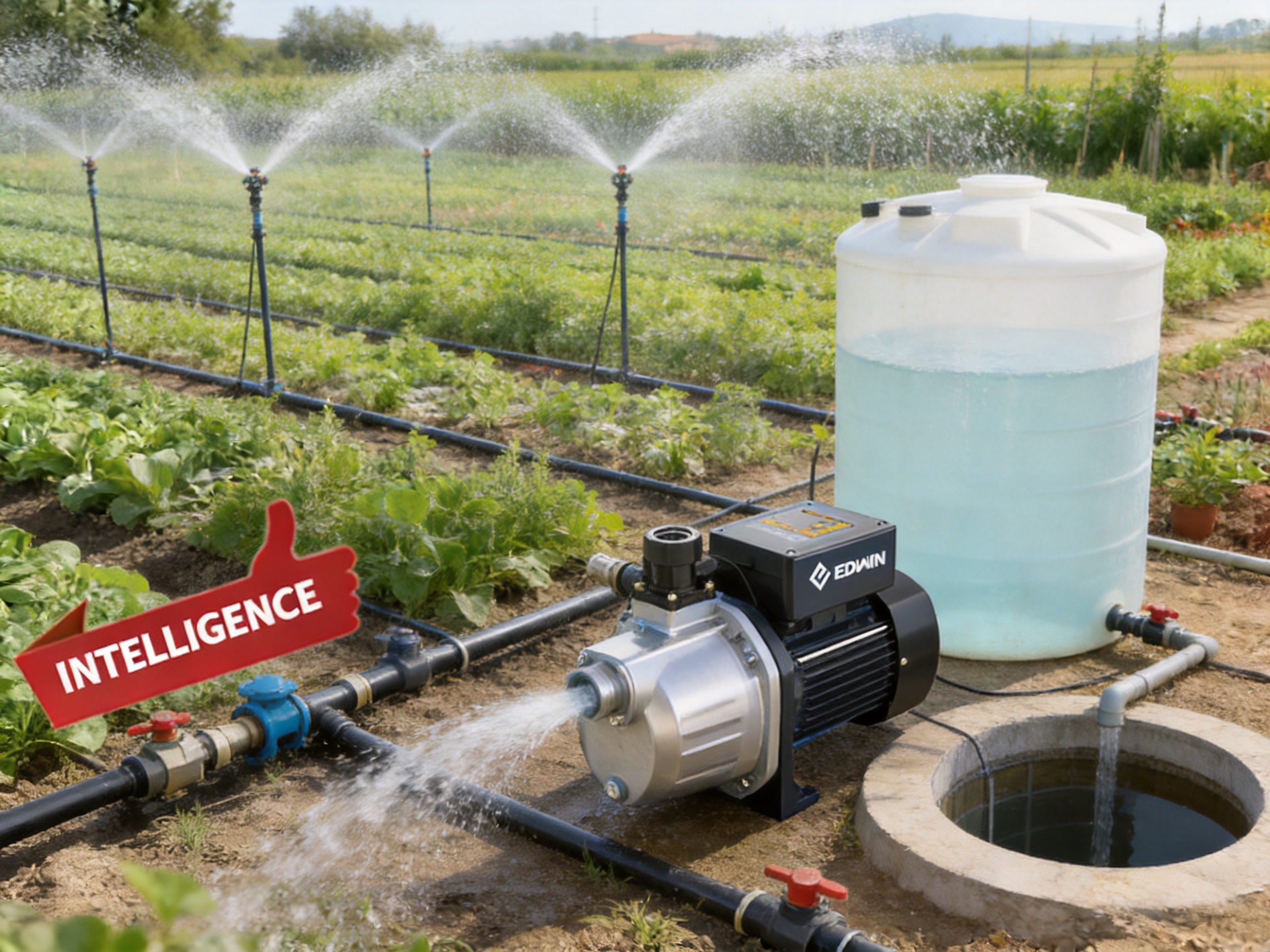
The ITJET Series includes a microprocessor-based control system with memory functionality. This provides a foundation for intelligent operating behavior. Instead of treating every start-up as an isolated event, the controller can retain operating information and use programmed logic to manage the pump more consistently.
Pipeline conditions differ from one installation to another. A short domestic pipe may reach pressure quickly, while a long irrigation line may require more time. Elevation changes, valves, filters, and outlet restrictions also influence pressure. Automatic pipeline-pressure recognition allows the pump to respond to the actual system rather than depending only on a fixed manual setting.
Starting pressure is important because it determines how quickly the pump responds when water demand begins. If the setting is too high, the pump may fail to start at a low-demand outlet. If it is too low, the pump may start unnecessarily. The automatic adjustment function helps the system establish a suitable operating point for the connected pipeline.
The integrated controller is intended to simplify installation. Rather than requiring a separate pressure tank, external control panel, and multiple control components for every small application, users can connect the pump to the water system and configure it according to the installation requirements.
Plug-and-play does not eliminate the need for correct plumbing, electrical protection, priming, and commissioning. However, it can reduce installation complexity compared with a conventional arrangement that requires several independent control devices. This is a useful advantage for domestic installers, irrigation contractors, and distributors serving a wide variety of small projects.
The control system is designed with intelligent learning capability. In practical terms, this means the pump can use operating information to improve its response to the connected system. Such a function is useful when water demand changes frequently or when different irrigation zones have different hydraulic characteristics.
Intelligent learning can also support smoother operation after installation. As the controller recognizes normal pressure and flow behavior, it can better distinguish between regular water demand and abnormal conditions such as water shortage or unexpected leakage.
A timing function provides an additional level of operating flexibility. Irrigation users may want the pump to operate during particular periods, coordinate with scheduled watering, or avoid unnecessary operation at unsuitable times. Timing control can also support water conservation strategies when combined with automatic valves or irrigation timers.
Timing settings should be applied together with appropriate irrigation design. The pump itself does not determine how much water a crop or garden requires. Instead, it provides a controllable pressure source that can work as part of a broader automated watering system.
Temperature protection helps reduce the risk associated with abnormal heating. Excessive temperature may arise from insufficient water flow, prolonged operation under unsuitable conditions, blocked passages, high ambient temperature, or other installation problems. A protective control response can help limit damage and extend the service life of electrical and hydraulic components.
When the water source temporarily becomes unavailable, the pump can enter a protective state. Once water returns, the automatic restart function can restore operation without requiring the user to manually reset the system. This is convenient for installations connected to variable wells, intermittent tanks, or scheduled water networks.
Long-term pump performance depends not only on the motor rating but also on the quality of the hydraulic components, seals, bearings, housing, and manufacturing controls. The ITJET Series uses a combination of cast iron, aluminum, engineered polymer, silicon carbide, and selected bearing components to balance strength, weight, wear resistance, and cost.
Component |
Construction Material or Specification |
Functional Contribution |
Pump body |
Cast iron |
Provides a rigid hydraulic housing and supports pressure stability. |
Pump support |
Cast iron |
Supports the pump assembly and helps reduce structural vibration. |
Motor housing |
Aluminum |
Offers low weight and assists heat dissipation. |
Impeller |
PPO |
Provides a lightweight, corrosion-resistant hydraulic component. |
Mechanical seal |
Silicon carbide |
Provides high wear resistance at the rotating shaft seal interface. |
Bearing |
6202 specification for listed models |
Supports rotating components and contributes to smooth motor operation. |
Cast iron is commonly used for pump bodies and supports because it provides rigidity and structural stability. A rigid pump body helps maintain the geometry of the hydraulic passages and supports reliable connection to the suction and discharge pipes. The cast-iron structure is also suitable for many clean-water applications where the pump is installed in a protected environment.
Aluminum is used for the motor housing to reduce overall weight and assist heat transfer. This is important for a compact pump that may be installed in a domestic utility room, garden structure, equipment enclosure, or small agricultural facility. Lower weight can also make handling and installation easier.
The PPO impeller offers a balance between low mass and resistance to water-related corrosion. A lightweight impeller reduces the rotational load on the motor and can contribute to efficient acceleration during start-up. Engineered polymer construction is particularly suitable for clean-water applications where resistance to rust is important.
The silicon carbide mechanical seal is selected for its hardness and wear resistance. The mechanical seal must prevent water from entering the motor area while allowing the shaft to rotate. A durable seal is essential because leakage at this point can affect the motor, bearings, and surrounding installation.
The product is manufactured by Taizhou Edwin Electric Co., Ltd., an integrated enterprise with capabilities in independent research and development, mass production, and global export. Since its establishment in 2008, the company has developed product lines covering deep-well pumps, submersible pumps, domestic booster pumps, circulation pumps, solar water pumps, intelligent booster pumps, and related water-supply equipment.
This broad portfolio creates an important manufacturing advantage. Pump development is not limited to one isolated product category. Experience with deep-well pumps, submersible systems, booster pumps, and circulation applications provides a wider understanding of hydraulic performance, motor design, control technology, sealing, materials, and field installation requirements.
Independent research and development allows the manufacturer to coordinate hydraulic design, motor selection, automatic control, and physical construction as one system. This is especially important for an intelligent jet pump because performance depends on more than the impeller and motor. The pressure sensor, flow-control logic, protective functions, and mechanical assembly must work together.
The ITJET Series reflects this integrated approach. The automatic pressure and flow controls are not presented as separate accessories added to a standard pump. They are designed as part of the operating system. This helps the product respond more consistently to changes in demand and simplifies the user experience.
Mass production provides advantages in component standardization, process repeatability, quality inspection, purchasing efficiency, and delivery planning. For distributors and project buyers, stable production capacity is important because orders may involve multiple motor sizes or repeated shipments over time.
Standardized models also make selection easier. The four main power versions cover a practical range without requiring a completely different product platform for every application. Shared dimensions and 1-inch connections can simplify inventory management, replacement planning, and installation training.
A reliable pump requires coordinated control of casting, machining, impeller production, motor assembly, seal installation, wiring, controller integration, and final testing. Manufacturing quality is affected by the accuracy of each stage. For example, a correctly designed impeller cannot deliver expected performance if the pump body passage is poorly formed or if assembly clearances are inconsistent.
An integrated manufacturing organization can establish inspection procedures across these stages. Typical quality-control activities for this type of pump may include dimensional checks, electrical testing, insulation testing, pressure testing, leakage inspection, operating-current verification, vibration observation, and hydraulic performance testing.
Such checks help identify manufacturing deviations before the product reaches the customer. They also support consistency between different production batches. For international buyers, repeatability is particularly important because pumps may be installed in many locations by different contractors.
The company has developed a professional export and procurement-support structure through associated trading and service organizations. This structure supports procurement planning, order tracking, cross-border delivery, and foreign-trade services.
For overseas customers, product quality is only one part of a successful purchase. Clear communication, documentation, packaging, production scheduling, spare-part planning, and shipment coordination are equally important. A manufacturer with experience in global export is better positioned to support these practical requirements.
Many projects require more than one pump type. An agricultural customer may need a jet pump for shallow water intake, a submersible pump for a deep well, a booster pump for pressure stabilization, and circulation equipment for a greenhouse or heating system. A company with a broad product range can help simplify procurement.
This one-stop capability can reduce the time spent comparing multiple suppliers and coordinating separate deliveries. It may also improve compatibility between pumps, controls, accessories, and installation recommendations. The ITJET Series therefore fits within a wider water-equipment portfolio rather than functioning as an isolated product.
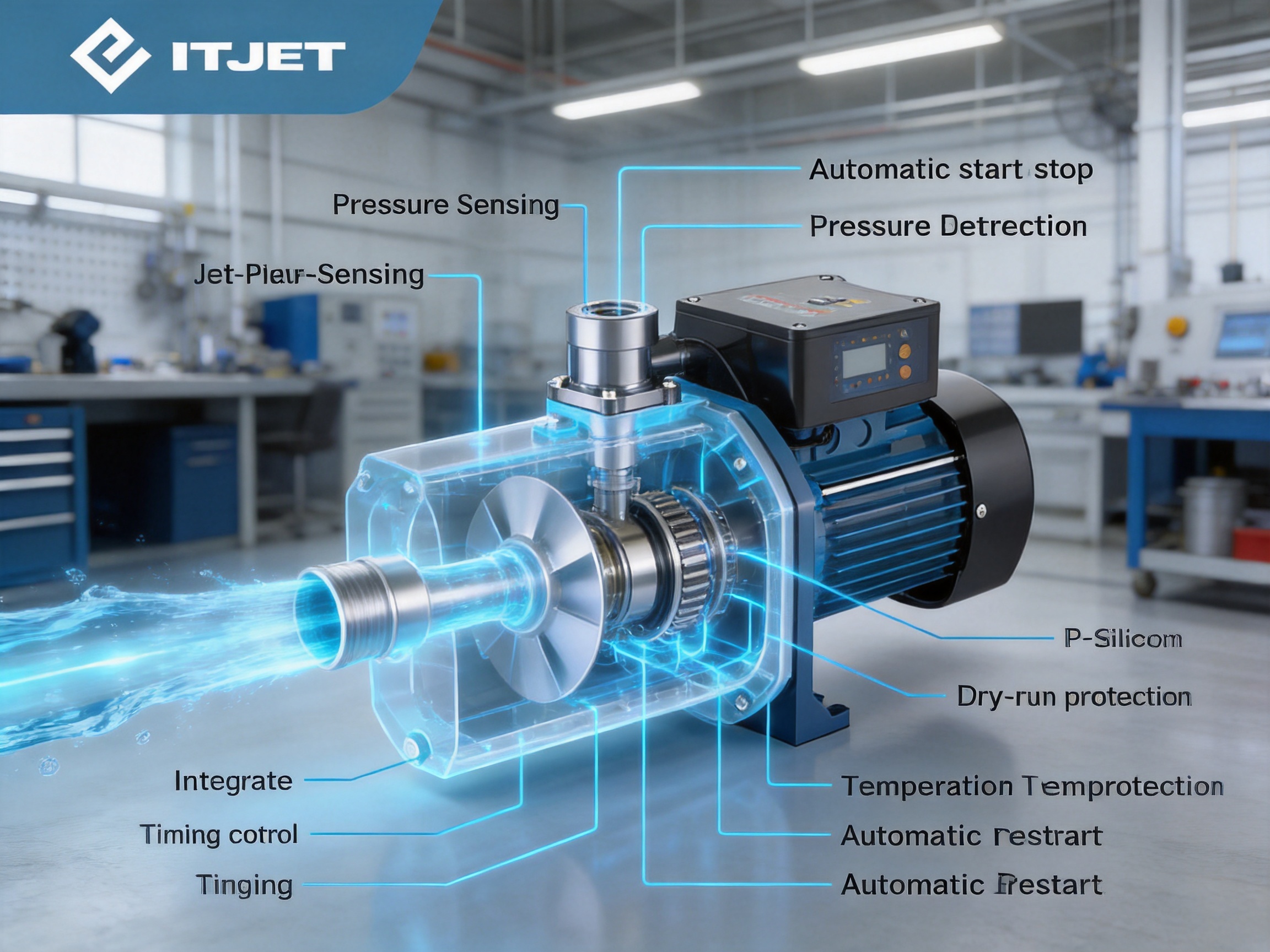
The main competitive advantage of the ITJET Series is its combination of self-priming jet-pump hydraulics and intelligent automatic control. A basic conventional jet pump may provide satisfactory water transfer, but it commonly depends on a manual switch or a separate pressure-control assembly. This can increase the number of components and place more responsibility on the operator.
Evaluation Area |
Basic Manual Jet Pump |
ITJET Automatic Jet Pump |
Starting and stopping |
Often requires manual switching or separate control equipment. |
Automatic operation based on pressure and flow conditions. |
Pressure sensing |
May use a basic mechanical switch. |
Uses a linear pressure sensor. |
Dry-running response |
May require external protection. |
Includes water scarcity protection and automatic restart logic. |
Installation complexity |
May require several control components. |
Integrated control system supports simplified installation. |
Operating adjustment |
Manual adjustment may be necessary. |
Automatic starting-pressure adjustment and intelligent control. |
Protection functions |
Depends on external equipment. |
Includes water, temperature, and operational protection features. |
This comparison does not mean that every conventional jet pump is unsuitable. Manual pumps may be appropriate where the user wants a simple system, where operating hours are predictable, or where an existing control panel is already available. However, for users who value automation, convenient operation, and integrated protection, the ITJET Series provides a more complete solution.
The ITJET Series can also be compared with some low-cost automatic pumps that use only a simple flow switch. A flow switch alone may not fully reflect pressure conditions in the pipeline. By combining linear pressure sensing with flow-control logic, the ITJET approach is designed to provide more comprehensive recognition of water demand.
Compared with a larger commercial pump system, the ITJET Series offers a more compact and economical option for smaller applications. It may not replace a high-capacity multistage pump in a large municipal or industrial installation, but it can provide the required pressure and flow for many residential, garden, agricultural, and light commercial systems without unnecessary oversizing.
The primary application is agricultural irrigation. The pump can draw clean water from a shallow well, tank, or reservoir and deliver it to irrigation lines, sprinklers, hose systems, or small distribution networks. Its automatic controls are useful where irrigation demand changes between zones or operates on a schedule.
Before selecting a model, the installer should calculate the total dynamic head. This should include the vertical distance from the water surface to the highest outlet, friction losses in the suction and discharge pipes, losses through filters and valves, and the pressure required by sprinklers or emitters. The 1,500 W model provides the highest maximum head in the series, but the correct choice depends on the actual duty point.
Gardens and lawns often require a compact automatic pump that can supply a hose, sprinkler, or small irrigation network without continuous manual switching. The lower-power ITJET models can be suitable for these applications when the pipe length and outlet requirements remain within the pump’s operating range.
Automatic stopping is especially convenient for homeowners. Once the hose nozzle is closed or the irrigation timer ends a cycle, the pump can stop instead of continuing to run. Water scarcity protection also offers additional security when the pump draws from a tank that may occasionally become empty.
Some homes experience low water pressure at taps, showers, or upper floors. The ITJET Series can be used for clean-water pressurization where the system requirements fall within the pump’s rated capacity. The automatic start function allows the pump to respond when a household outlet is opened.
Domestic installations should be planned carefully. The water source, pipe diameter, electrical supply, noise expectations, and pressure requirements must all be reviewed. The pump should be installed in a dry, ventilated location with sufficient space for inspection and maintenance.
Small hotels, guesthouses, cafeterias, and similar facilities may require intermittent water pressure support. Demand can vary considerably during the day, making automatic control valuable. The pump can support clean-water delivery to selected fixtures, storage tanks, or service areas when the required flow and pressure are within the rated range.
The pump can support water heaters, solar-energy equipment, central air-conditioning systems, and other equipment that requires clean-water pressurization. In these applications, compatibility with the equipment manufacturer’s pressure limits is essential. The pump should not be used to exceed the safe pressure or temperature rating of connected equipment.
Greenhouses may use multiple small irrigation zones, misting systems, and water distribution lines. The pump’s automatic functions can help supply these systems when the water source is clean and the operating pressure is appropriate. Timed operation and water-shortage protection are particularly useful in environments where watering schedules are carefully managed.
The handled liquid temperature must not exceed 100 degrees Celsius, and the ambient temperature should remain below 40 degrees Celsius. The maximum suction lift is 9.5 meters. These limits are important because water temperature, ambient temperature, and suction conditions directly affect pump performance and service life.
The ITJET Series is intended for clean-water applications. Water containing excessive sand, abrasive particles, fibrous material, sludge, or aggressive chemicals may damage the impeller, mechanical seal, pump body, or control system. If the source contains sediment, a suitable filter or settling arrangement should be installed before the pump.
The suction pipe should be as short and direct as practical. Every unnecessary bend, narrow section, leaking joint, or poorly sealed connection can reduce suction performance. Air entering the suction line may prevent proper priming and cause unstable operation.
The suction pipe should be correctly supported so that its weight does not place stress on the pump body. All threaded connections should be sealed appropriately, and the intake should remain below the minimum water level required for reliable operation. A foot valve may be used where appropriate to retain water in the suction line during shutdown.
Although the pump is self-priming, correct initial filling is still necessary. The pump casing and suction line should be prepared according to the installation instructions before the first start. Starting a pump without adequate water can cause poor performance and may activate water-scarcity protection.
The electrical supply must match the motor and controller requirements. Wiring should be completed by a qualified professional, with suitable grounding, circuit protection, cable sizing, and isolation equipment. Electrical connections should be protected from water, condensation, and mechanical damage.
Automatic protection functions are valuable, but they do not replace proper electrical installation. Overcurrent protection, residual-current protection where required, and correct grounding remain important parts of a safe pumping system.
The pump should be installed on a stable base in a clean and dry location. Adequate ventilation is necessary to help dissipate motor heat. The installation should allow access to the controller, pipe connections, drain points, and other service areas.
Where the pump is installed outdoors, it should be protected from direct rain, flooding, strong sunlight, and freezing conditions. A protective enclosure may be required, but the enclosure must not restrict ventilation or cause excessive heat buildup.
Routine maintenance helps preserve performance and reduce unexpected downtime. The frequency of maintenance depends on water quality, operating hours, installation conditions, and seasonal use. Clean-water systems generally require less maintenance than systems handling abrasive or contaminated water, but regular inspection remains advisable.
Operators should periodically inspect the suction and discharge connections for leakage. Air leaks on the suction side can be especially damaging to performance because they interfere with priming and reduce the pump’s ability to draw water. Discharge-side leaks can waste water and cause the pump to start more frequently than necessary.
Filters should be inspected and cleaned when required. A blocked filter increases suction resistance, reduces flow, and may cause abnormal operating conditions. Irrigation systems should also be checked for blocked emitters, damaged hoses, closed valves, and leaking fittings.
The pump should be observed for unusual noise, vibration, excessive starting frequency, overheating, or unstable pressure. These symptoms may indicate air in the suction line, inadequate water supply, a blocked passage, worn bearings, seal problems, or a mismatch between the pump and the system.
The mechanical seal and bearing are important service components. The silicon carbide mechanical seal is designed for wear resistance, but no seal can compensate for dry running, abrasive water, or incorrect installation. The listed 6202 bearing specification supports the rotating assembly in the specified model range and can assist maintenance planning when replacement becomes necessary.
Before any service work, the pump should be disconnected from the electrical supply and isolated from water pressure. Repairs should be carried out by trained personnel using suitable replacement components. Keeping records of operating hours, maintenance, and observed symptoms can help identify recurring problems.
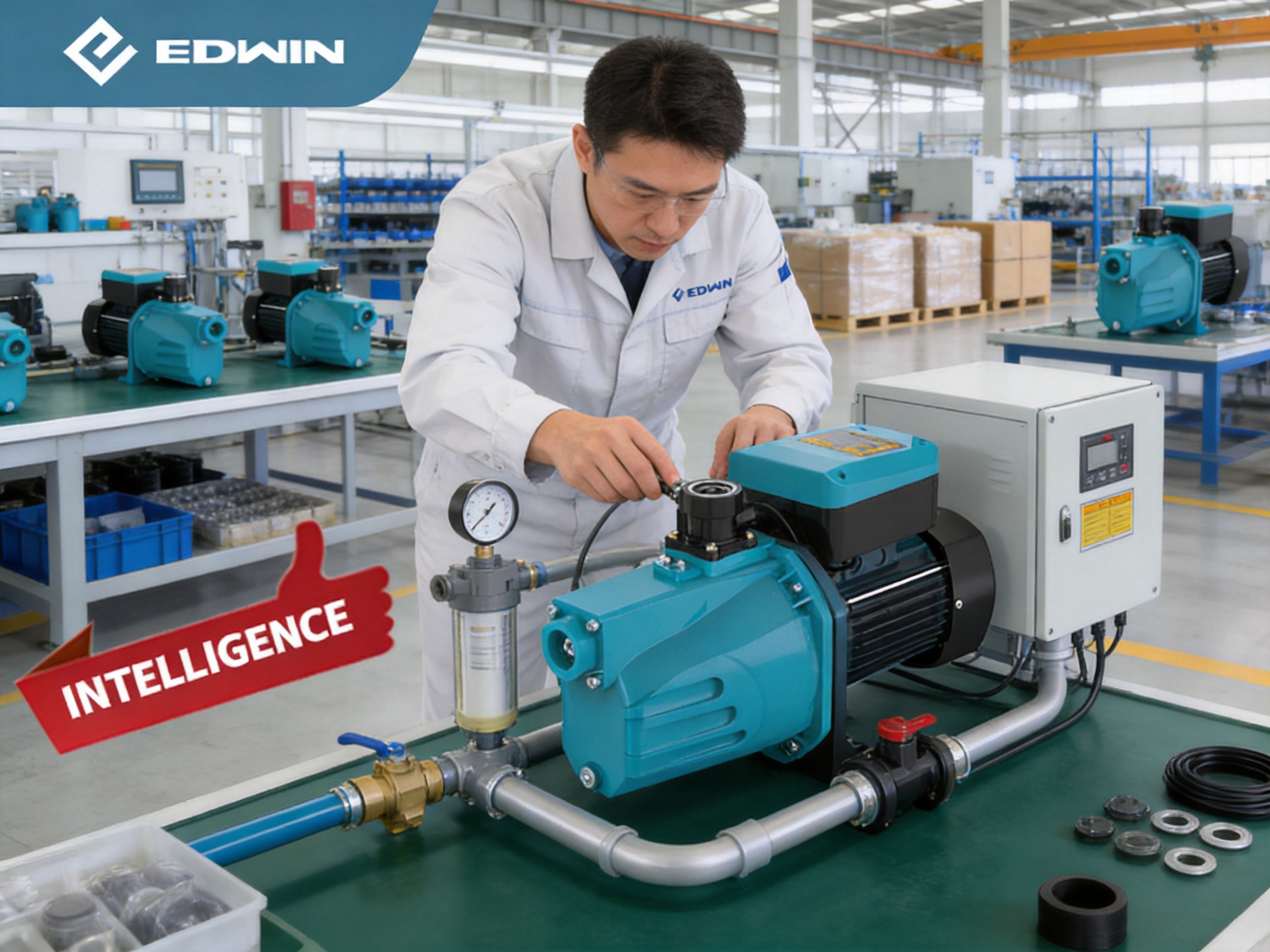
Model selection should begin with the required flow rate and pressure at the actual outlet. Maximum head and maximum flow are not normally achieved at the same operating point. A pump that delivers its maximum flow at low resistance may provide less flow when operating against a higher head.
The first step is to estimate the required flow. For irrigation, this may be calculated by adding the flow rates of sprinklers, emitters, hose outlets, or irrigation zones that may operate simultaneously. If the system uses separate zones, the calculation should be based on the zone with the greatest demand rather than adding every zone together unless they run at the same time.
The second step is to calculate total dynamic head. This includes static elevation, required outlet pressure, pipe friction, valve losses, filter losses, and fittings. The suction lift must also be considered. If the water level is close to the 9.5-meter maximum, actual performance may be affected, and a different pump arrangement may be more appropriate.
The 550 W model is suitable for light applications with modest pressure requirements. The 750 W model provides an increase in flow and head for more demanding domestic or garden installations. The 1,100 W model offers greater capacity for longer pipe runs and higher pressure requirements. The 1,500 W model is the highest-capacity option in the series and is appropriate when the system requires up to approximately 48 meters of maximum head under suitable conditions.
Oversizing should be avoided. A pump that is too large may cycle frequently, consume more electricity, create excessive pressure, or require additional regulation. Undersizing can result in poor pressure, insufficient flow, and continuous operation. Correct selection improves efficiency and reduces stress on the pump and the connected system.
Integrated control is more than a convenience feature. It changes how the pump interacts with the complete water system. A basic pump reacts primarily to an electrical command. An intelligent automatic pump interprets pressure, flow, water availability, temperature, and timing conditions before determining how to operate.
This approach can improve the user experience in several ways. It reduces the number of manual actions required, limits unnecessary operation, and provides protection when operating conditions become abnormal. It also makes the pump more suitable for unattended or semi-unattended installations.
For distributors, integrated control can simplify product positioning. Instead of offering a motor pump together with several optional control accessories, the distributor can provide a ready-made automatic solution for appropriate applications. For installers, fewer external components can mean faster installation and fewer potential wiring or compatibility problems.
For end users, the primary benefit is confidence. The user does not need to monitor every irrigation cycle or remember to switch the pump off after closing a water outlet. The system is designed to respond automatically while retaining protective functions against common causes of failure.
Product value is determined not only by purchase price but also by installation time, service requirements, reliability, spare-parts availability, and suitability for multiple markets. The ITJET Series offers a compact product range that can serve several application categories without requiring a large number of different models.
The shared 1-inch connection size supports straightforward inventory management. The common dimensions of approximately 480 by 200 by 278 millimeters across the listed models also make packaging, storage, and replacement planning more convenient. Package volume is listed at approximately 0.027 cubic meters per unit, while gross weights range from approximately 14.6 to 16.6 kilograms depending on the model.
Distributors can offer the series to agricultural users, garden-equipment retailers, household plumbing suppliers, irrigation contractors, hospitality facilities, and equipment integrators. This broad application range can support more flexible sales channels.
For project buyers, the manufacturer’s ability to support procurement planning, order tracking, export arrangements, and cross-border delivery can reduce administrative effort. A supplier experienced in international markets can also provide more consistent communication regarding production, packaging, product documentation, and shipment preparation.
Every pump installation must be designed according to the actual water source and system requirements. The ITJET Series should not be used for liquids that are incompatible with the pump materials or for applications outside the stated temperature and suction conditions.
Users should avoid operating the pump with closed valves for extended periods unless the installation has been specifically designed for that condition. A closed discharge can restrict flow and cause heating. The system should also be protected from freezing, because frozen water can expand and damage the pump body and connected pipes.
Automatic controls improve protection but cannot correct every installation error. The suction pipe must be sealed, the pump must be correctly primed, the electrical supply must be suitable, and the water source must provide adequate volume. Good installation practice remains the foundation of reliable performance.
The ITJET Series is an automatic self-priming JET pump designed for clean-water pressurization, irrigation, shallow-well water supply, garden watering, and related applications. It combines jet-pump hydraulics with integrated pressure and flow control.
The maximum rated suction lift is 9.5 meters. Actual performance depends on water temperature, suction-pipe design, pipe sealing, elevation, water level, and the condition of the intake system.
Yes. The integrated control system can start the pump when water demand causes a pressure or flow change and stop it when the demand ends and the pressure condition is restored.
The linear pressure sensor provides a more refined method of recognizing pipeline pressure than a basic mechanical switch. It supports automatic starting-pressure adjustment and helps the controller respond more appropriately to changing system conditions.
The control system includes water scarcity protection. When insufficient water is detected, the pump can enter a protective state. The automatic restart function can allow operation to resume when the water supply returns.
The ITJET-550A/B or ITJET-750A/B may be suitable for a small garden, depending on the required sprinkler flow, pipe length, elevation, and outlet pressure. The final choice should be based on the actual system duty point.
The maximum suction lift is 9.5 meters, so the series is intended for shallow-well conditions within that limit. A deep well with a water level below the rated suction range generally requires a submersible pump or another suitable deep-well pumping arrangement.
The liquid temperature must not exceed 100 degrees Celsius, and the ambient temperature should remain below 40 degrees Celsius. Clean, compatible water is recommended for the intended applications.
The pump body and support are made from cast iron, the motor housing is aluminum, the impeller is PPO, the mechanical seal uses silicon carbide, and the listed models use a 6202 bearing specification.
The integrated automatic control system is designed to reduce the need for separate external control equipment in suitable small and medium installations. Electrical protection, grounding, isolation, and correct wiring are still required.
Yes, it can be used for clean-water domestic pressurization when the required flow, head, temperature, and installation conditions remain within the pump’s specifications.
Check whether the pump casing and suction line have been correctly filled, whether the suction pipe has air leaks, whether the water level is within the rated suction range, whether the foot valve or intake is blocked, and whether all connections are properly sealed.
Frequent cycling may result from a small leak, an incorrectly adjusted system, insufficient water demand, a blocked filter, unstable pipeline pressure, or an unsuitable installation. The suction and discharge systems should be inspected, and the controller should be checked according to the operating instructions.
The ITJET Series provides automatic start and stop, linear pressure sensing, flow-control logic, water scarcity protection, temperature protection, timing functions, and automatic restart. A manual jet pump may require separate control devices and more operator involvement.
The product is intended for clean-water applications. Dirty water, sand, sludge, fibers, or aggressive chemicals may damage the hydraulic components and mechanical seal. Appropriate filtration or a different pump type may be required.
The ITJET Series Automatic High Pressure Jet Water Pump provides a practical combination of self-priming performance, automatic control, intelligent protection, and compact construction. With motor options from 0.55 kW to 1.5 kW, the series can address a broad range of irrigation, garden, domestic, hospitality, greenhouse, and equipment-support applications.
Its main advantages over a basic conventional jet pump are the integrated linear pressure sensor, double control system, automatic starting-pressure adjustment, intelligent learning capability, water scarcity protection, temperature safeguarding, timing function, and automatic restart after water returns. These features help reduce manual operation and make the pump more responsive to real water demand.
The manufacturer’s strengths in independent research and development, mass production, broad pump-category experience, quality-oriented assembly, and international export support further enhance the product’s commercial value. The use of cast iron, aluminum, PPO, silicon carbide, and standardized bearing components provides a balanced construction for clean-water applications.
For reliable results, model selection must be based on the actual flow, head, suction lift, water quality, and operating schedule. When correctly selected and installed, the ITJET Series can provide a dependable automatic water-supply solution for users seeking efficient irrigation pressure and convenient daily operation.
1. Product technical data for the ITJET Series Automatic High Pressure Jet Water Pump.
2. Manufacturer-provided descriptions of automatic pressure sensing, flow control, water scarcity protection, and temperature protection functions.
3. Manufacturer-provided component construction information for pump bodies, supports, motor housings, impellers, mechanical seals, and bearings.
4. General principles of centrifugal and jet-pump operation for clean-water applications.
5. General guidance on irrigation pump selection, total dynamic head, suction lift, pipe friction, and system commissioning.
6. General pump installation and maintenance practices for domestic, agricultural, and light commercial water systems.
edwina@edwin-pump.com
+86-13586290903 (WhatsApp)
Xuri Gongliang Cutting Tool Entrepreneurship Park, Wenqiao Town, Wenling City, Taizhou City, Zhejiang Province, China

High Performance Smart Pump Factory


 English