edwina@edwin-pump.com

View All Products
en
Modern water-supply systems require more than basic pumping power. Residential buildings, agricultural facilities, commercial properties, workshops, food-processing sites, and industrial service areas all need stable pressure, dependable operation, efficient energy consumption, and simple control. A pump that operates continuously without adapting to demand can waste electricity, create pressure fluctuations, and experience unnecessary mechanical stress. The XLJET-50/80/100/150 Permanent Magnet Variable Frequency Self-Priming Jet Pump is designed to address these challenges through the combination of self-priming technology, permanent magnet motor efficiency, variable frequency control, intelligent pressure regulation, and durable construction.
This series belongs to the self-priming intelligent booster pump category and is available in four models: XLJET-50, XLJET-80, XLJET-100, and XLJET-150. The models cover power ratings from 370 W to 1,100 W, maximum flow rates from 50 L/min to 70 L/min, and maximum heads from 28 m to 46 m. Every model provides a maximum suction capability of 8 m, making the series suitable for water transfer from underground tanks, storage reservoirs, wells, and other water sources where the pump is installed above the liquid level.
Unlike a conventional fixed-speed pump, the XLJET series is engineered to adjust its output according to the operating load. This helps users obtain the pressure they need without continuously operating the motor at full capacity. Its IE5 permanent magnet motor can reach efficiency of up to 96%, while the integrated control concept helps reduce energy consumption compared with traditional asynchronous motor solutions in comparable applications.
The pump is manufactured by Taizhou Edwin Electric Co., Ltd., a Chinese pump enterprise with experience in independent research and development, mass production, export, and integrated supply services. Through its product portfolio and manufacturing resources, the company serves applications ranging from household water supply to agriculture, HVAC, industrial cleaning, municipal engineering, and new-energy projects.
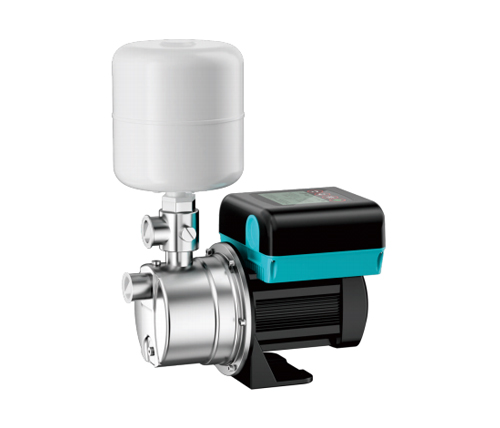
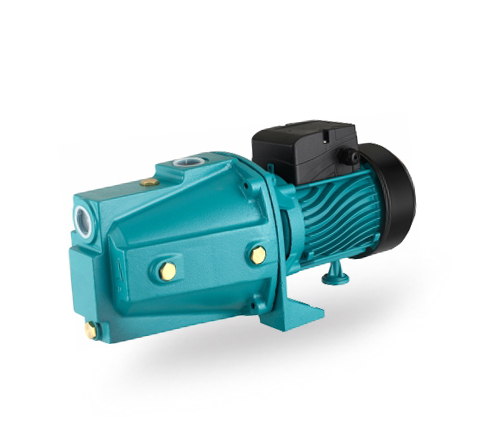
XLJET-50/80/100/150 Permanent Magnet Variable Frequency Self-Priming Jet Pump
The XLJET series is a compact, electronically controlled jet pump designed to provide automatic water boosting and transfer. Its self-priming function allows the pump to evacuate air from the suction line and establish water flow without requiring the user to manually prime the system every time, provided that the pump is installed and filled according to the operating instructions.
This capability is especially useful when the pump is positioned above the water source. In many residential and light-commercial installations, the water supply comes from an underground tank, rainwater collection tank, shallow well, or storage vessel. A standard centrifugal pump may lose prime when air enters the suction pipe. A self-priming pump is better suited to these conditions because it is designed to manage the initial air-water mixture and restore pumping action more effectively.
The XLJET is not simply a mechanical self-priming pump. It also incorporates intelligent control functions intended to improve convenience and efficiency. One-click pressure adjustment enables the user to set the desired pressure more easily, while variable frequency operation allows the motor speed to respond to changing demand. For example, opening one household tap may require only a small flow, while simultaneous use of several outlets requires greater output. The pump is designed to respond to this difference rather than applying the same operating level in both situations.
The series is available with a maximum pressure rating of 8 bar and a maximum suction height of 8 m. These specifications provide flexibility for domestic booster systems, small irrigation installations, building water distribution, industrial liquid circulation, and other applications involving clean, low-viscosity liquids.
The motor is one of the most important factors in a pump’s long-term operating cost. A pump may have a suitable hydraulic design, but an inefficient motor can consume excessive electricity, generate more heat, and require greater cooling effort. The XLJET series uses an IE5 high-efficiency permanent magnet motor to improve the conversion of electrical energy into useful mechanical output.
Permanent magnet motors use permanent magnetic material to generate part of the rotating magnetic field. Unlike a conventional asynchronous motor, the rotor does not need to create the magnetic field entirely through induced current. This reduces certain electrical losses and supports high operating efficiency. The result is a compact drive system capable of delivering strong performance with lower energy waste.
According to the product specifications, the motor can achieve efficiency of up to 96%. The actual efficiency in a specific installation depends on flow, head, voltage, frequency, pipe resistance, operating temperature, and other factors. Nevertheless, the high-efficiency motor design gives the pump a significant advantage over ordinary fixed-speed booster pumps when the equipment operates frequently or for long periods.
Energy savings are especially important in pressure-boosting applications because demand is rarely constant. A traditional pump may run at a fixed speed whenever water is required, even when the flow rate is low. The XLJET’s variable frequency approach allows the motor to reduce or increase speed in response to the load. Lower speed at partial demand can reduce power consumption and decrease wear on the hydraulic and electrical components.
The product information indicates that the permanent magnet motor can deliver more than 30% energy savings compared with asynchronous motors in comparable operating conditions. This should be understood as a performance advantage associated with the motor and control system rather than a universal saving figure for every installation. Proper pipe sizing, correct pressure settings, regular maintenance, and suitable operating conditions remain essential to achieving the best results.
Lower power consumption provides benefits beyond the electricity bill. Reduced electrical losses normally mean less heat generation inside the motor. Lower heat can support longer insulation life, improve operational stability, and reduce the thermal stress placed on internal components. For facilities that depend on uninterrupted water supply, this combination of efficiency and reliability can have a meaningful impact on total ownership cost.
Variable frequency operation is one of the primary features distinguishing the XLJET series from conventional fixed-speed pumps. Frequency control changes the motor’s rotational speed according to the required output. When the system demand rises, the controller can increase speed to provide more flow and pressure. When demand falls, the motor can operate at a lower speed.
This principle helps maintain more consistent water pressure. In a household, for example, pressure may change when a shower, washing machine, kitchen faucet, and garden outlet are used at the same time. In a workshop or commercial facility, the demand may fluctuate as different process lines or cleaning stations open and close. A fixed-speed pump may produce pressure surges at low demand and insufficient pressure at high demand. Intelligent speed control helps reduce these variations.
Stable pressure improves comfort and protects connected equipment. Excessive pressure can place unnecessary strain on pipes, valves, filters, water heaters, and fittings. Insufficient pressure can cause poor shower performance, unreliable irrigation, or interruption of industrial processes. By adjusting operation more closely to actual demand, the XLJET series supports a more balanced pressure environment.
Variable frequency control also provides a softer starting and stopping process than a basic direct-on-line motor arrangement. Gradual acceleration can reduce hydraulic shock, commonly known as water hammer, and reduce sudden mechanical stress on the pump and pipe network. The exact level of protection depends on system design and controller settings, but controlled speed changes are generally beneficial in applications where abrupt starts and stops are undesirable.
The one-click pressure regulation function makes the system easier to configure. Instead of requiring complex manual adjustment procedures, the operator can select or modify the desired pressure through the pump interface. This feature is valuable for residential users, maintenance personnel, and small businesses that need reliable operation without advanced pump-control expertise.
Installation flexibility is another important advantage of the XLJET series. A self-priming pump can be installed above the water level in many common layouts, provided that the suction pipe is correctly designed and the maximum suction height is not exceeded. The specified maximum suction is 8 m, giving users greater freedom when placing the pump in a plant room, utility area, equipment cabinet, or sheltered outdoor location.
Self-priming technology is valuable because air in the suction pipe is a common cause of pump failure or loss of water delivery. A pump that is not designed for self-priming may continue to rotate without moving water, leading to overheating, dry running, or repeated manual intervention. The XLJET is intended to simplify start-up and help recover pumping operation after periods of inactivity or after the suction line has been serviced.
Correct installation remains essential. The suction pipe should be airtight, appropriately sized, and installed with as few unnecessary bends as possible. A foot valve or check valve may be required depending on the system configuration. The pump should be filled or prepared according to the manufacturer’s instructions before initial operation. Self-priming capability does not mean that a pump can safely operate without water under all conditions.
The maximum suction height should also be treated as a design limit rather than a target operating condition. Actual performance may be affected by water temperature, altitude, pipe length, pipe diameter, fittings, liquid properties, and atmospheric pressure. Keeping the pump as close as practical to the water source generally improves reliability and reduces suction losses.
The XLJET series uses a combination of stainless steel, aluminum, PPO, and silicon carbide/graphite materials. Each material is selected for a specific functional purpose within the pump assembly.
| Component | Material | Functional Benefit |
| Pump body | Stainless steel | Supports corrosion resistance, structural strength, and long-term contact with clean water. |
| Motor housing | Aluminum | Provides a lightweight structure and assists heat dissipation. |
| Impeller | PPO | Offers a lightweight, dimensionally stable material for hydraulic rotation. |
| Pump support | Aluminum | Provides a rigid and relatively light mounting structure. |
| Mechanical seal | Silicon carbide/graphite | Supports sealing performance and wear resistance under suitable operating conditions. |
The stainless-steel pump body is particularly useful in water-supply environments where corrosion resistance and clean appearance are important. Compared with ordinary carbon-steel housings, stainless steel can provide better resistance to rust in appropriate applications. It also supports a professional appearance for residential, commercial, and light-industrial installations.
The aluminum motor housing and pump support help keep the product relatively compact and manageable. The XLJET-50 and XLJET-80 each have a listed net weight of 7.3 kg, while the XLJET-100 and XLJET-150 each have a listed net weight of 9.4 kg. The compact dimensions make the pump easier to place in small utility spaces, equipment rooms, and booster installations where floor area is limited.
The PPO impeller combines low weight with resistance to many operating conditions associated with clean-water pumping. As with any polymer component, the liquid must remain within the specified compatibility range. The pump is intended for low-viscosity, neutral, non-explosive liquids without solid particles or fibers. Oil and oil-based liquids require a special pump type.
The silicon carbide and graphite mechanical seal is designed to reduce leakage between the rotating shaft and stationary pump structure. Mechanical seals are precision components, and their service life depends on liquid quality, temperature, alignment, pressure, operating frequency, and protection against dry running. Selecting the appropriate liquid and following recommended operating procedures are important to achieving reliable sealing performance.
The XLJET series is designed with several features intended to support safe and stable operation. The stated insulation class is F, the protection rating is IPX4, and the maximum liquid temperature is 90°C. The rated ambient temperature is 40°C, while maximum pressure is 8 bar.
Class F insulation indicates that the motor winding insulation system is designed for a defined thermal endurance level. The actual motor temperature must still be controlled through correct loading, ventilation, voltage stability, and installation conditions. The pump should not be enclosed in a way that prevents heat from escaping.
IPX4 protection indicates protection against water splashes from different directions. This supports use in suitable outdoor or semi-outdoor environments, particularly when the unit is protected from flooding, direct immersion, heavy weather exposure, and uncontrolled water spray. IPX4 does not mean that the pump can be submerged or installed in a location where water can collect around the electrical components.
The product information also notes IP54 protection for the one-click pressure adjustment design. This helps support safe operation in appropriate outdoor environments, but users should still install the pump under a protective cover whenever possible. Electrical connections should be completed by qualified personnel, with correct grounding, circuit protection, and voltage compatibility.
The series supports wide-voltage and dual-frequency operation according to the product description, and the model table specifies 50/60 Hz frequency compatibility. Before installation, the user should confirm the required voltage, current, wiring arrangement, and local electrical standards. A properly sized circuit breaker and suitable protective device should be used.
Built-in safety functions are intended to reduce the risk of damage caused by abnormal conditions. However, no electronic protection system replaces correct installation and routine inspection. Users should monitor unusual vibration, noise, leakage, overheating, repeated fault indications, and unexpected pressure changes. Prompt investigation can prevent a minor issue from becoming a major failure.
Seasonal properties, backup water systems, irrigation equipment, and low-occupancy buildings may remain unused for extended periods. Long-term inactivity can allow internal parts to become stiff, deposits to form, or the pump to become difficult to start. The XLJET series includes a self-start function intended to address this condition.
When the pump has not been used for a long time, it automatically performs a short self-start operation every 12 hours and then stops after a few seconds. This periodic action helps prevent the pump from becoming stuck due to prolonged non-use. It can be especially useful in holiday homes, seasonal agricultural facilities, emergency water systems, and occasional-use booster installations.
The self-start function is a maintenance-support feature, not a substitute for proper winterization or system protection. If freezing temperatures are expected, the pump and connected piping must be protected according to the installation environment. The feature also does not eliminate the need to inspect water quality, valves, electrical connections, and mechanical seals before returning the system to continuous service.
The four XLJET models share the same general platform but provide different motor powers, flow rates, and maximum heads. Choosing the correct model requires an understanding of both flow demand and total dynamic head. Total dynamic head includes the required elevation lift, pressure requirement, pipe friction, fittings, filters, valves, and other system losses.
| Model | Power | Maximum Flow | Maximum Head | Maximum Suction | Connection | Net Weight | Dimensions |
| XLJET-50 | 370 W | 50 L/min | 28 m | 8 m | 1 in x 1 in | 7.3 kg | 330 x 198.5 x 245.5 mm |
| XLJET-80 | 550 W | 50 L/min | 38 m | 8 m | 1 in x 1 in | 7.3 kg | 330 x 198.5 x 245.5 mm |
| XLJET-100 | 750 W | 60 L/min | 43 m | 8 m | 1 in x 1 in | 9.4 kg | 364 x 200 x 267.5 mm |
| XLJET-150 | 1,100 W | 70 L/min | 46 m | 8 m | 1 in x 1 in | 9.4 kg | 364 x 200 x 267.5 mm |
The XLJET-50 is suitable for smaller domestic systems, modest water transfer requirements, and applications where the required head is up to approximately 28 m under the relevant duty conditions. Its 370 W motor offers a compact and energy-conscious solution for lower demand.
The XLJET-80 provides the same listed maximum flow of 50 L/min as the XLJET-50 but increases the maximum head to 38 m. It is a logical choice where the system requires additional pressure or elevation capability without moving to the larger physical size of the higher models.
The XLJET-100 increases the maximum flow to 60 L/min and the maximum head to 43 m. It is appropriate for larger residential properties, small commercial water systems, irrigation zones, and applications with higher simultaneous demand.
The XLJET-150 is the highest-capacity model in the listed range. With a 1,100 W motor, maximum flow of 70 L/min, and maximum head of 46 m, it is designed for demanding booster and transfer duties within the series. The final selection should always be based on the pump curve and actual duty point rather than maximum values alone.
Maximum flow and maximum head are not normally achieved at the same operating point. As system head increases, available flow generally decreases. Engineers, installers, and distributors should therefore evaluate the intended flow-head requirement, pipe layout, suction conditions, liquid temperature, and expected operating schedule before choosing a model.
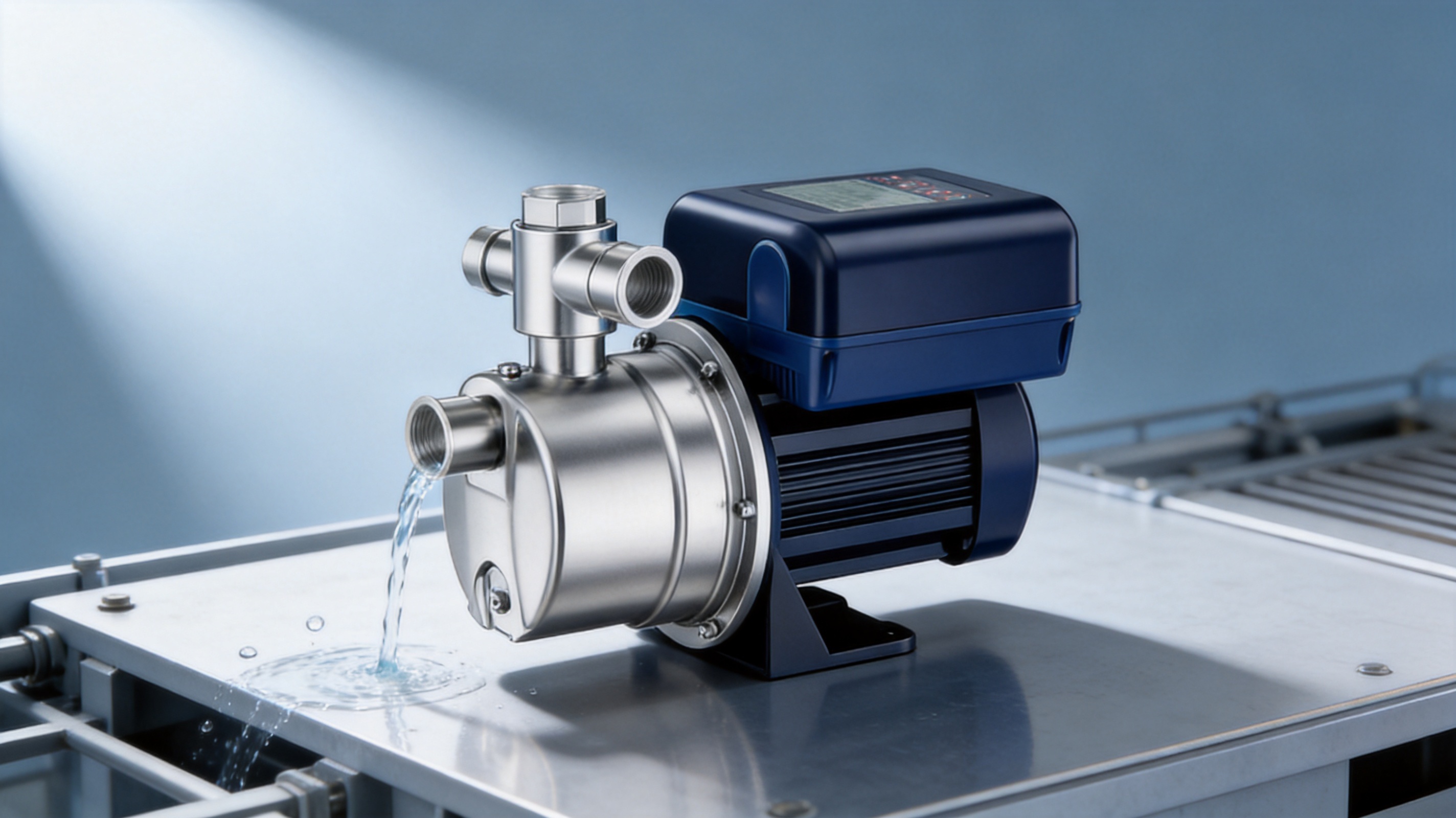
The IE5 permanent magnet motor gives the XLJET series an important advantage over many conventional asynchronous motor pumps. Higher motor efficiency can lower electricity consumption and reduce heat generation, especially when the pump operates for extended periods. This is relevant to homes with frequent water demand and commercial or industrial facilities where pumps run throughout the day.
Fixed-speed pumps often operate in an all-or-nothing manner. The XLJET’s variable frequency system is designed to match output more closely to demand. This reduces unnecessary full-speed operation and can provide smoother pressure control across changing usage conditions.
A standard booster pump may require more frequent manual priming or may be more sensitive to air entering the suction pipe. The XLJET’s self-priming design provides greater flexibility for above-ground installation and simplifies operation in systems drawing water from tanks or shallow sources.
The use of aluminum components and a compact hydraulic arrangement keeps the pump relatively easy to handle. This benefits installers working in confined utility areas and distributors seeking a product that is practical to transport and store.
One-click pressure adjustment, built-in protection features, wide-voltage and dual-frequency support, and periodic self-start operation provide a broader control package than a basic mechanical booster pump. These functions help reduce the amount of external control equipment required for many small and medium installations.
The series is suitable for residential water supply, air-conditioning circulation, cooling systems, water purification, industrial cleaning, liquid transfer, food and beverage ingredient systems, agriculture, and other compatible applications. This versatility enables contractors and distributors to use one product family across different projects while selecting the appropriate power level.
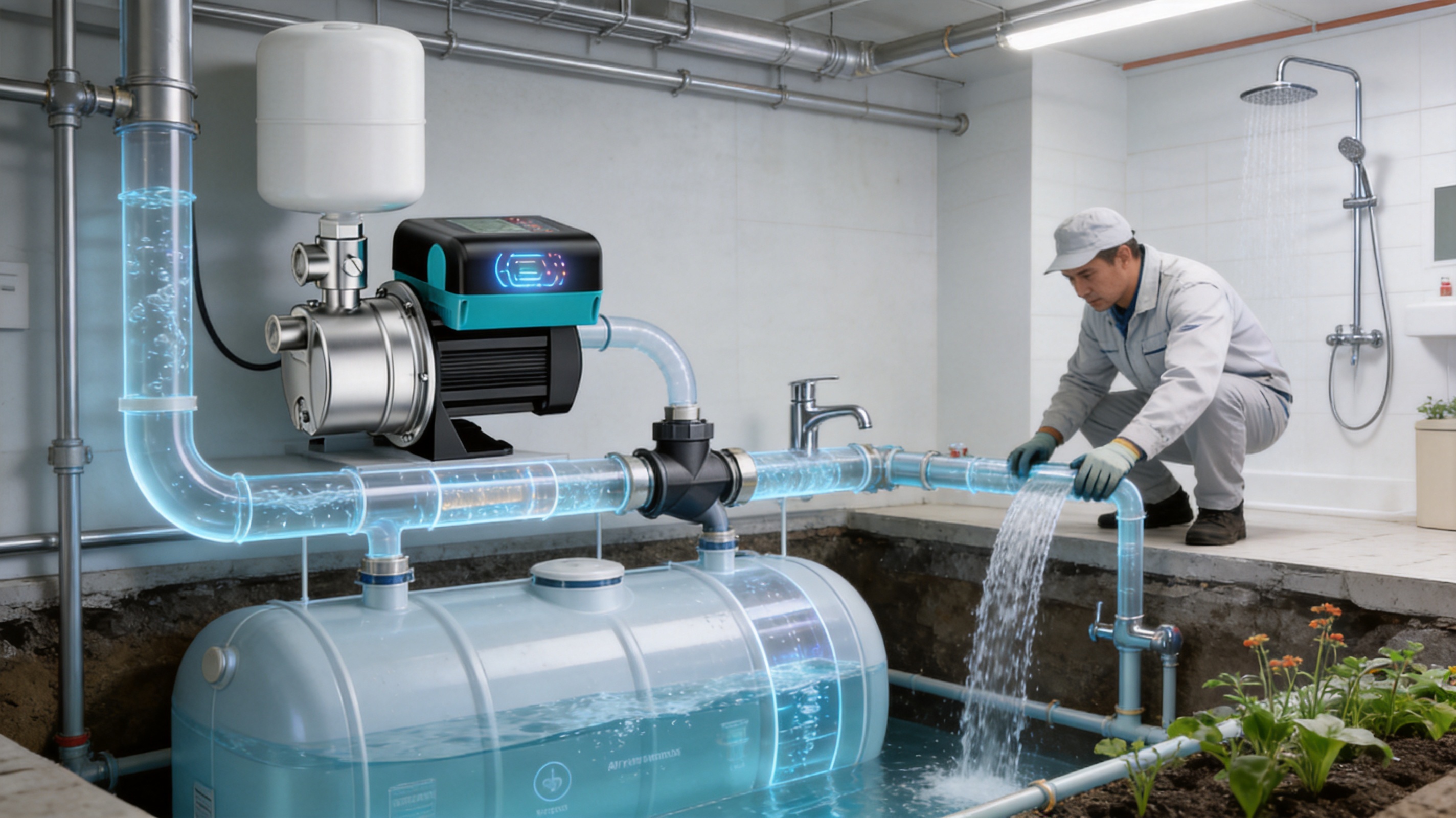
In residential buildings, the XLJET series can be used to increase water pressure from storage tanks, roof tanks, shallow wells, or municipal supply lines with insufficient pressure. It can support showers, faucets, washing machines, water heaters, toilets, garden outlets, and other household fixtures, provided that the system demand remains within the selected model’s performance range.
The variable frequency function helps the pump respond to changes in household demand. When only one faucet is open, the pump can operate at a lower output. When several outlets are used simultaneously, the controller can increase speed to support the higher flow requirement. This approach can improve user comfort while reducing unnecessary energy use.
For homes with irregular occupancy, the automatic self-start feature can help maintain readiness after periods of inactivity. The compact size also makes the series suitable for utility rooms, garages, pump cabinets, and protected outdoor installations. Installers should provide adequate ventilation, drainage, and access for maintenance.
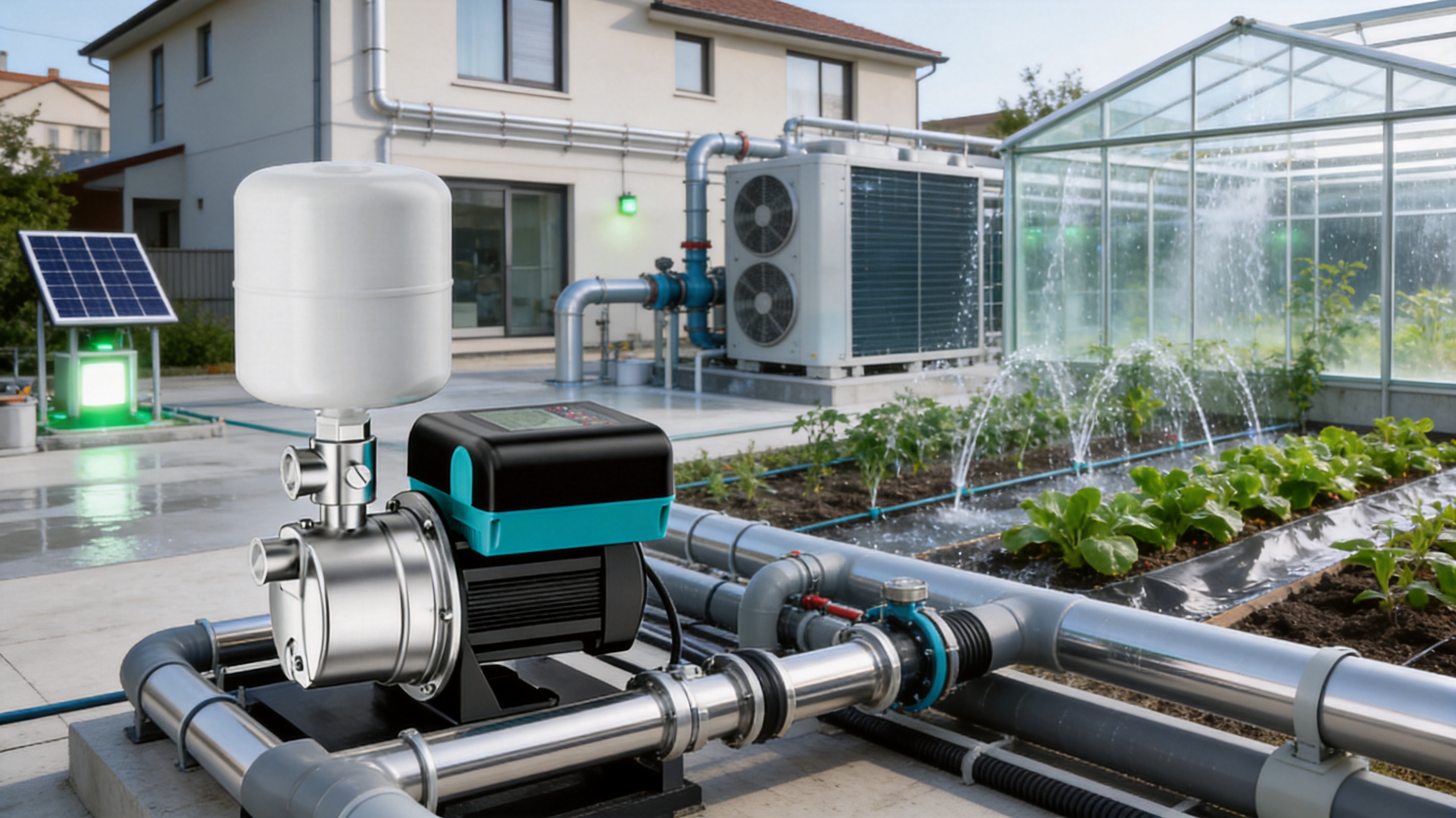
Small farms, nurseries, greenhouses, and garden irrigation systems often require water to be transferred from tanks, reservoirs, or shallow wells. The self-priming function can simplify water intake where the pump is located above the source. The different model capacities allow users to match the pump to the size of the irrigation zone and required delivery pressure.
For drip irrigation, pressure regulation is important because excessive pressure can damage emitters or create uneven distribution. For sprinkler systems, the pump must provide sufficient pressure at the required flow rate. The XLJET series can support these systems when the liquid is clean and the total duty point falls within the selected model’s operating range.
Filters should be installed where the water contains suspended particles, sediment, or organic material. The product is intended for liquids without solid particles or fibers, so suitable filtration is necessary when drawing water from open tanks, ponds, or wells. Regular filter cleaning also reduces suction resistance and helps preserve pump performance.
The XLJET series can be used for circulation in air-conditioning systems and cooling systems when the liquid characteristics remain within the stated limits. Variable speed operation can help HVAC systems respond to changing circulation requirements, potentially reducing energy consumption during partial-load periods.
In water-treatment equipment, the pump may be used for water transfer, filtration circulation, purification stages, or auxiliary pressure boosting. The stainless-steel pump body can be advantageous where corrosion resistance and clean-water compatibility are important. System designers must verify chemical compatibility before using the pump with treated liquids, additives, or cleaning agents.
The pump can also support industrial cleaning systems and liquid transportation duties. In these applications, users should confirm that the cleaning liquid is neutral, non-explosive, low in viscosity, and free from solids or fibers. Oil-based products and aggressive chemicals may require a different pump construction and seal material.
The product information lists food and beverage ingredient systems among possible applications. In such environments, the suitability of the complete pump must be evaluated carefully. Liquid compatibility, hygienic requirements, material certifications, cleaning procedures, temperature, pressure, and local regulations all need to be considered.
The pump is intended for low-viscosity, neutral, non-explosive liquids without solid particles or fibers. It should not be assumed that every food product, syrup, oil, or process fluid is suitable. Oil or oil-based liquids require a special pump type, and liquids with elevated viscosity may exceed the hydraulic design range.
Where hygienic service is required, the purchaser should confirm the required material grades, surface finish, sealing arrangement, cleaning method, and applicable certification with the manufacturer before ordering. Proper application review is especially important when the pumped liquid comes into direct contact with food or beverage products.
Taizhou Edwin Electric Co., Ltd. was founded in 2008 and operates as an integrated manufacturing enterprise focused on independent research and development, mass production, and global export. This combination provides a foundation for developing products that are not only technically capable but also suitable for repeat purchasing, distributor programs, and international project supply.
The company’s core product lines include deep well pumps, submersible pumps, domestic booster pumps, and circulation pumps. Its broader product portfolio also includes solar water pumps, intelligent booster pumps, and other water-treatment peripheral products. This breadth allows the company to understand different water-system requirements instead of concentrating on a single pump category.
Independent research and development supports continuous improvement in motor systems, intelligent controls, hydraulic structures, materials, and application-specific designs. The XLJET series reflects this approach by combining a permanent magnet motor, variable frequency control, self-priming hydraulics, electronic protection, and compact construction in one product platform.
Mass production is equally important. A high-performance pump must be manufactured consistently across different batches. Stable production processes help maintain dimensional accuracy, winding quality, assembly alignment, seal installation, electrical performance, and overall product reliability. For international customers, repeatable manufacturing is essential when products are supplied under a distributor brand, used in standardized projects, or ordered in large quantities.
The use of pure copper wire in the motor windings is a stated feature of the XLJET series. Copper provides strong electrical conductivity and supports stable motor performance. High-quality winding work also depends on appropriate wire placement, insulation treatment, connection quality, and testing. These details contribute to the motor’s ability to operate efficiently and reliably under its rated conditions.
The company has developed a professional team for procurement planning, order tracking, cross-border delivery, and foreign-trade services through related import and export organizations. This one-stop structure can be valuable to overseas buyers who need more than a pump alone. Coordinated product selection, documentation, production scheduling, shipment planning, and after-sales communication can simplify international procurement.
Quality in pump manufacturing depends on the interaction of many processes. A strong motor cannot compensate for poor hydraulic alignment, and a corrosion-resistant pump body cannot compensate for an unsuitable mechanical seal. Product consistency requires attention to incoming materials, machining, winding, assembly, electrical testing, hydraulic testing, packaging, and shipment control.
For the XLJET series, material selection includes stainless steel for the pump body, aluminum for structural and housing components, PPO for the impeller, and silicon carbide/graphite for the mechanical seal. Maintaining the correct material specifications helps ensure that each part performs its intended function and remains compatible with the overall pump design.
Motor production should include checks on winding quality, insulation integrity, electrical connections, rotational direction where applicable, and operating current. Electronic control systems should be checked for pressure regulation, frequency adjustment, protection behavior, and communication between the controller and motor. Hydraulic assembly should be reviewed for seal installation, impeller clearance, leakage prevention, and correct rotation.
A professional manufacturing system also needs traceability and controlled process documentation. These practices enable the manufacturer to identify production batches, investigate field feedback, and improve future designs. For overseas distributors, process consistency reduces the risk of receiving products with unpredictable performance differences between orders.
Customers evaluating a pump supplier should consider not only product specifications but also manufacturing capacity, development capability, export experience, technical support, spare-parts availability, packaging standards, and response to quality issues. Edwin Pump’s combination of product breadth, manufacturing experience, and international service capability supports its position as a supplier for global water-pump buyers.
The pump should be installed on a firm, level base that can support its weight and operating vibration. The suction and discharge connections should be aligned without forcing the pump casing or pipework into position. Excessive pipe stress can affect sealing, alignment, and long-term reliability.
The suction line should be airtight and appropriately sized. Air leakage on the suction side can prevent successful priming, reduce flow, increase noise, and cause unstable operation. The pipe should be as short and direct as practical, with unnecessary elbows and restrictions avoided.
A strainer or filter may be necessary when the water source contains sediment. However, the filter must be correctly sized and maintained. A clogged filter can create excessive suction loss and may cause cavitation or insufficient water supply to the pump.
The pump should be protected from flooding, direct immersion, extreme weather, and unauthorized access. Although the product includes water-splash protection suitable for appropriate environments, the electrical system should not be exposed to standing water. A roof, enclosure, or weatherproof pump cabinet can improve service life.
Electrical installation should be completed according to local regulations by qualified personnel. The power supply must match the pump requirements, and grounding must be provided. The circuit should include suitable overcurrent and residual-current protection where required. Cable entries and terminals should remain dry and secure.
Before initial operation, the installer should check that valves are correctly positioned, the pump has been prepared for priming, the suction pipe is full or configured correctly, and the discharge system is ready. The pump should not be operated dry unless the manufacturer specifically permits a particular dry-run test procedure.
Routine maintenance helps preserve pump performance and reduce unexpected downtime. The inspection schedule should reflect the liquid quality, operating hours, temperature, installation environment, and importance of the application.
Operators should periodically inspect the pump for leakage, abnormal sound, excessive vibration, overheating, loose connections, and changes in pressure or flow. A gradual reduction in performance may indicate a blocked filter, air entering the suction line, a partially closed valve, pipe obstruction, impeller wear, or a problem with the pressure-control settings.
Filters and strainers should be cleaned at suitable intervals. Water containing sediment may require more frequent service than clean municipal water. The suction line should be checked for air leaks, and valves should be operated periodically to confirm that they are not stuck.
The mechanical seal should be monitored for leakage. A small amount of initial moisture may be associated with certain seal conditions, but continuous or increasing leakage requires inspection. Mechanical seals should be replaced using compatible parts and appropriate installation practices.
If the pump is stored or shut down during freezing weather, the system should be drained or protected as appropriate. Frozen water can damage the pump body, seal, pipes, and fittings. The automatic self-start function is not intended to prevent freeze damage.
When a fault occurs, power should be isolated before inspection. Users should not bypass protective functions or open the electrical controller without suitable training. If the problem cannot be identified through basic checks, qualified service personnel or the supplier should be contacted.
The purchase price is only one part of a pump’s total cost. Electricity, maintenance, replacement parts, downtime, installation labor, and system efficiency all influence the long-term economic result. The XLJET series is designed to reduce several of these costs through high motor efficiency, variable frequency operation, self-priming convenience, and integrated control functions.
Energy savings can be especially meaningful in systems with long operating hours or changing demand. A pump that adjusts its speed instead of running continuously at full output may use less energy during low-flow periods. The actual saving depends on the duty cycle, pressure setting, pipe design, and operating profile, so system-level evaluation is recommended.
Self-priming capability can reduce manual intervention and make the system more convenient to restart after maintenance or inactivity. Compact dimensions can lower installation effort in confined spaces. Integrated pressure control can also reduce the need for separate control components in certain applications.
Reliability contributes to ownership value by reducing unplanned shutdowns. High-quality copper windings, suitable insulation, durable materials, and an appropriate mechanical seal all support reliable operation when the pump is correctly selected and maintained. For commercial and industrial users, avoiding water-supply interruptions may be as important as reducing electricity consumption.
Global customers often require a supplier that can manage technical communication, production scheduling, export documentation, packing, and delivery. Edwin Pump has developed experience in global export and provides related procurement and foreign-trade services through its associated organizations.
The company’s broad pump portfolio supports one-stop purchasing. A buyer may source deep well pumps, submersible pumps, domestic booster pumps, circulation pumps, solar water pumps, intelligent booster pumps, and related accessories from a coordinated supply network. This can reduce the administrative burden of working with multiple suppliers for a complete water project.
For distributors, the XLJET series offers a clear model structure with four power levels. The shared product concept makes it easier to create a product family, train sales staff, stock common replacement items, and recommend a suitable model according to customer demand. The 50/60 Hz specification also supports use in different international markets, subject to confirmation of the required voltage and certification standards.
For project contractors, technical review remains essential. The pump should be selected using the actual duty point, local electrical requirements, liquid characteristics, environmental conditions, and applicable codes. The supplier can assist with product selection and project communication so that the chosen configuration is suitable for the intended installation.
The XLJET series is a permanent magnet variable frequency self-priming jet pump designed for intelligent water boosting and liquid transfer. It belongs to the self-priming intelligent booster pump category.
The listed maximum suction height is 8 m. Actual performance depends on pipe length, pipe diameter, fittings, water temperature, altitude, liquid conditions, and the airtightness of the suction line.
The maximum pressure specification is 8 bar. The operating pressure at a particular flow rate will depend on the selected model and system resistance.
The specified liquid temperature range is 0–90°C. The complete system, including pipes, valves, seals, and fittings, must also be suitable for the selected temperature. Users should confirm the application with the supplier before pumping liquids near the upper temperature limit.
The pump is intended for low-viscosity, neutral, non-explosive liquids without solid particles or fibers. Dirty water, abrasive liquids, fibrous liquids, and heavily contaminated sources may require filtration or a different pump type.
The permanent magnet motor can achieve high efficiency, with a stated maximum of up to 96%. It can reduce electrical losses and heat generation compared with many conventional asynchronous motor designs, especially when combined with variable frequency control.
No. The XLJET series uses variable frequency operation to adjust motor speed according to demand. This supports more stable pressure and can reduce energy use during partial-load operation.
The pump includes a one-click pressure regulation design. The exact adjustment procedure should follow the product instructions supplied with the pump and should be configured according to the requirements of the connected system.
The pump includes IPX4 protection, and the pressure-control design is identified with IP54 protection. It may be used in a suitable outdoor installation when protected from flooding, immersion, severe weather, and direct exposure that exceeds its protection rating. A weatherproof cover is recommended.
After a prolonged period without use, the pump can automatically perform a short self-start operation every 12 hours and then stop after a few seconds. This helps reduce the risk of the pump becoming stuck due to long-term inactivity.
The choice should be based on the required flow, total dynamic head, suction conditions, operating hours, and liquid characteristics. The XLJET-50 provides a maximum listed head of 28 m, while the XLJET-80, XLJET-100, and XLJET-150 provide maximum listed heads of 38 m, 43 m, and 46 m respectively. A technical selection based on the pump curve is recommended.
The model table specifies 50/60 Hz frequency operation. Voltage and current requirements should be confirmed before purchase because frequency compatibility alone does not determine complete electrical suitability.
Maintenance generally includes checking for leakage, abnormal noise, vibration, overheating, suction-line air leaks, blocked filters, loose electrical connections, and changes in flow or pressure. The specific maintenance schedule depends on the liquid and operating environment.
No. The pump must be installed and prepared according to the manufacturer’s instructions. Self-priming helps remove air and establish pumping operation, but it does not mean that the pump can operate indefinitely without water or without correct initial preparation.
The product information states that oil or oil-based liquids require a special pump type. The XLJET should not be used with oil unless the manufacturer confirms compatibility and supplies an appropriate configuration.
The XLJET-50/80/100/150 Permanent Magnet Variable Frequency Self-Priming Jet Pump combines several technologies that address the most common weaknesses of conventional booster systems. Its IE5 permanent magnet motor supports high efficiency, while variable frequency operation allows the pump to adapt to changing demand. Self-priming capability improves installation flexibility, and one-click pressure regulation simplifies operation.
The series also offers practical durability through a stainless-steel pump body, aluminum structural components, PPO impeller, and silicon carbide/graphite mechanical seal. With a maximum suction height of 8 m, maximum pressure of 8 bar, liquid temperature capability up to 90°C, and four model options, it can serve a wide range of residential, commercial, agricultural, HVAC, water-treatment, and light-industrial applications.
Its greatest advantage is the integration of efficiency, intelligent control, convenience, and compact construction in a single product family. Compared with a basic fixed-speed asynchronous booster pump, the XLJET series can provide more responsive pressure management, lower energy consumption in suitable operating conditions, and reduced user intervention.
These product advantages are supported by Taizhou Edwin Electric Co., Ltd.’s experience in research and development, mass production, global export, and integrated pump supply. The company’s broader product range and international service structure make it a suitable partner for distributors, contractors, engineering companies, and industrial buyers seeking dependable water-pump solutions.
Correct selection and installation remain essential. Buyers should evaluate the actual flow-head requirement, liquid properties, suction arrangement, electrical supply, ambient conditions, and maintenance requirements before placing an order. When applied within its design limits, the XLJET series provides an efficient and versatile solution for modern intelligent water boosting.
1. Product technical specifications for the XLJET-50/80/100/150 Permanent Magnet Variable Frequency Self-Priming Jet Pump.
2. Manufacturer-provided information on permanent magnet motor efficiency, variable frequency control, pressure regulation, and self-priming operation.
3. Manufacturer-provided material schedule for the pump body, motor housing, impeller, pump support, and mechanical seal.
4. Manufacturer-provided model data covering power, maximum flow, maximum head, suction height, dimensions, weight, and pipe connections.
5. General engineering principles for centrifugal pump selection, suction-line design, pressure boosting, and total dynamic head calculation.
6. General technical guidance concerning electric motor insulation, enclosure protection, pump maintenance, and safe installation practices.
edwina@edwin-pump.com
+86-13586290903 (WhatsApp)
Xuri Gongliang Cutting Tool Entrepreneurship Park, Wenqiao Town, Wenling City, Taizhou City, Zhejiang Province, China

High Performance Smart Pump Factory


 English