edwina@edwin-pump.com

View All Products
en
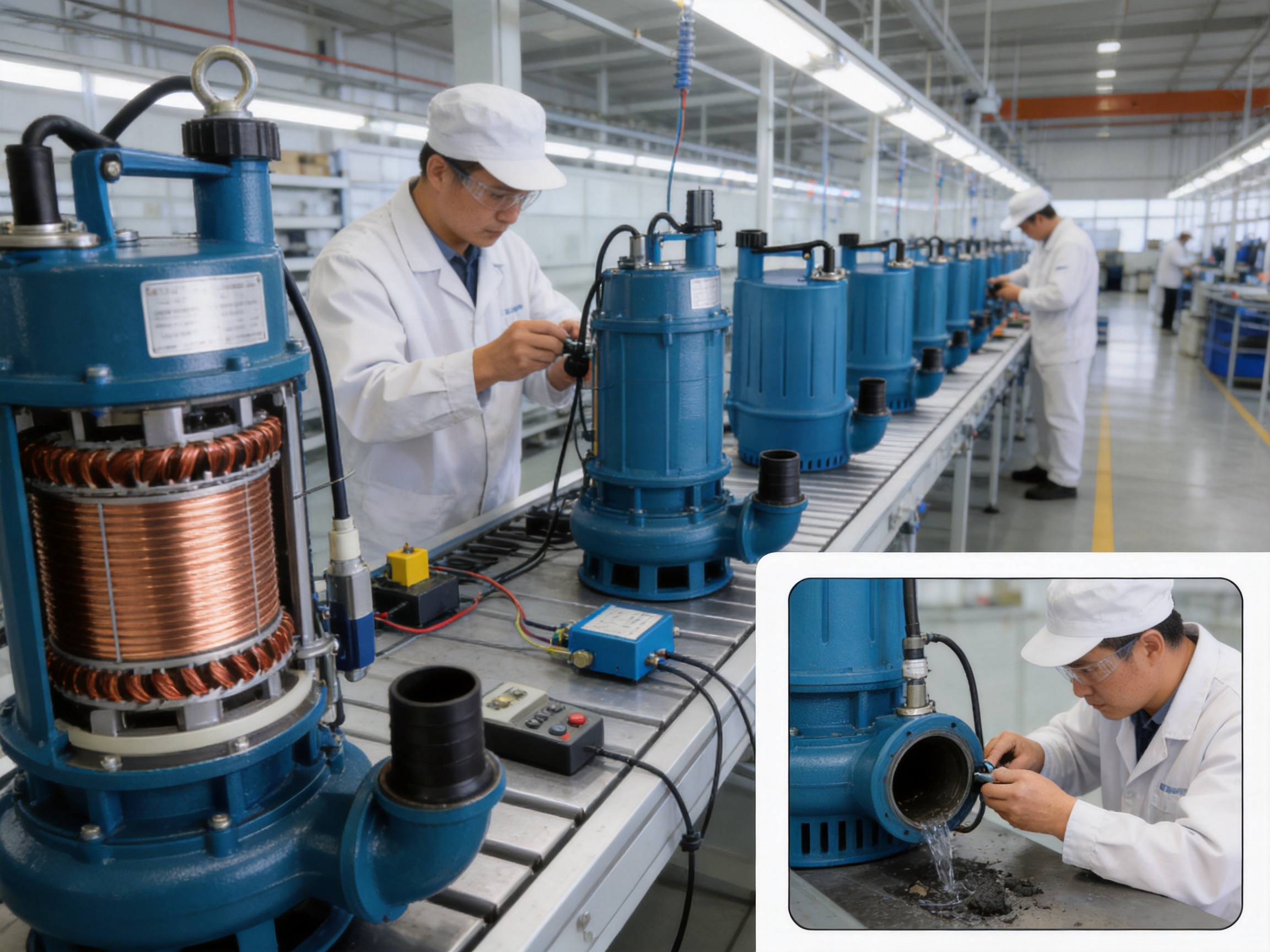
Reliable drainage is essential wherever unwanted water must be removed quickly, safely, and consistently. Agricultural fields, gardens, construction sites, livestock facilities, industrial areas, and residential properties all face situations in which accumulated water can interrupt operations, damage structures, or create difficult working conditions. In these environments, a dependable submersible sewage pump is not merely a convenience. It is an important part of an effective water management system.
The Submersible Sewage Pump SPP100C is designed for small-scale electrical irrigation and drainage applications. Its submersible configuration allows the pump to operate directly inside the water source, helping users remove water from wells, pits, tanks, flooded areas, and other low-level locations without requiring a separate priming process. With a maximum immersion depth of 5 meters and a maximum liquid temperature of 40°C, the pump is suitable for a broad range of routine water supply and drainage duties.
The SPP100C combines a copper-wound motor, built-in thermal protection, Class B insulation, and IPX8 protection. These features create a practical balance between operating reliability, electrical safety, and ease of use. The pump is also supported by the manufacturing and export capabilities of Taizhou Edwin Electric Co., Ltd., a professional pump manufacturer with experience in product research and development, mass production, procurement coordination, and international delivery.
This article examines the product’s construction, applications, operating advantages, manufacturing strengths, maintenance requirements, selection considerations, and competitive value. It is intended for distributors, engineering buyers, contractors, agricultural users, facility managers, and other purchasers evaluating compact submersible drainage equipment.
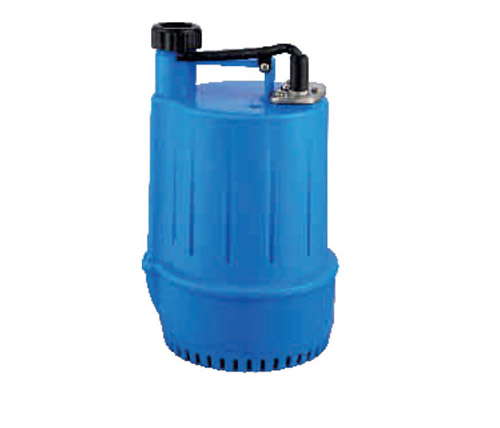
SUBMERSIBLE SEWAGE PUMP SPP100C
The Submersible Sewage Pump SPP100C is a compact electrical pump intended for water transfer, drainage, and general water management. Unlike a surface-mounted pump, it is installed below the water level. The motor and pumping body operate as a submerged unit, allowing the pump to draw water directly from the surrounding environment.
This operating principle offers several practical advantages. A surface pump normally needs a suction pipe, a correctly sealed connection, and an effective priming procedure before operation. A submersible pump can reduce these installation requirements because the pumping unit is already positioned within the water. This makes it particularly useful in temporary drainage operations, wells, pits, reservoirs, gardens, and areas where the water level changes frequently.
The SPP100C is identified as a submersible sewage pump, but its stated application range also includes irrigation, drainage, domestic water supply, construction water management, livestock-related water handling, and the removal of industrial accumulated water. The appropriate use of any pump depends on the actual liquid, the presence of solids, the required flow, the required head, the electrical supply, and the installation environment. Buyers should confirm these conditions before placing an order or beginning installation.
The pump’s listed maximum immersion depth is 5 meters. This specification indicates the maximum depth at which the pump should be positioned below the water surface under the manufacturer’s stated operating conditions. The listed maximum liquid temperature is 40°C, so the unit is intended for normal-temperature water and compatible drainage liquids rather than hot process fluids.
At the motor level, the pump uses copper winding, a built-in thermal protector, Class B insulation, and IPX8 protection. Together, these features support stable operation in wet environments. Copper winding contributes to effective electrical conductivity, while the thermal protector helps reduce the risk of damage caused by excessive motor temperature. Class B insulation provides a defined thermal insulation performance category, and IPX8 protection is appropriate for equipment designed to operate continuously or for extended periods under immersion conditions, subject to the manufacturer’s stated limitations.
The SPP100C’s value comes from the way its principal features work together. A pump may have a strong motor but still be unsuitable for submerged use if its enclosure is not adequately protected. Similarly, an enclosure alone cannot compensate for poor thermal management or an unsuitable installation depth. The product is designed as an integrated unit in which the motor, protection system, and submerged operating configuration support one another.
| Feature | Listed Specification or Configuration | Practical Significance |
|---|---|---|
| Product type | Submersible sewage pump | Suitable for submerged drainage and water transfer duties |
| Model | SPP100C | Provides a clear reference for purchasing and replacement |
| Maximum immersion depth | 5 meters | Defines the maximum recommended installation depth |
| Maximum liquid temperature | 40°C | Supports normal-temperature water and compatible drainage liquids |
| Motor winding | Copper winding | Supports electrical conductivity and reliable motor performance |
| Thermal protection | Built-in thermal protector | Helps protect the motor from excessive temperature |
| Insulation class | Class B | Provides a defined motor insulation category |
| Protection class | IPX8 | Designed for operation in submerged conditions within specified limits |
The table summarizes the information available for the SPP100C. Buyers should request the complete technical data sheet for additional information such as rated power, voltage, frequency, outlet size, rated flow, maximum head, cable length, solids passage, operating current, dimensions, and packaging details. These values are important when matching the pump to a specific drainage system.
The submerged design is one of the product’s most important advantages. By placing the pump inside the water, the system can minimize suction-side limitations that are common in surface installations. This can help simplify equipment placement, especially where the available space around a well, pit, tank, or drainage point is limited.
Submersible installation may also help reduce noise in occupied areas because the water surrounding the pump can absorb and separate some operating sound from the immediate environment. The final noise level will depend on installation depth, mounting conditions, pipe vibration, electrical characteristics, and the surrounding structure, but the submerged configuration is generally well suited to locations where a larger surface pump would be inconvenient.
The use of copper winding is a significant quality feature in an electric pump motor. Copper has strong electrical conductivity and is widely used in reliable motor construction. A properly manufactured copper-wound motor can support efficient current transmission and stable electromagnetic performance.
For buyers, copper winding also provides a clear specification when comparing pump products from different suppliers. Some low-cost products in the market may use alternative winding materials or may not clearly identify the winding construction. A clearly specified copper winding gives distributors and end users more confidence when evaluating motor quality, provided that the complete motor design and manufacturing controls are also sound.
Electric motors can generate additional heat when they operate under overload, restricted flow, abnormal voltage, frequent cycling, or insufficient cooling. A built-in thermal protector is intended to interrupt or control motor operation if the internal temperature rises beyond a safe level. This feature helps reduce the likelihood of damage caused by overheating.
Thermal protection is especially relevant in drainage work because operating conditions may change rapidly. A pump may encounter a partially blocked outlet, an unexpectedly low water level, or a temporary mechanical obstruction. Although thermal protection does not eliminate the need for correct installation and maintenance, it provides an additional protective layer between the motor and abnormal operating conditions.
Class B insulation identifies the thermal capability category of the motor insulation system. The insulation separates electrically active components and helps protect the motor against electrical breakdown. It is an important specification for buyers who need to assess whether the motor is suitable for a particular duty cycle and ambient environment.
The insulation class should always be considered together with voltage stability, motor loading, ambient temperature, frequency of operation, and cooling conditions. A pump with Class B insulation still needs to be operated within its rated electrical and mechanical limits. Correct electrical installation remains essential.
IPX8 protection is appropriate for equipment designed for continuous immersion or immersion beyond the conditions defined for lower protection levels, subject to the manufacturer’s stated requirements. For a submersible pump, this is a central design characteristic rather than an optional accessory.
The IPX8 designation supports confidence that the pump enclosure has been designed for submerged operation. However, the rating does not mean that every part of the installation is automatically waterproof. Cable connections, control boxes, plugs, extension connections, discharge fittings, and external switches must also be installed correctly. The pump should never be operated with damaged cables, compromised seals, or exposed electrical connections.
The SPP100C is suitable for a wide variety of small electrical irrigation and drainage tasks. Its application range includes urban well water pumping, field irrigation and drainage, garden irrigation, household water supply, industrial accumulated-water drainage, construction water supply and drainage, and livestock breeding facilities.
In urban or semi-urban properties, water may collect in wells, underground pits, service areas, or storage chambers. A submersible pump can be positioned at the collection point and used to transfer the water to a drainage line, storage tank, or suitable discharge location.
The submerged format is useful where access is narrow or where a surface pump would occupy valuable space. Users should verify that the well or chamber is large enough for safe installation, that the liquid is compatible with the pump, and that the outlet pipe is properly supported.
Agricultural irrigation systems often require water to be moved from wells, tanks, collection ponds, or temporary reservoirs. The SPP100C can serve small irrigation duties where the required flow and lift fall within the pump’s rated performance range.
For field irrigation, the selection process should account for the distance between the water source and the irrigation area, elevation changes, pipe diameter, number of fittings, and the type of irrigation equipment being supplied. Narrow pipes and excessive bends can increase resistance and reduce actual flow. A pump should therefore be selected according to a complete hydraulic calculation rather than motor power alone.
Heavy rain, seasonal flooding, poor soil drainage, or irrigation overflow can leave water standing in agricultural fields. Prolonged standing water may affect crops, soil conditions, access roads, and farm operations. A portable submersible drainage pump can provide a practical way to remove accumulated water from low points and transfer it to a drainage channel or storage area.
Before use, the operator should remove large debris from the intake area and make sure that mud, stones, plant material, or other solids will not interfere with the pump. The actual ability to handle solids depends on the pump’s detailed hydraulic design, so the complete product documentation should be consulted for applications involving heavily contaminated water.
Gardens and residential properties may use stored rainwater, wells, collection tanks, or underground reservoirs for irrigation. The SPP100C can be considered for these tasks when the required flow and pressure are compatible with its rated performance.
For domestic use, water quality must be considered carefully. A drainage pump should not automatically be treated as a certified drinking-water pump. If water is intended for human consumption, buyers should confirm the applicable material, hygiene, and certification requirements before connecting the unit to a potable-water system.
Industrial facilities frequently encounter accumulated water in equipment rooms, maintenance areas, loading zones, underground spaces, and drainage basins. The pump can support routine removal of compatible water where a small, flexible, and quickly deployable drainage solution is needed.
Industrial buyers should identify the liquid before operation. Water containing corrosive chemicals, flammable substances, high temperatures, abrasive solids, or unusual contaminants may require a specialized pump construction. The listed maximum liquid temperature of 40°C should be observed, and chemical compatibility should be confirmed in advance.
Construction projects commonly require water removal from foundations, trenches, excavations, basements, drainage pits, and temporary collection areas. A submersible pump can be moved to the point where water accumulates and connected to a discharge hose or pipe.
Construction environments can be demanding because mud, gravel, concrete residue, and debris may be present. The SPP100C should be used according to its actual solids-handling capacity and operating instructions. A coarse pre-screen or suitable intake arrangement may help prevent large debris from entering the pump, provided that the arrangement does not restrict flow excessively.
Livestock facilities need dependable water management around washing areas, drainage channels, collection pits, and service zones. A compact submersible pump can help remove accumulated water and support cleaning or drainage operations.
Hygiene and maintenance are particularly important in agricultural facilities. After use, the pump should be cleaned appropriately, inspected for blockage, and stored in a dry and protected location when it is not installed permanently. Operators should also prevent electrical cables and connections from being exposed to unnecessary mechanical or animal damage.
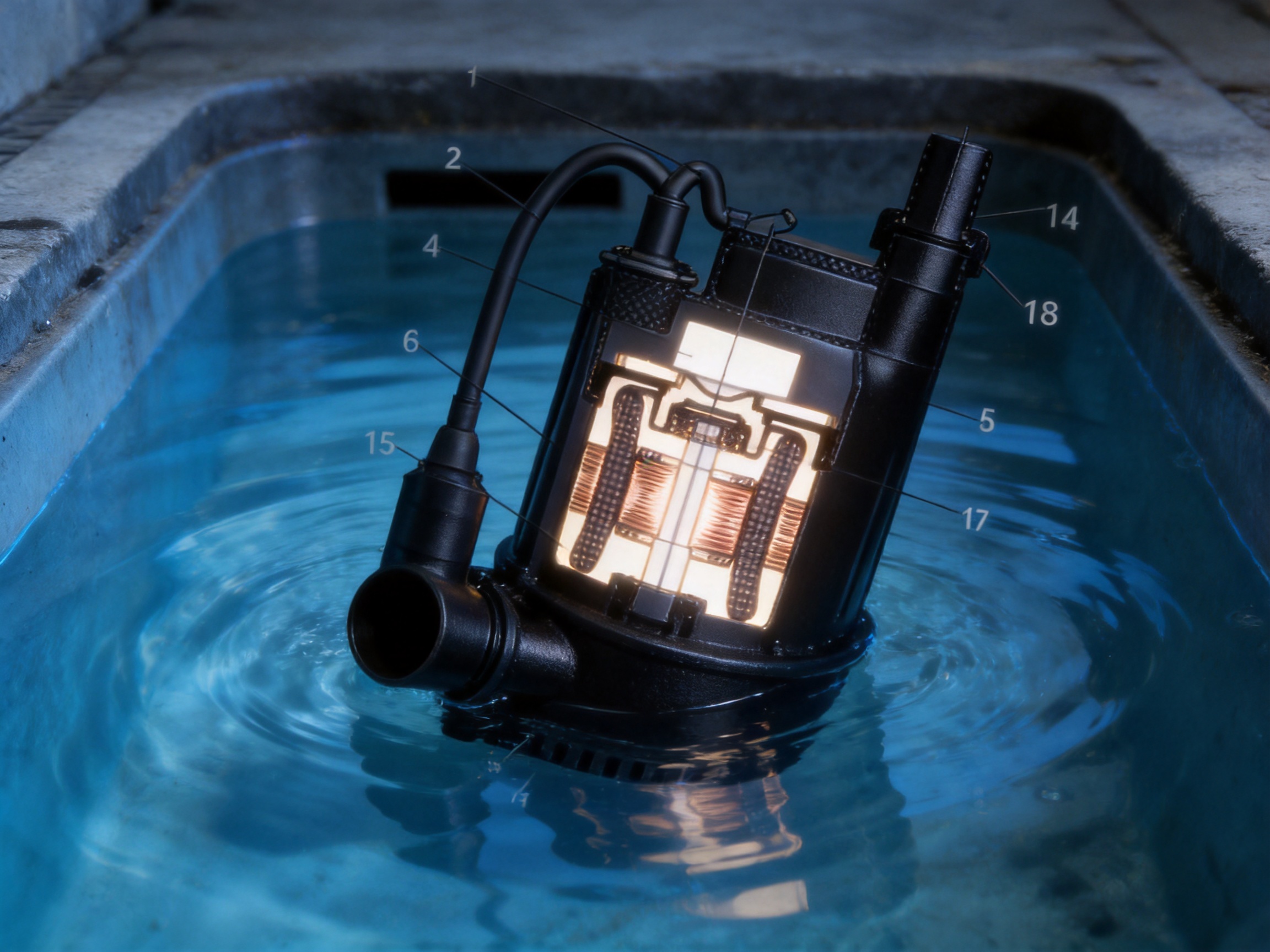
Purchasers often compare a submersible sewage pump with a surface centrifugal pump, a basic low-cost drainage pump, or a larger commercial pump. The most suitable product depends on the application, but the SPP100C has several practical advantages in its intended range.
A surface-mounted pump must generally be positioned above the water and connected to a suction line. The suction line requires proper sealing, suitable pipe sizing, and appropriate priming. Air leakage can reduce performance or prevent the pump from operating correctly.
The SPP100C operates below the water level, which can simplify start-up and reduce the dependence on a long suction line. This is especially helpful for temporary drainage, deep collection points within the 5-meter immersion limit, and locations where a surface installation is difficult.
A surface pump may still be preferable when the equipment must remain readily accessible, when the water source is shallow and clean, or when the system requires a specific high-pressure configuration. The advantage of the SPP100C is not that it replaces every other pump type, but that it provides an efficient and practical solution for submerged drainage and transfer tasks.
Low-cost pumps without clearly defined protection features may be attractive at the initial purchase stage, but they can create uncertainty in wet operating environments. The SPP100C specifies a built-in thermal protector, Class B insulation, and IPX8 protection. These features provide buyers with a more transparent basis for evaluating suitability.
Clear motor and enclosure specifications are particularly valuable for distributors. They help sales teams explain the product’s intended operating environment and help end users understand why the pump should be installed and maintained in a specific way.
Large commercial pumps can provide greater capacity, but they may be unnecessary for small drainage points, gardens, household service areas, or localized construction tasks. Oversized equipment can involve higher purchase costs, increased energy consumption, heavier handling requirements, and more complex installation.
The SPP100C is positioned for smaller electrical irrigation and drainage equipment needs. Its compact product concept can help users avoid paying for capacity they do not require. At the same time, buyers should avoid selecting a small pump for a duty that demands high flow, high head, continuous heavy solids handling, or operation beyond the stated immersion and temperature limits.
Some portable systems require an external motor, a separate pump body, multiple hoses, and a priming arrangement. A submersible unit can reduce the number of components that need to be positioned around the water source. This may improve portability and reduce preparation time for routine drainage tasks.
The SPP100C’s integrated construction is therefore valuable for contractors, maintenance teams, farms, and property owners who need a pump that can be deployed quickly. The exact installation time will depend on the discharge arrangement and electrical connection, but the submerged design generally supports straightforward field use.
Product performance depends not only on the listed specifications but also on the manufacturing system behind the product. Taizhou Edwin Electric Co., Ltd. was founded in 2008 and operates as an integrated manufacturing enterprise specializing in independent research and development, mass production, and global export.
This combination is important for buyers seeking a stable supply partner. A company that participates in product development and manufacturing can maintain closer control over design decisions, production methods, quality requirements, and product improvement. It can also respond more directly to technical feedback from distributors and end users.
Independent research and development allows a manufacturer to build product knowledge internally rather than relying entirely on external designs. For pump products, this knowledge may cover motor construction, insulation, sealing, hydraulic performance, thermal behavior, component selection, assembly procedures, and application requirements.
Research and development also supports product adaptation. Different markets may require different voltage configurations, packaging standards, documentation, installation instructions, or application solutions. An experienced manufacturer can use its internal capabilities to coordinate these requirements more effectively.
Mass production requires more than simply producing a high quantity of units. It requires repeatable processes, trained personnel, component coordination, equipment management, production scheduling, inspection procedures, and traceable quality practices.
For the SPP100C, repeatability is especially important because motor winding, sealing, insulation, cable connection, assembly, and protective components must work together correctly. A reliable production system helps reduce variation between units and supports more predictable performance for distributors and project buyers.
The company emphasizes reliable quality, innovation, and high-performance water pumps. These priorities are relevant to the SPP100C because the pump is intended for wet and sometimes demanding environments. A quality-oriented approach should include careful attention to motor construction, protection systems, enclosure integrity, component compatibility, and final inspection.
Buyers should request the manufacturer’s current quality documentation, test procedures, applicable certifications, and inspection records when required for a particular project. The product information supplied for the SPP100C identifies key construction characteristics, while project-specific purchasing may require additional technical evidence.
Edwin Pump has developed experience in global export and serves customers in different regions. International pump supply involves more than manufacturing. It includes product selection, order communication, packaging, documentation, customs coordination, delivery planning, and after-sales communication.
For importers and distributors, this broader service capability can reduce the administrative burden associated with international purchasing. The company also established Taizhou Haipai Import & Export Co., Ltd. and Golden Falcon Industrial Co., Ltd. in 2012 to support procurement planning, order tracking, cross-border delivery, and foreign trade services.
This integrated commercial structure can be valuable when a buyer needs more than a single product shipment. It can support repeat purchasing, product portfolio planning, mixed orders, delivery coordination, and communication across different stages of an international transaction.
A submersible pump must be manufactured with careful attention to several areas because the equipment operates in direct contact with water. Each area contributes to the overall reliability of the finished product.
The copper winding must be correctly formed, insulated, positioned, and connected. Inconsistent winding tension, insufficient insulation, poor connections, or contamination can affect motor performance. A controlled manufacturing process helps ensure that the winding meets the intended electrical design.
Final motor testing should verify electrical continuity and other applicable parameters. The exact tests used by the manufacturer should be confirmed through technical documentation or quality records for the relevant production batch.
The built-in thermal protector must be correctly positioned and connected so that it can respond to excessive motor temperature. Its function depends on correct integration into the motor assembly and electrical circuit.
Thermal protection is not a replacement for proper sizing. If a pump is consistently overloaded, frequently blocked, operated at an unsuitable voltage, or installed in an improper environment, repeated thermal trips may occur. Correct product selection and installation remain essential.
Class B insulation requires appropriate materials, assembly practices, and testing. Electrical safety also depends on the cable, plug, grounding arrangement where applicable, control equipment, and site installation.
Manufacturing controls should include inspection of insulation-related components and appropriate electrical testing. Buyers operating in regulated markets should confirm the standards and certifications required by their country or project owner.
The IPX8 protection class places importance on enclosure design and sealing. Sealing components must be correctly selected and installed, and mating surfaces must be properly prepared. A damaged seal or incorrectly assembled cable entry can compromise water protection.
During maintenance, users should avoid using damaged or unsuitable replacement seals. Opening the pump should be performed only by qualified personnel using appropriate procedures. After service, the enclosure should be restored correctly before the pump is returned to submerged operation.
Final assembly connects all major subsystems into a functioning pump. Inspection should confirm that fasteners, cable entries, motor components, pump body parts, protective features, and external surfaces meet the required standard.
For distributors, consistent final inspection reduces the risk of receiving products that appear visually complete but contain assembly defects. It also supports more efficient after-sales handling because installation instructions and troubleshooting can be based on a stable product configuration.
Correct installation is necessary for safe and reliable operation. Before installation, inspect the pump, cable, plug, discharge connection, and available accessories. Do not use the unit if the cable insulation is damaged, the body is cracked, or the protective components appear compromised.
Confirm that the water depth does not exceed the maximum immersion depth of 5 meters. Also confirm that the liquid temperature does not exceed 40°C. The liquid should be compatible with the pump materials and intended application. If the water contains aggressive chemicals, large solids, heavy abrasive material, or unusual contaminants, obtain technical confirmation before use.
Position the pump on a stable surface or in a suitable collection area where it will not be buried in mud or blocked by loose debris. The intake should remain sufficiently open to allow water to enter. Avoid placing the unit where stones, plastic, fabric, roots, or other materials can easily obstruct the pump.
Connect the discharge pipe or hose securely. The discharge line should be properly supported so that its weight does not pull on the pump outlet or electrical cable. Excessively narrow piping, unnecessary bends, and long runs can reduce flow and increase system resistance.
Electrical connections should be completed by a qualified person and should comply with local electrical regulations. Keep plugs, control devices, and connection points away from standing water unless they are specifically designed and rated for the installation. Never lift, lower, or suspend the pump by its electrical cable.
Before full operation, check the discharge route and make sure that removed water will not return to the pump location. If the pump is used for temporary drainage, monitor it during initial operation. Confirm that water is flowing normally and that the unit is not vibrating excessively, overheating, or stopping unexpectedly.
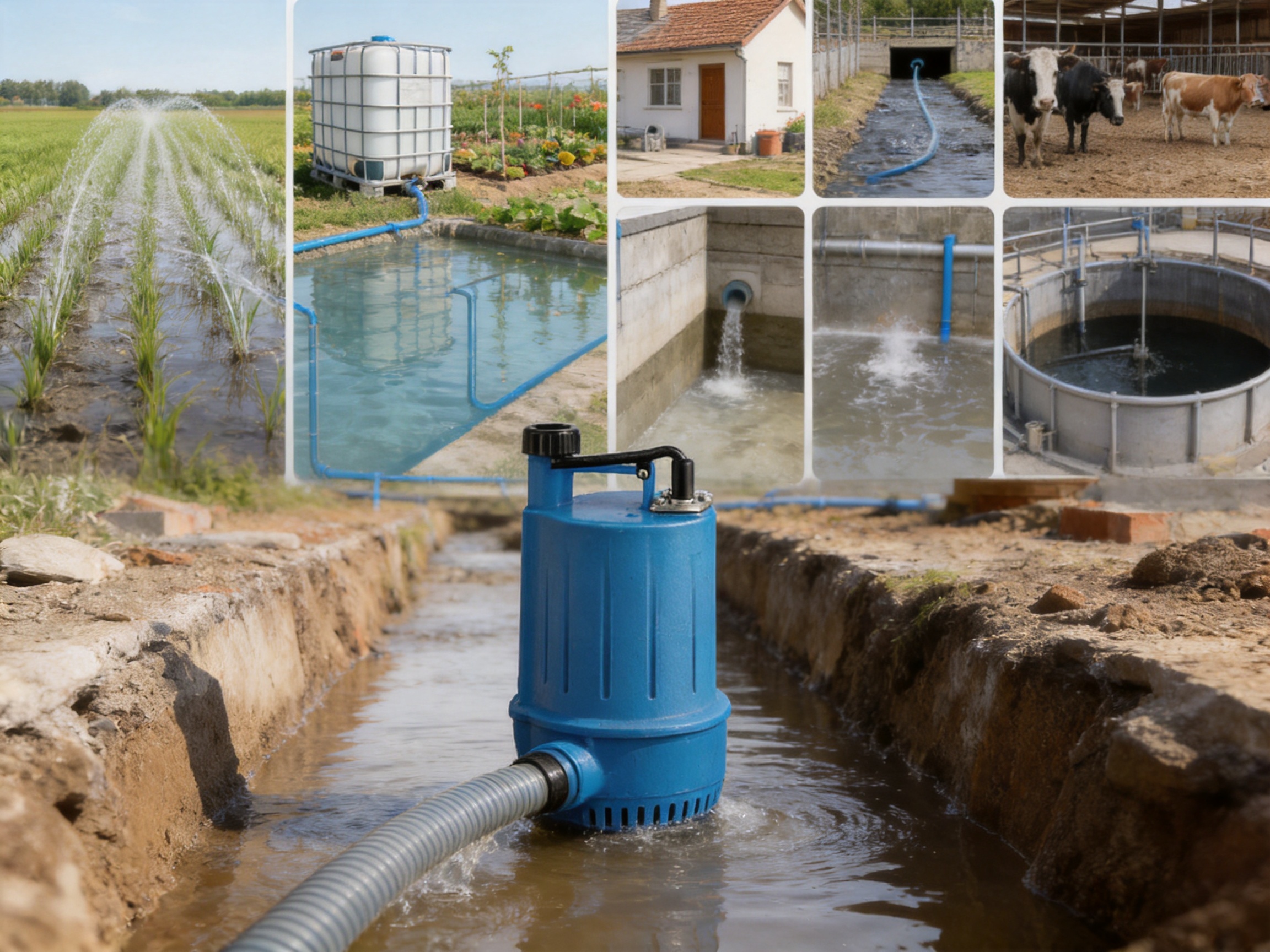
Regular maintenance can extend service life and reduce unexpected downtime. The maintenance frequency depends on the water quality, operating duration, contamination level, and application environment.
Inspect the pump body, cable, discharge connection, and intake area before use. Look for cracks, abrasion, corrosion, loose fittings, damaged insulation, or signs of leakage. Any electrical damage should be addressed before operation.
Check the intake for leaves, mud, fibers, stones, and other debris. Even when the pump is designed for drainage, large or string-like materials can interfere with the impeller or reduce water flow. The pump must be disconnected from the electrical supply before cleaning or inspection.
Do not operate the pump without sufficient water. Dry running can reduce cooling and may damage internal components. During drainage, monitor the water level and stop the pump when the remaining water reaches the minimum level specified in the operating instructions.
Automatic level controls may be suitable for some installations, but the control system must be compatible with the pump and installed correctly. An automatic device should not be treated as a substitute for periodic inspection.
If the pump handles muddy or contaminated water, rinse and clean the exterior after use where appropriate. Remove deposits from the intake and discharge areas. Cleaning reduces the risk of hardened sediment and makes it easier to identify damage during the next inspection.
When the pump is used in livestock or industrial areas, users should follow appropriate hygiene and waste-handling procedures. Cleaning water and removed materials should be managed according to local environmental and workplace requirements.
When the pump is removed from service, allow it to drain and dry as appropriate. Store it in a protected location away from extreme temperatures, direct sunlight, chemicals, rodents, and mechanical impact. Coil the cable without sharp bends and avoid placing heavy objects on it.
Internal repairs, electrical testing, seal replacement, and motor-related service should be carried out by qualified technicians. Unauthorized disassembly may compromise IPX8 protection or create an electrical hazard. If unusual noise, repeated thermal protection activation, reduced flow, or leakage occurs, disconnect the pump and arrange a technical inspection.
The SPP100C should be selected according to the complete operating requirement rather than the product name alone. The buyer should identify the water source, liquid characteristics, required flow, required head, discharge distance, operating duration, power supply, installation depth, and expected frequency of use.
Flow and head are particularly important. Flow describes how much water the pump can move over a period of time, while head describes the pressure or elevation the pump must overcome. A system with a long discharge pipe or significant elevation change may deliver less flow than a short, low-resistance installation.
Buyers should also determine whether the liquid contains solids. The term “sewage pump” may lead users to assume that the pump can handle every type of sewage or waste liquid. In practice, pumps vary greatly in solids passage, impeller design, fiber handling, and abrasion resistance. The detailed SPP100C specification should be consulted before use with heavily contaminated sewage.
Electrical compatibility is another key consideration. Confirm the available voltage, frequency, phase arrangement, plug configuration, and protection requirements. International buyers should also verify local regulations, certification needs, and installation standards.
For distributors, the product’s application range makes it suitable for multiple customer segments. It may be marketed for small irrigation, routine drainage, garden water management, construction dewatering, livestock facility drainage, and compatible household water transfer. Clear application guidance helps prevent misuse and supports customer satisfaction.
An integrated manufacturer can offer advantages over a trading company that has limited control over product design and production. When research, manufacturing, export coordination, and product support are connected within a broader business structure, communication can be more direct.
Taizhou Edwin Electric Co., Ltd. has built its business around pump development, production, and global supply. Its product range includes deep well pumps, submersible pumps, domestic booster pumps, circulation pumps, solar water pumps, intelligent booster pumps, and related water treatment products.
This broader portfolio can help buyers develop a more complete product strategy. A distributor may source different pump categories from one experienced supplier, while an engineering buyer may be able to coordinate complementary products for irrigation, building water supply, HVAC circulation, renewable energy projects, mining, construction, and municipal applications.
The company’s investment in new energy and intelligent technology since 2018 also indicates a continuing interest in product development beyond conventional pump categories. Although the SPP100C is presented as a practical submersible drainage pump, its manufacturer’s wider technical direction can support future product expansion and application-specific cooperation.
One-stop procurement services can also reduce the complexity of international purchasing. Procurement planning, order tracking, cross-border delivery, and foreign trade support are particularly valuable for customers managing multiple products, recurring orders, or project delivery schedules.
The SPP100C is well suited to customers who need compact submerged drainage and water transfer equipment within the listed operating limits.
Agricultural users requiring small irrigation or field drainage equipment.
Garden and property owners managing wells, tanks, or rainwater collection points.
Construction contractors removing accumulated water from temporary work areas.
Livestock facilities handling compatible drainage and cleaning water.
Industrial maintenance teams managing water accumulation in service areas.
Distributors seeking a practical submersible pump for multiple market segments.
Importers looking for a manufacturer with production and international export experience.
Facility managers requiring a portable or semi-permanent drainage solution.
The pump may not be the correct choice for every application. High-temperature liquids, aggressive chemicals, deep installations beyond 5 meters, heavy abrasive slurries, high-capacity municipal sewage systems, and specialized fire or process applications may require different equipment. Technical confirmation should be obtained whenever the duty falls outside ordinary water drainage.
The SPP100C is designed for small electrical irrigation and drainage tasks. It can be used for compatible water transfer in wells, fields, gardens, households, industrial areas, construction sites, and livestock facilities.
Yes. It is a submersible pump with an IPX8 protection class. It must nevertheless be installed according to the manufacturer’s instructions and within the listed maximum immersion depth of 5 meters.
The listed maximum liquid temperature is 40°C. The pump should not be used for hot liquids beyond this limit without written technical confirmation from the manufacturer.
The motor uses copper winding. Copper is widely used in electric motors because of its strong electrical conductivity and reliable performance when correctly manufactured.
Yes. The motor includes a built-in thermal protector. This feature helps protect the motor from excessive temperature, but it does not replace correct sizing, proper installation, or routine maintenance.
Class B identifies the thermal insulation category of the motor insulation system. It supports electrical separation and helps the motor operate safely within its designed conditions.
The available information describes the pump for irrigation, drainage, household water supply, and related applications. It should not automatically be assumed to be certified for potable water. Buyers must confirm material compatibility and applicable drinking-water certifications before using it in a potable system.
No pump should be assumed to handle every type of sewage. The SPP100C is identified as a submersible sewage pump, but users must confirm its solids-handling capability, liquid compatibility, and hydraulic performance for the specific sewage or waste liquid involved.
Check the liquid temperature, immersion depth, water quality, electrical supply, discharge route, pipe size, intake condition, cable condition, and required flow and head. Make sure the pump is not operated with damaged electrical components or blocked intake passages.
A submersible pump operates inside the water and may reduce suction-line and priming requirements. It is often convenient for wells, pits, tanks, flooded areas, and temporary drainage points. A surface pump may still be preferable for certain clean-water or high-accessibility applications.
The product is manufactured by Taizhou Edwin Electric Co., Ltd., an integrated pump manufacturing enterprise founded in 2008 with capabilities in research and development, mass production, and global export.
Yes. The company provides global export services and has established related import and export organizations to support procurement planning, order tracking, cross-border delivery, and foreign trade services.
Disconnect the power before inspection, remove debris from the intake, check the cable and body for damage, clean the pump after contaminated use, avoid dry running, and arrange professional service for internal repairs or sealing work.
The Submersible Sewage Pump SPP100C is a practical solution for small electrical irrigation, water transfer, and drainage applications. Its key advantages include a submerged operating configuration, copper motor winding, built-in thermal protection, Class B insulation, and IPX8 protection. These features support reliable use in compatible wet environments and provide a clear basis for comparison with basic or insufficiently specified alternatives.
The pump is particularly suitable for wells, fields, gardens, households, industrial accumulated-water removal, construction drainage, and livestock facilities. Its compact application concept can help users avoid the cost and complexity of oversized commercial equipment, while its submersible design can simplify installation compared with many surface-mounted systems.
Performance depends on correct selection and installation. Buyers must confirm the required flow, head, electrical supply, liquid characteristics, solids content, installation depth, and operating temperature. The stated limits of 5 meters maximum immersion depth and 40°C maximum liquid temperature should be observed carefully.
The product is supported by a manufacturer with experience in independent research and development, mass production, quality-oriented pump manufacturing, and international export. Taizhou Edwin Electric Co., Ltd. also provides access to a broader pump portfolio and coordinated procurement services, making it a suitable partner for distributors, contractors, importers, and industrial customers seeking long-term supply cooperation.
When the SPP100C is matched to the correct duty and maintained properly, it can provide dependable support for everyday drainage and water management. Its combination of practical design, protective motor features, submerged operation, and manufacturing experience makes it a competitive option within the small submersible pump market.
1. Product information supplied for the Submersible Sewage Pump SPP100C, including application range, immersion depth, liquid temperature, motor winding, thermal protection, insulation class, and protection class.
2. Company profile information supplied for Taizhou Edwin Electric Co., Ltd., including company history, research and development, mass production, export operations, product portfolio, and procurement services.
3. General principles of electric motor construction, copper winding, thermal protection, and motor insulation classification.
4. General guidance on ingress protection ratings for electrical equipment intended for submerged operation.
5. General practices for submersible pump installation, drainage system selection, electrical safety, inspection, cleaning, and maintenance.
edwina@edwin-pump.com
+86-13586290903 (WhatsApp)
Xuri Gongliang Cutting Tool Entrepreneurship Park, Wenqiao Town, Wenling City, Taizhou City, Zhejiang Province, China

High Performance Smart Pump Factory


 English