
edwina@edwin-pump.com

View All Products
en
Choosing an overseas pump supplier involves more than comparing quotations and product catalogs. Importers need to confirm that the supplier understands their application, maintains consistent quality controls, and can provide reliable documentation throughout the purchasing process. At Edwin Pump, we believe transparent communication and technical verification are essential parts of building a long-term business relationship.
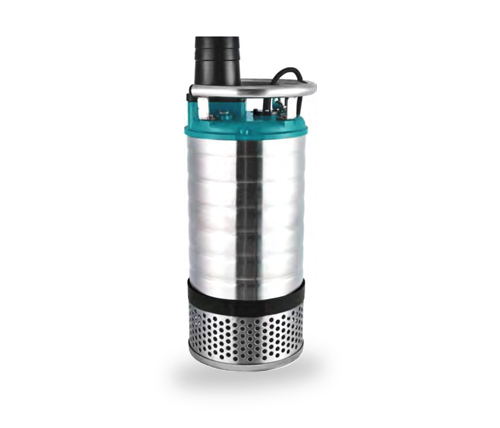
A submersible pump china manufacturer should be evaluated through several practical checks before an importer commits to a large order. Reviewing company credentials, production capabilities, product testing, and commercial terms can help buyers identify potential risks and make informed sourcing decisions.
Business registration provides a starting point for confirming a supplier's identity. Importers should compare the company's official records with the details provided in its quotation and contract.
A trading company is not automatically unsuitable for importers. The important point is to understand who manufactures the pumps and how responsibilities are divided among the parties.
A company profile may describe a wide product range, but importers should request evidence that the supplier can manufacture the specific pump models required for their markets.
At Edwin Pump, we encourage buyers to arrange an onsite visit or a live video tour of the production facility. Reviewing actual equipment, workstations, and inspection procedures provides more useful evidence than relying exclusively on promotional photographs.
Technical documentation helps importers determine whether a proposed model suits the intended application. A submersible pump designed for clean water may not be appropriate for wastewater containing abrasive particles, so product suitability should be established before an order is confirmed.
| Technical Item | Information to Verify |
| Flow rate | Rated delivery capacity at the specified operating condition |
| Total head | Required elevation and hydraulic losses within the system |
| Motor specifications | Rated power, voltage, frequency, and phase where applicable |
| Materials | Casing, impeller, shaft, and seal materials suitable for the liquid |
| Testing records | Applicable performance, insulation, leakage, and other inspection results |
Request sample test reports and ask how production units are checked against the approved specifications. Reports should identify the relevant model, test conditions, and acceptance criteria. For specialized applications, buyers should also clarify solids-handling capability, operating temperature, and installation requirements.
Certificates can support a supplier assessment, but their relevance depends on the product, destination market, and applicable regulations. Importers should verify documents rather than treating a certificate image as sufficient proof.
Requirements may differ between markets and pump applications. Importers should identify the applicable standards before requesting quotations, particularly for equipment intended for regulated industrial environments.
A sample order allows buyers to evaluate the product before committing to larger quantities. However, a satisfactory sample does not automatically establish that every production batch will meet the same requirements.
We recommend that importers:
Commercial terms deserve the same attention as technical specifications. Importers should confirm that the payment beneficiary has a documented relationship with the contracted supplier and investigate unexplained changes to bank details.
Before signing an agreement, clarify:
Verifying a Chinese submersible pump supplier requires a combination of document checks, manufacturing evidence, technical evaluation, and clear commercial agreements. No single certificate, factory photograph, or attractive quotation can replace this process.
At Edwin Pump, we encourage importers, distributors, and project contractors to share their target flow rate, required head, liquid characteristics, power supply, and destination market during the inquiry stage. These details help us discuss suitable pump configurations and clarify the technical information needed for purchasing decisions.
A structured verification process gives buyers a clearer basis for comparing suppliers, managing procurement risks, and establishing long-term cooperation built around documented requirements and consistent communication.
edwina@edwin-pump.com
+86-13586290903 (WhatsApp)
Xuri Gongliang Cutting Tool Entrepreneurship Park, Wenqiao Town, Wenling City, Taizhou City, Zhejiang Province, China

High Performance Smart Pump Factory


 English