
edwina@edwin-pump.com

View All Products
en
Industrial pump procurement involves more than comparing supplier quotations. A pump may operate for thousands of hours annually, consuming electricity and requiring regular inspection, spare parts, and occasional repairs. A lower initial quotation may appear attractive, but operating expenses can significantly change the overall investment calculation.
At Edwin, we believe that purchasing an industrial electric water pump should involve both technical evaluation and long-term cost analysis. Buyers need to consider energy consumption, maintenance requirements, installation expenses, and operational reliability before confirming an order. This article examines the hidden costs that industrial purchasers should include in their procurement decisions.
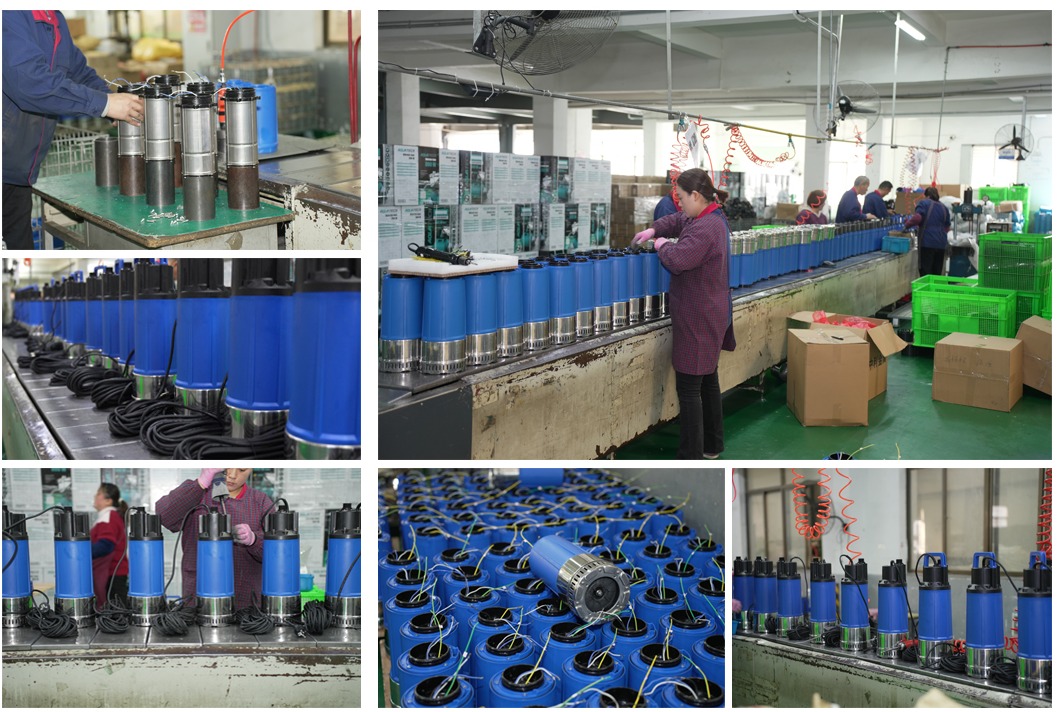
Electricity consumption can represent a substantial portion of industrial pump ownership costs, particularly in facilities operating continuously or for extended shifts. Motor power, hydraulic efficiency, operating flow, and system pressure all influence energy demand.
A pump operating away from its intended performance range may consume unnecessary energy. Buyers should compare the required flow rate and total dynamic head with the manufacturer's performance curve rather than relying exclusively on rated motor power.
Important evaluation points include:
A simple calculation can help purchasers compare different pump configurations:
Annual Energy Consumption (kWh) = Input Power (kW) × Operating Hours per Year
For example, consider a pump with an average electrical input of 7.5 kW operating for 5,000 hours annually. Its estimated yearly consumption is 37,500 kWh. At an electricity rate of $0.12 per kWh, the annual energy expense reaches $4,500.
Actual consumption should be calculated using measured or manufacturer-provided input power under the expected operating conditions.
Industrial pumps contain components that require periodic inspection or replacement. Maintenance expenses depend on operating conditions, liquid characteristics, equipment construction, and service accessibility.
Before purchasing, we recommend reviewing the following components:
Purchasers should also request maintenance recommendations and spare parts information during supplier evaluation. A clear maintenance schedule helps facilities estimate labor expenses and plan equipment servicing without unnecessary production interruptions.
The purchase quotation may not include every expense required to put an industrial pumping system into operation. Installation conditions and auxiliary equipment can create additional costs after delivery.
| Cost Category | Typical Items to Evaluate |
| Foundation | Concrete base, mounting structure, and vibration isolation |
| Pipeline Connection | Flanges, valves, fittings, and pipe modifications |
| Electrical Work | Cables, control cabinets, protection devices, and wiring |
| Commissioning | Alignment, flushing, testing, and performance verification |
| Operator Preparation | Technical documentation and operating instructions |
We recommend confirming the supply scope before comparing quotations. Two suppliers may offer similar pump prices while providing different accessories, control components, documentation, or commissioning support.
Unexpected pump failure can interrupt water circulation, cooling processes, wastewater handling, or other essential industrial operations. The financial impact may extend beyond repair expenses, particularly in facilities where pumping equipment supports continuous production.
Buyers should assess several reliability-related factors:
For critical industrial processes, a standby pump may increase initial investment but reduce the risk of extended production interruptions. The decision should be based on process continuity requirements and the estimated financial impact of equipment failure.
Life Cycle Cost (LCC) analysis provides a structured method for comparing equipment options over an expected service period. Instead of focusing on the initial quotation alone, purchasers evaluate the major expenses associated with ownership and operation.
| LCC Component | Evaluation Focus |
| Initial Purchase | Equipment price and included accessories |
| Installation | Foundation, piping, electrical work, and commissioning |
| Energy | Annual electricity consumption and operating hours |
| Maintenance | Labor, inspections, spare parts, and repairs |
| Downtime | Potential production and operational losses |
| End of Service | Removal, disposal, or replacement expenses |
According to the U.S. Department of Energy's pump life cycle cost guidance, energy and maintenance expenses can substantially outweigh initial equipment costs. The actual cost distribution varies with pump size, application, operating hours, and maintenance conditions.
At Edwin, we encourage industrial purchasers and distribution partners to establish a clear technical and commercial evaluation checklist before confirming pump specifications.
These questions help us understand the intended operating environment and discuss suitable pump configurations with customers. A detailed specification also makes supplier quotations easier to compare on a consistent technical basis.
Industrial pump procurement should account for the entire ownership period rather than the initial purchase transaction alone. Electricity consumption, maintenance, spare parts, installation, and potential downtime all influence the financial performance of pumping equipment.
At Edwin, we encourage customers to evaluate pump specifications against actual application requirements and long-term operating expectations. Whether you are sourcing equipment for industrial water supply, circulation, or transfer applications, our team can discuss relevant technical parameters and product configurations.
Share your required flow rate, operating head, motor specifications, and expected working hours with Edwin. These details provide a useful starting point for evaluating industrial water pump options and their long-term operating costs.
edwina@edwin-pump.com
+86-13586290903 (WhatsApp)
Xuri Gongliang Cutting Tool Entrepreneurship Park, Wenqiao Town, Wenling City, Taizhou City, Zhejiang Province, China

High Performance Smart Pump Factory


 English