
edwina@edwin-pump.com

View All Products
en
Water supply reliability has become a central concern for homes, farms, rural communities, commercial facilities, and project contractors working in areas where electricity is unstable, expensive, or unavailable. Solar pumping has emerged as one of the most practical answers, but many traditional solar pumps still depend on ideal sunlight conditions or require additional backup systems when solar energy is insufficient. The ADZB Series AC/DC Hybrid Motor Solar Self-Priming Pump addresses this problem with a flexible power architecture, a practical self-priming structure, and an efficient hydraulic design suitable for daily water transfer, irrigation, and decentralized supply systems.
This article introduces the ADZB Series Solar Self-Priming Pump as a modern surface pumping solution for users who need both renewable-energy performance and operational backup from AC mains power. It examines the pump’s technical advantages, application value, specification data, installation considerations, and competitive strengths. It also highlights the manufacturing competence and export capabilities of Taizhou Edwin Electric Co., Ltd., a pump manufacturer with long-term experience in water pump production, solar water pump development, intelligent booster technologies, and global customer support.
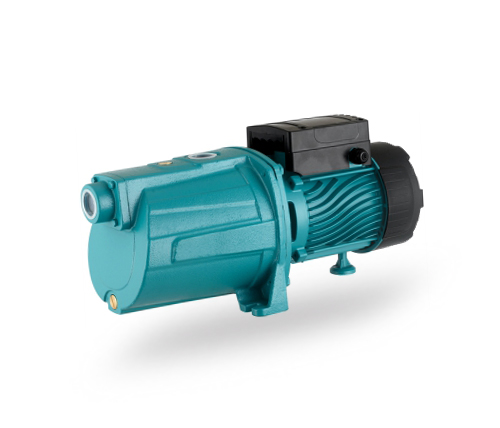
ADZB Series AC/DC Hybrid Motor Solar Self-Priming Pump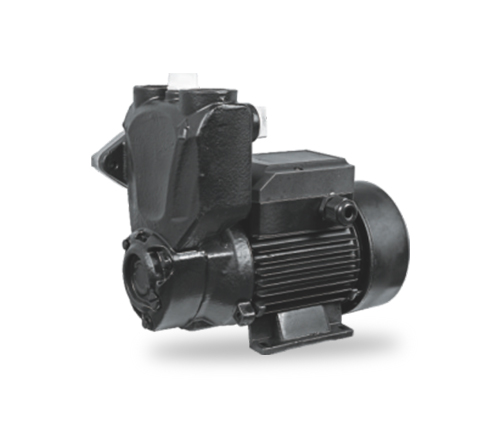
The ADZB Series AC/DC Hybrid Motor Solar Self-Priming Pump is a surface solar pump designed to operate with both DC solar power and AC mains power. This hybrid capability allows the pump to work under diverse power conditions, making it suitable for areas where solar energy is the primary power source but where grid electricity may also be available as a backup. In practical terms, the user can rely on solar panels during the day and switch to AC power when sunlight is weak, during cloudy conditions, or when continuous water delivery is required after sunset.
The pump belongs to the AC/DC surface solar pump category and is designed for applications such as residential water supply, agricultural irrigation, garden water transfer, rural water projects, and small commercial water systems. Its self-priming capability means it can automatically create suction and begin moving water without the inconvenience of repeated manual priming. For end users who value convenience and reliability, this function is particularly important because it helps reduce operating difficulty and improves startup performance.
The pump’s compact structure supports easy installation in rooftops, small pump houses, water tank systems, garden irrigation setups, and mobile pumping applications. It is also designed for energy efficiency, which is essential in solar-powered systems because the pump must make the best use of available solar-panel output. By combining hybrid power compatibility, self-priming operation, durable construction, and low maintenance requirements, the ADZB Series offers a balanced solution for users seeking practical and cost-efficient water pumping.
Many pump buyers compare solar pumps based only on maximum flow, maximum head, or panel requirements. These values are important, but the power system behind the pump can be equally decisive. A DC-only solar pump can perform well under strong sunlight, but its operation may become unstable when the solar input fluctuates. An AC-only pump may provide consistent output when connected to a grid, but it cannot directly take advantage of solar power without additional conversion equipment. A hybrid AC/DC pump gives users a more flexible and resilient system.
The ADZB Series accepts DC input from solar panels and AC input from mains supply. The listed model, ADZB3-65-72-750, supports an AC voltage range of 85V to 280V and a DC voltage range of 100V to 350V. This broad input adaptability allows the pump to handle a wide range of power conditions. For solar operation, the open-circuit voltage of the solar panel array should remain below 450V, and recommended solar panel power should be at least 1.3 times the pump power. These guidelines help ensure sufficient energy for reliable daily performance.
For agricultural users, hybrid operation reduces the risk of irrigation interruption. Crops cannot wait for perfect sunlight, and water delivery may be required at specific stages of growth. For residential users, hybrid operation means households can use solar power to reduce electricity costs while still maintaining access to water when the weather is unfavorable. For rural project developers, hybrid compatibility simplifies system planning because the pump can adapt to both renewable-energy and grid-connected environments.
Self-priming performance is one of the major reasons users choose this pump instead of a conventional surface pump. In many water-transfer systems, air can enter the suction line after the pump stops or after the water level changes. A standard non-self-priming surface pump often requires manual filling before it can begin operation, which is inconvenient and may lead to delays or operational errors. The ADZB Series is designed to automatically create suction, supporting smoother startup and more consistent water flow.
In household systems, self-priming reduces the need for frequent user intervention. In garden irrigation systems, the pump can restart more conveniently after scheduled operation. In farm and orchard applications, it helps maintain water delivery without constant supervision. In off-grid and remote installations, where trained operators may not always be available, this feature provides important value by making the system easier to use and less dependent on manual operation.
Self-priming ability also improves system confidence. When a pump starts smoothly and delivers water reliably, users spend less time diagnosing suction issues. For installers and distributors, a self-priming pump can reduce after-sales support pressure because the product is more forgiving in real-world conditions. Although proper installation remains essential, the self-priming design provides an important operational advantage over basic surface solar pumps that require more frequent priming attention.
The first key feature is the AC/DC hybrid motor. This motor supports both solar-powered DC operation and AC mains power, giving the user a flexible water-pumping solution. This is especially useful for customers who want to reduce electricity consumption through solar energy but cannot accept complete dependence on sunlight.
The second key feature is the self-priming structure. By enabling automatic suction, the pump supports convenient startup and stable flow delivery. This design is valuable in residential, agricultural, and portable water systems where convenience and reliability are priorities.
The third key feature is durable construction. The pump is built for long-term use in household, agricultural, and off-grid environments. These operating conditions often involve repeated starts, outdoor placement, varying water demands, and exposure to dusty or humid conditions. A robust construction helps improve service life and user satisfaction.
The fourth key feature is compact installation. The pump is suitable for rooftops, tanks, small irrigation systems, and portable setups. Compactness matters because many end users do not have large pump rooms or complex infrastructure. A space-saving design makes the product more adaptable and easier to integrate.
The fifth key feature is energy efficiency and low maintenance. Solar pumping depends on efficient conversion of available energy into useful hydraulic output. A pump that uses energy effectively reduces the required solar-panel investment and lowers long-term operating cost. Low maintenance is equally important because remote and rural users may not have easy access to service technicians.
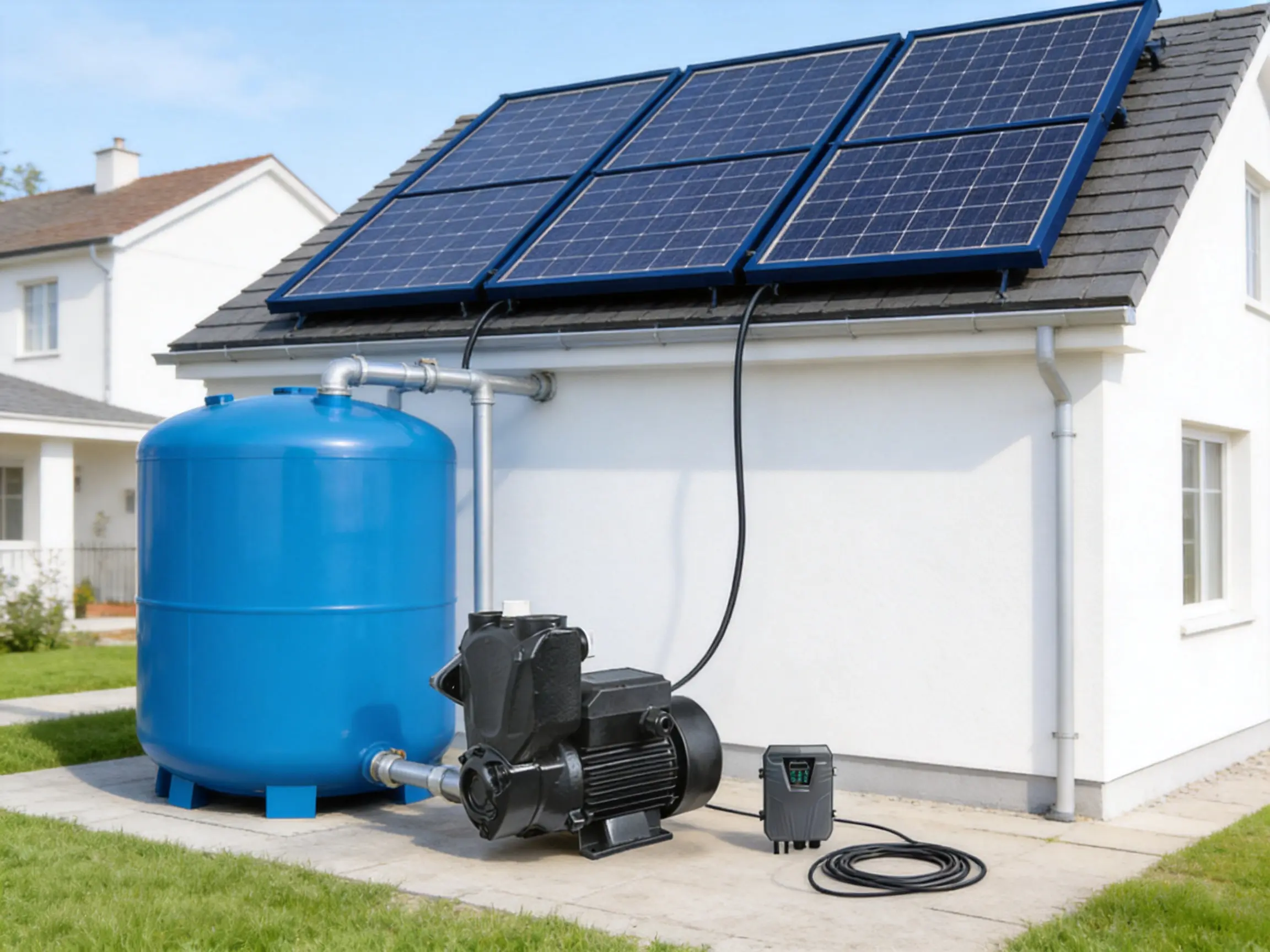
The following performance data represents the listed ADZB Series model and provides a clear reference for buyers, project planners, installers, and distributors evaluating system suitability.
| Item | AC Voltage | DC Voltage | Power | Maximum Flow | Maximum Head | Outlet | Cable | Solar Panel Open-Circuit Voltage | Recommended Solar Panel Power |
| ADZB3-65-72-750 | 85V-280V | 100V-350V | 750W | 3m³/h | 65m | 1" × 1" | 2m | <450V | ≥1.3 × pump power |
The 750W power rating positions this pump as a practical option for small-to-medium water requirements. A maximum flow of 3m³/h supports household water transfer, small irrigation zones, garden watering, livestock water supply, and tank-filling tasks. A maximum head of 65m allows the pump to handle applications requiring vertical lift or pressure delivery over moderate distances. The 1" × 1" outlet specification makes the pump compatible with many common small water system pipe arrangements.
The broad AC voltage range of 85V to 280V improves compatibility in regions where grid voltage may fluctuate. This is an important point for international markets because power stability varies widely between countries and even between urban and rural areas. The DC voltage range of 100V to 350V provides flexibility when configuring solar panels, while the open-circuit voltage limit below 450V gives installers a clear safety boundary for system design.
Compared with conventional DC-only solar surface pumps, the ADZB Series offers stronger power-source flexibility. A DC-only pump may stop or perform poorly during low-sunlight periods. The hybrid pump can continue operating from AC mains power when available, reducing downtime and making water supply more predictable. This advantage is particularly valuable for users who cannot afford interruptions, such as farmers during irrigation cycles or households depending on pumped water for daily use.
Compared with standard AC surface pumps, the ADZB Series can directly use solar energy, reducing electricity costs and supporting renewable-energy goals. Many regions face rising electricity prices, and grid access may be unreliable or costly to extend. By accepting solar DC power, the pump helps users reduce dependence on traditional electricity and creates an economical long-term water supply system.
Compared with non-self-priming pumps, the ADZB Series is easier to start and easier to manage. Manual priming can be troublesome, especially for elderly users, farm workers managing several tasks at once, or remote installations where daily inspection is not convenient. The self-priming function improves usability and makes the pump more practical for real-world applications.
Compared with bulky pump systems, the compact structure of the ADZB Series simplifies installation. A smaller and more integrated pump is easier to transport, mount, and protect. This can reduce installation labor and make the pump more attractive for distributors serving residential and agricultural customers.
Compared with low-efficiency pumps, the energy-efficient design of the ADZB Series helps improve solar utilization. Since solar panels represent a significant part of system cost, a pump that performs efficiently can help users achieve better water output without excessive panel investment. The recommendation to use solar panel power at least 1.3 times pump power supports stable operation and helps avoid underpowered systems.
The ADZB Series is suitable for solar-powered household and community water supply systems. In many rural homes, water must be pumped from shallow wells, storage tanks, ponds, or other sources into elevated tanks or distribution lines. The hybrid pump can use solar power during the day and AC power when needed, offering a practical balance between savings and reliability.
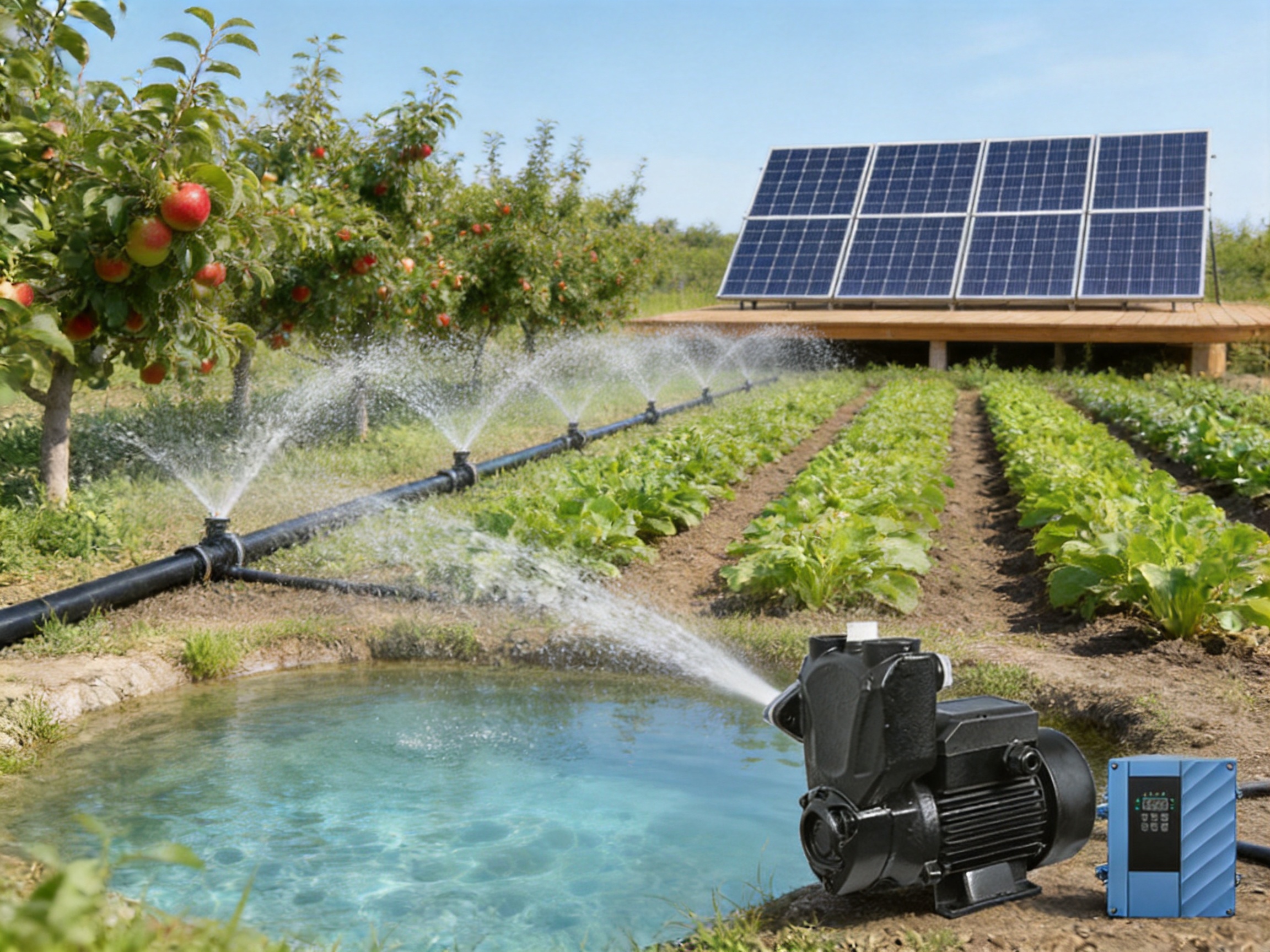
The pump is also suitable for small-scale irrigation for gardens, farms, and orchards. Many small farms require water delivery to drip irrigation systems, sprinkler zones, or storage tanks. The maximum flow of 3m³/h can support controlled irrigation for compact agricultural plots, while the 65m maximum head provides useful pressure capability for varied site layouts.
Off-grid water pumping and transfer projects are another important application. In locations without stable power infrastructure, solar water pumping can reduce the need for fuel-powered generators. Fuel systems create ongoing costs, require transportation logistics, and generate noise and emissions. A solar pump reduces these burdens, and the hybrid capability allows connection to AC power where backup electricity exists.
Portable water systems in remote or rural areas can also benefit from the pump’s compact design. Contractors, community organizations, and farm operators may need to move pumping equipment between sites. A compact, self-priming pump is easier to relocate and restart than a more complex system.
The pump can also serve small commercial setups requiring energy-efficient water transfer. Examples include small greenhouses, rural service stations, livestock facilities, eco-lodges, garden centers, and water storage systems. In these applications, the combination of solar operation and AC backup helps reduce costs while supporting operational continuity.
Residential water supply systems often require dependable daily performance more than extreme industrial capacity. A home may need water for washing, cleaning, garden use, household storage, or pressure boosting into tanks. The ADZB Series provides a practical flow and head range for these conditions, while the self-priming function reduces user effort.
For rooftop tank systems, the pump can transfer water from a ground-level storage tank to an elevated tank during daylight hours. Solar operation can be scheduled to run when sunlight is strongest, reducing grid electricity consumption. If the tank requires filling during cloudy weather or evening hours, the AC backup capability supports continued operation.
For homes in rural or semi-rural areas, voltage fluctuation can be a frequent problem. The wide AC input range helps the pump tolerate less stable electrical environments. This makes the pump more suitable for markets where power quality may not be ideal. While proper electrical protection and installation are always recommended, broad voltage compatibility gives users an additional layer of practical adaptability.
Agricultural irrigation places unique demands on pumping equipment. Farmers need water at the right time, in the right quantity, and with a system that does not create excessive energy costs. Solar pumping aligns well with irrigation because sunlight availability often corresponds with daytime water demand. However, agricultural schedules are not always perfectly aligned with solar conditions. The hybrid design of the ADZB Series helps solve this limitation.
For gardens and small farms, the maximum flow of 3m³/h can support drip irrigation networks, small sprinkler systems, and transfer to intermediate storage tanks. For orchards, water can be delivered to storage points and then distributed as required. For greenhouse operations, controlled water delivery is essential, and energy-efficient pumping helps reduce operating expenses.
Farmers also value simple maintenance. Equipment that requires complex service can cause delays during critical growing periods. The ADZB Series is designed for low-maintenance operation, which is a significant advantage in agricultural environments. Its self-priming function is also beneficial because irrigation systems may be stopped and restarted frequently, and easy startup reduces time spent on pump management.
Off-grid communities and rural development projects frequently face the challenge of delivering water without dependable electrical infrastructure. Diesel or gasoline generators have been widely used, but they involve recurring fuel costs, emissions, maintenance requirements, and fuel transportation challenges. Solar pumping offers a cleaner and often more economical alternative over the life of the system.
The ADZB Series is especially suitable for off-grid projects because it can operate directly from solar DC power. This enables water transfer during the day without relying on grid electricity. If a project later gains grid access or includes an AC backup supply, the same pump can continue to be used, reducing replacement costs and improving system flexibility.
Community water projects also benefit from straightforward operation. A self-priming pump is easier for local users to manage, especially in areas where professional technical support may be limited. Compact installation helps simplify deployment, and energy-efficient performance supports long-term affordability.
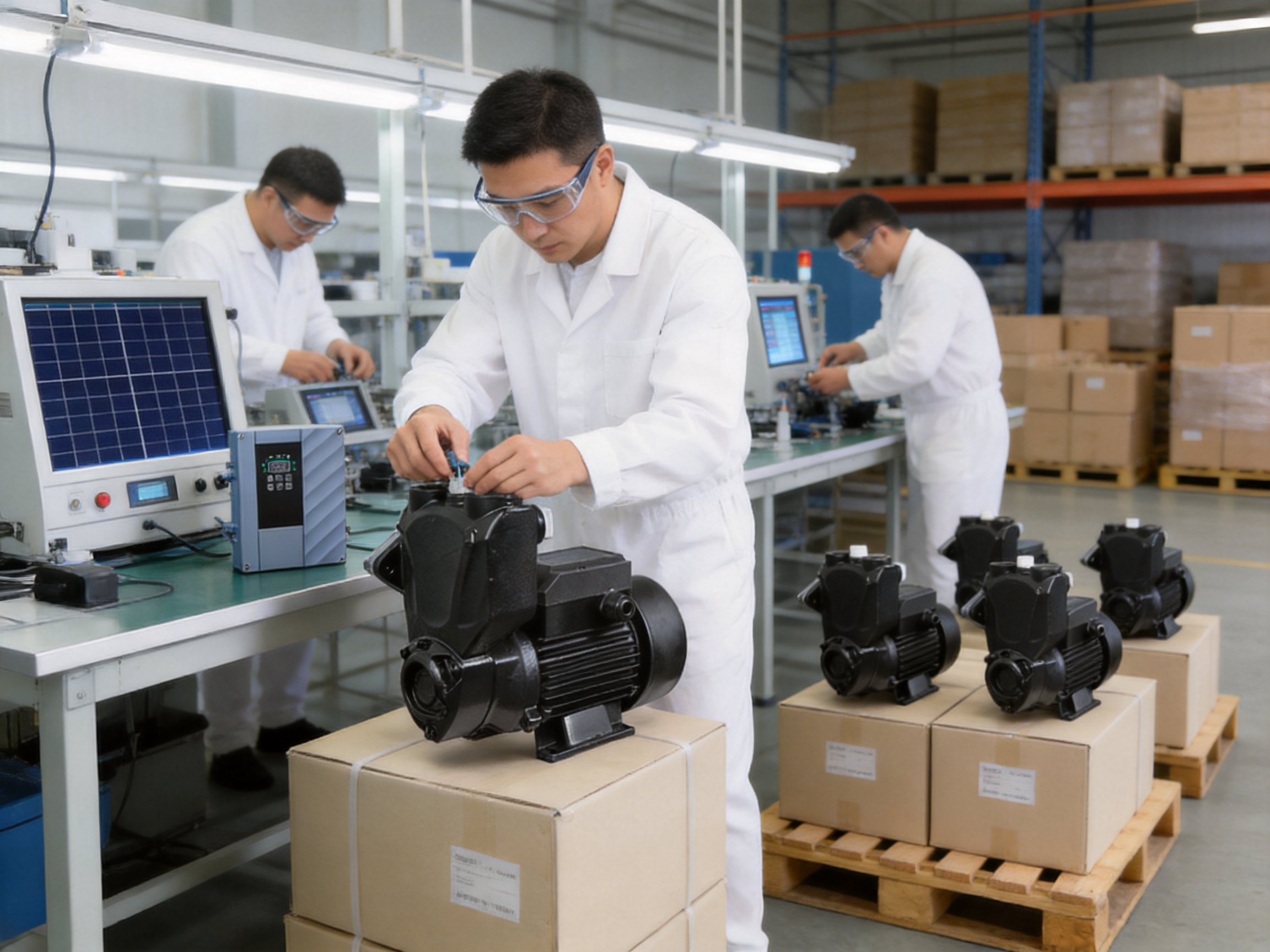
A pump’s performance depends not only on its specification sheet but also on the manufacturer’s engineering ability, production control, testing discipline, and material management. Taizhou Edwin Electric Co., Ltd., also known as Edwin Pump, was founded in 2008 and has developed as an integrated manufacturing enterprise specializing in independent research and development, mass production, and global export.
The company’s core product lines include deep well pumps, submersible pumps, domestic booster pumps, and circulation pumps. These categories require substantial hydraulic design knowledge, motor technology, sealing expertise, electrical control experience, and manufacturing consistency. The company’s expansion into solar water pumps and intelligent booster pumps since 2018 demonstrates its commitment to new energy and intelligent technology, which directly supports the development of products such as the ADZB Series.
Advanced manufacturing begins with product design. For a hybrid solar self-priming pump, the design team must balance motor efficiency, hydraulic performance, voltage adaptability, thermal management, pump casing structure, suction characteristics, and long-term reliability. A product that can handle both AC and DC input requires careful electrical design and control integration. The manufacturer’s experience across multiple pump categories provides a strong foundation for this kind of product development.
Production strength also depends on process standardization. A stable pump manufacturer must control machining accuracy, motor winding quality, assembly alignment, sealing reliability, cable connection integrity, and final performance verification. Consistency is especially important for export markets because distributors and end users expect repeatable quality across large order quantities. A pump that performs well in a sample but inconsistently in mass production cannot build long-term market trust.
Quality control in pump manufacturing typically includes incoming material inspection, component processing inspection, assembly checks, pressure and leakage testing, electrical safety testing, running tests, and final packaging inspection. For a solar hybrid pump, voltage input compatibility and electrical protection must also be carefully checked. A manufacturer serving global customers must design quality systems that reduce failure rates and support stable field performance.
The ADZB Series benefits from a manufacturing philosophy focused on durable construction and low maintenance. This matters because the pump is often used in environments where downtime is costly. In household systems, pump failure can interrupt daily water access. In agricultural systems, pump failure can affect irrigation timing and crop health. In rural projects, service delays can create serious inconvenience for entire communities.
Reliability is also connected to material selection. Pump components must withstand repeated operation, water contact, vibration, pressure, and environmental conditions. While different pump models may use different material configurations, the manufacturer’s broader experience in medium-to-high-end pump markets supports attention to durability and long-term performance.
For international buyers, product quality is only one part of procurement success. Reliable communication, order tracking, export documentation, logistics coordination, and after-sales support are also essential. Taizhou Edwin Electric Co., Ltd. established Taizhou Haipai Import & Export Co., Ltd. and Golden Falcon Industrial Co., Ltd. in 2012 to build a professional service structure for procurement planning, order tracking, cross-border delivery, and foreign trade services.
This one-stop service capability is an advantage for distributors, contractors, and project buyers. Instead of purchasing from a manufacturer with limited export experience, customers can work with a supplier familiar with global order handling. This can reduce procurement risk, improve delivery predictability, and make communication more efficient.
The company’s pumps are used in new energy projects, agricultural irrigation, municipal engineering, mining, construction, HVAC systems, and household water supply. This broad application background indicates that the manufacturer understands different market requirements and can support varied customer needs. For the ADZB Series, this experience is particularly valuable because solar self-priming pumps may be used across residential, agricultural, and small commercial markets.
The solar pump market includes many product types, from basic low-cost units to advanced systems with intelligent controls. Buyers often face the challenge of choosing a pump that is affordable, practical, and reliable. The ADZB Series occupies a strong position because it combines several features that are not always found together: AC/DC hybrid power, self-priming structure, compact design, efficient operation, and suitability for multiple applications.
One competitive advantage is operational flexibility. Many users hesitate to choose solar pumps because they worry about cloudy weather or insufficient sunlight. The hybrid design reduces this concern. Users can invest in solar energy without giving up the reliability of AC backup.
A second competitive advantage is installation convenience. A compact self-priming surface pump is easier to deploy than systems requiring complex priming, large footprints, or special infrastructure. This is attractive for both professional installers and end users.
A third competitive advantage is practical performance. With 750W power, 3m³/h maximum flow, and 65m maximum head, the pump is capable of handling a useful range of common water-supply tasks. It is not oversized for small applications, yet it provides enough pressure capability for many residential and agricultural layouts.
A fourth competitive advantage is manufacturing support. Products backed by an experienced manufacturer with export service capability offer more confidence than anonymous low-quality alternatives. Buyers increasingly recognize that after-sales reliability, spare parts access, and supplier professionalism matter as much as initial price.
To achieve best performance, the pump should be installed according to proper solar pumping principles. The solar panel array should match the pump’s DC voltage requirements, and the open-circuit voltage should remain below the stated limit of 450V. Recommended solar panel power should be at least 1.3 times the pump power, meaning the solar array should provide sufficient margin for real-world sunlight variation, panel temperature effects, dust, and seasonal changes.
The suction line should be designed carefully to reduce air leakage and friction loss. Even with a self-priming pump, good suction piping improves startup performance and flow stability. Pipes should be properly sealed, sized, and arranged to minimize unnecessary bends. A suitable foot valve or check valve may be used depending on system requirements.
The discharge line should be compatible with the pump’s pressure and flow characteristics. The 1" × 1" outlet specification should be matched with appropriate piping to maintain efficient water movement. Excessively narrow pipes, long pipe runs, or poorly designed fittings may reduce actual flow.
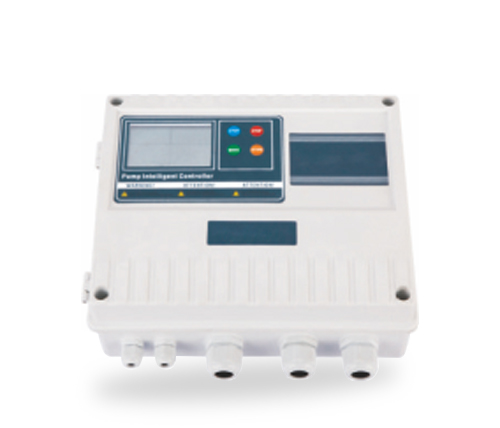
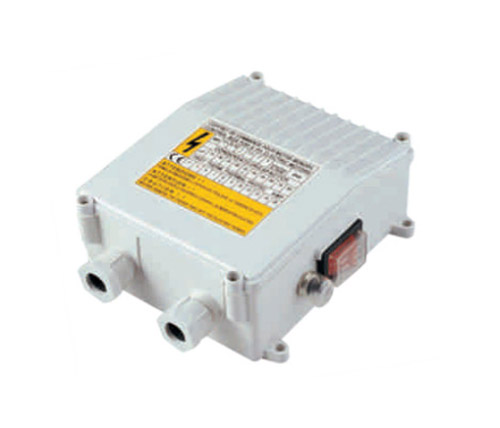
Electrical installation should be performed with attention to safety. Solar panels can generate high DC voltage, and improper wiring can create hazards. AC input should also be protected according to local electrical standards. Users should consider overcurrent protection, grounding, waterproof connections, and suitable controller arrangements where applicable.
The pump should be installed in a location that protects it from extreme weather exposure when possible. Although pumps are built for demanding conditions, protection from direct rain, flooding, dust accumulation, and excessive heat can extend service life. A small pump shelter or ventilated enclosure may be useful in outdoor installations.
The ADZB Series is designed for low maintenance, but periodic inspection helps maintain reliable performance. Users should regularly check the suction and discharge pipes for leakage, looseness, blockage, or damage. Air leaks in the suction line can reduce performance even when the pump is self-priming.
Solar panels should be kept clean because dust, leaves, bird droppings, and shading can reduce available power. Since pump performance depends on solar input during DC operation, maintaining panel efficiency directly improves water output. Users should also inspect wiring connections for corrosion or looseness, especially in humid or outdoor environments.
If the pump is used seasonally, it should be protected during long shutdown periods. In cold climates, water should be drained if freezing is possible. In dusty or harsh environments, the pump should be cleaned and protected when not in use.
Unusual noise, vibration, reduced flow, or difficulty starting should be investigated promptly. These symptoms may indicate suction problems, pipe blockage, electrical issues, or mechanical wear. Early attention can prevent more serious damage and extend pump life.
Solar pumping provides both environmental and economic advantages. By using solar energy, the ADZB Series can reduce reliance on grid electricity and fuel-powered generators. This helps lower operating costs and reduces carbon emissions. For users in areas with high electricity tariffs, the savings can become significant over time.
For agricultural users, solar pumping can reduce the cost of irrigation, improving farm profitability. For households, solar operation can lower monthly electricity expenses. For community water projects, renewable-energy operation can reduce the financial burden of maintaining water access.
The hybrid design improves the economic value of the pump because it reduces the need for separate backup systems. Instead of purchasing one solar pump and one AC pump, users can rely on a single hybrid unit for many applications. This can simplify system design and reduce equipment duplication.
Environmental benefits also include reduced noise and reduced fuel logistics compared with generator-based pumping. In rural areas, transporting fuel can be expensive and difficult. Solar operation eliminates much of this burden and supports cleaner, quieter water delivery.
When selecting the ADZB Series, buyers should first confirm the required flow and head. Maximum flow and maximum head are useful reference values, but actual operating performance depends on the system curve, pipe length, elevation difference, fittings, water source conditions, and power input. Installers should evaluate the real pumping distance and vertical lift before final selection.
Buyers should also consider daily water demand. A household filling a storage tank has different requirements from a farm operating irrigation lines. Solar pumping systems often work best when paired with water storage because water can be pumped during sunny periods and used later. This approach can reduce the need for battery storage and improve system economics.
Solar panel sizing is another important consideration. The recommendation of at least 1.3 times pump power gives a practical minimum. In regions with frequent cloudy weather, shorter peak-sun hours, or high seasonal variation, larger panel capacity may improve performance. Proper panel orientation and shading avoidance are essential.
Customers purchasing for resale should consider the pump’s market positioning. The ADZB Series is suitable for distributors serving residential, agricultural, and rural water supply markets. Its hybrid feature can be a strong selling point because it addresses a common buyer concern: whether the pump will work when sunlight is not sufficient.
Modern water supply systems increasingly emphasize energy efficiency, renewable power, decentralized infrastructure, and intelligent operation. The ADZB Series fits these trends by reducing dependence on traditional electricity while maintaining practical reliability through AC backup. It supports decentralized water movement for homes, farms, and remote communities, helping users gain more control over their own water supply.
The product also responds to the growing need for easy-to-install equipment. Many water projects are implemented by local installers or small contractors who need reliable products that do not require excessive technical complexity. A compact self-priming pump with broad voltage compatibility is easier to recommend and deploy.
The pump also aligns with the shift toward medium-to-high-end water pump solutions. Buyers are no longer satisfied with pumps that simply run at low cost but fail quickly or lack support. They increasingly want durable products from manufacturers with real production capability, technical experience, and export service systems.
The main advantage is its AC/DC hybrid motor combined with self-priming capability. It can operate with solar DC power or AC mains power, giving users flexible and reliable water pumping under different power conditions. The self-priming design also makes startup easier and reduces manual operation.
Yes. The pump can operate from solar DC power when connected to a properly designed solar panel array. For the listed model, the DC voltage range is 100V to 350V, and the solar panel open-circuit voltage should remain below 450V.
AC backup is useful because solar power varies with weather, season, and time of day. If water is needed during cloudy conditions or after sunset, the pump can be operated with AC mains power where available. This makes the system more dependable than a DC-only solar pump.
The pump is suitable for household water supply, community water systems, small-scale irrigation, gardens, farms, orchards, off-grid water transfer, portable rural pumping, and small commercial water setups.
Self-priming means the pump can automatically create suction and begin moving water without requiring the user to manually fill the pump and suction line every time. This improves convenience and startup reliability.
The listed ADZB3-65-72-750 model has a maximum flow of 3m³/h and a maximum head of 65m. Actual performance depends on installation conditions, pipe design, elevation, and power input.
The recommended solar panel power is at least 1.3 times the pump power. For a 750W pump, this means the solar array should be sized with sufficient margin to support stable operation under real sunlight conditions.
The pump is designed to be compact and easy to install, but proper hydraulic and electrical installation is still important. Users should ensure correct pipe sizing, sealed suction connections, suitable solar panel configuration, and safe electrical wiring.
Unlike ordinary AC pumps, the ADZB Series can use solar DC power directly, reducing electricity costs and supporting renewable-energy operation. It can still use AC power when needed, which gives it broader flexibility.
Compared with DC-only solar pumps, the ADZB Series provides AC backup capability. This helps maintain water delivery when solar energy is insufficient, making it more reliable for daily use and irrigation schedules.
Hybrid solar pumps require reliable motor design, electrical compatibility, hydraulic performance, and quality control. A manufacturer with long-term pump production experience, research and development capability, export service systems, and broad application knowledge can provide more consistent product quality and better customer support.
The ADZB Series AC/DC Hybrid Motor Solar Self-Priming Pump is a practical and efficient solution for users who need dependable water supply under varied power conditions. Its hybrid motor allows operation from either solar DC power or AC mains power, reducing the limitations of DC-only solar pumps and the energy costs of AC-only pumps. Its self-priming structure improves convenience, startup reliability, and daily usability.
With a 750W model offering 3m³/h maximum flow and 65m maximum head, the pump is well suited for household water supply, garden irrigation, small farms, orchards, rural transfer systems, and off-grid projects. Its compact design, low maintenance requirements, and efficient solar operation make it attractive for both end users and distributors.
Behind the product is the manufacturing strength of Taizhou Edwin Electric Co., Ltd., a company founded in 2008 with experience in deep well pumps, submersible pumps, booster pumps, circulation pumps, solar water pumps, and intelligent pumping technologies. The company’s integrated manufacturing, research and development, mass production, export support, and one-stop service capabilities provide a strong foundation for product reliability and global market supply.
For buyers seeking a water pump that combines renewable-energy use, AC backup reliability, self-priming convenience, and practical performance, the ADZB Series represents a competitive and future-oriented choice. It responds to today’s demand for energy-efficient, flexible, and dependable water supply solutions while supporting the broader transition toward sustainable pumping systems.
Hydraulic Institute. Pump Application Guidelines and Pump System Fundamentals.
International Electrotechnical Commission. Standards for Rotating Electrical Machines and Low-Voltage Electrical Installations.
Solar Energy International. Photovoltaic Design and Installation Manual.
United Nations Food and Agriculture Organization. Solar-Powered Irrigation Systems: Technical and Economic Considerations.
World Bank Group. Renewable Energy for Rural Water Supply and Agricultural Development.
Manufacturer technical product data for AC/DC hybrid solar self-priming pump systems.
edwina@edwin-pump.com
+86-13586290903 (WhatsApp)
Xuri Gongliang Cutting Tool Entrepreneurship Park, Wenqiao Town, Wenling City, Taizhou City, Zhejiang Province, China

High Performance Smart Pump Factory


 English