
edwina@edwin-pump.com

View All Products
en
Reliable pressure control is one of the most important requirements in an air compressor system. A compressor must build pressure efficiently, stop or unload at the correct point, and restart when the pressure falls below the selected operating level. If the control device is inaccurate, poorly protected, or unsuitable for the working environment, the entire system may experience excessive cycling, energy waste, component wear, or unsafe operating conditions.
The ERS23 Series 12A pressure switch is designed to provide dependable mechanical pressure control for air compressor applications. With an adjustable pressure range of 20 to 175 psi, rated voltage of 110V to 240V, rated current of 12A, and operating frequency of 50/60Hz, it is suitable for a broad range of compressor configurations. Its rust and corrosion resistance further supports stable service in environments where moisture, condensation, dust, or corrosive exposure may affect conventional components.
Unlike a basic on-off electrical switch, a pressure switch functions as an important interface between the compressed-air system and the electrical motor circuit. It monitors pressure through a mechanical sensing mechanism and changes the electrical state when the pressure reaches the selected cut-in or cut-out setting. This allows the compressor to respond automatically to changing demand without requiring constant manual operation.
The ERS23 Series combines mechanical simplicity with adjustable control. This design makes it practical for equipment manufacturers, maintenance teams, distributors, service technicians, and users who need a robust pressure-control solution that can be adapted to different air compressor systems.
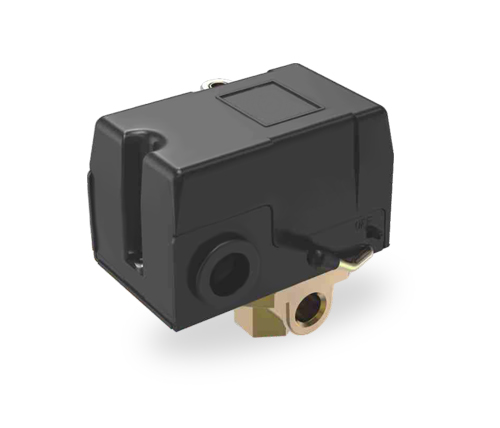
ERS23 Series 12A 20 to 175psi Rust and Corrosion Resistance Preessure Switch for Air Compressor
An air compressor converts electrical energy into mechanical energy and then into stored pneumatic energy. The motor drives a pump, the pump compresses air, and the compressed air is stored in a tank or supplied directly to a pneumatic application. During this process, the pressure must be controlled within a suitable working range.
A pressure switch performs this control function by sensing the air pressure in the system. When pressure falls to the lower set point, commonly called the cut-in pressure, the switch closes or changes its electrical state so that the motor can start. When pressure increases to the upper set point, commonly called the cut-out pressure, the switch changes state again and stops the motor or activates the relevant unloading function.
This automatic cycle helps maintain a usable supply of compressed air while limiting unnecessary motor operation. It also reduces the need for an operator to monitor a pressure gauge continuously. For small and medium compressor systems, a mechanical pressure switch remains an effective and economical control method because it offers direct operation with relatively few components.
The pressure switch must be properly matched to the electrical and mechanical conditions of the compressor. Important considerations include the pressure range, electrical voltage, current capacity, connection size, ambient conditions, fluid temperature, enclosure protection, and the required adjustment method. The ERS23 Series addresses these requirements through a wide pressure adjustment range, a 12A rating, multiple connection options, and resistance to rust and corrosion.
The ERS23 Series is a mechanical pressure controller intended primarily for air compressor applications. It is specified for a pressure range of 20 to 175 psi, enabling users to select operating points appropriate for different equipment designs and pneumatic requirements. The series supports rated voltages from 110V to 240V and operates at both 50Hz and 60Hz, making it suitable for electrical systems used in many international markets.
The switch has a rated current of 12A. This rating provides a practical level of electrical power-handling capability for many compressor motor control arrangements. The actual suitability of the switch should always be confirmed against the motor’s starting current, running current, load type, wiring method, and applicable electrical requirements. Where the compressor motor exceeds the pressure switch’s direct switching capacity, the switch may be integrated with a suitable contactor or relay.
The product is available with female or male 0.25-inch screw connection options. This gives equipment designers and replacement-parts distributors greater flexibility when matching the pressure switch to existing plumbing or control layouts. The specification also identifies an air-relief valve suitable for a 6 mm or 1/4-inch diameter pipe, allowing the pressure-control assembly to be configured according to the compressor design.
The maximum liquid temperature is specified as 60°C, while the protection degree is IP20. These ratings are important for correct installation. The pressure switch should be installed in a suitable location, protected from direct water entry, excessive contamination, and conditions beyond the declared operating limits. Correct installation is essential for achieving the intended performance and service life.
| Parameter | ERS23 Series Specification | Application Significance |
|---|---|---|
| Product type | Mechanical pressure controller | Provides automatic pressure-based electrical control |
| Primary application | Air compressors | Supports compressor start and stop pressure management |
| Pressure range | 20–175 psi | Allows adjustment for different compressor systems |
| Rated current | 12A | Supports suitable compressor control circuits within the rating |
| Rated voltage | 110V–240V | Compatible with a broad range of electrical supplies |
| Frequency | 50/60Hz | Suitable for common international power frequencies |
| Connection options | Female or male, 0.25 inch | Facilitates different installation and replacement requirements |
| Air-relief connection | 6 mm or 1/4-inch pipe | Supports pressure release and unloading arrangements |
| Protection degree | IP20 | Indicates the need for a suitably protected installation location |
| Maximum liquid temperature | 60°C | Defines the upper temperature limit for the specified application |
One of the main strengths of the ERS23 Series is its broad adjustment range. A 20 to 175 psi range gives users the ability to configure the pressure switch for different compressor capacities, tank sizes, air tools, and operating requirements. A low-pressure application may require an earlier cut-in point, while a higher-pressure application may require a different cut-out setting. The same product series can therefore serve more than one equipment configuration.
Adjustability is particularly valuable for original equipment manufacturers. Instead of designing every compressor model around a fixed switch, an equipment builder can specify an appropriate pressure setting during assembly. This supports product variation while simplifying component sourcing. It can also help distributors maintain a more useful inventory because one adjustable model may satisfy several replacement requirements.
Pressure settings should be selected according to the compressor tank rating, motor performance, safety controls, air demand, and manufacturer instructions. The pressure switch must never be adjusted above the safe working pressure of the receiver, piping, or connected equipment. The switch is one part of the complete protection system and should be used together with appropriate pressure relief devices, gauges, thermal protection, and other required safety components.
A properly selected differential between cut-in and cut-out pressure can reduce excessive motor cycling. If the differential is too narrow for the air demand, the compressor may start and stop repeatedly. Frequent cycling can increase electrical stress, heat generation, mechanical wear, and maintenance requirements. By allowing pressure adjustment, the ERS23 Series can be configured to support a more stable operating cycle when installed and set correctly.
In a typical compressor arrangement, cut-in pressure is the lower pressure value at which the motor starts, while cut-out pressure is the upper pressure value at which the motor stops. The difference between these two values is the pressure differential. The exact adjustment method depends on the switch configuration, but the objective is to establish a reliable operating band.
During commissioning, the technician should verify the actual pressure using a calibrated gauge or an appropriate reference instrument. The compressor should be observed through several complete cycles. This makes it possible to confirm that the motor starts and stops at the intended pressure values, that the pressure rises and falls normally, and that no abnormal leakage or electrical behavior is present.
The adjustment procedure should be performed only by qualified personnel. Electrical power must be isolated before opening or working on the control assembly. Pressure must also be released where necessary. Following safe procedures protects personnel and prevents accidental changes to the compressor operating parameters.
Air compressor environments are not always clean and dry. Compressors may be used in workshops, garages, construction sites, agricultural buildings, manufacturing facilities, vehicle service areas, and outdoor-adjacent locations. Condensation can form inside and around the system, while dust, oil mist, cleaning chemicals, and humid air may be present near the pressure-control device.
Rust and corrosion can affect mechanical movement, threaded connections, electrical terminals, and sealing surfaces. Even a small amount of deterioration may make adjustment difficult or reduce the reliability of pressure sensing. Corroded components can also complicate maintenance and replacement, increasing downtime for the equipment owner.
The ERS23 Series is designed with rust and corrosion resistance as a key product characteristic. This helps the pressure switch withstand exposure to moisture and corrosive elements more effectively than a conventional component that lacks suitable protective consideration. The benefit is especially relevant for users who need consistent operation over repeated compressor cycles and extended service intervals.
Corrosion resistance does not mean that the switch can be installed without environmental limitations. The specified IP20 protection degree indicates that the product should not be treated as a waterproof component. It should be mounted in a reasonably protected position, away from direct spraying, standing water, and uncontrolled outdoor exposure. When the installation environment is demanding, the surrounding enclosure and mounting arrangement should provide additional protection.
Good system design also contributes to corrosion prevention. Drainage of the compressor receiver, control of condensation, correct air filtration, appropriate pipe routing, and routine inspection can reduce the amount of moisture reaching the pressure switch. A corrosion-resistant pressure switch works best as part of a complete maintenance strategy rather than as a substitute for environmental control.
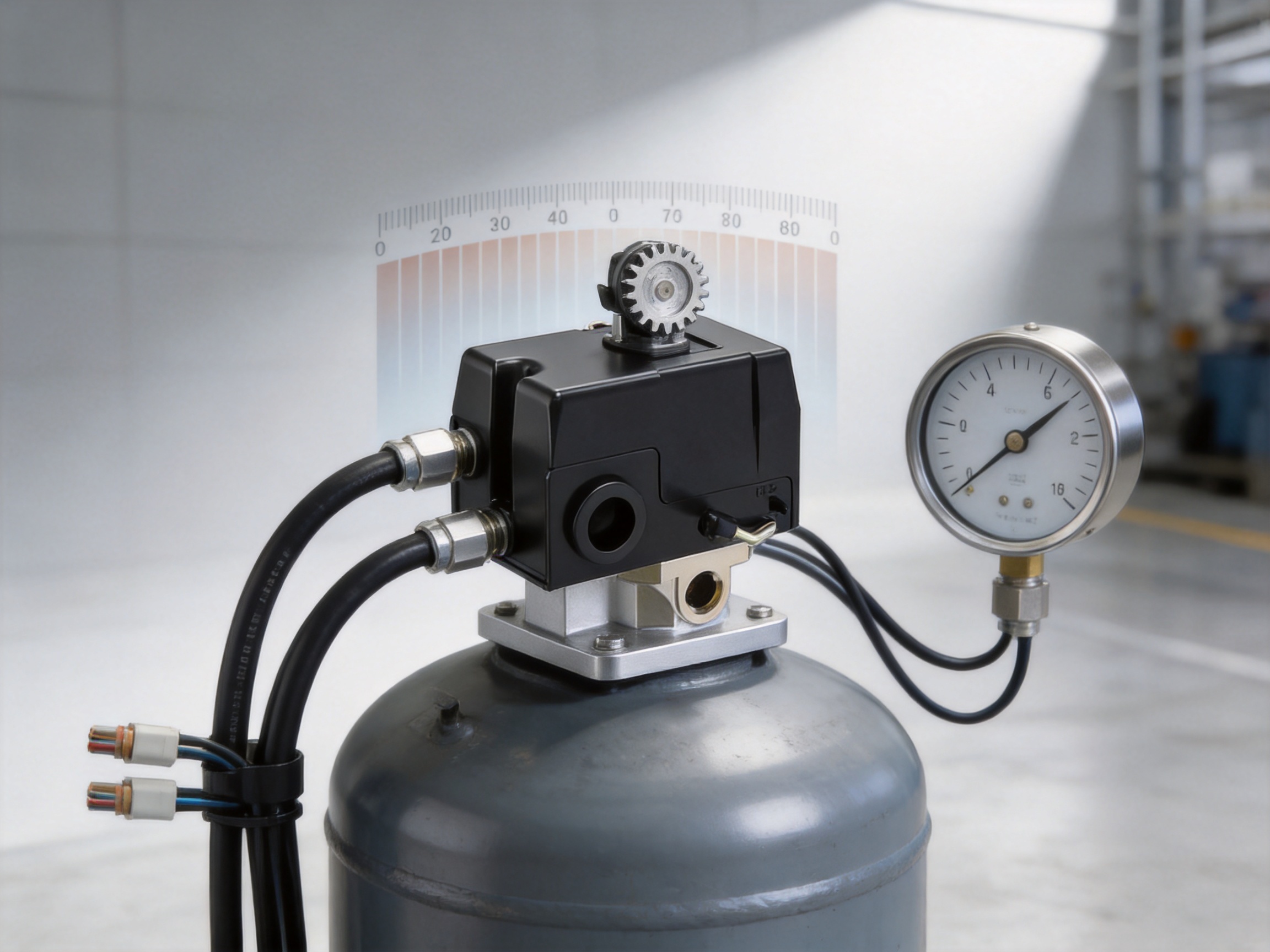
The ERS23 Series is rated for 110V to 240V and 50/60Hz operation. This broad electrical specification supports use in many regional power systems and helps simplify product selection for international equipment builders and distributors. A single series that accommodates common voltage and frequency combinations may reduce the need to manage multiple electrically different versions.
The 12A rated current is another important feature. It provides a practical capacity for many air compressor control applications, but the rating must be evaluated in relation to the compressor motor. Motors can draw a higher current during startup than during normal operation. Inductive loads may also create switching conditions that differ from resistive loads. For this reason, the switch should be applied within the manufacturer’s electrical specifications and in accordance with the compressor design.
When a motor’s electrical requirements exceed the direct switching capability of the pressure switch, a contactor or relay can be used. In that arrangement, the pressure switch controls the contactor coil, while the contactor handles the motor power circuit. This approach can improve system flexibility and protect the pressure switch from unsuitable electrical loading. A qualified electrical professional should determine the correct wiring and protection method.
Electrical connections must be tight, correctly insulated, and protected from vibration. Loose terminals can generate heat and intermittent operation. Incorrect wiring may prevent the pressure switch from stopping the compressor, which could create a serious operating hazard. Installation should therefore include verification of line voltage, grounding, conductor size, overcurrent protection, and control logic.
For a global supply chain, equipment may be assembled in one country and installed in another. Voltage and frequency differences can create sourcing complications when control components are narrowly specified. The 110V to 240V and 50/60Hz range of the ERS23 Series makes it easier to evaluate the product for different markets, provided the complete electrical system is compatible.
This flexibility is also useful for replacement applications. A service distributor may support compressors operating on different local power supplies without stocking a separate pressure switch for every electrical region. However, voltage compatibility alone does not confirm suitability. Current, motor type, wiring arrangement, enclosure, pressure rating, and connection dimensions must all be checked before installation.
Mechanical pressure controllers must provide a dependable connection between the air system and the sensing mechanism. The ERS23 Series offers female and male 0.25-inch screw connection options. These alternatives assist with original equipment design and replacement installation, particularly where the existing pipework or manifold configuration has already been established.
Thread compatibility is an essential installation requirement. The installer should verify the thread form, diameter, sealing method, and orientation before connecting the switch. A nominally similar connection may not provide a secure seal if the thread standard differs. Suitable sealing materials should be selected for the air system, and excessive tightening should be avoided because it may damage the housing or connection.
The optional air-relief valve connection for a 6 mm or 1/4-inch pipe can support unloading during compressor startup. In many compressor systems, an unloading arrangement reduces the pressure held against the pump or check valve when the motor starts. This can reduce starting resistance and support smoother motor operation. The precise configuration depends on the compressor architecture and should be confirmed during equipment design.
Mechanical connections should be installed without imposing bending or twisting loads on the pressure switch. Pipework should be adequately supported, and vibration should be minimized wherever practical. Excessive vibration can affect threaded joints, electrical terminals, and internal mechanical components. Correct mounting improves reliability and reduces the risk of air leakage.
Many pressure switches appear similar at first glance, but their suitability can differ considerably. The ERS23 Series offers several practical advantages when compared with a basic fixed-range or poorly protected pressure switch.
A pressure range of 20 to 175 psi provides greater application flexibility than a narrow, fixed setting. This supports different compressor models and allows technicians to select operating points that match the air receiver and pneumatic demand. It also helps equipment manufacturers use a common product platform across multiple models.
Rust and corrosion resistance can provide a meaningful advantage in humid or demanding working environments. A switch that maintains smoother mechanical movement and better connection integrity over time may reduce premature replacement and maintenance interruptions. This feature is particularly useful where condensation and moisture are recurring problems.
The 110V to 240V, 50/60Hz specification is convenient for international applications. It allows the component to be assessed for a wide range of electrical supplies and can simplify purchasing for global compressor manufacturers and distributors.
The 12A rating is suitable for many compressor control circuits when properly matched to the motor and load. It gives users a clear electrical reference for selection and supports direct control or integration with a contactor-based arrangement, depending on system requirements.
Female and male 0.25-inch connection options support different plumbing layouts. This can reduce the need for extensive modifications during replacement and can provide designers with more freedom when positioning the pressure switch within a compressor assembly.
Mechanical pressure switches generally offer straightforward operation without depending on complex software, programming, or external communication networks. This simplicity can be valuable in workshops and remote locations where easy diagnosis and uncomplicated replacement are priorities.
These advantages should be considered together rather than separately. A pressure switch with a wide range but unsuitable electrical capacity is not an appropriate choice. Similarly, corrosion resistance cannot compensate for incorrect pressure settings or an unsuitable connection. The main value of the ERS23 Series lies in the combination of adjustable pressure control, useful electrical compatibility, practical connections, and durable design intent.
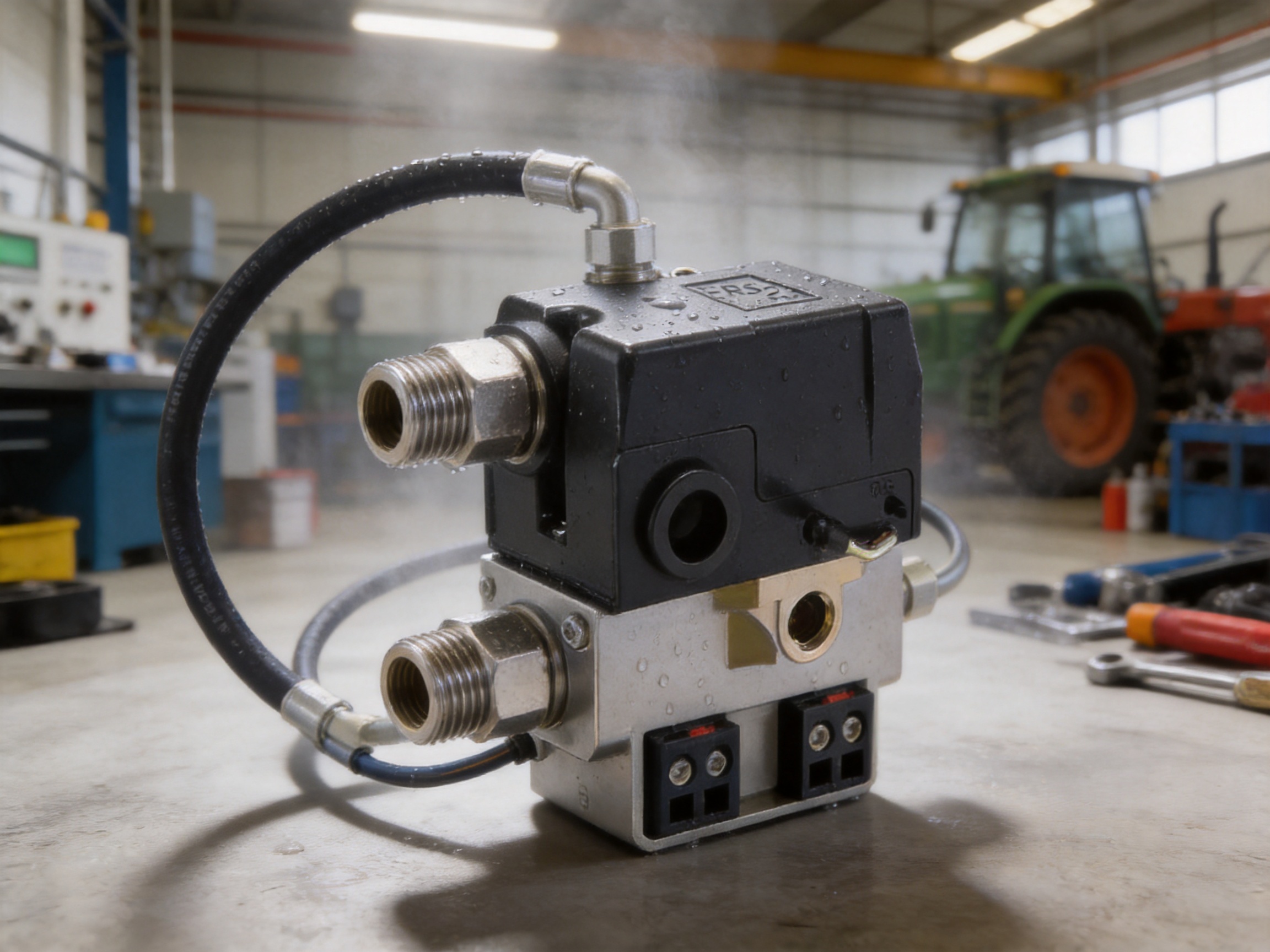
The primary application for the ERS23 Series is air compressor control. It can be considered for portable compressors, workshop compressors, small industrial compressors, maintenance equipment, pneumatic tool systems, and other compressed-air installations that require automatic pressure-based switching.
In a workshop, the switch can help maintain receiver pressure for impact wrenches, spray equipment, air blow guns, nailers, and general pneumatic tools. In a service environment, corrosion resistance can be useful where the compressor is exposed to oil, moisture, cleaning agents, and changing temperatures.
For agricultural use, compressed-air equipment may be installed in buildings with fluctuating humidity and dust. The pressure switch should still be mounted in a protected location, but its rust and corrosion resistance can provide an additional layer of durability when compared with an inadequately protected standard component.
In light industrial settings, compressed air may supply actuators, valves, packaging equipment, automation devices, or cleaning systems. The pressure range allows the switch to be matched to the operating band required by the equipment. For higher-duty systems, the designer should evaluate switching frequency, motor size, electrical load, and the need for a contactor or dedicated control panel.
The switch may also be used in replacement and retrofit projects. When an existing pressure switch becomes unreliable, the technician can compare the pressure range, voltage, current, connection type, and physical arrangement with the ERS23 Series specifications. If the requirements match, the adjustable design and connection options may simplify the replacement process.
The pressure switch is supplied by Taizhou Edwin Electric Co., Ltd., an integrated manufacturing enterprise established in 2008. The company’s stated capabilities include independent research and development, mass production, and global export. These capabilities are relevant to pressure-switch buyers because stable production, consistent sourcing, and engineering support are important when a component is used across a product range.
An integrated manufacturing structure can support better coordination between product development, production planning, inspection, packaging, and export service. When technical feedback from customers can be communicated directly to the manufacturing and engineering teams, product adjustments and application support may be handled more efficiently than in a purely trading-based supply chain.
The company has also established related import and export organizations to support procurement planning, order tracking, cross-border delivery, and foreign trade services. For international buyers, these functions can contribute to smoother purchasing, especially when orders require documentation, coordinated shipping, production scheduling, and communication across different time zones.
Although the ERS23 Series is a pressure-control component rather than a water pump, it forms part of a broader industrial product portfolio. The company’s experience with pumps and related water-treatment products indicates familiarity with fluid-handling applications, mechanical assemblies, electrical components, production coordination, and global equipment requirements. This wider engineering environment can be valuable when a buyer needs a pressure switch for a complete equipment package.
Independent research and development can help a manufacturer respond to different customer requirements. The product information identifies options for hydraulic connections, pressure settings, air-relief valve sizes, and customer-specific configurations. Such options suggest that the ERS23 Series can be considered not only as a standard catalog item but also as a platform for application-based selection.
Customization should be discussed before production or purchase. Buyers should provide the intended pressure range, electrical parameters, connection requirements, operating temperature, environmental conditions, and installation constraints. Clear technical communication helps reduce the risk of receiving a component that is mechanically compatible but unsuitable for the system’s actual operating conditions.
Mass production can provide advantages when customers require repeat orders or use the same component across multiple compressor models. Consistent tooling, standardized assembly procedures, controlled component sourcing, and documented inspection practices can help reduce variation between production batches. For original equipment manufacturers, repeatability is especially important because the pressure switch may be installed in large numbers of units.
A production supplier should be evaluated not only by nominal specifications but also by its ability to maintain stable quality over time. Buyers may wish to confirm inspection procedures, sample approval arrangements, production lead times, packaging standards, traceability practices, and handling of nonconforming products. These topics are important parts of professional industrial procurement.
Pressure switches combine mechanical sensing, electrical switching, threaded connections, and sealing functions. Each area requires appropriate inspection. A quality-oriented production process should verify that the pressure adjustment mechanism responds correctly, the electrical contacts operate reliably, the housing is properly assembled, and the connection points do not leak under the intended conditions.
Pressure calibration is a central quality-control activity. The switch should be tested against a reference pressure source to verify that the switching points fall within the agreed tolerance. The test method should reflect the actual product configuration, including the adjustment range and any specified differential. Repeatability over several pressure cycles is also useful because a switch that operates correctly once may still have unstable behavior.
Electrical testing should confirm insulation, continuity, terminal integrity, and switching performance under the declared voltage and current conditions. Where the switch is intended to operate a motor circuit directly, the load characteristics must be considered. Where it is used to control a relay or contactor, the control-circuit requirements should be evaluated.
Visual and dimensional inspection is also important. The housing, threaded connections, adjustment components, terminal areas, and relief-valve interface should be checked for defects. Consistent dimensions help ensure that replacement units fit correctly and that OEM assembly lines can operate without repeated manual adjustments.
Packaging should protect the pressure switch from impact, contamination, and moisture during storage and transport. Correct labeling should identify the product series, key electrical values, pressure range, and connection configuration. Clear product identification reduces the risk of installation errors in warehouses and service operations.
Before installation, confirm that the pressure switch matches the compressor’s pressure requirements and that the maximum system pressure does not exceed the safe rating of any connected component. Check the electrical supply, motor current, control method, connection type, and environmental conditions. The pressure switch should not be installed solely because its thread appears similar to the original part.
Disconnect electrical power before performing installation or replacement. Release compressed air pressure when necessary and follow the compressor manufacturer’s service instructions. Use appropriate personal protective equipment and ensure that the system cannot restart unexpectedly during maintenance.
Install the switch in a position where the pressure connection is not subjected to excessive vibration or mechanical force. Use suitable sealing materials and tighten the connection according to good engineering practice. Avoid applying torque to delicate portions of the housing, electrical cover, or adjustment components.
Wire the switch according to the intended control arrangement. Verify line and load terminals, grounding requirements, conductor size, protective devices, and the use of a relay or contactor where necessary. The electrical enclosure should be protected from accidental contact and from environmental conditions that exceed the product’s IP20 protection degree.
After installation, inspect for air leakage and confirm that all electrical connections are secure. Restore power only after the control cover and protective components are correctly installed. Run the compressor through multiple cycles while monitoring the pressure gauge, motor behavior, switching points, and relief function.
The pressure setting should be selected according to the application, not simply adjusted to the highest available value. The receiver, hoses, valves, air tools, and other components must be rated for the selected pressure. Higher pressure does not automatically provide better performance; it may increase energy consumption and mechanical stress if the connected equipment does not require it.
When setting the switch, make small adjustments and allow the compressor to complete a full cycle before evaluating the result. Record the final cut-in and cut-out values for future maintenance. If the pressure readings vary significantly from cycle to cycle, investigate leaks, gauge accuracy, mechanical adjustment, electrical contact condition, and possible damage to the pressure-sensing mechanism.
Routine maintenance helps preserve the operating reliability of the pressure switch and the complete compressor. Inspect the connection for leakage, check the condition of wiring and terminals, and look for signs of rust, corrosion, overheating, or physical damage. Keep the surrounding area reasonably clean and dry.
Compressor receivers should be drained according to the equipment manufacturer’s instructions. Removing accumulated condensate helps reduce moisture in the air system and lowers the risk of corrosion. If the pressure switch is installed near a source of vibration or heat, review the mounting arrangement and consider whether relocation or additional support is appropriate.
Possible causes include incorrect wiring, an open electrical circuit, an incorrectly adjusted cut-in pressure, insufficient supply voltage, an overloaded motor-protection device, or a damaged pressure-switch mechanism. The technician should isolate the electrical supply before inspecting the switch and should use suitable test equipment.
This condition requires immediate attention. Possible causes include incorrect wiring, welded electrical contacts, a pressure setting above the system’s capability, a blocked sensing connection, or a mechanical failure. The compressor should be switched off using a safe method, and the pressure-relief system should not be bypassed. A qualified technician should identify the cause before the equipment is returned to service.
Frequent cycling may result from a narrow pressure differential, an air leak, an undersized receiver, excessive air demand, a malfunctioning check valve, or an incorrectly adjusted pressure switch. The entire compressed-air system should be evaluated rather than replacing the switch without diagnosis.
Air leakage may be caused by incompatible threads, insufficient or unsuitable sealing material, over-tightening, damaged threads, vibration, or a cracked fitting. Depressurize the system before correcting the connection. Confirm that the replacement fitting matches the required male or female 0.25-inch configuration.
Buyers should begin by identifying the intended application and the compressor’s technical requirements. The following questions can help determine whether the ERS23 Series is appropriate:
What are the required cut-in and cut-out pressures?
What is the maximum safe working pressure of the receiver and connected equipment?
What voltage and frequency are available?
What is the compressor motor’s running current and starting behavior?
Will the pressure switch control the motor directly or operate a contactor?
Is a male or female 0.25-inch connection required?
Is an air-relief connection needed, and should it use a 6 mm or 1/4-inch pipe?
What ambient temperature, humidity, dust, moisture, and chemical exposure may occur?
Can the switch be installed in a protected location consistent with its IP20 rating?
Will the product be used as a standard component or require a customer-specific pressure setting?
Answering these questions before ordering can prevent delays and reduce the risk of mismatched components. For OEM projects, the buyer should also request dimensional drawings, wiring information, pressure-setting details, packaging requirements, and sample approval procedures where needed.
For replacement purchases, the original product should be identified by its pressure range, electrical rating, connection type, physical arrangement, and control function. A visual match is not enough. The replacement must be checked against the compressor’s actual operating requirements.

Industrial customers often need more than a single component. They may require technical clarification, consistent production, customization, export documentation, shipment coordination, and after-sales communication. A factory-supported supply chain can help address these requirements through direct access to product information and production planning.
Taizhou Edwin Electric Co., Ltd. has developed a manufacturing and export structure intended to serve customers in international markets. Its product portfolio includes deep well pumps, submersible pumps, domestic booster pumps, circulation pumps, solar water pumps, intelligent booster pumps, and related water-treatment products. The company also works with affiliated import and export organizations to provide procurement and cross-border delivery services.
For buyers managing several product categories, this broader capability may support one-stop purchasing. A customer involved in water supply, irrigation, HVAC, construction, municipal engineering, mining, or household equipment may be able to coordinate multiple fluid-handling products through one supplier relationship. The ERS23 Series can be evaluated as an auxiliary control component where a pressure-based compressor function is required.
Long-term supply relationships also benefit from stable communication. When specifications, packaging, pressure settings, or connection options need to remain consistent across repeat orders, direct coordination with the manufacturer can reduce ambiguity. Buyers should still establish clear purchase specifications and acceptance criteria, but a coordinated factory relationship can make those requirements easier to manage.
A durable pressure switch can contribute to more sustainable equipment operation by reducing premature replacement and avoiding unnecessary component waste. Rust and corrosion resistance may help extend service life where environmental exposure would otherwise cause early deterioration. Stable pressure control can also help prevent avoidable compressor cycling, which may reduce wasted energy and mechanical wear.
Energy efficiency depends on the entire compressor system. Correct pressure settings, proper receiver sizing, regular leak detection, clean filters, suitable piping, and appropriate motor control all influence energy consumption. The pressure switch supports this system by helping the compressor run within a defined pressure band, but it cannot compensate for an undersized or poorly maintained installation.
At the end of service life, the switch should be handled according to local requirements for electrical and industrial components. Before disposal, the equipment should be disconnected, depressurized, and separated from the compressor system by qualified personnel. Responsible maintenance and replacement planning can reduce downtime and improve the total lifecycle value of the equipment.
The main purpose is to automatically control an air compressor according to system pressure. It can start the compressor when pressure falls to the selected lower setting and stop it when pressure reaches the selected upper setting, subject to the specific wiring arrangement and compressor design.
The specified pressure range is 20 to 175 psi. This range allows the switch to be adjusted for different air compressor applications, but the final setting must remain within the safe working pressure of the receiver and all connected components.
Yes. The product is designed with adjustable settings for pressure control. Adjustment should be completed by qualified personnel using suitable procedures and reference pressure measurement equipment.
The rated voltage is 110V to 240V, and the rated frequency is 50/60Hz. Electrical compatibility must also include the motor current, starting current, load type, wiring arrangement, and protective devices.
The switch has a rated current of 12A, so it may be suitable for some compressor control circuits. However, motor starting current and inductive-load behavior must be considered. If the motor exceeds the direct switching capability, the pressure switch should operate a suitable relay or contactor instead.
Rust and corrosion resistance helps the pressure switch withstand moisture and corrosive exposure more effectively. It may support longer service life and more dependable mechanical operation in demanding environments. The switch should still be installed in a protected location because its stated protection degree is IP20.
The listed screw connection options are female 0.25 inch and male 0.25 inch. An air-relief valve connection can be configured for a 6 mm or 1/4-inch diameter pipe, depending on the application requirements.
The specified maximum liquid temperature is 60°C. The surrounding ambient temperature and actual operating conditions should also be evaluated during system design.
The product should not be considered waterproof. With an IP20 protection degree, it requires a suitable protected installation location. Direct rain, water spray, condensation, and severe contamination should be avoided unless the complete installation provides appropriate additional protection.
Check the cut-in and cut-out settings, inspect the system for air leaks, verify receiver size, examine the check valve, and confirm that air demand is not excessive. The pressure differential should be selected to suit the compressor and application rather than set arbitrarily.
It may be suitable when its pressure range, current rating, voltage, frequency, connection type, physical dimensions, and control function match the original application. A replacement should be verified technically before installation.
The product information identifies options for hydraulic connections, pressure settings, air-relief valve size, and customer-specific requirements. Buyers should provide complete technical details and confirm the final configuration before placing an order.
Verify the pressure gauge, cut-in and cut-out settings, electrical switching, air leakage, motor response, relief arrangement, wiring security, and behavior over several complete compressor cycles. Any abnormal operation should be corrected before normal use.
An experienced manufacturer can provide production continuity, engineering communication, repeat-order support, customization coordination, quality-control information, and export services. These capabilities are especially valuable for OEMs, distributors, and international industrial buyers.
The ERS23 Series 12A pressure switch is a practical solution for automatic pressure control in air compressor systems. Its 20 to 175 psi adjustable range supports multiple operating requirements, while the 110V to 240V and 50/60Hz electrical specification provides broad international compatibility. A 12A rated current, male or female 0.25-inch connection options, and an air-relief interface for 6 mm or 1/4-inch pipe increase its usefulness for original equipment and replacement applications.
Its rust and corrosion resistance is a particularly valuable feature for workshops, agricultural facilities, service environments, and other locations where moisture and corrosive exposure may reduce the life of ordinary mechanical components. At the same time, the IP20 rating makes correct installation and environmental protection essential.
The product’s value extends beyond its individual specifications. Adjustable control can support efficient compressor cycling, reduce unnecessary manual intervention, and simplify product standardization. When combined with suitable pressure relief, motor protection, receiver maintenance, leak prevention, and professional installation, the pressure switch can contribute to safer and more reliable compressed-air operation.
Taizhou Edwin Electric Co., Ltd. brings the product to market through an integrated manufacturing and export structure supported by research and development, mass-production capability, and international procurement services. Its wider experience in pumps, intelligent water systems, solar pumping, and fluid-handling equipment provides an industrial foundation for serving customers that require dependable components and coordinated supply.
For buyers, the best selection approach is to compare the complete application requirements rather than relying on a single specification. Pressure, current, voltage, frequency, connections, temperature, environmental exposure, installation method, and control architecture should all be confirmed. When these factors are properly matched, the ERS23 Series can provide durable and flexible pressure management for a wide range of air compressor systems.
1. Product specification information for the ERS23 Series 12A pressure switch, including pressure range, electrical ratings, connection options, temperature limit, and protection degree.
2. Manufacturer-provided company information concerning independent research and development, mass production, global export, procurement coordination, and industrial product manufacturing.
3. General engineering principles for mechanical pressure switches and automatic air compressor start-stop control.
4. General maintenance practices for compressed-air receivers, pressure-control devices, electrical terminals, pneumatic connections, and corrosion prevention.
5. General industrial guidance concerning motor starting current, contactor-based control circuits, pressure relief, and safe compressor commissioning.
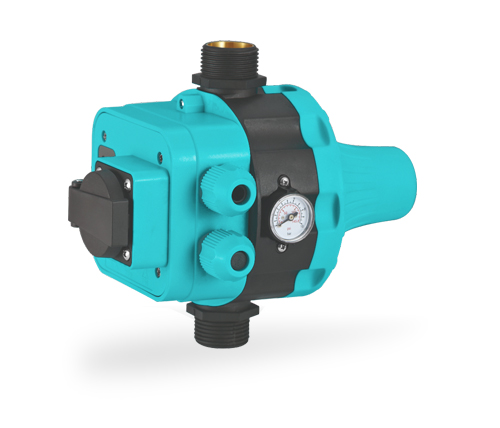
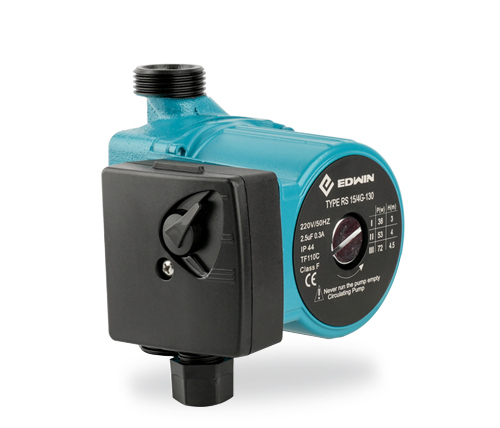
aseriesnoisereductiondesignacid-baseverticalsurfacepump-1.jpg "EV(F)A Series Noise Reduction Design Acid-base Vertical Surface Pump")
edwina@edwin-pump.com
+86-13586290903 (WhatsApp)
Xuri Gongliang Cutting Tool Entrepreneurship Park, Wenqiao Town, Wenling City, Taizhou City, Zhejiang Province, China

High Performance Smart Pump Factory


 English