
edwina@edwin-pump.com

View All Products
en
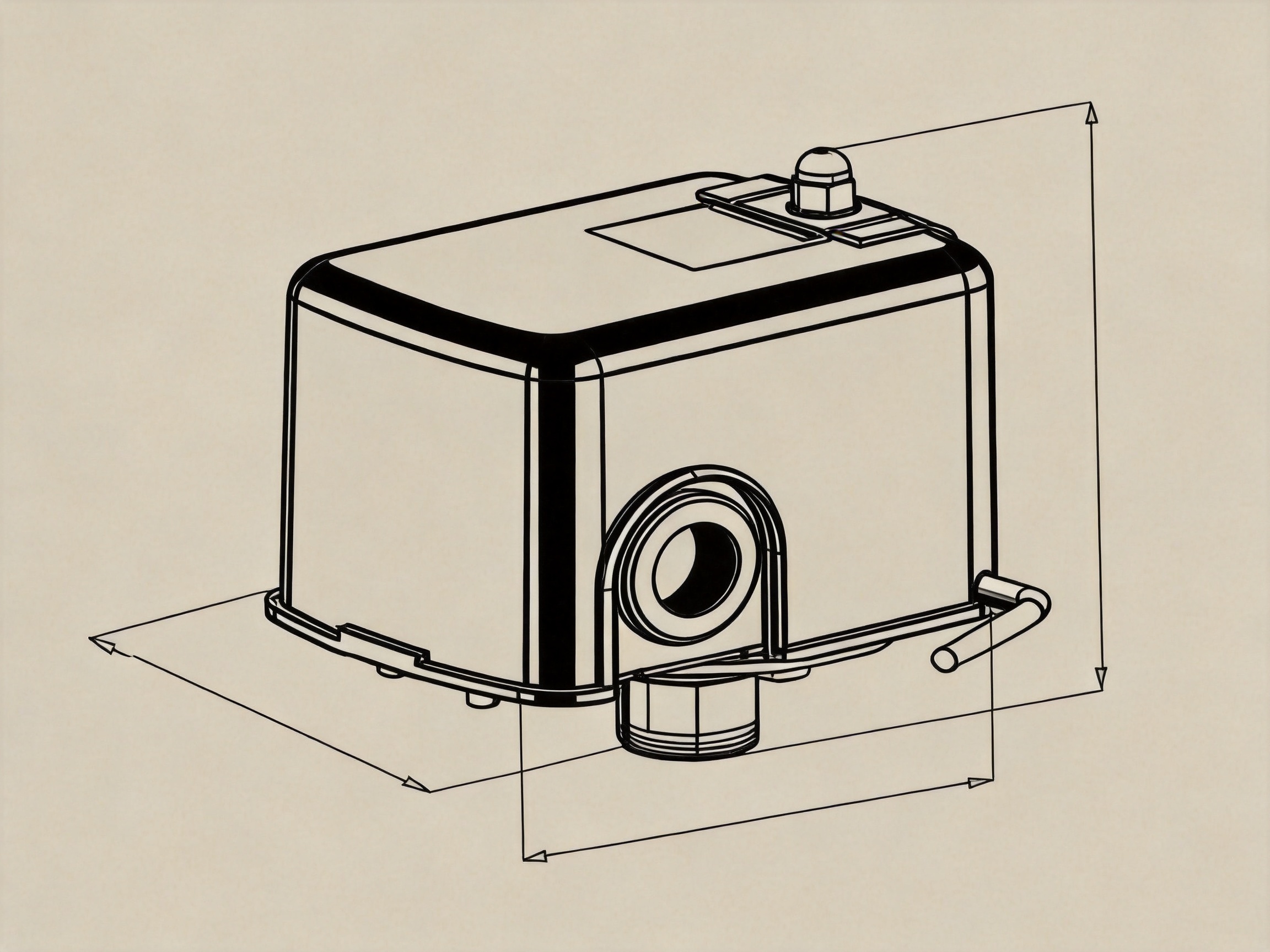
Water pump systems depend on stable pressure control, dependable electrical switching, and effective protection against abnormal operating conditions. When a pump runs without sufficient water, the result can be serious: excessive heat, accelerated wear, seal damage, motor overload, and unexpected system downtime. A properly selected pressure controller helps prevent these problems by monitoring hydraulic pressure and automatically starting or stopping the pump according to preset operating values.
The ERS-4 Series 12A Water Shortage Protection Pressure Switch is designed for this purpose. It combines automatic pressure control with water shortage protection in a compact mechanical controller intended for water supply systems. Its rated voltage range of 110V–240V, rated current of 12A, adjustable pressure ranges, and maximum working temperature of 55°C make it suitable for many domestic, agricultural, commercial, and light industrial pumping applications.
Unlike a basic on-off switch that only reacts to a single electrical command, this type of pressure controller is integrated into the hydraulic and electrical operation of a pump system. It senses pressure changes, switches the pump automatically, and helps reduce the risk of operation under inadequate water conditions. The result is a more convenient, more consistent, and potentially longer-lasting water supply installation.
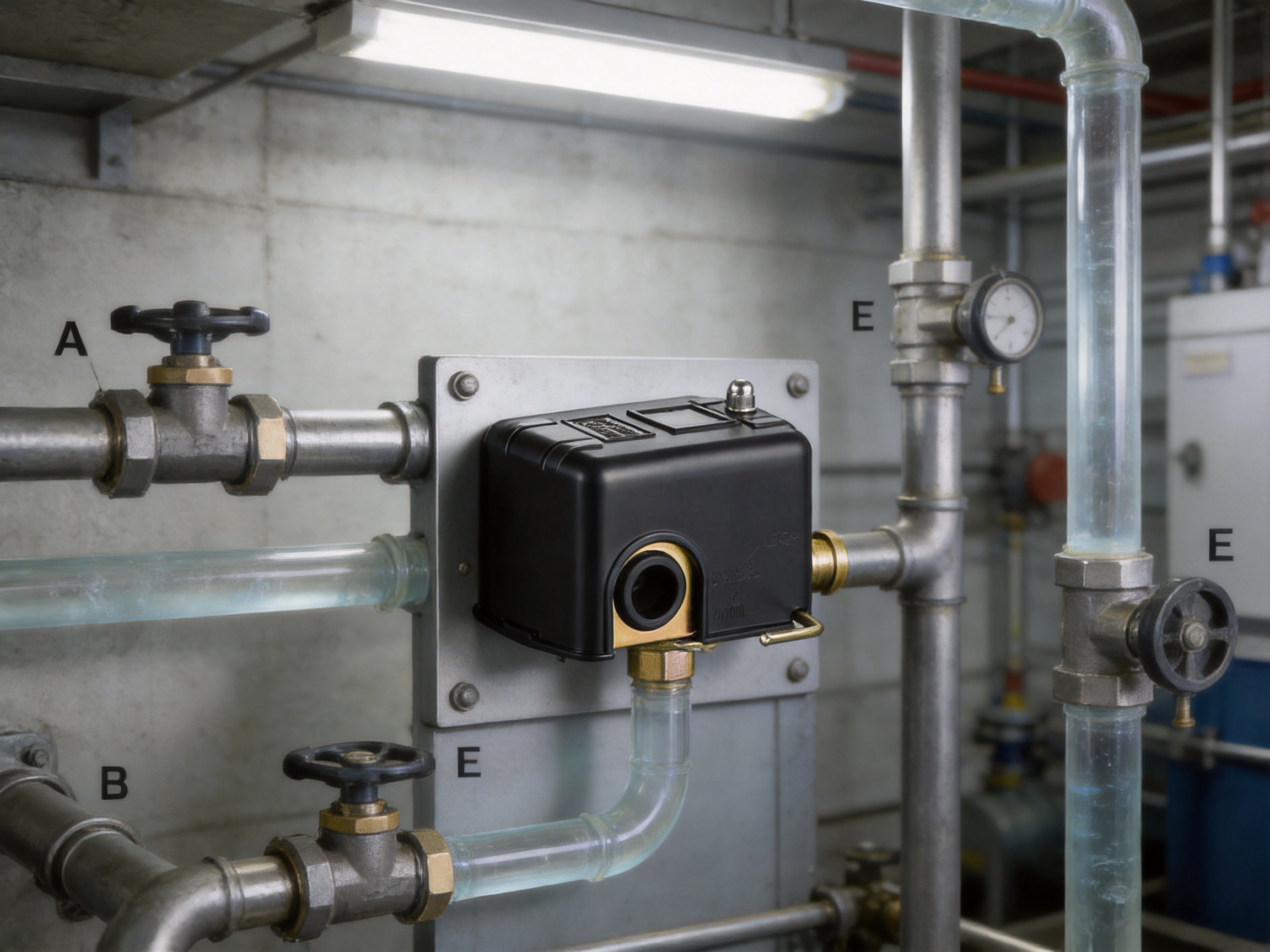
A mechanical pressure controller is installed in the pressure line of a water pump system. Its internal sensing mechanism responds to hydraulic pressure. When pressure falls below the selected cut-in value, the controller closes the electrical circuit and starts the pump. As pressure rises to the selected cut-out value, the controller opens the circuit and stops the pump.
This automatic sequence is important in systems where water demand changes throughout the day. For example, when a faucet, shower, irrigation nozzle, or process outlet is opened, pressure decreases. The pump can start automatically to restore the pressure. When the outlet is closed and the pressure returns to the upper setting, the pump stops without requiring manual operation.
The pressure controller therefore performs several functions at the same time. It acts as an automatic pump switch, a pressure-monitoring device, and a basic protective component. In systems equipped with water shortage protection, it also helps reduce the likelihood that the pump will continue operating when the water supply is insufficient.
Mechanical pressure control remains widely used because it is straightforward, serviceable, and familiar to installers. While electronic controllers can provide advanced monitoring functions, a mechanical pressure switch can offer an efficient solution for applications that require reliable automatic starting and stopping without a complex control platform.
The ERS-4 Series is a 12A water shortage protection pressure switch developed for water pump systems. It is designed to regulate pressure automatically while providing a practical method of protecting the pump during water shortage conditions.
The controller supports a rated voltage range of 110V–240V and a frequency of 50/60Hz. This broad electrical range allows it to be used in different markets and in pump systems designed for either common residential or commercial power supplies, provided that the complete electrical installation is correctly matched to local requirements.
Its rated current is 12A. This rating is an important selection criterion because the controller must be suitable for the actual operating current and starting characteristics of the connected pump. The pressure switch should always be installed and applied within its specified electrical limits. For motors with high starting current, special attention should be given to motor protection, overload protection, and the use of a suitable contactor where required.
The pressure settings can be selected according to the requirements of the application. Available pressure ranges include 20–40 PSI, 30–50 PSI, 40–60 PSI, and 50–70 PSI. The stated minimum cut-in pressure is 20 PSI, while the maximum cut-out pressure is 100 PSI. Customized pressure settings may also be discussed for specific purchasing or system requirements.
The product has an IP20 protection rating and a maximum working temperature of 55°C. Because IP20 does not provide protection against water ingress, the controller should be installed in a dry, properly protected location. It should not be exposed directly to rain, spray, flooding, or condensation.
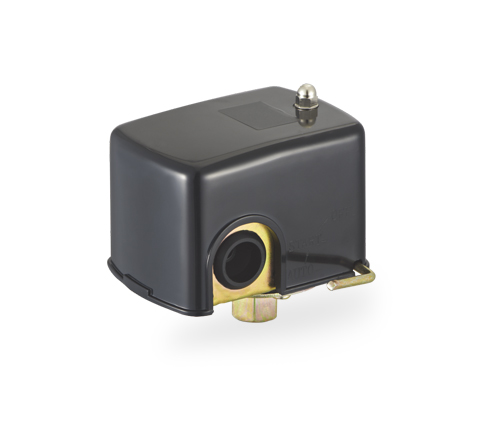
ERS-4 Series 12A Water Shortage Protection Pressure Switch for Water Pump
Water shortage is one of the most common causes of unnecessary pump damage. A pump requires an adequate water supply for cooling, lubrication, and hydraulic operation. If the source becomes empty, the suction line loses prime, or an inlet valve is closed, the pump may continue running without moving enough water. This condition is commonly called dry running or water-starved operation.
When a pump operates without sufficient water, internal temperatures can rise. Mechanical seals may become damaged, impellers can experience abnormal wear, and the motor may be subjected to excessive thermal stress. Even if immediate failure does not occur, repeated water shortage events can shorten service life and increase maintenance costs.
The ERS-4 Series addresses this risk through water shortage protection integrated into the pressure control function. By responding to abnormal pressure conditions, the controller helps prevent the pump from continuing to operate normally when the system cannot achieve the expected hydraulic pressure. This is especially useful in installations supplied by wells, storage tanks, rainwater systems, agricultural sources, or municipal networks with variable availability.
Water shortage protection is not a substitute for correct pump sizing, proper installation, or a complete motor protection system. However, it provides an additional layer of defense. A reliable pump installation should still include appropriate suction piping, a suitable foot valve or check valve where necessary, correct priming, overload protection, and regular inspection of the water source.
Compared with a conventional pressure switch without water shortage protection, the ERS-4 Series provides a more application-oriented solution. It considers not only whether pressure is high or low, but also whether the pump is operating in a condition that may indicate insufficient water. This added function can improve operational safety and reduce the risk of unattended pump damage.
The automatic start and stop function is one of the product’s most practical advantages. In a manually controlled pump system, the user must switch the pump on whenever water is required and switch it off after use. This can lead to wasted energy, accidental continuous operation, and inconsistent pressure.
With the ERS-4 Series installed, the pressure switch reacts to demand. When water is consumed, system pressure falls. Once the pressure reaches the selected cut-in value, the controller starts the pump. The pump then supplies water and raises the pressure. When the pressure reaches the cut-out value, the controller stops the pump.
This method provides a convenient water supply for homes, farms, workshops, small commercial facilities, and many utility applications. It can support multiple water outlets while reducing the need for manual intervention.
Automatic control also helps prevent the pump from running longer than necessary. A pump that continues running after all outlets have been closed consumes energy and may experience unnecessary wear. Automatic stopping ensures that the pump operates only when the pressure conditions require it, subject to correct system design and adjustment.
The selected pressure range should match the pump’s performance curve and the needs of the water system. A pressure range that is too high may cause the pump to run continuously because it cannot achieve the required cut-out pressure. A pressure range that is too low may produce inadequate water delivery. Correct commissioning is therefore essential for obtaining the best performance.
The available pressure ranges make the ERS-4 Series adaptable to different water supply requirements. A 20–40 PSI setting may be suitable for a small domestic system, low-rise application, or installation where moderate pressure is sufficient. A 30–50 PSI setting can provide a balanced operating range for many household booster systems.
The 40–60 PSI range may be preferred where stronger water pressure is required at multiple outlets or where the system must overcome additional pipe resistance. The 50–70 PSI range can be considered for applications requiring higher working pressure, provided the pump, pipes, valves, fittings, storage tank, and other components are designed for the pressure level.
The product’s stated maximum cut-out pressure is 100 PSI. This does not mean every installation should be operated at 100 PSI. The correct pressure must be determined by the pump curve, system design, pipe rating, tank pre-charge, and end-use requirements.
Customized pressure settings are another useful feature for distributors, original equipment manufacturers, and project contractors. Different markets and applications may require different factory settings. Customization can help simplify field commissioning, improve consistency between batches, and support private-label or application-specific product programs.
Parameter |
Specification |
Application Significance |
Product type |
Mechanical pressure controller |
Automatic pump start and stop according to hydraulic pressure |
Protection function |
Water shortage protection |
Helps reduce the risk of continued operation under inadequate water conditions |
Rated voltage |
110V–240V |
Suitable for compatible single-phase pump systems in different markets |
Frequency |
50/60Hz |
Compatible with common power frequencies when electrical requirements are met |
Rated current |
12A |
Supports suitable pump loads within the specified current limit |
Minimum cut-in pressure |
20 PSI |
Lowest stated pressure for automatic pump starting |
Maximum cut-out pressure |
100 PSI |
Upper stated pressure limit for automatic stopping |
Available pressure ranges |
20–40, 30–50, 40–60, and 50–70 PSI |
Allows selection according to system demand |
Maximum working temperature |
55°C |
Defines the maximum stated operating temperature |
Protection rating |
IP20 |
Requires installation in a dry and protected environment |
Hydraulic connection options |
1/4-inch male and 3/8-inch female options |
Supports integration with different pipe and fitting arrangements |
Flange material options |
Steel or plastic |
Provides configuration flexibility for different purchasing requirements |
The ERS-4 Series is constructed with a thickened steel plate intended to improve strength and stability. This is a meaningful design consideration because a pressure switch may be exposed to vibration, repeated switching, hydraulic pulsation, and mechanical stress during installation and operation.
A stronger structural plate can help the controller maintain its shape and alignment under demanding conditions. Stable construction is particularly valuable in pump rooms, agricultural installations, workshops, and commercial environments where equipment may experience more frequent operation than a typical household system.
The product also uses silver-plated contacts. Electrical contacts are responsible for opening and closing the circuit, and their quality influences switching reliability. Silver is widely used in electrical contact applications because of its favorable conductivity. Silver-plated contact surfaces can support efficient current transfer and help maintain dependable switching performance when used within the product’s specified electrical limits.
Material selection alone does not determine the complete service life of a pressure switch. Contact loading, motor inrush current, installation quality, pressure fluctuation, ambient temperature, and maintenance practices all have an influence. Nevertheless, a reinforced plate and carefully selected contact materials provide a solid foundation for reliable operation.
The controller is available with steel or plastic flange options. This allows the product configuration to be matched to customer preferences, application conditions, and purchasing requirements. Steel can be selected where additional structural rigidity is desired, while plastic may be appropriate when weight, corrosion resistance, or cost considerations are important.
Connection compatibility is a practical issue that can determine whether a pressure controller can be installed quickly and securely. The ERS-4 Series supports hydraulic connection choices including 1/4-inch male and 3/8-inch female configurations. The available screw arrangements include a fixed nut size of 1/4 inch, a rotary connection of 1/4 inch, and a 1/4-inch male option according to the specified configuration.
These connection choices help installers adapt the controller to different pipe layouts, adapters, manifolds, and pump outlets. Before installation, the thread type and size must be confirmed carefully. A male thread should not be forced into a female connection of an incompatible standard, and thread sealant should be applied according to accepted plumbing practice.
The controller should be mounted in a position that allows the pressure-sensing connection to remain free from blockage. Dirt, rust, scale, sealant fragments, and other debris can interfere with pressure sensing. In systems with contaminated water, a suitable filter or strainer may help protect the hydraulic connection.
Good piping practice is also essential. The pipe should be properly supported so that its weight does not place excessive stress on the pressure switch body. Excessive vibration should be minimized, and the controller should not be used as a structural support for heavy pipework.
The most important advantage of the ERS-4 Series over a basic pressure switch is the integration of water shortage protection. A basic pressure switch may start and stop a pump according to pressure, but it may not adequately respond to conditions in which the pump cannot build pressure because the water source is insufficient. The ERS-4 Series is designed to address this additional operating risk.
A second advantage is its broad voltage compatibility. The 110V–240V rating allows the controller to serve compatible systems across multiple electrical markets. This can simplify product selection for international distributors and reduce the need to maintain many different voltage-specific controller models.
A third advantage is the selection of pressure ranges. The availability of 20–40 PSI, 30–50 PSI, 40–60 PSI, and 50–70 PSI settings allows the controller to be chosen according to the application rather than forcing every system into one standard pressure level.
The reinforced steel construction is another differentiating feature. Compared with a lightweight housing or thin structural plate, a thickened steel plate can provide greater mechanical stability. This is valuable in installations where the pump operates frequently or where equipment is exposed to vibration.
Silver-plated contacts further support the controller’s electrical switching function. When the device is used within its 12A rating and installed with correct motor protection, the contact design can contribute to dependable operation over repeated start-stop cycles.
Connection and customization options also improve application flexibility. Customers can discuss the casing, hydraulic connection, and pressure setting according to their requirements. This is useful for pump manufacturers, wholesalers, system integrators, and project suppliers who need a controller that fits a particular product platform or market.
Residential water systems often experience changing demand throughout the day. Several people may use water at the same time in the morning, while demand may be very low during other periods. A pressure controller allows the pump to respond automatically to these changes.
The ERS-4 Series can be used in compatible household booster systems, shallow-well arrangements, storage tank systems, and other water supply installations. It can help maintain convenient pressure at faucets, showers, washing machines, and garden outlets.
In a house supplied by a low-pressure municipal network, the pressure switch can control a booster pump that raises pressure when water is needed. In a tank-fed system, it can start the pump when the downstream pressure falls. In a well system, water shortage protection can provide useful additional protection when the well level changes seasonally.
Residential users benefit from reduced manual operation and a more predictable water supply. However, the installation should be designed by a qualified person. Electrical connections must be safe, waterproof where necessary, and compliant with local regulations. The controller should be located away from areas where it can be splashed or submerged.
Agricultural water systems may operate under demanding conditions. Pumps can supply irrigation lines, greenhouse systems, livestock facilities, storage tanks, and wash-down points. Water availability may vary because of changing groundwater levels, empty tanks, blocked filters, or seasonal supply conditions.
Water shortage protection is particularly useful in these environments because a pump may be located away from the operator. An automatic controller can help reduce the risk of the pump running continuously when the water source is unable to provide the required flow.
The available pressure ranges can be matched to different irrigation layouts. A short garden or greenhouse line may require a lower operating range, while a larger distribution system may require stronger pressure. The correct setting must be determined by considering pipe length, elevation, sprinkler requirements, flow rate, and pump capability.
Agricultural installations should also protect the controller from dust, direct weather exposure, and excessive temperature. Because the specified protection rating is IP20, the controller should be placed inside a suitable enclosure or protected pump room when used outdoors.
Commercial buildings, workshops, small processing facilities, and service sites often need automatic water pressure control without the complexity of a fully automated pump management system. The ERS-4 Series can be considered for compatible applications where a 12A mechanical controller meets the electrical and hydraulic requirements.
Possible uses include equipment wash-down, small building water supply, service stations, commercial gardening, small-scale process water, and pressure boosting for utility outlets. Its professional appearance and reinforced construction make it suitable for equipment assemblies where reliability and organized installation are important.
For commercial applications, the pressure switch should be evaluated as part of the complete system rather than as an isolated component. Designers should verify pump current, motor starting current, maximum system pressure, pipe ratings, ambient conditions, duty cycle, and the consequences of a pump stoppage.
Where the pump motor exceeds the switch’s direct switching capacity or has demanding starting characteristics, a contactor or motor starter may be required. The pressure switch can then provide the control signal while the motor starter handles the motor load. This approach can improve electrical reliability and enable the use of additional overload and phase protection equipment where appropriate.
The product is manufactured by Taizhou Edwin Electric Co., Ltd., an integrated manufacturing enterprise established in 2008. The company focuses on independent research and development, mass production, and global export. This combination is important because a pressure controller must be designed not only for initial performance but also for repeatable production, consistent assembly, and dependable supply.
Independent research and development enables the manufacturer to refine product structures, pressure settings, materials, connection options, and application features according to market feedback. This is especially valuable for pump accessories because the requirements of a domestic booster system may differ from those of an agricultural or commercial installation.
Mass production capability supports consistent manufacturing and more predictable delivery for distributors and project buyers. A stable production process can help maintain uniform dimensions, contact assembly, hydraulic connection quality, and pressure adjustment across production batches.
The company’s wider product portfolio includes deep well pumps, submersible pumps, domestic booster pumps, circulation pumps, solar water pumps, intelligent booster pumps, and other water treatment peripheral products. This product knowledge supports a more complete understanding of pump system requirements. A pressure switch manufacturer that also works extensively with pump products can better evaluate the relationship between hydraulic performance, motor operation, and control requirements.
Since 2018, the company has invested in new energy and intelligent technology, including solar water pumps and intelligent booster pumps. Although the ERS-4 Series is a mechanical pressure controller, this broader technical direction demonstrates an ongoing focus on improved pump efficiency, automation, and system-level solutions.
The company also established related import and export service organizations to support procurement planning, order tracking, cross-border delivery, and foreign trade services. For international customers, these capabilities can be as important as the product itself. Clear communication, organized documentation, production coordination, and reliable shipment planning help reduce purchasing risk.
A dependable pressure switch requires control at several stages of manufacturing. The process begins with material selection. Structural components must provide suitable strength, while contact materials must support reliable electrical switching. Hydraulic connection components must be manufactured with accurate dimensions so that the controller can be installed without leakage or mechanical stress.
Forming and machining processes influence the accuracy and stability of the housing, flange, and threaded parts. A thickened steel plate must be shaped consistently so that the internal components remain correctly positioned. Threaded connections must be checked for dimensional accuracy, cleanliness, and compatibility with the specified fittings.
Electrical assembly is another critical stage. The silver-plated contacts, terminals, springs, and switching mechanism must be assembled in a way that provides consistent movement and secure electrical connection. Loose terminals, misalignment, contamination, or incorrect spring tension can affect performance and should be controlled through standardized procedures.
Pressure calibration is essential because the controller must respond at the intended cut-in and cut-out values. Production testing can include checking switching behavior, pressure response, electrical continuity, and reset performance. The selected pressure range should be verified against the customer’s order and product configuration.
Final inspection should confirm the external condition, connection type, marking, terminal arrangement, and overall assembly quality. Packaging should protect the controller from impact, contamination, and moisture during storage and transport.
These manufacturing stages are particularly important for products intended for global export. International customers may install the controller in different climates, pump systems, and operating environments. Consistent production and inspection help reduce variations that could otherwise lead to field installation problems.
The pressure switch should be installed by a qualified technician familiar with electrical and hydraulic systems. Before installation, the pump, motor, supply voltage, current, pipe size, pressure rating, and water source should be checked.
The hydraulic connection must be clean and correctly sealed. Excessive thread sealant should be avoided because loose material may enter the sensing passage. The controller should be mounted securely, but it should not be overtightened in a way that damages the connection or distorts the body.
The electrical supply must be disconnected before wiring. The voltage and frequency should match the product rating and the pump motor requirements. Wiring should be sized appropriately, terminals should be tightened correctly, and grounding should be completed according to local electrical codes.
The controller should be installed in a dry and ventilated location. Its IP20 rating means that it is not intended to resist water jets, rain, or immersion. If the pump is installed outdoors, the pressure switch should be placed inside a weather-resistant enclosure that still allows suitable heat dissipation.
After installation, the system should be primed correctly if required. The pump should be checked for leaks, abnormal noise, unstable pressure, and repeated rapid cycling. The controller should be tested by opening and closing a water outlet and observing whether the pump starts and stops at the intended pressures.
If the pump starts and stops too frequently, the cause may be an incorrectly sized pressure tank, insufficient tank pre-charge, a leaking pipe, a defective check valve, or an unsuitable pressure differential. Rapid cycling should not be ignored because it can increase electrical and mechanical wear.
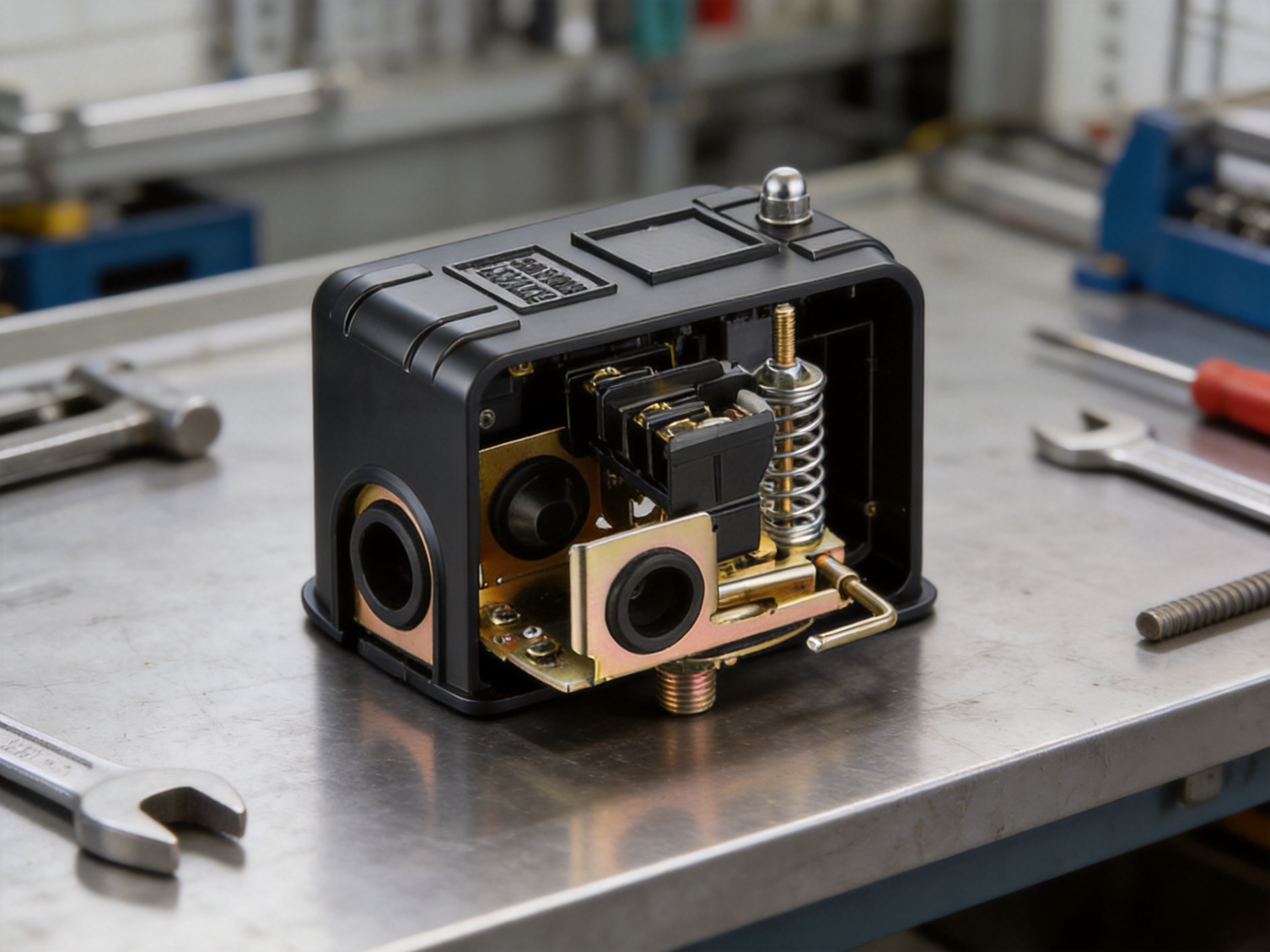
The pressure switch is one part of a complete pumping system. Its performance depends on the interaction between the controller, pump, pipework, valves, water source, storage tank, and end-use outlets.
Pump selection should begin with the required flow and pressure. The pump must be capable of reaching the selected cut-out pressure under the expected operating conditions. If the cut-out setting is higher than the pump can achieve, the pump may continue running without stopping normally.
Elevation must also be considered. Raising water to a higher building level consumes pressure. Pipe friction, elbows, filters, valves, and long delivery distances create additional losses. The selected pressure range should therefore reflect the actual pressure needed at the point of use, not simply the pressure at the pump outlet.
A pressure tank may be included to reduce the number of pump starts. The tank stores pressurized water and supplies small demands without requiring the pump to start immediately. Correct tank sizing and pre-charge adjustment can improve comfort and reduce cycling.
Check valves and foot valves can help maintain prime and prevent reverse flow. However, these components must be selected and installed correctly. A leaking check valve can cause pressure loss and repeated pump starts, while a blocked valve or filter can restrict flow and contribute to a water shortage condition.
Where water quality is poor, filtration should be considered. Sediment can block small passages, interfere with pressure sensing, and reduce pump performance. The filter should be accessible for cleaning and should not be so restrictive that it causes excessive suction loss.
Routine maintenance helps preserve the performance of the pressure controller and the pump system. Operators should inspect the installation for water leakage, loose wiring, corrosion, damaged insulation, abnormal cycling, and unusual pump noise.
If the pump does not start when pressure falls, possible causes include a disconnected power supply, incorrect wiring, a pressure setting that is too low, blocked hydraulic sensing passages, damaged contacts, or a fault elsewhere in the pump system. Electrical inspection should only be performed by qualified personnel.
If the pump does not stop, the cut-out pressure may be set too high, the pump may be undersized, the system may have a significant leak, or the pressure-sensing mechanism may be obstructed. The outlet valves should be checked, and the pump’s ability to reach the selected pressure should be verified.
If the controller starts and stops rapidly, inspect the pressure tank, check valve, pipework, and pressure settings. Rapid cycling may also occur when water demand is very small but the system has insufficient storage capacity.
If water shortage protection activates repeatedly, the water source should be inspected. The source may be empty, the suction pipe may be leaking air, the inlet filter may be blocked, the pump may not be properly primed, or the supply level may be below the safe operating point.
The controller should never be bypassed simply to keep a pump running. Bypassing protection may allow the pump to operate under unsafe conditions and could result in equipment damage. The cause of the protection response should be identified and corrected.
International pump distributors and system integrators often need products that can be adapted to different markets. The ERS-4 Series supports this requirement through its 110V–240V voltage range, 50/60Hz frequency compatibility, multiple pressure settings, and hydraulic connection options.
Customization of the casing, connection, and pressure setting can help buyers develop product packages for particular regions or applications. This flexibility can be useful for wholesalers that serve both residential and commercial customers, as well as for pump manufacturers that want to include a compatible controller with their own equipment.
The manufacturer’s experience in global export and its related procurement and logistics services can support the entire purchasing process. Customers may benefit from assistance with production planning, order tracking, delivery coordination, and product configuration discussions.
The company’s wider pump portfolio also enables one-stop sourcing. Buyers who require deep well pumps, submersible pumps, booster pumps, circulation pumps, solar pumps, or pump accessories may be able to coordinate multiple product categories through one manufacturing and export network.
Electronic pump controllers can provide features such as digital displays, programmable settings, fault codes, flow detection, and communication functions. These features may be useful in advanced systems. However, they can also increase system complexity, installation requirements, and replacement costs.
A mechanical pressure controller is often preferred when the application requires a simple, direct, and serviceable control method. The ERS-4 Series does not depend on a digital interface for its basic pressure switching function. This makes it familiar to many installers and suitable for systems where a straightforward mechanical solution is preferred.
The choice between mechanical and electronic control should be based on the application. Electronic systems may be more appropriate where detailed diagnostics, variable-speed operation, or remote monitoring is required. Mechanical control may be advantageous where automatic start-stop operation, water shortage protection, and uncomplicated maintenance are the main priorities.
The ERS-4 Series occupies a practical position between a basic manual switch and a highly sophisticated smart pump controller. It adds useful protection and pressure control while retaining a relatively simple operating concept.
For pump manufacturers, a dependable pressure controller can enhance the usability of a complete pump package. Customers often expect a booster pump or water supply unit to start automatically when water is needed. Including a suitable controller can make the final equipment easier to install and operate.
For distributors, multiple pressure ranges and connection options can support a wider product offering. Instead of stocking only one fixed configuration, a distributor can select models according to local demand. The ability to discuss customized settings may also support project orders and private-label programs.
For contractors, the reinforced construction and practical connection options can simplify integration into new or replacement systems. The 12A rating provides a clear starting point for electrical selection, while the pressure settings allow the controller to be matched to the expected operating range.
For end users, the main advantages are convenience, automatic operation, and additional protection against water shortage conditions. These benefits can reduce the likelihood of accidental continuous running and help make the pump system easier to manage.
Efficient pump operation is closely related to correct control. A pump that runs only when required can avoid some unnecessary energy consumption compared with a pump that is left running continuously. Automatic stopping also prevents wasted operation after water demand has ended.
Water shortage protection can support sustainability by reducing the chance of damage and premature replacement. Extending the service life of pumps and control components can reduce material consumption, maintenance requirements, and disposal frequency.
However, the greatest energy savings usually come from selecting the correct pump size, reducing pipe losses, repairing leaks, and operating the system at an appropriate pressure. A pressure switch supports these goals but cannot compensate for an inefficient system design.
The manufacturer’s investment in solar water pumps and intelligent booster pumps reflects the growing importance of energy-aware and automated water technologies. The ERS-4 Series complements these broader product lines by providing a mechanical option for applications where reliable pressure control remains the primary requirement.
Before purchasing or installing the pressure switch, confirm the pump motor voltage and frequency. The system must be compatible with the controller’s 110V–240V and 50/60Hz electrical specification.
Check the pump’s running current and starting characteristics against the 12A rated current. If the pump requires additional switching capacity or motor protection, use a suitable contactor, overload relay, or motor starter as recommended by a qualified electrical professional.
Select a pressure range that the pump can achieve and that provides adequate pressure at the water outlets. Consider elevation, pipe friction, flow demand, and the pressure ratings of all system components.
Confirm the hydraulic connection type and size before ordering. The available 1/4-inch male and 3/8-inch female options should be matched with the correct fittings and adapters.
Verify that the installation location remains below the maximum working temperature of 55°C and is protected from water exposure. Remember that the IP20 rating requires a dry and protected installation environment.
Finally, determine whether a customized casing, connection, or pressure setting is needed. Discuss customization before production so that the final configuration is documented clearly.
The main function is to start and stop a compatible water pump automatically according to hydraulic pressure. It also provides water shortage protection to help reduce the risk of pump operation when the water supply is insufficient.
The 12A rating identifies the stated rated current of the pressure switch. The connected pump must be selected and wired within the controller’s electrical limits. Motor starting current and the use of additional switching equipment must also be considered.
The stated rated voltage range is 110V–240V, with a frequency of 50/60Hz. The complete electrical system must still be checked for compatibility with the local power supply and pump motor.
The listed pressure ranges are 20–40 PSI, 30–50 PSI, 40–60 PSI, and 50–70 PSI. The product information also states that customized pressure settings can be provided according to customer requirements.
It may be used in an outdoor pump system only when it is installed in a properly protected, dry enclosure. Its IP20 protection rating means that it should not be directly exposed to rain, spray, flooding, or water immersion.
The maximum stated working temperature is 55°C. The controller should be installed away from excessive heat and in a location with suitable ventilation.
Water shortage protection helps respond to abnormal pressure conditions associated with inadequate water supply. It is intended to reduce the risk of continued pump operation during water shortage events, but it should be supported by proper pump sizing, priming, filtration, and installation.
The listed hydraulic connection options include 1/4-inch male and 3/8-inch female configurations. The correct thread type and size should be confirmed before installation.
The thickened steel plate is intended to improve structural strength and stability. This can be helpful in pump systems exposed to vibration, repeated operation, or demanding installation conditions.
Silver-plated contacts can support efficient electrical conduction and reliable switching when the pressure switch is used within its specified rating. Correct wiring, motor protection, and installation remain essential.
Yes. The product information indicates that pressure settings can be customized according to customer requirements. Casing and hydraulic connection options may also be customized.
It should not automatically be considered a replacement for a dedicated motor overload protector. The pressure switch provides pressure-based control and water shortage protection, while a complete motor protection system may require overload, short-circuit, grounding, and other protective devices.
Check whether the selected cut-out pressure is too high, whether the pump can achieve the required pressure, whether there is a water leak, and whether the pressure-sensing connection is blocked. Electrical and hydraulic inspection should be completed by qualified personnel.
The product is manufactured by Taizhou Edwin Electric Co., Ltd., a Chinese integrated manufacturer specializing in water pumps and related water system products, including research and development, mass production, and global export.
The ERS-4 Series 12A Water Shortage Protection Pressure Switch is a practical control component for compatible water pump systems. Its automatic start-stop function provides convenience, while its water shortage protection addresses an important cause of pump failure. The 110V–240V voltage range, 50/60Hz frequency compatibility, 12A rated current, multiple pressure settings, and connection flexibility make it suitable for a broad range of applications.
Its reinforced steel plate construction, silver-plated contacts, steel or plastic flange options, and customizable configuration provide useful advantages over simpler pressure switches. These features are supported by the manufacturing capabilities of Taizhou Edwin Electric Co., Ltd., including independent product development, mass production, international export experience, and a broader portfolio of water pump technologies.
To achieve reliable performance, the controller must be selected according to the pump’s electrical and hydraulic requirements. Correct installation, dry mounting, suitable motor protection, proper pressure adjustment, and regular maintenance are essential. When integrated into a well-designed water supply system, the ERS-4 Series can improve pump convenience, operational protection, and overall system reliability.
1. Product technical information for the ERS-4 Series 12A Water Shortage Protection Pressure Switch.
2. Manufacturer-provided specifications for rated voltage, rated current, pressure range, protection rating, temperature limit, and hydraulic connections.
3. General principles of water pump pressure control and automatic pump start-stop operation.
4. General electrical installation practices for single-phase pump motors and control devices.
5. General hydraulic design principles for booster systems, pressure tanks, check valves, filters, and water supply piping.
6. Manufacturer profile and corporate information concerning pump research and development, mass production, export services, and intelligent water pump technology.
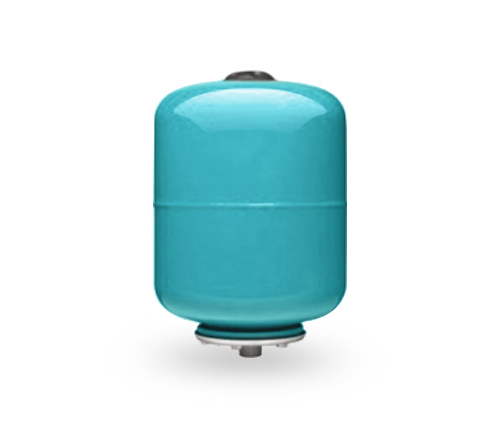
serieswatershortageprotectionvoltagestabilizationstainlesssteelverticalmultistagepump.jpg "EVR(S) Series Water Shortage Protection Voltage Stabilization Stainless Steel Vertical Multistage Pump")
edwina@edwin-pump.com
+86-13586290903 (WhatsApp)
Xuri Gongliang Cutting Tool Entrepreneurship Park, Wenqiao Town, Wenling City, Taizhou City, Zhejiang Province, China

High Performance Smart Pump Factory


 English