edwina@edwin-pump.com

View All Products
en
Reliable drainage is essential wherever unwanted water can interrupt production, damage property, or create unsafe working conditions. Agricultural fields, construction areas, livestock facilities, gardens, basements, utility spaces, and urban water points all require equipment that can remove accumulated water efficiently and safely. The Submersible Sewage Pump SPP100C is designed for this type of practical water-management work. Its compact submersible construction, copper-wound motor, built-in thermal protection, IPX8 protection class, and broad application range make it a useful solution for irrigation, drainage, household water supply, and the removal of industrial or construction-site water.
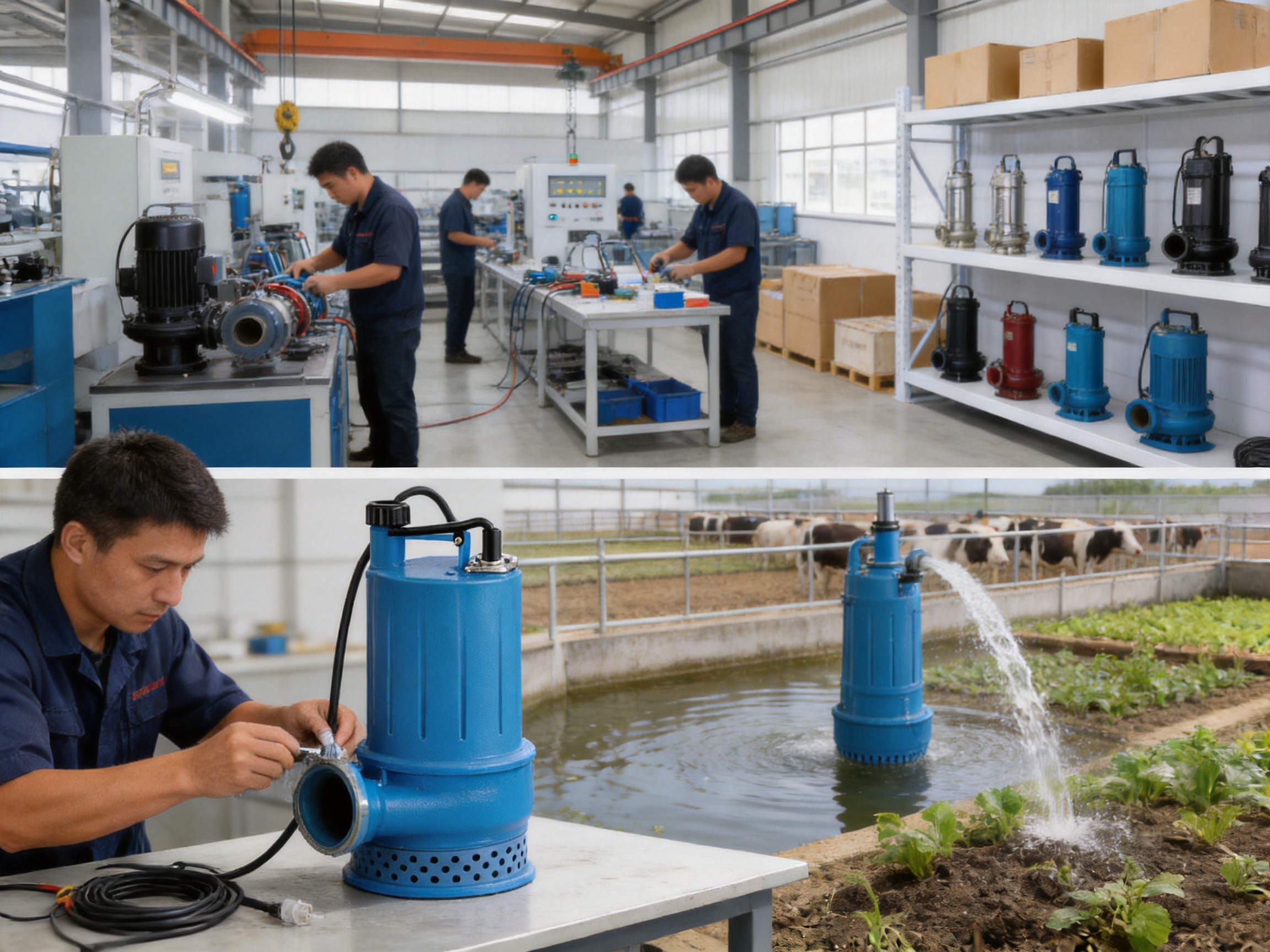
Manufactured by Taizhou Edwin Electric Co., Ltd., the SPP100C reflects the company’s experience in pump research, production, and international supply. Since its establishment in 2008, the manufacturer has developed product lines covering deep well pumps, submersible pumps, domestic booster pumps, circulation pumps, solar water pumps, and intelligent booster pumps. This broad product knowledge supports a practical approach to pump design: selecting dependable materials, protecting the motor against common operating risks, and producing equipment suitable for different working environments.
This article examines the SPP100C in detail. It explains its operating concept, main construction features, suitable applications, safety advantages, maintenance requirements, selection considerations, and the manufacturing strengths behind the product. It also compares the pump’s practical value with that of basic drainage pumps, while avoiding unsupported claims about performance values that depend on the final motor configuration, electrical supply, pipework, and operating conditions.
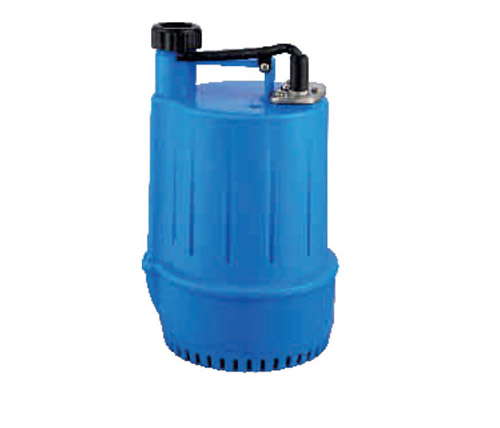
SUBMERSIBLE SEWAGE PUMP SPP100C
The SPP100C is a submersible sewage pump intended for small electrical irrigation and drainage equipment. It is particularly suitable for urban well-water pumping, field irrigation and drainage, garden irrigation, household water supply, and the drainage of accumulated water in industrial, construction, and livestock-breeding locations.
Unlike a surface pump, a submersible pump is positioned directly inside the water being moved. This arrangement reduces the need for a long suction pipe and allows the pump to work close to the lowest point of a tank, pit, well, or flooded area. In many situations, this simplifies installation and helps reduce priming problems. Once the pump is correctly immersed and connected to a suitable discharge line, the pumping process can begin without the same type of manual suction preparation often associated with surface-mounted equipment.
The pump is rated for a maximum immersion depth of 5 meters and a maximum liquid temperature of 40°C. These limits are important when selecting an installation location. The pump should be used in liquid conditions within the stated temperature and immersion range, and the operator should confirm that the liquid composition is compatible with the pump’s intended drainage purpose.
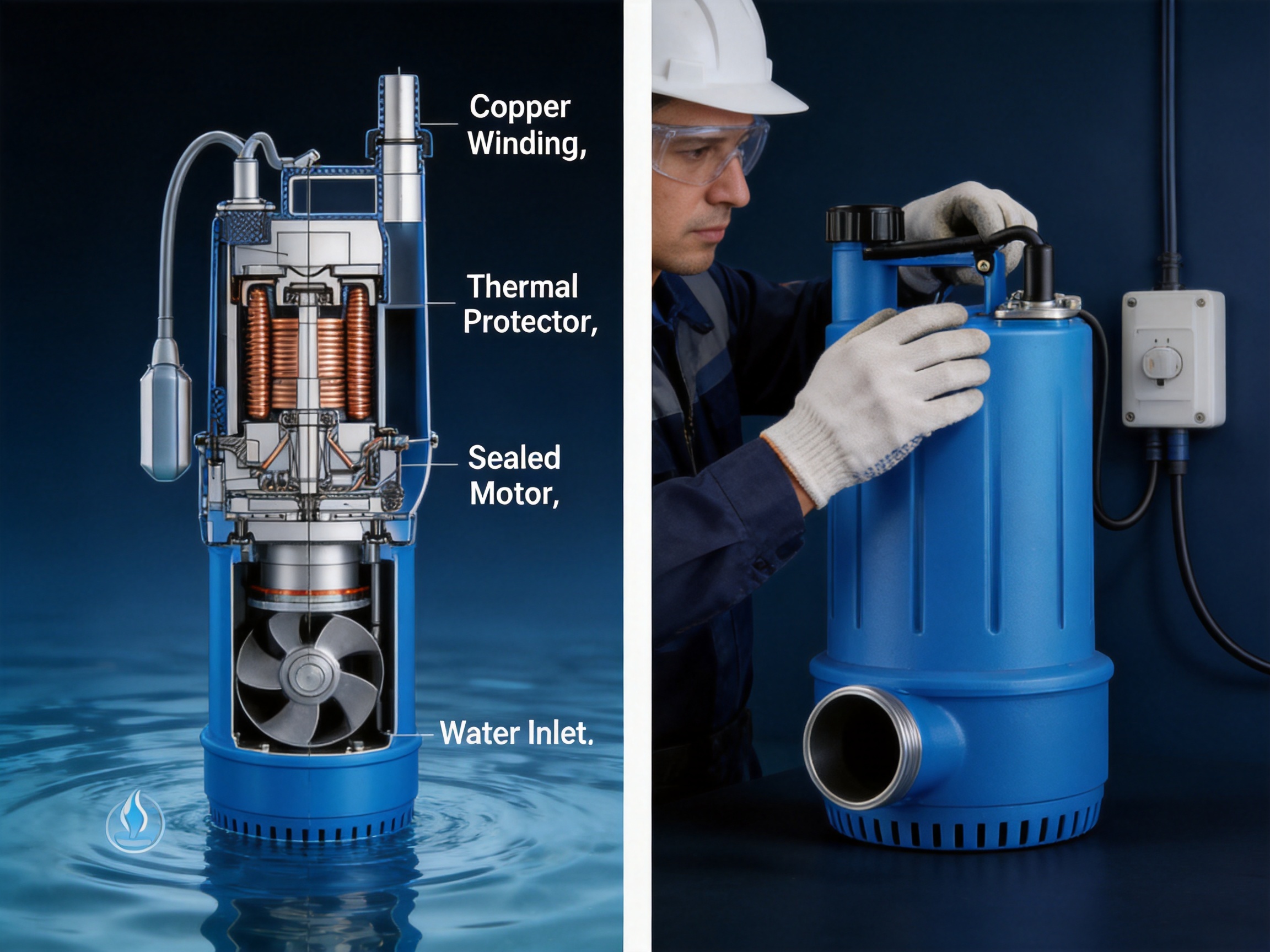
The motor uses copper winding and includes a built-in thermal protector. The copper winding supports dependable electrical conductivity and contributes to stable motor operation. The thermal protector is designed to help safeguard the motor when excessive heat develops, such as during certain overload or abnormal operating conditions. The motor has insulation class B and protection class IPX8, which are important specifications for equipment intended to operate while immersed in water.
| Item | SPP100C Information |
| Product type | Submersible sewage pump |
| Primary function | Small-scale irrigation, water supply, and drainage |
| Maximum immersion depth | 5 meters |
| Maximum liquid temperature | 40°C |
| Motor winding | Copper winding |
| Motor protection | Built-in thermal protector |
| Insulation class | Class B |
| Protection class | IPX8 |
| Typical environments | Fields, gardens, homes, construction sites, livestock facilities, and industrial areas |
The main advantage of a submersible design is that the pump operates at the water source rather than above it. This is especially valuable when water must be removed from a low-lying location, such as a drainage pit, flooded work area, collection tank, or shallow well. The pump does not need to lift water through a long suction line before the pumping process begins. Instead, it pushes water through the discharge pipe toward the required outlet.
This configuration can make the installation more compact. Surface pump systems usually require a dry, stable base, a suction pipe, foot valve or check valve arrangements, and careful attention to suction height. A submersible pump generally requires fewer external suction-side components. This can reduce installation complexity for small drainage tasks and makes the equipment convenient for temporary or seasonal use.
Submersion also helps reduce operating noise in many applications because the motor and pump body are surrounded by water. The surrounding liquid can absorb part of the mechanical sound generated during operation. The exact sound level still depends on the installation, vibration control, pipework, and operating conditions, but the submerged arrangement is often more comfortable for residential or garden use than an exposed surface-mounted pump.
Another advantage is flexibility. The SPP100C can be placed in different water collection points according to the task. It may be used for removing rainwater from a construction area, transferring water for garden irrigation, lowering water in a field, or draining accumulated water from an industrial location. When the task changes, the pump can often be relocated more easily than a permanently installed pumping station.
However, submersible installation must be performed correctly. The pump should not be suspended by its power cable, operated outside the specified immersion depth, or placed in a liquid that exceeds the rated temperature. The discharge hose or pipe should be properly supported, and the electrical connection should be protected from moisture in accordance with local safety requirements.
The motor uses copper winding rather than a lower-conductivity winding material. Copper is widely used in electric motors because it provides effective electrical conductivity and good thermal behavior. A properly manufactured copper winding helps the motor convert electrical energy into mechanical rotation with dependable efficiency under suitable operating conditions.
For a drainage pump, motor reliability is important because the equipment may be used in demanding conditions. The motor can face repeated starting, fluctuating water levels, long operating periods, and changes in hydraulic resistance caused by pipe length or outlet height. Copper winding provides a solid foundation for stable motor construction, although overall performance also depends on winding quality, insulation, bearing design, sealing, rotor balance, and final assembly accuracy.
The built-in thermal protector is one of the SPP100C’s significant safety features. Electric motors can generate excessive heat when overloaded, blocked, operated with inadequate electrical supply, or exposed to abnormal mechanical resistance. If this heat is allowed to continue unchecked, it can shorten insulation life and increase the risk of motor damage.
A thermal protector monitors motor temperature or reacts to excessive heat according to its design. When the temperature reaches a critical level, the protective device can interrupt operation or assist in preventing continued overheating. The specific reset behavior and electrical arrangement should be confirmed in the product documentation supplied for the purchase. The thermal protector is a valuable safeguard, but it does not replace correct installation, proper voltage, suitable cable sizing, or routine inspection.
Insulation class B indicates the thermal category of the motor insulation system. It provides a defined level of resistance to operating temperature within the applicable design standard. For a compact pump motor, insulation quality is essential because the winding is enclosed in a small housing and may experience heat from both electrical operation and the surrounding environment.
Correct use remains important. A motor with Class B insulation should not be treated as suitable for unlimited overload or excessive liquid temperature. The 40°C maximum liquid-temperature specification must be respected, and the pump should be operated within its intended electrical and hydraulic conditions.
IPX8 is appropriate for equipment designed for continuous immersion under conditions specified by the manufacturer. It indicates a high level of protection against water entering the enclosure during immersion. This feature distinguishes a properly designed submersible pump from an ordinary electric motor that is not intended to be placed in water.
IPX8 protection depends on the integrity of the complete product, including seals, cable entry, housing, and assembly. Damage to the power cable, worn seals, unauthorized disassembly, or incorrect repairs can reduce protection. Before every season of use, the operator should inspect the cable, plug, housing, and visible joints. Any sign of cracking, exposed conductor, water entry, or abnormal odor should be treated as a reason to stop operation and arrange professional inspection.
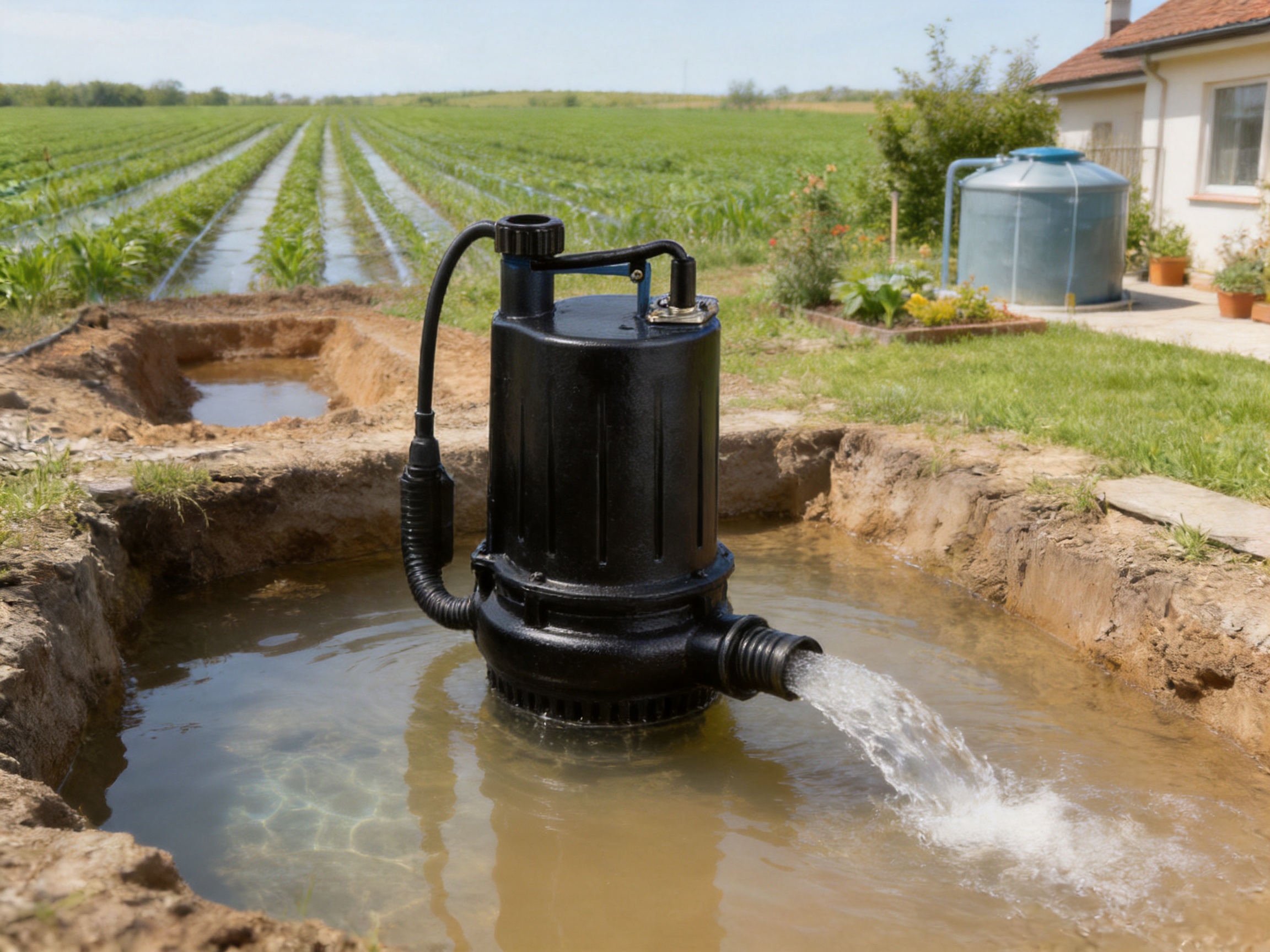
The SPP100C can support small-scale pumping from suitable urban wells or water collection points, provided that the well dimensions, water quality, depth, and electrical conditions are compatible with the pump. Its submersible format allows it to be installed close to the water source and connected to a delivery hose or pipe leading to a storage tank, garden, household service point, or drainage location.
Well-water applications require attention to water clarity and suspended material. The pump should not be assumed to be suitable for every type of heavily contaminated sewage or abrasive slurry. Users should verify the permissible particle characteristics and the required flow and head before selecting the pump for a specific well.
Agricultural users often need equipment that can perform more than one seasonal task. During dry periods, a pump may transfer water from a tank, pond, or collection point for field irrigation. During wet periods, it may help remove excess water from low-lying areas. The SPP100C’s submersible design supports this flexibility.
For irrigation, the discharge line should be selected according to the required distance, elevation, and watering method. A larger or more restrictive pipe can change operating conditions and influence actual delivery. Farmers should consider the distance to the field, the elevation difference, the number of bends, the required watering duration, and the cleanliness of the water before final installation.
For field drainage, the pump should be placed on a stable surface or supported in a way that prevents excessive sediment intake. If mud, sand, stones, leaves, or fibrous matter accumulate around the inlet, flow can be restricted. A simple intake screen or appropriately designed collection area may help, provided that it does not create excessive resistance or become blocked.
Garden owners typically value easy installation, compact size, dependable starting, and convenient storage. The SPP100C can be used for transferring water from a rainwater tank, garden reservoir, or other suitable source. It can support hoses, sprinklers, and small irrigation arrangements when the required flow and pressure fall within the pump’s capability.
Because garden systems are often assembled by non-specialists, safe electrical practice is particularly important. The power supply should include appropriate protection, and all connections should remain away from standing water unless they are specifically rated for the environment. The pump should be removed, cleaned, and stored safely when seasonal conditions or freezing temperatures make operation unsuitable.
The pump can support certain household water-supply tasks, such as transferring water from a storage tank or supplying water to an outdoor service point. It may be useful for garden taps, cleaning, non-potable utility water, or other applications that do not require a certified drinking-water system.
Users should confirm whether the intended water is suitable for human consumption before using any pump in a potable-water installation. Product suitability depends on materials, local regulations, hygiene requirements, and certification. A general drainage pump should not automatically be treated as a drinking-water pump.
Industrial facilities may experience accumulated water in service areas, pits, storage spaces, or temporary work zones. The SPP100C can provide a practical drainage option for small-scale water removal where the liquid temperature and composition fall within the applicable limits.
Industrial liquids may contain oil, chemicals, abrasive particles, or contaminants that are not suitable for a standard water pump. Before deployment, the user should identify the liquid, confirm compatibility with the pump’s materials, and determine whether special seals, corrosion-resistant construction, or hazardous-area certification is required. The pump should not be used for aggressive chemicals or flammable liquids unless the manufacturer has specifically approved that service.
Construction sites frequently need to remove rainwater, groundwater, or accumulated water from excavations and low points. A portable submersible pump can be moved as the work area changes. The SPP100C’s maximum immersion depth of 5 meters provides a defined operating boundary for suitable shallow or moderately deep drainage locations.
Livestock facilities may need water removal from washing areas, service spaces, or drainage points. Hygiene, solids, and liquid composition must be considered carefully. The presence of straw, bedding, hair, feed residue, or fibrous waste may affect pump suitability. A pre-screening arrangement and frequent cleaning may be necessary, but users should first confirm that the pump is designed for the anticipated solids content.
The SPP100C offers several practical advantages when compared with simple, lightly protected drainage pumps. These advantages arise from its intended submersible construction and specified motor features rather than from unverified performance claims.
A basic surface drainage pump must normally remain outside the water and rely on suction piping. The SPP100C is designed to work inside the water, with IPX8 protection supporting submerged operation. This can simplify the water-side installation and reduce the chance of suction-line air problems.
Some entry-level pumps may not include an integrated thermal protection device. The SPP100C includes a built-in thermal protector, giving it an additional layer of protection against excessive motor temperature. This is particularly valuable in applications involving repeated operation or changing water conditions.
The copper winding provides a dependable motor foundation and is a meaningful feature for buyers comparing construction quality. While winding material alone does not determine total pump performance, copper winding combined with appropriate insulation, sealing, rotor balance, and quality control can support stable operation over the product’s service life.
Many specialized pumps are designed for one narrow purpose. The SPP100C is positioned for a wider range of small irrigation, water-transfer, and drainage tasks. This can reduce the need for different pumps across a farm, garden, workshop, or small construction operation, provided that each application remains within the pump’s technical limits.
The stated maximum immersion depth of 5 meters and maximum liquid temperature of 40°C provide clear selection guidance. Defined boundaries help users avoid applying the pump in conditions that exceed its intended design. A product is easier to specify when the buyer can compare the installation depth and liquid temperature with published limits.
The manufacturer produces multiple categories of water pumps, including deep well pumps, submersible pumps, booster pumps, circulation pumps, solar water pumps, and intelligent booster pumps. This product range indicates experience across different hydraulic systems and customer requirements. For distributors and project buyers, a broad product portfolio can also support coordinated procurement and product matching.
The SPP100C is part of a broader manufacturing program rather than an isolated product. Taizhou Edwin Electric Co., Ltd. was founded in 2008 and operates as an integrated enterprise covering independent research and development, mass production, and global export. This structure allows product design, manufacturing planning, inspection, packaging, and international supply to be coordinated within a connected business system.
Independent research and development is important in pump manufacturing because reliable operation depends on the relationship between hydraulic design, motor power, sealing, materials, and application requirements. A manufacturer with its own development capability can adjust product details according to market feedback, installation practices, and regional demand.
For the SPP100C, development priorities can be understood through its practical configuration: submersible operation, copper winding, thermal protection, Class B insulation, and IPX8 protection. These features address the main operating risks associated with compact electric drainage pumps, including water exposure, heat, and repeated field use.
Mass production is more than simply making a larger number of pumps. It requires repeatable processes for component preparation, winding, assembly, sealing, electrical connection, inspection, and packaging. Consistency is essential because a pump’s reliability depends on small details repeated across every unit.
A capable production system should control the fit of motor components, the quality of winding placement, the condition of insulation materials, the compression of seals, and the positioning of the power cable. Production documentation and inspection procedures help reduce variation between units and support stable product quality for distributors and project customers.
The motor is the central energy-conversion component of the pump. Copper winding must be formed, placed, insulated, and connected correctly. Manufacturing control should include attention to winding uniformity, connection strength, insulation integrity, and final electrical testing.
Because the SPP100C includes a built-in thermal protector, the protective component must also be positioned and connected correctly within the motor system. A reliable manufacturing process verifies that the protector can perform its intended function without compromising insulation or mechanical assembly.
Submersible equipment depends heavily on sealing quality. The pump housing, cable entry, motor enclosure, and other joints must work together to limit water penetration during immersion. IPX8 protection is therefore not the result of one component alone; it reflects the integrity of the assembled product.
Manufacturing controls should include inspection of sealing surfaces, gasket placement, cable entry, fastener tightening, and final housing condition. Careful assembly helps preserve waterproof performance during normal use. Packaging also matters because impact during transport can damage housings or cable entries before the pump reaches the installation site.
The manufacturer’s product portfolio includes pumps for deep wells, submersible applications, household boosting, circulation, solar pumping, and intelligent water systems. Different categories require different design considerations. Deep well pumps must work at greater depths, circulation pumps must support heating and cooling systems, and intelligent booster pumps require control integration.
This range creates useful technical synergy. Experience with multiple pump types can improve understanding of motor protection, water-system behavior, energy use, application matching, and customer support. It also enables the company to serve customers seeking one-stop procurement rather than purchasing every pump category from a separate supplier.
In addition to production, the company has developed related import, export, procurement, order-tracking, delivery, and foreign-trade service capabilities through associated business entities. For international buyers, these services can be as important as the product itself. Clear communication, order coordination, documentation, packaging control, and shipment planning help reduce delays and misunderstandings.
Customers purchasing the SPP100C in volume should request the relevant technical documents, packaging details, electrical configuration, inspection information, spare-parts policy, and warranty terms before placing an order. A professional export process should make these requirements easier to coordinate.
Correct installation is essential for obtaining reliable service from any submersible pump. The following guidance should be used together with the manufacturer’s specific instructions and local electrical regulations.
Before installation, identify the liquid to be pumped. Confirm that its temperature does not exceed 40°C and that its chemical composition, solids content, and viscosity are suitable. The word “sewage” can describe different liquid conditions, so the user should not assume that every sewage stream is appropriate without checking particle size and composition.
The maximum immersion depth is 5 meters. Measure the actual position of the pump below the water surface, not only the depth of the pit or tank. If the pump will be installed in a location where water levels fluctuate, calculate the maximum possible immersion depth and maintain a safe margin below the stated limit.
Use a discharge pipe or hose suitable for the water, pressure, and operating environment. Keep unnecessary bends to a minimum because excessive resistance can reduce delivery and increase motor load. Secure the discharge line so that its weight does not pull on the pump outlet or cause unstable movement.
Use an appropriate power supply and protective device. The electrical installation should be completed by a qualified person where required by local regulations. Do not handle the plug, cable, or pump with wet hands while the equipment is energized. Disconnect the power before moving the pump, clearing an obstruction, or performing any maintenance.
Place the pump on a stable surface where possible. Avoid positioning it directly in loose mud or deep sediment, as this can restrict the inlet and increase wear. If the pump is installed in a narrow pit, make sure it can be removed safely and that the discharge pipe does not interfere with the power cable.
After installation, conduct a controlled test. Check that water flows in the expected direction, the discharge line remains secure, the motor starts normally, and there is no unusual vibration, odor, or noise. Monitor the water level and ensure the pump does not operate in a condition that could expose it to unsuitable conditions.
Routine maintenance can extend service life and reduce unexpected downtime. The maintenance schedule should reflect the cleanliness of the water, operating frequency, and environment.
After use in muddy or dirty water, rinse the exterior with clean water where appropriate. Remove deposits from the inlet area and inspect for leaves, fibers, stones, or other material. Do not open the motor housing unless the work is performed by an appropriately trained technician.
Inspect the power cable regularly. Look for cuts, flattened sections, abrasion, exposed conductors, or damage near the cable entry. A damaged cable can create a serious electrical hazard, especially when the pump is immersed. Do not repair damaged insulation with an informal tape wrap and continue operating without professional assessment.
Check the discharge hose or pipe for cracks, blockage, or loose connections. A restricted line can alter operating conditions and place unnecessary load on the pump. If water output decreases, first inspect the line, intake area, water level, and electrical supply before assuming that the motor has failed.
Store the pump in a clean and dry location when it is not required. Protect it from freezing conditions, direct mechanical impact, and contamination. If the pump has been used in wastewater or industrial water, follow appropriate hygiene and decontamination procedures before storage or transport.
Abnormal noise, excessive vibration, repeated thermal trips, slow starting, burning odor, or visible water entry should be treated as warning signs. Stop the pump, isolate the power, and arrange an inspection. Continuing to operate a pump with these symptoms can increase repair costs and create safety risks.
The SPP100C is suitable for many small-scale tasks, but responsible selection requires more than matching the product name to the application. Buyers should evaluate the full pumping system.
First, determine the required flow rate. How much water must be removed or transferred within a given period? A drainage task involving a large flooded area may require a different pump size or multiple pumps. A small garden tank may require less capacity.
Second, determine the total delivery head. This includes the vertical lift from the water surface or pump position to the discharge point, plus friction losses through the pipe, hose, valves, and fittings. A pump may appear suitable based on distance alone but fail to deliver the desired result if the elevation and friction are too high.
Third, evaluate water quality. Clear water, rainwater, agricultural drainage, household wastewater, and industrial liquids can have very different effects on pump materials and passageways. Suspended solids, sand, fibrous matter, oils, and chemicals should all be considered.
Fourth, verify the electrical supply. Voltage, frequency, phase, cable length, plug type, circuit protection, and local installation rules must match the ordered configuration. These details are not provided in the basic product information and should be confirmed before purchase.
Fifth, consider operating frequency. Occasional emergency drainage, seasonal field irrigation, and continuous commercial service place different demands on the equipment. A buyer who expects long daily operation should discuss the duty cycle and application with the supplier.
| Selection Question | Why It Matters | Recommended Action |
| What liquid will be pumped? | Liquid temperature, chemicals, and solids affect compatibility. | Describe the liquid accurately and confirm suitability. |
| How deep will the pump be immersed? | The stated maximum immersion depth is 5 meters. | Measure the deepest operating position. |
| What flow is required? | Capacity determines how quickly drainage or transfer can be completed. | Estimate the required volume per hour or per minute. |
| What is the delivery height? | Vertical lift and pipe friction influence actual output. | Calculate total dynamic head before selection. |
| What is the electrical supply? | Incorrect voltage or protection can damage the motor or create hazards. | Confirm the exact electrical configuration with the supplier. |
| How often will it operate? | Duty cycle affects product suitability and maintenance planning. | Explain the expected daily and seasonal workload. |
For distributors, the SPP100C has a clear market position. It addresses common water-management needs without being limited to one narrow industry. The same product category can serve agricultural users, household customers, garden suppliers, construction contractors, livestock facilities, and small industrial operations.
A broad application range can simplify inventory planning. Instead of stocking separate basic pumps for every small drainage task, a distributor may be able to offer a dependable submersible option with defined protection features. Product education remains important, however. Sales teams should explain the 5-meter immersion limit, 40°C temperature limit, electrical requirements, and water-quality considerations clearly.
For project buyers, the manufacturer’s integrated production and export capabilities can support larger purchasing programs. Buyers may request technical data, inspection arrangements, packaging specifications, spare-parts support, and shipping coordination as part of the procurement process. These details help ensure that the pump is evaluated as part of a complete supply solution rather than as an isolated item.
The manufacturer’s wider range of water pumps also creates opportunities for system-based purchasing. A customer may require a submersible pump for drainage, a deep well pump for groundwater, a booster pump for pressure improvement, or a circulation pump for an HVAC system. Access to several product categories can simplify communication and supplier management.
Product sustainability begins with reliable service. A pump that operates consistently, receives proper maintenance, and remains suitable for its intended application can reduce premature replacement and unnecessary resource use. The SPP100C’s copper winding, thermal protection, and immersion-rated construction support a durability-oriented design approach.
Efficient operation also depends on correct sizing. A pump that is too small may run excessively or fail to meet the required drainage time. A pump that is unnecessarily large may consume more energy than needed or create difficult flow conditions. Buyers should therefore select the pump according to actual flow, head, liquid, and duty requirements.
Preventive maintenance contributes to sustainability. Cleaning the intake, checking the cable, inspecting the discharge line, and correcting abnormal operation can reduce avoidable failures. Proper installation also prevents energy waste caused by blocked inlets, undersized hoses, excessive bends, or unsuitable operating conditions.
A professional product evaluation should include limitations as well as advantages. The available product information does not specify the pump’s exact power rating, voltage, frequency, flow curve, maximum head, outlet size, solids passage, or cable length. These values can be essential for final system design and should be requested from the supplier before purchase.
The pump should not be treated as a universal solution for every sewage or industrial-liquid application. Highly abrasive slurry, corrosive chemicals, flammable liquids, very hot water, large solids, and hazardous environments may require specialized equipment. The product’s intended use must be confirmed against the actual liquid and site conditions.
The stated IPX8 protection class supports submerged operation, but it does not eliminate the need for safe electrical installation. Water-resistant equipment can still be dangerous if the cable is damaged, the circuit lacks suitable protection, or the operator handles energized components improperly.
Finally, thermal protection is an important safety feature but not a substitute for correct sizing. Repeated thermal trips indicate that the operating conditions should be investigated. The cause may be blockage, excessive head, incorrect voltage, insufficient cooling, mechanical wear, or an unsuitable duty cycle.
The SPP100C is designed for small electrical irrigation and drainage work. Typical uses include urban well-water pumping, field irrigation and drainage, garden irrigation, household utility-water transfer, and removal of accumulated water from industrial, construction, and livestock areas.
Yes. It is a submersible pump with IPX8 protection, intended for operation while immersed under the conditions specified by the manufacturer. The installation must remain within the maximum immersion depth of 5 meters, and the pump, cable, and seals must be in good condition.
The maximum stated liquid temperature is 40°C. The pump should not be used for hotter liquids unless the manufacturer has approved a different configuration.
Copper provides good electrical conductivity and is widely used for dependable motor winding construction. It supports stable energy conversion when combined with proper insulation, assembly, sealing, and quality control.
The thermal protector helps protect the motor when excessive heat develops during abnormal or overloaded operation. It is an additional safety feature, but users must still provide correct electrical protection and operate the pump within its intended conditions.
Not automatically. Suitability for drinking water depends on material safety, hygiene requirements, certification, and local regulations. The user should obtain specific confirmation before using the pump in a potable-water system.
No pump should be assumed to handle every sewage stream. The user must confirm solids size, fibrous content, chemical composition, temperature, and viscosity. Heavy sludge, abrasive materials, or corrosive liquids may require a specialized sewage or slurry pump.
Buyers should confirm required flow, total delivery head, immersion depth, liquid temperature, water quality, electrical supply, discharge connection, operating frequency, and local installation requirements. Exact performance data should be requested from the supplier.
Use it within the specified limits, keep the intake clear, inspect the cable and discharge line, avoid dry or abnormal operation, clean the pump after dirty-water use, and arrange professional service if unusual noise, vibration, odor, or repeated thermal protection occurs.
The manufacturer combines independent research and development, mass production, global export experience, and a broad pump portfolio. Its related procurement and foreign-trade service capabilities also support order tracking, delivery coordination, and one-stop purchasing for international customers.
The Submersible Sewage Pump SPP100C is a practical water-management solution for small irrigation, drainage, and water-transfer duties. Its direct-immersion design simplifies many installations, while the 5-meter maximum immersion depth and 40°C maximum liquid temperature establish clear operating boundaries. The copper-wound motor, built-in thermal protector, Class B insulation, and IPX8 protection provide a well-considered foundation for dependable service in suitable environments.
Compared with basic drainage equipment, the SPP100C offers meaningful advantages in submerged operation, motor protection, construction quality, and application flexibility. Its value is especially clear for farms, gardens, construction sites, livestock facilities, households, and small industrial locations that need a compact pump for changing drainage and irrigation tasks.
The product is supported by a manufacturer with experience in pump research, mass production, export, and multiple water-pump categories. This manufacturing background can benefit buyers seeking consistent supply, technical coordination, and access to related pump solutions. At the same time, responsible selection remains essential. Users should confirm performance data, electrical specifications, solids compatibility, and liquid-material compatibility before final installation.
When correctly matched to the application and maintained according to proper procedures, the SPP100C can provide a dependable and versatile solution for everyday water removal and transfer. Its combination of submersible convenience, protective motor features, and broad application potential makes it a strong candidate for customers seeking practical drainage equipment from an experienced pump manufacturer.
1. Taizhou Edwin Electric Co., Ltd. Product information for the Submersible Sewage Pump SPP100C.
2. Taizhou Edwin Electric Co., Ltd. Corporate information and product portfolio materials.
3. International Electrotechnical Commission. Degrees of Protection Provided by Enclosures for Electrical Equipment.
4. International Electrotechnical Commission. Rotating Electrical Machines: Rating and Performance Principles.
5. Hydraulic Institute. Pump Application and System-Selection Principles.
6. National Fire Protection Association. Electrical Safety Principles for Pump and Motor Installations.
7. General manufacturer guidance for submersible pump installation, inspection, and maintenance.
edwina@edwin-pump.com
+86-13586290903 (WhatsApp)
Xuri Gongliang Cutting Tool Entrepreneurship Park, Wenqiao Town, Wenling City, Taizhou City, Zhejiang Province, China

High Performance Smart Pump Factory


 English