edwina@edwin-pump.com

View All Products
en
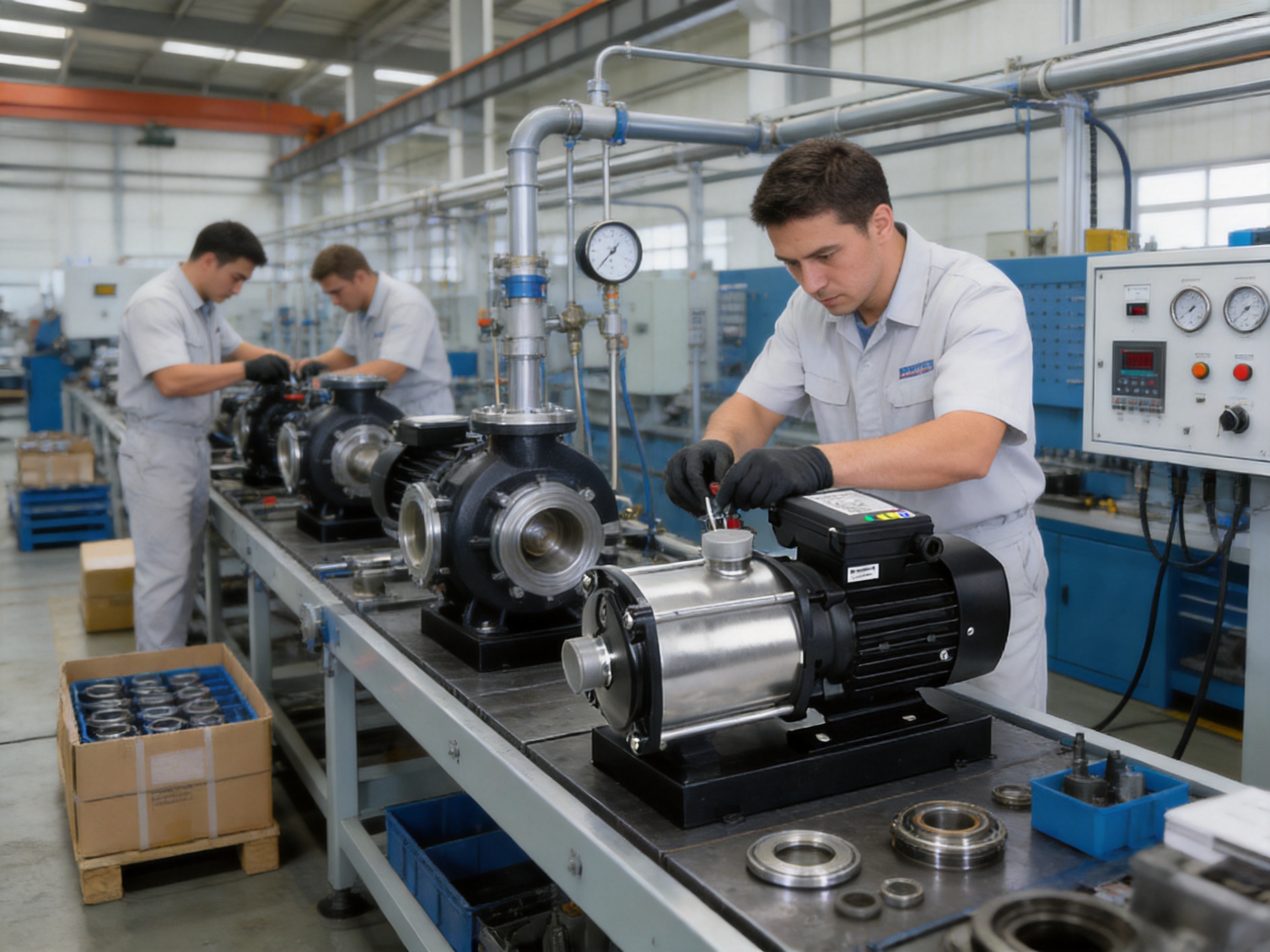
Reliable water movement is essential in industrial processing, building services, heating and cooling systems, water treatment, irrigation support, and commercial water supply. In many of these applications, the pump must do more than simply transfer water. It must provide stable pressure, operate efficiently for extended periods, tolerate demanding working conditions, and remain easy to install and maintain. The EMI Series Self-Suction Cast Iron Horizontal Multistage Pump is designed to address these requirements through a compact horizontal structure, multiple impeller stages, self-suction capability, and a robust cast iron construction.
This series combines the pressure-building advantages of a multistage pump with the practical convenience of a self-suction design. It is available in a broad selection of models, with rated flows from approximately 1 to 20 cubic meters per hour and rated heads extending from approximately 8.5 to 63 meters, depending on the model. Motor power options range from 0.25 kW to 4 kW in the listed range, allowing users to select a pump according to the required duty point rather than relying on a single oversized configuration.
The pump is suitable for water boosting, industrial cleaning, water treatment, heating and cooling circulation, air-conditioning systems, soft-water heater devices, fertilization and metering systems, and the transfer of drinking water or lightly chlorinated water. Its horizontal arrangement helps simplify installation, while its multistage hydraulic design allows the pump to produce useful pressure without requiring an excessively large motor or footprint.
Manufactured by Taizhou Edwin Electric Co., Ltd., the pump benefits from the capabilities of a company with experience in independent research and development, mass production, export operations, and water-pump product integration. The manufacturer’s broader portfolio includes deep well pumps, submersible pumps, domestic booster pumps, circulation pumps, solar water pumps, intelligent booster pumps, and other water-treatment-related products. This product breadth supports a practical understanding of different water-supply environments and customer requirements.
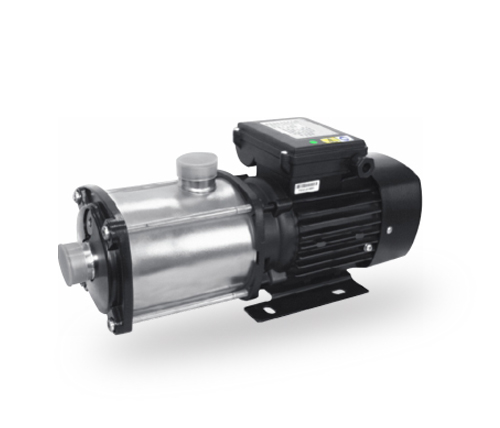
EMI Series Self-suction Design Cast Iron Horizontal Multistage Pump
The EMI Series is a cast iron horizontal multistage pump with a self-suction design. The pump body and support use HT200 cast iron in the stated material schedule, while the impeller is made from stainless steel. The mechanical seal is specified as carbon and ceramic, and the motor case uses aluminum. These material choices balance structural strength, corrosion resistance in suitable water applications, weight control, and cost efficiency.
The main function of a multistage pump is to generate higher pressure by arranging multiple impellers and diffusers in series. Each stage adds energy to the liquid, so the final discharge pressure is greater than that of a comparable single-stage pump operating with a similar motor size. This makes the series suitable for applications where water must be delivered to elevated levels, pushed through long pipe runs, or maintained at a stable pressure during process operation.
The self-suction structure is another important feature. A self-suction pump is designed to evacuate air from the suction line and assist in establishing liquid flow after suitable initial preparation. This can simplify operation in installations where the pump is positioned above the liquid source or where the suction pipeline may contain air. Correct installation remains essential: the suction pipe must be properly sealed, the pump must be filled or primed according to the operating instructions, and the maximum suction condition must not be exceeded.
The EMI-(T) designation is associated with heating and cooling type applications. The pump can therefore be considered for water-based HVAC systems, industrial temperature-control loops, air-conditioning circulation, and related process systems. Application suitability depends on water quality, temperature, system pressure, chemical compatibility, and the specific model selected.
The pump combines several characteristics that are valuable in commercial and industrial installations:
1. Horizontal configuration: The motor and hydraulic assembly are arranged horizontally, supporting convenient installation on a base, equipment platform, or service area.
2. Multistage hydraulic design: Several impellers work together to produce higher head and pressure than a basic single-stage pump.
3. Self-suction function: The design helps the pump establish suction under suitable conditions and can reduce operational inconvenience caused by air in the suction line.
4. Cast iron construction: HT200 cast iron provides a rigid pump body and support for general water-service applications.
5. Stainless-steel impeller: The stainless-steel impeller improves resistance to ordinary water-related corrosion compared with less resistant materials.
6. Broad model selection: The series includes low-flow, medium-flow, and higher-flow models, with different head and motor-power combinations.
7. Single-phase and three-phase options: The motor range includes single-phase supplies of 220–240 V or 110–120 V at 50 Hz and three-phase supplies of 380–415 V at 50 Hz, subject to model and availability.
A pump converts mechanical energy from the motor into hydraulic energy. As the motor rotates the shaft and impellers, water enters the first impeller, gains velocity and pressure, and then passes through a diffuser or flow-guiding section. The water subsequently enters the next impeller, where additional energy is added. The process continues through the required number of stages until the liquid reaches the discharge outlet.
This arrangement gives the EMI Series an important advantage over many conventional single-stage pumps. When a system requires increased pressure, a single-stage pump may need a larger impeller, a higher motor speed, or a substantially larger pump body. A multistage design can achieve the required head through several compact hydraulic stages. This may help reduce the overall equipment footprint and provide a more controlled solution for pressure-sensitive systems.
Multistage pumps are especially useful where the required flow is moderate but the required head is relatively high. Typical examples include building water boosting, washing systems, process-water transfer, boiler-feed support within suitable pressure and temperature limits, and long-distance water conveyance in industrial facilities.
The hydraulic design also provides flexibility. The listed EMI models cover different nominal flow groups, including approximately 1, 2, 3, 4, 5, 8, 10, 12, 16, and 20 cubic meters per hour. Within each group, the number of stages and motor power can be selected to reach a higher or lower rated head. This model structure gives system designers more opportunities to match pump performance with actual demand.
Pump selection should begin with the required flow rate and total dynamic head. Flow is the quantity of liquid that must be delivered over a given time. Head represents the energy required to raise the liquid, overcome pipe friction, and maintain the pressure needed at the point of use. The selected pump should operate near an efficient region of its performance curve rather than at an extreme end of the operating range.
For example, a system requiring approximately 2 cubic meters per hour at a moderate pressure may be considered for a model in the EMI2 group. A building or process line requiring approximately 10 cubic meters per hour can be evaluated within the EMI10 range, while a larger circulation or transfer requirement may lead to consideration of EMI16 or EMI20 models. The final selection must be verified against the detailed pump curve, actual pipe layout, water temperature, suction conditions, and duty cycle.
It is also important to distinguish rated head from maximum shut-off head. The technical table provides rated head at a stated rated flow, not a guarantee that the pump will provide the same head under every operating condition. System designers should request the relevant performance curve and confirm the operating point before ordering.
Air in a suction line can interrupt normal pump operation, reduce flow, increase noise, and cause mechanical stress. A self-suction pump is designed to help remove air from the suction passage and establish a liquid column. This is useful in installations where the water source is below the pump, where the pump cannot be installed directly beneath a storage tank, or where the suction piping arrangement makes manual priming inconvenient.
The self-suction function can reduce commissioning time when the installation is completed correctly. It may also improve convenience in systems that experience occasional loss of prime. However, self-suction should not be interpreted as permission to operate the pump dry. The pump still requires appropriate priming and must be protected from prolonged operation without sufficient liquid. A properly sized suction line, reliable foot valve or check valve where needed, and leak-free pipe connections are essential for stable operation.
Compared with a standard non-self-priming horizontal multistage pump, the EMI Series may provide greater installation flexibility. It can be considered for equipment rooms, small process systems, water-treatment skids, booster units, and other locations where the pump position is not directly below the liquid source. This practical advantage can reduce the need for additional priming equipment or complicated operating procedures.
The pump body and support are made from HT200 cast iron according to the supplied materials table. Cast iron is widely used in pump construction because it offers good rigidity, vibration resistance, machinability, and cost efficiency. A rigid housing helps maintain alignment between the rotating assembly and stationary hydraulic components, which is important for service life and operating stability.
The stainless-steel impeller provides a useful balance between hydraulic performance and resistance to ordinary water corrosion. The impeller is one of the most important wetted components because it transfers energy directly to the liquid. Stainless steel is suitable for many clean-water, lightly chlorinated-water, heating-water, and cooling-water applications, provided that the liquid chemistry remains within acceptable limits.
The mechanical seal is specified as carbon and ceramic. Mechanical seals are designed to limit leakage along the rotating shaft while allowing the shaft to turn continuously. Carbon and ceramic seal faces are common in water-pump applications because they can provide reliable sealing when the liquid is clean and the pump is operated within its specified temperature and pressure range.
The aluminum motor case contributes to heat dissipation and helps control the overall weight of the motor assembly. The motor cover is listed as cast iron, while the fan is made from PP. Together, these components form a motor structure intended for continuous mechanical operation in suitable environmental conditions.
Material selection should always be matched to the liquid. The pump is intended primarily for water and compatible water-based liquids. Strong acids, aggressive solvents, abrasive slurries, high-concentration chemicals, and liquids containing significant solid particles may require a different pump design or special materials. If the density or viscosity of the liquid is higher than that of water, a higher-power motor may be required.
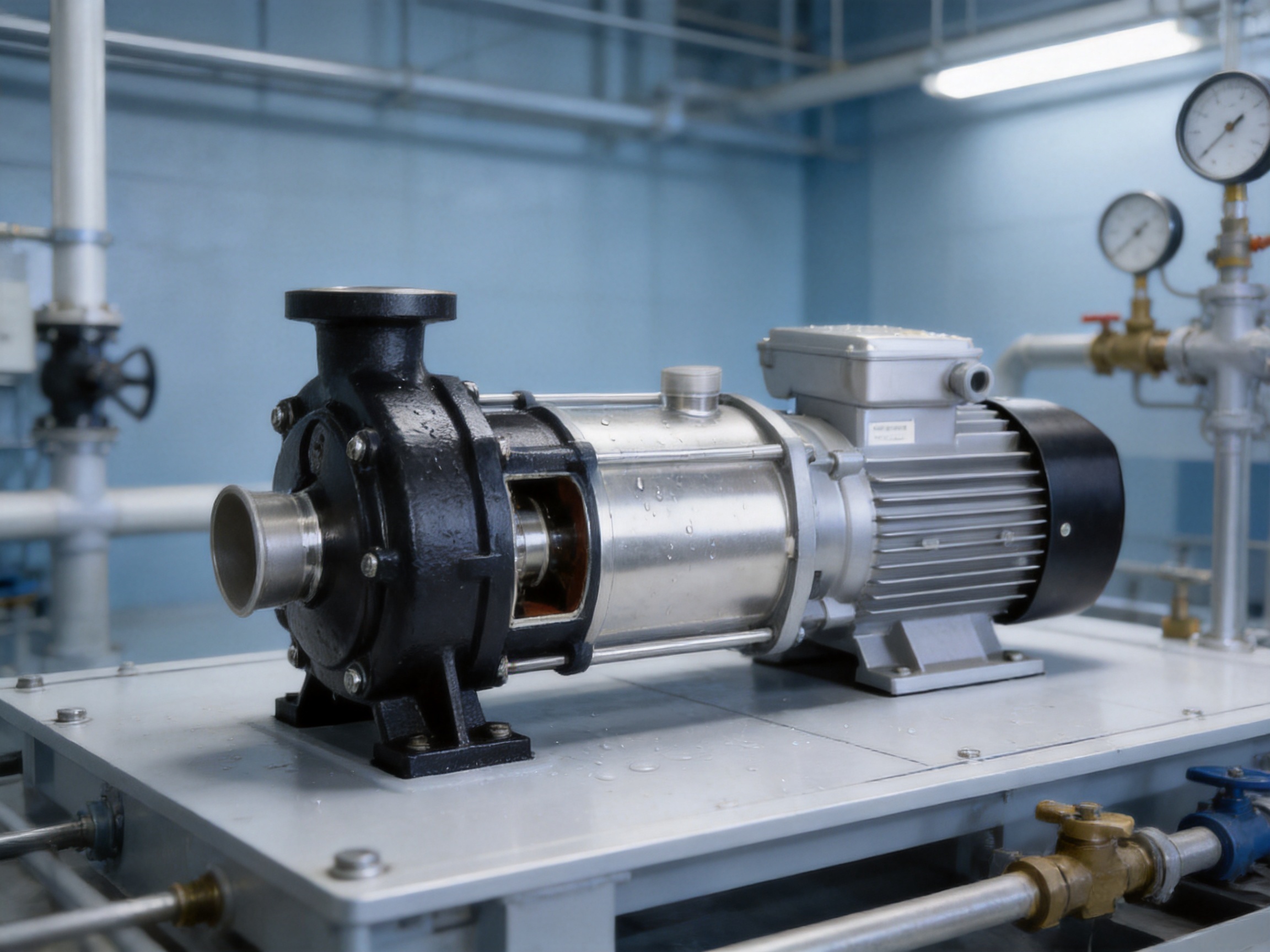
The EMI Series offers a wide model range. The following table summarizes representative models from the supplied technical information. It is intended as a selection reference rather than a substitute for the complete performance curve or final engineering confirmation.
| Model | Power (kW) | Rated Head (m) | Rated Flow (m³/h) | Maximum Suction (m) | Gross Weight (kg) |
|---|---|---|---|---|---|
| EMI1-2(T) | 0.25 | 18 | 1 | 5 | 7.6 |
| EMI1-7(T) | 0.55 | 53 | 1 | 5 | 10 |
| EMI2-2(T) | 0.25 | 18 | 2 | 5 | 7.4 |
| EMI2-7(T) | 1.00 | 57 | 2 | 5 | 13 |
| EMI3-2(T) | 0.25 | 15 | 3 | 5 | 7.4 |
| EMI4-7(T) | 1.10 | 53 | 4 | 5 | 15 |
| EMI5-7(T) | 1.10 | 45.5 | 5 | 5 | 15 |
| EMI8-25(T) | 1.50 | 30 | 8 | 5 | 16 |
| EMI8-35(T) | 2.20 | 42 | 8 | 5 | 22 |
| EMI10-3(T) | 2.20 | 38 | 10 | 5 | 22 |
| EMI12-30T | 3.00 | 40 | 12 | 5 | 26 |
| EMI16-30(T) | 2.20 | 30 | 16 | 5 | 22 |
| EMI20-40T | 4.00 | 42 | 20 | 5 | 28 |
Across the supplied models, the maximum suction value is generally listed as 5 meters, while some model variants show different values in the technical table. Users should verify the precise suction capability of the selected model before installation, especially where the static lift is significant.
The model range also includes B-type variants in certain flow groups, such as EMI8-10B(T), EMI8-20B(T), EMI8-30B(T), EMI8-40B(T), EMI8-50B(T), and related EMI12 models. These variants provide additional choices for head, flow, and motor power. Model codes should be confirmed with the manufacturer because suffixes can identify hydraulic configurations, voltage versions, temperature applications, or other production specifications.
The EMI Series can support water-treatment processes that require clean-water transfer, pressure boosting, filtration-system supply, or circulation between treatment stages. Its multistage configuration is useful where equipment such as filters, membranes, dosing assemblies, or elevated storage tanks creates additional pressure requirements.
For water-treatment applications, the pump should be installed downstream or upstream of filtration equipment according to the water quality and the manufacturer’s recommendations. If suspended solids, abrasive particles, or aggressive chemicals are present, additional filtration or a specially selected pump may be required.
Industrial cleaning systems often need stable pressure for spray nozzles, washing stations, equipment cleaning, and process-area sanitation. The multistage design can deliver the pressure required by these systems while offering a relatively compact footprint. Different EMI models allow the user to select a lower-flow high-head pump or a higher-flow model according to the number of cleaning points and nozzle requirements.
When cleaning chemicals are used, compatibility must be evaluated carefully. The standard cast iron and stainless-steel configuration is primarily intended for compatible water-based service. Chemical concentration, temperature, exposure duration, and cleaning frequency can all affect component life.
The heating and cooling type is suitable for water circulation in industrial process loops, air-conditioning systems, heater devices using soft water, and other temperature-control applications. Stable circulation is important for transferring heat efficiently, preventing localized overheating, and maintaining consistent operating conditions throughout a system.
The pump should be selected according to the system temperature, pressure, flow resistance, and expansion conditions. The stated environmental temperature is no more than 50°C, but environmental temperature and pumped-liquid temperature are separate considerations. The allowable liquid temperature must be confirmed for the specific model and seal arrangement.
Commercial and industrial HVAC systems frequently require pumps to circulate chilled water, heating water, or treated water through coils and heat exchangers. A horizontal multistage pump can be installed in a plant room or equipment package where moderate flow and elevated pressure are required.
The self-suction arrangement may be valuable during commissioning or in systems where the pump is not positioned below the expansion tank or water reservoir. Proper air elimination, system venting, and balancing remain necessary to achieve reliable circulation.
The pump can be considered for compatible fertilization or metering support systems where water is used as a carrier. In these applications, liquid chemistry is especially important. Fertilizer concentration, acidity, temperature, and the presence of undissolved particles may affect the pump materials and mechanical seal.
For long service life, the operator should prevent dry running, flush the pump where necessary, and use appropriate filtration when the liquid contains particles. Chemical compatibility should be confirmed before the pump is used in agricultural dosing or nutrient-delivery equipment.
The EMI Series can support drinking-water-related systems, light chlorine-water systems, residential supply, and commercial pressure boosting when the selected materials and local regulations are suitable. The model range includes low-flow options for small buildings and larger options for commercial or light industrial use.
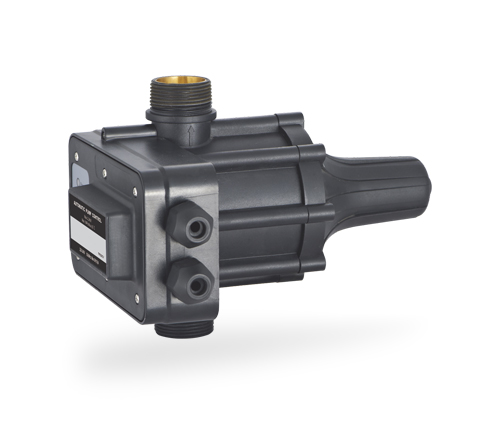
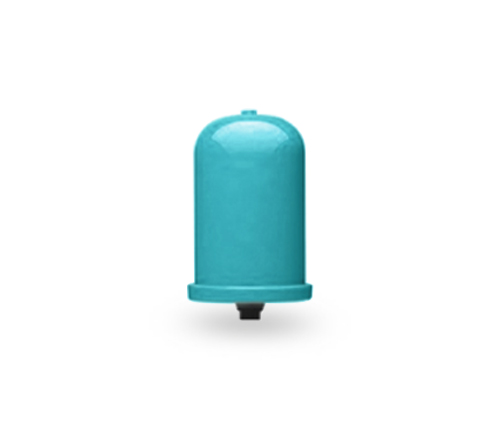
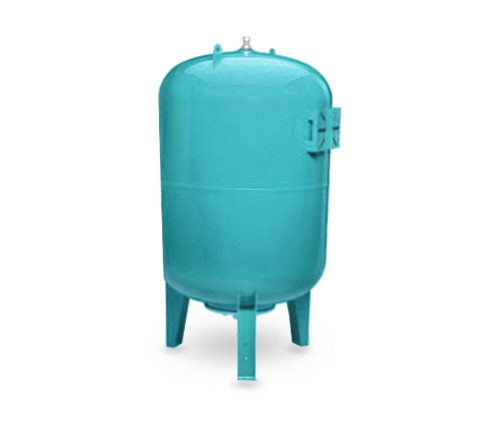
In pressure-boosting applications, the pump may be paired with a pressure tank, pressure switch, controller, or intelligent control system. The pump should not be selected solely by motor power. The required pressure at the most remote outlet, pipe losses, elevation difference, and expected simultaneous demand should all be included in the calculation.
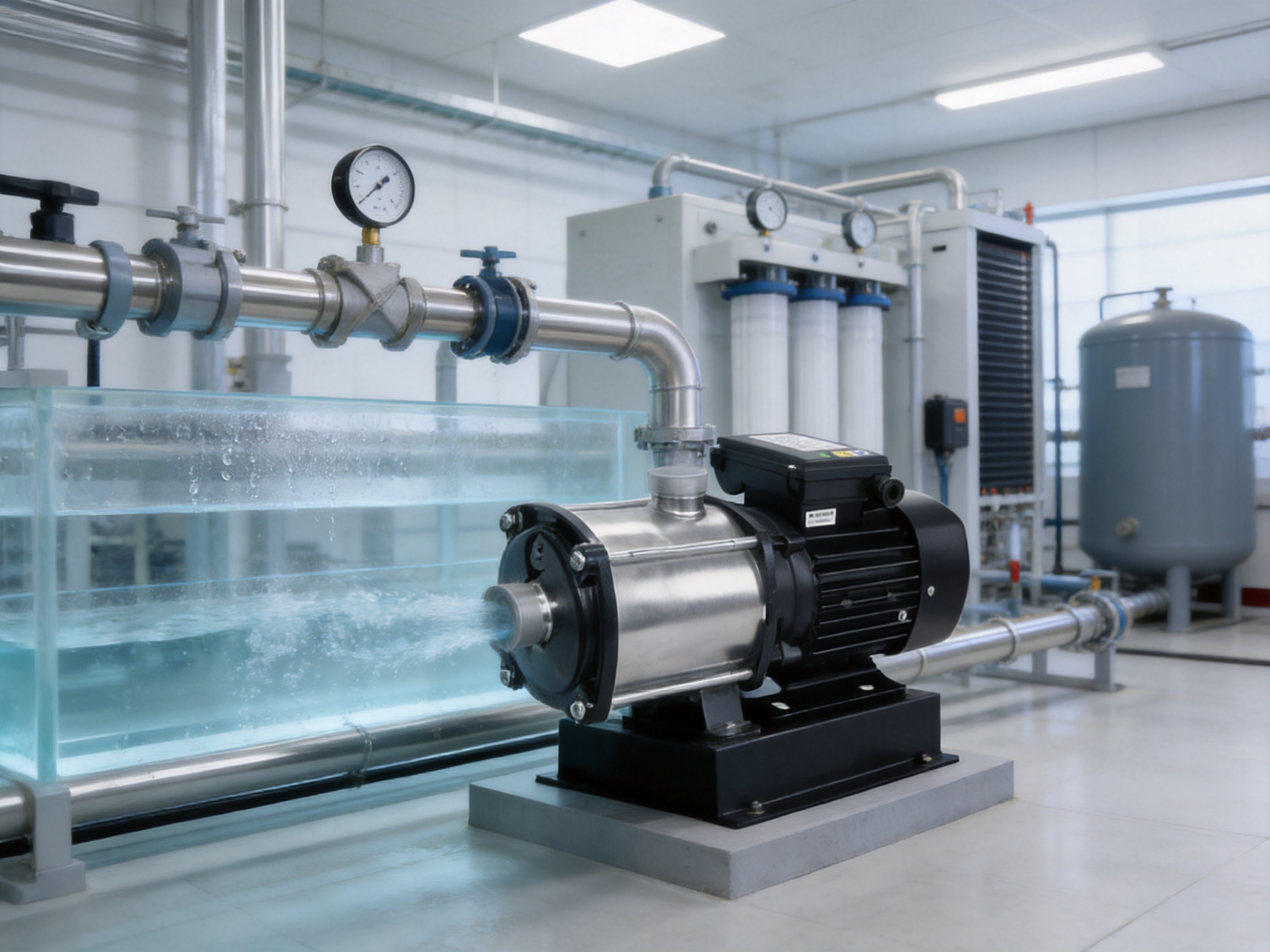
The primary advantage over a conventional single-stage pump is the ability to generate higher head through multiple hydraulic stages. A single-stage pump may be sufficient for simple transfer or low-pressure circulation, but it may become inefficient or physically large when higher pressure is required. The EMI Series provides a more specialized solution for applications that combine moderate flow with elevated head.
The multistage structure also allows the product family to cover a wide range of pressure requirements without changing the basic installation concept. Users can select a different stage configuration or model group while retaining the general benefits of a horizontal pump.
The self-suction design can simplify operation where air may enter the suction line or where the pump is installed above the liquid level. This can reduce dependence on manual priming procedures and make the pump more suitable for certain packaged systems. It is particularly useful where the pump must be positioned according to space, piping, or equipment-layout restrictions.
Vertical multistage pumps are often selected where floor space is limited or where very high pressure is required. However, they may require different piping arrangements, vertical clearance, and maintenance access. A horizontal design can be easier to integrate into a compact skid, service area, or existing equipment room. It may also be more convenient for users who prefer a lower equipment profile and straightforward access to the motor and pump assembly.
Low-cost general-purpose pumps may offer limited model selection, basic materials, or insufficient pressure capability. The EMI Series is differentiated by its structured model range, multistage hydraulics, stainless-steel impeller, self-suction function, and application focus on industrial and commercial water systems. These features support a more deliberate equipment-selection process and can help users avoid using an underpowered pump for demanding duties.
The pump uses a two-pole induction motor. The listed single-phase voltage options are 1 × 220–240 V at 50 Hz and 1 × 110–120 V at 50 Hz. The listed three-phase option is 3 × 380–415 V at 50 Hz. Motors with other voltages are available upon request, subject to confirmation.
Single-phase versions are convenient for small residential, commercial, and light industrial installations where three-phase power is unavailable. Three-phase versions are appropriate for larger systems, industrial facilities, and applications requiring more stable motor operation or higher power capacity.
The insulation class is listed as F. Single-phase models include a thermal protector according to the supplied specifications. Even with thermal protection, the pump should be connected through suitable electrical protection, including correctly rated overload protection, short-circuit protection, grounding, and a local isolating device.
Before commissioning, the operator should confirm the motor nameplate voltage, frequency, connection arrangement, rotation direction where applicable, cable size, and protection settings. Electrical installation should be performed by qualified personnel in accordance with local regulations.
Taizhou Edwin Electric Co., Ltd. was founded in 2008 and operates as an integrated manufacturing enterprise specializing in independent research and development, mass production, and global export. This combination is important for pump buyers because product performance depends not only on design but also on repeatable manufacturing, component control, inspection, documentation, and after-sales coordination.
Independent research and development allows the manufacturer to adapt pump structures to different market requirements. The company’s product portfolio covers deep well pumps, submersible pumps, domestic booster pumps, circulation pumps, solar water pumps, intelligent booster pumps, and other related products. Experience across these categories can support the development of hydraulic assemblies, motor systems, control solutions, and application-specific configurations.
Mass-production capability provides advantages in manufacturing consistency and supply planning. A repeatable production process can help control component dimensions, shaft alignment, impeller balance, mechanical-seal installation, motor assembly, and final pump testing. For distributors and industrial buyers, reliable production capacity also supports repeat orders and project-based purchasing.
The pump’s material schedule demonstrates an organized approach to component identification. Key parts such as the pump body, support, impeller, mechanical seal, motor case, motor cover, fan, and capacitor are separately identified. This supports assembly control, maintenance planning, replacement-part management, and technical communication between the manufacturer, distributor, and end user.
Modern pump manufacturing requires more than casting and assembly. It involves hydraulic design, machining, shaft and rotor processing, bearing installation, seal fitting, motor winding or motor integration, electrical testing, leak inspection, performance verification, and packaging control. The manufacturer’s integrated structure provides a foundation for coordinating these operations under one supply system.
For a multistage pump, dimensional accuracy is essential. Impeller clearances, diffuser alignment, shaft concentricity, seal-seat positioning, and casing assembly all influence hydraulic efficiency and mechanical reliability. Consistent machining and controlled assembly help reduce vibration, leakage, and performance variation.
Motor quality is equally important. Correct winding design, insulation treatment, bearing installation, rotor balance, thermal protection, and final electrical testing all contribute to dependable operation. A properly assembled motor reduces the risk of overheating and helps the pump deliver stable performance over its intended service life.
Hydraulic testing is an important part of final verification. Pump testing may include checking flow, head, power consumption, leakage, vibration, noise, and motor temperature under appropriate conditions. Buyers should request the applicable inspection documents, test records, certificates, or compliance information when these are required by a project or market.
The pump should be installed on a stable, level foundation or support capable of carrying the operating weight and resisting vibration. Although the horizontal configuration is compact, sufficient clearance should be provided around the pump for inspection, electrical access, seal replacement, and motor servicing.
The suction pipe should be as short and direct as practical. It should be properly supported so that its weight is not transferred to the pump casing. All joints must be sealed against air leakage. Even a small suction-side air leak can prevent reliable self-suction and cause unstable flow.
The discharge pipe should be sized according to the required flow and acceptable pressure loss. Excessively small pipework increases friction and may cause the pump to operate away from its intended duty point. Where water hammer or reverse flow is possible, suitable check valves, isolation valves, pressure-relief devices, or expansion arrangements should be considered.
The pump must be primed in accordance with the operating instructions before starting. The operator should verify that the liquid is compatible with the pump materials and that the suction lift does not exceed the model’s specified capability. The pump should not run dry, even for a short period, because dry running can damage the mechanical seal.
After starting, the operator should check for unusual vibration, abnormal noise, leakage, excessive motor heating, unstable pressure, and insufficient flow. If any abnormal condition occurs, the pump should be stopped and the cause investigated before continued operation.
Routine inspection helps protect the pump from avoidable failures. Operators should periodically check the mechanical seal area, casing joints, suction connections, electrical terminals, motor temperature, pressure, and flow. Changes in noise or vibration can indicate bearing wear, cavitation, misalignment, blockage, or hydraulic problems.
The suction line and any inlet filter should be kept clean. Blocked filters increase suction resistance and may cause cavitation or loss of flow. If the liquid contains particles, a suitable filtration system should be installed and maintained. The pump should be flushed when required by the liquid application, particularly after chemical or fertilization service.
The mechanical seal is a wear component. Its service life depends on liquid cleanliness, temperature, pressure, shaft condition, alignment, and operating frequency. Repeated dry running, frequent cycling, or abrasive contamination can shorten its life. Replacement should be carried out with compatible parts and correct installation procedures.
Bearings, capacitors, electrical protection devices, and motor ventilation components should also be inspected according to the operating environment. Dust, humidity, high ambient temperature, and frequent start-stop cycles can affect motor performance. The stated environmental temperature limit is no more than 50°C, so installations with higher ambient temperatures require special evaluation.
Before selecting an EMI Series model, identify the liquid, required flow, required head, suction arrangement, power supply, operating temperature, installation environment, and duty cycle. The liquid should be described in terms of temperature, density, viscosity, pH, chlorine content, chemical additives, and suspended solids.
Next, calculate the total dynamic head. This should include the static elevation, required outlet pressure, friction losses in the suction and discharge pipes, losses through valves and fittings, and pressure losses through filters, heat exchangers, membranes, or spray equipment.
After the flow and head are established, compare the duty point with the appropriate pump curve. The best model is not necessarily the one with the highest motor power. Oversized pumps can consume unnecessary energy, create excess pressure, increase system stress, and require throttling. Undersized pumps may fail to meet the required pressure or may operate continuously at an unsuitable point.
Finally, confirm the voltage, frequency, phase, connection type, seal material, product dimensions, inlet and outlet configuration, and any certification requirements. For export projects, packaging, spare parts, documentation, labeling, and local electrical standards should also be agreed before production.
Working with an integrated pump manufacturer can simplify procurement. Instead of sourcing unrelated components from multiple suppliers, customers can discuss hydraulic requirements, motor configuration, materials, packaging, spare parts, and delivery with one technical and commercial team.
Taizhou Edwin Electric Co., Ltd. also established Taizhou Haipai Import & Export Co., Ltd. and Golden Falcon Industrial Co., Ltd. to support procurement planning, order tracking, cross-border delivery, and foreign-trade services. This structure is valuable for international buyers who require more than a product quotation. Project customers often need assistance with model confirmation, production scheduling, inspection coordination, shipping documents, and repeat-order management.
The company’s experience in global export and its product coverage across domestic, agricultural, municipal, construction, mining, HVAC, and new-energy applications provide a broad market perspective. Since 2018, the company has invested in solar water pumps and intelligent technology, expanding its offering beyond conventional pump products. This continued development supports customers who are planning both traditional and smart water-supply systems.
The EMI Series is a self-suction cast iron horizontal multistage pump. It is designed for water supply, pressure boosting, heating and cooling circulation, water treatment, cleaning, HVAC, and other compatible water-based applications.
A multistage design uses several impellers to add energy to the liquid in stages. This allows the pump to produce higher head and pressure than many single-stage pumps while maintaining a relatively compact horizontal arrangement.
Self-suction means that the pump is designed to assist in removing air from the suction passage and establishing liquid flow under suitable conditions. The pump must still be correctly installed, primed as required, and protected from dry running.
The supplied material schedule lists HT200 cast iron for the pump body and support, stainless steel for the impeller, carbon and ceramic for the mechanical seal, aluminum for the motor case, cast iron for the motor cover, and PP for the fan. Some component materials should be confirmed with the manufacturer for the selected model.
The listed models cover rated flows from approximately 1 to 20 cubic meters per hour and rated heads from approximately 8.5 to 63 meters. Exact performance depends on the selected model and operating point.
Yes. The EMI-(T) series is intended for suitable heating and cooling applications, including industrial process circulation and air-conditioning systems. The liquid temperature, system pressure, seal compatibility, and environmental conditions must be confirmed before use.
It may be used with compatible water-based solutions, but chemical compatibility must be checked carefully. Concentration, temperature, acidity, suspended particles, and exposure time can affect cast iron, stainless steel, seals, and other components.
The listed options include single-phase 220–240 V at 50 Hz, single-phase 110–120 V at 50 Hz, and three-phase 380–415 V at 50 Hz. Other voltages may be available upon request and should be confirmed before ordering.
The supplied application information includes drinking water and light chlorine water. Suitability depends on the exact materials, local regulations, certification requirements, and water quality. Buyers should request the relevant compliance information for their market.
The pump should be protected against dry running, blocked suction lines, excessive temperature, overload, freezing, severe cavitation, and operation outside the recommended performance range. Electrical overload protection, proper priming, clean water, and regular inspection are essential.
Choose a model based on required flow, total dynamic head, suction lift, liquid properties, motor power, voltage, and operating conditions. The selected duty point should be checked against the manufacturer’s official performance curve rather than chosen by motor power alone.
The manufacturer combines research and development, mass production, product integration, and global export experience. Its associated import and export companies support procurement planning, order tracking, cross-border delivery, and foreign-trade services.
The EMI Series Self-Suction Cast Iron Horizontal Multistage Pump is a versatile pressure-boosting and water-circulation solution for industrial, commercial, HVAC, water-treatment, cleaning, and compatible residential applications. Its principal advantages are the combination of self-suction convenience, multistage pressure generation, horizontal installation, stainless-steel impeller construction, broad model availability, and flexible motor configurations.
Compared with many basic single-stage or non-self-priming pumps, the series offers greater pressure capability and installation flexibility. Compared with larger or more specialized pump arrangements, its horizontal structure can provide practical benefits in equipment rooms, packaged systems, and service areas where straightforward access and compact integration are important.
The product is supported by a manufacturer with experience in independent development, mass production, international export, and a broad water-pump portfolio. Careful material selection, organized component identification, motor options, model diversity, and application-focused manufacturing provide a foundation for dependable service.
For the best result, users should match the pump to the actual duty point, verify liquid compatibility, follow correct installation procedures, provide suitable electrical protection, and maintain the suction and sealing systems. When properly selected and operated, the EMI Series can deliver stable pressure and reliable water movement across a wide range of modern water-supply and process applications.
1. Product technical information for the EMI Series Self-Suction Cast Iron Horizontal Multistage Pump, including model, material, motor, application, and performance data.
2. Manufacturer information for Taizhou Edwin Electric Co., Ltd., including company history, product portfolio, manufacturing capabilities, and export services.
3. General engineering principles for centrifugal and multistage pump selection, including flow, head, suction lift, hydraulic losses, and motor sizing.
4. General guidance for pump installation, mechanical-seal protection, electrical motor protection, preventive maintenance, and water-system commissioning.
5. General industrial practices for heating and cooling circulation, water treatment, pressure boosting, industrial cleaning, and compatible water-based process applications.
edwina@edwin-pump.com
+86-13586290903 (WhatsApp)
Xuri Gongliang Cutting Tool Entrepreneurship Park, Wenqiao Town, Wenling City, Taizhou City, Zhejiang Province, China

High Performance Smart Pump Factory


 English