edwina@edwin-pump.com

View All Products
en
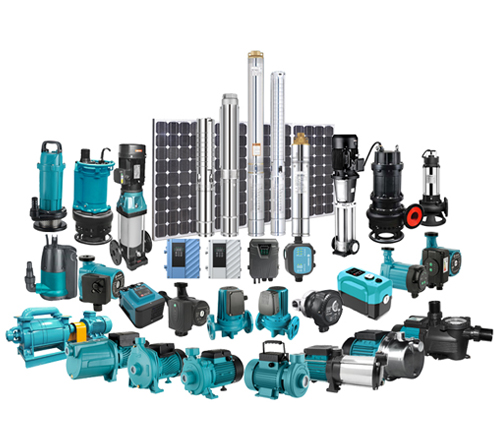
Modern water movement requires more than a simple pump. It requires an integrated solution that can handle fluctuating water sources, changing power conditions, demanding installation environments, and long operating hours. A high-performance stainless steel water pump platform that covers solar submersible deep well pumping, self-priming jet pumping, circulation boosting, centrifugal transfer, swimming pool water circulation, irrigation, and garden water supply gives buyers a practical way to serve multiple water applications with one reliable procurement direction.
The product family described here is designed for customers who need durable pumps for agriculture, domestic water supply, commercial circulation, pool and spa systems, garden irrigation, booster service, and water treatment accessories. It reflects the practical needs of installers, distributors, project contractors, farms, villas, municipal projects, mining sites, building services, HVAC systems, and renewable-energy water supply projects. Instead of focusing on only one narrow use, this stainless steel water pump solution emphasizes broad adaptability, stable hydraulic performance, energy-saving operation, and long-term reliability.
Taizhou Edwin Electric Co., Ltd. has developed its pump business around independent research and development, mass production, global export, quality control, and one-stop procurement support. Founded in 2008, the company has built product lines covering deep well pumps, submersible pumps, domestic booster pumps, circulation pumps, solar pumps, garden pumps, jet pumps, intelligent booster pumps, pump accessories, pressure tanks, control switches, inverters, solar panels, pipes, and valves. This manufacturing and supply structure is important because a pump buyer often needs more than a pump body. Many projects require matched controllers, pressure systems, pipe fittings, electrical accessories, and after-sales technical guidance.
The core product concept combines stainless steel construction with the flexibility required by solar water pumping, deep well extraction, self-priming surface pumping, circulation boosting, centrifugal water transfer, pool circulation, agricultural irrigation, and garden water supply. In real operating environments, water pumps are exposed to moisture, minerals, temperature changes, pressure fluctuations, and sometimes long unattended duty cycles. Stainless steel construction provides strong resistance to corrosion and helps maintain mechanical integrity in demanding conditions.
Solar submersible deep well pumps are widely used in areas where grid electricity is limited, expensive, or unstable. They are particularly valuable for agricultural irrigation, livestock watering, rural domestic water supply, remote houses, desert greening, and off-grid water storage. When paired with solar panels and an appropriate controller, the pumping system can convert available sunlight into practical water delivery. This reduces dependence on fuel generators and lowers operating costs over the lifetime of the system.
Self-priming jet pumps are useful where suction performance is important, such as garden water supply, shallow wells, household pressure systems, and small irrigation networks. A self-priming structure reduces the difficulty of startup after initial filling and makes operation more convenient for users who may not have professional pump maintenance experience. Compared with ordinary surface pumps that may be difficult to restart after air enters the suction line, a properly designed self-priming jet pump improves user convenience and reduces downtime.
Circulation booster centrifugal pumps support pressure boosting, circulating water movement, and steady flow delivery in domestic, commercial, and light industrial applications. They are important in building water supply, hot and cold water circulation, HVAC systems, water treatment lines, and pressure-assisted irrigation. A booster pump must be quiet, efficient, responsive, and reliable. Intelligent booster pumps with permanent magnet technology and smart control logic can help users reduce energy waste while maintaining stable water pressure.
Swimming pool water pumps and pool circulation pumps must provide continuous or scheduled circulation, support filtration, and handle large volumes of water efficiently. For pool and spa users, reliability, safety, hydraulic efficiency, and corrosion resistance are essential. A pump that runs quietly and maintains consistent circulation contributes to water clarity, filtration efficiency, and lower operating cost.
Garden pumps and irrigation pumps require practical durability. Gardens, farms, orchards, greenhouses, and landscaping systems often run in dusty, wet, or outdoor conditions. A reliable pump must be easy to install, compatible with common pipe sizes, and capable of delivering enough flow and head for sprinklers, drip irrigation, tanks, or hose systems. When a pump platform includes accessories such as pipes, valves, controllers, and tanks, procurement becomes easier and installation compatibility improves.
The major advantage of this product solution is its wide application coverage. Many pump suppliers offer one category, such as submersible pumps or surface pumps, but project customers frequently need mixed systems. A farm may need a solar deep well pump, a booster pump for tank distribution, valves, pipes, and control protection. A building contractor may need circulation pumps, intelligent booster pumps, pressure tanks, and accessories. A pool installer may require centrifugal pool pumps and reliable after-sales support. A supplier with a broad product category structure can reduce procurement complexity.
Another competitive advantage is the focus on stainless steel and high-performance design. Stainless steel components are preferred in many applications because they provide better corrosion resistance than ordinary materials and improve product life under humid or mineral-rich water conditions. This is especially important for deep well pumps, submersible pumps, and circulation systems where the pump is exposed to water for long periods. A durable body and well-engineered hydraulic structure reduce the risk of premature failure.
Energy efficiency is also central to the product platform. In many water systems, electricity is one of the largest lifetime costs. A cheaper pump that consumes more power may be more expensive in actual operation. The available intelligent permanent magnet shield booster pump models demonstrate this direction through DC operation, compact size, and efficient performance. In solar and off-grid systems, efficiency becomes even more important because every watt saved reduces the required solar panel capacity or improves operation under lower sunlight.
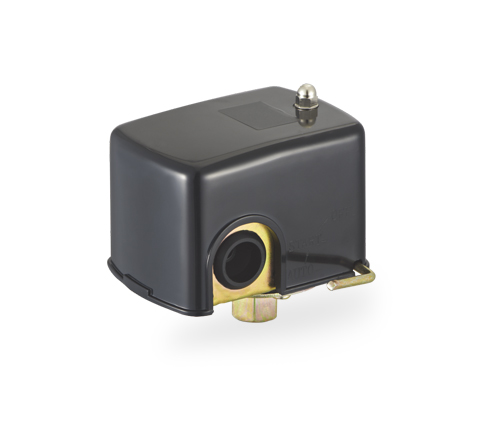
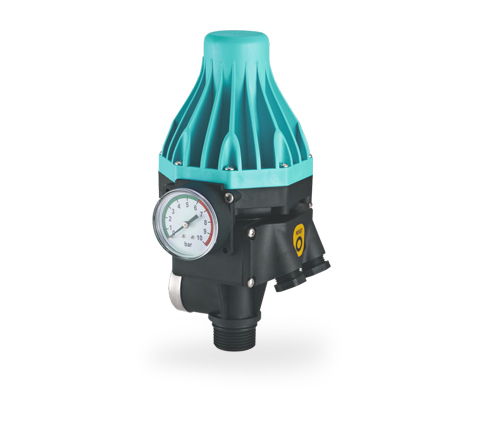
The product family also benefits from smart control compatibility. Controllers such as wide-frequency pump controllers with water shortage protection and adaptable operating logic help protect the pump and improve reliability. Water shortage, dry running, unstable voltage, and improper operation are common causes of pump damage. A suitable controller can monitor working conditions and reduce risk. Compared with competitors that only sell the mechanical pump, a supplier that can also provide control systems offers better system-level reliability.
Manufacturing consistency is another differentiator. A pump may look simple from the outside, but its real performance depends on precise hydraulic design, motor winding quality, rotor balance, seal reliability, material selection, machining accuracy, assembly discipline, and final testing. Edwin Pump emphasizes experienced engineers, complete testing procedures, professional marketing support, and strict quality control. These strengths help customers receive products that are not only attractive in appearance but also dependable in service.
The company’s global export experience also improves customer confidence. International buyers often need stable documentation, packaging, production planning, order tracking, and cross-border delivery support. Since the establishment of related import and export service structures in 2012, the company has strengthened its ability to support global industrial clients. This matters for distributors and project buyers because supply reliability can be as important as pump performance.
The following table summarizes representative data from the energy-saving intelligent permanent magnet shield booster pump series and the wide-frequency controller series. These figures illustrate the product direction: compact design, DC operation, practical flow, useful head, suction capability, and controller compatibility for pump protection and stable operation.
Product Type |
Model |
Voltage |
Power Range or Power |
Maximum Flow |
Maximum Head |
Maximum Suction |
Pipe Size |
Intelligent permanent magnet shield booster pump |
25TW/24V/B/H20-Q2.0 |
DC 24 V |
84 W |
2.0 cubic meters per hour |
20 m |
9 m |
25 mm |
Intelligent permanent magnet shield booster pump |
25TW/30V/B/H25-Q2.2 |
DC 30 V |
105 W |
2.2 cubic meters per hour |
25 m |
9 m |
25 mm |
Intelligent permanent magnet shield booster pump |
25TW/36V/B/H30-Q2.4 |
DC 36 V |
126 W |
2.4 cubic meters per hour |
30 m |
9 m |
25 mm |
Intelligent permanent magnet shield booster pump |
25TW/40V/B/H35-Q2.5 |
DC 40 V |
160 W |
2.5 cubic meters per hour |
35 m |
9 m |
25 mm |
Wide-frequency pump controller |
ELF3-S |
90 V to 260 V |
0.1 kW to 2.2 kW |
Application dependent |
Application dependent |
Application dependent |
Matched to pump system |
Wide-frequency pump controller |
ELF3-SP |
90 V to 260 V |
0.1 kW to 2.2 kW |
Application dependent |
Application dependent |
Application dependent |
Matched to pump system |
Wide-frequency pump controller |
ELF3-ST |
90 V to 260 V |
0.1 kW to 2.2 kW |
Application dependent |
Application dependent |
Application dependent |
Matched to pump system |
The intelligent permanent magnet booster pump data shows a practical performance range for household boosting, small irrigation, circulation assistance, and water transfer applications. The DC voltage options allow the pump to fit different power configurations, while the maximum suction of 9 meters improves flexibility in many surface pumping installations. Compact measurements also help reduce installation space requirements.
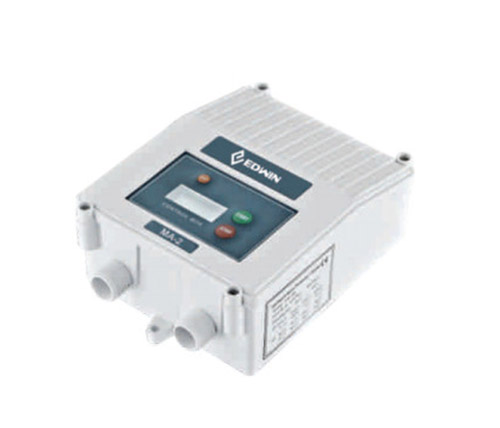
The controller data shows a broad voltage input range and a pump power range from 0.1 kW to 2.2 kW. In practical use, this type of controller can help manage starting, frequency adjustment, water shortage testing, timing pumping, and operation protection. For buyers who operate pumps in areas with unstable grid power or solar-related applications, controller adaptability can be a major advantage.
Stainless steel is a preferred material in many pump applications because it offers a strong balance of corrosion resistance, mechanical strength, appearance, and service life. In water pumping, material selection directly affects reliability. Pumps may contact groundwater, treated water, pool water, irrigation water, or domestic water. When the internal and external components resist corrosion, the pump maintains better performance over time.
For submersible deep well pumps, stainless steel construction is especially valuable. These pumps are installed inside wells and may be difficult to retrieve for service. A failure in a deep well pump can interrupt farm irrigation, household supply, or industrial water operations. A corrosion-resistant body, properly selected motor structure, reliable cable connection, and stable hydraulic components reduce service risk.
For surface pumps and jet pumps, stainless steel improves durability in humid pump rooms, gardens, outdoor shelters, and small agricultural facilities. Although the pump may not be fully submerged, the environment is often wet. Ordinary materials may corrode, especially when exposed to condensation, fertilizer-rich water, or weather. Stainless steel helps extend usable life and supports a cleaner appearance.
Hydraulic design is also central to performance. A pump must convert motor power into water flow and pressure efficiently. Impeller geometry, diffuser design, clearances, volute shape, inlet conditions, and outlet structure affect flow, head, noise, vibration, and energy consumption. An efficient pump design reduces operating cost and improves the useful output obtained from each watt of electrical input.
In centrifugal and booster pump applications, smooth internal flow paths can reduce turbulence and hydraulic loss. In submersible pumps, staged impellers can increase head for deep well lifting. In jet pumps, nozzle and venturi design influence suction performance and self-priming behavior. In pool pumps, flow stability and resistance to clogging are important for filtration circulation. A manufacturer with engineering experience can optimize these details rather than relying only on generic pump designs.
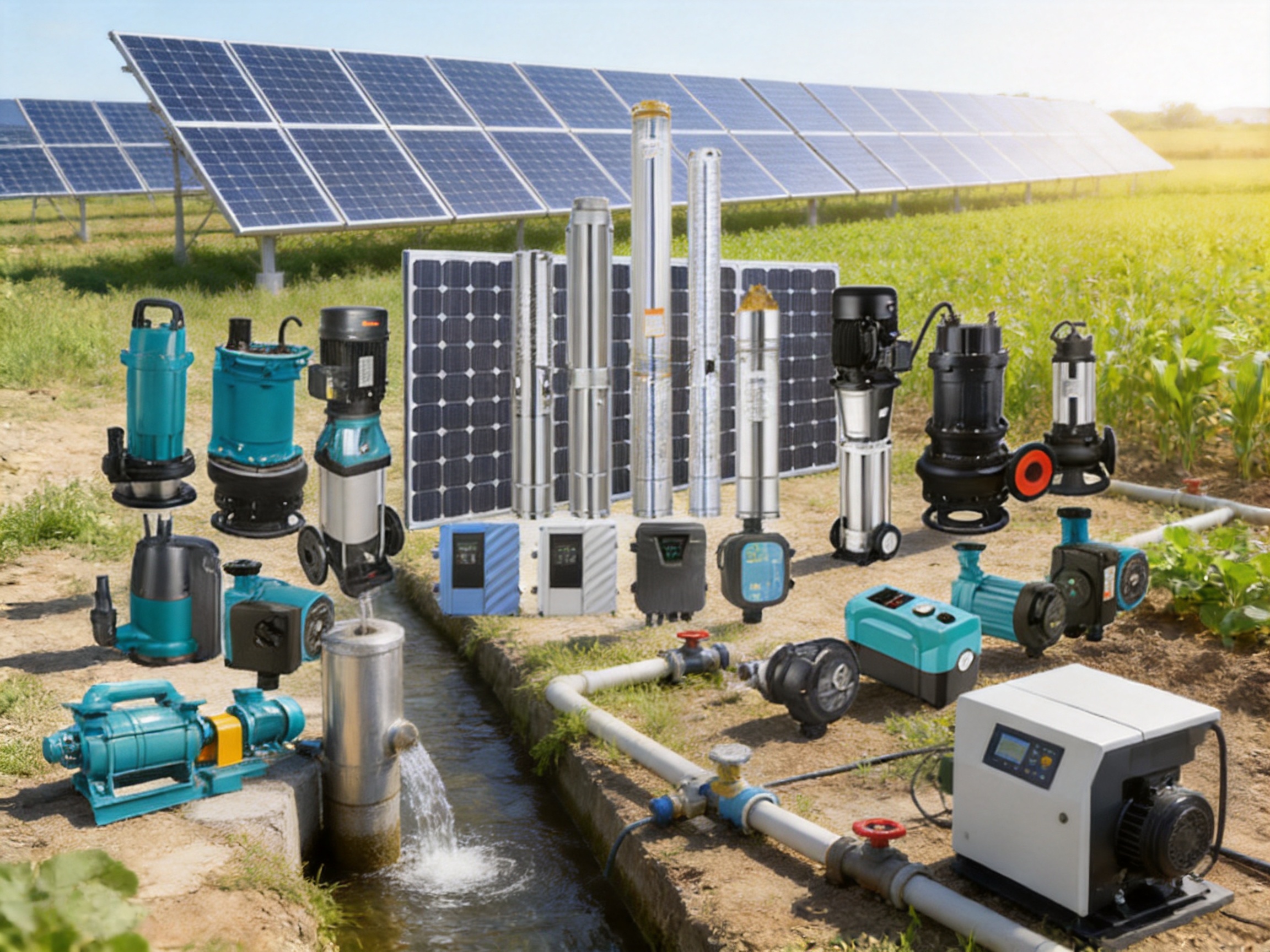
Solar pumping is one of the strongest growth areas in modern water supply. Farms, villages, remote houses, livestock sites, and ecological projects often need water in areas where grid extension is expensive. Traditional diesel generator pumping has disadvantages, including fuel cost, maintenance requirements, noise, emissions, and fuel logistics. A solar pump system can reduce operating cost and provide cleaner water movement when sunlight is available.
A solar submersible deep well pump system typically includes solar panels, a pump controller, cables, sensors or protection devices, pipework, and a water storage tank or direct irrigation line. The pump must work efficiently under changing solar conditions throughout the day. In the morning and evening, available power is lower. At noon, power is stronger. A suitable controller can help adapt pump operation to available energy and protect the motor from abnormal conditions.
Compared with competitors that focus only on pump hardware, a supplier that can also provide solar panels, inverters, controllers, and related water system accessories gives customers a more complete solution. This helps reduce compatibility problems. For example, mismatched panel capacity, controller ratings, pump voltage, cable length, and operating head can reduce performance or damage equipment. One-stop support improves project planning and after-sales responsibility.
Solar water pumping also benefits from high-efficiency motor technology. If a pump requires less power for the same water output, fewer solar panels may be needed. This lowers system cost and makes installation easier. In remote areas, reducing the number of panels, cables, brackets, and accessories can lower both initial investment and long-term maintenance.
For agricultural irrigation, solar pumping supports daytime water delivery that often matches crop irrigation schedules. Water can also be pumped into elevated tanks during sunny hours and distributed later by gravity or booster pump. For livestock watering, storage tanks can ensure continuous availability. For household water supply, a solar deep well pump can fill tanks that serve bathrooms, kitchens, and garden areas.
Deep well pumps face some of the most demanding operating conditions in the pump industry. They must operate underwater, lift water through long vertical pipes, tolerate pressure, resist corrosion, and deliver stable flow for long periods. Installation and removal can be expensive, so reliability is a primary purchasing factor. A low-quality deep well pump may appear inexpensive at first, but the cost of retrieval, replacement, and water interruption can be much higher than the initial savings.
A reliable deep well pump requires strong motor insulation, proper sealing, accurate shaft alignment, balanced rotating components, and durable hydraulic stages. The cable and outlet connection must resist water ingress. Bearings must support stable rotation. The pump must be tested to ensure that the actual curve matches expected operating conditions.
Submersible pumps also serve drainage, water transfer, construction dewatering, wells, tanks, and agricultural applications. Depending on the type, they may handle clean water or slightly contaminated water. They must be safe, properly sealed, and able to dissipate heat under the intended operating conditions. A professional manufacturer must understand the difference between continuous submerged operation and intermittent use.
Edwin Pump’s experience with submersible pumps and deep well pumps gives buyers confidence that design, production, and testing are built around real working conditions. The company’s focus on global medium-to-high-end markets also indicates that products are developed to satisfy customers who value stable quality rather than only low purchase price.
Booster pumps are used when existing pressure is not enough for comfortable or effective water use. Domestic homes may need higher shower pressure, stable kitchen supply, or automatic tank distribution. Commercial buildings may need pressure support for multiple floors. Irrigation systems may need enough pressure for sprinklers or drip networks. In all cases, the pump must start reliably, maintain pressure, and avoid excessive noise.
Intelligent booster pump technology improves the user experience by adjusting pump operation according to demand. Instead of running at full power unnecessarily, a smart system can respond to flow and pressure needs. This can reduce electricity use, lower wear, and provide more stable pressure. Permanent magnet motor technology can further improve efficiency and compactness.
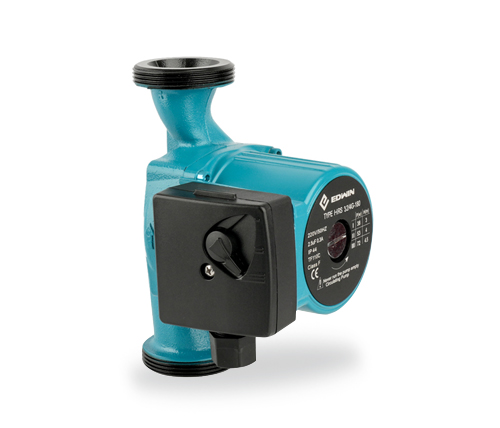
Circulation pumps are essential in HVAC, hot water circulation, heating, cooling, and water treatment systems. Their purpose is often not high head but continuous efficient movement. A poor circulation pump wastes power every day. A well-designed circulation pump can reduce energy consumption while maintaining system temperature balance and water movement.
In many markets, users now expect pumps to be not only strong but also intelligent, quiet, and efficient. Competitors that continue to provide basic fixed-speed equipment may lose appeal when energy costs rise. By developing intelligent booster pumps and energy-saving circulation products, the manufacturer aligns with modern expectations for smart building services and sustainable water systems.
A self-priming jet pump is valued for its ability to draw water from below the pump level after proper initial filling. It is widely used for wells, tanks, garden watering, domestic supply, and small farm systems. The self-priming feature is important because suction lines can contain air, and users need a pump that can recover operation without complicated procedures.
Compared with ordinary centrifugal surface pumps, jet pumps offer stronger suction capability because of their nozzle and venturi structure. This makes them practical for shallow well applications and installations where the water source is not directly at the pump inlet. The representative maximum suction of 9 meters in the intelligent booster range shows practical flexibility for many installations.
A good self-priming pump should also be stable after priming. It should avoid excessive vibration, overheating, or loss of pressure. The pump body, impeller, seal, and motor must be matched for long-term service. In garden and irrigation work, the pump may be started frequently, exposed to dust, or operated by non-specialist users. Therefore, simplicity and durability are important competitive advantages.
Swimming pool water pumps support circulation through filtration, heating, disinfection, and cleaning systems. Pool water contains chemicals and may operate for long hours. A pool pump must provide adequate flow, resist corrosion, and operate with reasonable noise. For private pools, spas, hotels, and recreational facilities, reliable circulation helps maintain water quality and user comfort.
Garden pumps are used for sprinklers, hoses, fountains, tanks, rainwater reuse, and small irrigation systems. Users often prefer equipment that is easy to install and maintain. A compact booster or self-priming pump can deliver water from tanks, wells, or reservoirs to different garden zones. Stainless steel construction, stable suction performance, and energy-saving operation make the pump suitable for homeowners and landscape professionals.
Agricultural irrigation requires more demanding performance. Orchards, vegetable farms, greenhouses, nurseries, and field crops may need scheduled water delivery at specific flow and pressure levels. Solar pump systems can reduce operating cost, while booster pumps can help distribute water from storage tanks. Deep well pumps can access groundwater where surface sources are unavailable.
The ability to supply pumps, controllers, valves, pipes, pressure tanks, and solar panels gives irrigation buyers a practical system-building advantage. A distributor or farm contractor can source matched components and reduce the risk of installation delays caused by incompatible accessories.
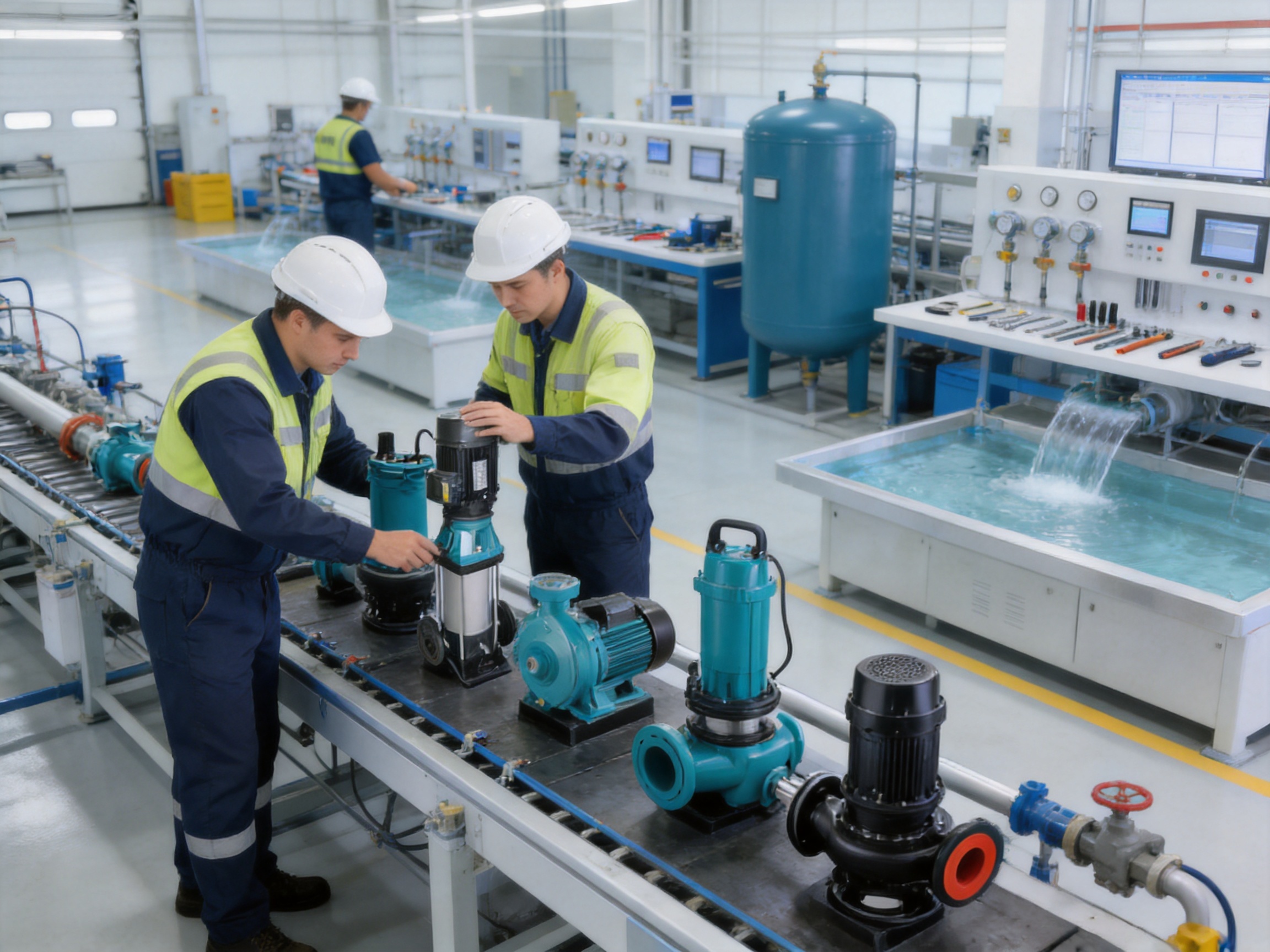
High-quality pump manufacturing requires a controlled process from design to delivery. The process begins with engineering selection. The manufacturer must define the intended application, hydraulic target, motor power, voltage, materials, sealing method, operating limits, and testing standards. Without clear engineering control, a pump may fail to meet customer expectations even if it looks acceptable externally.
Material inspection is the next critical step. Stainless steel components, motor materials, shafts, bearings, seals, insulation materials, and electronic components must be checked before production. Reliable incoming inspection helps prevent hidden defects from entering the assembly line. For example, poor shaft material may cause premature wear, and low-quality seals may cause leakage. Strict supplier management and inspection procedures are therefore essential.
Precision machining influences pump efficiency and mechanical life. Pump housings, impellers, diffusers, shafts, and mounting faces must be produced within controlled tolerances. Incorrect clearances can reduce efficiency or cause friction. Poor alignment can create vibration and bearing stress. A manufacturer with complete production control can improve repeatability across batches.
Motor production is equally important. Winding quality, insulation treatment, stator assembly, rotor balance, and electrical testing affect efficiency, temperature rise, and service life. Permanent magnet motor products require careful control of magnetic components and electronic compatibility. For submersible pumps, motor sealing and insulation are especially important because water ingress can cause serious failure.
Assembly discipline connects all components into a reliable product. Each pump must be assembled according to defined procedures. Fasteners must be tightened correctly, seals installed properly, rotating parts aligned, cables connected securely, and quality checkpoints completed. Skilled workers and experienced engineers reduce assembly variation.
Performance testing is one of the strongest indicators of professional manufacturing. Pumps should be tested for flow, head, power consumption, voltage behavior, leakage, pressure resistance, noise, vibration, and starting reliability. Controllers should be tested for voltage range, current capacity, frequency behavior, protection functions, and working stability. Complete testing procedures help ensure that shipped products match promised performance.
Durability and safety tests are also important. A pump may work in high humidity, unstable voltage, outdoor conditions, or continuous duty. Testing can include dry-run protection verification, water shortage response, insulation resistance, high-voltage safety, temperature rise, and long-duration operation. These tests reduce the risk of field failure.
Packaging and delivery complete the manufacturing process. Pumps must be protected during transport, especially for international shipping. Proper packaging prevents impact damage, moisture exposure, and accessory loss. For export clients, stable packaging and documentation support improve distribution efficiency.
Quality control is not a single inspection at the end of production. It is a system that covers product design, supplier selection, incoming materials, in-process checks, final testing, packaging inspection, customer feedback, and continuous improvement. Edwin Pump emphasizes strict quality control and complete testing procedures, which are essential for customers who depend on long-term performance.
After-sales service is also a competitive advantage. Pumps often require installation guidance, model selection support, troubleshooting, spare parts, and operation recommendations. A professional marketing and technical team can help customers choose the right pump for head, flow, voltage, water source, pipe length, suction conditions, and duty cycle. Correct selection prevents many problems before they occur.
For global distributors, after-sales support can include technical documentation, product training, packaging customization, model explanation, and communication about market requirements. For project buyers, it can include system planning, accessory matching, and delivery coordination. This support reduces buyer risk and strengthens long-term cooperation.
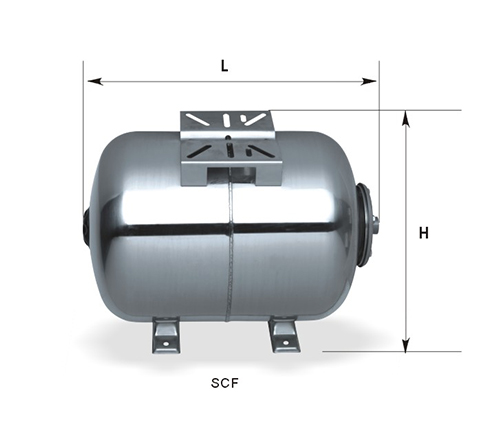
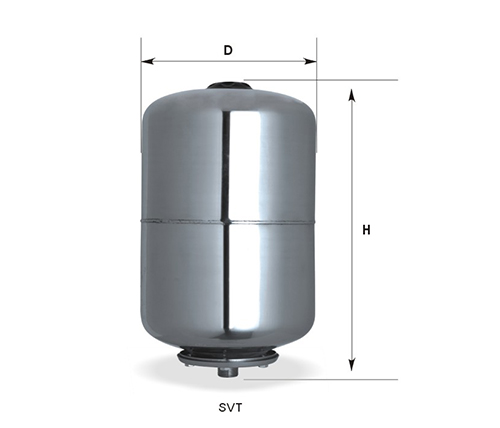
Many water system projects require several connected products. A solar irrigation project may need panels, a controller, a pump, cables, valves, pipes, and a storage tank. A household booster project may need a booster pump, pressure tank, pressure switch, check valve, and pipe fittings. A commercial water supply project may need multiple pumps, control panels, valves, and spare parts. Purchasing these items from unrelated suppliers can create compatibility issues and delivery delays.
The company’s product category range includes solar pumps, deep well pumps, submersible pumps, surface pumps, booster pumps, circulation pumps, garden pumps, pool and spa pumps, commercial multistage pumps, pump accessories, end suction pumps, pipes, valves, and intelligent booster pumps. This range enables customers to build complete systems more efficiently.
One-stop procurement is especially valuable for distributors serving different local markets. They can source multiple products from a single manufacturing and export partner, simplify communication, consolidate shipments, and maintain consistent quality expectations. This is a significant advantage over competitors that supply only one pump type or cannot provide accessories.
Water pumping requirements differ by region. Some markets need solar pumps for off-grid farms. Others need domestic booster pumps for urban apartments. Coastal areas may require corrosion-resistant materials. Agricultural regions may demand high-flow irrigation solutions. Industrial customers may need rugged pumps for continuous duty. A flexible manufacturer must understand these differences and support diverse product configurations.
Edwin Pump’s worldwide business experience supports global market adaptation. The company has been recognized by customers over a long period and serves applications in new energy projects, agricultural irrigation, municipal engineering, mining, construction, HVAC systems, and household water supply. This range of experience helps the manufacturer understand practical field problems and develop products for real use rather than laboratory conditions alone.
Global export capability also requires stable communication. Buyers need accurate specifications, production schedules, shipping coordination, and after-sales response. The company’s professional marketing personnel and export service teams help bridge the gap between manufacturing and international customer requirements.
Low-cost pumps may attract attention at first purchase, but water systems should be evaluated by total cost of ownership. A pump with poor efficiency consumes more electricity. A pump with weak materials may corrode or fail early. A pump without proper controller protection may burn out under dry-running or unstable voltage conditions. A supplier without after-sales support may leave the buyer responsible for troubleshooting alone.
A high-performance stainless steel pump solution provides better long-term value by combining durable materials, energy-saving design, intelligent control options, broad application coverage, and professional manufacturing. The buyer gains not only equipment but also system knowledge, accessory support, and more dependable quality.
For distributors, reliable products reduce warranty pressure and protect reputation. For project contractors, stable quality reduces installation callbacks. For farmers, reliable water supply protects crops and livestock. For homeowners, quiet and stable booster performance improves daily comfort. For pool operators, efficient circulation supports clean water and lower energy cost.
Another advantage is product scalability. A customer may begin with a single garden pump and later purchase solar pumps, deep well pumps, intelligent boosters, or pipe accessories. Working with a supplier that has a broad product range supports long-term business growth.
Selecting the correct pump begins with understanding the water source. If the water is from a deep well, a submersible deep well pump is usually required. If the water is from a shallow well or tank and the pump is installed above the water level, a self-priming jet pump or surface pump may be appropriate. If the goal is to increase pressure in an existing supply line, a booster pump should be considered. If the goal is circulation in HVAC, pool, or water treatment systems, a circulation or centrifugal pump may be suitable.
The second factor is required flow. Flow is the amount of water needed per unit of time. Garden watering may require moderate flow, while agricultural irrigation may require higher flow. A domestic shower system requires stable pressure and moderate flow. Pool circulation requires enough flow to turn over the pool volume within the desired period.
The third factor is head. Head represents the height and pressure the pump must overcome. Deep wells require high head because water must be lifted vertically. Long pipe runs, filters, valves, elbows, and elevation differences also add resistance. Selecting a pump without enough head results in weak flow.
The fourth factor is power supply. Solar systems require compatible panels, controllers, voltage, and pump type. Grid-powered systems require voltage and frequency matching. DC booster pumps require correct DC voltage. Controller selection should match pump power and operating conditions.
The fifth factor is water quality. Clean water pumps should not be used for heavy sediment or sewage unless designed for that purpose. Pool pumps must tolerate pool water chemistry. Irrigation water may contain sand or minerals, so filtration or suitable pump selection may be required.
Professional selection support can prevent costly mistakes. Buyers should provide source depth, water level, pipe length, elevation, required flow, application, voltage, and operating schedule when asking for pump recommendations.
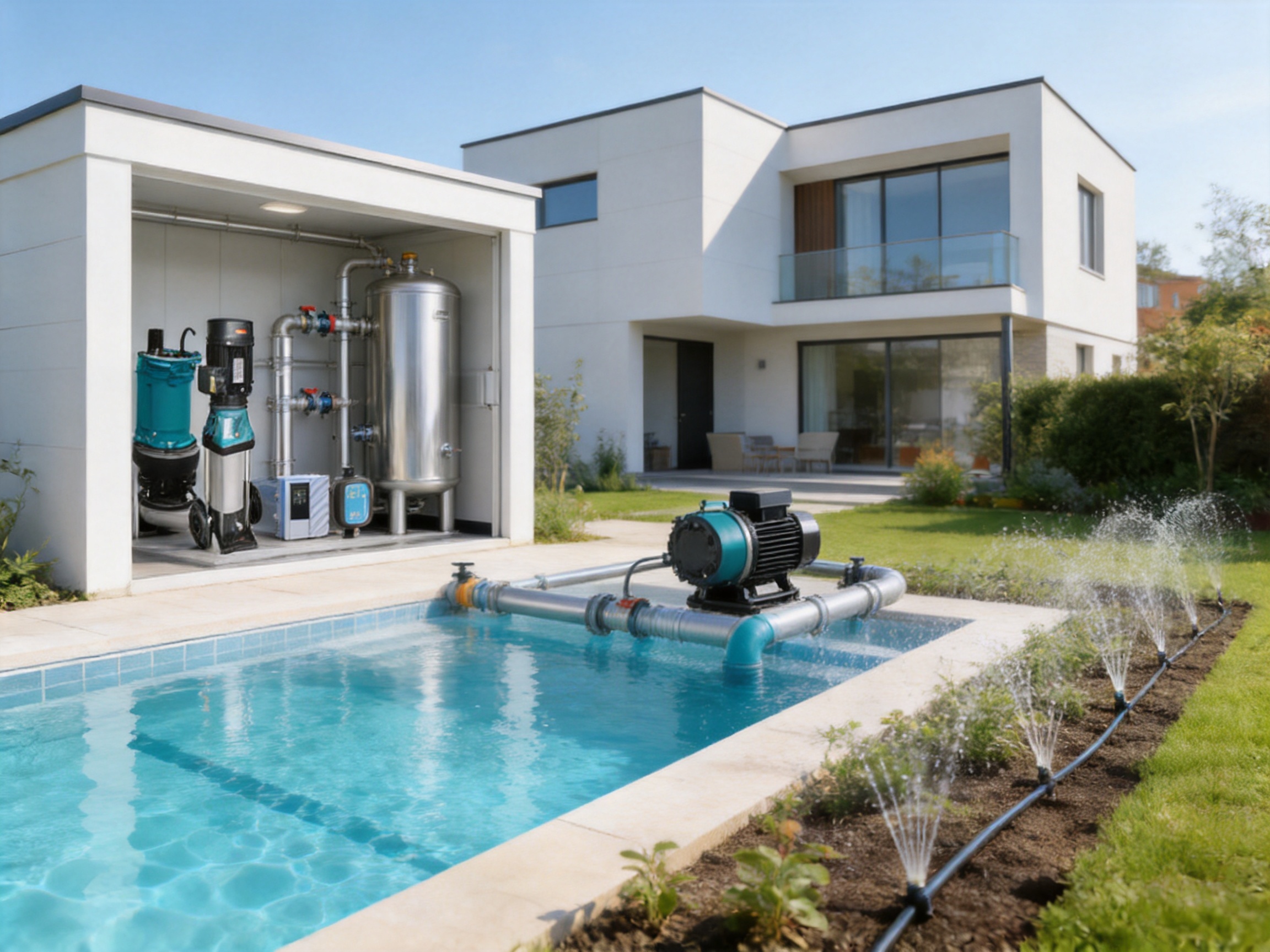
Stainless steel offers better corrosion resistance, stronger durability in wet environments, and a longer service appearance than many ordinary materials. It is especially useful for deep well, submersible, pool, irrigation, and circulation applications where moisture exposure is constant.
Yes. A broad product category supplier can provide solar pumps, submersible pumps, surface pumps, booster pumps, circulation pumps, garden pumps, pool pumps, controllers, pressure tanks, pipes, valves, and other accessories. This reduces compatibility problems and simplifies procurement.
A controller can help manage voltage, frequency, starting behavior, water shortage protection, timing operation, and pump safety. In solar and unstable-power environments, the controller is especially important because it protects the pump and improves operating stability.
Solar submersible deep well pumps are widely used for agricultural irrigation, livestock watering, remote household water supply, off-grid wells, ecological watering projects, and storage tank filling. They reduce dependence on diesel generators and grid power.
A self-priming jet pump is suitable when the pump is installed above the water source and must draw water from a shallow well, tank, or reservoir. It is commonly used for gardens, household supply, small irrigation systems, and water transfer.
An intelligent booster pump can adjust operation according to demand instead of running unnecessarily at full power. Permanent magnet motor technology and smart control logic can improve efficiency, reduce energy waste, and maintain stable pressure.
The product family includes swimming pool water pump and centrifugal circulation solutions suitable for pool and spa water movement. Proper model selection depends on pool volume, filtration requirements, pipe length, and desired circulation rate.
Customers should provide water source type, well depth or suction height, required flow, required head, pipe length, elevation difference, power supply, water quality, application, and daily operating schedule. This helps engineers recommend the correct model.
Pump reliability depends on material inspection, machining accuracy, motor winding quality, rotor balance, sealing, assembly, and final testing. Strict process control reduces defects and improves long-term performance.
Global export experience supports better packaging, documentation, production planning, communication, shipment coordination, and after-sales service. It helps distributors and project buyers receive products more reliably and efficiently.
A stainless steel water pump platform that covers solar submersible deep well pumping, self-priming jet pumping, booster circulation, centrifugal transfer, swimming pool circulation, irrigation, and garden water supply provides strong value for modern buyers. Its advantages come from durable materials, energy-saving design, intelligent control compatibility, broad application coverage, and professional manufacturing.
Compared with narrow-range or low-cost competitors, this solution offers stronger system value. Customers can obtain pumps and related accessories from a manufacturing partner with experience in research and development, mass production, export service, quality testing, and after-sales support. This reduces procurement complexity and improves long-term reliability.
For farms, buildings, homes, pools, gardens, municipal projects, renewable-energy systems, and industrial water applications, the right pump is not simply the cheapest model. It is the model that delivers the required water, survives the working environment, operates efficiently, and receives support throughout its service life. A professionally manufactured stainless steel pump solution is a dependable foundation for that goal.
1. Hydraulic Institute. Pump Application Guidelines for Rotodynamic and Positive Displacement Pumps.
2. Europump and Hydraulic Institute. Variable Speed Pumping: A Guide to Successful Applications.
3. Karassik, I. J., Messina, J. P., Cooper, P., and Heald, C. C. Pump Handbook.
4. Gülich, J. F. Centrifugal Pumps.
5. International Electrotechnical Commission. Rotating Electrical Machines Standards and Pump Motor Safety Practices.
6. Solar Energy International. Photovoltaic Design and Installation Principles.
7. American Society of Plumbing Engineers. Domestic Water Pumping and Pressure Boosting Design Guidance.
8. Food and Agriculture Organization of the United Nations. Solar-Powered Irrigation Systems: Technology and Application Guidance.
edwina@edwin-pump.com
+86-13586290903 (WhatsApp)
Xuri Gongliang Cutting Tool Entrepreneurship Park, Wenqiao Town, Wenling City, Taizhou City, Zhejiang Province, China

High Performance Smart Pump Factory


 English