
edwina@edwin-pump.com

View All Products
en
Reliable water pressure is essential in homes, villas, apartments, hotels, clubs, restaurants, offices, and other public facilities. As buildings become larger and water-use patterns become more complex, conventional pumps often struggle to provide stable pressure, efficient operation, and convenient control at the same time. A pump that operates at a fixed speed may consume excessive electricity during periods of low demand, create unnecessary noise, or produce pressure fluctuations when several outlets are opened simultaneously. These limitations have increased interest in intelligent variable-frequency booster systems.
The T8-50/60 Household Self-Priming Multistage Intelligent Booster Pump is designed to answer these requirements with a combination of self-priming capability, multistage hydraulic performance, permanent magnet frequency conversion, automatic pressure regulation, and integrated protection functions. Available in the T8-50 and T8-60 versions, the pump is intended for demanding residential and light commercial applications where stable water pressure, quiet operation, and dependable service are important.
Developed by Taizhou Edwin Electric Co., Ltd., the pump represents the company’s broader focus on high-performance water pumps, intelligent pumping technology, and global manufacturing. Edwin Pump has operated since 2008, combining independent research and development, mass production, and export services. Its product portfolio covers deep well pumps, submersible pumps, domestic booster pumps, circulation pumps, solar water pumps, and related water-supply equipment.
This article examines the T8-50/60 pump’s operating concept, technical performance, application value, manufacturing strengths, and advantages over traditional fixed-speed and less integrated booster pumps.
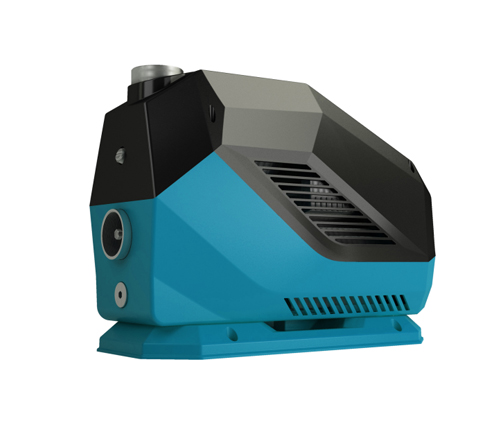
T8-50/60 Household Self-Priming Multistage Intelligent Booster Pump
A water-supply pump must do more than move water from one point to another. In a modern building, it must respond to changing demand. Early in the morning, several showers, washbasins, and kitchen outlets may operate at the same time. During the middle of the day, demand may fall considerably. In a hotel or club, usage can change rapidly as guests arrive, facilities open, or multiple rooms consume water at once.
A fixed-speed pump normally runs at one predetermined speed. When demand is high, it may provide acceptable flow and pressure. However, when demand is low, the same pump can continue operating close to full capacity. The result may be excessive pressure, water waste, hydraulic shock, and unnecessary electricity consumption. Repeated starting and stopping can also place stress on the motor, impeller, bearings, pipework, and electrical components.
An intelligent booster pump uses control technology to adjust motor performance according to actual water demand. Instead of simply operating at full speed or switching off, it can vary its operating frequency and maintain a more consistent pressure. This approach provides several benefits:
• More stable water pressure at different outlets.
• Lower energy consumption during partial-load operation.
• Reduced mechanical stress caused by abrupt starts and stops.
• Lower operating noise in residential and hospitality environments.
• More convenient operation through an integrated smart control system.
• Improved protection against abnormal operating conditions.
The T8-50/60 is designed around this intelligent operating principle. Its permanent magnet frequency-conversion motor allows the pump to adapt its speed to the water requirement, while the control system supports variable-frequency constant-voltage operation.
The T8-50/60 is a household self-priming multistage intelligent booster pump. The product name describes several important design characteristics.
A self-priming pump is designed to evacuate air from the suction line and establish water flow without requiring the user to manually fill the entire suction pipe every time the pump starts. This is especially useful where the water source is below the pump, where the suction line may contain air, or where the installation is subject to occasional interruptions.
Self-priming capability can simplify installation and daily use. It is particularly valuable in villas, apartments, private water systems, rainwater utilization systems, and other applications where the pump may not be installed directly below a pressurized water source. Correct installation remains essential, including proper pipe sealing, suitable suction-line design, and compliance with the specified maximum suction condition.
A multistage pump uses multiple impeller stages arranged in series. Each stage contributes to the total pressure developed by the pump. Compared with a single-stage pump of similar size, a multistage design can achieve higher head performance while maintaining a relatively compact structure.
The multistage arrangement makes the T8-50/60 suitable for buildings requiring elevated pressure. It can support high-level outlets, long pipe runs, multiple bathrooms, shower systems, and other applications where a basic transfer pump would not be sufficient. The design also provides a useful balance between flow and pressure, rather than focusing only on maximum discharge volume.
The permanent magnet motor is a central part of the pump’s energy-saving design. Permanent magnet motors can provide efficient electromagnetic performance and can be controlled accurately through variable-frequency technology. The motor does not need to operate continuously at a fixed speed. Instead, the intelligent controller can adjust the operating frequency to match the required water output.
When demand is low, the pump can reduce its speed. When demand rises, it can increase speed within the available operating range. This adaptive behavior helps prevent the energy losses associated with throttling or repeatedly operating a full-speed motor under partial-load conditions.
Variable-frequency constant-voltage operation is intended to keep water pressure more stable as demand changes. If one outlet is opened, the system responds differently than it would when several outlets operate simultaneously. The control system continuously manages motor speed to support a consistent pressure level throughout the working range.
For users, this can mean more comfortable showers, more reliable faucet performance, improved washing-machine operation, and better water delivery to upper floors. For facility managers, it can reduce complaints associated with pressure fluctuations and simplify system adjustment.
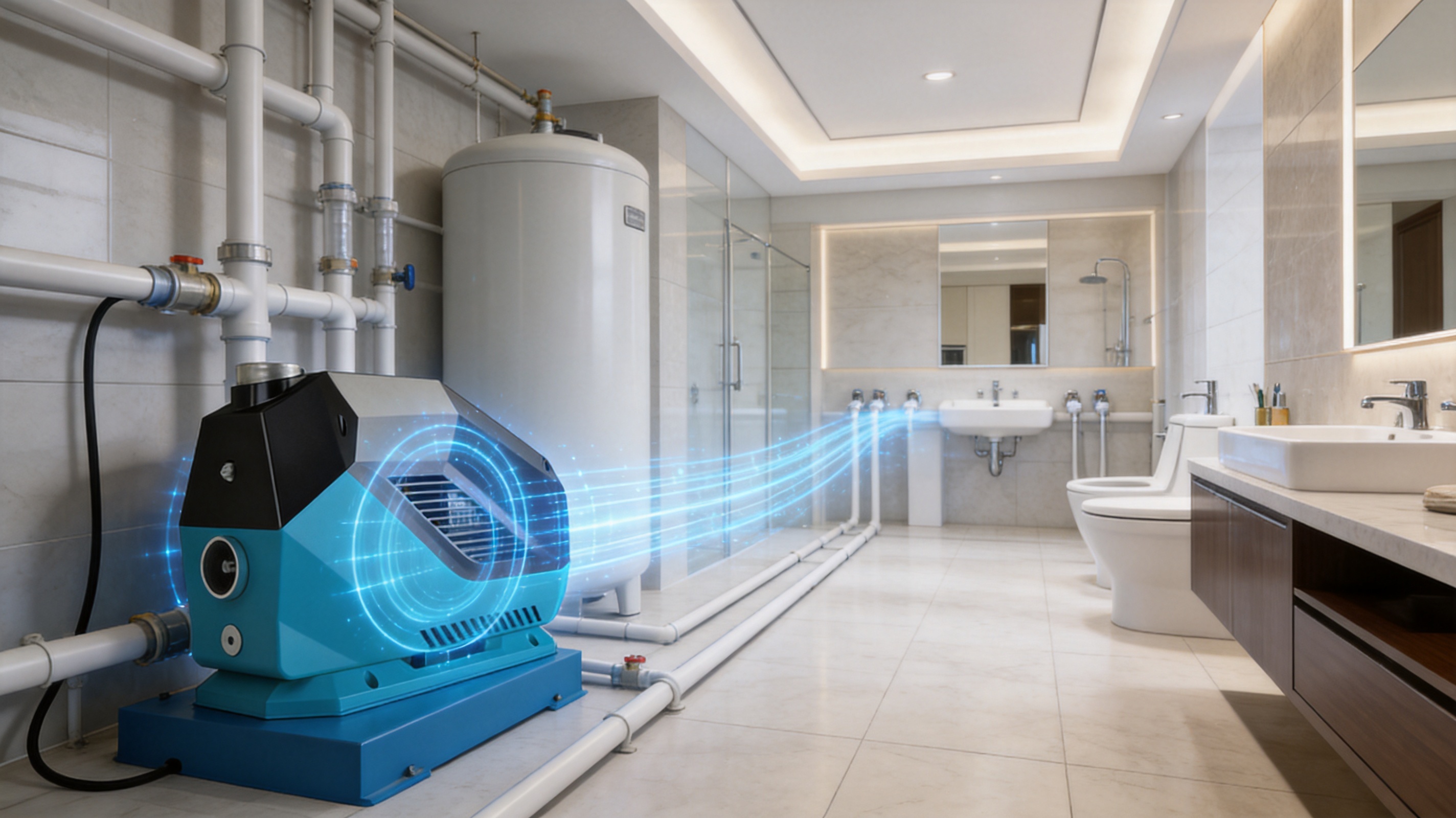
The T8-50 and T8-60 versions share the same general product platform but offer different power and performance characteristics. The T8-50 uses a 1,500-watt motor, while the T8-60 uses a 2,200-watt motor. Both models are designed for a voltage range of 165–260 volts and a frequency of 50 hertz.
| Model | Voltage | Frequency | Power | Maximum Flow | Maximum Head | Rated Flow | Rated Head | Maximum Suction | Piping |
| T8-50 | 165–260 V | 50 Hz | 1,500 W | 17.5 m³/h | 70 m | 8 m³/h | 43 m | 8 m | 50 mm |
| T8-60 | 165–260 V | 50 Hz | 2,200 W | 18.5 m³/h | 70 m | 8 m³/h | 49 m | 8 m | 50 mm |
The maximum flow figure represents the highest listed flow under the relevant test conditions, while the maximum head indicates the greatest listed pressure capability at very low or zero flow. In practical system design, the rated flow and rated head are often more useful starting points because they better represent a normal operating region.
The T8-50 has a rated flow of 8 cubic meters per hour and a rated head of 43 meters. It can be suitable for a high-quality residential water system, a villa, a small apartment installation, or a facility with moderate simultaneous demand.
The T8-60 provides the same rated flow of 8 cubic meters per hour but a higher rated head of 49 meters. Its greater motor power provides additional pressure capability and a wider operating reserve. It may be appropriate where the building is taller, the pipe network is longer, the water demand is more demanding, or a greater pressure margin is desired.
Both models list a maximum suction capability of 8 meters. This value should be treated as a design limit rather than a target for every installation. Actual suction performance can be affected by pipe diameter, pipe length, elevation, water temperature, air leakage, fittings, inlet conditions, and water quality. A professional installer should evaluate the complete suction system before selecting the final model.
A conventional fixed-speed pump may cause pressure to rise sharply when only one outlet is open and fall quickly when several outlets are used. The T8-50/60 is designed to reduce this variation through intelligent frequency adjustment. Maintaining a more stable pressure can improve comfort and help appliances receive water more consistently.
Stable pressure is particularly important in multi-bathroom residences, hotels, serviced apartments, and clubs. Guests and residents generally expect similar water performance at different times of the day. A pump that adapts to demand can offer a better experience than a basic pump that operates only at a fixed output.
One of the most important advantages of variable-frequency operation is the ability to reduce speed when full capacity is unnecessary. In many pumping applications, power demand falls significantly as speed decreases. The exact savings depend on the system curve, operating schedule, pipe network, water demand, and control settings, so energy results should be evaluated for each installation. Nevertheless, matching pump output to actual demand is generally more efficient than operating a fixed-speed motor continuously at maximum performance.
The permanent magnet motor further supports efficiency by providing a high-performance drive system. The combination of motor design and intelligent control can reduce wasted energy during low- and medium-demand periods. Over a long service life, lower electricity consumption may contribute significantly to the total cost advantage of the pump.
Noise is a major concern in domestic and hospitality environments. A pump installed near bedrooms, kitchens, utility rooms, or occupied public areas must provide pressure without causing excessive disturbance. The T8-50/60 combines a high-efficiency motor, variable-speed operation, and a multistage hydraulic system to support low-noise performance.
Variable-speed starting can also reduce the sudden mechanical and hydraulic impact associated with direct full-speed starting. While installation quality, foundation design, pipe support, and system pressure all affect actual noise, the intelligent drive concept provides a strong foundation for quieter operation.
Sudden changes in water velocity can create hydraulic shock, commonly called water hammer. This can damage pipe joints, valves, fittings, and appliances over time. A controlled acceleration and deceleration process can reduce the severity of sudden pressure changes compared with repeated direct-on-line starting.
The T8-50/60 is therefore advantageous in systems where pipe protection and user comfort are important. However, proper pipe sizing, correctly selected check valves, air control, and suitable pressure settings remain necessary for a complete water-hammer management strategy.
The built-in smart switch and intelligent control functions simplify operation. Users do not need to manually change the motor speed for every change in demand. The system is designed to respond automatically, allowing the pump to support everyday water use with minimal intervention.
This convenience can be valuable to homeowners, hotel operators, property managers, and maintenance teams. A simple control concept reduces the learning curve and can make the pump easier to integrate into a modern water-supply system.
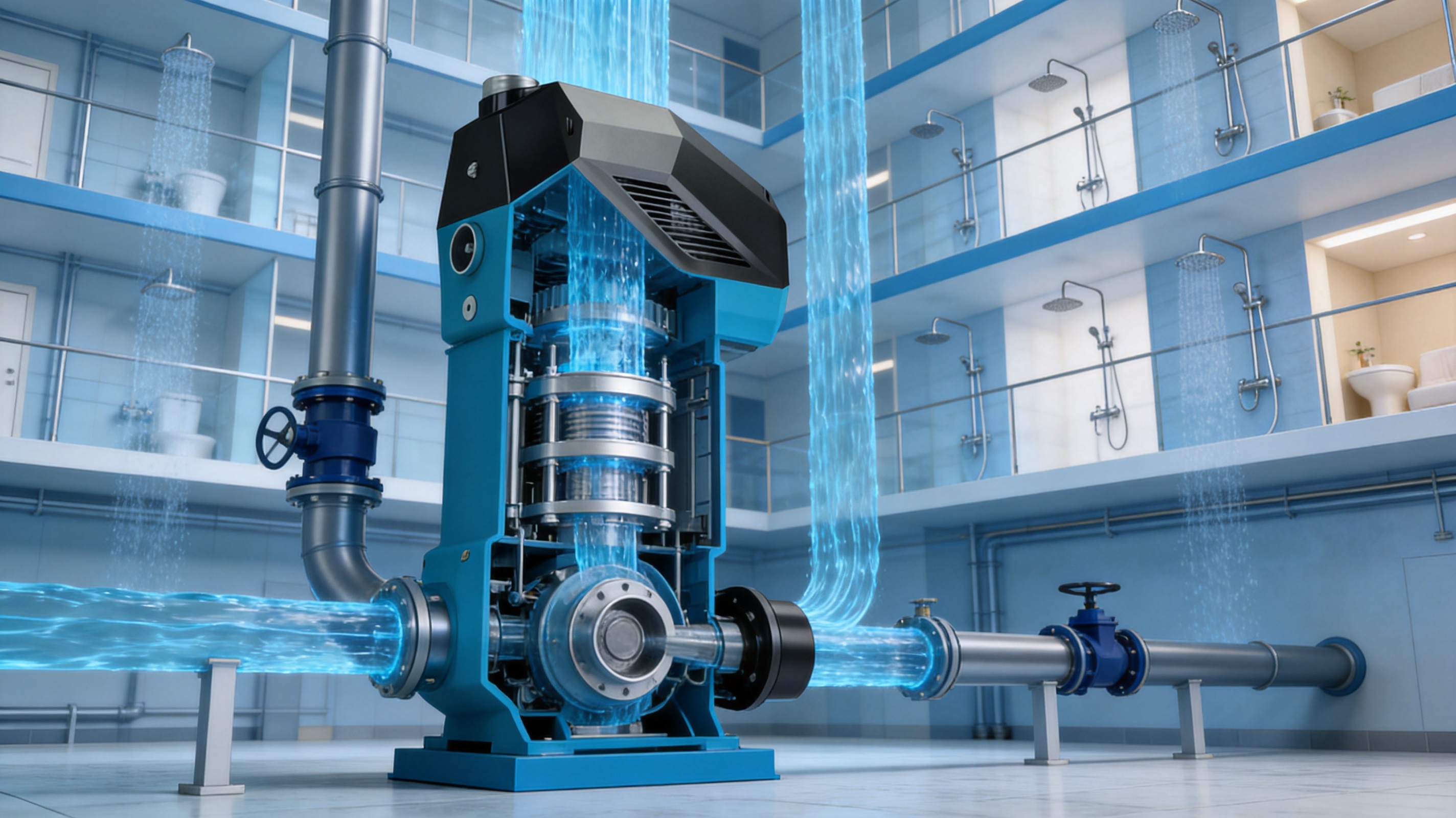
Water pumps operate in an environment where electrical and hydraulic conditions can change quickly. Voltage fluctuations, dry running, blocked pipes, abnormal pressure, overheating, and frequent cycling can all affect pump reliability. The T8-50/60 incorporates multiple protection functions intended to protect the pump and support safe operation.
Although the exact protection configuration should be confirmed in the product manual and quotation documentation, the stated product concept includes safeguards designed to address abnormal operating conditions. These may include protective responses related to motor overload, overheating, abnormal voltage, dry running, and other operating faults, depending on the final control configuration.
Protection functions are valuable for several reasons. First, they can help prevent damage when the water source is interrupted. Second, they may reduce the risk of motor stress caused by excessive load. Third, they can assist maintenance personnel by making abnormal operating conditions easier to identify. Finally, automatic protective control can reduce the need for constant human supervision.
Protection should not be considered a replacement for correct engineering. The pump should be installed with suitable electrical protection, grounding, pipework, isolation valves, filters where necessary, and access for inspection. The water source should be clean enough for the pump’s intended use, and the system should be operated within the specified voltage, frequency, flow, head, and suction limits.
Luxury villas often include multiple bathrooms, large kitchens, garden irrigation, domestic appliances, showers, and water features. Water demand can vary considerably throughout the day. A fixed-speed pump may provide strong pressure at one outlet but excessive pressure at another. The T8-50/60 can adapt to changing demand and support a more balanced water-supply experience.
The self-priming design is useful where the pump is located near a storage tank or another water source that is not continuously pressurized. The high head capability can also assist with upper-floor outlets and long internal pipe runs.
In apartments, pressure may be insufficient on upper floors or during periods of high municipal demand. A booster pump can increase pressure for domestic water systems while maintaining automatic control. The T8-50 may suit smaller installations, while the T8-60 can provide additional pressure reserve for more demanding buildings.
Because residential users value quiet operation, an intelligent low-noise pump can be a better choice than a large fixed-speed unit that starts abruptly and operates loudly. The pump’s compact integrated concept may also simplify installation in a utility room, equipment area, or service enclosure.
Hotels require dependable water pressure for guest rooms, kitchens, laundries, bathrooms, and public facilities. Demand can change rapidly when guests use water at the same time. A pressure-control system that responds automatically can help maintain consistent service without requiring staff to adjust the pump throughout the day.
Lower operating noise is also important in hotels because pump rooms may be close to guest areas. Energy efficiency can reduce ongoing operating costs, especially when the pump works for long hours under changing demand.
Clubs, bars, and restaurants often have concentrated demand during peak operating periods. Kitchen equipment, cleaning systems, bathrooms, beverage preparation, and service areas may require water simultaneously. The T8-50/60 can provide an auxiliary pressure solution for these facilities, particularly where the existing supply is inconsistent.
The intelligent controller can reduce unnecessary full-speed operation during quieter periods. This is an advantage for businesses seeking to reduce utility costs while maintaining reliable service during peak hours.
Public buildings and high-class clubs may require auxiliary water-pressure equipment to support changing occupancy levels. A pump with automatic control, high head performance, and multiple protection functions can provide a flexible solution for these environments. System designers should calculate the expected peak flow, static head, friction loss, minimum inlet pressure, and required service pressure before choosing between the T8-50 and T8-60.
Model selection should be based on the complete system rather than motor power alone. The T8-50 and T8-60 both have a maximum listed head of 70 meters and a rated flow of 8 cubic meters per hour, but the T8-60 offers a higher rated head of 49 meters compared with 43 meters for the T8-50.
The T8-50 may be appropriate when the installation has moderate elevation, limited pipe friction, and a normal residential demand profile. Its lower rated power may help avoid unnecessary oversizing in smaller systems.
The T8-60 may be preferable when the building has additional floors, longer pipe runs, greater pressure loss, or a higher expected simultaneous demand. Its greater power provides extra working capacity and a higher rated head.
Oversizing should be avoided. A pump that is too large may cause higher initial and operating costs, unnecessary pressure, more frequent control adjustments, and inefficient operation. Undersizing may result in inadequate pressure, continuous operation near maximum capacity, and reduced user satisfaction. The most reliable selection process combines hydraulic calculations with actual site conditions.
| Selection Consideration | Questions to Evaluate | Importance |
| Building height | How many floors must receive adequate pressure? | Static head affects the required pump head. |
| Peak flow | How many outlets may operate simultaneously? | Determines the required flow capacity. |
| Pipe length | How long are the suction and discharge lines? | Longer pipe runs create greater friction loss. |
| Water source | Is water supplied from a tank, well, or municipal line? | Influences suction and inlet conditions. |
| Operating environment | Is the pump near bedrooms, guest rooms, or public areas? | Noise performance and installation quality become critical. |
| Electrical supply | Is the available supply within 165–260 volts at 50 hertz? | Correct electrical compatibility is essential. |
The performance of a smart pump depends not only on its design but also on the manufacturer’s ability to produce consistent products. Taizhou Edwin Electric Co., Ltd. is an integrated manufacturing enterprise specializing in independent research and development, mass production, and global export. This integrated structure provides important advantages for customers seeking reliable supply and long-term cooperation.
Independent research and development allows the company to develop products around real market requirements rather than simply copying existing pump designs. The T8-50/60 reflects this approach by combining hydraulic performance with intelligent control, permanent magnet motor technology, self-priming operation, and protective functions in one product platform.
Research and development in pump manufacturing requires coordination between hydraulic design, motor performance, control software or electronics, mechanical construction, sealing, thermal management, and user operation. A product must work as a complete system. The company’s investment in intelligent technology since 2018 demonstrates a focus on expanding beyond traditional pumps into more adaptive and energy-conscious equipment.
Mass production supports stable availability and helps standardize manufacturing procedures. For distributors, contractors, and project buyers, production capacity is important because delayed pump delivery can affect construction schedules and equipment replacement plans.
Standardized mass production can also improve consistency between units. When components, assembly methods, inspection procedures, and packaging processes are controlled, customers can expect more predictable product performance across repeated orders. This is especially valuable for property developments, hotel projects, residential communities, and distributor networks.
Edwin Pump’s product portfolio includes deep well pumps, submersible pumps, domestic booster pumps, circulation pumps, solar water pumps, and other water-supply products. This broad experience can help the company understand different water-system requirements, from household pressure boosting to agricultural irrigation, municipal engineering, mining, construction, HVAC, and new-energy projects.
A broad portfolio also supports one-stop procurement. Customers may be able to source several categories of pumping equipment from one manufacturing group rather than coordinating with multiple unrelated suppliers. This can simplify product matching, documentation, communication, order planning, and after-sales coordination.
The company has developed a professional export structure to serve customers in international markets. Taizhou Haipai Import & Export Co., Ltd. and Golden Falcon Industrial Co., Ltd. were established in 2012 to support procurement planning, order tracking, cross-border delivery, and foreign-trade services.
International experience is important for pump buyers because projects often involve different voltage conditions, installation practices, packaging requirements, shipping arrangements, and documentation expectations. A manufacturer familiar with cross-border supply can provide more coordinated support from product selection through delivery.
Edwin Pump focuses on the medium-to-high-end global market, where buyers typically place greater emphasis on product reliability, efficiency, appearance, noise, control functions, and long-term value. The T8-50/60 fits this positioning by offering features that go beyond the basic function of water transfer.
For professional buyers, a pump’s value should be evaluated through total ownership cost. Initial purchase price is important, but energy use, maintenance, downtime, installation complexity, noise, and expected service life also affect the final economic result. A well-designed intelligent pump can offer advantages across several of these categories.
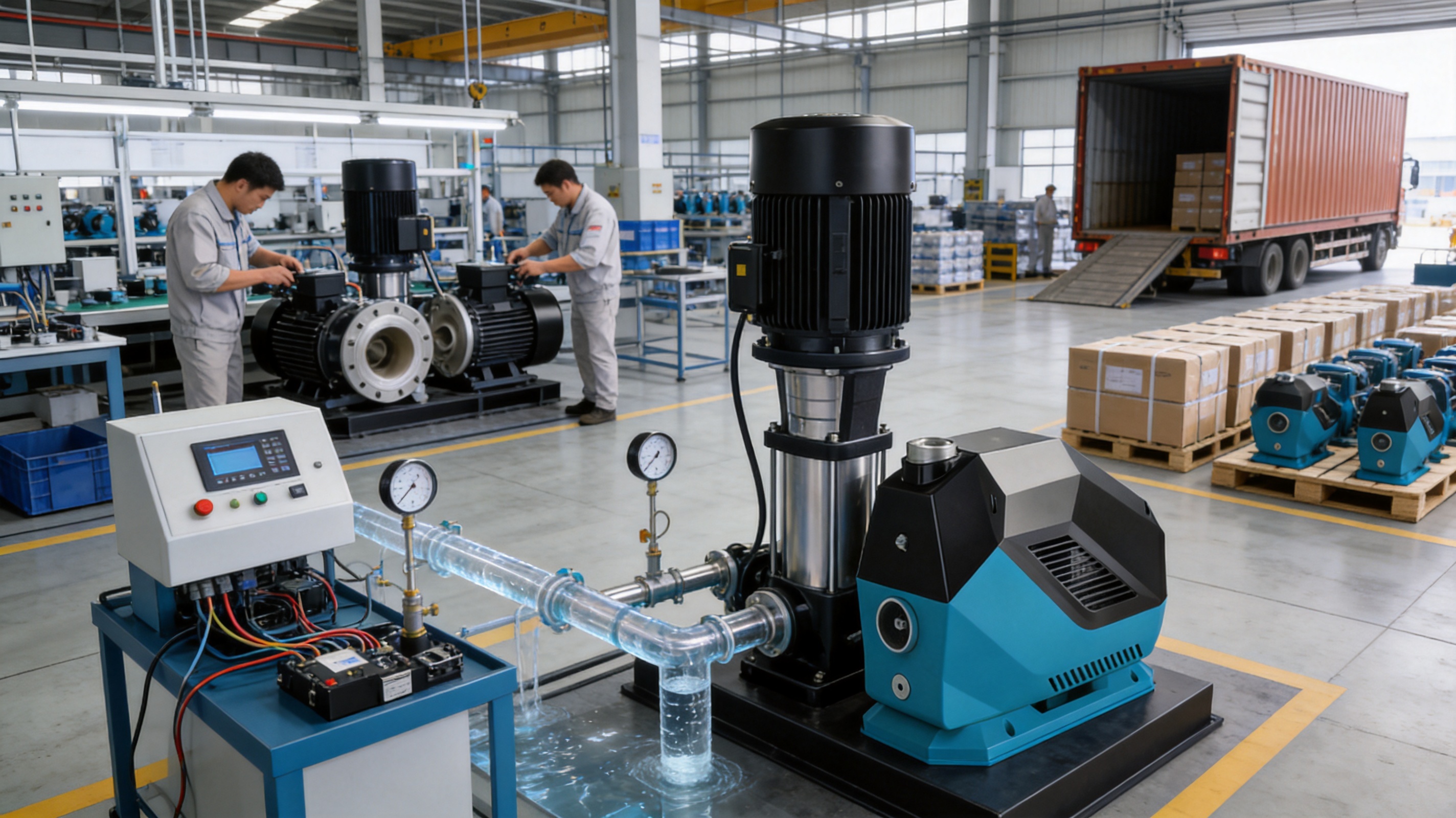
A modern intelligent booster pump requires a coordinated manufacturing process. Although specific factory equipment and inspection standards should be confirmed directly with the manufacturer, the product’s design indicates the need for several important production capabilities.
The permanent magnet motor must be assembled accurately to maintain the correct relationship between the rotor, stator, bearings, and control system. Precision in motor assembly can influence efficiency, vibration, noise, heat generation, and service reliability.
Electrical assembly also requires careful attention to wiring, insulation, control-board integration, connectors, grounding, and enclosure protection. Variable-frequency systems depend on accurate communication between the controller and motor. Poor assembly quality can reduce control accuracy or create avoidable electrical faults.
Multistage pumps require close coordination among impellers, diffusers, stage casings, shafts, seals, and flow passages. Dimensional consistency is important because small variations can influence hydraulic balance and efficiency. Smooth internal flow paths help reduce turbulence and energy loss.
The self-priming function also places requirements on the pump body, internal passages, valve arrangement, and sealing. Air must be managed effectively during the priming process, while water leakage must be controlled during normal operation. Manufacturing quality in these areas directly affects start-up reliability.
Water pumps must maintain reliable separation between the wet hydraulic section and the motor or electrical area. Mechanical seals, gaskets, shaft surfaces, and assembly tolerances all contribute to leakage control. Consistent installation of sealing components is therefore a key part of quality manufacturing.
Appropriate materials should be selected according to the intended water temperature, pressure, chemical characteristics, and operating environment. For residential systems, clean water applications are normally expected, but the installer should still confirm material compatibility before commissioning.
The smart control system is one of the product’s major differentiators. It must detect operating conditions, respond to water demand, adjust frequency, and activate protective functions when necessary. Integration between hydraulic and electronic systems should be verified through functional testing.
Testing may include start-up behavior, pressure response, frequency adjustment, fault response, operating stability, and recovery after abnormal conditions. The objective is to ensure that the finished pump behaves as a coordinated product rather than as a motor, controller, and hydraulic unit operating independently.
Reliable pump manufacturing depends on inspection at different stages. Typical quality-control activities may include incoming component inspection, dimensional checks, electrical safety testing, motor testing, hydraulic performance testing, leakage inspection, noise evaluation, and final visual examination.
The exact testing program for the T8-50/60 should be confirmed with the supplier. However, a manufacturer with independent development, mass production, and export experience is better positioned to establish repeatable processes for these activities. Consistent quality control is especially important for distributors who need predictable performance across multiple shipments.
Even a well-designed pump can perform poorly if it is installed incorrectly. The T8-50/60 should be installed by qualified personnel who understand pump hydraulics, electrical safety, and domestic or commercial water systems.
The suction line should be as short and direct as practical. Unnecessary bends, undersized pipes, excessive fittings, and poorly sealed joints can increase friction loss and allow air to enter the system. Because the product has a 50-millimeter piping specification, the connected pipework should be selected and installed to support the intended flow without creating avoidable restrictions.
The suction line should be properly supported so that its weight does not place stress on the pump casing. Flexible connectors may be useful where vibration isolation is required, but they should not replace correct pipe support. All threaded or flanged connections should be sealed appropriately, and the system should be checked for air leakage before normal operation.
The pump should be positioned on a stable, level foundation in a dry and ventilated location. Excessive moisture, flooding, direct exposure to weather, corrosive atmosphere, or extreme temperatures may affect electrical and mechanical components. Adequate clearance should be left for inspection, cleaning, electrical access, and future maintenance.
The electrical supply must match the specified voltage and frequency range. Proper grounding and suitable circuit protection are essential. Electrical work should be completed by a qualified professional, and local regulations should be followed.
Before commissioning, the installer should verify the water source, open the required valves, inspect the suction path, confirm that the system is filled as required, and check for abnormal leakage. The pump should be observed during its first operating cycle to confirm stable pressure, correct rotation or control behavior, acceptable noise, and proper response to changing demand.
Routine maintenance helps preserve pump performance and extends service life. The frequency of maintenance depends on water quality, operating hours, installation conditions, and system design. In general, users should periodically inspect electrical connections, pipe joints, valves, filters, pressure behavior, and signs of leakage.
Changes in sound or vibration may indicate hydraulic blockage, bearing wear, air entry, loose pipework, or another abnormal condition. A sudden reduction in pressure may be related to a closed valve, clogged inlet, air leakage, worn hydraulic components, or a change in the water source. Early investigation can prevent a minor issue from becoming a major repair.
If the system includes a filter, the filter should be cleaned according to the water quality and manufacturer’s recommendations. A blocked filter can increase suction resistance and reduce pump performance. The installation should also be protected against freezing where low temperatures are possible, since frozen water can damage the casing and pipework.
Intelligent control can contribute to long-term operating value by reducing unnecessary full-speed operation and limiting harsh cycling. Nevertheless, energy savings depend on actual usage. A system with continuous high demand will naturally consume more energy than one with intermittent low demand. The greatest benefit is achieved when the pump is correctly selected, properly adjusted, and operated within its intended range.
The T8-50/60 competes favorably with basic fixed-speed booster pumps because it combines several functions in one integrated system. A conventional pump may require separate pressure controls, additional switching equipment, manual adjustment, and external protective devices. The T8-50/60 is designed to provide intelligent regulation and multiple protection features within a more unified product concept.
Compared with a simple single-stage pump, its multistage design offers higher pressure capability in a compact format. Compared with a pump that uses a standard induction motor, the permanent magnet frequency-conversion system provides a more advanced approach to energy management and speed control. Compared with a manually operated booster system, the automatic smart switch improves convenience and reduces the need for constant supervision.
Another competitive advantage is the balance between domestic and light commercial suitability. The pump is compact and practical enough for villas and apartments, yet its high head, rated flow, and intelligent control functions also support hotels, clubs, bars, and other public facilities. This flexibility can help distributors and engineering contractors serve several market segments with one product family.
The two-model structure also makes selection easier. The T8-50 provides a 1,500-watt option for moderate requirements, while the T8-60 offers 2,200 watts and a higher rated head for more demanding installations. Buyers can select the appropriate model without moving to a completely different platform.
Before purchasing the pump, project managers should prepare a clear set of operating requirements. These should include the water source, expected flow, required pressure, building height, pipe size, suction distance, water temperature, electrical supply, installation environment, and expected daily operating schedule.
Buyers should also request the latest technical documentation, installation instructions, warranty terms, spare-parts information, packaging details, and available customization options. If the product is being used in a commercial or public project, the buyer may need additional documents related to inspection, testing, labeling, and shipment.
For international orders, communication with the manufacturer should cover voltage and frequency compatibility, language requirements for manuals and labels, shipping marks, container loading, delivery schedule, and after-sales support. Edwin Pump’s experience in procurement planning, order tracking, cross-border delivery, and foreign trade can help streamline these steps.
Distributors should consider product positioning as well as technical specifications. The T8-50/60 can be presented as an energy-conscious, quiet, automatic pressure solution for customers who want a higher level of comfort and control than a conventional booster pump can provide.
Taizhou Edwin Electric Co., Ltd. was founded in 2008 and has developed into an integrated manufacturer serving customers in global markets. Its business combines research and development, production, export, and procurement support. This structure allows the company to manage both product engineering and commercial supply requirements.
The company’s pumps are used in new-energy projects, agricultural irrigation, municipal engineering, mining, construction, HVAC systems, and household water supply. Experience across these sectors can contribute to a broader understanding of pump selection, system conditions, environmental challenges, and customer expectations.
Since 2018, the company has invested in new energy and intelligent technology. The development of solar water pumps and intelligent booster pumps reflects an effort to respond to two important trends in the water-equipment industry: lower energy consumption and greater automation.
For global industrial clients, one-stop procurement can simplify cooperation. Instead of purchasing different pump categories from disconnected suppliers, customers can work with a manufacturer whose product range includes deep well pumps, submersible pumps, circulation pumps, domestic booster pumps, solar pumps, and associated water-supply products. This may reduce coordination costs and make it easier to build a consistent equipment strategy.
The T8-50/60 is a household self-priming multistage intelligent booster pump. It is designed to improve water pressure and provide automatic, variable-frequency operation in residential and selected light commercial applications.
The T8-50 is rated at 1,500 watts, with a rated head of 43 meters. The T8-60 is rated at 2,200 watts, with a rated head of 49 meters. Both models have a rated flow of 8 cubic meters per hour, a maximum listed head of 70 meters, and a maximum listed suction capability of 8 meters.
The pump is designed for variable-frequency constant-voltage operation. Its intelligent control system adjusts motor speed in response to changing demand to support more stable pressure. Actual pressure performance depends on system design, settings, pipework, and water-source conditions.
Yes. The pump is intended for applications such as luxury villas, apartments, and domestic water-supply systems. The correct model should be selected according to the building height, expected simultaneous flow, pipe friction, and required outlet pressure.
The stated application range includes high-class clubs, bars, hotels, large public places, luxury villas, and apartments. For commercial projects, the installer should confirm the required duty point and ensure that the pump is suitable for the expected operating schedule and water quality.
Self-priming means the pump is designed to remove air from the suction line and establish pumping action without requiring complete manual filling at every start. Proper pipe sealing and installation remain necessary for reliable priming.
Both listed models are specified for 165–260 volts and 50 hertz. The available electrical supply should be confirmed before purchase and installation.
The product uses a permanent magnet motor and variable-frequency control to reduce unnecessary high-speed operation. This design can lower energy consumption compared with fixed-speed operation, especially when water demand changes throughout the day. Actual savings depend on system conditions and usage patterns.
Low-noise operation is one of the stated product advantages. Actual noise also depends on the foundation, pipe supports, vibration isolation, water conditions, and surrounding installation environment.
The maximum suction value is listed as 8 meters. It indicates the maximum stated vertical suction capability under suitable conditions. Real performance may be lower if the suction pipe is long, narrow, poorly sealed, or subject to high friction loss.
The product is described as having multiple protection functions. These functions are intended to help protect the pump during abnormal conditions. Buyers should review the current technical manual for the exact protection types and operating responses.
Buyers should confirm the required flow and head, water source, suction distance, pipe size, voltage, frequency, installation environment, operating schedule, delivery requirements, documentation, and after-sales arrangements.
The pump is manufactured by Taizhou Edwin Electric Co., Ltd., also known as Edwin Pump, an integrated manufacturer of water pumps and related water-supply products.
The company has an export-oriented structure and affiliated companies supporting procurement planning, order tracking, cross-border delivery, and foreign-trade services. Specific order and documentation arrangements should be confirmed for each project.
The T8-50/60 Household Self-Priming Multistage Intelligent Booster Pump is designed for customers who require more than basic water transfer. Its permanent magnet frequency-conversion motor, variable-frequency constant-voltage control, multistage hydraulic structure, self-priming function, low-noise concept, energy-saving operation, smart switch, and multiple protection functions create a comprehensive pressure-boosting solution.
The T8-50 is suitable for moderate residential and light commercial requirements, while the T8-60 offers greater power and a higher rated head for more demanding installations. Both models provide a maximum listed head of 70 meters, a rated flow of 8 cubic meters per hour, a maximum listed flow of up to 18.5 cubic meters per hour, and a maximum listed suction capability of 8 meters.
Its main advantages over conventional booster pumps include more responsive pressure control, better energy management, lower operating noise, reduced pressure fluctuation, and simpler daily operation. These features make the pump suitable for villas, apartments, hotels, clubs, bars, restaurants, and other public or residential facilities.
The product is supported by Edwin Pump’s integrated capabilities in research and development, mass production, global export, and one-stop procurement. With experience across household, agricultural, municipal, construction, HVAC, mining, and new-energy applications, the company is positioned to serve customers seeking dependable pump products and coordinated international supply.
For the best result, the pump should be selected through a complete hydraulic assessment and installed according to professional engineering practice. When correctly matched to the system, the T8-50/60 can provide stable pressure, improved user comfort, lower energy waste, and dependable intelligent water-supply performance.
1. Product technical data for the T8-50/60 Household Self-Priming Multistage Intelligent Booster Pump.
2. Manufacturer-provided product description and application information for the T8-50 and T8-60 models.
3. Manufacturer profile and company information for Taizhou Edwin Electric Co., Ltd.
4. General engineering principles for centrifugal pump selection, suction design, pressure boosting, and variable-speed operation.
5. General technical guidance on permanent magnet motors, variable-frequency drives, energy-efficient pumping, and water-system protection.
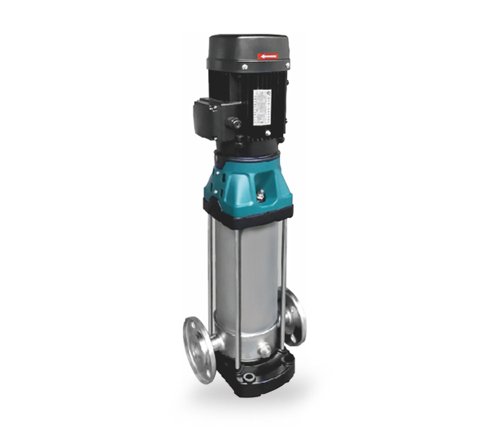
serieswatershortageprotectionvoltagestabilizationstainlesssteelverticalmultistagepump.jpg "EVR(S) Series Water Shortage Protection Voltage Stabilization Stainless Steel Vertical Multistage Pump")
edwina@edwin-pump.com
+86-13586290903 (WhatsApp)
Xuri Gongliang Cutting Tool Entrepreneurship Park, Wenqiao Town, Wenling City, Taizhou City, Zhejiang Province, China

High Performance Smart Pump Factory


 English