edwina@edwin-pump.com

View All Products
en
Reliable water movement is essential in homes, farms, workshops, commercial buildings, irrigation systems, and light industrial facilities. A pump must do more than simply transfer water from one location to another. It must provide suitable pressure, maintain dependable performance, tolerate routine operating conditions, and remain practical to install and service. The HMC145 multi-stage self-priming pump is designed to address these requirements with a compact horizontal construction, multiple power options, strong suction capability, and a flexible range of applications.
As a horizontal multistage pump, the HMC145 combines several impeller stages to generate higher pressure than many conventional single-stage surface pumps. Its self-priming design is particularly useful in applications where the pump is installed above the water source and must draw water through a suction pipe. With a maximum suction height of 8 meters under suitable installation conditions, the pump can support water supply from wells, reservoirs, storage tanks, and other open or closed water sources.
The series includes four models from 0.55 kW to 1.5 kW, corresponding to approximately 0.75 HP to 2 HP. This range enables users to select a pump according to the required flow, pressure, and operating duty instead of choosing an unnecessarily large motor. The available models reach maximum flows of 130 to 155 liters per minute and maximum heads of 25 to 60 meters, providing a practical solution for household water supply, garden irrigation, civil applications, and many light commercial duties.
Manufactured by Taizhou Edwin Electric Co., Ltd., the pump benefits from the company’s experience in independent research and development, mass production, quality-focused assembly, and international export. Since its establishment in 2008, the company has developed a broad product portfolio that includes deep well pumps, submersible pumps, domestic booster pumps, circulation pumps, solar water pumps, intelligent booster pumps, and other water treatment-related products. This product knowledge supports the development of pumps intended for changing water-use requirements and diverse operating environments.
The HMC145 is a horizontal multi-stage self-priming pump intended for clean-water applications and general water supply duties. Its horizontal configuration simplifies placement in many equipment rooms, utility spaces, gardens, workshops, and residential installations. Unlike a deep-well submersible pump, it remains outside the water source, making inspection and servicing more accessible. Unlike many basic single-stage surface pumps, its multi-stage hydraulic structure is designed to produce a higher pressure head within a compact motor-pump assembly.
The pump is suitable for water supply from wells and reservoirs, domestic water use, civil and industrial applications, garden watering, and irrigation. It can also be connected to a pressure controller or assembled with a tank system when automatic pressure management is needed. These options allow the pump to serve as a simple manual water-transfer device or as part of a more complete pressurized water supply system.
The standard product specification includes a copper motor winding, a built-in thermal protector, a stainless steel welded shaft, and impellers available in brass, AISI SS304 stainless steel, or PPO material. These construction options allow distributors and project users to select a configuration suitable for their intended market, water quality, and cost requirements. The available operating frequency is 50 Hz or 60 Hz, while different cable lengths can be supplied on request.
| Model | Power | Power | Inlet/Outlet | Maximum Flow | Maximum Head | Maximum Suction |
|---|---|---|---|---|---|---|
| kW | HP | L/min | m | m | ||
| HMC145-2S | 0.55 | 0.75 | 1.25 inch x 1 inch | 130 | 25 | 8 |
| HMC145-3S | 0.75 | 1 | 1.25 inch x 1 inch | 145 | 38 | 8 |
| HMC145-4S | 1.1 | 1.5 | 1.25 inch x 1 inch | 150 | 50 | 8 |
| HMC145-5S | 1.5 | 2 | 1.25 inch x 1 inch | 155 | 60 | 8 |
The values in the table represent maximum stated performance. Actual flow and pressure depend on pipe length, pipe diameter, elevation, fittings, water temperature, suction conditions, voltage, installation quality, and the selected impeller configuration. Correct pump selection should therefore consider the complete system curve rather than relying only on the maximum figures.
A multi-stage pump uses more than one impeller arranged in series within the hydraulic path. Each impeller adds energy to the water, and the combined effect produces a higher total head. This makes a multi-stage configuration especially useful where water must be lifted to an elevated tank, delivered through long pipework, supplied to several outlets, or maintained at a useful pressure in a building.
In a single-stage surface pump, the pressure capability is mainly determined by the diameter and speed of one impeller. Increasing pressure may require a larger impeller, a higher motor speed, or a larger motor. A multi-stage arrangement can achieve a substantial head while keeping the pump package relatively compact. This is one reason the HMC145 can provide a maximum head of up to 60 meters in its highest-rated model while remaining suitable for domestic and light commercial installations.
The multi-stage design also provides a useful range of model choices. The HMC145-2S is appropriate when the system requires moderate pressure and a maximum head of 25 meters. The HMC145-3S increases the available head to 38 meters. The HMC145-4S reaches 50 meters, while the HMC145-5S is designed for systems requiring up to 60 meters of maximum head. This stepwise arrangement helps users match motor size and pressure performance to the application.
It is important to distinguish maximum head from operating pressure at every flow rate. Maximum head is normally reached when flow approaches zero, while the available flow decreases as discharge pressure rises. A professional selection process should evaluate the required working point, including the desired liters per minute and the total dynamic head. Even so, the published range offers a useful starting point for system design and product comparison.
Compared with a basic single-stage surface pump of similar general size, a multi-stage pump can offer a higher pressure capability for elevated, long-distance, or multi-outlet applications. It is well suited to situations where a standard transfer pump may move water but cannot maintain sufficient pressure at the delivery point.
The HMC145 can also be more adaptable than a pump designed for only one operating purpose. It can be used for well water supply, irrigation, household distribution, garden watering, and civil or industrial duties. Its ability to connect with a pressure controller or tank system provides a practical path toward automatic operation without requiring the user to replace the entire pump assembly.
Compared with a submersible pump, the surface-mounted design gives users easier access to the motor, electrical connection, and hydraulic housing. This can be advantageous in applications where regular inspection is important or where removing a pump from a deep well would be inconvenient. The correct choice still depends on the water level, well construction, required suction lift, and available installation space.
One of the defining features of the HMC145 is its self-priming function. A self-priming pump is designed to remove air from the suction line and establish water movement after the pump casing has been correctly filled and the installation has been prepared according to operating instructions. This is useful when the pump is positioned above the water source and the suction pipe cannot remain completely flooded at all times.
The stated maximum suction is 8 meters. This figure should be understood as a maximum operating condition rather than a universal installation recommendation. Actual suction performance is affected by atmospheric pressure, water temperature, altitude, pipe diameter, pipe length, foot valve condition, air leakage, bends, filters, and the condition of the suction line. A shorter, larger-diameter, airtight suction pipe generally provides more reliable results than a narrow pipe with numerous fittings.
For dependable self-priming operation, the pump should be installed on a firm, level base. The suction pipe should be properly supported and sealed. Threaded joints should not allow air to enter, because even a small air leak can prevent stable priming. A suitable foot valve or check valve can help retain water in the suction pipe when the pump stops. Before initial operation, the pump casing and suction line should be prepared in accordance with the installation procedure.
Users should never run the pump dry. Dry operation can cause overheating, mechanical seal damage, and premature wear. If the water source may fall below the suction inlet, a level-control arrangement or protective device should be considered. The built-in thermal protector helps protect the motor against certain overload and overheating conditions, but it is not a substitute for correct installation, proper water availability, or a complete electrical protection system.
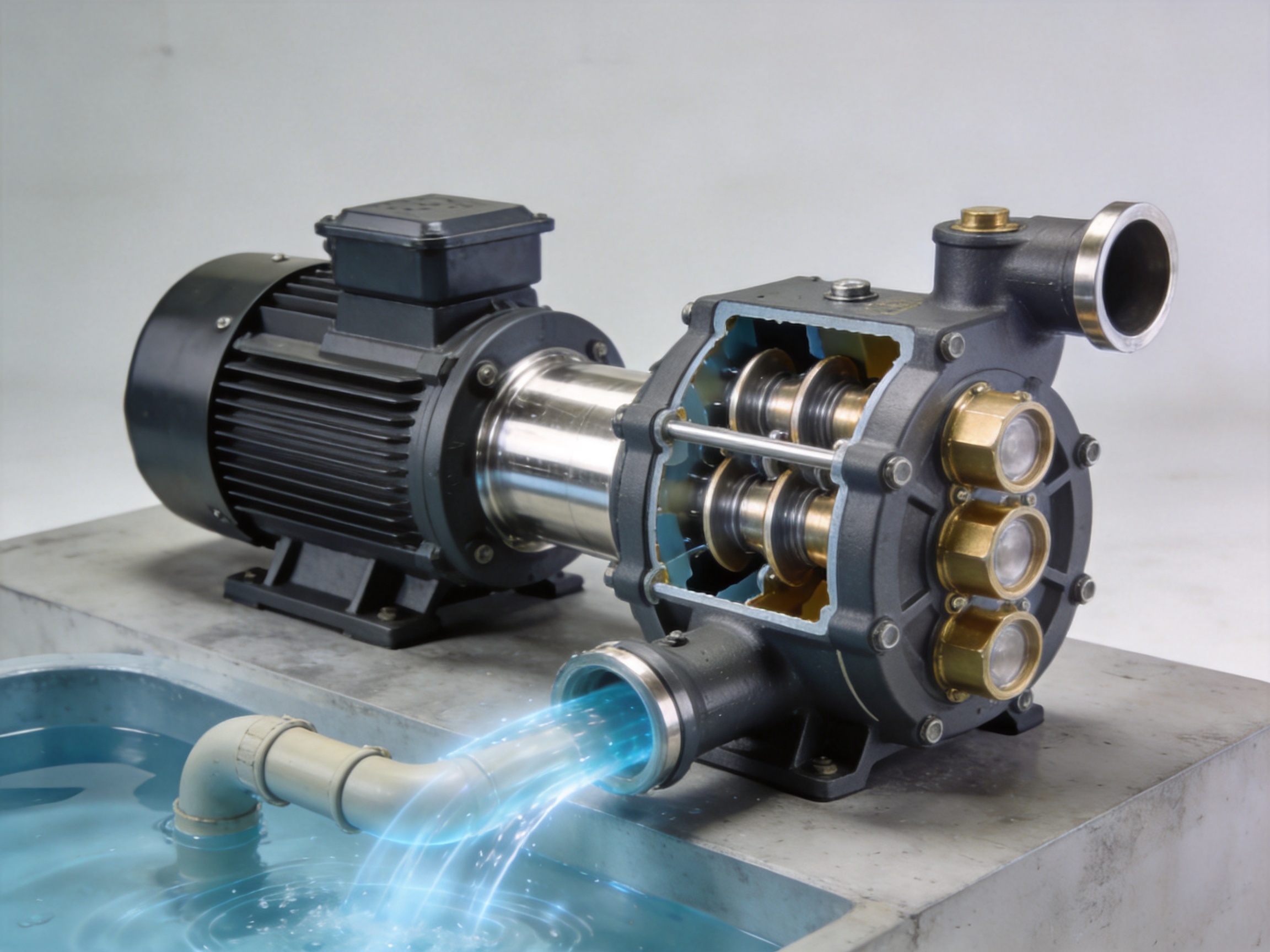
The HMC145 uses a motor with copper winding. Copper is widely used in quality electric motors because of its strong electrical conductivity and ability to support efficient transfer of current through the winding. Proper winding quality contributes to stable motor operation, suitable torque characteristics, and consistent performance when the pump is operated within its rated voltage and frequency.
The built-in thermal protector is another important feature. Motors can experience increased temperature because of overload, blocked hydraulic passages, excessive ambient heat, low voltage, incorrect wiring, frequent restarting, or insufficient ventilation. A thermal protection device can interrupt operation when the motor reaches an unsafe temperature, helping reduce the risk of winding damage. After the motor cools, the user should identify and correct the reason for overheating before restarting the pump.
The pump is available for 50 Hz or 60 Hz operation. The selected frequency and voltage must match the electrical supply and the product configuration. Operating a motor on an unsuitable voltage or frequency can affect speed, current, temperature, pressure, and service life. For export projects, distributors should confirm the required electrical specification before ordering, especially when supplying different countries or regions.
Electrical installation should be performed by a qualified professional. The pump should be connected through suitable protection, correctly earthed where required, and installed in a location protected from unnecessary water exposure. Cable length can be adjusted on request, which may simplify installation planning in different equipment rooms, wells, gardens, or agricultural sites.
The stainless steel welded shaft supports the rotating assembly and is designed to provide a durable connection between the motor and hydraulic components. Shaft material is important because the shaft is exposed to rotational stress, vibration, and contact with the pump’s internal components. Stainless steel can offer useful resistance to corrosion in normal clean-water service, although the exact service life depends on water chemistry, operating conditions, seal condition, and maintenance.
A properly manufactured shaft must maintain accurate alignment with the motor and impellers. Excessive misalignment can create vibration, noise, seal wear, and bearing stress. This is why manufacturing control, assembly accuracy, and inspection are important parts of pump quality. A pump’s performance is not determined by the impeller or motor alone; it depends on the compatibility and precision of the complete rotating system.
The HMC145 can be configured with impellers made from brass, AISI SS304 stainless steel, or PPO. These options provide flexibility for different purchasing requirements and application environments.
Brass impellers are commonly selected for their combination of mechanical strength, manufacturing suitability, and practical performance in general water applications. Brass may be attractive for users who require a robust metallic impeller while maintaining a competitive equipment cost.
AISI SS304 stainless steel impellers are suitable for users who place greater emphasis on corrosion resistance, clean appearance, and metallic construction. Stainless steel may be preferred in certain domestic, commercial, or water-treatment-related applications, subject to the actual water chemistry and project requirements.
PPO is an engineering polymer that can provide a lightweight and cost-conscious alternative for suitable clean-water applications. Polymer components can help reduce weight and may offer useful resistance to certain forms of corrosion. The best choice depends on water quality, temperature, pressure, operating cycle, and the purchaser’s performance and budget requirements.
Material selection should always be confirmed against the actual medium. The stated maximum fluid temperature is 40 degrees Celsius, and the maximum sand content is 0.25 percent. Water containing abrasive particles, aggressive chemicals, excessive hardness, or other contaminants may require a different pump design, filtration system, or material specification. The HMC145 is intended for appropriate water applications rather than unrestricted handling of abrasive or chemically aggressive fluids.
The maximum stated fluid temperature is 40 degrees Celsius. Keeping the pump within this limit helps protect the motor, mechanical seal, hydraulic components, and internal materials. Higher-temperature water can change viscosity, increase vapor pressure, affect sealing performance, and reduce the available suction margin. If a special application involves warmer water, the user should request a technical review before placing an order.
The maximum sand content is specified as 0.25 percent. Sand and other abrasive particles can accelerate wear on impellers, diffusers, mechanical seals, and internal passages. If the water source contains visible sediment, the installation should include suitable filtration or settling measures. A filter must be selected carefully because an undersized or frequently blocked filter can create excessive suction losses and reduce pump performance.
The pump should be placed as close as practical to the water source. A short suction line reduces friction losses and helps improve priming reliability. The suction pipe should normally be at least as large as the pump inlet and should avoid unnecessary sharp bends. The discharge pipe should be selected according to the required flow and pressure, with attention to the total length, elevation, valves, elbows, filters, and terminal outlets.
Pipework must be securely supported so that its weight is not carried by the pump casing. Mechanical stress on the inlet or outlet connection can lead to leakage, distortion, or premature failure. Isolation valves may be installed to support maintenance, while a non-return valve can help prevent reverse flow where required by the system design.
The foundation should minimize vibration and provide adequate drainage. The pump should not be installed in a location where flooding, rainwater, or uncontrolled leakage can reach the motor or electrical connection. Adequate ventilation is also important, particularly in enclosed equipment rooms or cabinets.
A typical installation begins with confirming the water source, static water level, suction lift, required flow, required head, and electrical supply. The installer then selects the appropriate model and verifies that the pipework and valves are compatible with the pump connections.
The pump is mounted securely, and the suction pipe is routed with as few restrictions as possible. All suction-side threaded connections are sealed and checked for air tightness. A suitable foot valve or non-return valve is installed when necessary. The pump casing is filled with water before first start-up, and the discharge line is checked to ensure that water can move safely through the system.
After the electrical connection is completed, the pump is started and observed. The installer should check for abnormal noise, excessive vibration, leakage, overheating, unstable pressure, and failure to prime. The pump should not be left unattended during the first operating test. If priming does not occur, the pump should be switched off and the suction line, water level, valve arrangement, and casing fill should be inspected.
The HMC145 can be used to supply water from a storage tank, shallow well, reservoir, or other source to a home or small residential building. The multi-stage hydraulic arrangement is useful when the system requires stronger pressure at showers, faucets, washing equipment, or elevated outlets. When connected to a pressure controller or tank system, the pump can support more convenient automatic water delivery.
For domestic use, correct sizing is essential. A pump that is too small may fail to provide sufficient pressure at peak demand. A pump that is too large may cycle excessively, consume more energy than necessary, or create unwanted pressure in the pipework. The required number of outlets, building height, pipe distance, and simultaneous demand should all be considered.
Garden irrigation often requires more pressure than simple tank drainage, especially when water must pass through hoses, spray nozzles, sprinklers, or multiple branches. The HMC145 can provide a practical pressure source for garden watering when the water is reasonably clean and the suction lift remains within the specified limit.
The pump can be used for manual watering or combined with a pressure controller for more convenient operation. Users should select hose and pipe sizes that do not unnecessarily restrict flow. A filter may be useful when drawing water from an open tank or reservoir containing leaves, sediment, or other debris.
Small farms, nurseries, greenhouses, and landscape operations may require reliable water delivery over moderate distances. The different HMC145 models allow users to select a lower-power option for smaller irrigation zones or a higher-head model for systems involving elevated terrain and longer pipe runs.
The pump is particularly suitable for clean-water irrigation systems. For muddy water, water with significant sand, or water containing fibrous material, a pump designed for those conditions may be more suitable. Irrigation designers should calculate the required flow for each zone, determine friction losses, and consider whether the pump will operate continuously or intermittently.
In civil and light industrial settings, the pump may be used for utility water supply, equipment washing, process support, small building systems, or water transfer between tanks. Its external horizontal configuration supports straightforward access for inspection and maintenance.
The pump’s suitability depends on the water quality and duty cycle. Continuous operation, frequent starting, high ambient temperature, and demanding pressure conditions should be reviewed during selection. For larger commercial systems or complex process applications, several pumps may be required, or a different pump series may be more appropriate.
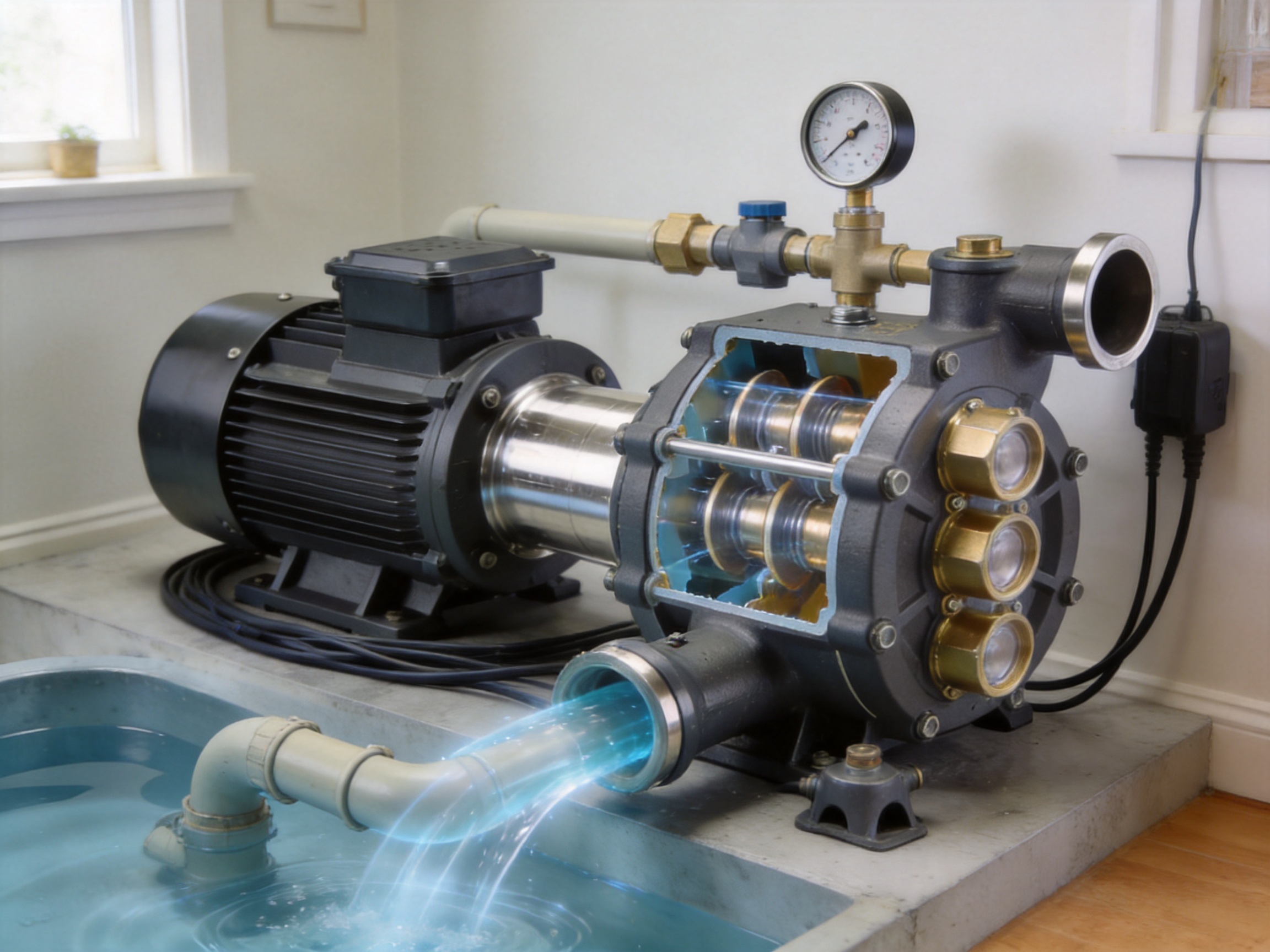
The product can be connected with a pressure controller. This arrangement can allow the pump to start when pressure falls because a tap or outlet is opened and stop when demand ends, depending on the controller design and system settings. Automatic control can improve convenience in domestic water supply and garden irrigation applications.
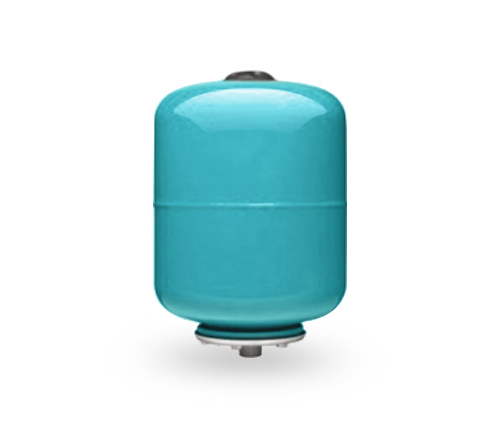
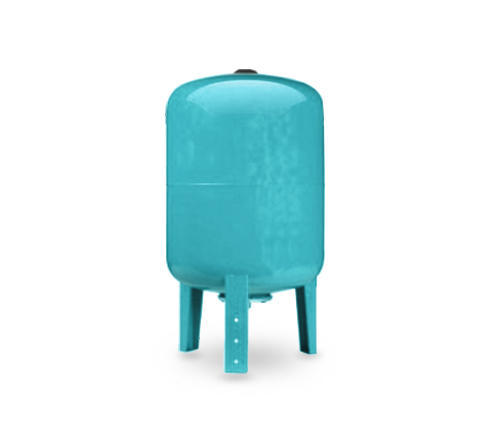
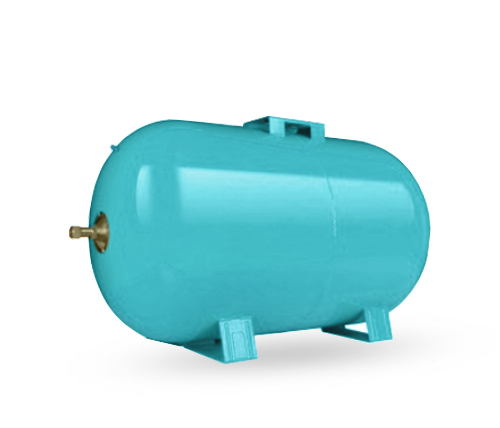
A tank system is another available configuration. A pressure tank stores a quantity of pressurized water and can reduce the number of pump starts when small amounts of water are required. Fewer starts may contribute to smoother operation and can reduce unnecessary cycling. The tank size, pre-charge pressure, controller settings, and pump characteristics should be matched carefully.
Automatic control equipment should be protected from moisture and installed according to the controller manufacturer’s instructions. The system should include appropriate safeguards against dry running, excessive pressure, and electrical faults where the application requires them. A pressure controller or tank does not eliminate the need for correct pump sizing and proper hydraulic design.
The performance of a pump depends heavily on manufacturing consistency. A well-designed hydraulic concept can still deliver unreliable results if the motor winding, shaft, impellers, seals, casing, or electrical connections are not produced and assembled with appropriate control. Taizhou Edwin Electric Co., Ltd. operates as an integrated manufacturing enterprise with independent research and development, mass production, and global export capabilities.
Independent research and development allows the company to respond to changing market requirements instead of relying only on standard external designs. The company’s portfolio covers several major pump categories, including deep well pumps, submersible pumps, domestic booster pumps, circulation pumps, solar water pumps, intelligent booster pumps, and related pump accessories. Experience across these categories provides useful knowledge of different hydraulic structures, motor arrangements, control methods, and installation environments.
Mass production supports repeatability. When a pump is produced in volume using controlled procedures, the manufacturer can standardize component specifications, assembly methods, inspection points, and packaging processes. This is important for distributors and project buyers who need consistent products across multiple orders. Repeatable manufacturing also simplifies spare-parts planning and technical support.
The company’s manufacturing activities are supported by product development and export experience. Since 2008, Taizhou Edwin Electric Co., Ltd. has focused on pump production and international markets. The company later established associated import and export service organizations to support procurement planning, order tracking, cross-border delivery, and foreign trade services. For international buyers, this integrated approach can make the ordering process more organized, especially when a project requires several pump categories or customized specifications.
The HMC145 specification reflects several component-level priorities. Copper winding supports the electrical performance of the motor. The built-in thermal protector adds a layer of motor protection. The stainless steel welded shaft is selected for the rotating assembly. Impeller options provide flexibility for different markets and applications. These features indicate that the pump is developed as a complete electromechanical product rather than as a simple motor attached to a generic water-transfer housing.
Production quality should include attention to dimensional accuracy, rotor balance, shaft alignment, sealing surfaces, winding integrity, electrical safety, and hydraulic assembly. Each of these factors can influence noise, vibration, efficiency, priming, pressure, and service life. A manufacturing organization with dedicated product development and volume-production capability is better positioned to establish consistent procedures for these areas.
Packaging and export readiness are also important for global buyers. Pumps may experience extended storage, repeated handling, and long-distance transportation before installation. Proper packaging protects the motor, casing, connections, documentation, and accessories. Clear model identification and order tracking help reduce the risk of confusion when multiple power ratings or impeller materials are supplied.
The HMC145 offers a practical model range for distributors. Four power levels cover a broad section of domestic, garden, agricultural, and light commercial demand. A distributor can stock several versions of the same product family while maintaining a consistent product identity, similar installation logic, and common application language.
For original equipment manufacturers, the available cable-length options and impeller material choices can support product customization. The pump may be integrated into a tank system, pressure-boosting package, garden watering unit, or compact water-supply assembly. The availability of 50 Hz and 60 Hz configurations is also useful for international equipment programs, provided the voltage and complete electrical specification are confirmed in advance.
For project contractors, the main advantages include high pressure capability in a horizontal format, self-priming operation, accessible installation, and multiple control options. The pump can be considered for systems where a conventional surface pump lacks sufficient head but a larger commercial multistage installation would be excessive.
Compared with competing products, the most meaningful advantage is not a single headline figure. It is the combination of multi-stage pressure generation, 8-meter maximum suction, motor protection, material options, configuration flexibility, and manufacturer support. Buyers should compare complete technical data, including performance curves, rated voltage, efficiency, noise, seal construction, warranty terms, and service availability. The HMC145 is strongest when its features align with the actual system requirements.
Energy consumption is influenced by motor power, hydraulic efficiency, operating point, run time, and system resistance. Choosing the correct model is the first step toward sensible energy use. A pump should operate near the required duty point rather than being selected solely because it has the highest available head.
Good pipe design can also improve efficiency. Adequately sized pipes reduce friction losses. Smooth routing with fewer unnecessary elbows reduces resistance. Clean filters maintain suction performance. Preventing leaks ensures that the pump does not run longer than necessary. Automatic control can reduce operation during periods of no demand, while a correctly sized pressure tank can reduce short cycling.
Reliability is similarly dependent on both product construction and installation. The copper winding, thermal protector, stainless steel shaft, and available impeller materials contribute to the pump’s design foundation. However, dry running, blocked suction lines, excessive sand, incorrect voltage, poor ventilation, and repeated operation outside the rated conditions can damage almost any pump.
Routine inspection should include checking for leakage, unusual sound, vibration, pressure changes, cable damage, clogged filters, and deterioration of valves or pipe joints. If the pump is used seasonally, such as for garden irrigation, it should be protected during long periods of non-use. The pump should be drained or stored according to the operating environment and manufacturer’s instructions where freezing conditions are possible.
Before carrying out maintenance, disconnect the electrical supply and ensure that the pump cannot start unexpectedly. Close the relevant valves and relieve pressure from the system. Maintenance personnel should use appropriate protective equipment and follow safe electrical and mechanical procedures.
The suction line should be inspected for air leakage, blockage, and damage. A suction-side leak may not always produce visible water leakage; it may instead allow air to enter and cause loss of prime. The foot valve or check valve should be examined for correct operation. Filters should be cleaned at intervals appropriate to the water quality.
The pump casing, connections, and mechanical seal area should be checked for leakage. A small change in leakage pattern, noise, or vibration may indicate wear or an installation problem. Continued operation under abnormal conditions can increase the cost of repair, so early inspection is recommended.
The motor should be kept clean and adequately ventilated. Dust, debris, or enclosed heat can reduce cooling performance. The electrical connection should be checked by qualified personnel for secure terminals, suitable protection, and correct operating voltage. The thermal protector should not be bypassed.
Maintenance intervals depend on operating hours, water quality, temperature, starting frequency, and application severity. A pump used occasionally with clean water may require less frequent service than a pump operating daily in an agricultural environment. Maintaining records of operating symptoms and service work can help identify gradual changes before a failure occurs.
The HMC145-2S is the lowest-power model in the range, rated at 0.55 kW or 0.75 HP. It offers a maximum flow of 130 L/min and a maximum head of 25 meters. This model may be considered for modest domestic supply, garden use, and lower-pressure transfer requirements.
The HMC145-3S is rated at 0.75 kW or 1 HP, with a maximum flow of 145 L/min and a maximum head of 38 meters. It provides an intermediate option for users who need more pressure than the entry model but do not require the maximum rating of the series.
The HMC145-4S is rated at 1.1 kW or 1.5 HP. Its maximum head is 50 meters, and its maximum flow is 150 L/min. This model may suit taller buildings, longer pipe routes, stronger irrigation pressure, or more demanding small commercial water systems.
The HMC145-5S is rated at 1.5 kW or 2 HP. It offers the highest stated head in the series, reaching 60 meters, with a maximum flow of 155 L/min. It is the most suitable option within this product family when the installation requires the greatest pressure capability, provided the actual operating point remains appropriate.
Users should not select a model solely by comparing maximum flow. A pump’s flow and head are related. The correct model is the one that delivers the required flow at the required total dynamic head, with suitable operating margins and acceptable motor loading.
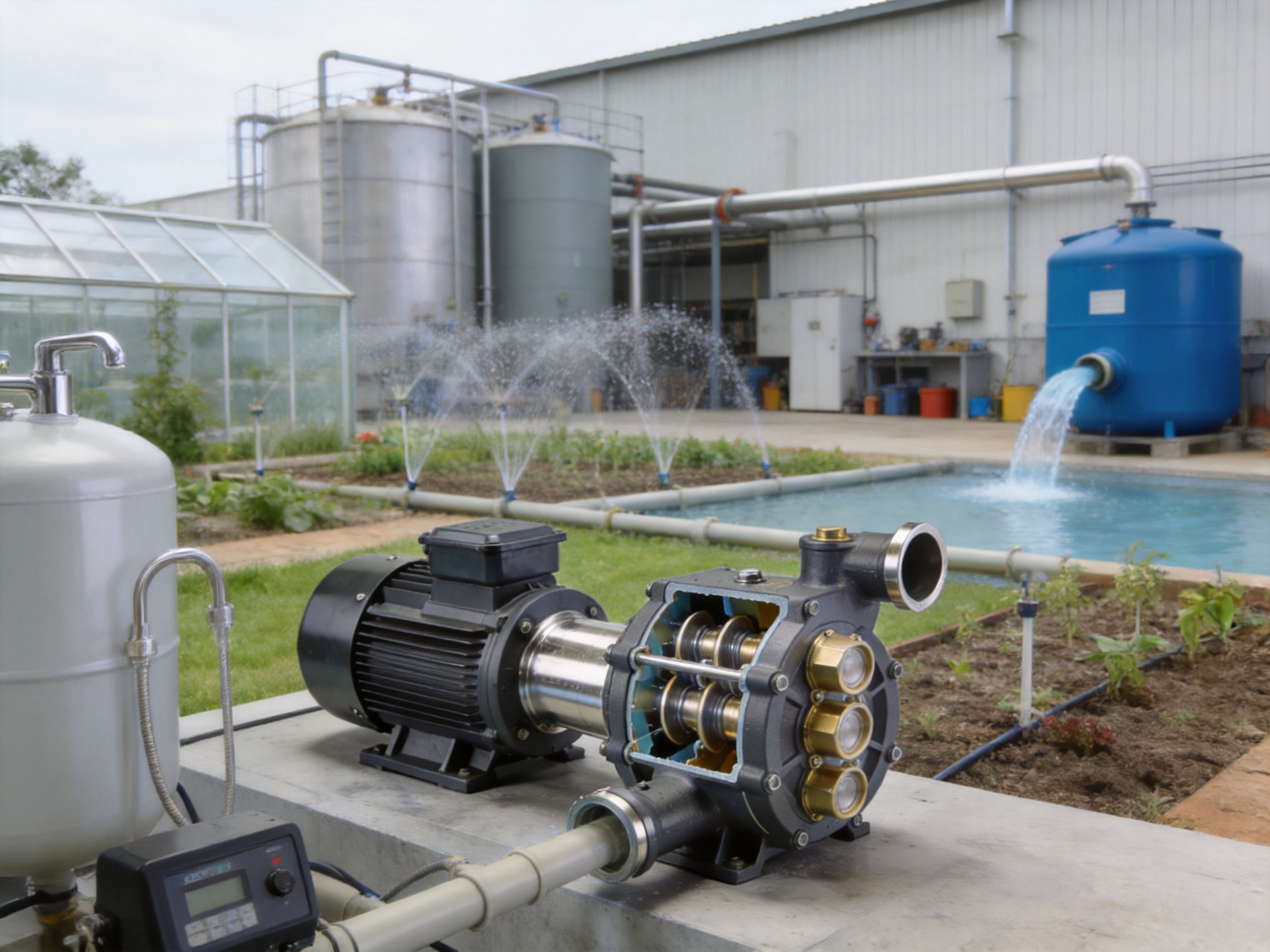
Technical support is important when pumps are purchased for export, private-label programs, or integrated equipment. A manufacturer with multiple product categories can help buyers evaluate whether a horizontal multistage pump, deep well pump, submersible pump, booster pump, circulation pump, or solar pump is most appropriate for a particular water source and duty.
Taizhou Edwin Electric Co., Ltd. has developed its business around research and development, production, export, and one-stop procurement support. Its associated organizations provide services related to procurement planning, order tracking, cross-border delivery, and foreign trade. This structure can be valuable to overseas distributors and project purchasers who need coordination across product selection, documentation, production scheduling, and shipment.
The company’s broader involvement in solar water pumps and intelligent booster pumps demonstrates an effort to follow new energy and intelligent-water-management trends. Although the HMC145 is a conventional electrically driven surface pump, it can be considered alongside other products in a wider water-supply project. This broad portfolio may simplify sourcing for buyers seeking several pump technologies from one manufacturing group.
The stated warranty for the HMC145 is one year according to the manufacturer’s general sales conditions. Buyers should confirm the detailed warranty scope, exclusions, installation requirements, documentation, and after-sales procedure before purchase. Clear communication at the quotation stage helps ensure that product configuration, electrical details, accessories, and service expectations are understood by all parties.
Before ordering, confirm the water source and the lowest and highest expected water levels. The static suction height must be measured from the pump inlet to the water surface, not estimated from the overall well depth. If the water level changes seasonally, selection should consider the most demanding expected condition.
Confirm the required flow rate and total head. Total head includes vertical elevation, pressure required at the outlet, friction losses in the pipework, and losses through valves, filters, elbows, controllers, and other equipment. If several outlets may operate at the same time, the simultaneous demand should be included.
Confirm water temperature and quality. The stated maximum fluid temperature is 40 degrees Celsius, and the stated maximum sand content is 0.25 percent. If the water contains abrasive sediment, chemicals, salt, or other unusual substances, request a suitability review and consider the appropriate impeller material.
Confirm the electrical supply, including voltage, frequency, phase, cable length, and protection requirements. The product can be supplied for 50 Hz or 60 Hz operation, but the exact electrical configuration must match the installation.
Confirm whether the pump will be operated manually or with a pressure controller, pressure tank, or complete tank system. If automatic operation is required, the controller, tank, valves, and protective devices should be specified as a compatible package.
Finally, confirm the model, inlet and outlet dimensions, accessories, packaging, documentation, warranty terms, and delivery requirements. Accurate information at the ordering stage reduces installation delays and helps ensure that the pump performs as intended.
The HMC145 is a horizontal multi-stage self-priming pump. It is installed outside the water source and is designed for water supply, irrigation, garden use, and civil or industrial applications involving suitable water.
The maximum stated suction is 8 meters. Actual performance depends on water temperature, altitude, pipe size, pipe length, air tightness, valves, water level, and installation quality.
The HMC145-5S has the highest stated maximum head, reaching 60 meters. The other models provide maximum heads of 25, 38, and 50 meters respectively.
Yes, the pump can be used for domestic water supply when the selected model matches the required flow and pressure. The building height, pipe distance, number of outlets, water source, and simultaneous demand should be evaluated before selection.
Yes. The pump is suitable for garden use and irrigation involving appropriate water quality. Filters may be required when water is drawn from an open reservoir, and the system should be designed to limit sand and debris entering the pump.
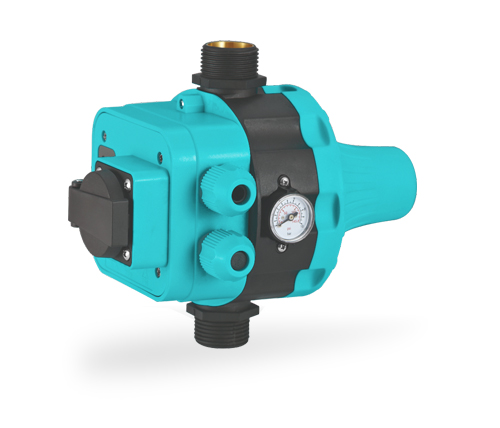
Yes. A pressure controller can be connected on request. The controller must be correctly selected, installed, protected from moisture, and adjusted to suit the pump and the water-supply system.
Yes. The HMC145 can be assembled with a tank system on request. A pressure tank can help reduce frequent starting when the system has small or intermittent water demands.
The available impeller materials include brass, AISI SS304 stainless steel, and PPO. The preferred material depends on water quality, temperature, pressure, application requirements, and purchasing objectives.
The maximum stated fluid temperature is 40 degrees Celsius. Applications above this limit should be reviewed with the manufacturer before purchase.
The stated maximum sand content is 0.25 percent. Water containing more abrasive material may cause accelerated wear. Filtration or a pump designed specifically for abrasive water may be required.
The motor includes a built-in thermal protector. This helps protect against certain overheating conditions, but users must still provide correct electrical protection and avoid dry running, incorrect voltage, blocked pipework, and operation outside the specified conditions.
Yes. The product can be configured for 50 Hz or 60 Hz operation. The required voltage and frequency should be confirmed when ordering.
The stated warranty is one year according to the manufacturer’s general sales conditions. Buyers should confirm the detailed warranty terms and service procedure for their order.
The product combines a four-model power range, self-priming operation, multi-stage pressure generation, material options, 50 Hz or 60 Hz availability, optional cable lengths, and compatibility with pressure-control or tank systems. The manufacturer also provides production and export experience across a broad range of pump categories.
The HMC145 multi-stage self-priming pump is designed for users who need more than basic water transfer. Its horizontal surface-mounted construction provides convenient access, while the self-priming design supports water intake from wells, reservoirs, tanks, and other sources when installed correctly. The multi-stage hydraulic system provides pressure capability from 25 to 60 meters across four models, allowing the pump to serve different domestic, garden, agricultural, civil, and light industrial requirements.
Copper motor windings, a built-in thermal protector, a stainless steel welded shaft, and brass, AISI SS304, or PPO impeller options contribute to a flexible and practical product design. Optional pressure-controller and tank-system configurations further expand its usefulness in automatic water-supply applications.
Its competitive value comes from the balance of pressure, suction capability, model choice, material flexibility, and installation adaptability. The product is supported by Taizhou Edwin Electric Co., Ltd., an integrated manufacturer with independent research and development, mass-production capability, international export experience, and a broader portfolio of pump technologies. For distributors, contractors, and equipment buyers seeking a dependable horizontal multistage pump, the HMC145 offers a strong basis for domestic and commercial water-supply solutions when correctly selected and installed.
1. Product information and technical specifications for the HMC145 multi-stage self-priming pump, manufacturer-provided materials.
2. Manufacturer information concerning product development, production, export operations, and water-pump categories.
3. General engineering principles for centrifugal pump selection, suction lift, total dynamic head, and pipe friction.
4. General guidance for electric motor thermal protection, pump installation, preventive maintenance, and clean-water system design.
5. General material references concerning copper motor windings, brass, AISI SS304 stainless steel, and PPO engineering polymers.
edwina@edwin-pump.com
+86-13586290903 (WhatsApp)
Xuri Gongliang Cutting Tool Entrepreneurship Park, Wenqiao Town, Wenling City, Taizhou City, Zhejiang Province, China

High Performance Smart Pump Factory


 English