edwina@edwin-pump.com

View All Products
en
Reliable water movement is essential in gardens, greenhouses, small farms, fish-breeding facilities, poultry-raising operations, and residential water systems. In these applications, a pump must do more than simply transfer water. It must start consistently, provide useful suction capability, operate safely in changing outdoor conditions, and remain practical for users who may not have extensive technical experience. The EGP-XPY Series Garden JET Water Pump is designed around these requirements as a compact garden self-priming pump for clean water and liquids with physical and chemical properties similar to water.
The pump combines a self-priming design with a maximum suction capability of 8 meters, a built-in thermal protector, C&U bearing support, F-class insulation, and IPX4 protection. These features create a balanced solution for everyday water supply and drainage tasks. Rather than focusing only on maximum output or industrial-scale specifications, the EGP-XPY Series emphasizes dependable operation, accessible installation, and flexibility for garden and domestic applications.
Manufactured by Taizhou Edwin Electric Co., Ltd., the pump is supported by an organization with experience in independent research and development, mass production, international export, and one-stop procurement services. The company’s wider product portfolio includes deep well pumps, submersible pumps, domestic booster pumps, circulation pumps, solar water pumps, intelligent booster pumps, and other water-treatment-related products. This broader technical background helps the company understand how a garden pump fits into complete water systems rather than treating it as an isolated product.
This article examines the operating concept, application value, technical features, competitive advantages, manufacturing strengths, installation considerations, maintenance requirements, and frequently asked questions related to the EGP-XPY Series Garden JET Water Pump.
The EGP-XPY Series is a garden JET water pump classified as a garden self-priming pump. It is intended for clean water or other liquids similar to water in physical and chemical characteristics. The pump can be used for garden irrigation, greenhouse water supply, fish breeding, poultry raising, domestic automatic water supply, and related water transfer duties.
A self-priming pump is particularly valuable where the user does not want to manually fill and re-prime the pump every time the system is started. The pump is designed to remove air from the suction line within its operating limits, helping establish water flow after suitable initial commissioning. This makes it practical for seasonal irrigation systems, household water supply arrangements, and small installations where operating convenience matters.
The maximum suction capability is specified as 8 meters. Actual performance depends on installation height, suction-pipe length, pipe diameter, foot-valve condition, water temperature, air tightness, elevation, and the condition of the water source. The stated value should therefore be understood as a design limit under suitable conditions rather than a guarantee that every installation will achieve the same result.
| Item | Specification or Feature | Application Value |
|---|---|---|
| Product series | EGP-XPY Series Garden JET Water Pump | Suitable for garden and light-duty water systems |
| Product type | Garden self-priming pump | Supports convenient starting and repeated operation |
| Suitable liquid | Clean water or similar liquids | Useful for irrigation, domestic supply, and small facilities |
| Maximum fluid temperature | +35°C | Appropriate for normal ambient-temperature water applications |
| Maximum suction | +8 m | Supports water lifting from suitable shallow sources |
| Bearing | C&U bearing | Designed to support stable rotating operation |
| Motor protection | Built-in thermal protector | Helps protect the motor against overheating conditions |
| Insulation class | F | Provides a defined level of motor winding insulation performance |
| Protection class | IPX4 | Provides protection against water splashes from different directions |
| Maximum ambient temperature | +40°C | Suitable for many normal outdoor and indoor environments |
The specification profile shows that the EGP-XPY Series has been designed for practical everyday use. It is not presented as a high-temperature chemical pump, a heavy-duty slurry pump, or a deep-well pump. Its strength is the efficient matching of a self-priming configuration and protective motor features with the needs of gardens, small agricultural facilities, and domestic water systems.
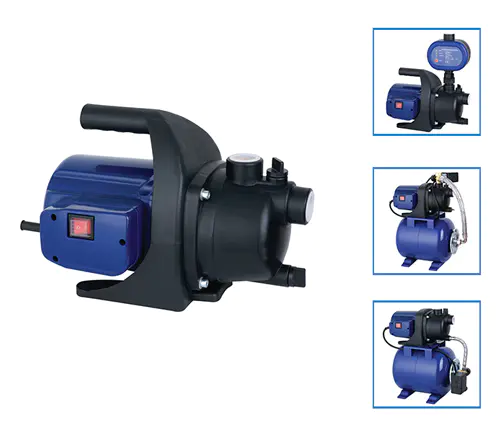
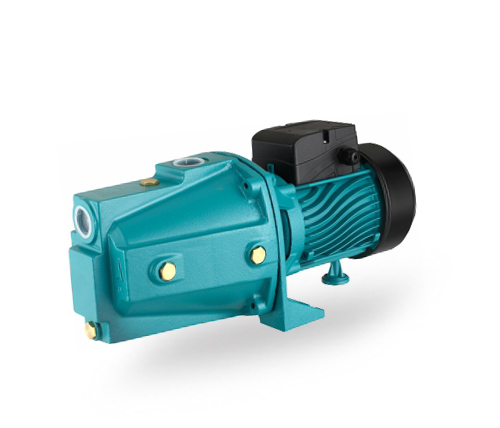
EGP-XPY Series Garden JET Water Pump
Traditional surface pumps can require careful manual priming. If air enters the suction pipe, the pump may lose its ability to move water until the air is removed and the pump chamber is refilled. This can be inconvenient in a garden or residential environment, particularly when the pump is installed outdoors or used intermittently.
The self-priming structure of a JET pump is intended to reduce this inconvenience. During the initial setup, the pump must still be installed correctly and filled according to the operating instructions. Once the system has been commissioned, the pump can assist with removing air from the suction line within its rated suction range. This makes repeated start-up more practical than with a basic non-self-priming surface pump.
Self-priming capability is especially useful in applications where the water level changes. A garden storage tank, rainwater collection vessel, shallow well, or irrigation reservoir may not remain at a constant level. A pump with suitable self-priming performance can better accommodate these everyday conditions, provided the water source remains within the maximum suction limit.
However, self-priming should not be confused with unlimited dry running. The pump should not be operated without water. Dry running can cause overheating, damage to the mechanical seal, and premature wear. The suction line must also remain airtight. Even a small leak on the suction side can allow air to enter, reduce performance, and prevent successful priming.
Garden irrigation systems often involve hoses, sprinklers, movable watering points, and storage tanks. The user may start and stop the pump several times during a watering cycle. A self-priming design helps simplify this pattern of use and reduces the need for repeated manual intervention.
For small gardens, the pump can support water transfer from a tank or shallow source to a hose or sprinkler system. In larger gardens, it may serve as part of a distribution system feeding several irrigation zones. The final choice should always account for required flow, pressure loss, elevation difference, pipe diameter, and the characteristics of the irrigation equipment.
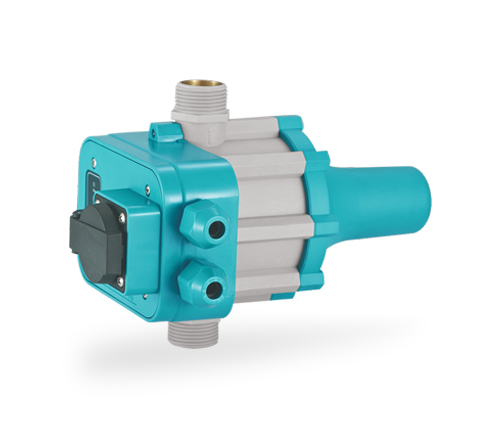
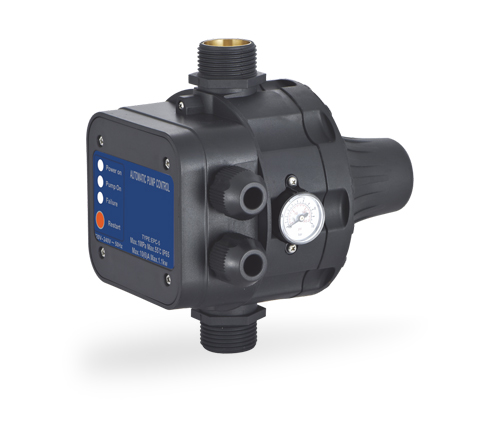
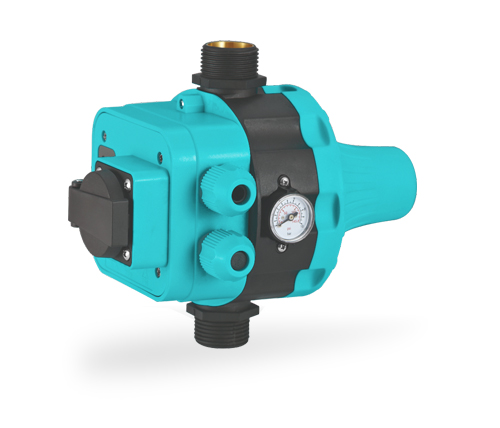
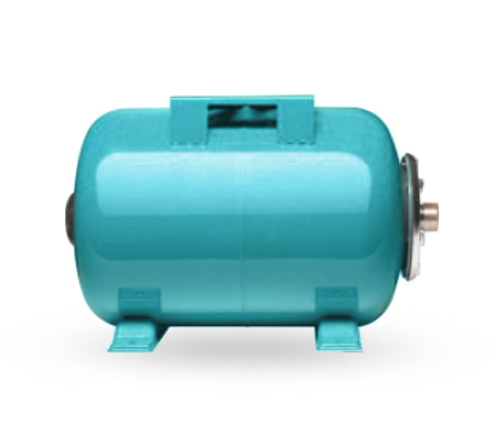
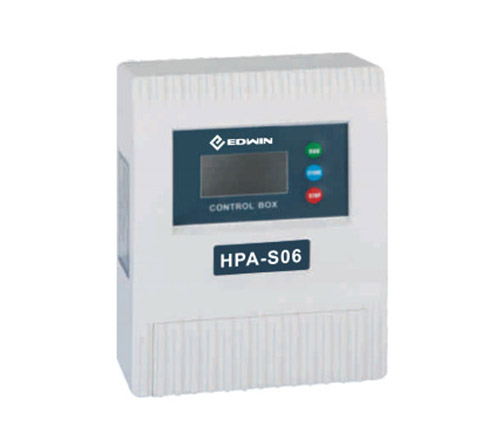
In a domestic automatic water supply arrangement, the EGP-XPY Series may be connected with a pressure controller or assembled with a tank system. These options are available on request. A pressure controller can help automate pump starting and stopping, while a tank system can help stabilize pressure and reduce unnecessary cycling in suitable installations.
Such systems may be used for garden taps, cleaning points, household service water, or other non-potable applications. If the pump is intended for drinking-water service, the installer must verify that every component in contact with the water is appropriate for that purpose and complies with the relevant local requirements.
The stated maximum suction of 8 meters is a useful feature for a surface pump. It allows the pump to draw water from a suitable shallow source located below the pump position. This can be valuable where a submersible pump is not preferred or where the water source is accessible from the surface.
In real installations, suction performance is influenced by atmospheric pressure and hydraulic losses. A long suction pipe, narrow pipe diameter, excessive bends, clogged filters, leaking joints, or a poorly sealed foot valve can significantly reduce the available suction capability. For best results, the pump should be installed as close as practical to the water source, with a correctly sized suction pipe and a reliable non-return or foot valve where required.
Motors can generate excessive heat when they operate under overload, experience blocked rotation, encounter low-voltage conditions, or work in an environment above the recommended ambient temperature. The EGP-XPY Series includes a built-in thermal protector designed to help protect the motor against overheating.
This feature is particularly important for garden and domestic pumps because users may not continuously monitor motor temperature. The thermal protector provides an additional layer of safety during abnormal operating conditions. It does not replace correct installation, proper electrical protection, suitable voltage, adequate ventilation, or routine maintenance. If the protector repeatedly interrupts operation, the cause should be investigated rather than bypassing the protection device.
The motor uses F-class insulation. Insulation classification relates to the thermal capability of the electrical insulation system. It helps define the conditions under which the motor winding insulation can operate when the motor is correctly designed and used.
For a surface pump used in warm outdoor environments, appropriate insulation is an important part of long-term electrical reliability. The F-class specification contributes to a robust motor design, while actual service life also depends on supply voltage stability, ambient temperature, operating frequency, humidity, installation quality, and maintenance.
The pump has an IPX4 protection class. This indicates protection against water splashes from different directions. It is relevant for garden and outdoor installations where the pump may be exposed to incidental splashing or light wet conditions.
IPX4 does not mean that the pump is waterproof for immersion or suitable for direct exposure to heavy rain without additional protection. The unit should be installed in a dry, stable, and properly ventilated location. Electrical connections should be protected from standing water, flooding, and unapproved cable joints.
The use of a C&U bearing supports the rotating assembly of the motor and pump. Bearing quality influences smooth operation, noise characteristics, mechanical efficiency, and service life. A suitable bearing also helps maintain stable shaft rotation under normal operating conditions.
Bearings alone cannot compensate for poor alignment, excessive vibration, blocked water passages, or operation outside the rated conditions. Nevertheless, the selection of a recognized bearing component reflects attention to the mechanical reliability of the pump.
The maximum fluid temperature is +35°C, while the maximum ambient temperature is +40°C. These limits make the pump suitable for ordinary clean-water applications such as garden irrigation, household water transfer, and small agricultural facilities.
The pump is not intended for hot-water circulation, boiler systems, high-temperature industrial liquids, or fluids whose chemical properties may attack internal components. Staying within the temperature limits helps protect the motor, sealing system, and hydraulic components.
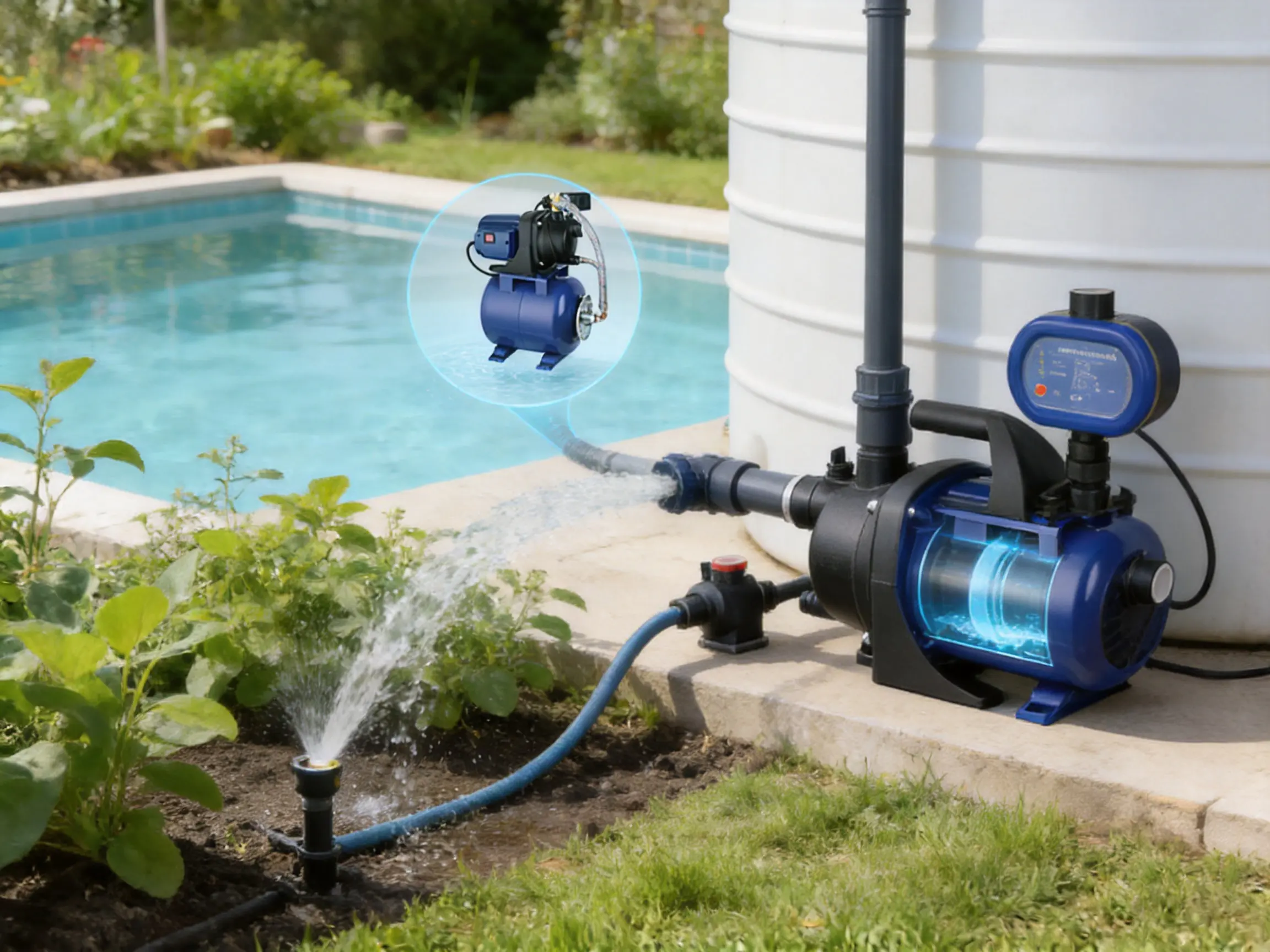
Many surface pumps compete on motor power, headline flow rate, or low purchase price. Those factors are important, but they do not fully determine whether a pump will perform well in daily service. The EGP-XPY Series offers a more balanced set of advantages for users who need dependable water movement without the complexity of a large industrial system.
Compared with a basic non-self-priming surface pump, the EGP-XPY Series offers greater convenience during repeated operation. The self-priming design can reduce manual priming work and make the pump more suitable for changing water levels and intermittent use.
The built-in thermal protector also provides an advantage over very simple motor designs that rely entirely on external protection. While external electrical protection remains necessary, integrated thermal protection gives the motor an additional safeguard against overheating.
A submersible pump is often appropriate when the pump must be placed directly in a deep well, tank, or flooded area. However, some users prefer a surface-mounted pump because it is easier to inspect, access, remove, and maintain. The EGP-XPY Series provides a surface-pump solution for shallow suction applications without requiring the motor to be submerged.
This can simplify routine inspection and reduce the need to lower or retrieve equipment from a water source. It also allows the pump to be integrated with a pressure controller or tank system in a convenient surface installation.
The combination of IPX4 protection, F-class insulation, and a built-in thermal protector is valuable in garden environments. These features address three different aspects of operation: exposure to splashing water, thermal capability of the motor insulation, and overheating protection.
No protection system eliminates the need for responsible installation. However, combining these features gives the pump a stronger practical profile than a product designed only for dry indoor use.
The EGP-XPY Series can be supplied with different cable lengths on request. It can also be connected with a pressure controller or assembled with a tank system. These options help distributors, installers, and project buyers adapt the pump to different installation layouts.
Configuration flexibility can reduce the need for improvised modifications at the installation site. It also supports more organized procurement for projects that require a complete water-supply package rather than a standalone pump.
A pump that can serve gardens, greenhouses, fish-breeding facilities, poultry-raising operations, and domestic automatic water-supply locations offers practical versatility. Instead of purchasing a different pump for every small water-transfer task, users can select a product family designed around several related applications.
The pump’s versatility should still be applied within the stated limits. It is intended for clean water or similar liquids, not abrasive slurry, heavily contaminated drainage, seawater, corrosive chemicals, or high-temperature fluids unless the manufacturer has specifically approved such use.
Garden irrigation is one of the most natural applications for the EGP-XPY Series. The pump can transfer water from a tank, shallow reservoir, or suitable water source to hoses, sprinklers, and irrigation lines. Its self-priming configuration is useful when irrigation is performed periodically rather than continuously.
For the best results, the irrigation layout should be designed around the pump’s actual performance curve. A system with too many sprinklers, excessive pipe length, or undersized pipework may require more pressure than the pump can provide. Dividing the garden into irrigation zones can help maintain more consistent performance.
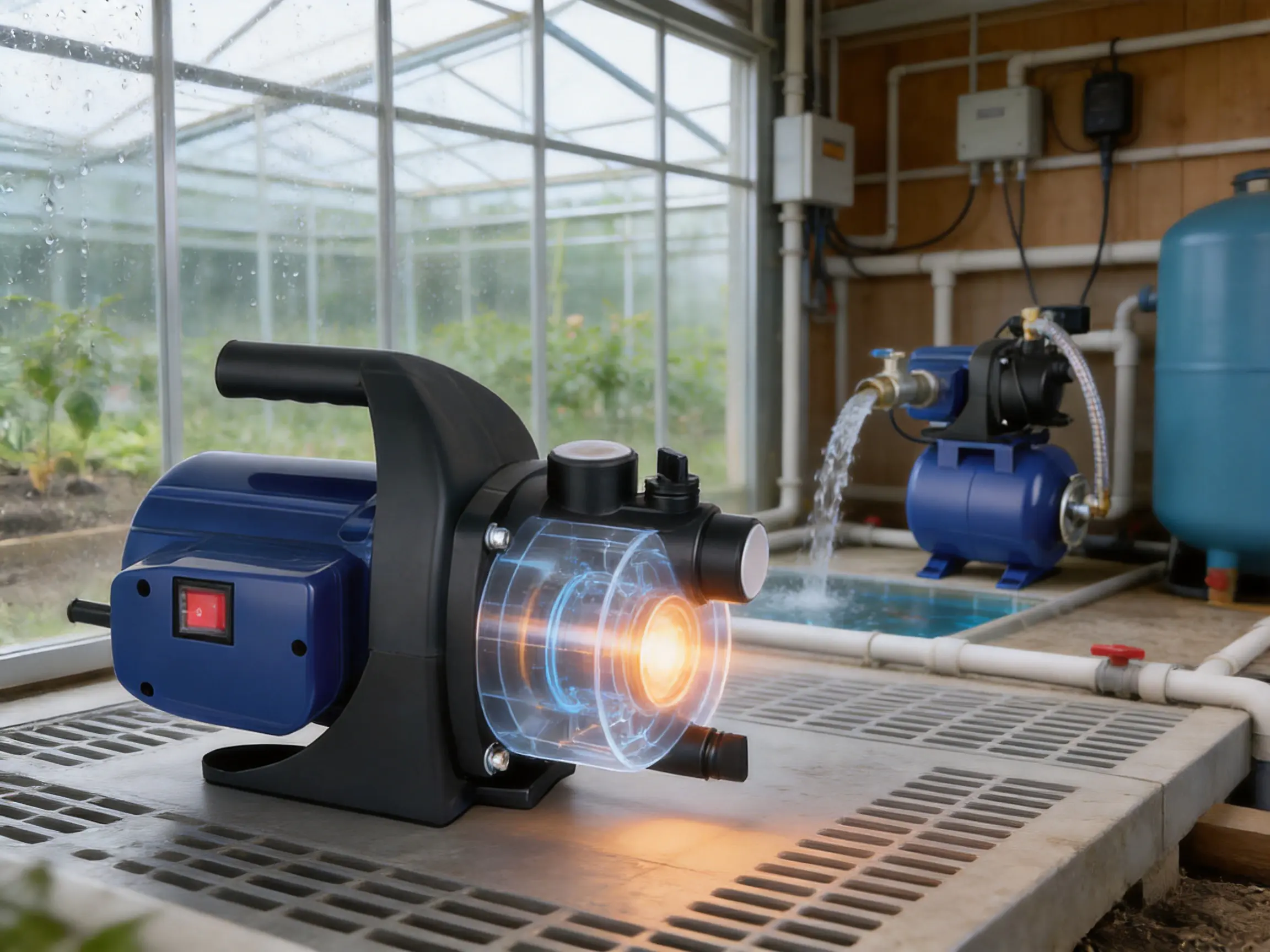
Greenhouses require controlled watering to support plant growth and reduce water waste. The pump may be used to supply water to manual hoses, small sprinkler arrangements, or suitable irrigation equipment. Because greenhouse environments can be warm and humid, the pump should be installed in a location with adequate ventilation and protection from direct water spray.
The maximum ambient temperature of +40°C should be respected. A greenhouse that becomes significantly hotter may require improved ventilation or a different installation location. The fluid temperature limit of +35°C should also be considered if water has been stored in direct sunlight.
In fish-breeding applications, the pump may support clean-water transfer, tank filling, or circulation-related duties where the water quality and temperature are compatible with the pump specification. The pump should not be assumed to provide aeration unless it is connected to equipment specifically designed for that purpose.
Users should also prevent fish waste, algae, leaves, and other debris from entering the suction line. A suitable intake screen or filter can help protect the pump while minimizing the risk of blockage. Any filter must be maintained so that it does not create excessive suction loss.
Poultry facilities may use the pump for clean-water transfer, washdown support, or storage-tank supply, depending on local hygiene requirements and system design. The pump should be installed away from standing water, animal contact, and areas where electrical equipment may be damaged by impact or contamination.
Where the pump supplies drinking water for animals, the complete water system should be evaluated for hygiene, material suitability, cleaning procedures, and local regulatory requirements. The product’s general clean-water application should not automatically be interpreted as a certification for every specialized animal-drinking-water system.
For homes, small buildings, and rural properties, the pump can be part of an automatic water-supply arrangement. A pressure controller can activate the pump when demand is detected, while a tank system can provide storage and pressure stability.
The installation should include suitable electrical protection, a correctly sized suction line, discharge isolation, and provisions for maintenance. If the system supplies multiple fixtures, the installer should calculate peak demand and pressure requirements rather than selecting the pump solely by pipe size or motor appearance.
The performance of a pump is influenced not only by its design but also by the way it is manufactured, assembled, inspected, and supported. Taizhou Edwin Electric Co., Ltd. was founded in 2008 and operates as an integrated manufacturing enterprise focused on independent research and development, mass production, and global export.
Independent research and development allows a manufacturer to build product knowledge across hydraulic design, motor construction, protection features, and application requirements. For a garden self-priming pump, this integrated perspective is important because hydraulic performance and motor protection must work together.
A self-priming pump is not simply a standard surface pump with a different name. Its internal hydraulic passages, priming behavior, sealing arrangement, and operating instructions all influence how effectively it handles air in the suction system. Product development experience can help align these elements with the intended application.
Mass production can provide consistency when supported by controlled processes and suitable inspection. For distributors and project buyers, repeatability is important. They need confidence that pumps supplied in different batches will maintain a consistent product structure, specification profile, and appearance.
Manufacturing at scale also supports more efficient procurement for garden-equipment distributors, agricultural suppliers, building-material companies, and water-system integrators. The ability to supply repeated orders is particularly valuable when a product is used in regional sales networks or multi-site projects.
Edwin Pump’s product portfolio includes deep well pumps, submersible pumps, domestic booster pumps, circulation pumps, solar water pumps, intelligent booster pumps, commercial multistage pumps, end-suction pumps, pipes, valves, and pump accessories. This range provides experience across different water-system requirements.
For customers, a broad portfolio can simplify technical comparison. A supplier that understands surface pumps as well as submersible, booster, solar, and circulation solutions may be better positioned to recommend a suitable product category when a project changes from a shallow source to a deep well, or from a manual system to an intelligent automatic system.
The company has developed a professional structure for procurement planning, order tracking, cross-border delivery, and foreign-trade services through associated business entities. This is relevant to international buyers who require more than a factory quotation.
Export-oriented support can help coordinate product selection, packaging, documentation, production schedules, shipping arrangements, and after-sales communication. These factors can influence the total cost and reliability of a purchase just as much as the initial pump price.
The company’s stated objective of providing one-stop procurement services is supported by its range of pumps and related accessories. Customers may be able to source different types of water pumps and peripheral products through a coordinated supply relationship.
For a garden irrigation project, this could include a surface self-priming pump, pressure-control equipment, tank components, pipework, valves, or other accessories. A coordinated procurement approach can reduce communication gaps between multiple suppliers and help maintain compatibility across the system.
Since 2018, the company has invested in new energy and intelligent technology, including solar water pumps and intelligent booster pumps. Although the EGP-XPY Series is a garden JET pump rather than a solar or intelligent booster product, this development direction demonstrates broader attention to changing water-supply requirements.
Modern pump users increasingly value energy awareness, automation, remote management, and system integration. Experience in these areas can support future product development and help the manufacturer understand how conventional pumps may operate as part of more advanced water systems.
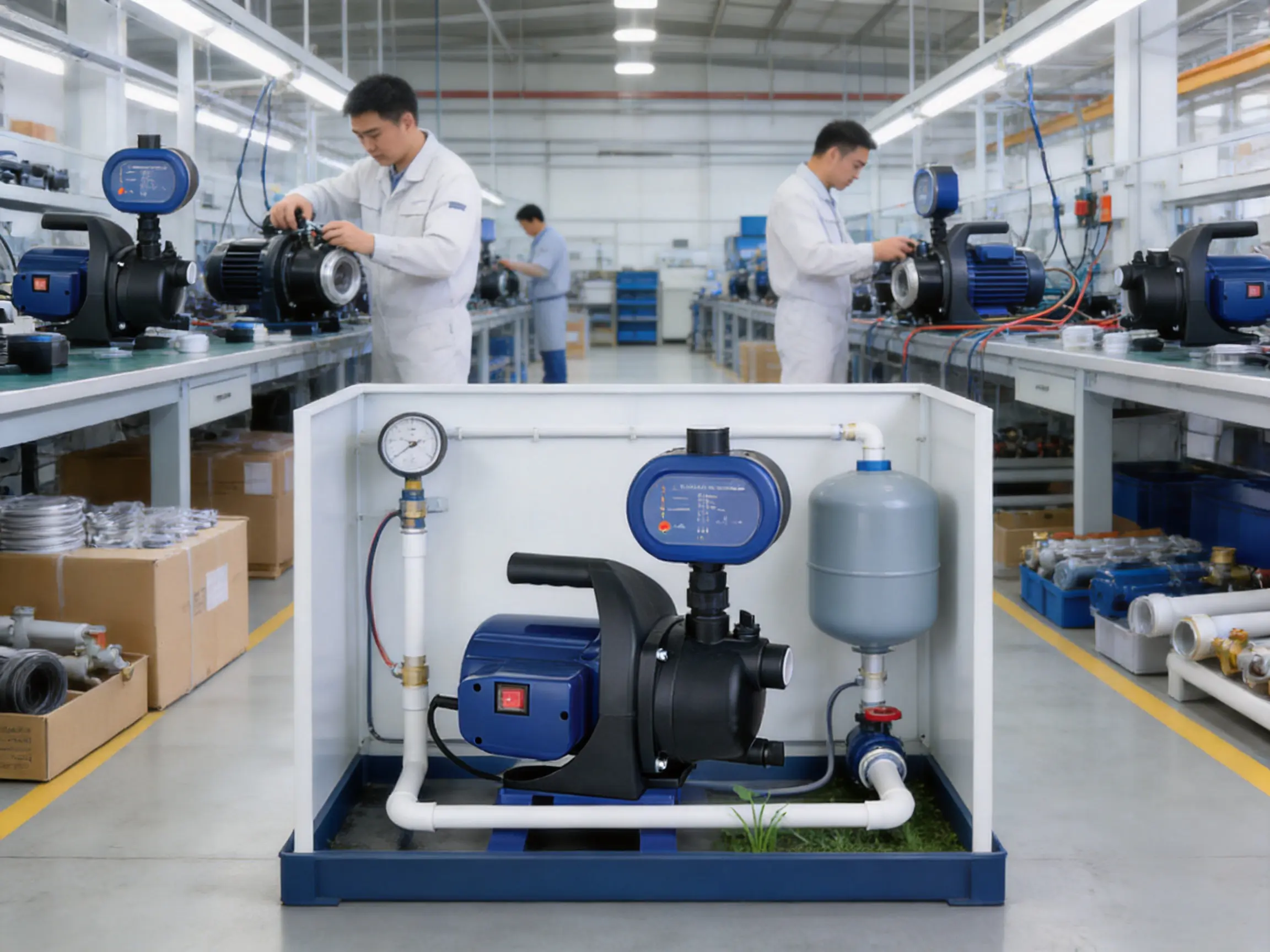
The available product information identifies the company as an integrated manufacturer with independent R&D and mass-production capability. A reliable pump manufacturing process generally requires coordination among design review, material sourcing, component production, motor assembly, hydraulic assembly, electrical testing, performance checking, and final inspection.
For the EGP-XPY Series, the manufacturing process must preserve the relationship between the pump body, impeller, shaft, bearing, seal, motor winding, thermal protector, and electrical enclosure. Small deviations in assembly can affect priming, noise, vibration, leakage, and service life. This is why a structured production system is important for a product that may be installed by distributors or end users in many different locations.
Product design begins with the intended application. The EGP-XPY Series is aimed at clean-water and similar-liquid service, with a maximum fluid temperature of +35°C and a maximum suction of 8 meters. These limits help define the materials, sealing requirements, motor selection, and operating instructions.
Application review also helps prevent the product from being used outside its intended range. A garden JET pump should not be marketed as a universal solution for corrosive liquids, abrasive solids, high-temperature water, or deep-well conditions. Clear product positioning is itself an important part of responsible engineering.
The pump’s C&U bearing, built-in thermal protector, F-class insulation, and IPX4 protection must be considered as part of a coordinated product system. The bearing supports mechanical rotation, while the thermal protector and insulation support motor reliability. The protection class supports the enclosure’s resistance to splashing water in the defined test conditions.
Component coordination helps ensure that the pump’s individual features contribute to a consistent result. A high-quality component cannot deliver its expected value if it is incorrectly installed, poorly matched, or exposed to conditions beyond its design range.
Accurate assembly is essential for rotating equipment. The shaft, bearing, impeller, seal, and motor components must be assembled with appropriate alignment and secure fastening. Correct assembly helps control vibration and protects the sealing system from unnecessary stress.
In self-priming equipment, internal passages and the pump chamber must also be assembled correctly so that the pump can perform its intended air-removal and water-transfer functions. Careful assembly supports repeatable operation from one unit to the next.
Electrical inspection is important for a pump equipped with motor insulation, thermal protection, and an outdoor-use protection class. Functional inspection may include checking starting behavior, running stability, leakage, abnormal noise, and general operation.
Performance inspection should be interpreted in relation to the pump’s intended conditions. Flow and pressure vary with system resistance, suction lift, pipework, and water level. A responsible manufacturing and service process should provide customers with realistic guidance rather than relying on a single ideal test condition.
Because the company serves international markets, packaging and export preparation are important parts of the supply process. Pumps must be protected from impact, moisture, and movement during transportation. Product identification, documentation, and order tracking also contribute to a successful delivery.
For distributors, consistent packaging can reduce receiving damage and simplify warehouse handling. For project buyers, accurate documentation supports installation, maintenance, and after-sales communication across language and geographic boundaries.
Install the pump on a stable, level foundation that can support its weight and operating vibration. The location should be dry, ventilated, accessible for inspection, and protected from flooding. Although IPX4 provides resistance to water splashes, the pump should not be placed where it can be submerged or exposed to continuous direct water spray.
Keep the pump away from excessive heat sources and ensure that the ambient temperature does not exceed +40°C. In a greenhouse or enclosed equipment room, ventilation may be necessary to prevent heat accumulation.
The suction line should be as short and direct as practical. Use a suitable pipe diameter and minimize unnecessary bends. All threaded joints and connections must be airtight because air leakage can prevent priming even when there is no visible water leak.
If the water source contains debris, install an appropriate intake screen or filter. The filter must be accessible for cleaning and must not become so restrictive that it causes excessive suction loss. A foot valve or non-return valve may be required to help retain water in the suction line when the pump stops.
Even though the pump is self-priming, it normally requires initial filling according to the manufacturer’s instructions. Do not assume that the self-priming function permits dry operation. Before starting, verify that the pump chamber and suction line are prepared correctly.
If the pump fails to establish flow, stop it and check the water level, suction-line air tightness, foot valve, filter, pipe arrangement, and priming procedure. Continuous operation without water can damage the sealing system and create unnecessary heat.
Electrical installation should be completed by a qualified person and should comply with local regulations. Use the correct supply voltage and frequency, suitable cable sizing, and appropriate circuit protection. Outdoor connections must be protected against moisture, accidental damage, and standing water.
The built-in thermal protector is an important safety feature, but it should not be bypassed. If the pump repeatedly stops because of thermal protection, investigate possible overload, blocked flow, low voltage, excessive ambient temperature, mechanical problems, or an unsuitable application.
Routine maintenance helps preserve pump performance and extend service life. Before maintenance, disconnect the power supply and relieve system pressure. Never open the pump or electrical enclosure while energized.
Inspect the suction filter and intake screen regularly, especially when the water source contains leaves, sand, algae, or other material. A blocked filter can reduce flow and increase the load on the pump. Check the suction line for air leaks, cracked hoses, loose fittings, or deteriorated seals.
Observe the pump during operation. Unusual noise, increasing vibration, frequent thermal trips, visible leakage, or reduced water delivery may indicate a developing problem. Early inspection can prevent a minor issue from becoming a major repair.
At the end of a seasonal period, protect the pump from freezing conditions. Water trapped inside the pump or pipework can expand when frozen and damage components. If the installation will remain unused for an extended period, follow an appropriate draining and storage procedure.
Before ordering, buyers should identify the water source, vertical lift, horizontal pipe distance, required flow, desired pressure, water temperature, and operating schedule. The pump should be selected according to the complete system rather than a single specification.
| Selection Question | Why It Matters | Recommended Consideration |
|---|---|---|
| What liquid will be pumped? | Different liquids affect seals, materials, and pump life. | Use clean water or a similar liquid within the approved range. |
| How far below the pump is the water source? | Suction lift affects priming and available performance. | Keep the installation within the maximum 8-meter suction limit. |
| What flow is required? | Different irrigation outlets and household fixtures have different demands. | Calculate peak demand and divide irrigation zones when necessary. |
| What pressure is required? | Sprinklers, hoses, and automatic systems require different pressure levels. | Account for elevation, friction loss, and equipment requirements. |
| Will the pump operate automatically? | Automatic service requires suitable control equipment. | Consider a pressure controller or tank system on request. |
| Where will the pump be installed? | Heat, moisture, and flooding affect safety and reliability. | Choose a stable, ventilated, protected location. |
| How will the cable be routed? | Cable length and protection affect installation quality. | Request a suitable cable length and protect all connections. |
Customers who are uncertain about the correct configuration should provide the supplier with complete application information. A professional pump manufacturer or distributor can then evaluate whether a garden self-priming pump, submersible pump, booster pump, circulation pump, or another product category is more appropriate.
The stated warranty for the EGP-XPY Series is one year, according to the manufacturer’s general sales conditions. Warranty coverage is normally dependent on correct installation, proper use, and compliance with the product’s operating limits.
To support a warranty or service request, buyers should retain the model information, purchase documentation, installation details, and a description of the operating problem. Photographs or videos may also help identify issues involving pipework, wiring, leakage, or installation conditions.
A one-year warranty is only one part of the overall supplier relationship. International customers should also evaluate spare-parts availability, technical communication, order consistency, packaging, documentation, and the supplier’s ability to support repeat purchases. Edwin Pump’s manufacturing and export structure is intended to support these broader purchasing requirements.
The EGP-XPY Series is a strong candidate for projects that require practical water transfer without the cost or complexity of a large commercial pumping system. Its key advantages include self-priming operation, up to 8 meters of suction, a built-in thermal protector, F-class insulation, IPX4 protection, and options for pressure-control or tank-system integration.
Compared with a very basic surface pump, it offers a more complete protection and convenience profile. Compared with a submersible pump, it provides surface-mounted accessibility for appropriate shallow-source applications. Compared with a large industrial pump, it offers a compact and application-focused solution for gardens, greenhouses, small agricultural facilities, and domestic water supply.
The company behind the product adds value through integrated R&D, mass-production capability, an extensive pump portfolio, international export experience, and one-stop procurement support. These strengths are important for distributors and project customers who need stable supply and technical coordination rather than a one-time product transaction.
The most important competitive advantage is the balance between product features and intended use. The pump is not promoted as a universal machine for every fluid or every water system. Instead, it is designed for a defined range of clean-water applications and includes features that address common challenges in those environments.
It is a garden JET water pump and garden self-priming pump designed for clean water or liquids with similar physical and chemical properties.
The stated maximum suction is 8 meters. Actual results depend on water level, pipe length, pipe diameter, fittings, air tightness, valve condition, elevation, and installation quality.
The pump requires correct initial commissioning and priming according to the manufacturer’s instructions. Its self-priming design is intended to make repeated operation more convenient, but it must not be operated dry.
The maximum fluid temperature is +35°C. It is intended for normal clean-water applications rather than hot-water or high-temperature industrial service.
The product is intended for clean water or similar liquids. Dirty water containing large quantities of solids, abrasive particles, algae, or sludge may damage or block the pump unless the manufacturer has specifically approved the application.
It can be used in suitable outdoor environments because it has IPX4 protection against water splashes. It should still be installed in a stable, ventilated, protected location and must not be submerged or exposed to continuous flooding.
The built-in thermal protector helps protect the motor against overheating. It does not replace a properly designed electrical system, and repeated thermal interruption should be investigated.
F-class insulation identifies the thermal capability of the motor’s electrical insulation system under appropriate design and operating conditions. It contributes to motor reliability but does not permit operation beyond the stated limits.
IPX4 indicates protection against water splashes from different directions. It does not indicate protection against immersion or complete waterproofing.
Yes. A pressure controller can be connected on request. The pump can also be assembled with a tank system for suitable automatic water-supply applications.
Different cable lengths are available on request. Buyers should confirm the required cable length before placing an order.
Recommended applications include garden irrigation, greenhouse water supply, fish breeding, poultry raising, domestic automatic water supply, and related clean-water transfer duties.
The stated warranty is one year, according to the manufacturer’s general sales conditions.
The EGP-XPY Series is suitable for surface installation and shallow suction within its rated limit. A submersible pump may be more appropriate for deep wells, submerged installation, or applications where the pump must be placed directly in the water source.
Buyers should provide the intended liquid, required flow, required pressure, suction lift, pipe size, operating schedule, control requirements, destination market, cable requirements, and any need for a pressure controller or tank system.
The EGP-XPY Series Garden JET Water Pump is designed to provide dependable and convenient water transfer for gardens, greenhouses, small agricultural facilities, fish breeding, poultry raising, and domestic automatic water supply. Its self-priming design, maximum suction of 8 meters, C&U bearing, built-in thermal protector, F-class insulation, IPX4 protection, and temperature limits create a practical specification profile for everyday clean-water applications.
Its advantages over simpler competing products come from the combination of operating convenience and protective features. It offers more accessible surface-mounted service than many submersible arrangements while providing a more complete application profile than a basic non-self-priming pump. Optional pressure-controller and tank-system configurations further improve its flexibility.
The manufacturer’s strengths extend beyond the individual pump. Since its establishment in 2008, Taizhou Edwin Electric Co., Ltd. has developed capabilities in independent R&D, mass production, international export, product diversification, new-energy technology, intelligent pumping solutions, and one-stop procurement services. These capabilities support customers seeking stable supply, coordinated purchasing, and long-term cooperation.
For best performance, the pump should be selected according to actual flow, pressure, suction, temperature, and installation requirements. When applied within its intended limits and installed correctly, the EGP-XPY Series can serve as a reliable and practical component in residential, agricultural, and garden water systems.
1. Product technical information for the EGP-XPY Series Garden JET Water Pump, including temperature limits, suction capability, bearing type, insulation class, protection class, and application guidance.
2. Manufacturer product-category information covering garden self-priming pumps, surface pumps, domestic booster pumps, submersible pumps, solar water pumps, circulation pumps, and related accessories.
3. Manufacturer company information concerning independent research and development, mass production, global export, procurement planning, order tracking, and cross-border delivery services.
4. General engineering principles for centrifugal and self-priming water-pump installation, suction-line design, electrical protection, and preventive maintenance.
5. General motor-engineering guidance concerning thermal protection, electrical insulation classifications, bearing support, and enclosure protection against water exposure.
aseriesnoisereductiondesignacid-baseverticalsurfacepump-1.jpg "EV(F)A Series Noise Reduction Design Acid-base Vertical Surface Pump")
edwina@edwin-pump.com
+86-13586290903 (WhatsApp)
Xuri Gongliang Cutting Tool Entrepreneurship Park, Wenqiao Town, Wenling City, Taizhou City, Zhejiang Province, China

High Performance Smart Pump Factory


 English