edwina@edwin-pump.com

View All Products
en
Modern water systems demand more than a pump that simply moves water from one point to another. Commercial buildings, agricultural facilities, industrial plants, municipal installations, and residential water-supply systems increasingly require stable pressure, dependable operation, efficient control, corrosion resistance, and protection against abnormal working conditions. The EVR(S) Series Water Shortage Protection Voltage Stabilization Stainless Steel Vertical Multistage Pump is designed to address these requirements through a combination of vertical multistage hydraulics, stainless steel construction, water shortage protection, voltage stabilization, and maintenance-friendly engineering.
As a high-performance vertical multistage pump, the EVR(S) Series is intended for applications where a conventional single-stage pump may not provide sufficient pressure or where a larger horizontal installation would consume too much space. Its multistage arrangement allows pressure to be developed progressively through several impeller and diffuser stages. This design is particularly valuable for building water boosting, clean-water transfer, process-water circulation, irrigation support, and other applications requiring reliable pressure delivery.
The pump is manufactured by Taizhou Edwin Electric Co., Ltd., an integrated Chinese manufacturer with experience in research and development, mass production, export, and water-pump product integration. The company’s wider portfolio includes deep well pumps, submersible pumps, domestic booster pumps, circulation pumps, solar water pumps, intelligent booster pumps, and other water-treatment-related products. This broad product background supports a practical understanding of complete water systems rather than isolated pump production.
The EVR(S) Series is therefore positioned not only as a stainless steel vertical multistage pump, but also as a system-oriented solution for users who need stable water delivery and protection against common operating risks. Its principal design advantages include water shortage protection, voltage stabilization, stainless steel construction, vertical multistage performance, compact installation, and simplified maintenance.
serieswatershortageprotectionvoltagestabilizationstainlesssteelverticalmultistagepump.jpg)
EVR(S) Series Water Shortage Protection Voltage Stabilization Stainless Steel Vertical Multistage Pump
A vertical multistage pump uses several hydraulic stages arranged along a common vertical shaft. Each stage consists primarily of an impeller and a corresponding diffuser or guide component. As water passes through the first stage, the impeller adds energy to the flow. The water then enters the next stage, where additional pressure is generated. This process continues through the full stage stack until the required discharge pressure is achieved.
Compared with a single-stage pump, the multistage configuration can produce higher pressure without relying on one very large impeller. This provides greater flexibility in system design. The same general pump platform may be configured for different pressure requirements by adjusting the number of stages, hydraulic components, or motor characteristics. For users and distributors, this can simplify product selection across different projects.
The vertical arrangement also provides a compact footprint. A pump that delivers significant pressure may occupy less floor area than an equivalent horizontal pump installation. This is important in equipment rooms, booster stations, utility spaces, plant floors, and building service areas where installation space is limited. The vertical design can also support clean piping arrangements, especially when the inlet and outlet layout is coordinated with the site’s water-supply network.
The EVR(S) Series is specifically characterized by five core features: water shortage protection, voltage stabilization, stainless steel construction, vertical multistage design, and easy maintenance. These features work together. Protection systems reduce the risk of dry-running damage, voltage management helps support stable electrical operation, stainless steel improves durability in suitable water environments, the multistage structure provides pressure performance, and maintenance-oriented construction helps reduce service complexity.
Water shortage is one of the most common causes of pump failure. A pump may continue operating when the water source is empty, when the inlet pipe is blocked, when the water level falls below the suction point, or when air enters the pipeline. Without adequate protection, the pump can experience overheating, seal damage, abnormal vibration, accelerated wear, and hydraulic instability.
The water shortage protection function is designed to help identify or respond to insufficient water conditions. By reducing the likelihood of prolonged dry running, the system can provide an additional layer of protection for the motor, mechanical seal, and hydraulic components. This is especially useful in installations where the water level may vary, the source tank is periodically replenished, or continuous operator supervision is not practical.
Water shortage protection should not be considered a replacement for correct installation. The inlet pipe must still be correctly sized, valves must be properly positioned, and the water source must be suitable for the pump. However, an integrated protection function can reduce operational risk and make the pump more forgiving when unexpected water-supply conditions occur.
Electrical instability can affect pump performance, particularly in regions where grid voltage fluctuates or where pumps operate on long cable runs, temporary power supplies, generators, or heavily loaded electrical networks. Excessively low or high voltage may cause increased current, overheating, unstable motor operation, nuisance tripping, or reduced service life.
The EVR(S) Series includes voltage stabilization as a key product feature. This function is intended to support more stable pump operation when the incoming electrical supply is not perfectly consistent. Stable voltage management can help the motor operate closer to its intended electrical conditions, supporting more reliable starting, running, and protective behavior.
Electrical requirements still need to be confirmed for each project. Voltage, frequency, phase configuration, current rating, control-panel arrangement, cable size, and protection settings must correspond to the selected pump model and local installation standards. The value of voltage stabilization is greatest when it is combined with appropriate electrical engineering and correctly adjusted protection devices.
Stainless steel is widely used in water-pump construction because it offers a favorable balance of corrosion resistance, strength, cleanliness, and appearance. In a vertical multistage pump, stainless steel may be used for the pump body, stage chambers, impellers, sleeves, or other wetted components, depending on the exact model configuration. The material selection helps the pump withstand normal contact with clean water and many common service environments more effectively than ordinary painted carbon steel.
For building water supply, light industrial service, irrigation support, and similar applications, stainless steel construction can reduce concerns related to surface corrosion and coating deterioration. It can also provide a cleaner appearance in visible equipment installations. In applications where water quality and hygiene are important, stainless steel is often preferred because it provides a smooth, cleanable surface and does not rely exclusively on an external coating for protection.
Material compatibility remains essential. Stainless steel does not mean that the pump is suitable for every chemical, saline solution, abrasive slurry, or high-temperature liquid. The fluid’s pH, chloride concentration, temperature, suspended solids, and chemical composition must be reviewed before selection. The EVR(S) Series is best evaluated according to the actual water conditions and the materials used in the specific configuration.
Durability also depends on manufacturing precision. A stainless steel pump can only achieve its full service potential when the shaft, impellers, diffusers, seals, bearings, and motor are correctly matched. Dimensional accuracy, surface finish, alignment, balancing, and assembly quality all influence vibration, noise, energy use, and mechanical-seal life. This is why the manufacturer’s production capability is as important as the material specification itself.
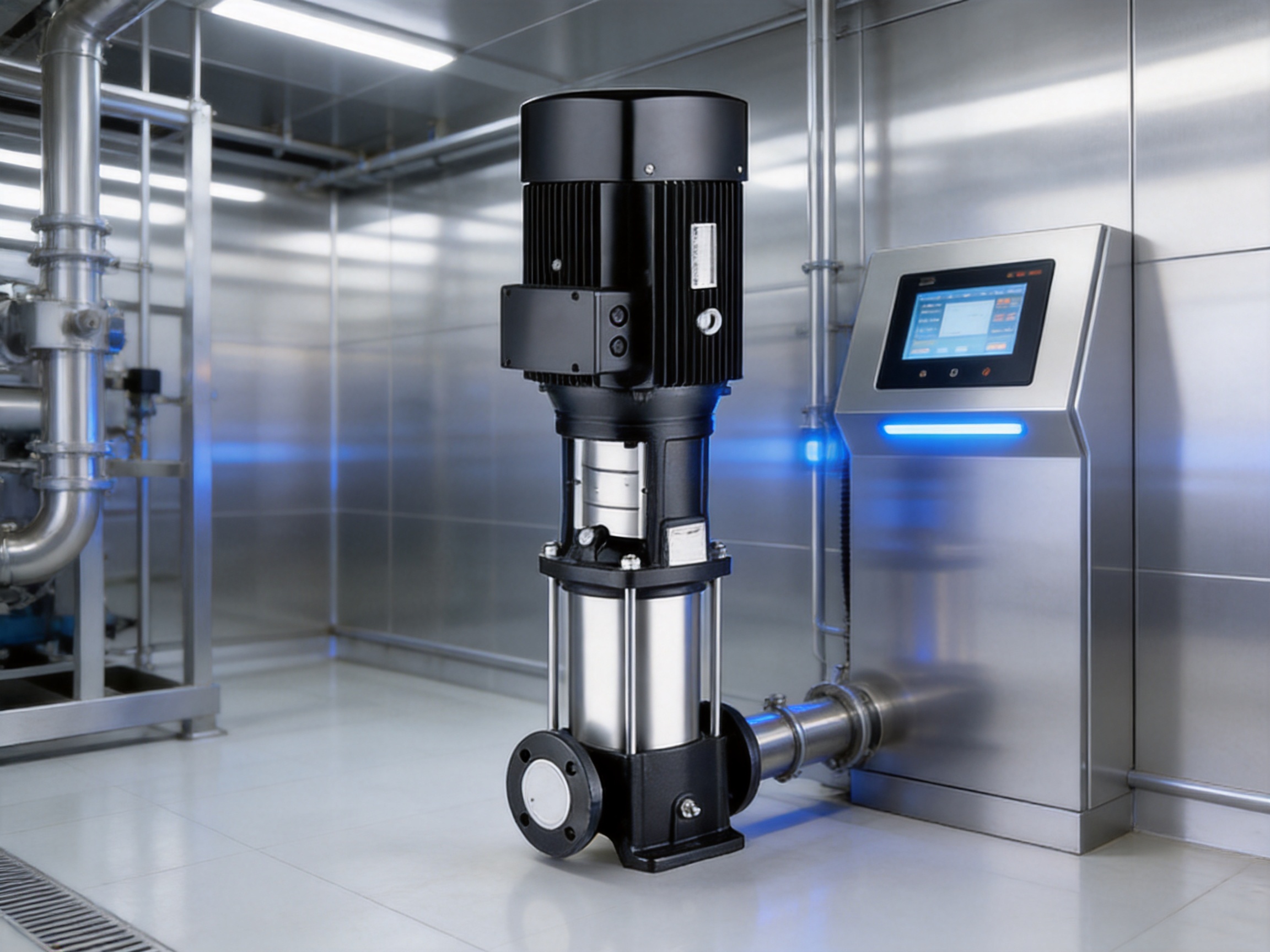
The vertical multistage structure provides several advantages compared with many conventional pump designs. First, it can deliver high pressure within a relatively compact body. Second, the stage-based hydraulic arrangement allows the pump to be adapted to different duty requirements. Third, the vertical configuration can reduce the floor space needed for installation. Fourth, the direct and organized flow path can support efficient pressure generation when the pump is correctly selected.
In a commercial building, for example, water may need to reach upper floors, remote fixtures, fire-support equipment, or process areas with sufficient pressure. A single-stage pump may not provide the required head without increasing impeller diameter, motor size, or installation footprint. A vertical multistage pump can build pressure progressively, making it suitable for booster applications where pressure consistency is more important than simple low-head transfer.
In an industrial facility, the pump may be used to supply clean process water, feed a filtration system, support equipment cooling, or move water between tanks. The vertical arrangement can simplify equipment-room planning, while the stainless steel construction can provide an appropriate level of durability for many clean-water applications.
In agricultural installations, the pump may support irrigation networks, greenhouse water supply, livestock facilities, or pressure boosting after a storage tank. When combined with proper controls and a suitable water source, the multistage design can provide the pressure needed for sprinklers, drip systems, or long distribution lines.
For domestic and residential use, a compact vertical pump can help improve water pressure in multi-story homes, villas, apartments, and properties with low municipal pressure. The water shortage protection and voltage stabilization features are particularly useful where the pump may operate automatically and where the homeowner does not monitor the system continuously.
The fundamental hydraulic advantage of a multistage pump is that each stage contributes to the total head. If a particular stage produces a defined amount of pressure, several stages operating in series can generate a substantially higher total head. The flow rate remains governed by the hydraulic design and system demand, while the number and geometry of the stages influence pressure capability.
This arrangement can be more efficient and mechanically practical than forcing one impeller to create all the required pressure. A properly designed stage stack distributes the hydraulic workload and provides a controlled flow path. It also makes the pump suitable for a range of applications where pressure requirements vary from moderate boosting to higher-pressure water delivery.
Actual performance depends on the selected model, impeller diameter, number of stages, motor power, liquid properties, suction conditions, pipework, and operating point. Users should consult the relevant performance curve and technical documentation before final selection. The product concept provides strong pressure capability, but responsible engineering requires matching the pump to the actual flow and head requirements.
Equipment-room space often has a direct effect on project cost. A pump with a smaller footprint may reduce the size of the pump room, simplify foundation preparation, and leave more space for valves, control equipment, access routes, and maintenance work. The vertical form of the EVR(S) Series supports this type of space-conscious design.
A compact pump should not be installed in a way that prevents inspection or servicing. Adequate clearance is still needed around electrical connections, valves, the motor, and removable components. The best installation combines the pump’s small footprint with accessible pipework and a logical service layout.
Product comparisons should be based on verified operating data, but the EVR(S) Series offers several structural advantages over many conventional pump solutions. These advantages are not limited to the pump body; they involve protection, control, material selection, installation, and long-term ownership.
| Evaluation Area | Conventional Basic Pump | EVR(S) Series Advantage |
| Pressure generation | Often dependent on one primary impeller | Multiple stages provide progressive pressure development |
| Water shortage response | May require separate external protection | Water shortage protection is included as a core feature |
| Electrical stability | May operate directly from an unstable supply | Voltage stabilization supports more dependable operation |
| Material durability | May depend on painted or coated metal surfaces | Stainless steel construction offers corrosion-resistant wetted surfaces |
| Installation footprint | Horizontal designs may require more floor space | Vertical configuration supports compact equipment-room layouts |
| Maintenance approach | Service may be complicated by large or widely separated components | Maintenance-oriented design supports easier inspection and servicing |
| Application range | Often optimized for one narrow duty | Suitable for commercial, domestic, agricultural, and industrial clean-water duties |
Many low-cost pump systems depend on installers to add external dry-run sensors, voltage relays, overload devices, and other protective equipment. External components can be useful and are sometimes necessary, but they increase wiring complexity, panel space, commissioning time, and the possibility of incorrect configuration.
The EVR(S) Series integrates water shortage protection and voltage stabilization into its product concept. This can simplify system design and reduce the number of separate decisions required during installation. It also gives distributors a more complete product to offer customers who want automatic protection without building a control system from multiple unrelated components.
Integrated functions do not eliminate the need for external protection in every application. Critical installations may still require backup sensors, isolation devices, surge protection, emergency stop circuits, or site-specific monitoring. Nevertheless, a pump with built-in protective intelligence creates a stronger starting point than a basic motor and hydraulic assembly alone.
Compared with ordinary painted steel pumps, stainless steel pumps are often better suited to environments where moisture, condensation, and routine water contact could affect external or internal surfaces. Stainless steel also supports a professional appearance in commercial and residential installations. When paired with high-quality seals and properly balanced rotating parts, it can contribute to reliable long-term operation.
Service life is influenced by more than material. Correct sizing, clean water, stable electrical supply, adequate cooling, good alignment, and regular inspection are all important. The EVR(S) Series improves the design foundation, but the user must still operate the pump within its specified conditions.
The manufacturer behind the EVR(S) Series operates as an integrated enterprise covering independent research and development, mass production, and global export. This integrated structure is significant because it allows product design, production planning, quality management, packaging, logistics, and customer support to be coordinated within a broader business system.
Taizhou Edwin Electric Co., Ltd. was founded in 2008 and has developed a portfolio covering multiple categories of water pumps. Its product experience includes deep well pumps, submersible pumps, domestic booster pumps, circulation pumps, solar water pumps, intelligent booster pumps, and other pump accessories. This range gives the company exposure to different hydraulic conditions, installation environments, motor requirements, and customer expectations.
A manufacturer with a broad product portfolio can transfer knowledge between product categories. Experience with submersible pumps may support better understanding of motor sealing and water-level conditions. Experience with booster pumps may improve pressure-control development. Experience with solar pumps may strengthen attention to energy management and variable power sources. Experience with commercial products may support more rigorous attention to continuous operation and project supply.
Research and development is essential for a product such as the EVR(S) Series because reliable performance requires coordination between hydraulics, mechanical structure, electrical control, protection logic, and user requirements. The manufacturer’s investment in intelligent technology since 2018 reflects an effort to expand beyond traditional pump production and address modern demands for automatic control and energy-aware operation.
Product development may include hydraulic design, motor matching, impeller and diffuser optimization, control-program development, material selection, mechanical-seal evaluation, noise reduction, vibration control, and installation feedback. Each area contributes to the final user experience. A pump that delivers pressure but lacks protection or serviceability may not be a good system solution. The EVR(S) Series is designed around a more complete combination of features.
R&D also supports adaptation to different markets. Water pressure standards, electrical conditions, climate, building types, irrigation practices, and purchasing expectations vary around the world. A manufacturer with export experience is more likely to understand the importance of documentation, packaging, model identification, electrical compatibility, and consistent production for international customers.
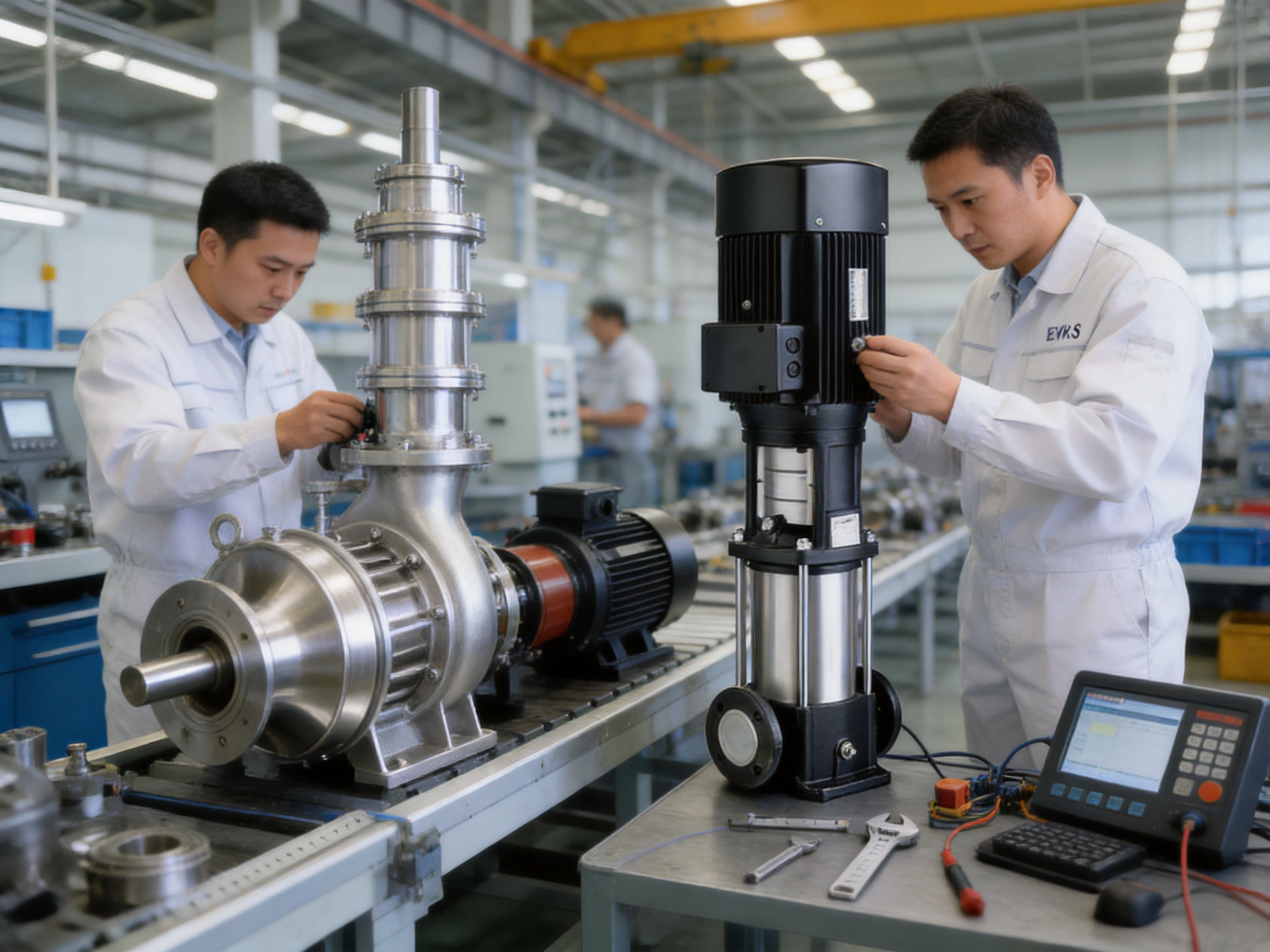
Mass production is valuable only when consistency is maintained. For pumps, consistency involves dimensions, materials, motor performance, impeller balance, seal installation, shaft alignment, terminal connections, control functions, and final testing. A reliable production process should convert the approved design into repeatable products rather than treating every unit as an isolated assembly.
Important manufacturing steps typically include incoming-material inspection, component machining, surface treatment, hydraulic-part preparation, motor assembly, rotor balancing, seal installation, electrical testing, complete-pump assembly, pressure testing, performance verification, visual inspection, and packaging. The exact process varies by model, but each step has a role in reducing defects and improving field reliability.
For stainless steel vertical multistage pumps, dimensional accuracy is especially important. The stage stack must be correctly aligned, and the rotating assembly must run smoothly through the complete pump body. Small deviations can create friction, vibration, leakage, or reduced hydraulic performance. Controlled assembly procedures and experienced technicians help ensure that the final pump performs as intended.
Quality assurance should cover both individual components and the complete assembled pump. Motor tests can verify insulation, current, voltage, rotation, and operating behavior. Hydraulic testing can confirm flow, head, pressure, and leakage performance. Mechanical inspection can verify shaft runout, fastening, alignment, and sealing. Functional testing can confirm the operation of water shortage protection and voltage stabilization features.
Testing is particularly important for export products because pumps may be shipped over long distances and installed by different service teams. Clear inspection procedures and consistent packaging help reduce the possibility of transport damage, incorrect model delivery, or commissioning problems.
Customers purchasing the EVR(S) Series for projects should request the appropriate technical documents, including the model specification, performance curve, electrical data, installation instructions, spare-parts information, and applicable test documentation. This helps engineers confirm that the selected pump matches the project’s duty conditions and local requirements.
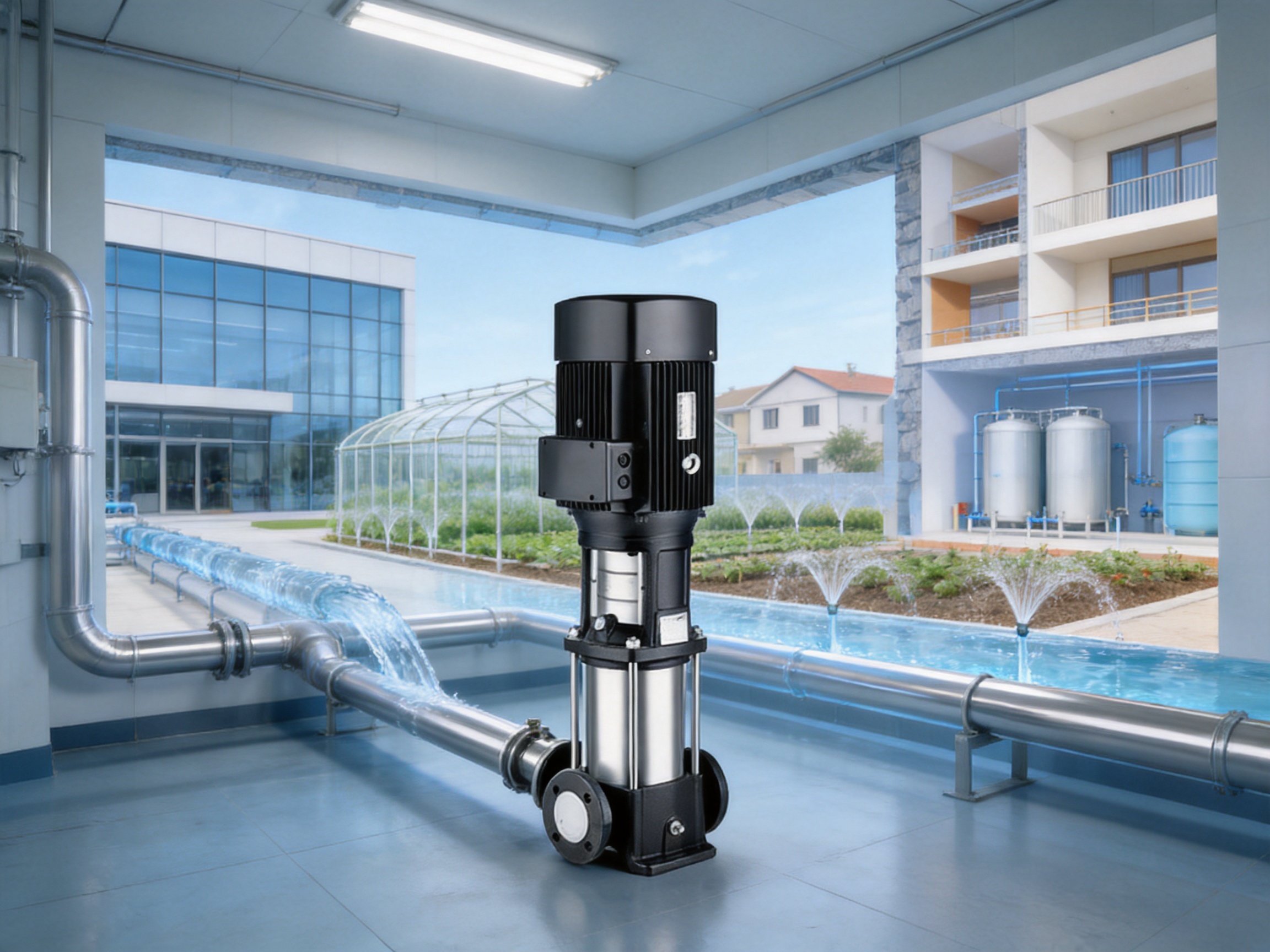
Commercial buildings often require stable water pressure across several floors and zones. Demand can vary throughout the day as occupants use restrooms, kitchens, cleaning equipment, cooling systems, and other fixtures. A vertical multistage pump can support pressure boosting from a storage tank or municipal connection, depending on local regulations and system design.
The compact footprint is valuable in buildings where mechanical-room space is limited. Stainless steel construction provides a clean and professional appearance, while water shortage protection can reduce the risk of damage when a tank level falls unexpectedly. Voltage stabilization is also useful in facilities where electrical loads change throughout the day.
Homes, villas, apartments, and small residential developments may experience low pressure because of elevated floors, long pipelines, intermittent municipal supply, or insufficient local water pressure. The EVR(S) Series can be considered for systems that need a pressure-boosting solution with automatic protective functions.
Residential users usually value quiet, dependable, and low-maintenance equipment. Correct pipe sizing, vibration isolation, and appropriate control settings are important for achieving comfortable operation. The pump should be installed where it can be protected from flooding, freezing, excessive humidity, and unauthorized access.
Agricultural systems require dependable water delivery across fields, greenhouses, nurseries, livestock facilities, and storage areas. A multistage pump can provide the pressure needed for distribution networks, especially where water must travel through long pipes or operate sprinklers and other pressure-dependent devices.
Farm operators should evaluate water quality carefully. Sand, mud, organic debris, and abrasive particles can reduce the life of impellers, seals, and valves. Where the water source contains suspended solids, filtration or pre-treatment may be necessary. The pump is most appropriate when the water is compatible with its hydraulic and material design.
Industrial users may apply the pump to clean-water transfer, equipment cooling, process support, filtration, washing, boiler-feed pre-treatment, or pressure boosting. The stainless steel body can be advantageous in clean industrial environments where corrosion resistance and hygienic appearance are valued.
Industrial selection must consider operating hours, duty cycle, liquid temperature, chemical exposure, required redundancy, control integration, and maintenance access. For critical processes, multiple pumps may be installed in duty-and-standby arrangements. The EVR(S) Series can form part of such a system when its performance and materials match the process requirements.
Municipal engineering projects often involve water transfer, pressure boosting, public-building supply, landscaping irrigation, and utility support. These applications require equipment that can operate reliably under variable demand and be supported with documentation and replacement parts.
The manufacturer’s experience with global export and one-stop procurement services can be beneficial to project buyers. In addition to the pump itself, customers may need accessories, valves, pipes, control components, packaging, delivery coordination, and technical communication. An integrated supplier can help organize these requirements more efficiently than a fragmented purchasing process.
Proper installation is essential for achieving the advantages of the EVR(S) Series. Before installation, confirm the pump model, voltage, frequency, phase, rated flow, rated head, inlet conditions, outlet pressure, pipe diameter, and liquid compatibility. The pump should be positioned on a stable foundation capable of supporting its weight and absorbing normal operating forces.
The inlet pipe should be as short and direct as practical, with minimal bends and restrictions. Undersized inlet piping can increase friction loss and reduce pump performance. The system should be designed to prevent air pockets, and any required valves, filters, check valves, expansion joints, or flexible connectors should be selected according to the application.
Before electrical connection, verify that the power supply corresponds to the motor and control system. Wiring should be carried out by qualified personnel in accordance with local electrical codes. Protective devices should be correctly rated, and the pump should be properly grounded. If the site has unstable power, a professional should assess whether additional surge protection, backup control, or power-conditioning equipment is appropriate.
During commissioning, inspect all mechanical and electrical connections. Confirm that valves are in the correct starting position, the pump is filled or primed as required, and the water source is available. Run the pump briefly to verify rotation, then monitor pressure, current, noise, vibration, leakage, and water flow. Any abnormal condition should be investigated before continuous operation.
Although the EVR(S) Series is designed for easy maintenance, routine inspection remains important. Operators should periodically check for unusual noise, increased vibration, unstable pressure, water leakage, excessive motor temperature, abnormal current, and frequent protective shutdowns. These signs may indicate blocked filters, worn seals, air ingress, bearing problems, pipe restrictions, or changes in system demand.
Filters and strainers should be cleaned according to the water quality and operating environment. Mechanical seals should be inspected if leakage is detected. Electrical terminals should be checked for secure connections, and protective devices should be tested at appropriate intervals. The service schedule should be adapted to the duty cycle rather than relying on a one-size-fits-all timetable.
One advantage of a service-friendly vertical multistage design is that technicians can inspect and replace relevant components without rebuilding an unnecessarily complicated system. However, all maintenance should follow the manufacturer’s instructions. Power must be isolated before service, and the pump must be depressurized and safely drained where necessary.
The correct pump should be selected based on the complete hydraulic system rather than only the motor power or outlet size. The most important inputs are required flow, total dynamic head, suction pressure, water temperature, liquid quality, operating hours, installation elevation, electrical supply, and control method.
| Selection Parameter | Why It Matters | Recommended Evaluation |
| Flow rate | Determines the volume of water required per unit of time | Use actual peak and normal demand, not an arbitrary estimate |
| Total head | Includes elevation, pressure requirement, and pipe friction | Calculate static and dynamic losses throughout the system |
| Water quality | Affects corrosion, wear, sealing, and filtration needs | Review solids, chemicals, temperature, and salinity |
| Electrical supply | Influences motor compatibility and protection settings | Confirm voltage, frequency, phase, and available current |
| Operating pattern | Determines thermal and mechanical stress | Identify continuous, intermittent, cyclic, or standby duty |
| Installation environment | Can affect corrosion, cooling, noise, and accessibility | Check indoor or outdoor location, humidity, temperature, and clearance |
| Control requirements | Determines how the pump starts, stops, and responds to demand | Review automatic operation, protection, sensors, and integration needs |
Distributors should also evaluate product consistency, packaging, delivery capability, technical support, spare-parts availability, and after-sales communication. A pump is easier to sell and support when its advantages can be clearly explained and its documentation is organized. The EVR(S) Series provides a strong sales proposition because it combines several customer-valued functions into one product platform.
Energy consumption is an important part of pump ownership cost. A pump that is oversized may consume unnecessary electricity, while an undersized pump may fail to meet demand and operate continuously at an inefficient point. The best result comes from matching the pump curve to the system curve and operating the pump near its intended duty point.
The multistage design can support efficient pressure generation when the pump is correctly selected. The stage arrangement distributes hydraulic work and avoids relying on one oversized impeller for every pressure requirement. Voltage stabilization may also contribute to more consistent motor operation in areas with unstable electrical supply, although overall energy performance still depends on the motor, hydraulic efficiency, control method, and actual operating conditions.
Total cost of ownership includes purchase price, installation, electricity, maintenance, replacement parts, downtime, and service labor. A low-cost pump without protection may become expensive if dry running causes a seal or motor failure. A pump with stainless steel construction and integrated protective features may offer stronger long-term value even when its initial purchase price is not the lowest available.
Users should avoid comparing pumps solely by catalog price. A more meaningful comparison considers pressure stability, protection functions, material quality, expected service life, maintenance access, supplier reliability, and technical support. This broader approach is particularly important for commercial and industrial projects where downtime can affect productivity and customer satisfaction.
Taizhou Edwin Electric Co., Ltd. serves customers in international markets and has developed supporting companies for procurement planning, order tracking, cross-border delivery, and foreign-trade services. This structure is useful for importers, wholesalers, contractors, engineering companies, and project buyers who need more than a single product quotation.
One-stop procurement can reduce coordination effort. Customers may be able to discuss pump selection, accessories, packaging, shipping arrangements, documentation, and delivery schedules through a coordinated supplier network. This is especially valuable when a project includes multiple pump categories or requires a combination of water pumps and peripheral products.
The company’s wider product range also supports product matching. A buyer may require a deep well pump for water extraction, a submersible pump for drainage or submerged water transfer, a booster pump for pressure improvement, a circulation pump for HVAC, or a solar pump for off-grid irrigation. A supplier familiar with these categories can help customers select equipment according to the complete system architecture.
For the EVR(S) Series specifically, professional support should include model confirmation, duty-point review, electrical information, installation guidance, troubleshooting assistance, and spare-parts coordination. Customers should provide accurate application data so that the recommended model is based on engineering requirements rather than assumptions.
Water-pump safety involves both electrical and mechanical risks. The pump should be installed and serviced by qualified personnel. Electrical power must be disconnected before opening the terminal box or control enclosure. The system should be protected against accidental restart during maintenance, especially in automated installations.
Operators should never allow the pump to run outside its approved operating range. Continuous operation at extremely low flow can cause overheating and internal recirculation, while operation at excessive flow may overload the motor or reduce pressure performance. Water shortage protection helps reduce dry-running risk, but the pump should still be supplied with an adequate and reliable water source.
Pressure can remain trapped in pipelines after the pump stops. Isolation and drain procedures should be followed before removing components. Appropriate personal protective equipment should be used, and all local regulations should be observed. If the pump is connected to a high-pressure network, additional relief and isolation measures may be required.
The EVR(S) Series is designed for clean-water pressure boosting, transfer, and supply applications that benefit from a compact vertical multistage structure. Typical uses include commercial buildings, residential water systems, agricultural irrigation, industrial clean-water service, municipal installations, and other pressure-dependent applications.
Vertical multistage means that several impeller and diffuser stages are arranged vertically along a common shaft. Each stage adds energy to the water, allowing the pump to generate higher total pressure within a relatively compact body.
Water shortage protection helps reduce the risk associated with insufficient inlet water or dry-running conditions. It is intended to prevent or limit operation when the pump does not have an adequate water supply, thereby helping protect the motor, seals, and hydraulic components.
No. Voltage stabilization is an important protective and operating feature, but the installation still requires correct wiring, grounding, circuit protection, and compliance with the local power supply. Severe voltage disturbances, incorrect frequency, poor connections, or inadequate cable sizing may require additional electrical measures.
Stainless steel provides corrosion resistance, strength, a clean appearance, and suitable durability for many clean-water environments. It is often preferred over ordinary painted steel when the pump may be exposed to moisture or when cleanable, corrosion-resistant wetted surfaces are desired.
Suitability depends on the exact liquid composition and pump material configuration. Stainless steel construction does not automatically make a pump suitable for seawater, concentrated chlorides, aggressive chemicals, abrasive liquids, or high-temperature fluids. The liquid must be evaluated against the manufacturer’s material and operating specifications.
Selection normally requires the required flow rate, total head, water temperature, liquid quality, inlet conditions, pipe arrangement, operating schedule, electrical supply, and installation environment. Providing accurate data helps prevent oversizing, undersizing, and unsuitable material selection.
The protection and control features support automatic operation, depending on the selected model and system configuration. The installation may also include pressure sensors, level controls, check valves, control panels, or external monitoring equipment according to the application.
Not necessarily. The EVR(S) Series is designed with easy maintenance as one of its main features. Maintenance access still depends on the installation layout, so sufficient clearance and properly arranged valves should be provided around the pump.
Yes, it can be considered for irrigation pressure boosting and clean-water distribution when the required flow, head, water quality, and electrical conditions match the selected model. If the source water contains sand or debris, suitable filtration should be installed.
The manufacturer combines product development, mass production, export experience, and supporting foreign-trade services. Its broad range of pump products and procurement capabilities can help international buyers coordinate equipment selection, order tracking, shipping, and related accessories.
Commissioning should include verification of the model, electrical supply, grounding, pipe connections, water availability, valve positions, rotation, pressure, flow, current, vibration, noise, and leakage. Protective functions should also be checked according to the installation instructions.
The EVR(S) Series Water Shortage Protection Voltage Stabilization Stainless Steel Vertical Multistage Pump is designed for customers who need more than basic water transfer. Its multistage hydraulic structure supports reliable pressure generation, while the vertical arrangement helps conserve installation space. Stainless steel construction contributes to corrosion resistance and clean-water durability. Water shortage protection addresses one of the most damaging abnormal operating conditions, and voltage stabilization supports more dependable electrical performance.
Compared with conventional single-stage or minimally protected pump solutions, the EVR(S) Series offers a more complete combination of pressure capability, operational protection, material performance, compact installation, and maintenance convenience. These advantages make it suitable for commercial buildings, residential supply, agriculture, industrial clean-water systems, municipal projects, and other applications where pressure reliability matters.
Its value is strengthened by the manufacturing capabilities of Taizhou Edwin Electric Co., Ltd. Since its establishment in 2008, the company has developed experience in independent R&D, mass production, international export, intelligent pump technology, and one-stop procurement support. Its broad product portfolio allows it to understand complete water systems and serve customers across multiple application categories.
For the best result, the pump should be selected according to verified flow, head, liquid, electrical, and installation conditions. When properly matched, installed, and maintained, the EVR(S) Series can provide a dependable foundation for modern water-pressure and water-supply systems.
1. Manufacturer-provided product information for the EVR(S) Series Water Shortage Protection Voltage Stabilization Stainless Steel Vertical Multistage Pump.
2. Manufacturer-provided company information concerning research and development, mass production, export services, and intelligent pump technology.
3. Hydraulic Institute, Pump Application and System Design Principles.
4. International Organization for Standardization, General Principles for Rotodynamic Pump Performance and Testing.
5. American Society of Mechanical Engineers, Guidance on Pump and Pump-System Engineering Practices.
6. Standard engineering references on centrifugal pump selection, multistage hydraulic design, motor protection, and water-supply system commissioning.
7. General technical guidance for stainless steel material selection in clean-water pumping applications.
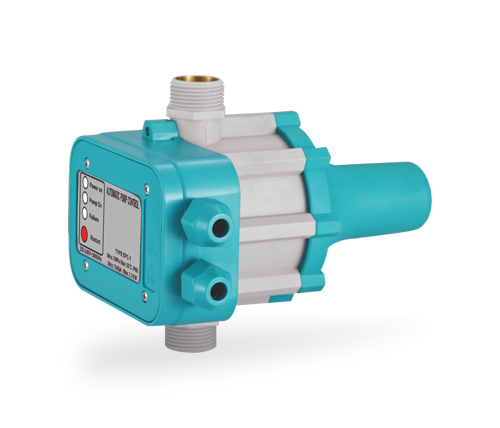
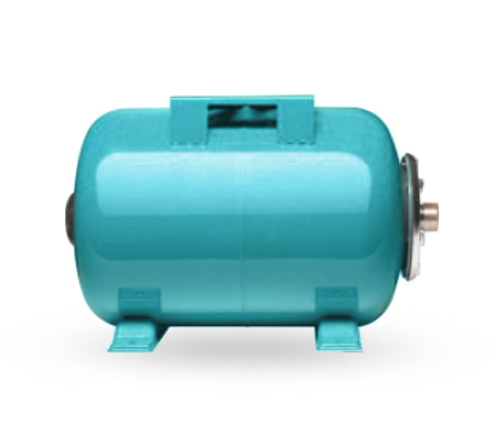
aseriesnoisereductiondesignacid-baseverticalsurfacepump-1.jpg "EV(F)A Series Noise Reduction Design Acid-base Vertical Surface Pump")
edwina@edwin-pump.com
+86-13586290903 (WhatsApp)
Xuri Gongliang Cutting Tool Entrepreneurship Park, Wenqiao Town, Wenling City, Taizhou City, Zhejiang Province, China

High Performance Smart Pump Factory


 English