edwina@edwin-pump.com

View All Products
en
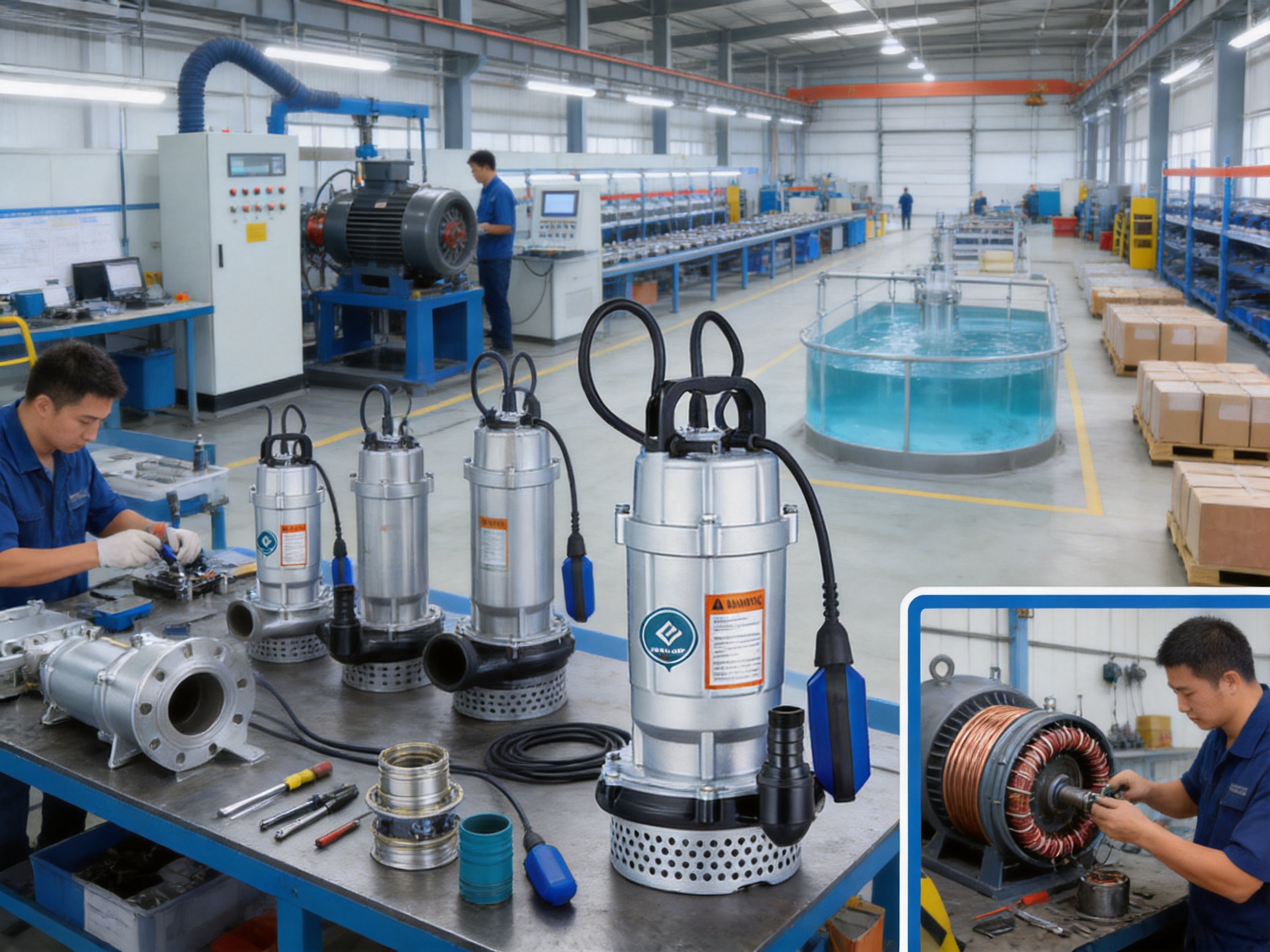
Reliable wastewater handling is essential in residential, agricultural, commercial, municipal, and industrial environments. Whenever water contains suspended solids, must be removed from a low-lying area, or needs to be transferred from a tank, pit, or drainage basin, the pump must deliver more than basic water movement. It must operate consistently, tolerate demanding conditions, resist corrosion and wear, and remain practical to install and maintain. The Submersible Sewage Pump QX is designed for these requirements, combining submersible operation, a rewindable motor, flexible electrical configurations, and optional automatic control through a floating switch.
The QX series is part of a broad pump portfolio developed for water supply, irrigation, drainage, pressure boosting, circulation, and industrial fluid transfer. Its submersible construction allows the pump to work directly inside the liquid, reducing the need for long suction lines and helping simplify many installations. Because the hydraulic unit is placed close to or below the water level, the pump can support efficient transfer in applications where a conventional surface pump may experience suction limitations.
Manufactured by Taizhou Edwin Electric Co., Ltd., the pump benefits from an integrated business model that covers independent research and development, mass production, export operations, and technical support. The company has built its experience around deep well pumps, submersible pumps, domestic booster pumps, circulation pumps, solar water pumps, and intelligent booster systems. This wider product knowledge contributes to a practical understanding of different water-management conditions and the requirements of international customers.
This article explains the QX pump’s operating concept, application value, construction advantages, manufacturing strengths, selection considerations, installation principles, maintenance requirements, and competitive benefits. It is intended to help distributors, contractors, engineers, property managers, and end users evaluate whether this type of submersible sewage pump is suitable for their projects.
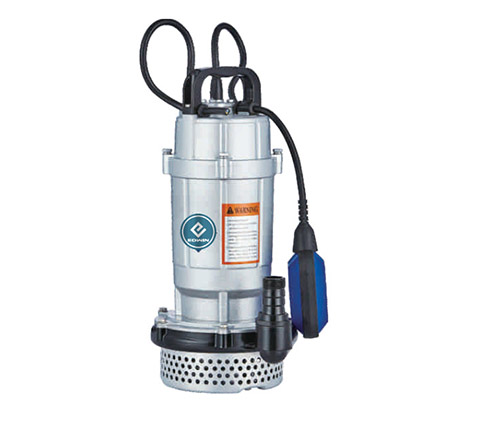
SUBMERSIBLE SEWAGE PUMP QX
The Submersible Sewage Pump QX is an electric pump designed to operate while immersed in water or wastewater. Its principal function is to transfer liquid from one location to another, such as from a collection pit to a discharge pipe, from a drainage basin to an outlet, or from a low-level tank to a higher point in a treatment or disposal system.
Unlike a surface-mounted pump, a submersible pump does not normally require the pump body to remain above the liquid. The motor and hydraulic components are arranged as a compact submerged unit. This configuration can reduce priming requirements and make the equipment suitable for locations where space is limited or where the water level changes frequently.
The QX product information identifies the pump for water supply from wells or reservoirs, domestic use, civil and industrial applications, garden use, and irrigation. Although the product title identifies the unit as a sewage pump, the published application information also indicates suitability for several clean-water and general water-transfer situations. Final selection should therefore be based on the actual fluid, solids content, required flow, delivery head, electrical supply, and installation environment.
The pump is available in single-phase and three-phase electrical versions. The listed single-phase supply is 220–240 V at 50 Hz, while the listed three-phase supply is 380–415 V at 50 Hz. A floating switch can be supplied as an option. This switch can help control automatic starting and stopping according to the liquid level, reducing the likelihood of dry running and limiting the need for continuous manual supervision.
The motor is described as rewindable. This is an important service feature because an appropriately equipped motor can be repaired by qualified technicians in situations where the windings have been damaged or require refurbishment. Rewindability can extend the practical service life of the equipment and may reduce replacement costs, particularly in areas where local pump-repair infrastructure is available.
The most important advantage of the QX design is its ability to operate below the liquid surface. A submerged pump can receive liquid directly through its inlet without depending on a long suction pipe. This helps avoid many suction-side problems associated with surface-mounted equipment, including difficult priming, air leakage, and excessive suction lift.
Direct immersion can also simplify system layout. In a drainage pit, reservoir, or wastewater collection tank, the pump can be positioned close to the lowest practical point. This helps improve drainage performance and can reduce the number of external components required between the liquid source and the pump.
Submersible installation also supports quieter operation in many environments because the liquid surrounding the pump can help reduce airborne operating noise. The installation remains dependent on correct positioning, discharge piping, electrical protection, and service access, but the overall arrangement can be more compact than a comparable surface-pump system.
The availability of both single-phase and three-phase versions helps the QX serve different types of users. Single-phase equipment is often suitable for homes, small buildings, gardens, workshops, and locations where only ordinary utility power is available. Three-phase equipment is generally more appropriate for commercial, agricultural, industrial, and municipal installations with a three-phase electrical network.
Three-phase operation can be especially useful for larger or more demanding installations because it supports balanced motor operation and is commonly used in professional pumping systems. The correct voltage, frequency, motor rating, cable size, overload protection, and phase sequence must always be confirmed before commissioning.
The product information also indicates that other voltages or 60 Hz frequency configurations may be available on request. This is valuable for international projects because electrical standards vary between regions. Rather than forcing a standard domestic configuration into an unsuitable network, buyers can discuss the required electrical specification before production.
A floating switch provides a practical method of liquid-level control. As the water level rises, the float changes position and can activate the pump. When the level falls, the float can stop the pump, depending on the control arrangement. This functionality is particularly useful in drainage pits, tanks, reservoirs, and collection chambers where the water level is not constant.
Automatic level control can reduce the risk of unnecessary operating time and help protect the pump from running after the liquid has been removed. It can also reduce the workload for operators who would otherwise need to start and stop the pump manually.
The float must be installed so that it can move freely and cannot become trapped against the pump, tank wall, pipe, cable, or other equipment. In systems where the consequences of overflow are serious, the float should be used together with suitable electrical protection and, where appropriate, an independent high-level alarm.
A rewindable motor provides a serviceability advantage compared with equipment that must be discarded after winding damage. Qualified repair personnel can inspect the motor, identify the cause of failure, replace or rewind damaged windings when technically appropriate, and test the motor before returning it to service.
Motor rewindability is especially useful in agricultural and industrial regions where pumps may operate for long periods, face unstable power conditions, or be exposed to demanding moisture and temperature conditions. It supports a repair-oriented maintenance strategy and can help users manage the total cost of ownership.
Rewinding must not be treated as a substitute for proper protection. Repeated winding damage may be caused by voltage imbalance, overload, blocked hydraulics, inadequate cooling, cable problems, water ingress, or frequent cycling. The root cause should be corrected before a rewound motor is placed back into operation.
The QX can be considered for a variety of water-transfer duties. Listed applications include supply from wells or reservoirs, domestic water use, civil and industrial applications, garden use, and irrigation. The product category and product title also position it within the submersible sewage-pump field.
This broad positioning can be useful for distributors. A distributor may serve several customer groups with one general product family instead of maintaining an unnecessarily large inventory of unrelated pump designs. Contractors can also evaluate the same platform for multiple projects, subject to confirming the hydraulic and fluid-handling requirements of each application.
However, application flexibility does not mean that every QX configuration is suitable for every wastewater condition. Users must confirm whether the liquid contains fibrous materials, abrasive solids, oils, chemicals, sand, or unusually large particles. If the fluid differs significantly from the published operating conditions, a special configuration or another pump type may be necessary.
The listed maximum fluid temperature is +40°C. This limit is important because the liquid surrounding a submersible motor often contributes to cooling. If the fluid temperature rises above the specified value, motor temperature may increase and insulation, seals, bearings, or other components may be exposed to additional stress.
The maximum listed sand content is 0.1%. Sand is abrasive and can accelerate wear in impellers, wear surfaces, seals, and other hydraulic components. Even when the pump continues to operate, excessive abrasive content may reduce performance over time and increase maintenance frequency.
Before ordering, users should evaluate the actual liquid characteristics rather than relying only on the appearance of the water. A liquid that looks relatively clear may still contain fine sand or suspended solids. Conversely, a sewage stream may contain fibrous or string-like materials that require a special impeller or cutting arrangement. The QX should be matched to the actual solids-handling requirements of the installation.
The product information states that curve tolerance is according to ISO 9906. Pump performance curves are essential for selecting equipment because they show the relationship between flow and head. A pump should be evaluated at the expected duty point, not simply by its maximum flow or maximum head in isolation.
ISO 9906-based curve tolerance provides a useful framework for comparing stated performance with measured performance under defined test conditions. It supports more transparent technical evaluation and gives engineers, distributors, and buyers a recognized reference when reviewing pump data.
| Item | Published Information | Selection Significance |
|---|---|---|
| Product type | Submersible sewage pump QX | Suitable for immersed water-transfer installations, subject to fluid verification |
| Motor type | Rewindable motor | Supports repair and serviceability through qualified technicians |
| Single-phase supply | 220–240 V, 50 Hz | Suitable for compatible domestic and light commercial electrical networks |
| Three-phase supply | 380–415 V, 50 Hz | Suitable for compatible commercial, agricultural, and industrial networks |
| Optional control | Floating switch available | Supports automatic liquid-level starting and stopping |
| Maximum fluid temperature | Up to +40°C | Higher temperatures require technical confirmation |
| Maximum sand content | 0.1% | Helps define the acceptable abrasive content of the fluid |
| Performance reference | Curve tolerance according to ISO 9906 | Provides a recognized basis for evaluating pump curves |
| Special options | Special mechanical seal, other voltage, or 60 Hz frequency on request | Allows adaptation for selected international or demanding installations |
| Warranty | Two years according to general sales conditions | Provides a defined warranty framework for eligible claims |
Surface pumps generally require careful suction-pipe design, initial priming, protection from air leakage, and control of suction lift. In contrast, a submersible pump is installed within the liquid and can be connected directly to a discharge line. This can reduce the complexity of the suction side and make the equipment easier to apply in pits, tanks, and reservoirs.
The QX is therefore a practical alternative when the pump room is small, when the source is below ground level, or when a surface pump would require a long and difficult suction route. It can also be valuable in temporary drainage situations where a compact submerged unit is easier to position than a complete surface-mounted pumping station.
Loss of prime is a common concern with surface-mounted centrifugal pumps. Air can enter through joints, valves, damaged seals, or improperly arranged suction piping. Once air accumulates, the pump may fail to deliver water or may operate inefficiently.
Because the QX works below the liquid level, the installation can avoid many of these suction-priming concerns. This does not eliminate the need for correct discharge piping or proper commissioning, but it can make routine operation more dependable in changing water-level conditions.
The standard single-phase and three-phase configurations cover common electrical systems, while the availability of other voltages and 60 Hz frequency options on request supports wider international use. This adaptability is a competitive benefit for importers, project contractors, and original equipment buyers working across different regions.
International buyers also benefit from the company’s established export structure. Taizhou Edwin Electric Co., Ltd. works alongside related import and export organizations that support procurement planning, order tracking, cross-border delivery, and foreign-trade services. These capabilities can be important when the buyer needs more than a product catalogue and requires assistance throughout the purchasing process.
The rewindable motor distinguishes the QX from products that are designed only for replacement rather than repair. In markets where technical service is available, a rewindable motor can support a longer equipment lifecycle. It may also help distributors offer a stronger after-sales service package.
A serviceable design is particularly relevant for professional customers who evaluate equipment by lifecycle cost instead of initial purchase price alone. Purchase price, energy use, downtime, repair cost, spare parts, labor, and replacement intervals all affect the real financial performance of a pump.
The availability of special mechanical seals on request gives the pump a degree of configuration flexibility. Mechanical seals are critical because they help protect the motor and bearings from liquid ingress while maintaining reliable shaft rotation. A standard seal may be suitable for ordinary water, while a special seal may be considered for selected fluids or operating environments.
Seal selection must be based on actual liquid chemistry, temperature, pressure, solids content, and operating frequency. Buyers should provide accurate application information so that the manufacturer can determine whether the standard configuration is adequate or whether a special seal should be evaluated.
Taizhou Edwin Electric Co., Ltd. was founded in 2008 and operates as an integrated manufacturing enterprise. Its activities include independent research and development, mass production, and global export. This combination is significant because product development, production control, and international customer service can be coordinated within a broader organizational structure.
Independent research and development allows the company to improve product families according to market needs. Pump requirements vary considerably between domestic water supply, agricultural irrigation, industrial circulation, drainage, solar pumping, and intelligent pressure boosting. Experience across these fields can support more practical product development and help the company respond to changing customer requirements.
Mass production provides another advantage. Repeated production of established pump designs can support standardized assembly, process familiarity, material planning, and production efficiency. Consistent manufacturing depends on disciplined procedures, trained personnel, incoming-material checks, assembly controls, motor testing, hydraulic verification, and final inspection.
The company’s product portfolio includes deep well pumps, submersible pumps, domestic booster pumps, circulation pumps, solar water pumps, intelligent booster pumps, and other water-treatment peripheral products. A diversified portfolio can support shared technical knowledge in areas such as motor construction, hydraulic design, sealing, electrical protection, corrosion resistance, and application engineering.
Quality is also connected to specification control. A pump must be produced according to a defined configuration, including motor voltage, frequency, materials, seal type, cable arrangement, impeller design, and control accessories. The QX information identifies standard operating conditions and options on request, helping buyers distinguish between standard and customized configurations before placing an order.
Curve tolerance according to ISO 9906 provides an important reference for hydraulic quality. A reliable pump manufacturer should be able to connect the selected model to a performance curve and explain the expected duty point. Buyers should request the relevant curve, operating range, power data, and efficiency information for the exact configuration under consideration.
Export experience is another manufacturing and supply-chain strength. Since the pumps are supplied to customers around the world, the company has experience coordinating international orders and foreign-trade services. This can help reduce communication gaps between product selection, production scheduling, documentation, packaging, and delivery.
Research and development is valuable when it produces measurable improvements in reliability, efficiency, installation convenience, or serviceability. For the QX, relevant development priorities include dependable motor insulation, effective sealing, stable hydraulic performance, compact construction, practical electrical options, and compatibility with automatic level control.
R&D also helps a manufacturer adapt products for different markets. A pump supplied to an agricultural customer may require different control methods from one installed in a commercial basement. A distributor may need a different voltage or frequency from a domestic buyer. A construction contractor may prioritize rapid installation, while an industrial user may focus on serviceability and lifecycle cost.
Mass production is not simply a matter of producing large quantities. It requires repeatable processes. Components must be matched correctly, fasteners must be secured, cable connections must be protected, sealing surfaces must be clean, and motors must be tested before shipment. Consistency is particularly important for submersible pumps because many critical components are enclosed and cannot be visually inspected after installation.
For professional buyers, consistent production can simplify procurement. Once a configuration has been approved and tested, the buyer can reorder the same specification for additional projects. This supports product standardization, spare-parts planning, operator training, and maintenance procedures across multiple sites.
The company’s related procurement and export organizations provide support for purchasing planning, order tracking, delivery coordination, and foreign-trade services. This one-stop approach can be valuable for customers who need several types of pumps or related accessories from one supply chain.
A one-stop supplier can help consolidate communication and documentation. It may also allow customers to coordinate different pump categories, such as submersible units, booster pumps, circulation pumps, valves, pipes, and accessories. The buyer should still request a detailed technical quotation for every item, but the broader supply capability can reduce the administrative burden of managing several unrelated vendors.
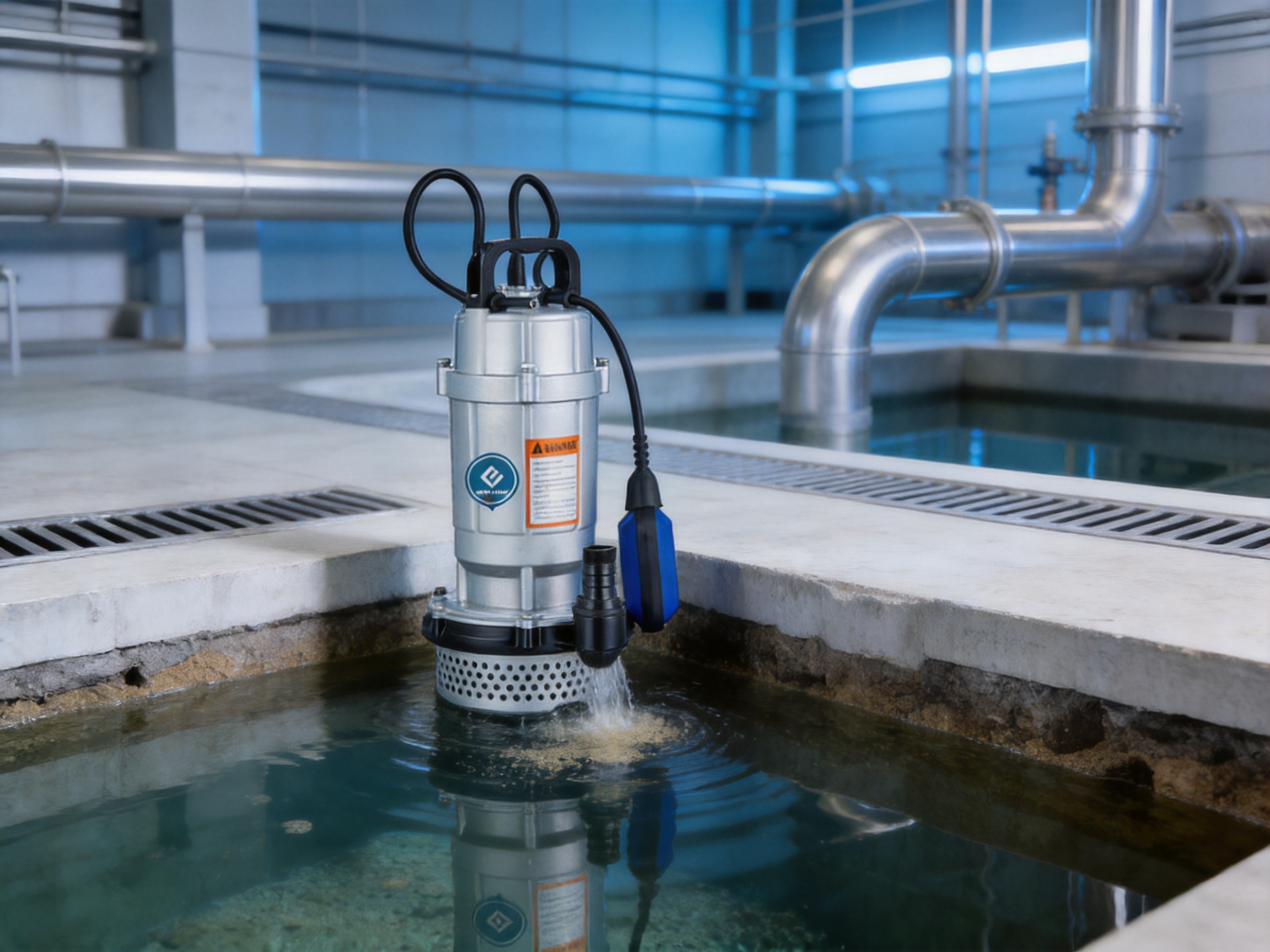
The QX can be considered for domestic drainage duties where water must be removed from basements, collection pits, tanks, or low-level areas. The optional floating switch is useful in these locations because the pump can respond automatically to rising water levels.
Domestic users should ensure that the pump is selected for the actual water type. Ordinary drainage water and sewage containing fibrous materials are not always hydraulically identical. Where the liquid includes wipes, cloth, string, plastic, or other materials that can wrap around a rotating component, the user should seek confirmation about solids-handling capability before installation.
Submersible pumps are commonly used in reservoirs, wells, irrigation tanks, and water-storage systems. Their immersed arrangement can be convenient when the water source is below the level of the delivery pipe or when a surface pump would face excessive suction lift.
For irrigation, the required flow and head must be calculated carefully. The pump should deliver the desired amount of water at the pressure needed by sprinklers, drip systems, filters, or distribution lines. Sand content must remain within the specified limit, and suitable filtration or sediment management should be used when the source contains abrasive particles.
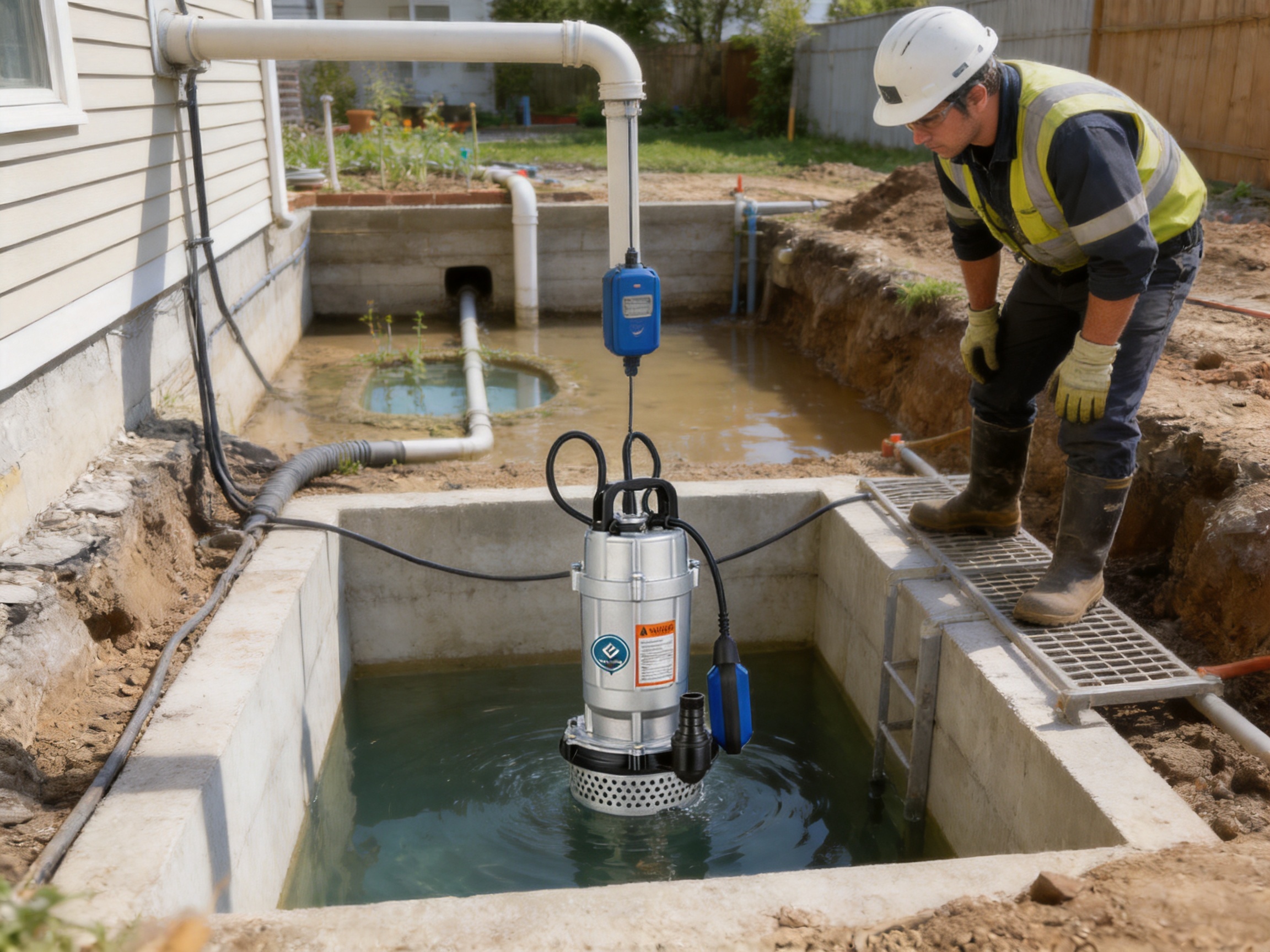
Construction sites often contain temporary pits, excavations, drainage channels, and groundwater collection points. A portable or semi-permanent submersible pump can help remove accumulated water and support safer, more efficient site operations.
Construction environments can be harsh. Cables must be protected from vehicles, sharp edges, mud, and mechanical damage. The pump should be positioned so that it does not sit directly on unstable sediment, and discharge hoses or pipes should be secured to prevent movement during operation.
Industrial users may require pumping from tanks, process areas, sumps, or drainage chambers. The QX may be suitable for selected general water-transfer applications within its stated temperature and sand-content limits. Industrial users should provide complete fluid information, including temperature, acidity or alkalinity, chemical exposure, solids, density, and operating schedule.
If the liquid is chemically aggressive, contains oil, or includes significant abrasive or fibrous solids, a standard configuration may not be appropriate. The option of a special mechanical seal may help in certain cases, but it does not automatically make the pump suitable for every industrial fluid.
Garden and landscape applications may include reservoir transfer, pond drainage, rainwater collection, or irrigation of planted areas. A submersible unit can remain hidden inside a tank or water source, helping reduce visible equipment and simplifying the connection to a delivery system.
Garden users should protect the pump from leaves, stones, excessive sediment, and accidental contact. A simple intake screen or suitable installation arrangement may help maintain reliable operation, provided that it does not restrict flow excessively.
Correct selection begins with the duty point. The duty point is the combination of required flow and total head. Flow describes how much liquid must be moved over a given period, while head represents the energy required to raise the liquid and overcome resistance in the piping system.
Total head includes static elevation, pressure requirements at the outlet, pipe friction, bends, valves, filters, fittings, and other losses. A pump selected only by pipe diameter or motor power may fail to meet the actual system requirement. The QX should be matched to the manufacturer’s performance curve for the exact model and configuration.
Users should also identify the required operating pattern. A pump used occasionally for emergency drainage has a different duty profile from one used for daily irrigation or industrial transfer. Starting frequency, continuous running time, liquid level, cooling conditions, and ambient installation factors all affect the appropriate selection.
Electrical supply must be confirmed before ordering. The customer should specify single-phase or three-phase operation, voltage, frequency, available current, cable length, control-panel requirements, and local protection standards. If the project uses a 60 Hz network or a non-standard voltage, this should be discussed before production.
The liquid itself must be described accurately. Important information includes temperature, sand content, suspended solids, particle size, fiber content, chemical composition, viscosity, and possible oil contamination. A pump that is suitable for clean water may not be suitable for sewage, while a pump designed for solids may not provide the same efficiency as a clean-water unit.
Installation depth and discharge arrangement should also be reviewed. The pump cable must be long enough and protected correctly. The discharge pipe must be supported independently where necessary so that its weight does not load the pump connection. Check valves, isolation valves, lifting chains, guide systems, and control equipment should be selected according to the installation.
Before installation, inspect the pump, cable, float switch, discharge connection, and accessories for visible damage. Confirm that the model and electrical specification correspond to the order. Do not energize the pump if the cable insulation, motor housing, or sealing components appear damaged.
The pump should be placed on a stable base or suspended using an appropriate lifting arrangement. It should not be supported by the power cable. If the installation is inside a pit, provide enough clearance around the pump to allow liquid to enter the inlet without excessive obstruction.
The discharge pipe should be routed with as few unnecessary bends as practical. Excessive friction losses can reduce flow and increase operating demand. Pipework should be supported independently, and any valves or check valves should be installed in an accessible location for inspection and maintenance.
Electrical installation should be completed by qualified personnel. The circuit should include suitable overload protection, short-circuit protection, grounding, and a means of isolation. Three-phase motors require correct phase sequence. Incorrect rotation can reduce performance and may cause abnormal operating conditions.
If a floating switch is used, it should be positioned with enough room to rise and fall freely. The switch must not be trapped under the pump, caught on the discharge pipe, or blocked by the pit wall. The start and stop levels should be checked during commissioning to verify that the pump does not cycle too frequently.
During initial testing, observe the liquid level, discharge flow, electrical current, vibration, noise, and leakage. Stop the pump immediately if there is unusual vibration, repeated overload, poor discharge, burning odor, or abnormal noise. Early inspection can prevent a small installation error from becoming a major equipment failure.
Regular maintenance helps preserve hydraulic performance and motor reliability. The maintenance schedule should reflect the fluid condition, operating hours, number of starts, and consequences of failure. A pump handling relatively clean water may need less frequent cleaning than a pump installed in a sewage pit or sediment-rich reservoir.
Inspect the pump and pit periodically for blockage, sediment, foreign objects, cable damage, corrosion, and unusual wear. Remove accumulated material carefully and isolate the electrical supply before any inspection or cleaning work. Never place hands near the impeller or other moving components while the pump is connected to power.
The floating switch should be checked for free movement and correct operation. A damaged or contaminated float may cause the pump to remain off, run continuously, or cycle incorrectly. Because automatic controls are directly connected to operating reliability, they should receive the same attention as the pump itself.
Monitor changes in performance. Reduced flow, increased noise, higher current, longer running time, or repeated tripping may indicate blockage, wear, voltage problems, damaged bearings, seal problems, or an incorrect operating point. Do not continue running a pump under abnormal conditions without identifying the cause.
Mechanical seals require particular attention because their condition affects motor protection. If the pump has been exposed to sand, abrasive solids, chemical contamination, or excessive temperature, seal inspection may be necessary. The special mechanical-seal option should be considered when the application conditions justify it.
When motor rewinding is required, the pump should be serviced by a qualified repair center. The technician should inspect insulation, cable entry, bearings, seals, rotor condition, and the cause of the original failure. Simply rewinding the motor without correcting overload, moisture ingress, or electrical instability may lead to another failure.
Submersible pumps combine water and electricity, so safety must remain a priority. Installation, testing, repair, and electrical connection should be performed by trained personnel. The power supply must be isolated before the pump is removed from the liquid or before any maintenance is attempted.
Grounding and protective devices must comply with local electrical requirements. The pump should not be operated with damaged cables or improvised connections. Extension cables, temporary connectors, and control panels must be rated for the environment and protected from water entry.
Personnel should also consider the risks associated with sewage and contaminated water. Appropriate protective clothing, gloves, eye protection, hygiene procedures, and decontamination practices may be necessary. The pump should be cleaned and handled according to the requirements of the site and the liquid being pumped.
The pump should never be used outside its specified temperature, sand-content, electrical, or hydraulic limits without written technical confirmation. Exceeding these limits may reduce service life, compromise safety, or invalidate warranty coverage according to the applicable sales conditions.
For distributors, the QX offers a combination of broad application potential and configurable supply. Standard electrical versions can serve common markets, while special voltage, frequency, and mechanical-seal requirements can be discussed for selected projects. This makes the product easier to position across domestic, agricultural, construction, and industrial customer groups.
The product’s serviceable motor design can also support a stronger distributor value proposition. Customers often want dependable after-sales support, and a rewindable motor gives qualified service centers an additional repair option. Distributors should establish clear procedures for inspection, spare parts, warranty evaluation, and motor repair.
For project buyers, the company’s integrated manufacturing and export capability can reduce procurement complexity. Taizhou Edwin Electric Co., Ltd. has experience in product development, mass production, international delivery, and one-stop purchasing services. This can be useful when the project requires more than one type of pump or when delivery coordination is important.
The two-year warranty, provided according to the company’s general sales conditions, gives buyers a defined framework for eligible warranty claims. Customers should review the applicable conditions before purchase, including requirements related to installation, electrical protection, operating limits, maintenance, misuse, and unauthorized modification.
A specialized pump manufacturer can provide advantages that are difficult to obtain from a general trading source. Pump design involves hydraulic performance, motor engineering, sealing, materials, electrical compatibility, testing, and application knowledge. A manufacturer with experience across several pump families can better understand how these elements interact.
Edwin Pump’s product range covers deep well pumps, submersible pumps, domestic booster pumps, circulation pumps, solar water pumps, intelligent booster pumps, and related accessories. This range indicates a focused position in water-management equipment rather than a single isolated product line.
The company’s investment in new energy and intelligent technology since 2018 has expanded its capabilities into solar water pumps and intelligent booster pumps. Although these technologies are separate from the QX model, they demonstrate an effort to respond to changing customer expectations, including energy flexibility, automation, and more efficient water control.
Manufacturing specialization can also support faster technical communication. Customers can discuss flow, head, liquid conditions, voltage, frequency, float-switch operation, seal selection, and delivery requirements with a supplier familiar with pump applications. This reduces the risk of selecting equipment only by appearance or nominal power.
The QX is identified as a submersible sewage pump. It is designed to operate while immersed in liquid and transfer water or wastewater through a discharge system. The published application information also includes wells, reservoirs, domestic use, civil and industrial applications, gardens, and irrigation.
The product information lists water supply from wells or reservoirs and several general water-transfer applications. It may therefore be suitable for compatible clean-water duties. The exact model should still be checked against the required flow, head, temperature, sand content, and solids conditions.
The listed maximum fluid temperature is +40°C. Applications above this temperature should be discussed with the manufacturer before purchase because motor cooling, insulation, seals, and materials may require different specifications.
The listed maximum sand content is 0.1%. If the source contains more sand or abrasive sediment, filtration, settling, a different pump configuration, or another pump type may be required.
Yes. The product information states that the pump is available with a floating switch. The float can help start and stop the pump according to liquid level when correctly installed and connected to the control circuit.
The listed single-phase version is 220–240 V at 50 Hz. The listed three-phase version is 380–415 V at 50 Hz. Other voltages or 60 Hz frequency configurations may be available on request.
A rewindable motor can potentially be repaired by qualified technicians if its windings are damaged. The motor should be inspected carefully, and the original cause of failure should be corrected before rewinding and recommissioning.
No pump should be assumed to handle every sewage condition. The user must confirm the presence and size of solids, fibers, grease, chemicals, sand, and other contaminants. If the sewage contains difficult materials, the manufacturer should evaluate the application and recommend the correct configuration.
Selection should be based on required flow, total head, electrical supply, liquid temperature, sand content, solids characteristics, operating frequency, installation depth, and control requirements. The exact duty point should be compared with the manufacturer’s performance curve.
It indicates that the stated pump curve is evaluated using a recognized performance-tolerance framework. This gives buyers a more consistent basis for comparing published hydraulic performance with test results.
Inspect the pump and cable, confirm the electrical specification, provide proper grounding and protection, support the discharge pipe independently, position the pump securely, and ensure that the float switch can move freely. Initial testing should include flow, current, vibration, noise, and liquid-level operation.
The published warranty is two years according to the company’s general sales conditions. Buyers should review those conditions because warranty eligibility may depend on correct installation, operation within specified limits, maintenance, and the absence of unauthorized modification or misuse.
The Submersible Sewage Pump QX is a practical solution for water transfer where the pump must operate directly inside a well, reservoir, pit, tank, or drainage chamber. Its submersible construction can simplify installation and reduce dependence on suction-side priming. The rewindable motor supports serviceability, while single-phase and three-phase options improve compatibility with different electrical systems.
The optional floating switch adds automatic liquid-level control, and the availability of special mechanical seals, other voltages, and 60 Hz frequency configurations provides additional flexibility for selected projects. Published operating conditions, including a maximum fluid temperature of +40°C and maximum sand content of 0.1%, provide essential boundaries for responsible selection.
Compared with many basic pump offerings, the QX is supported by a broader manufacturing and service structure. Taizhou Edwin Electric Co., Ltd. combines independent R&D, mass production, international export experience, and a wide portfolio of water-pumping technologies. Its related procurement and foreign-trade organizations further support order coordination and one-stop purchasing.
The best results depend on correct engineering. Users should match the pump to the duty point, verify the liquid characteristics, select the correct electrical version, install appropriate protection, and follow a planned maintenance program. When these requirements are respected, the QX can provide dependable performance for domestic drainage, irrigation, reservoir transfer, civil engineering, and compatible industrial water-management applications.
1. Taizhou Edwin Electric Co., Ltd. Product information for the Submersible Sewage Pump QX.
2. Taizhou Edwin Electric Co., Ltd. Company profile and product portfolio information.
3. ISO 9906, Rotodynamic pumps: Hydraulic performance acceptance tests.
4. General engineering principles for submersible pump installation, electrical protection, and maintenance.
5. General pump-selection practices for flow, total head, fluid temperature, abrasive content, and duty-cycle evaluation.
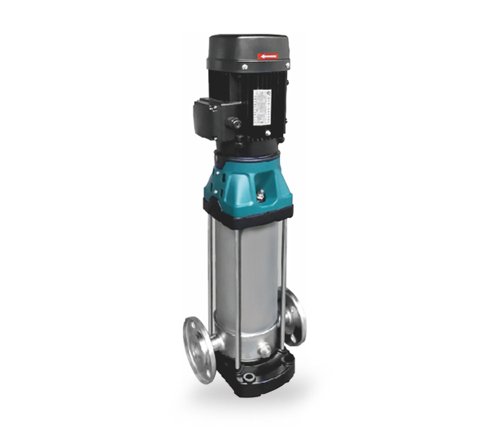
aseriesnoisereductiondesignacid-baseverticalsurfacepump-1.jpg "EV(F)A Series Noise Reduction Design Acid-base Vertical Surface Pump")
serieswatershortageprotectionvoltagestabilizationstainlesssteelverticalmultistagepump.jpg "EVR(S) Series Water Shortage Protection Voltage Stabilization Stainless Steel Vertical Multistage Pump")
edwina@edwin-pump.com
+86-13586290903 (WhatsApp)
Xuri Gongliang Cutting Tool Entrepreneurship Park, Wenqiao Town, Wenling City, Taizhou City, Zhejiang Province, China

High Performance Smart Pump Factory


 English