edwina@edwin-pump.com

View All Products
en
Reliable water movement is essential in homes, farms, gardens, commercial facilities, and industrial sites. A pump must do more than simply transfer water. It must provide stable pressure, maintain dependable performance under changing operating conditions, resist wear, and remain practical to install and maintain. The HMC60 multi-stage self-priming pump is designed to address these requirements through a compact horizontal configuration, multiple impeller stages, durable materials, and flexible application options.
As a horizontal multistage pump, the HMC60 combines the pressure capability of a multi-stage design with the convenience of a self-priming surface pump. It is suitable for water supply from wells and reservoirs, domestic water distribution, civil and industrial applications, garden irrigation, and other clean-water duties. Four available models allow users to select an appropriate motor power and pressure range without choosing an unnecessarily large pump.
The HMC60 product family includes the HMC60-2S, HMC60-3S, HMC60-4S, and HMC60-5S. Depending on the selected model, the pump provides a maximum head from 22 meters to 55 meters and a maximum flow of up to 100 liters per minute according to the supplied product data. All models provide a maximum suction lift of 8 meters, allowing the pump to draw water from a lower source when the suction line is correctly installed and filled.
Manufactured by Taizhou Edwin Electric Co., Ltd., the HMC60 reflects the company’s experience in pump research and development, mass production, export, and one-stop procurement support. The manufacturer has developed product lines covering deep well pumps, submersible pumps, domestic booster pumps, circulation pumps, solar water pumps, intelligent booster pumps, and related water-treatment products. This wider technical background supports the development of practical pump solutions for different water-supply conditions.
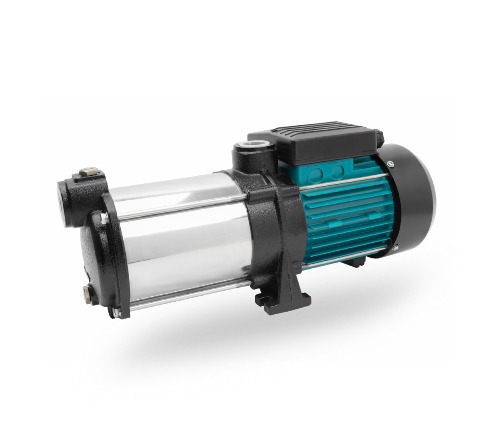
(HMC60) Multi-stage Self-priming Pump
A multi-stage pump uses more than one impeller and diffuser stage in series. Water passes through the first stage and then moves through subsequent stages, with each stage adding energy to the flow. This arrangement makes it possible to achieve higher discharge pressure and greater head than a comparable single-stage pump operating with a similar basic footprint.
The self-priming function is another important feature. A self-priming surface pump is designed to remove air from the suction line after the pump casing has been initially filled according to the installation instructions. This is particularly useful in applications where the pump is installed above the water source and the suction pipe may contain air during startup or after a period of non-use.
Compared with many basic single-stage surface pumps, a multi-stage self-priming design can provide a better combination of pressure and compact installation. A single-stage pump may be adequate for short-distance transfer, but it may not provide sufficient pressure for elevated delivery, longer pipe runs, irrigation zones, household boosting, or applications that require a stronger discharge flow.
The HMC60 is designed for water applications requiring dependable pressure rather than only high-volume transfer. Its horizontal construction makes it suitable for installation in equipment rooms, pump stations, utility areas, garden facilities, and domestic service spaces where a vertical pump may be less convenient.
The HMC60 range is designed for water with a maximum fluid temperature of 40 degrees Celsius. The maximum sand content is 0.25 percent, and the maximum suction lift is 8 meters. These operating limits help define the conditions in which the pump should be used. The pump is intended for suitable water sources and should not be treated as a universal solution for abrasive slurry, highly contaminated liquid, or high-temperature fluids.
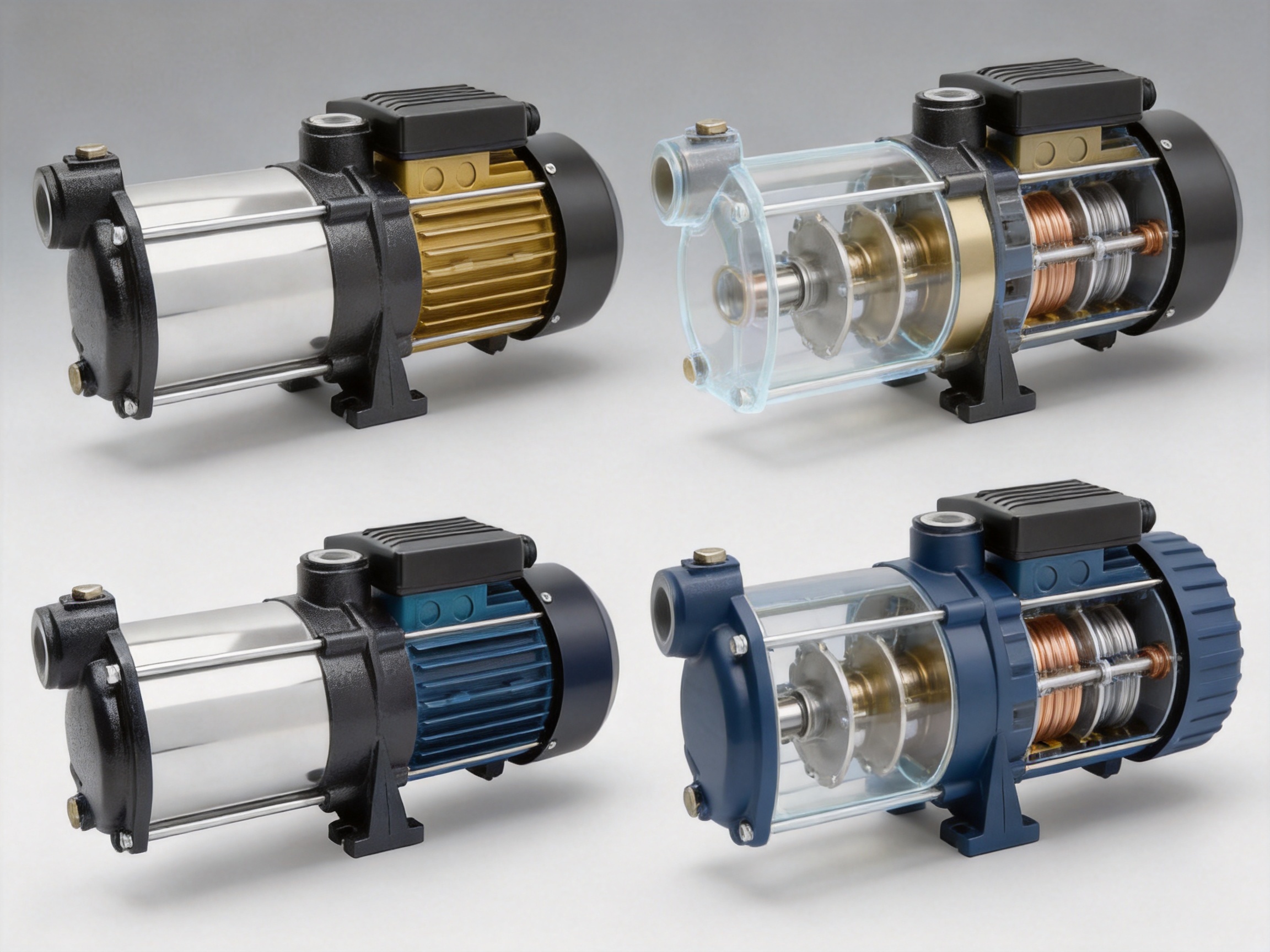
The pump includes a stainless steel welded shaft, copper motor winding, and a built-in thermal protector. The impeller can be supplied in brass, AISI stainless steel 304, or PPO, depending on the required configuration. These material choices allow the product to be adapted to different purchasing requirements, operating environments, and cost considerations.
| Model | Power kW | Power HP | Inlet/Outlet | Maximum Flow L/min | Maximum Head m | Maximum Suction m |
|---|---|---|---|---|---|---|
| HMC60-2S | 0.37 | 0.50 | 1 inch x 1 inch | 85 | 22 | 8 |
| HMC60-3S | 0.50 | 0.65 | 1 inch x 1 inch | 90 | 34 | 8 |
| HMC60-4S | 0.70 | 0.95 | 1 inch x 1 inch | 95 | 45 | 8 |
| HMC60-5S | 0.85 | 1.15 | 1 inch x 1 inch | 100 | 55 | 8 |
The figures in the table are maximum product values. Actual flow and head will depend on pipe diameter, pipe length, fittings, elevation, water level, suction conditions, discharge pressure, and other system factors. A professional installer should select the model according to the complete duty point rather than selecting only by maximum flow or maximum head.
The multi-stage arrangement allows the HMC60 to generate a useful pressure range while maintaining a practical horizontal form. The HMC60-2S provides a maximum head of 22 meters, while the HMC60-5S reaches a maximum head of 55 meters. This range allows the same product family to serve smaller domestic duties and more demanding water-supply or irrigation requirements.
In comparison with a basic single-stage pump, the multi-stage configuration is especially useful when water must be raised to an upper level or pushed through a system with substantial resistance. It can also support applications where consistent pressure is more important than simply moving a large quantity of water over a short distance.
Self-priming capability can simplify operation in surface-pump installations. When the pump is installed above a reservoir, tank, well, or other water source, air may enter the suction pipe. A suitable self-priming pump can reduce the need for repeated manual priming after normal interruptions, provided that the pump casing and suction line are prepared correctly and the system is free from leaks.
This feature can be valuable for garden irrigation, domestic water supply, and small commercial systems where the pump may be started and stopped regularly. It also provides an advantage over conventional non-self-priming pumps that require more demanding suction-line preparation each time air enters the system.
The maximum suction lift of 8 meters provides flexibility for installations in which the pump cannot be positioned at the same level as the water source. Correct installation remains essential. The suction pipe should be appropriately sized, airtight, as short as practical, and arranged to avoid unnecessary bends or high points where air can collect.
Actual performance at an 8-meter lift may be lower than the maximum performance shown in a catalog. Water temperature, atmospheric pressure, pipe friction, water level changes, and the condition of the foot valve all affect the available suction performance. Nevertheless, the stated suction capability gives system designers a useful reference for selecting a surface pump for wells, reservoirs, and storage tanks.
The HMC60 can be configured with brass, AISI stainless steel 304, or PPO impellers. This option gives distributors, installers, and project buyers more flexibility than a product available with only one impeller material.
Brass can be suitable for many standard water applications and offers a familiar balance of strength and serviceability. AISI stainless steel 304 can be considered when corrosion resistance, appearance, or material consistency is a higher priority. PPO may be selected when a lightweight engineered polymer impeller is appropriate for the intended water conditions and system requirements.
Material selection should always be based on the fluid, temperature, installation environment, expected operating hours, and compatibility with other pump components. Offering several impeller options allows the manufacturer and customer to match the pump more closely to the application instead of relying on a one-size-fits-all configuration.
The HMC60 uses copper winding in the motor. Copper is widely used in electric motors because of its electrical conductivity and suitability for efficient winding construction. The product also includes a built-in thermal protector. This protection helps reduce the risk of motor damage caused by excessive temperature under certain abnormal operating conditions, such as overload or restricted cooling.
The stainless steel welded shaft is another important construction feature. The shaft transfers motor power to the rotating hydraulic components and is exposed to mechanical loads during operation. A stainless steel shaft can provide useful resistance to corrosion in normal water-pump environments, while the welded construction supports a robust connection between shaft components.
These features distinguish the HMC60 from entry-level pumps that may focus primarily on initial purchase price. For users who value service life, dependable starting, and protection against common operating stresses, the motor and shaft construction can be a meaningful advantage.
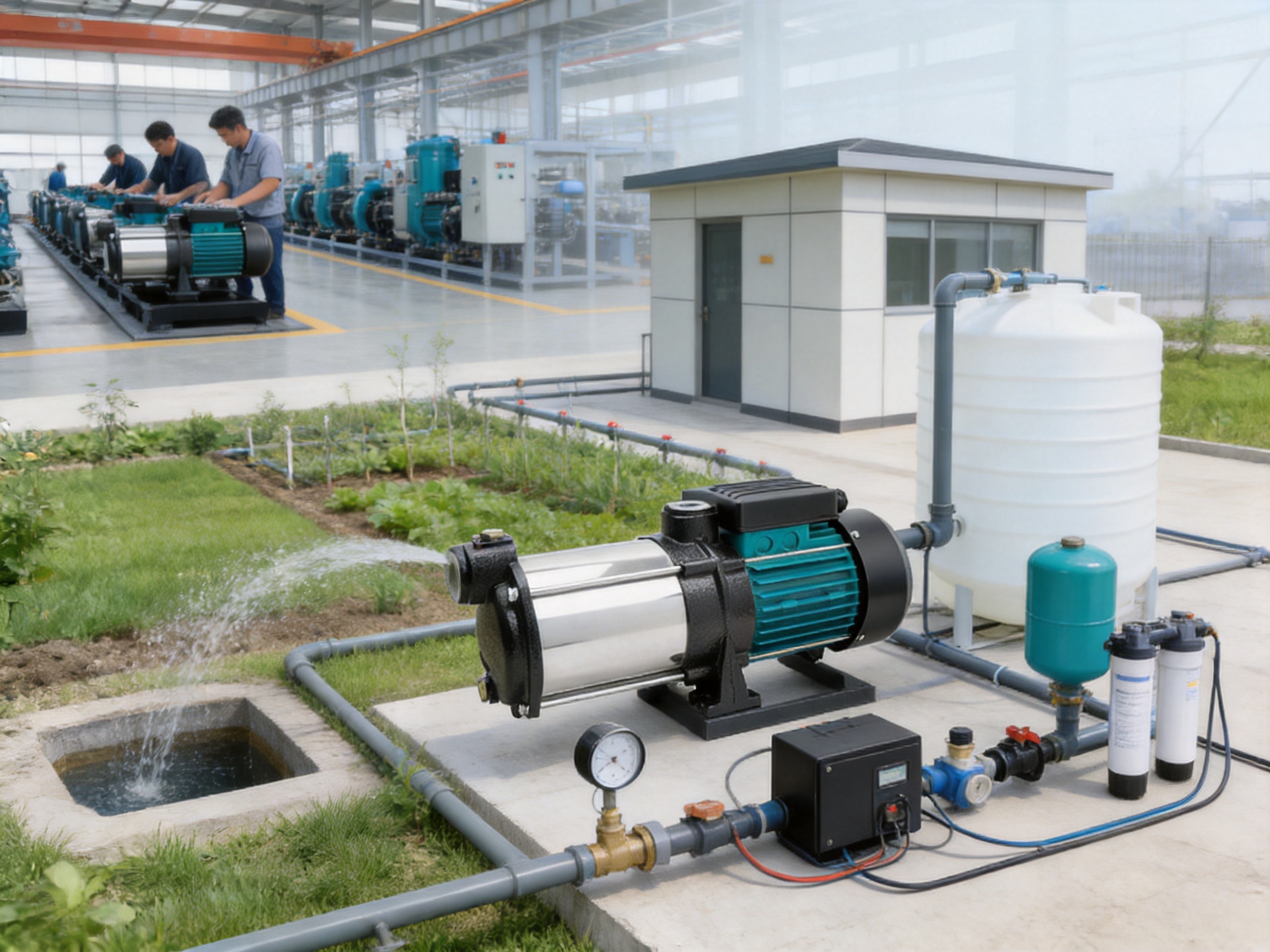
The HMC60 is suitable for drawing water from wells, reservoirs, tanks, and similar sources when the water quality and suction conditions remain within the stated operating limits. Its self-priming configuration is useful when the pump is installed outside the water source, while its multi-stage structure provides pressure for delivery to a building, storage tank, or distribution line.
Before installation, the water level, suction height, pipe size, and expected flow should be checked. A foot valve or non-return valve may be required to help maintain water in the suction pipe. The suction line must be sealed carefully because even a small air leak can affect priming and reduce pump performance.
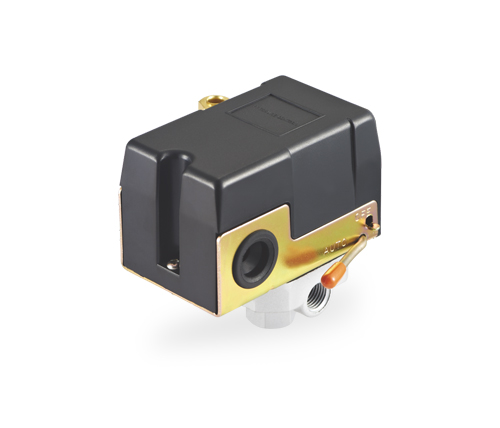
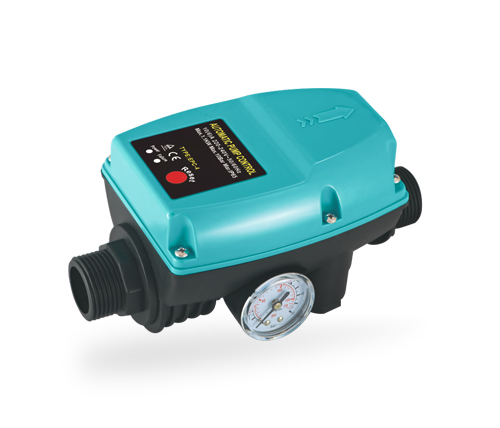
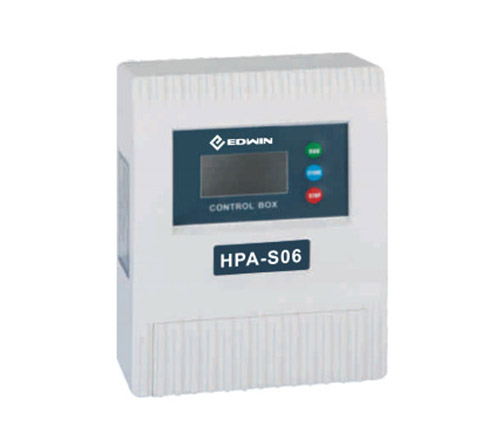
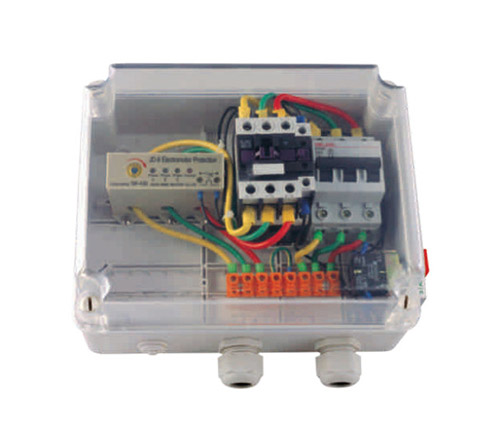
In domestic applications, the HMC60 may support water transfer, household supply, garden taps, elevated storage tanks, and pressure-boosting arrangements. The pump can be connected with a pressure controller as an option. This configuration can help automate pump starting and stopping in response to water demand, although the complete control system should be selected and installed by a qualified technician.
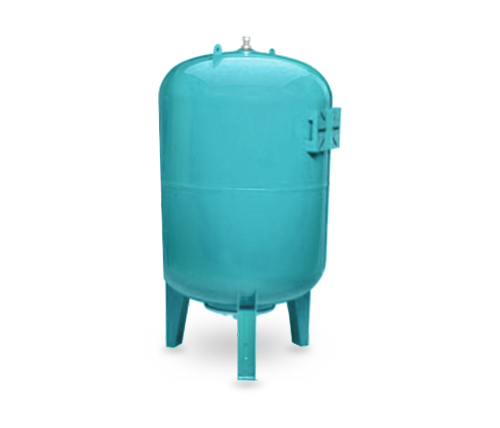
The pump can also be assembled with a tank system on request. A pressure tank can reduce frequent starts, stabilize pressure, and store a limited volume of pressurized water for short demand cycles. The correct tank size, pressure settings, pipe arrangement, and electrical protection should be determined according to the complete domestic system.
Garden irrigation systems often require sufficient pressure for sprinklers, hoses, drip zones, or several outlets. The HMC60 range allows users to select a smaller model for a modest garden or a higher-head model for longer pipe runs and more demanding irrigation layouts.
The maximum flow range reaches up to 100 liters per minute, but actual flow through a sprinkler or irrigation zone will depend on nozzle size and system resistance. Dividing a large garden into separate zones can make it easier to match demand to pump capacity. Filters should be used where necessary to protect irrigation components from particles in the water.
The HMC60 can be used in civil and industrial water-supply duties where the fluid is compatible with the pump and the temperature remains within the specified limit. Potential uses include general water transfer, equipment service water, small process-support systems, workshops, utility rooms, and pressure delivery to elevated points.
For industrial installations, buyers should examine the required duty cycle, water chemistry, ambient temperature, electrical supply, start frequency, and consequences of pump failure. The HMC60 is a practical water pump for appropriate applications, but highly abrasive, chemically aggressive, or high-temperature fluids may require a different pump design and material specification.
Every pump selection should be based on engineering requirements, but the HMC60 offers several characteristics that can make it more competitive than basic single-stage or non-self-priming alternatives.
First, the multi-stage hydraulic design provides a broad pressure range in a compact horizontal format. This is useful for applications in which a single-stage pump may struggle to achieve the required head. Second, the self-priming design can simplify surface installation and reduce operating inconvenience after normal shutdowns. Third, the 8-meter maximum suction specification gives installers greater flexibility than a pump intended only for flooded-suction applications.
Fourth, the availability of four power levels allows more accurate model selection. A user does not need to choose the largest pump for every application. Selecting a model closer to the actual duty can help control purchase cost, energy use, pressure, and system stress. Fifth, the product offers several impeller material choices, enabling a closer match to application conditions and customer preferences.
The pump also combines copper winding, thermal protection, and a stainless steel welded shaft. These features support dependable operation and provide a stronger technical specification than very basic products that may omit built-in motor protection or offer fewer material choices.
Another advantage is configuration flexibility. Different cable lengths, pressure-controller connection, tank-system assembly, and 50 Hz or 60 Hz frequency options can be requested. Such options are important for international projects, where installation distances, electrical standards, and control requirements vary between markets.
Taizhou Edwin Electric Co., Ltd. was established in 2008 and operates as an integrated manufacturing enterprise specializing in independent research and development, mass production, and global export. Independent product development enables the company to build technical knowledge across several pump categories rather than relying only on a single product type.
The company’s portfolio includes solar water pumps, deep well pumps, submersible pumps, domestic booster pumps, circulation pumps, intelligent booster pumps, surface pumps, commercial multistage pumps, pump accessories, pipes, and valves. This range provides experience with different hydraulic structures, motor systems, control arrangements, and installation conditions.
For the HMC60, such product knowledge supports the development of a pump that is not limited to one narrow use. The pump is designed for water supply, irrigation, domestic applications, and civil or industrial duties, while still maintaining clearly stated operating boundaries.
Mass production is valuable when it is supported by repeatable component specifications and disciplined assembly procedures. A standardized HMC60 model family allows the manufacturer to produce multiple variants using a common design platform. This can help distributors maintain product availability and simplify replacement planning.
The four-model structure also supports organized product selection. The models increase progressively in motor power and maximum head, allowing customers to compare key values within one series. A clear range reduces the risk of choosing an entirely different pump design simply because a small change in pressure or output is required.
Consistent production is particularly important for international buyers. Importers, contractors, and distributors need repeatable dimensions, electrical options, packaging practices, and performance expectations. A manufacturer with experience in global export is better positioned to support these requirements than a supplier focused only on occasional local production.
The HMC60 specification demonstrates attention to the components that directly influence pump reliability. Copper winding supports the motor’s electrical function. The built-in thermal protector adds a layer of motor safety. The stainless steel welded shaft is designed for mechanical durability and corrosion resistance in suitable water environments. The choice of brass, AISI stainless steel 304, or PPO impeller allows the product to be configured for different commercial and technical needs.
Component selection should be considered together with assembly quality. A well-specified material will not deliver its full value if tolerances, sealing, alignment, or electrical connections are not controlled. An integrated manufacturer can coordinate design, procurement, assembly, inspection, and customer feedback within a more unified production system.
Edwin Pump established related import and export service companies to support procurement planning, order tracking, cross-border delivery, and foreign trade services. This structure is relevant to overseas buyers who require more than a product quotation. International pump projects may involve model confirmation, electrical-frequency selection, cable length, packaging, documentation, shipping schedules, and after-sales communication.
The company’s export orientation also supports customers in different application sectors. Its pumps are used in new-energy projects, agricultural irrigation, municipal engineering, mining, construction, HVAC systems, and household water supply. Not every HMC60 pump is intended for every one of these sectors, but experience across these fields helps the manufacturer understand the practical requirements of global water-pump buyers.
Since 2018, the company has invested in new-energy and intelligent technology, including solar water pumps and intelligent booster pumps. This development expands the company’s understanding of energy-conscious water systems, automatic controls, and modern pump integration.
The HMC60 itself is a conventional electric horizontal multistage pump, but customers may benefit from a supplier that can provide broader system solutions. For example, a project may require a standard self-priming pump in one area and a solar or intelligent booster system in another. A manufacturer with multiple product categories can support a more coordinated procurement process.
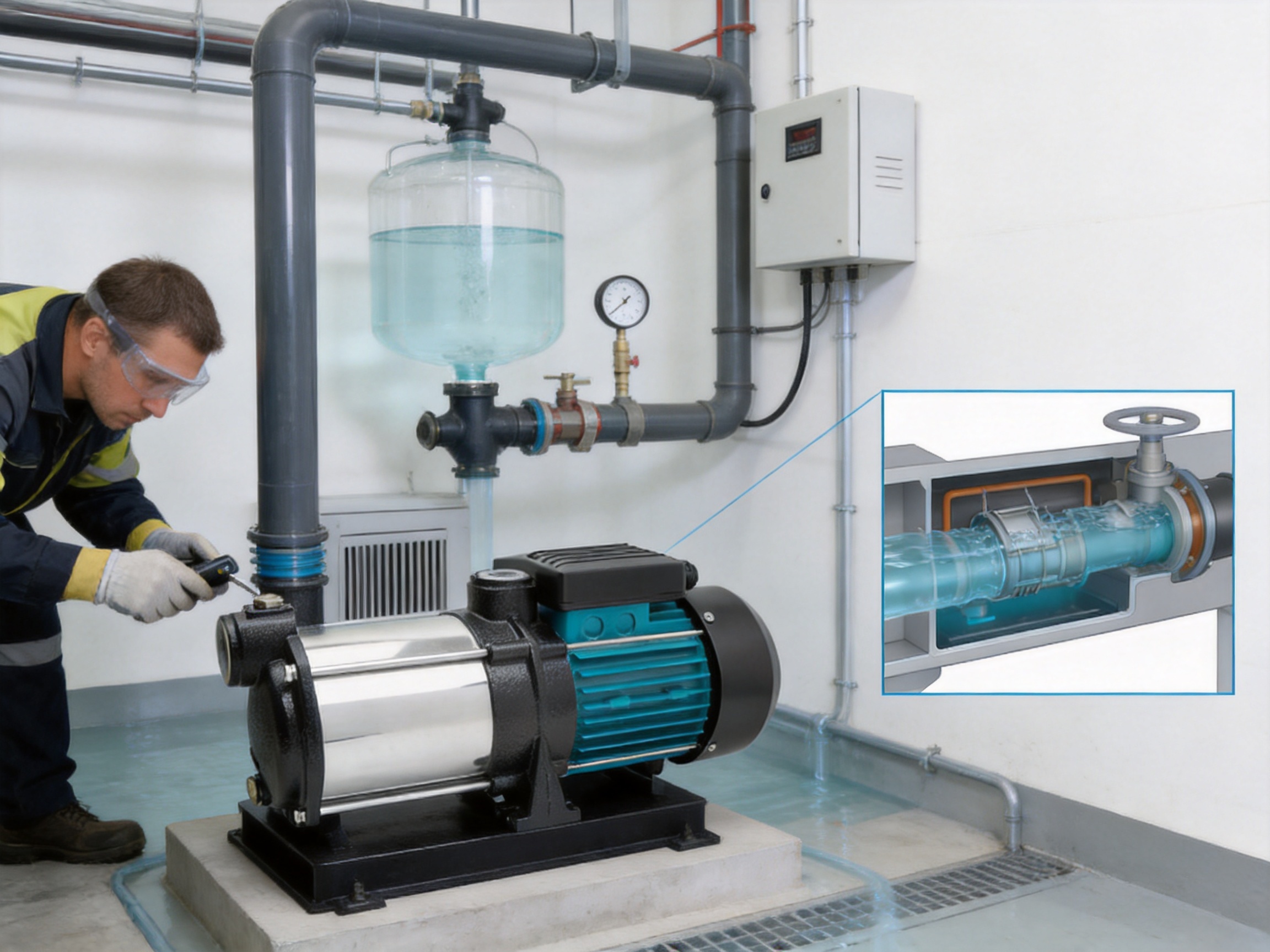
Correct installation is essential for obtaining the expected performance from any self-priming pump. The pump should be placed on a stable base that limits vibration and protects the motor from standing water. Adequate space should be provided for ventilation, electrical access, inspection, and future maintenance.
The suction pipe should be airtight. Threaded joints, unions, valves, and connection points should be sealed properly without allowing sealant to enter the pump or restrict the pipe. The suction pipe should not be smaller than the required inlet size unless the system has been professionally engineered. Excessively small pipes increase friction losses and may reduce available suction performance.
The pipe should rise continuously toward the pump where possible, avoiding unnecessary high points. A high point can trap air and make priming difficult. A foot valve may be installed at the suction end to maintain water in the line when the pump stops. The valve should be suitable for the water quality and should not create excessive flow resistance.
Before initial startup, the pump casing should be filled according to the operating instructions. The pump should not be run dry. Dry running can damage seals and internal components because water normally provides cooling and lubrication at the relevant interfaces. If the pump does not prime, it should be stopped and the suction line, water level, foot valve, and casing fill should be checked.
The discharge pipe should be supported independently rather than placing strain on the pump casing. Isolation valves can be used to assist maintenance, while a non-return valve may be appropriate depending on the system design. Electrical connection must match the required voltage and frequency, and installation should be completed by qualified personnel using suitable protection devices.
Routine maintenance begins with visual inspection. Operators should check for unusual noise, excessive vibration, water leakage, overheating, unstable pressure, and changes in flow. Early attention to these symptoms can prevent a small problem from becoming a major failure.
The suction system should be checked regularly for air leaks. A pump that previously primed easily but now loses prime may have a damaged foot valve, loose connection, blocked intake, or worn seal. The water source should also be examined for changes in level or increased sand content.
Although the HMC60 permits a maximum sand content of 0.25 percent, excessive abrasive particles can accelerate wear. Where the water source contains sediment, a suitable strainer or filtration arrangement should be considered. Filters must be sized correctly and cleaned regularly so that they do not create excessive suction resistance.
The motor should be kept dry and adequately ventilated. The built-in thermal protector provides valuable protection, but it should not be viewed as a substitute for correct installation. Repeated thermal trips may indicate excessive load, blocked ventilation, incorrect voltage, a mechanical obstruction, or an unsuitable duty point.
If the pump will be unused for an extended period, the operator should follow an appropriate shutdown procedure. Depending on the local climate and water conditions, draining may be advisable to reduce the risk of freezing, corrosion, or contamination. Before returning the pump to service, the casing, pipework, valves, electrical connections, and priming condition should be checked.
Model selection should begin with the required flow and total dynamic head. Total head includes the vertical elevation difference between the water source and delivery point, pressure required at the outlet, friction losses in the pipes, and losses through valves, filters, elbows, and other fittings.
The HMC60-2S is the lowest-power model in the range, rated at 0.37 kW or 0.5 HP, with a maximum head of 22 meters and a maximum flow of 85 liters per minute. It may be appropriate for smaller systems where the required pressure is moderate.
The HMC60-3S is rated at 0.5 kW or 0.65 HP and provides a maximum head of 34 meters with a maximum flow of 90 liters per minute. It offers a higher pressure range for domestic supply, garden irrigation, and other applications requiring more elevation or pipe resistance.
The HMC60-4S is rated at 0.7 kW or 0.95 HP, with a maximum head of 45 meters and a maximum flow of 95 liters per minute. It can be considered for longer delivery lines, higher buildings, or systems with greater pressure requirements.
The HMC60-5S is rated at 0.85 kW or 1.15 HP and provides a maximum head of 55 meters with a maximum flow of 100 liters per minute. It is the highest-head model in the listed series and may be appropriate for more demanding water-supply or irrigation arrangements within the pump’s operating limits.
Maximum values should not be interpreted as simultaneous operating values at every point on the performance curve. A professional selection should confirm the required flow at the required head. If a system operates far from the appropriate duty point, it may experience insufficient pressure, excessive energy consumption, unstable operation, or unnecessary component stress.
The HMC60 can be adapted through several options on request. Different cable lengths are available for installations where the standard cable arrangement does not match the distance to the control panel or power source. Cable selection should take account of electrical load, installation method, ambient conditions, and applicable safety requirements.
The pump can be connected with a pressure controller for automatic operation. This may be useful in domestic water systems, small commercial facilities, and irrigation installations where the pump should respond to water demand. The controller must be compatible with the motor and system pressure, and its settings should be adjusted to prevent excessive cycling.
The pump can also be assembled with a tank system. This arrangement may improve pressure stability and reduce the number of starts during low-volume demand. A tank system is especially useful where outlets are opened frequently for short periods, because the stored pressurized water can meet some demand without starting the pump every time.
Voltage and frequency options of 50 Hz or 60 Hz support use in different international markets. Buyers should provide complete electrical requirements before production or shipment. Voltage, frequency, phase, cable length, control method, and local installation standards should all be confirmed to avoid compatibility problems.
The HMC60 is supplied with a one-year warranty according to the manufacturer’s general sales conditions. Warranty terms should be reviewed before purchase, including coverage limitations, documentation requirements, installation responsibilities, and procedures for handling a suspected product defect.
A warranty is most valuable when supported by accurate product information and responsive communication. The manufacturer’s experience in order tracking, cross-border delivery, and foreign trade services can help international customers coordinate technical details and logistics. Buyers should retain model information, purchase documents, installation records, and maintenance notes for future reference.
For distributors, the broad product portfolio provides an additional commercial advantage. A supplier that offers deep well pumps, submersible pumps, circulation pumps, solar pumps, intelligent booster pumps, surface pumps, accessories, pipes, and valves can support more of a customer’s procurement needs. This can reduce the number of separate suppliers required for a water-system project.
For contractors and project buyers, the combination of product variety and manufacturing experience can simplify product matching. A pump supplier can be evaluated not only by the individual model but also by its ability to provide related equipment, technical clarification, customization, production coordination, and export support.
The HMC60 multi-stage self-priming pump provides a balanced solution for users who need more pressure than a basic transfer pump can offer but do not require a large industrial pumping station. Its horizontal form, self-priming function, 8-meter suction capability, and four available power levels make it adaptable to many domestic, garden, civil, and light industrial applications.
Its technical advantages include a multi-stage hydraulic design, copper winding, built-in thermal protection, stainless steel welded shaft, and selectable impeller materials. These features contribute to a practical and durable pump specification while giving buyers more configuration flexibility than many basic alternatives.
The manufacturer strengthens the product proposition through independent research and development, mass-production capability, international export experience, and a wider range of related pump technologies. Investment in solar and intelligent pump systems also demonstrates an ability to respond to changing water-management requirements.
For the best result, the HMC60 should be selected according to the complete system duty rather than catalog maximums alone. Correct pipe sizing, airtight suction connections, adequate filtration, proper electrical protection, and routine maintenance are essential. When these conditions are respected, the HMC60 can provide dependable pressure and efficient water transfer across a wide range of suitable applications.
The HMC60 is a horizontal multi-stage self-priming surface pump. It is designed for water supply, domestic use, garden irrigation, and civil or industrial applications where a surface-mounted pump with useful pressure capability is required.
The maximum suction lift is 8 meters. Actual suction performance depends on water temperature, atmospheric conditions, pipe length, pipe diameter, fittings, water level, foot-valve condition, and whether the suction line is completely airtight.
The maximum fluid temperature is 40 degrees Celsius. Fluids above this temperature may require a different pump design, seal arrangement, or material specification.
The stated maximum sand content is 0.25 percent. Water containing more abrasive particles may cause accelerated wear and should be treated with suitable filtration or handled by a pump designed for abrasive service.
The HMC60-5S provides the highest listed maximum head, reaching 55 meters. It is rated at 0.85 kW or 1.15 HP and has a maximum flow of 100 liters per minute according to the supplied product information.
The HMC60-2S may be suitable for a smaller domestic installation when the required head is moderate. However, model selection should be based on the actual flow, elevation, pipe losses, and pressure requirements of the complete system.
Yes. The HMC60 is intended for garden use and irrigation. The correct model should be selected according to the number of irrigation zones, sprinkler or emitter requirements, pipe length, elevation, and desired operating pressure.
Yes. Connection with a pressure controller is available as an option on request. The controller should be compatible with the pump motor and adjusted according to the operating pressure and system design.
Yes. The pump can be assembled with a tank system on request. A tank can help stabilize pressure and reduce frequent motor starts during low-volume water use.
The impeller can be supplied in brass, AISI stainless steel 304, or PPO. The appropriate material should be selected according to water quality, temperature, corrosion conditions, service expectations, and project budget.
The motor includes a built-in thermal protector. This feature helps protect against excessive temperature under certain abnormal conditions, but proper electrical installation, ventilation, and model selection remain necessary.
Voltage and frequency options of 50 Hz or 60 Hz are available on request. The buyer should confirm the required electrical specification before ordering.
The product is supplied with a one-year warranty according to the manufacturer’s general sales conditions. Buyers should review the complete warranty terms before purchase.
1. HMC60 Multi-Stage Self-Priming Pump product specifications supplied by the manufacturer.
2. Taizhou Edwin Electric Co., Ltd. company profile and product portfolio information.
3. General principles of centrifugal pump selection, suction lift, and total dynamic head.
4. General guidance on electric motor thermal protection and water-pump installation.
5. General engineering practices for domestic water supply, surface pumping, and garden irrigation systems.
6. General material references for brass, AISI stainless steel 304, copper motor winding, and PPO pump components.
7. General maintenance practices for self-priming surface pumps and multi-stage water systems.
aseriesnoisereductiondesignacid-baseverticalsurfacepump-1.jpg "EV(F)A Series Noise Reduction Design Acid-base Vertical Surface Pump")
edwina@edwin-pump.com
+86-13586290903 (WhatsApp)
Xuri Gongliang Cutting Tool Entrepreneurship Park, Wenqiao Town, Wenling City, Taizhou City, Zhejiang Province, China

High Performance Smart Pump Factory


 English