edwina@edwin-pump.com

View All Products
en
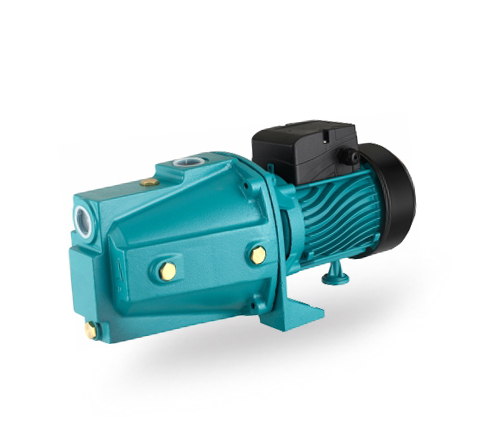
The HMC145 multi-stage self-priming pump is designed for users who need stable water pressure, dependable suction performance, and flexible installation in a wide range of water-supply applications. Combining a horizontal multi-stage hydraulic structure with self-priming capability, the pump is suitable for water supply from wells and reservoirs, domestic water distribution, garden irrigation, civil projects, and selected industrial applications.
Unlike a basic single-stage pump, the HMC145 uses multiple impeller stages to generate higher pressure and greater lifting capability while maintaining a compact horizontal arrangement. Its maximum head reaches up to 60 meters, while its maximum suction height is specified at 8 meters. Four motor-power configurations are available, allowing buyers to select a practical solution according to flow demand, pressure requirements, and installation conditions.
The product is manufactured by Taizhou Edwin Electric Co., Ltd., an integrated pump enterprise with experience in independent research and development, mass production, and international export. Since its establishment in 2008, the company has developed a broad product portfolio covering deep well pumps, submersible pumps, domestic booster pumps, circulation pumps, solar water pumps, intelligent booster pumps, and other water-handling products. This product breadth supports the development of practical pump solutions for residential, agricultural, commercial, municipal, and industrial customers.
The HMC145 is categorized as a horizontal multi-stage pump. In this type of pump, several impellers are arranged in sequence inside the hydraulic chamber. Each stage contributes additional pressure to the water, so the final discharge pressure is higher than that of many conventional single-stage designs using a similar motor power.
The horizontal configuration provides several practical benefits. It allows the pump to be positioned on a stable base, making it suitable for equipment rooms, utility areas, pump houses, workshops, and sheltered outdoor installations. Maintenance access is also generally convenient because the motor and pump assembly are arranged along a horizontal axis rather than installed deep inside a well.
The self-priming function is another important feature. A self-priming pump is designed to remove air from the suction line and establish water flow after the initial priming procedure has been completed. This is especially useful where the pump is installed above the water source or where the suction pipe may occasionally contain air. Correct pipe installation and initial filling remain essential, but self-priming capability can make operation more convenient than with a standard non-self-priming pump.
For practical users, the HMC145 design provides a balance between pressure generation, installation flexibility, and everyday operating convenience. It is not limited to a single specialized purpose. Instead, it can be selected for several water-supply scenarios where a compact high-head pump is needed.
The HMC145 series includes four models: HMC145-2S, HMC145-3S, HMC145-4S, and HMC145-5S. The available motor powers range from 0.55 kW to 1.5 kW, corresponding to 0.75 HP through 2 HP. All listed models use the same 1.25-inch inlet and 1-inch outlet configuration and provide a maximum suction height of 8 meters.
| Model | Power | Horsepower | Inlet/Outlet | Maximum Flow | Maximum Head | Maximum Suction |
|---|---|---|---|---|---|---|
| HMC145-2S | 0.55 kW | 0.75 HP | 1.25 inch x 1 inch | 130 L/min | 25 m | 8 m |
| HMC145-3S | 0.75 kW | 1 HP | 1.25 inch x 1 inch | 145 L/min | 38 m | 8 m |
| HMC145-4S | 1.1 kW | 1.5 HP | 1.25 inch x 1 inch | 150 L/min | 50 m | 8 m |
| HMC145-5S | 1.5 kW | 2 HP | 1.25 inch x 1 inch | 155 L/min | 60 m | 8 m |
The figures in the table represent maximum stated performance values. Actual flow and head depend on pipe length, pipe diameter, fittings, elevation, water temperature, suction conditions, system resistance, and the operating point selected by the user. A correct pump selection should therefore consider the complete hydraulic system instead of relying only on the maximum flow or maximum head.
The HMC145-2S is the most compact version in the series. Its 0.55 kW motor and 25-meter maximum head make it suitable for smaller domestic water systems, low-rise water transfer, garden irrigation, and applications where the required pressure is moderate.
The HMC145-3S increases the motor rating to 0.75 kW and the maximum head to 38 meters. This configuration may be appropriate for larger homes, longer distribution lines, moderate elevation differences, and applications that require more consistent pressure than a low-power pump can provide.
The HMC145-4S uses a 1.1 kW motor and reaches a maximum head of 50 meters. It is intended for systems with greater vertical lifting requirements, longer pipelines, or more demanding water distribution conditions.
The HMC145-5S is the highest-powered model in the range. With a 1.5 kW motor and maximum head of 60 meters, it is designed for users who need stronger pressure capability while retaining the compact structure of a horizontal multi-stage pump.
The most important advantage of a multi-stage pump is its ability to generate high pressure efficiently within a relatively compact body. A single-stage pump may require a larger impeller, higher speed, or greater motor power to reach a similar head. By dividing the pressure increase across multiple stages, the HMC145 can achieve a useful high-head performance range from a modest motor size.
This structure is particularly valuable in applications where water must be lifted through several floors, transferred across long horizontal pipelines, or delivered through sprinklers and irrigation equipment. The multi-stage arrangement can also provide a stable pressure profile for general water supply, provided the pump is operated within the recommended hydraulic range.
Compared with many basic domestic pumps, the HMC145 offers a broader choice of pressure levels. Users are not required to purchase one oversized pump for every application. Instead, they can select from four power configurations. This helps reduce unnecessary energy consumption, limits excessive pressure in smaller systems, and makes equipment planning more precise.
The horizontal multi-stage format also provides a practical alternative to vertical high-pressure pumps. In locations where a vertical installation is inconvenient or where access for inspection is important, a horizontal pump can simplify layout and servicing. The HMC145 can therefore compete effectively in projects that need higher pressure but do not require a deep-well vertical pump construction.
Self-priming capability is valuable when the pump is located above a well, reservoir, storage tank, or other water source. During normal installation, the pump and suction pipe must be filled correctly before operation. Once the system has been prepared, the pump is designed to help evacuate air from the suction line and establish water movement.
The stated maximum suction height is 8 meters. This specification should be understood as a maximum operating condition rather than a universal installation target. Suction performance can be affected by atmospheric pressure, water temperature, air leakage, pipe friction, foot-valve condition, water level fluctuation, and the number of elbows or valves in the suction line.
For reliable operation, the suction pipe should be as short and straight as practical. It should have an appropriate diameter and should not contain leaks at threaded joints. A foot valve or check valve may be required to prevent water from draining back after the pump stops. The suction pipe should also rise continuously toward the pump where possible, avoiding high points that could trap air.
When the suction conditions are difficult, users should not assume that the maximum published suction height will automatically be achieved. Professional system design should verify the available water level, pipe routing, water quality, and expected operating temperature. Correct installation allows the self-priming feature to deliver its intended benefit and reduces the risk of dry running, unstable flow, or repeated loss of prime.
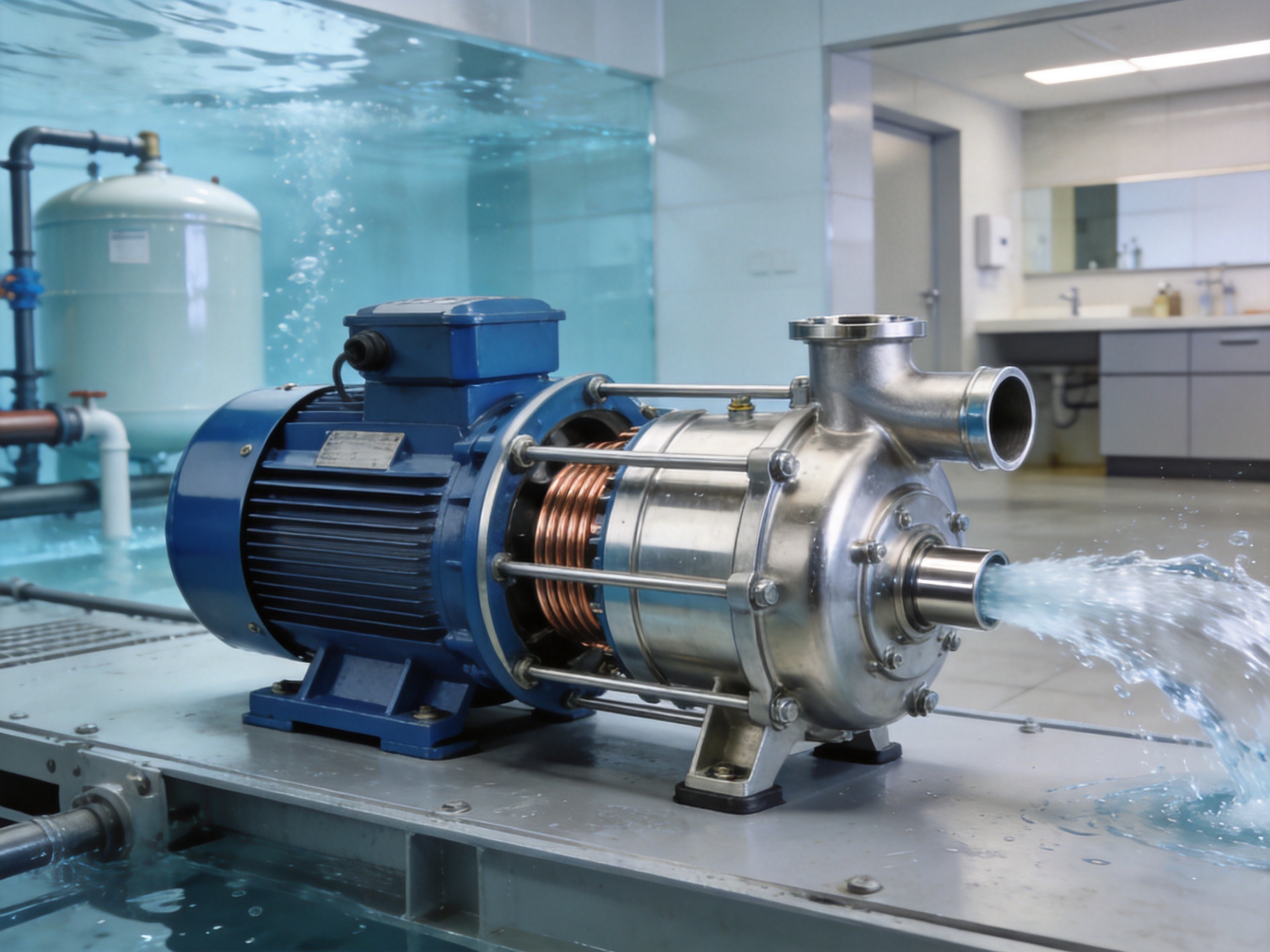
The HMC145 motor uses copper windings. Copper is widely used in quality electric motors because of its good electrical conductivity, thermal performance, and suitability for repeated operation. Copper winding construction can help support efficient conversion of electrical energy into mechanical output when the motor is correctly matched to the hydraulic load.
The motor also includes a built-in thermal protector. This component is intended to help protect the motor against excessive temperature conditions caused by overload, restricted ventilation, abnormal operating conditions, or other sources of overheating. Thermal protection is an important safety feature, but it should not be considered a replacement for correct pump selection, suitable circuit protection, proper grounding, or regular inspection.
Electrical installation should be completed by qualified personnel. The power supply must match the pump nameplate, and the wiring should be protected against moisture and mechanical damage. The user should verify whether the selected model is configured for the required voltage and frequency before ordering. The product information identifies 50 Hz or 60 Hz operation as available options on request.
Electrical protection should normally include suitable overcurrent protection and a correctly rated switch or control device. Where local regulations require additional protection, such as residual-current protection, the installation should comply with those rules. The pump should never be operated with damaged cables, exposed terminals, or an improperly grounded motor.
The pump uses a stainless steel welded shaft. A stainless steel shaft provides useful resistance to corrosion in normal clean-water applications and offers a strong, stable connection between the motor and hydraulic components. The welded construction is intended to support shaft integrity and dependable power transmission during operation.
Several impeller material options are identified for the HMC145: brass, AISI SS304 stainless steel, and PPO. These choices allow the product to be adapted to different market preferences, cost targets, and application requirements.
Brass impellers are commonly selected for their strength, machinability, and established use in water-pump applications. AISI SS304 impellers provide a stainless steel option for customers who prioritize corrosion resistance and a metal hydraulic component. PPO, or polyphenylene oxide, is an engineering polymer that can offer a lightweight alternative in suitable water-handling conditions.
Material selection should be made according to the water quality, temperature, chemical exposure, and expected operating conditions. The product is specified for a maximum fluid temperature of 40 degrees Celsius and a maximum sand content of 0.25 percent. If the water contains aggressive chemicals, abrasive particles, oils, or unusually high mineral content, the buyer should request technical confirmation before placing an order.
The combination of copper motor windings, a built-in thermal protector, a stainless steel welded shaft, and selectable impeller materials demonstrates a design approach focused on practical service life and application flexibility. These features help distinguish the HMC145 from low-cost pumps that may use less suitable materials or provide limited configuration choices.
The HMC145 is intended for water-handling applications within defined operating limits. The maximum fluid temperature is up to 40 degrees Celsius. This makes the pump appropriate for normal cold-water and moderately warm-water service, but it is not presented as a hot-water circulation pump for high-temperature industrial processes.
The maximum sand content is stated as 0.25 percent. This limit is important because sand and other abrasive particles can accelerate wear on impellers, internal passages, seals, and other hydraulic components. Where water is drawn from a sandy well, an appropriate filtration or sediment-control arrangement should be considered.
The pump should not be operated dry. Water provides lubrication and cooling for several internal components. Starting the pump without sufficient water may cause overheating, seal damage, abnormal noise, and premature failure. The pump should be primed according to the installation instructions before initial operation or after the suction system has been opened.
Regular inspection should include checking for leakage, unusual vibration, abnormal sound, reduced pressure, and changes in motor temperature. A gradual reduction in performance may indicate a blocked filter, partially closed valve, damaged impeller, air leakage in the suction line, or excessive wear. Early diagnosis can prevent a minor maintenance issue from becoming a major equipment failure.
The HMC145 is suitable for domestic water supply from wells, reservoirs, and storage tanks. In residential projects, it may be used to transfer water to elevated tanks, support household distribution, or provide additional pressure for fixtures located at a higher level.
Domestic users often need a pump that is powerful enough to overcome elevation and pipeline resistance without becoming unnecessarily complex. The HMC145 offers four power levels, helping installers match the pump to the size of the home and the desired pressure. The smaller models may serve modest demand, while the higher-powered versions can support larger systems or more demanding layouts.
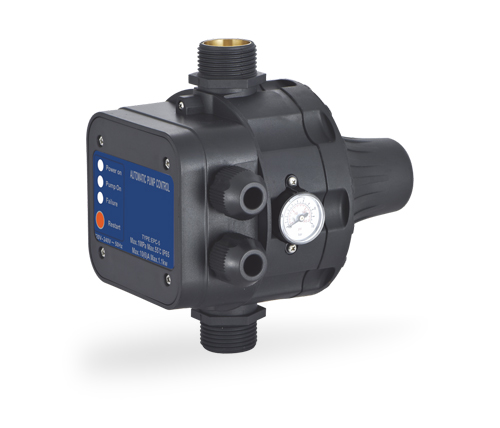
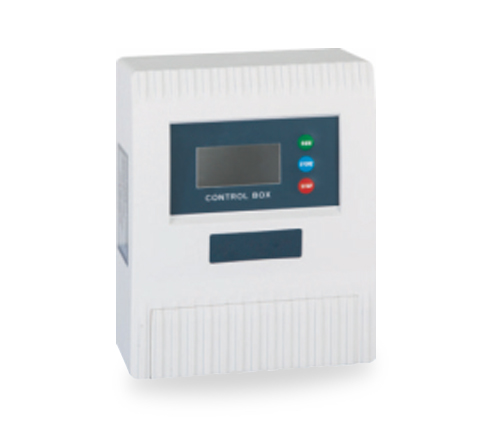
The pump can also be connected with a pressure controller as an option on request. A pressure controller may help automate pump starting and stopping according to water demand. This can improve user convenience in household systems, although the controller must be correctly selected and installed for the pump’s electrical and hydraulic characteristics.
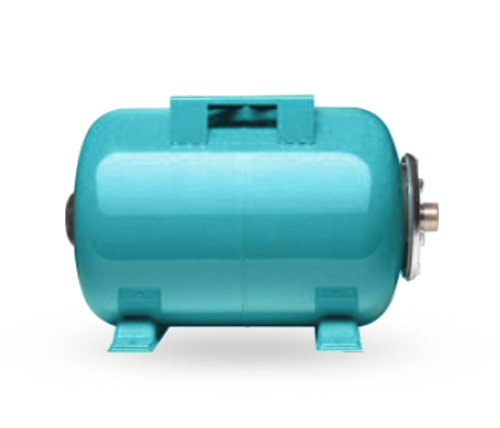
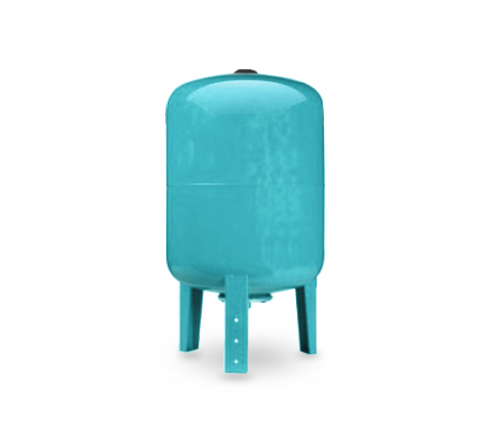
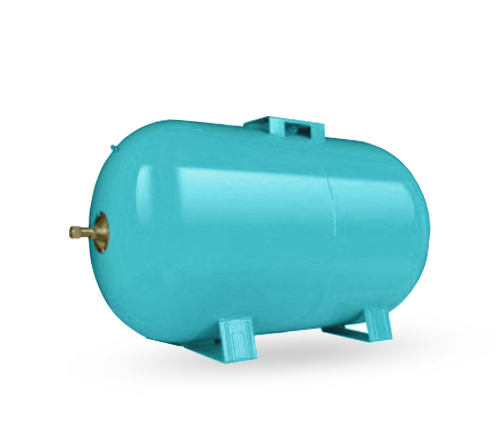
For systems that require pressure stabilization, the pump can also be assembled with a tank system as an option on request. A pressure tank can reduce frequent motor starts, store a limited volume of pressurized water, and support smoother operation. The actual tank size and pressure settings should be determined according to the number of outlets, expected demand, and pump capacity.
Garden irrigation requires dependable water movement through hoses, sprinklers, drip systems, or small distribution networks. The HMC145 can be used to draw water from a reservoir or tank and deliver it to irrigation points where the required pressure is within the selected model’s capability.
The multi-stage design is useful when water must travel through long hose runs or when sprinklers need adequate pressure to operate. The 8-meter maximum suction specification also provides flexibility for installations where the pump is positioned above the water source, subject to proper piping and priming conditions.
For agricultural irrigation, the pump may support small-scale crop plots, nursery areas, greenhouse systems, and general water transfer. The correct model depends on the required irrigation flow, pipe network, elevation, and number of operating outlets. In larger agricultural projects, a complete hydraulic calculation should be completed before selection, especially if filters, fertigation equipment, valves, or multiple irrigation zones are included.
Because the product is designed for water rather than heavily abrasive slurry, users should protect it from excessive sand, mud, and debris. A suitable intake screen or pre-filter can help reduce the entry of larger particles. However, filters must be maintained so that they do not create excessive suction resistance.
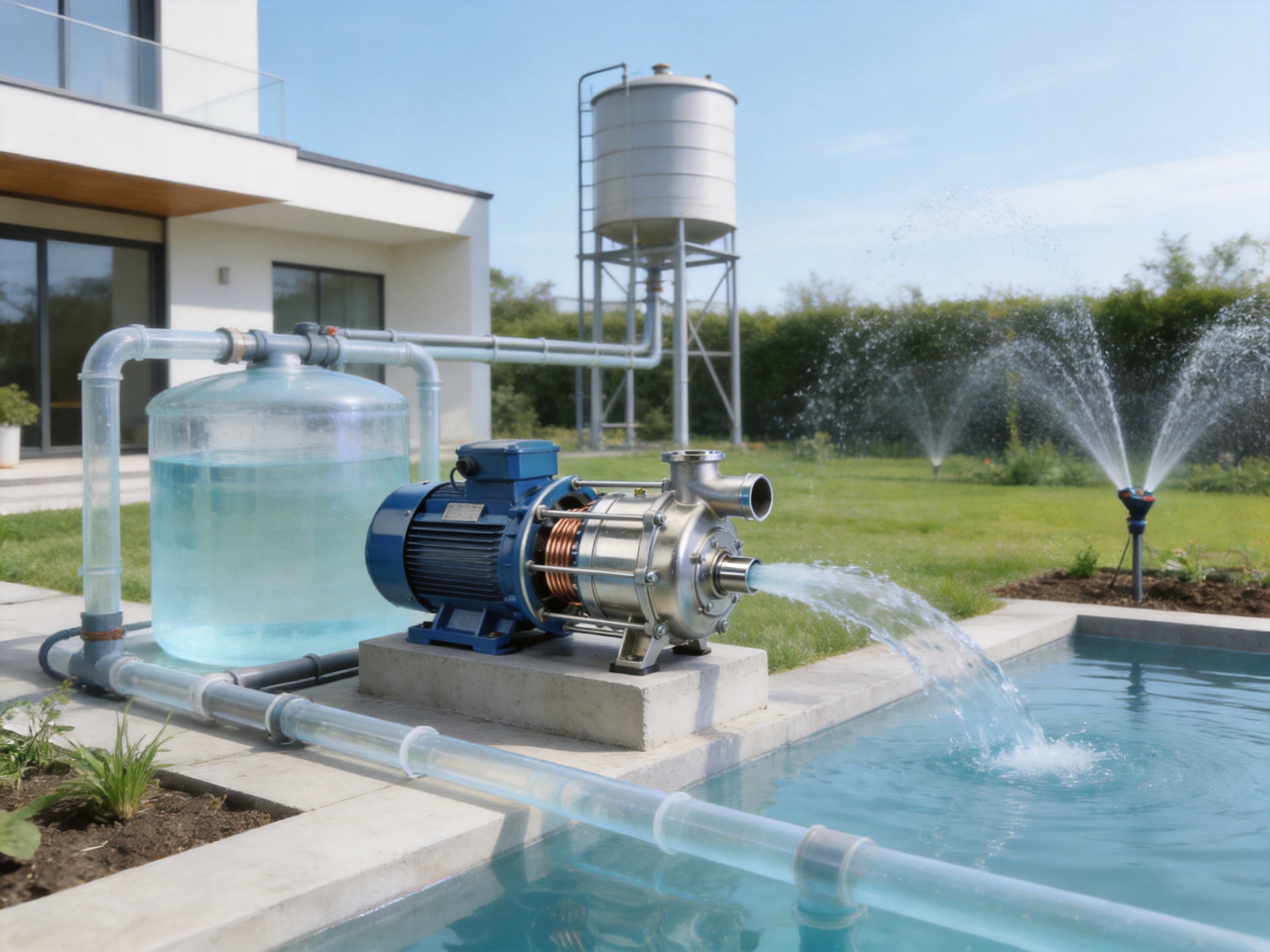
The HMC145 can be applied in selected civil and industrial water-supply systems where the fluid and operating conditions remain within the specified limits. Potential uses include equipment washing, utility water transfer, small process-water systems, building service water, workshop supply, and general pressure boosting.
In civil projects, a horizontal multi-stage pump can be integrated into a compact pump room or equipment skid. Its range of maximum heads makes it adaptable to low-rise and medium-pressure supply duties. The fixed inlet and outlet dimensions also simplify planning for projects that use compatible piping components.
In industrial environments, the pump should be selected after reviewing fluid compatibility, duty cycle, temperature, solids content, voltage, and control requirements. The stated maximum fluid temperature of 40 degrees Celsius and maximum sand content of 0.25 percent should be treated as important boundaries. Applications involving chemicals, oils, seawater, high-temperature liquids, or abrasive slurries may require a different pump configuration or special material confirmation.
For commercial facilities, the option to connect a pressure controller or tank system can help create a more complete water-supply package. A pump supplier that can provide the pump, controller, tank arrangement, and related accessories may reduce procurement complexity for international buyers and system integrators.
The HMC145 has several advantages over a basic single-stage surface pump. Its multi-stage construction provides a higher head range, making it more suitable for elevation, long pipelines, and pressure-demanding applications. A standard single-stage pump may offer sufficient flow but fail to provide the necessary pressure under system resistance.
Compared with many non-self-priming surface pumps, the HMC145 offers greater convenience in installations where air may enter the suction line or where the pump is placed above the water source. The self-priming function does not eliminate the need for correct installation, but it can make start-up and routine use more forgiving.
Compared with a deep well submersible pump, the HMC145 is installed above ground and remains accessible for inspection and maintenance. This can reduce the difficulty of removing equipment from a well. However, a submersible pump may be more appropriate where the water level is too deep for surface suction or where the source configuration requires submerged operation.
Compared with an oversized high-power pump, the four-model HMC145 range allows more precise selection. Choosing a properly sized pump can help avoid excessive energy use, pressure surges, unnecessary equipment cost, and inefficient throttling. The best pump is not always the most powerful model; it is the model that matches the system duty point.
Material options also provide an advantage over products with a single fixed configuration. Buyers can discuss brass, AISI SS304, or PPO impeller arrangements according to application and market requirements. This flexibility is useful for distributors, equipment assemblers, and project contractors who serve customers with different expectations.
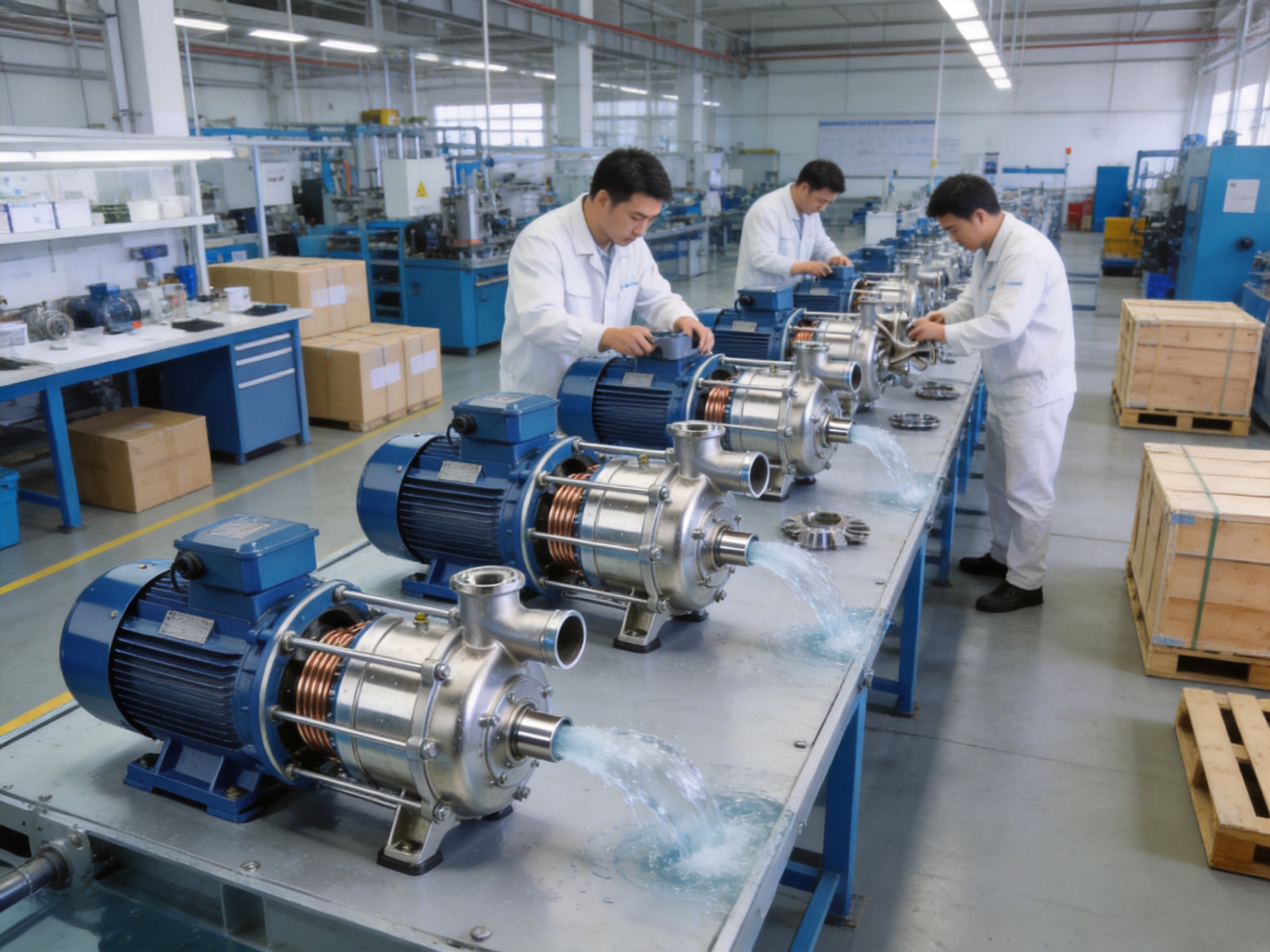
Taizhou Edwin Electric Co., Ltd. operates as an integrated manufacturing enterprise specializing in independent research and development, mass production, and global export. This structure is important because pump quality depends not only on the final assembly but also on product design, component control, production consistency, testing, packaging, and after-sales coordination.
Independent research and development allows the manufacturer to build product lines around practical market requirements. The company’s portfolio includes solar water pumps, intelligent booster pumps, domestic pumps, deep well pumps, submersible pumps, and circulation pumps. This broad technical focus provides experience across different hydraulic arrangements, motor technologies, installation methods, and customer applications.
Mass production capability supports repeatability. When a pump is manufactured in organized production batches, the manufacturer can establish consistent procedures for motor winding, shaft assembly, impeller installation, sealing, electrical connection, and final inspection. Consistency is especially important for international customers who need reliable product performance across repeated orders.
The HMC145 specification reflects an engineering approach that combines several practical features in one platform. The product includes copper winding, thermal protection, a stainless steel welded shaft, selectable impeller materials, self-priming functionality, multiple motor sizes, and optional pressure-control accessories. These elements are coordinated to serve real water-supply needs rather than focusing on only one performance figure.
The company also maintains dedicated trade and export support through related business entities established to assist with procurement planning, order tracking, cross-border delivery, and foreign-trade services. For overseas buyers, this can be valuable because successful pump purchasing involves more than product selection. Documentation, packaging, production scheduling, shipping coordination, and communication are all important parts of the supply process.
A reliable pump manufacturing process should control critical points throughout production. Motor winding quality affects electrical efficiency and temperature rise. Shaft alignment influences vibration and mechanical wear. Impeller balance affects smooth operation. Seal installation affects leakage prevention. Terminal and cable assembly affects electrical safety. Final performance inspection helps identify units that do not meet expected operating behavior.
Although individual inspection procedures may vary according to the production model and order requirements, the HMC145’s stated construction features indicate attention to these critical areas. Copper windings, a thermal protector, and a welded stainless steel shaft are not cosmetic features; they are components that influence durability, safety, and operating stability.
For project and wholesale customers, it is advisable to confirm the manufacturer’s available inspection documents, nameplate information, packaging standards, electrical configuration, and acceptance requirements before production. Clear technical communication helps ensure that the delivered pump matches the intended market and application.
The HMC145 can be configured with different cable lengths on request. Cable length is an important detail in practical installations because the distance between the pump and the electrical control point can vary significantly. Specifying the correct cable length before production can reduce the need for field modifications.
The pump can also be connected with a pressure controller. This option is useful for domestic booster systems, small commercial facilities, and water-supply applications that require automatic response to demand. The controller should be matched to the selected motor power and local electrical standards.
A tank system can be assembled with the pump on request. Combining the pump with a tank can provide a more complete pressure-boosting package and may simplify installation for distributors or contractors. The tank capacity, connection arrangement, pressure switch settings, and pre-charge should be selected according to the final system design.
Voltage and frequency options of 50 Hz or 60 Hz are available on request. Because electrical standards differ between countries and regions, international buyers should provide complete power-supply information before ordering. The required voltage, phase, frequency, plug or terminal arrangement, and protection requirements should be confirmed in writing.
These customization options give the HMC145 an advantage in export markets. A pump that can be prepared for different electrical environments and accessory arrangements is easier for distributors to integrate into local product ranges and project specifications.
The pump should be installed on a stable, level foundation that can support its weight and resist vibration. The installation area should provide adequate ventilation and sufficient space for inspection, electrical access, and future maintenance.
The suction pipe should be correctly sized and sealed. Air leakage on the suction side can prevent proper self-priming and may cause unstable operation. Threaded connections should be assembled carefully, and unnecessary bends should be avoided. The suction pipe should be protected against movement, crushing, and accidental disconnection.
The discharge pipe should be supported independently where necessary so that excessive mechanical load is not transferred to the pump casing. Valves, check valves, filters, and pressure-control devices should be installed in positions that allow adjustment and maintenance.
Before the first start, the pump should be filled with water according to the applicable installation instructions. The user should confirm that the water source contains sufficient liquid, the suction valve is open, the discharge route is available, and the motor rotates in the correct direction where relevant to the electrical configuration.
After starting, the system should be observed for abnormal vibration, unusual noise, leakage, motor overheating, and pressure fluctuations. If the pump does not establish flow, it should be stopped and the suction arrangement should be checked rather than allowed to run continuously without water.
Routine maintenance helps preserve pump performance. Users should inspect the pump periodically for leakage around pipe joints, seals, and casing connections. They should also check that ventilation openings remain clear and that the motor is not exposed to excessive dust, moisture, or heat.
Filters and intake screens should be cleaned according to water quality and operating frequency. A blocked filter can restrict suction flow and cause the pump to operate under unfavorable conditions. In sandy environments, inspection should be more frequent because abrasive particles can accumulate quickly.
Electrical connections should be checked for looseness, corrosion, or signs of overheating by qualified personnel. The thermal protector helps protect the motor, but repeated thermal trips indicate that the underlying problem should be investigated. Possible causes include an overloaded system, incorrect voltage, blocked hydraulic passages, insufficient ventilation, bearing problems, or excessive starts and stops.
If the pump is removed from service for an extended period, it should be protected from freezing and contamination. In climates where water may freeze, the system should be drained or otherwise protected, because ice expansion can damage pump components and pipework.
The product includes a one-year warranty according to the manufacturer’s general sales conditions. Buyers should review the warranty terms, installation requirements, operating limits, and documentation before commissioning the pump. Correct use within the stated conditions is essential for reliable warranty support and long service life.
The first step in selecting an HMC145 model is to determine the required flow rate. The user should estimate the number of outlets or irrigation devices that may operate simultaneously and calculate the approximate water demand. Selecting a pump only by pipe size may lead to insufficient or excessive capacity.
The second step is to calculate the total dynamic head. This includes vertical elevation, required outlet pressure, friction loss in the pipe, and losses through valves, filters, elbows, meters, and other equipment. The selected model must be capable of meeting the required head at the required flow, not merely reaching the maximum head under a low-flow condition.
The third step is to evaluate suction conditions. The water-level difference between the source and the pump, the suction pipe length, the water temperature, and the possibility of air entry all influence performance. If the suction lift approaches the 8-meter maximum, professional verification is strongly recommended.
The fourth step is to confirm water quality. The pump is intended for water with a maximum sand content of 0.25 percent and a maximum fluid temperature of 40 degrees Celsius. Any special chemical or abrasive conditions should be disclosed to the supplier before selection.
The fifth step is to verify electrical requirements. Buyers should confirm the local voltage, frequency, phase, cable length, control method, and protective devices. International distributors should also confirm labeling, packaging, manuals, and spare-parts requirements for their target market.
The HMC145 has a straightforward product structure that can serve several market segments. Its use in domestic water supply, garden irrigation, civil applications, and selected industrial duties gives distributors opportunities to position the same series for different customer groups.
The four available power levels support product segmentation. A distributor can offer a compact model for smaller installations and progressively stronger models for larger or higher-pressure systems. This helps create a coherent product range without requiring customers to learn entirely different pump platforms.
The options for cable length, pressure controller, tank system, and 50 Hz or 60 Hz operation further improve export suitability. These options allow the pump to be adapted to regional electrical standards and common installation practices.
Edwin Pump’s experience in manufacturing and international export also supports the needs of overseas buyers. The company’s broader product portfolio makes it possible to coordinate different pump categories for customers involved in agriculture, construction, municipal projects, HVAC systems, new energy applications, and household water supply.
For OEM, wholesale, and project customers, the combination of product flexibility and manufacturing support can reduce sourcing complexity. Buyers can discuss technical requirements, order schedules, packaging, accessory combinations, and delivery arrangements with a supplier that provides both pump production and export coordination.
The HMC145 is a horizontal multi-stage self-priming pump. It is designed for water supply, pressure boosting, garden irrigation, water transfer, and selected civil and industrial applications.
The maximum head depends on the model. The HMC145-2S reaches up to 25 meters, the HMC145-3S up to 38 meters, the HMC145-4S up to 50 meters, and the HMC145-5S up to 60 meters.
The stated maximum suction height is 8 meters for the listed HMC145 models. Actual performance depends on pipe design, water temperature, air tightness, water level, and total suction resistance.
Yes. The product is intended for water supply from wells or reservoirs, provided that the suction height, water quality, temperature, and sand content remain within the specified operating conditions.
The pump and suction line must be prepared and filled correctly before initial operation. Its self-priming design can assist with removing air and establishing flow, but it does not eliminate the need for proper installation and initial priming.
The specified impeller options are brass, AISI SS304 stainless steel, and PPO. The appropriate material should be selected according to water quality, application requirements, temperature, and the buyer’s technical and commercial preferences.
The motor includes a built-in thermal protector. Additional electrical protection, correct grounding, and suitable overcurrent protection should still be provided according to local regulations and installation requirements.
Yes. It can be used for garden irrigation and water transfer from a tank, reservoir, or well when the required flow and pressure match the selected model.
Yes. Connection with a pressure controller is available as an option on request. The controller should be correctly matched to the motor and system requirements.
Yes. The pump can be assembled with a tank system on request. The appropriate tank size and pressure settings depend on the application and expected water demand.
Voltage and frequency arrangements for 50 Hz or 60 Hz operation are available on request. The buyer should confirm the exact local electrical requirements before ordering.
The maximum fluid temperature is specified as up to 40 degrees Celsius. Higher-temperature applications should be reviewed with the manufacturer before purchase.
The maximum stated sand content is 0.25 percent. Where water contains sand or sediment, suitable filtration and regular inspection are recommended. Highly abrasive water may require a different pump design.
The stated warranty is one year according to the manufacturer’s general sales conditions. Buyers should review the applicable terms and installation requirements before commissioning.
The choice should be based on the required flow, total head, suction conditions, pipe losses, water quality, and electrical supply. A qualified installer or pump engineer should confirm the operating point before final selection.
The HMC145 multi-stage self-priming pump is a versatile solution for users who require dependable water transfer and pressure generation in a compact horizontal format. Its four-model range covers motor powers from 0.55 kW to 1.5 kW and maximum heads from 25 meters to 60 meters. The 8-meter maximum suction specification, self-priming design, copper motor winding, built-in thermal protector, stainless steel welded shaft, and flexible impeller options make it suitable for a broad range of practical applications.
Compared with basic single-stage or non-self-priming pumps, the HMC145 offers stronger pressure capability and greater installation flexibility. Compared with oversized pumps, its model range supports more accurate capacity selection. Optional pressure controllers, tank systems, different cable lengths, and 50 Hz or 60 Hz configurations make the product adaptable to domestic, agricultural, civil, industrial, and international project requirements.
Its value is also supported by the manufacturer’s integrated capabilities in research and development, mass production, product diversification, and global export. Taizhou Edwin Electric Co., Ltd. provides pump solutions across several categories and supports customers with procurement planning, order coordination, and international delivery services.
For the best result, every HMC145 installation should be selected and configured according to actual hydraulic requirements. Correct sizing, suitable suction piping, proper priming, clean water conditions, safe electrical installation, and regular maintenance will help the pump deliver stable and efficient service throughout its operating life.
1. Manufacturer-provided HMC145 product specification and model data.
2. Manufacturer-provided operating conditions for maximum fluid temperature, sand content, and suction height.
3. Manufacturer-provided information concerning motor construction, copper winding, thermal protection, shaft material, and impeller options.
4. Manufacturer-provided company profile and product portfolio information.
5. General engineering principles for centrifugal pump selection, suction piping, pressure boosting, and water-supply system design.
6. General electrical safety practices for motor-driven water pumps and water-handling equipment.
edwina@edwin-pump.com
+86-13586290903 (WhatsApp)
Xuri Gongliang Cutting Tool Entrepreneurship Park, Wenqiao Town, Wenling City, Taizhou City, Zhejiang Province, China

High Performance Smart Pump Factory


 English