edwina@edwin-pump.com

View All Products
en
Reliable water management is essential for gardens, greenhouses, small farms, fish-breeding facilities, poultry houses, and domestic water systems. In these applications, users often need more than a basic transfer pump. The equipment must provide dependable suction, stable pressure, convenient operation, and sufficient protection for repeated outdoor use. A multi-stage self-priming garden pump is designed to meet these needs by combining self-priming capability with the pressure performance of a multi-stage hydraulic structure.
The EGMP-RH Series Garden Use of Multi-stage Self-priming Pump is developed for clean water and liquids with physical and chemical properties similar to water. It is suitable for garden irrigation, greenhouse water supply, fish breeding, poultry raising, and domestic automatic water supply systems. With a maximum suction capacity of 8 meters, a maximum fluid temperature of 35°C, a built-in thermal protector, Class F insulation, and IPX4 protection, the series is designed for practical daily water applications.
Unlike a simple surface transfer pump, this type of equipment is intended to offer a more complete water-supply solution. Its self-priming design helps reduce the need for repeated manual filling after installation or temporary interruptions. Its multi-stage construction is intended to support stable pressure delivery, making it suitable for applications where water must be distributed through hoses, sprinklers, household piping, or elevated sections of a system.
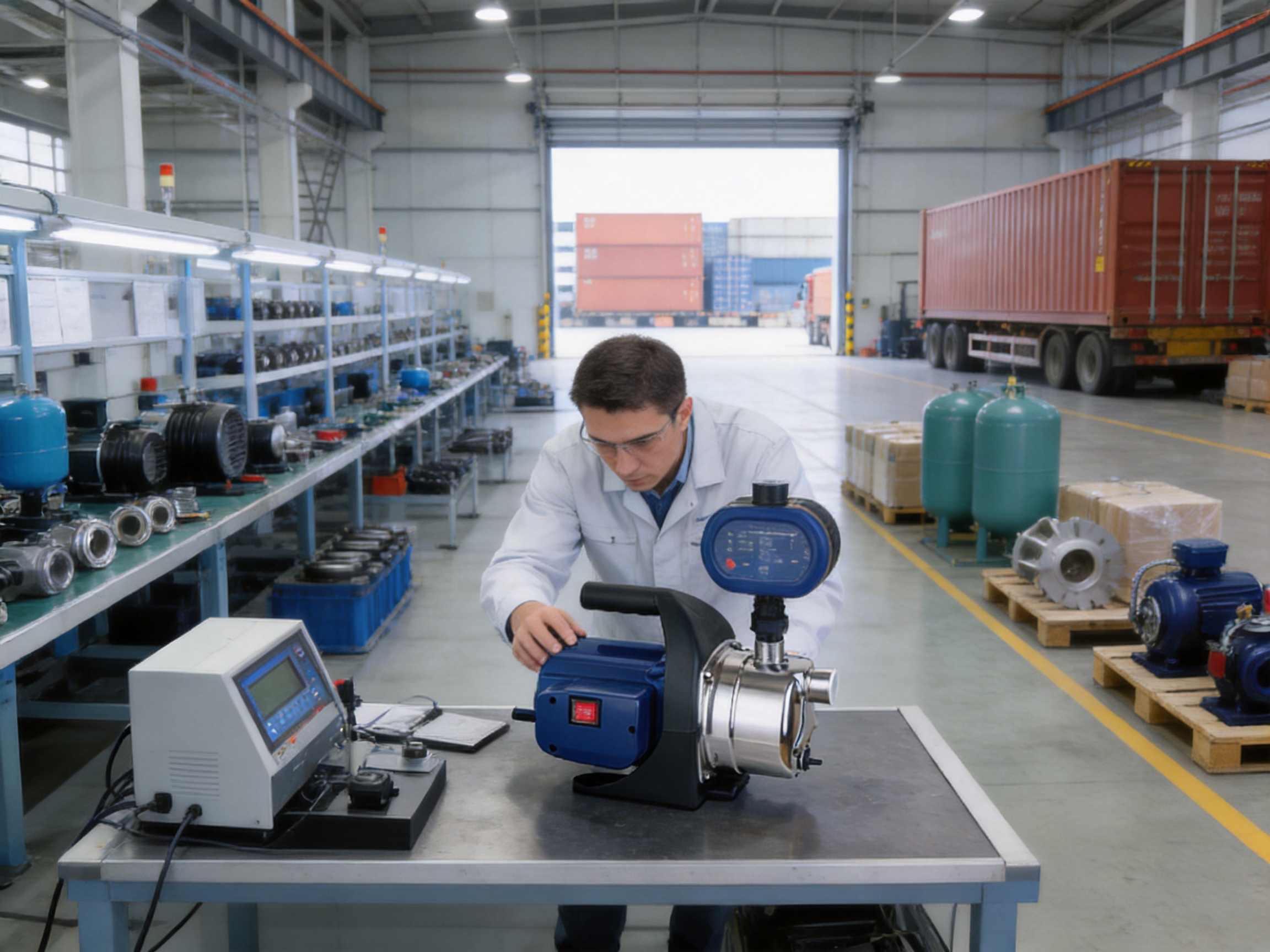
Behind the product is an integrated manufacturing company with experience in independent research and development, mass production, export management, and water-pump technology. This combination allows the product to be positioned not only as an individual garden pump, but also as part of a broader water-supply solution for international distributors, engineering buyers, agricultural users, and household equipment suppliers.
A garden pump is generally used to move water from a source to a destination. The source may be a storage tank, rainwater collection vessel, shallow well, pond, irrigation reservoir, or domestic water container. The destination may be a garden hose, sprinkler system, greenhouse pipeline, poultry facility, fish-breeding area, or household water network.
In many installations, the pump is positioned above the water source. This creates a suction requirement. Before an ordinary surface pump can operate correctly, the suction line and pump chamber often need to be filled with water. If air enters the suction pipe, the pump may lose its prime and fail to move water efficiently. The operator may then need to refill the pump manually.
A self-priming pump is designed to reduce this inconvenience. After the initial installation and appropriate filling procedure, the pump can help remove air from the suction line and restore water movement under suitable operating conditions. This feature is especially valuable in garden and agricultural environments where the pump may be started and stopped frequently or where the water level varies during use.
The EGMP-RH Series combines this self-priming function with a multi-stage hydraulic arrangement. Multiple stages can help the pump produce a stronger pressure effect than many basic single-stage garden pumps of comparable application class. This is useful when water must travel through long hoses, pass through sprinklers, supply several outlets, or reach a higher point in a building or greenhouse.
The following specifications summarize the principal operating characteristics provided for the EGMP-RH Series Garden Use of Multi-stage Self-priming Pump.
| Specification | Product Information |
|---|---|
| Product type | Multi-stage self-priming garden pump |
| Recommended medium | Clean water or liquids with similar physical and chemical properties |
| Maximum fluid temperature | +35°C |
| Maximum suction | +8 m |
| Bearing | C&U bearing |
| Thermal protection | Built-in thermal protector |
| Insulation class | Class F |
| Protection class | IPX4 |
| Maximum ambient temperature | +40°C |
| Optional configurations | Different cable lengths, pressure controller connection, tank system assembly |
| Warranty | One year according to the manufacturer’s general sales conditions |
These specifications make the pump particularly suitable for normal-temperature clean-water applications. Users should select the installation location, pipe arrangement, and operating conditions according to the stated limits. The pump is not presented as a high-temperature process pump, chemical pump, wastewater pump, or slurry pump. Correct application selection is important for maintaining reliable service life and protecting the hydraulic and electrical components.
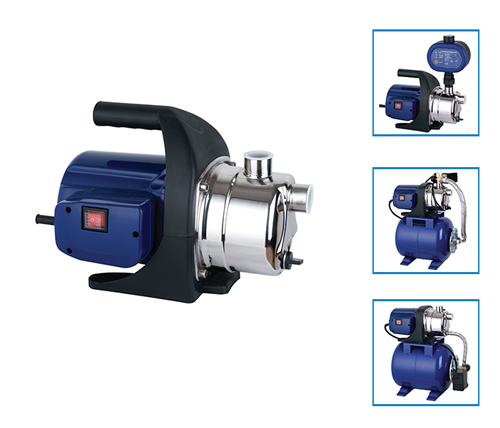
EGMP-RH Series Garden Use of Multi-stage Self-priming pump
The primary advantage of a self-priming structure is operational convenience. Garden and domestic water systems are often used intermittently. A pump may operate for a few minutes to water plants, stop for several hours, and then restart. In a conventional arrangement, air entering the suction pipe can cause repeated priming work and delayed operation.
A self-priming design helps make these repeated cycles easier to manage. Once the system has been installed correctly and the initial priming instructions have been followed, the pump is better suited to routine start-and-stop operation. This is an important advantage over simple non-self-priming surface pumps, especially for users who do not have technical personnel available at the installation site.
Garden irrigation is rarely limited to moving water from one point to another. Water may need to pass through a hose, nozzle, spray gun, sprinkler, drip system, or branched pipeline. Every length of pipe and every fitting creates resistance. If the pump cannot provide adequate pressure, the spray pattern may become weak, the farthest irrigation points may receive insufficient water, and the operator may need to relocate the equipment repeatedly.
The multi-stage structure is intended to improve the pump’s ability to support pressure-oriented applications. This makes it more versatile than a basic low-pressure transfer pump. It can be considered for garden watering, greenhouse distribution, domestic pressure support, and other clean-water tasks where consistent delivery is more important than simple water movement.
Outdoor installations are exposed to changing conditions. Water levels may fluctuate, hoses may be rearranged, and the pump may be placed in different locations during the irrigation season. The maximum suction rating of 8 meters provides a clear reference for installation planning. Users can compare the vertical distance between the pump and water source with the product’s capability before commissioning the system.
Although the stated maximum suction should not be treated as a guarantee for every installation, it offers useful guidance for garden and shallow-water applications. Actual performance can also be affected by pipe diameter, pipe length, air leakage, valve design, water temperature, elevation, and the condition of the water source. Proper system design remains essential.
The pump includes a built-in thermal protector. This protective device is intended to help reduce the risk of motor damage caused by excessive temperature under abnormal operating conditions, such as overload, restricted cooling, or certain operating faults. Thermal protection is particularly valuable in garden equipment because users may not always monitor the pump continuously.
The motor has Class F insulation. Insulation class indicates the thermal endurance category of the motor insulation system. Class F is widely used in electrical motor applications and provides an appropriate design margin for many normal-duty water-pump environments when the pump is operated within its rated conditions.
The IPX4 protection class indicates protection against water splashing from different directions. This is relevant to garden environments where incidental splashes may occur. However, IPX4 should not be interpreted as protection against immersion, high-pressure water jets, flooding, or installation in a location where the motor is continuously exposed to standing water. Correct positioning and suitable weather protection remain important.
The use of a C&U bearing supports the mechanical operation of the motor and rotating assembly. Bearings influence smooth rotation, noise characteristics, friction, and long-term operating stability. In a pump, consistent bearing quality is important because the motor may run for repeated irrigation cycles and domestic water-demand periods.
For distributors and equipment integrators, the specified bearing brand also provides a clear reference when evaluating the product’s component configuration. Buyers can use this information during technical comparison, maintenance planning, and quality documentation. Component transparency is especially valuable when purchasing pumps for export markets where after-sales support and replacement planning are important.
Garden irrigation is one of the most direct applications for the EGMP-RH Series. The pump can be used to draw clean water from a suitable storage source and deliver it through a hose or irrigation network. Depending on the system design, it may support hand watering, spray irrigation, sprinkler operation, or other small-scale distribution methods.
For household gardens, the pump can reduce dependence on low-pressure municipal outlets or gravity-fed containers. Users may connect it to a water tank, rainwater storage system, or other clean-water source. The pump’s pressure capability can help improve hose performance and make it easier to reach distant planting areas.
For landscaped properties, the pump can support regular watering of lawns, flower beds, trees, and ornamental plants. A multi-stage pump may be preferable to a simple transfer pump when the system includes several outlets or when water must pass through a relatively long pipeline. The final selection should always consider the required flow, pressure, pipe size, and operating schedule.
In agricultural gardens, the pump can be integrated into seasonal irrigation arrangements. A pressure controller may be connected on request, allowing the pump to operate as part of a more automatic water-supply system. This can help reduce manual switching and provide a more convenient experience for users managing several irrigation zones.
Greenhouses require regular and controlled water delivery. Plants may be arranged in rows, containers, seedling trays, or raised beds, and the irrigation network may contain multiple branches. The pump can support the transfer and distribution of clean water through suitable greenhouse piping.
A stable pump is useful in greenhouse environments because irrigation often follows a planned schedule. The system may operate at specific times of day and may need to provide sufficient pressure to reach multiple growing areas. The self-priming function can simplify operation when the pump is located outside or above the water storage point.
Greenhouse operators should protect the motor from direct exposure to excessive humidity, condensation, fertilizer residue, and standing water. Although the product has IPX4 protection, good installation practice is still necessary. The pump should be mounted on a stable base, the electrical supply should be appropriate, and the suction line should be sealed carefully.
Small fish-breeding operations may require clean-water transfer between tanks, storage vessels, and treatment areas. The pump can be considered for water-supply and drainage tasks where the liquid is clean and compatible with the product’s intended operating conditions.
When used in fish-breeding environments, operators should ensure that the pump is applied for suitable water-transfer duties rather than for pumping solids, sludge, fibrous waste, or abrasive materials. The water source should be evaluated before installation. Screens, filters, valves, and other protective accessories may be used when appropriate for the system.
Water temperature is another important consideration. The maximum fluid temperature is +35°C. If a breeding operation uses warmer water, the pump should not be selected without a technical review. Staying within the stated temperature limit helps protect the motor, seals, bearings, and hydraulic components.
Poultry facilities need dependable water supply for drinking systems, cleaning operations, and general farm use. The pump can support clean-water delivery from a tank or storage system to suitable distribution points. Its self-priming structure can be helpful where the pump is not installed directly below the water source.
Because poultry environments may contain dust, moisture, and organic contaminants, the installation should be kept clean and well ventilated. The pump should not be exposed to unnecessary water spray or placed in a flooded area. Routine inspection of electrical connections, suction piping, and the pump chamber can help maintain safe operation.
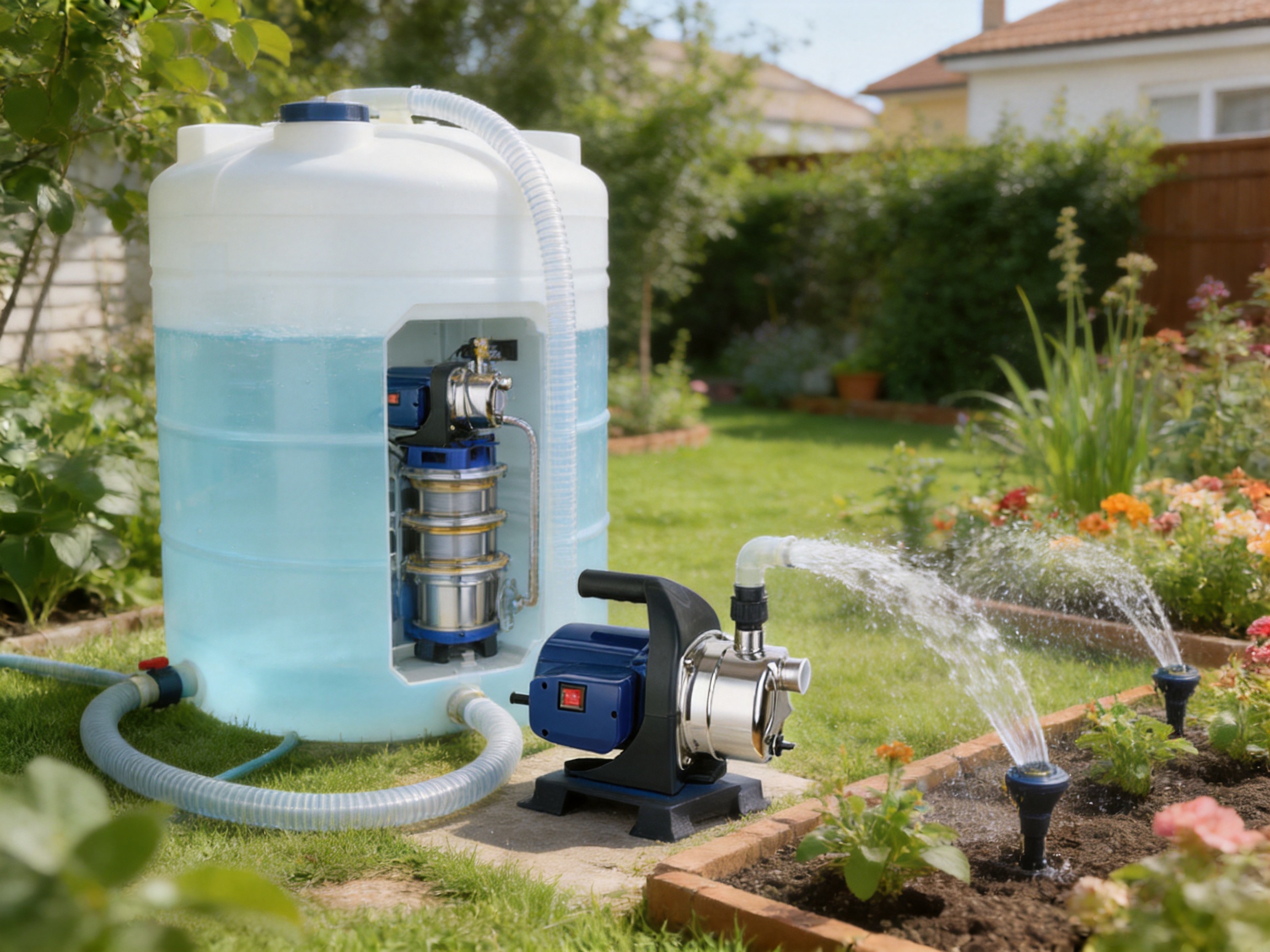
The EGMP-RH Series can also be considered for domestic automatic water-supply applications. Homes, villas, rural properties, and small residential buildings may experience insufficient pressure at taps, showers, washing areas, or garden outlets. A properly configured pump system can help improve water delivery from a storage tank or shallow water source.
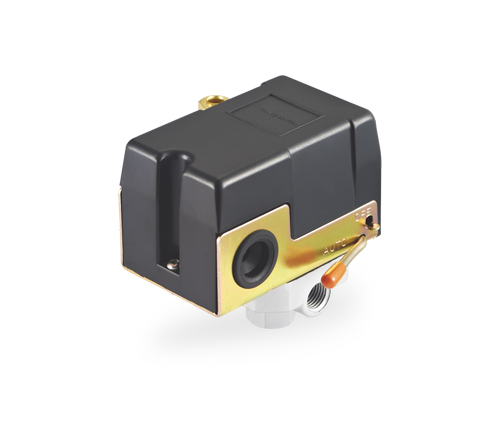
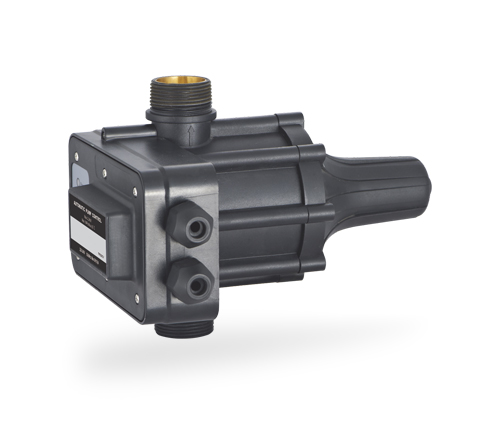
The optional pressure-controller connection expands the product’s usefulness in household systems. A pressure controller can help start and stop the pump according to water demand, depending on the selected controller and system arrangement. This can reduce the need for manual operation and make the pump more convenient for daily use.
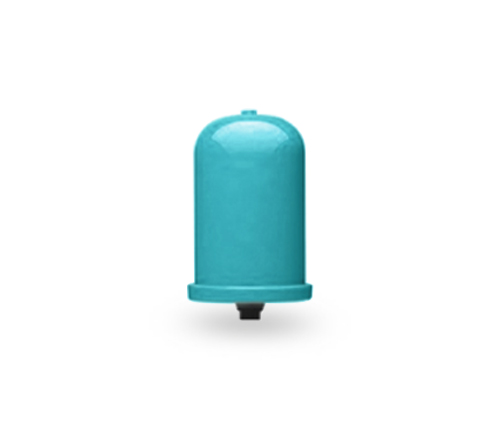
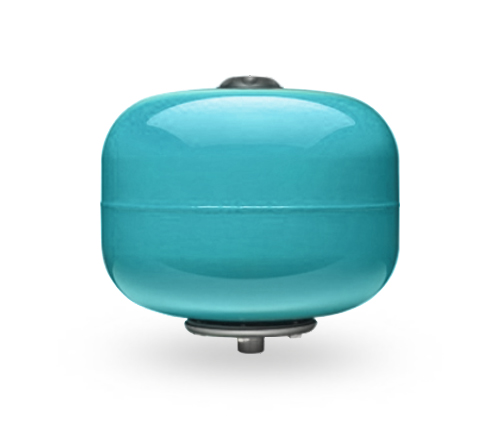
The product can also be assembled with a tank system on request. A tank-based arrangement may provide a more complete pressure-support solution by combining the pump with a pressure vessel and control components. The precise configuration should be selected according to the building’s water demand, piping arrangement, required pressure, and local electrical standards.
Domestic users should remember that a pump is only one part of a complete water system. Check valves, isolation valves, pressure controls, filters, electrical protection, and suitable pipework may all be required. Professional installation is recommended where the pump is connected to a permanent household water network.
When comparing the EGMP-RH Series with competing garden pumps, buyers should evaluate more than purchase price. The most important differences often involve pump structure, operating convenience, protection features, component selection, and the supplier’s ability to provide configuration support.
| Evaluation Area | Basic Transfer Pump | Multi-Stage Self-Priming Garden Pump |
|---|---|---|
| Priming convenience | May require frequent manual priming if air enters the suction line | Self-priming design supports easier repeated operation after correct installation |
| Pressure-oriented use | Often intended mainly for simple water transfer | Multi-stage structure is suitable for stronger pressure-support applications |
| Application range | Usually limited to straightforward filling or draining tasks | Can support irrigation, greenhouse supply, domestic water supply, and similar clean-water uses |
| Motor protection | Protection features vary by model | Built-in thermal protector, Class F insulation, and IPX4 protection are specified |
| Configuration flexibility | May be supplied in a fixed configuration | Optional cable length, pressure-controller connection, and tank-system assembly are available on request |
| Supplier support | May focus only on product shipment | Manufacturer structure includes research and development, production, export, and order-support capabilities |
This comparison is not intended to suggest that every competing product has the same limitations. Instead, it shows why buyers should examine the complete technical and commercial package. A lower-cost pump may be suitable for occasional water transfer, while a self-priming multi-stage pump may offer greater value where pressure stability, automatic operation, and repeated use are priorities.
A simple transfer pump is often selected when the main task is moving water from one container to another. However, garden irrigation and domestic water supply frequently require a combination of flow and pressure. The pump must overcome pipe resistance and deliver water to outlets that may be several meters away or above the pump location.
The multi-stage concept addresses this requirement by using more than one hydraulic stage in sequence. Each stage contributes to the total pressure generation of the pump. The actual result depends on the complete model specification and operating point, so purchasers should request detailed performance curves for final engineering selection. Nevertheless, the design principle gives the series an advantage in pressure-support applications compared with many basic single-stage transfer products.
Repeated manual priming can be frustrating for homeowners, gardeners, and farm operators. It can also create inconsistent operating results if the pump is not filled correctly. A self-priming structure can reduce this burden and support a smoother daily routine.
This convenience becomes more valuable when the pump is integrated with a pressure controller or tank system. The combination can help create a more automatic water supply arrangement, reducing the need for users to switch the pump on and off for every water-demand event.
Garden pumps may operate in warm locations, dusty sheds, outdoor utility rooms, or partially exposed areas. The built-in thermal protector can help protect the motor under certain overheating conditions, while Class F insulation supports the motor’s thermal endurance. IPX4 protection provides a defined level of resistance to splashing water.
These features do not eliminate the need for correct installation. A pump should not run dry, operate with blocked suction piping, or be used beyond its temperature and pressure limits. Protection devices are safeguards, not substitutes for proper system design and maintenance.
The performance of a water pump depends on more than its visible housing or nameplate. Manufacturing consistency, component control, assembly discipline, inspection procedures, and technical support all influence the product’s field performance. Taizhou Edwin Electric Co., Ltd. was founded in 2008 and operates as an integrated manufacturing enterprise specializing in independent research and development, mass production, and global export.
This integrated structure is valuable for international customers because product development, production planning, order coordination, and export service can be managed within a connected organization. Instead of treating each order as an isolated transaction, an integrated manufacturer can build repeatable procedures for design improvement, production scheduling, quality control, packaging, documentation, and delivery.
Independent research and development provides a foundation for adapting pump products to different markets and applications. Garden, agricultural, residential, and commercial customers do not always have identical requirements. They may need different cables, control configurations, tank arrangements, hydraulic performance ranges, or installation methods.
For the EGMP-RH Series, the availability of options such as different cable lengths, pressure-controller connection, and tank-system assembly shows that the product can be considered as a configurable solution rather than a completely fixed item. Customization must be reviewed according to technical feasibility and order requirements, but the ability to discuss these options is important for distributors and project buyers.
Mass production can improve consistency when supported by standardized procedures and suitable inspection. A manufacturer producing several pump categories can develop experience across different motor, hydraulic, electrical, and application requirements. Edwin Pump’s product portfolio includes deep well pumps, submersible pumps, domestic booster pumps, circulation pumps, solar water pumps, intelligent booster pumps, and other water-pump products.
This breadth supports a wider understanding of water-supply systems. It also allows customers to source multiple product categories from one manufacturing group. For importers and distributors, one-stop procurement can reduce the complexity of managing several unrelated suppliers.
Mass production also supports better planning for repeat orders. Buyers who need stable product availability can benefit from a supplier that has established production processes, export experience, and order-tracking capabilities. Actual lead time, capacity, and production scheduling should be confirmed for each order.
Reliable pump manufacturing requires control over the relationship between components. The motor, bearing, impeller system, shaft, seals, electrical protection, casing, cable, and control accessories must operate as a coordinated assembly. A stated C&U bearing, built-in thermal protector, Class F insulation, and IPX4 protection provide buyers with useful information when assessing the product configuration.
Assembly quality is equally important. Correct alignment, secure fastening, appropriate sealing, accurate electrical connection, and proper testing can influence noise, vibration, leakage resistance, and operating stability. An integrated manufacturer is better positioned to coordinate these tasks than a trading company with no direct production involvement.
Global pump buyers need more than a product. They may require packaging coordination, shipping documentation, order tracking, procurement planning, technical communication, and after-sales assistance. To meet different purchasing needs, the company established Taizhou Haipai Import & Export Co., Ltd. and Golden Falcon Industrial Co., Ltd. in 2012.
These affiliated organizations support procurement planning, order tracking, cross-border delivery, and foreign-trade services. Such capabilities are useful for overseas distributors, wholesalers, project contractors, and original equipment buyers who need a coordinated supply process.
International service strength can also help reduce communication gaps. Product specifications, optional configurations, packaging details, delivery arrangements, and warranty conditions can be discussed through a professional export team. Buyers should still define all commercial and technical requirements in writing before placing an order.
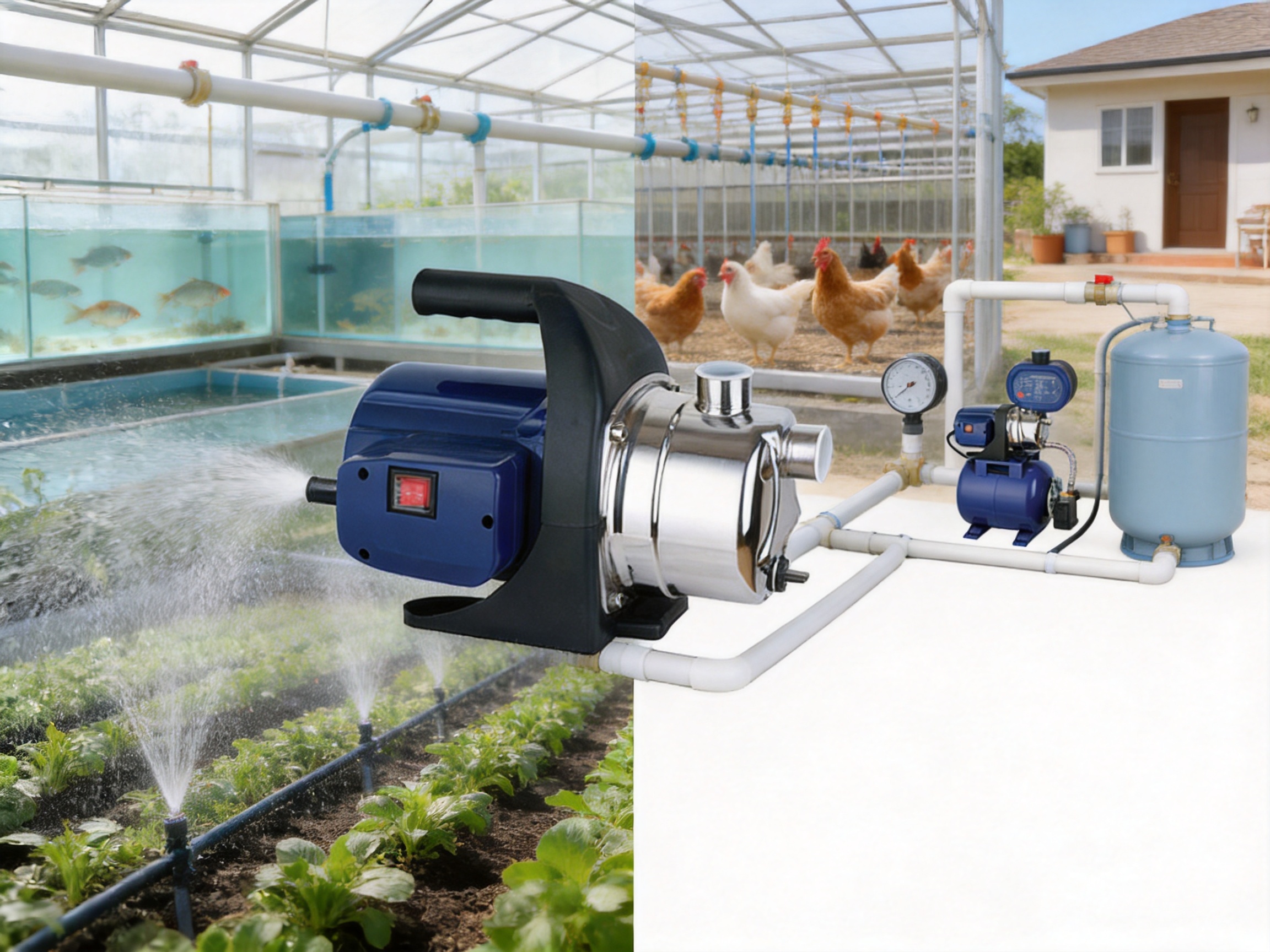
Quality is not limited to a final inspection. It begins with selecting an appropriate product concept and continues through design, component selection, assembly, testing, packaging, and customer support. The EGMP-RH Series reflects a practical quality-oriented approach by combining a self-priming hydraulic structure with defined motor protection and application limits.
Clear operating limits are an important part of quality. The maximum fluid temperature of +35°C, maximum suction of +8 meters, and maximum ambient temperature of +40°C provide users with reference points for installation and operation. A pump that is applied within its intended range is more likely to deliver stable performance than one selected without considering temperature, suction height, or environmental conditions.
The company’s focus on high-performance water pumps and intelligent pump technology also indicates a continuing interest in product development. Since 2018, Edwin Pump has invested in new energy and intelligent technology, including solar water pumps and intelligent booster pumps. This experience can support the development of more efficient and automated water-supply products for changing market requirements.
Correct installation is essential for obtaining the best performance from any self-priming pump. The pump should be placed on a stable, level foundation that can support its weight and reduce unnecessary vibration. The installation area should be clean, ventilated, and protected from flooding.
The suction pipe should be selected according to the pump inlet and system requirements. It should be as short and direct as practical, with minimal unnecessary bends. All joints must be sealed properly because air leakage on the suction side can interfere with self-priming performance even when there is no visible water leak.
The suction lift should be checked before installation. The product specification gives a maximum suction of 8 meters, but real-world performance can be affected by altitude, water temperature, pipe friction, valve arrangement, and air tightness. A conservative installation design is recommended, particularly where reliable automatic operation is required.
The water source should be clean and free of large solids, abrasive particles, fibrous materials, and corrosive chemicals unless the manufacturer has specifically approved the liquid. If the source may contain debris, a suitable strainer or filter can help protect the pump. Filters should be selected carefully so they do not create excessive suction resistance.
The discharge line should include suitable valves and connections for maintenance. An isolation valve can make it easier to remove the pump or service downstream equipment. If a pressure controller or tank system is used, the components should be matched to the pump’s operating characteristics and installed according to their respective instructions.
Electrical installation should be completed by a qualified person. The power supply must match the pump’s nameplate requirements. Grounding, circuit protection, cable routing, and local electrical regulations should all be considered. The cable should not be exposed to sharp edges, excessive heat, standing water, or mechanical damage.
Before the first start-up, inspect the pump, pipework, cable, valves, and connections. Fill the pump and suction system according to the installation instructions. Confirm that the suction line is open and sealed. Starting a pump without adequate water can cause damage or poor performance.
During operation, observe unusual noise, vibration, overheating, leakage, or repeated thermal-protector activation. Any of these conditions may indicate a blocked pipe, air leakage, incorrect voltage, insufficient water, excessive operating pressure, or another system problem. The pump should be stopped and inspected rather than operated continuously under abnormal conditions.
Regular maintenance may include checking electrical connections, cleaning filters, inspecting valves, examining pipe joints, and verifying that the pump remains securely mounted. The frequency of inspection depends on the water quality, operating hours, environment, and application.
Before servicing the pump, disconnect the power supply and release pressure from the system. If the pump is installed outdoors or in a seasonal garden system, it may need to be drained and protected against freezing. Water expansion caused by freezing can damage the pump chamber and connected pipework.
The built-in thermal protector provides useful protection, but repeated activation should never be ignored. It may indicate overload, blocked ventilation, excessive ambient temperature, voltage problems, or a mechanical issue. Allowing the motor to cool without identifying the underlying cause may lead to recurring faults.
Distributors should begin by identifying the dominant application. A garden irrigation customer may need a compact pressure-support pump, while a domestic customer may require a pressure controller and tank. A greenhouse operator may focus on reliable scheduled operation, and a poultry customer may prioritize clean-water delivery and easy maintenance.
The next step is to confirm the required hydraulic performance. Buyers should request the relevant performance curve, including flow, head, power, and operating-point information for the exact model under consideration. The available material confirms the product category and principal limits but does not provide every model-specific performance value.
Purchasers should also confirm electrical details, inlet and outlet sizes, dimensions, weight, cable specification, packaging, and available accessories before final order placement. These details may differ between models or configurations. Clear technical confirmation reduces the risk of unsuitable selection.
For importers, supplier capability is an important part of product evaluation. Edwin Pump provides a broader portfolio covering agricultural, household, municipal, construction, HVAC, mining, and new-energy applications. This enables buyers to discuss multiple pump requirements with a supplier that understands different water-system environments.
Warranty terms should also be reviewed. The stated warranty for this product is one year according to the manufacturer’s general sales conditions. Buyers should clarify the warranty procedure, required documentation, exclusions, spare-parts policy, and responsibilities for transportation or installation-related issues.
Many international buyers prefer to consolidate their purchasing when possible. Sourcing garden pumps, booster pumps, deep well pumps, submersible pumps, circulation pumps, solar pumps, and accessories from a coordinated supplier can simplify product selection and shipping management.
A broad product range can help distributors build a more complete catalog. A customer who initially needs a garden irrigation pump may later require a domestic booster pump, a submersible pump, or a solar water-pumping solution. Working with a manufacturer that develops several product categories can create opportunities for long-term cooperation.
One-stop procurement may also simplify packaging and export coordination. Instead of managing different documentation systems, shipping schedules, and quality contacts for every product group, a buyer can work through an integrated procurement and foreign-trade team. The final commercial arrangement depends on order size, product mix, destination, and shipping requirements.
Efficient water management can contribute to more responsible use of water and energy. A correctly selected pump reduces the likelihood of unnecessary recirculation, excessive operating time, or inadequate irrigation that requires repeated watering. Proper pipe sizing and regular maintenance are just as important as pump selection.
The EGMP-RH Series is intended for clean-water applications, including garden irrigation and greenhouse supply. By supporting controlled distribution, it can be incorporated into systems designed to deliver water where it is needed. Users may combine the pump with timers, pressure controllers, storage tanks, drip systems, or other water-management accessories where appropriate.
The manufacturer’s wider investment in solar water pumps and intelligent booster pumps reflects the growing importance of energy-conscious and automated water systems. Although the EGMP-RH Series is a separate garden-pump product, it forms part of a broader product-development direction that includes new-energy and intelligent technologies.
The pump is intended for clean water or other liquids with physical and chemical properties similar to water. It should not be used for abrasive slurry, sewage containing solids, highly corrosive chemicals, or liquids outside the manufacturer’s approved range.
The stated maximum suction is 8 meters. Actual performance depends on pipe length, pipe diameter, air tightness, water temperature, altitude, valve arrangement, and other installation conditions. The suction system should be designed conservatively.
The maximum fluid temperature is +35°C. Applications involving hotter liquids require a different product or technical confirmation before use.
The pump has IPX4 protection, which provides protection against splashing water from different directions. It should still be installed in a suitable location protected from flooding, immersion, high-pressure jets, and prolonged exposure to severe weather.
Yes. The product includes a built-in thermal protector intended to help protect the motor against certain overheating conditions. Repeated thermal-protector activation should be investigated rather than treated as normal operation.
Class F identifies the thermal endurance category of the motor insulation system. It is a commonly used insulation class for electrical motors and supports operation within the product’s specified conditions.
A multi-stage hydraulic arrangement is intended to support stronger pressure delivery than many basic single-stage transfer pumps. This can be useful for garden sprinklers, longer pipelines, elevated outlets, greenhouse systems, and domestic pressure support.
Yes. Connection with a pressure controller is listed as an option on request. The controller should be matched to the pump and installed according to the system design and controller instructions.
Yes. The product can be assembled with a tank system on request. The appropriate tank and control arrangement should be selected according to water demand, required pressure, pipe layout, and operating frequency.
Different cable lengths are available as an option on request. Buyers should confirm the required length and electrical configuration before production or shipment.
This product is a surface self-priming garden pump with a maximum suction of 8 meters. It should not automatically be treated as a deep-well pump. Deep wells may require a dedicated deep-well or submersible pump according to the water level and installation depth.
The stated warranty is one year according to the manufacturer’s general sales conditions. Buyers should review the complete warranty terms before ordering.
Buyers should confirm flow, head, electrical supply, inlet and outlet sizes, water temperature, suction height, cable length, control requirements, operating environment, packaging, delivery terms, and warranty conditions. A performance curve and complete technical datasheet should be requested for final project selection.
The EGMP-RH Series Garden Use of Multi-stage Self-priming Pump is designed for clean-water applications that require convenient suction, stable pressure, and dependable everyday operation. Its principal advantages include a self-priming structure, multi-stage hydraulic design, 8-meter maximum suction, C&U bearing, built-in thermal protector, Class F insulation, IPX4 protection, and a maximum ambient temperature of +40°C.
The product is suitable for garden irrigation, greenhouse water supply, fish breeding, poultry raising, and domestic automatic water-supply applications. Optional cable lengths, pressure-controller connection, and tank-system assembly provide additional flexibility for distributors and system integrators.
Compared with a basic transfer pump, the series offers a more complete solution for applications where pressure, repeated start-up, and operating convenience are important. Its value is strengthened by the manufacturer’s integrated capabilities in research and development, mass production, export, order coordination, and one-stop procurement.
For the best results, users should select the pump according to the required flow and pressure, keep the water within the approved temperature and cleanliness range, install the suction line carefully, provide suitable electrical protection, and follow regular maintenance procedures. When correctly selected and installed, a multi-stage self-priming garden pump can become a reliable component in residential, agricultural, and light commercial water systems.
1. Manufacturer-provided product information for the EGMP-RH Series Garden Use of Multi-stage Self-priming Pump.
2. Manufacturer-provided application and specification data for garden irrigation, greenhouse water supply, fish breeding, poultry raising, and domestic automatic water supply.
3. General principles of surface centrifugal pump selection, suction piping, priming, and pressure-system design.
4. General guidance on electric motor insulation classes, thermal protection, and enclosure protection classifications.
5. Manufacturer-provided company information concerning research and development, mass production, export services, intelligent pump technology, and new-energy pump development.
edwina@edwin-pump.com
+86-13586290903 (WhatsApp)
Xuri Gongliang Cutting Tool Entrepreneurship Park, Wenqiao Town, Wenling City, Taizhou City, Zhejiang Province, China

High Performance Smart Pump Factory


 English