edwina@edwin-pump.com

View All Products
en
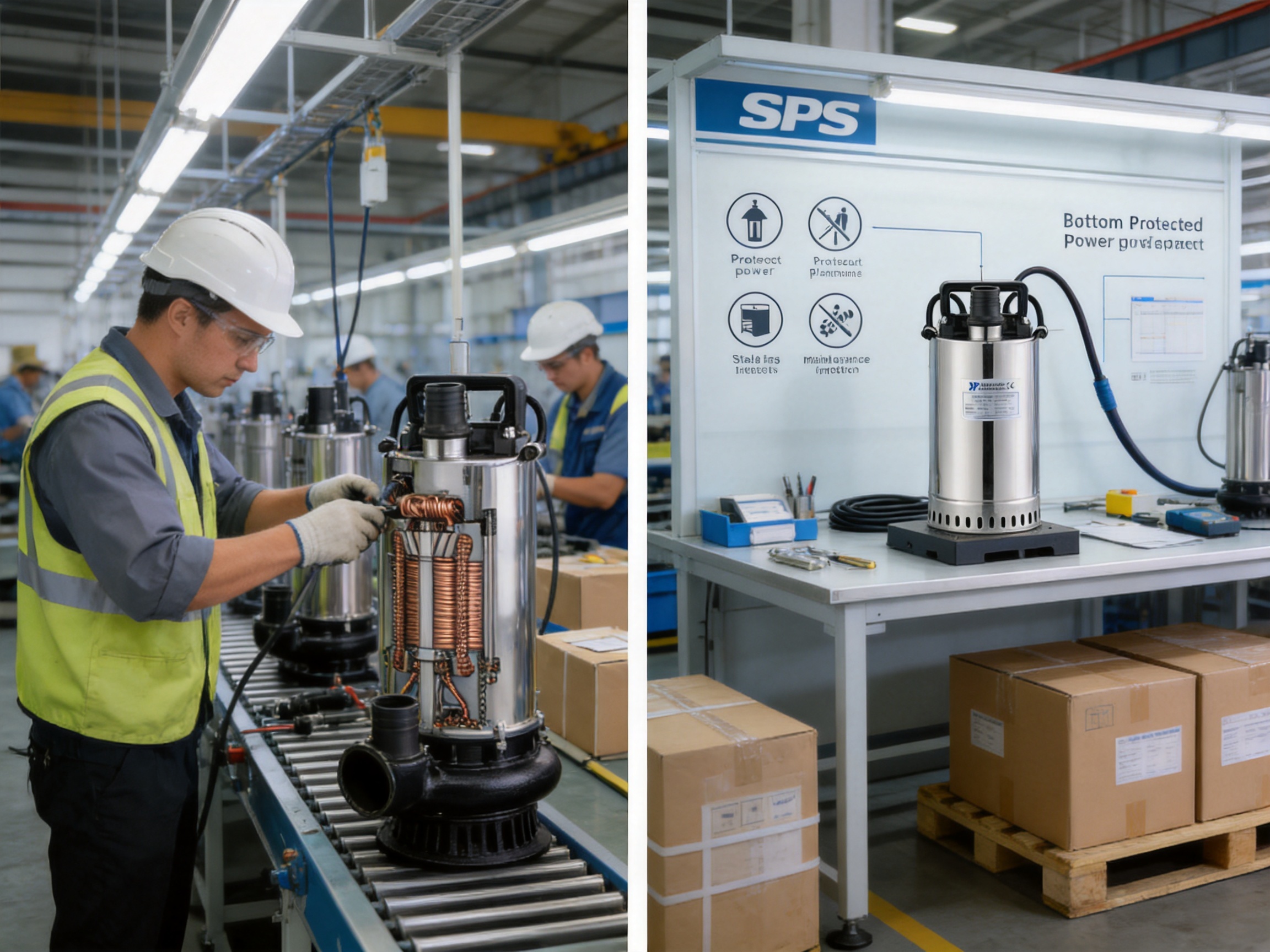
Reliable drainage is essential wherever water, wastewater, or accumulated liquid must be removed quickly and safely. In agricultural fields, construction areas, livestock facilities, gardens, urban wells, and industrial premises, standing water can interrupt operations, damage structures, reduce productivity, and create sanitation concerns. A properly selected submersible sewage pump provides a practical solution by operating directly inside the liquid and transferring water away from the location where it collects.
The Submersible Sewage Pump SPS is designed for small electrical irrigation and drainage applications. Its operating concept is straightforward: place the pump in the water, connect the discharge line, and allow the motor-driven pumping assembly to move accumulated liquid to a suitable outlet. This arrangement eliminates the need for a separate priming process in many normal installations and allows the pump to work close to the lowest point of a tank, pit, well, field, or flooded area.
The SPS combines compact submersible operation with features intended for regular water supply and drainage work. Its motor uses copper winding, includes a built-in thermal protector, and is constructed with Class B insulation and an IPX8 protection rating. The pump is specified for a maximum immersion depth of 5 meters and a maximum liquid temperature of 40°C. These specifications make it suitable for many routine residential, agricultural, commercial, and light industrial drainage requirements.
This article examines the operating value, construction characteristics, application advantages, manufacturing strengths, installation considerations, maintenance requirements, and selection factors associated with the SPS submersible sewage pump. It also explains how a pump manufacturer with independent research and development, mass-production capability, and international export experience can support buyers beyond the individual product.
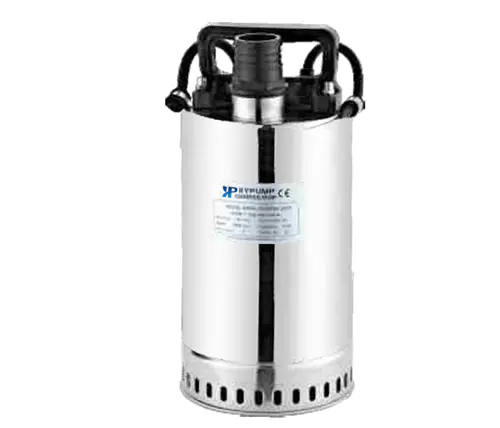
SUBMERSIBLE SEWAGE PUMP SPS
The SPS is a submersible sewage pump intended for the movement of water and accumulated liquid in practical drainage environments. Unlike a surface pump, which is installed outside the water source and relies on an inlet pipe, a submersible pump is positioned within the liquid. The pump body and motor are designed to operate in an immersed condition, allowing the unit to draw water from a low level and discharge it through an outlet pipe or hose.
This configuration is particularly useful when the water source is shallow, irregular, difficult to access, or located below the installation level of a conventional surface pump. Typical examples include small drainage pits, agricultural areas, domestic water collection points, construction sites, garden ponds, livestock facilities, and areas where rainwater or process water has accumulated.
The SPS product information identifies several application fields: urban well water pumping, field irrigation and drainage, garden irrigation, household water supply, drainage of industrial accumulated water, construction water supply and drainage, and livestock breeding. These applications share a common need for dependable water transfer rather than highly specialized process pumping. The product is therefore positioned as a versatile utility pump for frequent water management tasks.
A submersible pump is often selected because it reduces the amount of external piping needed around the water source. Since the pumping unit is already inside the liquid, the suction distance is minimized. The installation can be more compact, and the pump can be moved between locations when the work requires temporary drainage. This portability is valuable for farms, contractors, maintenance teams, and property owners who may need to handle water in different locations throughout the year.
Although the SPS is suitable for sewage and drainage applications, correct fluid assessment remains important. The pump should be applied within its stated operating conditions, and the actual liquid should be evaluated for temperature, solids, acidity, abrasiveness, and other characteristics. Proper selection helps protect the pump and improves service life.
The principal operating specifications supplied for the SPS are a maximum immersion depth of 5 meters and a maximum liquid temperature of 40°C. These limits provide a practical framework for installation and application planning.
A maximum immersion depth of 5 meters means the pump is designed for use at water levels up to that depth under the specified conditions. The depth should be measured from the relevant water surface to the pump position, while the complete installation should also account for discharge height, pipe friction, bends, valves, and the required delivery distance. Immersion depth alone does not determine final performance; the total dynamic head and flow requirement must also be considered.
The maximum liquid temperature of 40°C makes the pump appropriate for normal ambient-temperature water, rainwater, irrigation water, household drainage, and many routine accumulated-water applications. It is not intended to be treated as a hot-water pump. Applications involving heated process water, boiler discharge, or liquids above the stated temperature should be reviewed separately before purchase or installation.
The motor uses copper winding. Copper has high electrical conductivity and is widely used in quality electric motors because it supports efficient current transmission and stable winding performance. In a pump motor, winding quality influences starting behavior, operating temperature, energy conversion, and long-term reliability. Copper winding is therefore an important product advantage when compared with lower-cost motor constructions that may use less conductive winding materials.
The motor also includes a built-in thermal protector. During abnormal conditions such as overload, restricted discharge, excessive operating temperature, or inadequate cooling, motor temperature can rise. A thermal protector is designed to respond to excessive heat and help reduce the risk of motor damage. This protective element does not replace correct installation, proper electrical protection, or routine inspection, but it adds an important layer of motor safety.
Class B insulation provides a defined thermal insulation classification for the motor winding system. Insulation class is relevant because the winding must resist heat generated during electrical operation. The use of Class B insulation indicates that the motor is designed around a recognized insulation category for general electric motor applications.
The IPX8 protection class indicates that the pump is designed for continuous immersion under conditions specified by the manufacturer. This is especially important for a submersible product. The enclosure and sealing system must prevent water from reaching sensitive electrical components during normal underwater operation. Users should still follow the installation instructions, inspect cables and seals, and avoid using damaged equipment.
| Feature | Specified characteristic | Practical value |
|---|---|---|
| Product type | Submersible sewage pump | Operates directly in the water or accumulated liquid |
| Maximum immersion depth | 5 meters | Suitable for many shallow wells, pits, tanks, and drainage locations |
| Maximum liquid temperature | 40°C | Appropriate for normal-temperature water and routine drainage |
| Motor winding | Copper winding | Supports electrical conductivity and stable motor operation |
| Motor protection | Built-in thermal protector | Helps limit damage caused by excessive motor temperature |
| Insulation class | Class B | Provides a recognized thermal insulation level for the motor winding |
| Protection class | IPX8 | Designed for operation under continuous immersion conditions |
When the SPS is placed in a water collection area and energized, the motor rotates the internal pumping components. Water enters the pump through the intake area, receives energy from the rotating assembly, and is directed through the discharge outlet. A connected hose or pipe then transfers the water to a drainage channel, storage tank, field, treatment point, or other approved destination.
The submersible design offers several practical benefits. First, it reduces suction-side limitations. Surface pumps must lift water through an inlet pipe, and air leakage or excessive suction height can interfere with operation. A submersible pump works inside the source, which simplifies the inlet arrangement and helps reduce the risk associated with long suction lines.
Second, immersion helps the surrounding water absorb some of the heat generated during motor operation. This is one reason a submersible motor can operate in a compact form. The liquid environment supports the basic cooling concept, provided the pump is used within the manufacturer’s operating conditions and is not run in a damaging dry condition.
Third, submersible installation can reduce noise around the user. Because the pump is located below the water surface, some operating sound is naturally isolated by the liquid and the surrounding structure. The actual noise level depends on installation, pipe vibration, water turbulence, and the condition of the pump.
Fourth, the pump is suitable for locations where space is limited. A construction pit, drainage tank, garden area, or livestock facility may not have enough room for a complete surface-pump arrangement. The SPS can be positioned in the collection area with a discharge pipe routed to the desired destination.
For field irrigation, the pump can help transfer water from a well, pond, tank, or low-lying collection point. For drainage, it can remove rainwater or accumulated water from work areas, basements, shallow pits, and other locations. For household use, it can support non-potable water transfer and drainage tasks. In livestock and agricultural facilities, it can assist with general water movement, provided the liquid composition is compatible with the pump.
One of the clearest advantages of the SPS is its direct-immersion design. A traditional surface pump must be mounted outside the liquid, and its inlet pipe must remain properly sealed and positioned. In contrast, the SPS is installed in the collection area itself. This can shorten the suction path and simplify the arrangement, especially where the water level changes or the source is below the available installation platform.
This advantage is especially useful for temporary drainage. Contractors may need to move water from one excavation or construction area to another. A compact submersible pump can be relocated with less effort than a complete surface pumping station. The reduced external arrangement also makes it easier to work in areas with limited space.
The copper-wound motor provides an important quality distinction. Motor winding is a central component of electric pump performance, and conductive copper supports efficient electrical transmission. When combined with suitable insulation and thermal protection, it creates a motor design intended for dependable routine operation rather than only the lowest initial purchase price.
For buyers comparing products, it is important to look beyond the external appearance of a pump. Winding material, insulation system, thermal protection, sealing, assembly accuracy, and electrical testing all influence actual value. The SPS specification clearly identifies copper winding and a built-in thermal protector, giving buyers useful information for evaluating the motor architecture.
IPX8 protection is highly relevant to a submersible pump because the unit is expected to operate while surrounded by water. A pump with an inadequate enclosure or poor sealing arrangement may experience moisture penetration, insulation deterioration, electrical faults, or premature failure. The IPX8 designation demonstrates that the product is designed around the demands of continuous immersion.
Of course, the protection rating must be supported by proper installation. The cable should not be cut, damaged, sharply bent, or subjected to unnecessary tension. Electrical connections should remain protected from water, and the pump should be connected to a suitable power supply and protective system. The IP rating is a product characteristic, not permission to ignore safe installation practices.
Thermal overload is a common concern in electric motor operation. A blocked outlet, excessive friction, low-voltage condition, improper frequency, or operation outside the intended range can increase heat. The built-in thermal protector helps respond to excessive temperature and can reduce the possibility of permanent winding damage.
This feature gives the SPS an advantage over basic pump designs that rely only on external user awareness. It should still be used together with appropriate circuit protection, correct cable sizing, grounding, and inspection. A protection device can limit the consequences of abnormal operation, but it cannot correct every installation problem.
The SPS is not limited to a single niche. Its stated applications cover irrigation, drainage, domestic water movement, construction, livestock breeding, gardens, wells, and accumulated industrial water. This broad utility can help distributors and project buyers simplify inventory planning. Instead of stocking separate equipment for every small drainage task, a versatile submersible pump may address a wider range of ordinary water-transfer requirements.
Its application flexibility also supports users who manage several properties or operational areas. A farm may need seasonal irrigation and drainage. A contractor may need water removal at different job sites. A household may require garden irrigation or emergency rainwater drainage. A commercial facility may need to remove accumulated water from a service area. The same general product category can serve each of these needs when the liquid and operating conditions are compatible.
The performance of a pump depends not only on its design but also on how consistently it is manufactured. The company behind the SPS is Taizhou Edwin Electric Co., Ltd., established in 2008. It is described as an integrated manufacturing enterprise specializing in independent research and development, mass production, and global export.
This integrated structure is important for product consistency. Independent research and development allows the manufacturer to study application requirements, motor performance, pump structure, sealing, protection, and product usability. Mass-production capability allows the selected design to be reproduced across larger quantities. Export experience provides knowledge of different market requirements, purchasing procedures, packaging expectations, and customer-service needs.
A manufacturer that combines these functions can coordinate product development and production more effectively than a trading organization that has no direct control over the manufacturing process. Engineering feedback can move back into design. Production information can help identify recurring quality issues. Customer application feedback can support future product improvements. This continuous connection is valuable for distributors and industrial purchasers who need stable supply rather than isolated sample orders.
The company’s core product lines include deep well pumps, submersible pumps, domestic booster pumps, and circulation pumps. This broader product portfolio indicates experience across several pumping principles and application environments. Knowledge gained from different product categories can support better understanding of motor selection, hydraulic performance, electrical protection, installation requirements, and customer use conditions.
The company also states that its pumps serve new energy projects, agricultural irrigation, municipal engineering, mining, construction, HVAC systems, and household water supply. These sectors require different combinations of reliability, delivery planning, product matching, and technical communication. Experience with multiple industries can strengthen the manufacturer’s ability to respond to varied purchasing requirements.
Research and development is not limited to creating a new product shape. In pump manufacturing, it can involve improving motor efficiency, selecting suitable materials, refining sealing arrangements, balancing rotating parts, strengthening electrical protection, optimizing assembly methods, and adapting products to regional market expectations.
For the SPS, the combination of copper winding, thermal protection, Class B insulation, and IPX8 protection reflects attention to the key requirements of submersible motor operation. These features are directly related to the product’s intended environment. A successful submersible design must consider water exposure, heat management, electrical insulation, mechanical stability, and ease of use as a connected system.
Mass production provides benefits when it is supported by controlled processes. Repeatable component specifications, defined assembly procedures, inspection checkpoints, and organized production planning help reduce variation between units. For buyers ordering multiple pumps, consistency can be as important as the performance of one individual sample.
Large-scale production also supports supply continuity. Distributors, contractors, and project purchasers may need repeated orders over a season or across multiple projects. A manufacturer with established production capacity is better positioned to coordinate repeat orders, standard packaging, spare-part planning, and delivery schedules.
Mass production should not mean that every application is treated identically. Different markets may need different voltage, frequency, plug, cable, packaging, labeling, or documentation arrangements. An experienced export manufacturer can discuss these requirements before production and help buyers select an appropriate configuration.
To meet varied purchasing needs, the company established Taizhou Haipai Import and Export Co., Ltd. and Golden Falcon Industrial Co., Ltd. in 2012. These organizations provide a professional team for procurement planning, order tracking, cross-border delivery, and foreign trade services.
This support can be valuable for international buyers who need more than a factory quotation. Procurement planning can help clarify product specifications and order quantities. Order tracking can improve visibility from production through shipment. Cross-border delivery coordination can help manage documentation and logistics. Foreign trade support can reduce communication gaps between the manufacturer and overseas customers.
For pump distributors, one-stop service can make it easier to build a product range around multiple categories, including submersible pumps, deep well pumps, booster pumps, circulation pumps, solar water pumps, and related accessories. A broader sourcing relationship may reduce the time needed to coordinate with many separate suppliers.
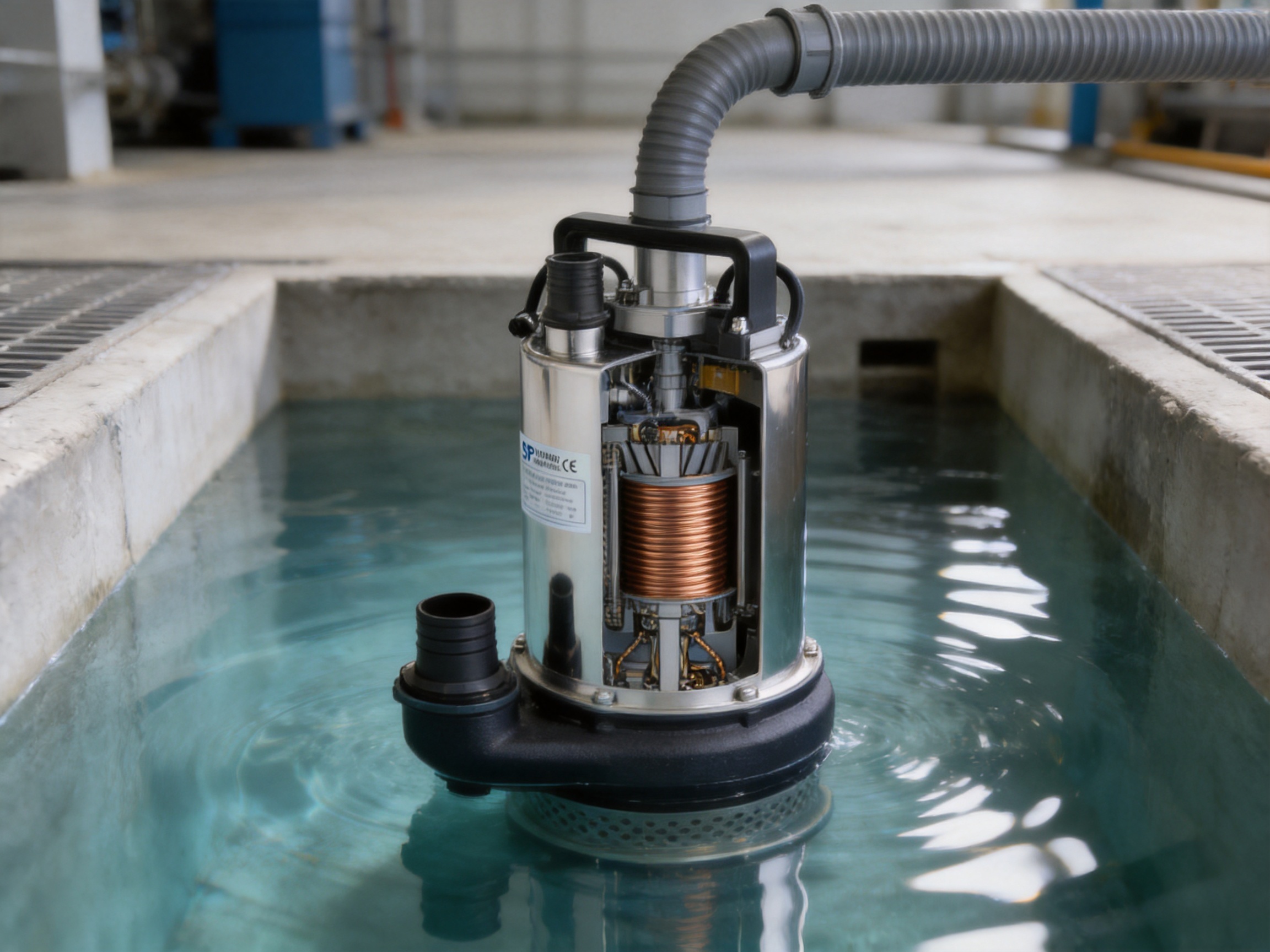
Urban wells and water collection points may require compact equipment that can operate in restricted spaces. The SPS can be considered for suitable shallow well pumping tasks where the water temperature, depth, liquid cleanliness, discharge requirements, and electrical supply match the product specifications.
Before installation, the user should determine the well diameter and available clearance. The pump must be able to enter and operate without being trapped. The discharge pipe should be routed to avoid unnecessary bends and excessive resistance. The water should also be assessed for sand, stones, fibrous material, and other solids that could affect the pump.
Agricultural water management frequently involves moving water between fields, ponds, tanks, channels, and low-lying areas. The SPS can support small electrical irrigation and drainage tasks by transferring water from a collection point to an irrigation destination or by removing excess water after rainfall.
Field use requires attention to cable protection, pump placement, and debris control. Mud, leaves, roots, and stones should be prevented from entering the pump whenever possible. The unit should be positioned securely so that it does not roll, become buried, or rest directly in heavy sediment. A suitable intake screen or installation arrangement may be necessary depending on site conditions.
Garden irrigation often requires a compact and easily managed water-transfer solution. The SPS can move water from a storage tank, pond, or collection point to a hose or irrigation line. Its submersible arrangement can reduce the need for a large external pump base and can be useful where the water source is below ground level or located in a narrow space.
Garden users should remember that pump selection depends on the irrigation method. A small hose, sprinkler, drip line, or elevated outlet creates different flow and pressure requirements. The pump should be selected and installed according to the required head and flow rather than by motor size alone.
In residential environments, the SPS may be applied to non-potable water supply, rainwater transfer, basement drainage, garden water movement, and other household tasks. The product can be useful during heavy rainfall or when a tank, pit, or low area needs to be emptied.
Household users should distinguish between general water transfer and drinking-water applications. Unless the complete product system is specifically approved for potable water, the pump should not be used to supply drinking water. The liquid temperature and composition must remain within the specified conditions.
Construction areas often collect rainwater or groundwater in excavations, foundation pits, service trenches, and temporary storage areas. Removing this water helps maintain safer and more workable conditions. A movable submersible pump is practical because it can be placed at the lowest point and relocated as the work progresses.
Construction sites can be harsh environments. The pump may encounter sediment, vibration, debris, changing water levels, and frequent movement. Operators should inspect the unit regularly, prevent cable damage, and avoid operating the pump when the water level is too low for safe cooling or when the intake is blocked.
Livestock facilities need effective water management for cleaning, drainage, and general utility operations. The SPS can help remove accumulated water from suitable areas and transfer water for non-potable facility use. The actual liquid must be evaluated because animal waste, chemicals, solids, and abrasive materials can influence pump suitability.
Cleaning procedures should be established after use in contaminated environments. The pump, cable, discharge hose, and surrounding area should be handled according to the facility’s hygiene and safety procedures. Proper separation between electrical equipment and exposed personnel is essential.
Industrial premises may experience water accumulation in service areas, storage zones, pits, workshops, or external yards. The SPS can be considered for compatible accumulated water where the liquid remains within the maximum temperature and application limits.
Industrial buyers should provide detailed fluid information before final selection. The presence of oil, solvents, corrosive chemicals, high concentrations of solids, abrasive particles, or elevated temperatures may require a different pump design. The SPS is best understood as a practical water and drainage pump for compatible liquids, not as a universal chemical-process pump.
Correct installation is essential for obtaining the expected benefit from any submersible pump. Before use, inspect the pump body, power cable, plug or terminal arrangement, discharge outlet, and visible seals. Do not use equipment with damaged insulation, cracked housing, loose parts, or signs of water intrusion.
Place the pump on a stable surface or suspend it in a controlled manner where appropriate. Avoid positioning it directly in deep mud or loose sediment. The intake should remain open, and the surrounding area should be kept clear of large debris. If the site contains leaves, fibers, stones, or other material, a suitable protective screen or pre-filtering arrangement may be required.
Measure the total pumping requirement. This includes the vertical lift from the water surface or pump outlet to the discharge point, the length of the pipe or hose, the number of bends, and any valves or restrictions. A long or narrow discharge line can reduce the actual flow. The pump should not be judged only by the nominal outlet size or motor rating.
Respect the maximum immersion depth of 5 meters. Installing the pump deeper than the specified limit can increase pressure on seals and housing components. Also respect the maximum liquid temperature of 40°C. If the liquid temperature is uncertain, measure it before operation and during the most demanding part of the process.
Use a compatible power supply. Voltage, frequency, phase, plug configuration, grounding, circuit protection, and cable size must match the product and local electrical requirements. A qualified electrician should handle permanent connections or installations in wet areas. The power supply should include appropriate residual-current or ground-fault protection where required by local regulations.
Never lift or lower the pump by pulling on the electrical cable. Use the designated handle, rope, or lifting arrangement if supplied. Cable strain can damage internal connections and compromise water resistance. Keep the cable away from sharp edges, vehicle traffic, heat sources, and moving equipment.
Do not allow the pump to run dry unless the manufacturer specifically confirms that the design permits it. The surrounding liquid helps support cooling and normal pumping. If the water level falls below the safe operating level, switch off the pump and reposition it or wait until sufficient water is available.
Routine maintenance begins with observation. Operators should listen for unusual noise, monitor changes in flow, inspect vibration, and check whether the pump takes longer than normal to drain the same area. A sudden change may indicate blockage, wear, a damaged hose, a power-supply problem, or a change in water conditions.
Before cleaning or inspection, disconnect the power supply completely. Never place hands near the intake or rotating components while the pump is energized. Remove accumulated debris using safe tools and follow the manufacturer’s service instructions. If the pump has been used in dirty or contaminated water, clean the exterior and discharge path appropriately.
Inspect the cable and sealing points regularly. Small cuts, abrasions, flattened sections, or exposed conductors can create serious hazards. A damaged cable should be repaired or replaced by qualified personnel rather than covered temporarily with unsuitable tape.
At the end of seasonal use, drain and clean the pump as appropriate, allow external surfaces to dry, and store the unit in a protected place. Avoid long-term storage in direct sunlight, corrosive atmospheres, freezing conditions, or locations where the cable can be crushed.
Preventive maintenance is normally less expensive than emergency replacement. For professional users, a basic maintenance record can include installation date, operating location, liquid type, inspection date, observed flow condition, cleaning activity, and any service performed. This information helps identify recurring site problems and supports better equipment planning.
Buyers should begin with the application rather than the product name. Important questions include: What liquid must be moved? What is the required flow rate? How high must the liquid be lifted? How far must it travel horizontally? How often will the pump operate? What is the liquid temperature? Are solids or abrasive particles present? What power supply is available?
The SPS is particularly relevant when the project requires a submersible arrangement, a maximum immersion depth of up to 5 meters, normal-temperature liquid handling up to 40°C, and motor features such as copper winding, thermal protection, Class B insulation, and IPX8 protection.
Distributors should also consider the market in which the pump will be sold. Local electrical standards, labeling rules, cable requirements, packaging, warranty procedures, spare parts, and user documentation may vary. An export-oriented manufacturer can help clarify these factors before a large order is placed.
Sample testing is useful for larger projects. A buyer may test the pump under representative conditions, observe flow and discharge behavior, review noise and vibration, inspect packaging, and evaluate the clarity of technical documents. Testing should reproduce the actual hose length, lift, liquid condition, and operating cycle as closely as possible.
For repeat orders, consistency and communication are important. Buyers should confirm the exact product configuration, electrical parameters, packaging, marking, accessories, inspection expectations, and delivery schedule. Written specifications reduce the possibility of misunderstanding between the purchaser and manufacturer.
A pump is a technical product with several interacting systems. The motor, winding, insulation, thermal protection, seals, housing, rotating assembly, cable, and discharge structure must work together. Manufacturing capability determines how consistently these elements are produced and assembled.
An integrated manufacturer can support the product through more stages of its life cycle. Research and development addresses the initial design. Production converts the design into repeatable units. Quality and inspection activities help identify defects. Export services bring the product to international customers. After-sales communication provides feedback for future improvements.
The manufacturer’s experience since 2008, its focus on independent development and mass production, and its broad pump portfolio form a useful foundation for international purchasing. The company’s investment in solar water pumps and intelligent booster pumps since 2018 also demonstrates an interest in new energy and intelligent technology. These initiatives complement the conventional submersible pump range and show an effort to respond to changing water-management requirements.
For customers, this broader capability can create practical benefits. A contractor may source different pump categories from one experienced supplier. A distributor may develop a more complete product catalog. An engineering buyer may obtain coordinated technical support across several applications. A global client may receive assistance with procurement planning, order tracking, and cross-border delivery.
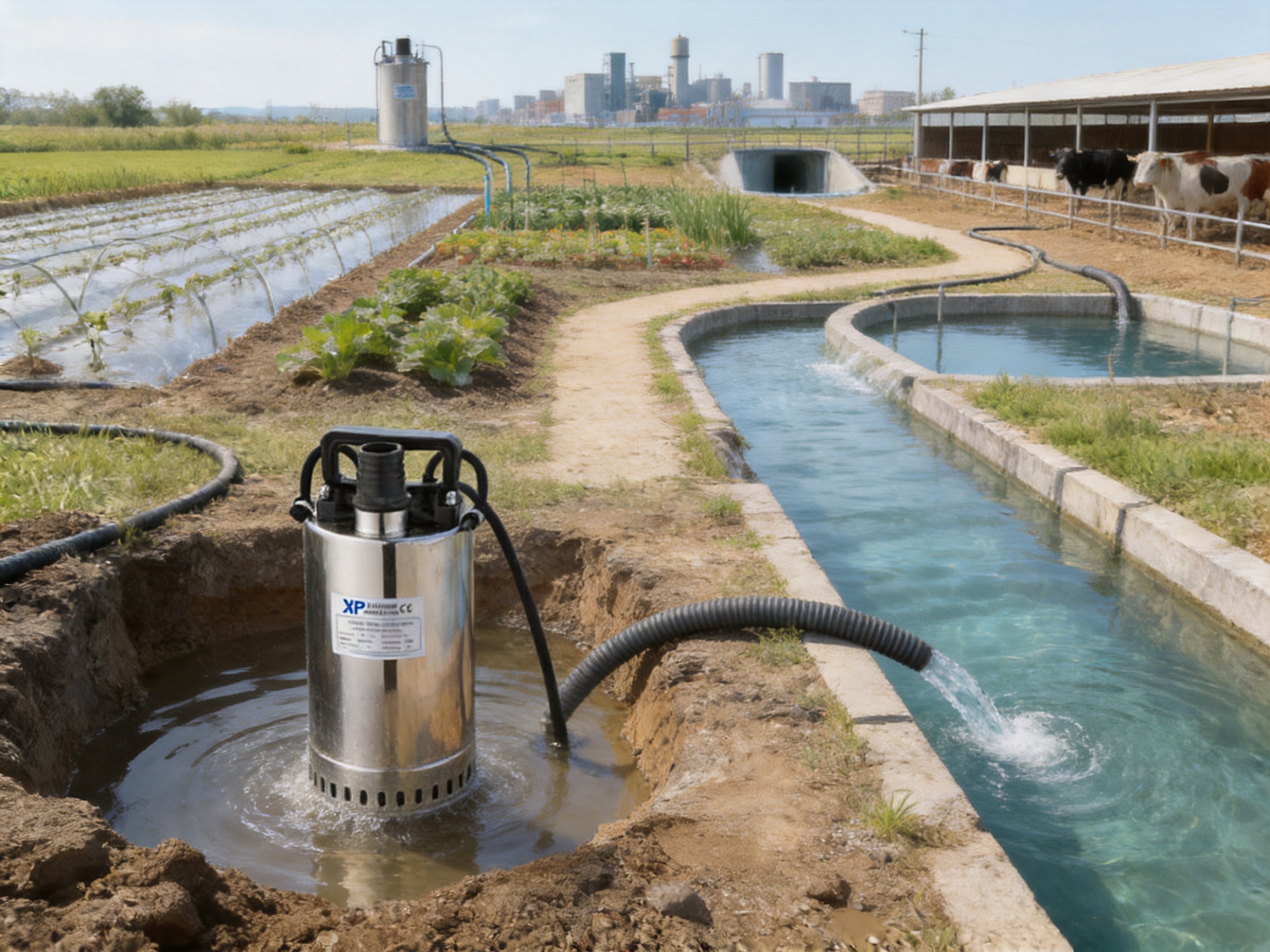
Quality should be considered in terms of suitability, consistency, protection, and serviceability. A pump that is technically powerful but incorrectly matched to the application may perform poorly. The SPS’s value is strongest when it is used within the stated immersion depth, liquid temperature, electrical conditions, and fluid compatibility requirements.
Safety is equally important. Water and electricity create a hazardous combination when installation is careless. The pump should be grounded and protected according to local requirements. Personnel should not enter a tank, well, pit, or flooded area while the pump is connected to power. The equipment should be isolated before adjustment or maintenance.
Responsible use also includes avoiding unnecessary energy consumption. Select a pump that matches the required flow and head. Oversizing can increase energy use and may create excessive flow or pressure in the discharge system. Undersizing can cause long operating times and poor drainage. Correct sizing supports both operating economy and equipment life.
Environmental responsibility includes proper disposal of damaged electrical equipment, packaging materials, and replaced components. Users should prevent contaminated water from being discharged into unauthorized areas. The destination of sewage, industrial water, and livestock-related wastewater must comply with applicable local rules.
The SPS is a submersible sewage pump designed for small electrical irrigation and drainage tasks. It operates directly in the water or accumulated liquid and transfers the liquid through a connected discharge line.
The specified maximum immersion depth is 5 meters. The installation should remain within this limit, and the buyer should also consider total head, pipe friction, liquid conditions, and electrical requirements.
The maximum specified liquid temperature is 40°C. The pump is intended for normal-temperature water and compatible drainage liquids, not for hot-water or high-temperature industrial applications beyond this limit.
Yes. The motor is specified with copper winding. Copper supports good electrical conductivity and contributes to stable motor operation when combined with suitable insulation, protection, and correct operating conditions.
The built-in thermal protector helps respond to excessive motor temperature. It provides an additional layer of protection during abnormal conditions such as overload or restricted operation. It does not replace correct installation, circuit protection, grounding, or maintenance.
IPX8 indicates that the pump is designed for continuous immersion under conditions defined by the manufacturer. Users must still protect the cable, maintain proper electrical connections, and operate the pump according to the installation instructions.
The provided product information identifies irrigation, drainage, household supply, construction, garden, industrial accumulated water, and livestock-related uses. Unless a specific configuration has the required potable-water approvals, the pump should not be assumed suitable for drinking water.
No pump should be assumed to handle every sewage or industrial liquid. The actual liquid must be checked for solids, fibers, chemicals, abrasives, oil, temperature, and other characteristics. Buyers should confirm compatibility before applying the pump to demanding sewage conditions.
Users should not operate the pump dry unless the manufacturer specifically confirms that dry running is permitted. Maintain an adequate liquid level to support safe operation and cooling.
Check the liquid type and temperature, immersion depth, required flow, discharge height, pipe length, electrical supply, cable condition, intake clearance, and destination of the discharged water. The pump should also be inspected for visible damage.
The manufacturer has operated since 2008 and combines independent research and development, mass production, and global export. This integrated capability can support product consistency, application communication, supply planning, and international order coordination.
Yes. Its stated product lines include deep well pumps, submersible pumps, domestic booster pumps, circulation pumps, solar water pumps, intelligent booster pumps, and other pump-related products. This broader portfolio can support one-stop sourcing for different water-management applications.
It can be suitable for compatible construction water supply and drainage tasks, including the removal of accumulated water from appropriate work areas. Construction users should protect the cable, manage sediment and debris, prevent dry running, and verify the required head and flow.
Disconnect power before maintenance, remove debris safely, inspect the cable and housing, monitor unusual noise or vibration, and clean the unit after use in dirty water. Store it in a protected location when not in service.
The buyer should provide the intended application, liquid type, temperature, required flow, vertical lift, pipe distance, operating frequency, local voltage and frequency, quantity, packaging expectations, and any market-specific documentation or labeling requirements.
The Submersible Sewage Pump SPS is a practical solution for small electrical irrigation, drainage, and water-transfer applications. Its submersible configuration allows direct placement in the liquid, reducing suction-side complexity and making the product useful in wells, pits, fields, gardens, construction areas, household locations, livestock facilities, and compatible industrial sites.
The product’s main technical strengths include a maximum immersion depth of 5 meters, a maximum liquid temperature of 40°C, copper motor winding, a built-in thermal protector, Class B insulation, and IPX8 protection. Together, these features support dependable operation in the demanding environment associated with immersed electric pumping.
Compared with basic alternatives, the SPS offers a balanced combination of installation flexibility, motor protection, immersion capability, and application versatility. Its value is further supported by the manufacturer’s integrated capabilities in independent research and development, mass production, international export, procurement planning, order tracking, and cross-border delivery.
For the best results, the pump should be selected according to the actual liquid, flow requirement, total head, temperature, immersion depth, electrical supply, and installation environment. When correctly matched and maintained, the SPS can provide a reliable foundation for everyday water management across agricultural, residential, construction, commercial, and light industrial applications.
1. Product information supplied for the Submersible Sewage Pump SPS, including application range, motor construction, immersion depth, liquid temperature, insulation class, and protection class.
2. General principles of electric motor construction, copper winding, thermal protection, and motor insulation classification.
3. General guidance on ingress protection ratings and equipment designed for continuous immersion.
4. General pump-selection principles covering flow rate, total dynamic head, pipe friction, liquid temperature, and fluid compatibility.
5. Manufacturer profile and corporate information supplied for Taizhou Edwin Electric Co., Ltd., including research and development, mass production, export services, and product categories.
6. General safety practices for electrical equipment used in wet environments, construction drainage, agricultural irrigation, and household water transfer.
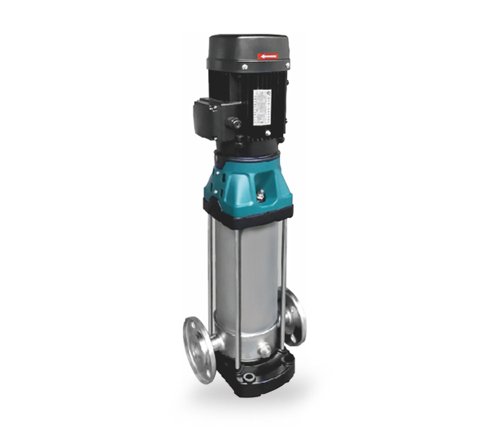
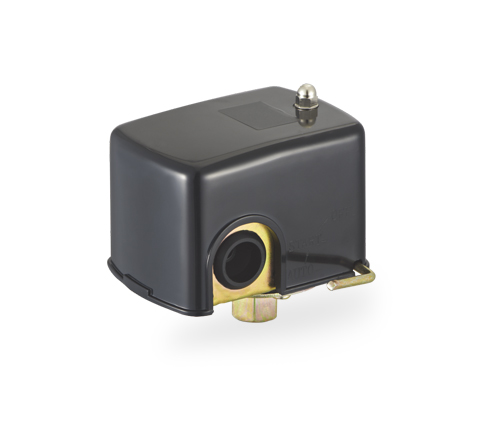
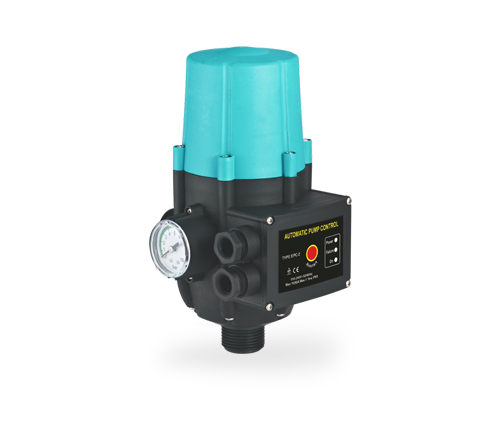
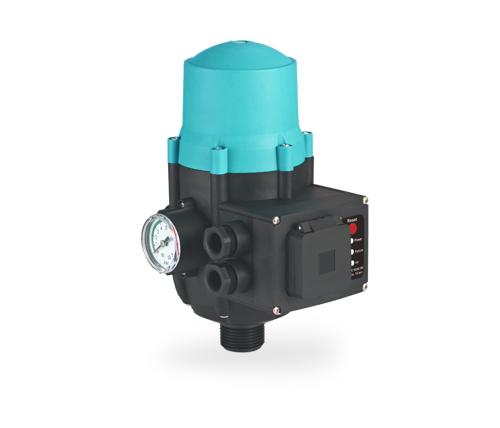
aseriesnoisereductiondesignacid-baseverticalsurfacepump-1.jpg "EV(F)A Series Noise Reduction Design Acid-base Vertical Surface Pump")
edwina@edwin-pump.com
+86-13586290903 (WhatsApp)
Xuri Gongliang Cutting Tool Entrepreneurship Park, Wenqiao Town, Wenling City, Taizhou City, Zhejiang Province, China

High Performance Smart Pump Factory


 English