
edwina@edwin-pump.com

View All Products
en
Hot water recirculation systems are designed to solve one common household problem: waiting too long for hot water. By continuously moving heated water through the plumbing loop, users can access warm water faster and reduce the amount of cold water wasted during daily activities.
However, some users notice an unusual issue after installing a recirculation system—the cold water line becomes warm, or hot and cold water temperatures seem inconsistent. This creates an important question: Could a Hot And Cold Water Heating Recirc Pump accidentally mix hot and cold water during operation?
The answer is possible, but the pump itself is rarely the only cause. Temperature mixing usually happens because of system design, bypass valve conditions, check valve problems, incorrect piping connections, or unsuitable installation methods. A properly configured recirculation system should maintain hot water circulation without significantly affecting the cold water supply.
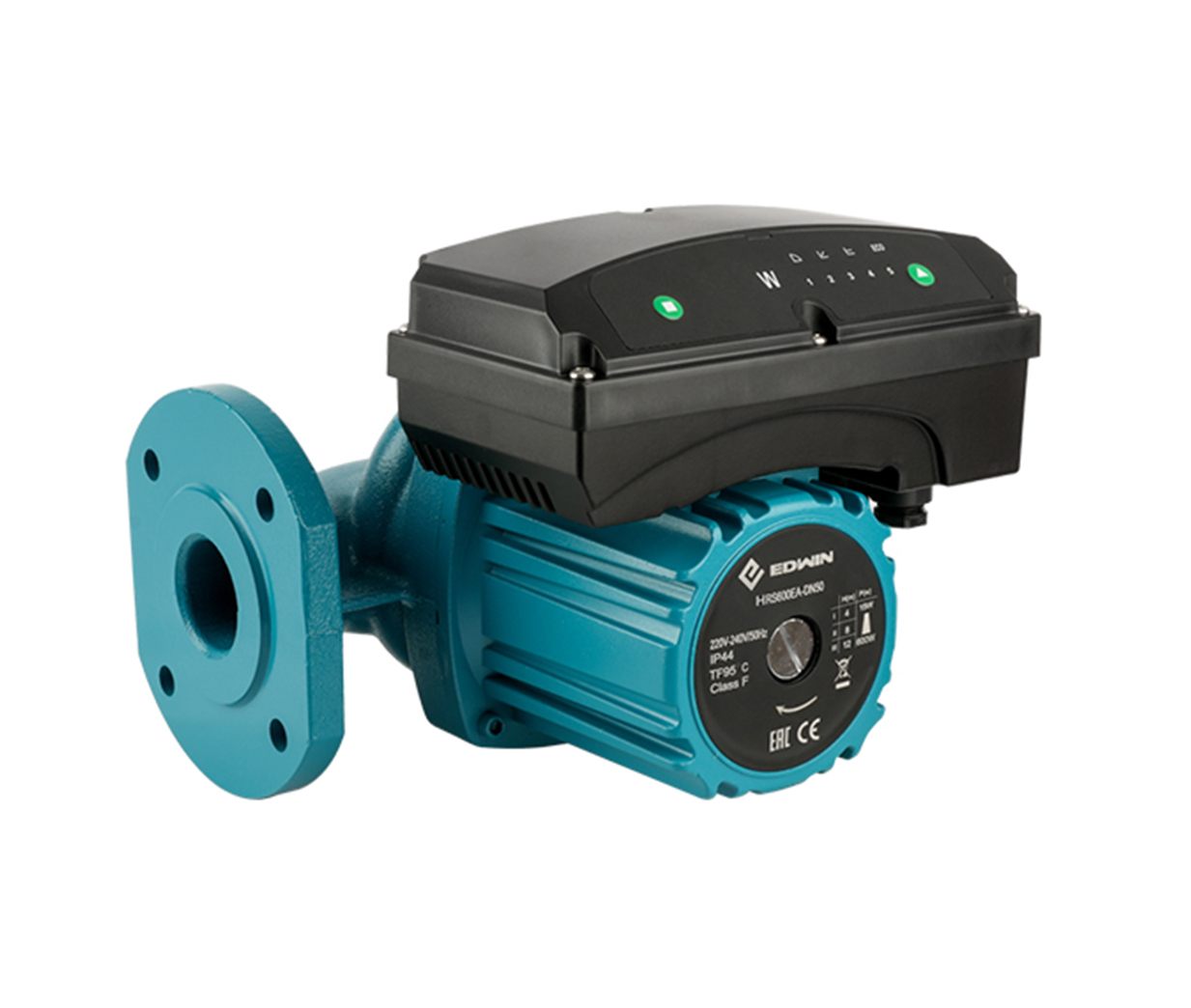
A hot water recirculation pump moves cooled water from the hot water supply line back toward the heater. This circulation keeps hot water available closer to faucets and fixtures.
The basic circulation process includes:
There are two common system layouts:
| System Type | Return Method | Temperature Mixing Risk |
| Dedicated Return Line | Separate hot water return pipe | Lower risk |
| Cold Water Bypass System | Uses cold water line as temporary return path | Higher possibility of warm cold-water pipes |
Systems using a cold water line as a return path are convenient for existing buildings, but they require properly functioning bypass valves and check valves to prevent unwanted temperature transfer.
Warm water appearing from a cold faucet is one of the most common complaints related to recirculation systems. Several factors may create this situation.
A bypass valve allows cooled water from the hot water line to return through the cold water pipe in systems without a dedicated return loop.
The valve should close after the hot water reaches the designed temperature. A damaged or incorrectly adjusted valve may remain partially open, allowing warm water to continue entering the cold water line.
Possible symptoms include:
A malfunctioning bypass valve is a recognized cause of hot water entering cold pipes in recirculation systems.
Check valves control the direction of water movement. Without proper backflow prevention, pressure differences may push hot water into areas where cold water should remain.
| Component | Function | Possible Problem |
| Check Valve | Prevents reverse water flow | Hot water travels backward |
| Bypass Valve | Controls temporary crossover flow | Continuous temperature mixing |
| Mixing Valve | Balances outlet temperature | Incorrect hot/cold ratio |
Proper valve selection and placement are essential because even a reliable pump cannot correct incorrect water direction inside the plumbing system.
The plumbing layout determines how water moves through the system.
Common design problems include:
A recirculation pump creates continuous movement, so small design errors that may not appear in a standard plumbing system can become noticeable after installation.
A properly installed system should not damage the cold water supply. The purpose of the pump is to maintain hot water availability, not to heat cold water pipes.
However, a bypass-based system may temporarily introduce warmer water into the cold line during circulation.
| Operating Condition | Expected Result |
| Dedicated return loop | Hot and cold water remain separated |
| Correct bypass operation | Temporary crossover stops after temperature reaches the set point |
| Faulty bypass valve | Warm water continues entering cold line |
| Missing check valve | Reverse flow may occur |
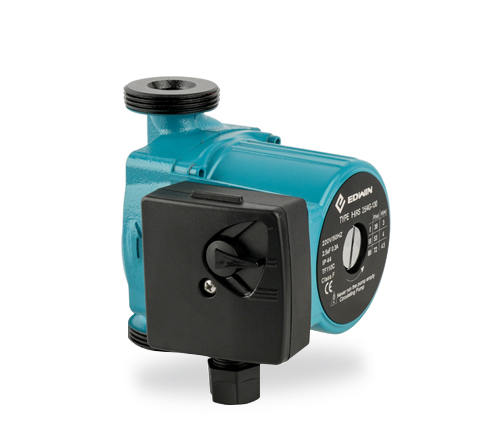
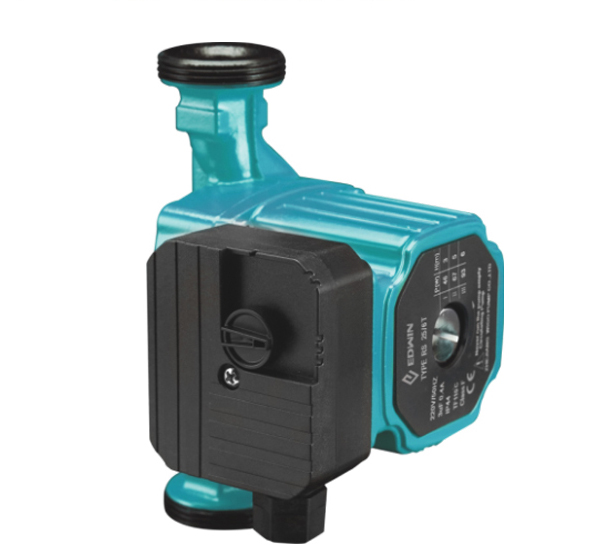
A well-designed Hot And Cold Water Heating Recirc Pump usually includes several features that improve temperature control.
Temperature sensors can stop or reduce circulation after reaching the required water temperature. This prevents unnecessary operation.
Integrated check valves help control water direction and reduce reverse flow risks.
Adjustable speed control allows the pump to match different water demands instead of maintaining excessive circulation.
Materials such as stainless steel or corrosion-resistant engineering plastics improve durability in hot water environments.
| Specification | Typical Range |
| Voltage | 110V / 220V |
| Motor Power | 5W–100W |
| Maximum Head | 2–10 meters |
| Flow Rate | 5–40 L/min |
| Liquid Temperature | 60°C–95°C |
| Pump Body Material | Stainless steel / Composite materials |
| Control Options | Timer / Thermostat / Smart controller |
Users can improve system stability through several practical steps:
Pipe insulation is also important because heat loss can increase circulation frequency and affect system temperature stability.
| Symptom | Possible Cause |
| Cold water feels warm | Bypass valve or check valve issue |
| Hot water temperature changes frequently | Mixing or circulation imbalance |
| Pump runs continuously | Incorrect control settings |
| No fast hot water improvement | Air blockage or insufficient flow |
| Noisy operation | Air inside system or pump stress |
A recirculation pump can significantly improve hot water convenience, but the system design should match the building structure.
Homes with long plumbing distances, multiple bathrooms, or frequent hot water usage often benefit from recirculation systems. Smaller systems with short pipe runs may not require continuous circulation.
The correct solution depends on:
A Hot And Cold Water Heating Recirc Pump is designed to improve hot water availability, not create temperature confusion. Unexpected mixing between hot and cold water usually comes from valve problems, piping design issues, or incorrect system configuration rather than the circulation function itself.
Understanding how bypass valves, check valves, and return systems work helps users avoid common problems. With suitable installation and proper control methods, a recirculation pump can provide faster hot water access while keeping the cold water system operating normally.
edwina@edwin-pump.com
+86-13586290903 (WhatsApp)
Xuri Gongliang Cutting Tool Entrepreneurship Park, Wenqiao Town, Wenling City, Taizhou City, Zhejiang Province, China

High Performance Smart Pump Factory


 English