
edwina@edwin-pump.com

View All Products
en
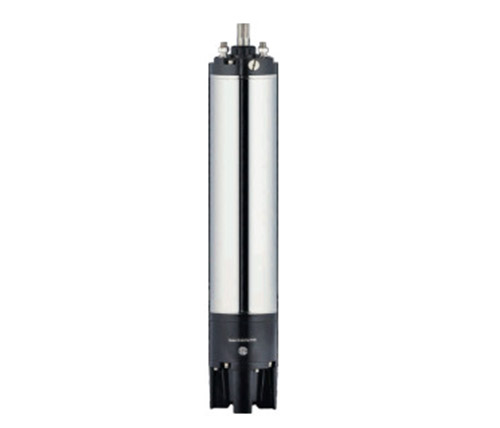
A Deep Well Pump is designed to draw water from wells that are significantly deeper than standard household sources. These pumps are widely used in agricultural irrigation, industrial processes, and municipal water supply systems. By providing steady water flow from underground sources, Deep Well Pumps ensure reliable access to water where it isneeded.
The pump's design allows it to lift water from tens to hundreds of meters below ground, depending on the specific model and well conditions. Its robust construction ensures performance even under continuous operation.
Deep Well Pumps typically consist of a motor, a vertical column assembly, and a pump bowl at the bottom of the well. The motor, usually located at the surface, drives a long shaft that rotates the impeller in the pump bowl. As the impeller turns, it lifts water into the column and delivers it to the discharge point.
This vertical design allows for efficient water transport while minimizing pressure loss. Materials used in construction are often corrosion-resistant and built to handle water with varying sediment levels.
Deep Well Pumps are commonly used in agriculture to supply irrigation water to crops, especially in areas where surface water is limited. In industrial settings, they provide water for cooling systems, manufacturing processes, and cleaning operations. Municipal water systems also rely on Deep Well Pumps to deliver consistent water to residential and commercial areas.
Because these pumps can operate continuously and handle large volumes, they are essential in settings that demand uninterrupted water flow.
One of the main benefits of a Deep Well Pump is its ability to provide steady, reliable water from deep underground sources. This reduces interruptions in water supply, which is crucial for agriculture, industrial production, and municipal services.
Durability is another advantage. Deep Well Pumps are built to withstand constant use and the stresses of pumping water over long vertical distances. Routine maintenance, such as lubrication, inspection of bearings, and cleaning of the pump bowl, helps maintain efficiency and prolongs service life.
Correct installation is critical for the performance of a Deep Well Pump. The pump must be aligned properly in the well, and the column and discharge piping securely connected. Monitoring water quality is important to prevent damage from sand, silt, or mineral deposits.
Maintenance routines typically include checking the alignment of the shaft, lubricating bearings, and inspecting impellers for wear. Regular attention reduces the risk of mechanical failure and ensures consistent performance over time.
Energy use is an important factor when operating Deep Well Pumps. Selecting a pump that matches the depth of the well and required flow reduces unnecessary energy consumption. Variable speed drives and efficient motors can further improve energy efficiency.
Sustainable use of Deep Well Pumps also includes careful management of water extraction to avoid over-pumping, which protects underground aquifers and ensures long-term water availability.
Deep Well Pumps offer a dependable method for accessing underground water, combining durability, efficiency, and adaptability. They serve agricultural, industrial, and municipal needs by providing a consistent water supply while supporting long-term sustainability.
By choosing the right Deep Well Pump and maintaining it properly, users can ensure efficient operation, reduce downtime, and achieve reliable water delivery for a wide range of applications. These pumps demonstrate how well-designed technology can provide practical solutions to water supply challenges.
edwina@edwin-pump.com
+86-13586290903 (WhatsApp)
Xuri Gongliang Cutting Tool Entrepreneurship Park, Wenqiao Town, Wenling City, Taizhou City, Zhejiang Province, China

High Performance Smart Pump Factory


 English