
edwina@edwin-pump.com

View All Products
en
Buying a water pump is rarely an isolated transaction for an industrial distributor, engineering contractor, or system integrator. A project may require the same pump series across several installations, replacement units years later, or spare components that match equipment already operating in the field. This makes the relationship between buyers and water pump manufacturers more important than a single quotation.
A long-term supply partnership depends on more than production capacity. Product consistency, technical communication, component availability, and the ability to respond to changing project requirements can have a direct impact on procurement planning.
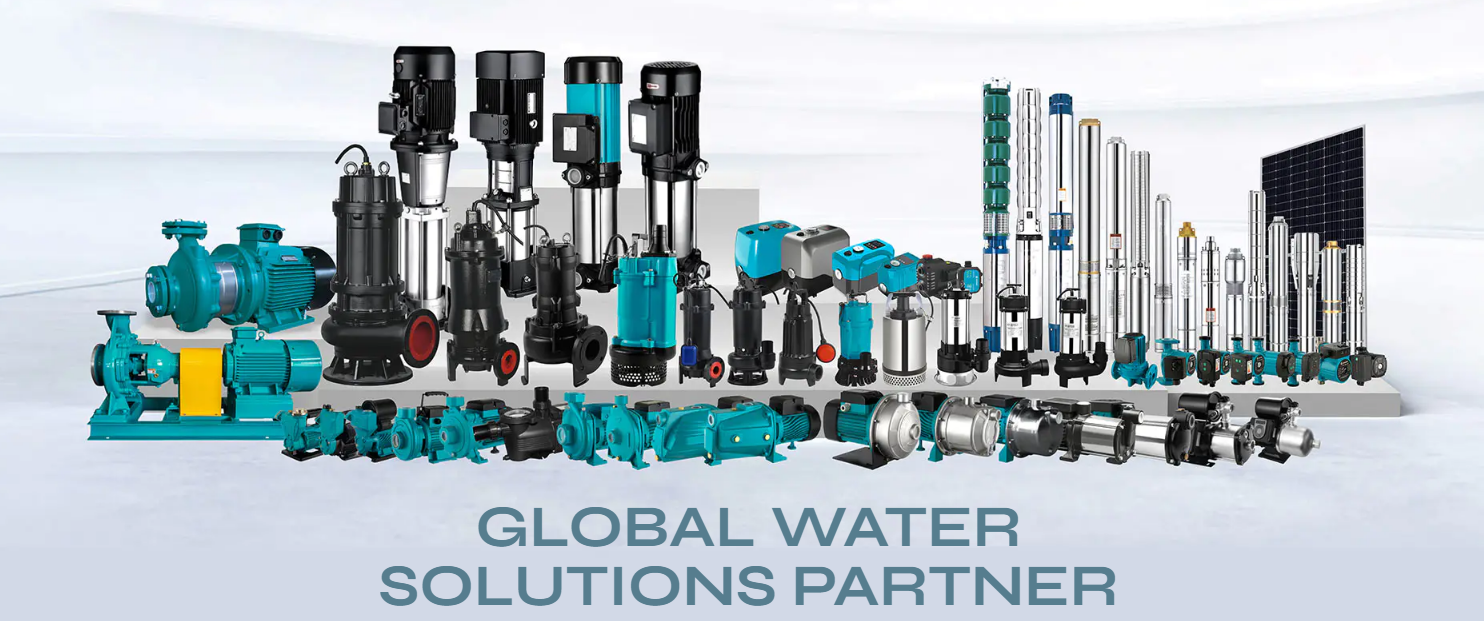
A pump purchased today may become part of a larger system that needs additional units months or years later. Sudden changes to dimensions, motor configuration, impeller design, or connection standards can create unnecessary engineering work.
Reliable supply therefore starts with maintaining consistent product specifications across repeat orders.
| Parameter | Typical Consideration |
| Flow Rate | m³/h or L/min according to application |
| Head | Required pressure elevation, measured in m |
| Motor Power | kW or HP according to duty point |
| Material | Cast iron, stainless steel, or application-specific options |
| Connection | Threaded or flanged configuration |
These details give purchasing teams a common technical reference rather than relying on product names alone.
A long-term pump program needs more than complete units. Mechanical seals, bearings, impellers, shafts, gaskets, and other components may be required during the equipment lifecycle.
At Edwin Pump, we understand that compatibility matters. A replacement component should correspond with the relevant pump model and configuration instead of becoming a separate engineering problem.
This approach can make inventory planning easier for buyers that support multiple projects or regional customers.
Product supply becomes more valuable when technical communication continues after shipment. Pump applications can involve different water temperatures, pipe layouts, operating pressures, installation conditions, and motor requirements.
A practical support process may cover model confirmation, duty-point review, installation questions, troubleshooting information, and replacement-part identification. Industry service practices also commonly include commissioning assistance, technical documentation, operator training, and spare-parts support as part of long-term pump service.
At Edwin Pump, we can structure communication around the actual application rather than treating every inquiry as a standard product request.
Not every buyer needs the same pump configuration. A distributor may require a particular voltage, while an engineering project may specify a different material, flange standard, motor arrangement, or installation dimension.
Customization gives water pump manufacturers another way to support repeat business. Rather than replacing an entire product range for every application, buyers can discuss modifications based on established pump platforms.
Long-term supply is ultimately a coordination issue as much as a manufacturing issue. Forecasts, technical drawings, packaging requirements, delivery schedules, spare parts, and quality expectations all need clear communication.
At Edwin Pump, our goal is to make each order part of a continuing supply relationship. Consistent specifications, practical technical support, configurable pump solutions, and organized after-sales communication can give distributors and project buyers a clearer path from the initial order to future procurement.
For businesses building a recurring pump supply program, the right question may not simply be which pump has the desired specifications. It is whether the manufacturer can continue supporting those specifications as the business grows.
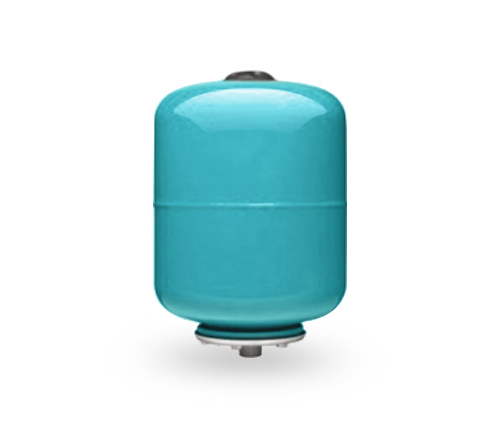
serieswatershortageprotectionvoltagestabilizationstainlesssteelverticalmultistagepump.jpg "EVR(S) Series Water Shortage Protection Voltage Stabilization Stainless Steel Vertical Multistage Pump")
edwina@edwin-pump.com
+86-13586290903 (WhatsApp)
Xuri Gongliang Cutting Tool Entrepreneurship Park, Wenqiao Town, Wenling City, Taizhou City, Zhejiang Province, China

High Performance Smart Pump Factory


 English