
edwina@edwin-pump.com

View All Products
en
Mining, mineral processing, dredging, chemical processing, and wastewater treatment industries often need reliable equipment to transport liquids containing solid particles. A slurry pump is specially designed for handling abrasive mixtures, including mineral slurry, tailings, sand, and other high-density materials. Compared with standard liquid pumps, slurry pumps require stronger structures, wear-resistant materials, and customized designs to maintain stable operation under demanding conditions.
Choosing a suitable slurry pump supplier is an important decision for industrial buyers. The supplier’s manufacturing capability, technical experience, product quality, and after-sales service directly affect equipment reliability and long-term operating costs.
A qualified manufacturer should provide more than a standard product catalog. It should offer engineering support, material recommendations, performance testing, and customized solutions based on different working environments.
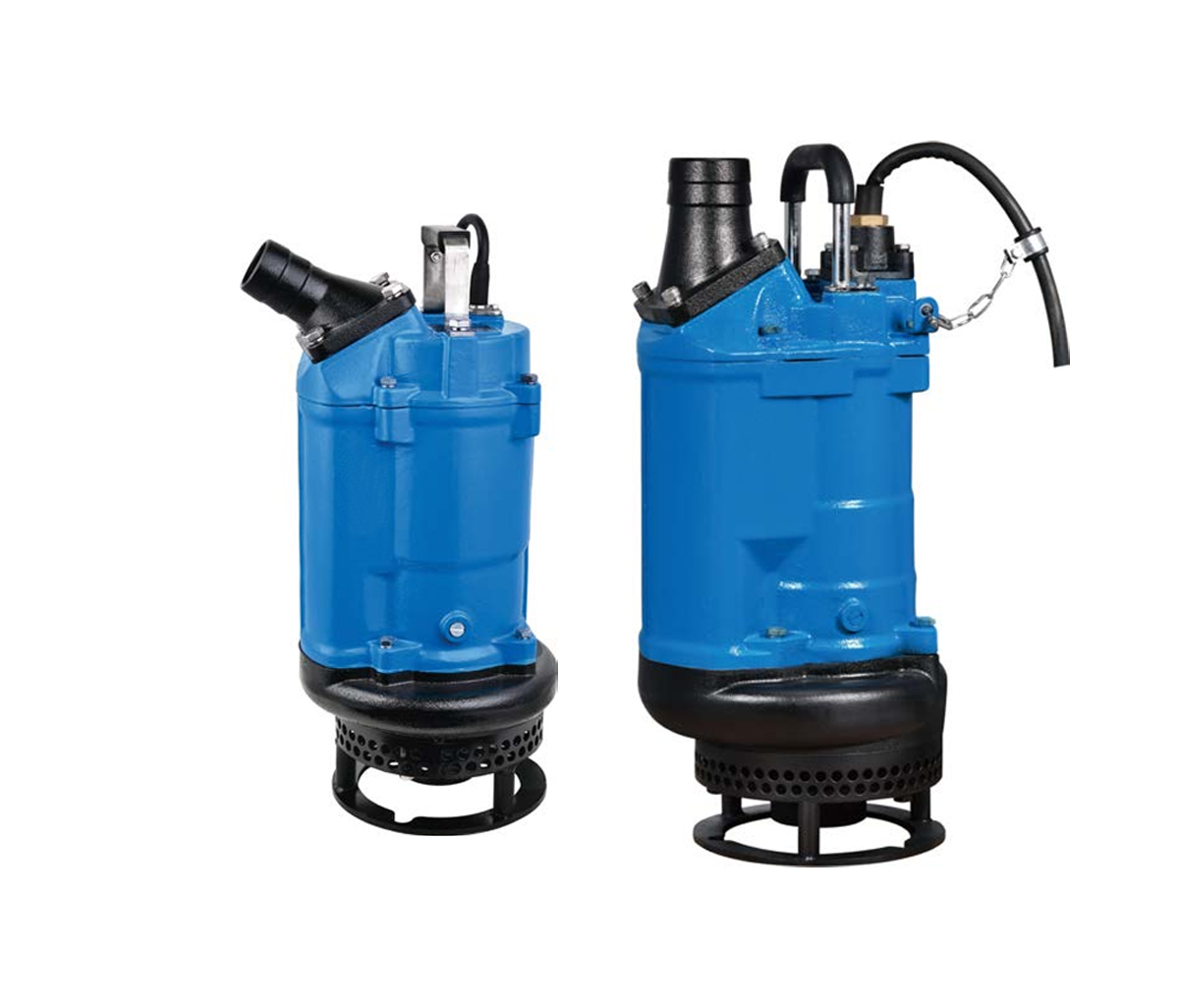
Experience in slurry handling applications is an important factor for evaluating a pump supplier. Different industries have different requirements depending on slurry concentration, particle size, chemical properties, and operating conditions.
A professional manufacturer should understand various applications, such as:
Experienced slurry pump suppliers usually provide different pump structures, including horizontal slurry pumps, vertical slurry pumps, and heavy-duty models designed for abrasive environments. Some industrial designs use high chromium alloy or rubber-lined wet-end components to improve wear resistance.
Material quality directly influences slurry pump service life. Since slurry contains solid particles that continuously impact and rub against internal components, pump manufacturers need to select suitable materials according to operating conditions.
Many heavy-duty slurry pump designs use wear-resistant alloys with hardness levels suitable for abrasive applications. Some manufacturers provide high chromium alloy components, rubber liners, and customized material combinations according to slurry characteristics.
Technical specifications help buyers determine whether a slurry pump matches their project requirements. A supplier should provide detailed performance data instead of only product images or basic descriptions.
| Technical Parameter | Why It Matters |
| Flow Rate (m³/h) | Determines the amount of slurry transported within a specific period. |
| Head (m) | Shows the pressure capability and vertical transportation distance. |
| Solid Concentration | Indicates the pump’s ability to handle high-density slurry. |
| Particle Size | Helps determine suitable impeller and liner materials. |
| Motor Power (kW) | Affects pumping capacity and energy consumption. |
A typical industrial slurry pump may cover a wide performance range, with some heavy-duty models supporting flow capacities from several cubic meters per hour to thousands of cubic meters per hour depending on design requirements.
Different industrial projects rarely require identical pump configurations. A reliable supplier should provide OEM and customized services based on customer application conditions.
Customization options may include:
A manufacturer with engineering capability can analyze slurry density, particle distribution, temperature, and chemical conditions before recommending a suitable pump structure.
A reliable slurry pump supplier should have complete production processes covering casting, machining, assembly, testing, and inspection.
Manufacturers with quality management systems can provide better production consistency for international orders. Buyers should request inspection reports, material certificates, and performance test records before cooperation.
Industrial equipment needs regular maintenance to maintain operating efficiency. A supplier with strong spare parts support can reduce downtime caused by component replacement.
| Service Item | Supplier Support |
| Wear Parts Supply | Provides impellers, liners, seals, and other replacement components. |
| Technical Guidance | Offers installation and operation recommendations. |
| Remote Support | Helps diagnose operating problems. |
| Product Documentation | Provides manuals, drawings, and maintenance information. |
Because slurry pumps operate under abrasive conditions, regular inspection of wet-end components is necessary. Suppliers that maintain spare parts availability can help customers manage long-term equipment operation.
Large industrial projects usually require stable equipment supply schedules. A delay in pump delivery may affect construction progress, production plans, or maintenance arrangements. Therefore, buyers should evaluate whether a slurry pump supplier has sufficient production capacity and project management experience.
A professional supplier should have organized production planning, inventory management, and logistics coordination. Some manufacturers maintain stocks of common wear parts such as impellers, liners, shafts, and bearing assemblies to reduce waiting time during maintenance.
Important delivery-related factors include:
International buyers should review whether a slurry pump supplier has experience serving overseas markets. Export experience usually indicates that the manufacturer understands international product requirements, documentation procedures, and customer communication standards.
Relevant qualifications may include:
Some professional slurry pump manufacturers provide certification documents and operate quality control systems covering raw materials, manufacturing processes, and finished product inspection.
The initial purchase cost is only one part of industrial equipment investment. A lower-priced slurry pump may require frequent maintenance or replacement of wear components, increasing long-term operating expenses.
Buyers should evaluate the total cost throughout the equipment lifecycle, including:
For abrasive applications, suppliers that provide compatible wear parts and technical optimization services can help improve equipment availability. Some manufacturers offer replacement impellers, liners, and other components designed according to original equipment dimensions or customer drawings.
Different working conditions require different pump structures. A supplier with a broad product range can recommend suitable equipment based on slurry characteristics.
| Slurry Pump Type | Typical Application |
|---|---|
| Horizontal Slurry Pump | Mining, mineral processing, tailings transportation, and industrial material transfer. |
| Vertical Slurry Pump | Applications requiring vertical installation or limited space conditions. |
| Submersible Slurry Pump | Dredging, wastewater treatment, and underwater material handling. |
| Dredge Pump | Sand extraction, river dredging, and sediment transportation. |
| Froth Pump | Foam-containing slurry applications such as mineral flotation processes. |
Manufacturers with multiple product series can provide more flexible solutions for mining, chemical, construction, and environmental applications.
Before cooperation, buyers can prepare technical questions to understand whether the supplier can meet project requirements.
Detailed communication before purchasing helps avoid incorrect pump selection and improves project reliability.
Working directly with a slurry pump manufacturer can provide advantages for distributors, engineering contractors, and industrial users. Direct communication allows technical teams to understand operating conditions and provide more accurate recommendations.
Factory cooperation may provide:
Some slurry pump factories offer OEM manufacturing based on customer drawings or technical specifications, including custom pump assemblies and replacement parts production.
Choosing a suitable slurry pump supplier requires careful evaluation of manufacturing capability, material technology, product design, customization services, and long-term support. Industrial applications involving abrasive slurry require equipment that can maintain stable performance under challenging conditions.
A reliable supplier should provide technical guidance, accurate product recommendations, quality testing, and spare parts support throughout the equipment lifecycle. Buyers should focus on overall value, including durability, maintenance requirements, and engineering capability, rather than only comparing initial purchase costs.
By reviewing factory experience, production systems, OEM capabilities, and application knowledge, companies can find a slurry pump partner that meets the requirements of mining, industrial processing, dredging, and other heavy-duty applications.
edwina@edwin-pump.com
+86-13586290903 (WhatsApp)
Xuri Gongliang Cutting Tool Entrepreneurship Park, Wenqiao Town, Wenling City, Taizhou City, Zhejiang Province, China

High Performance Smart Pump Factory


 English