
edwina@edwin-pump.com

View All Products
en
A longest lasting deep well pump is not something people usually think about when everything is working normally. It sits deep below the surface, often completely out of sight, quietly moving water to where it is needed.
Attention usually comes only when something changes. Flow slows down. Pressure feels different. Or maintenance starts happening more often than expected.
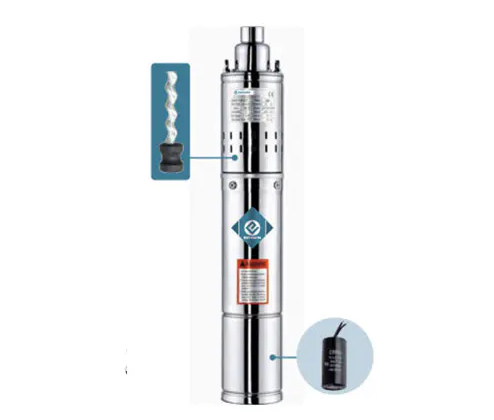
In real conditions, how long a deep well pump lasts is not decided by a single reason. It is shaped by many small things working together. Some come from design. Some come from water conditions. Others depend on how the system is actually used every day.
Longevity is less about one strong factor and more about balance over time.
Installation is where everything begins. Even a reliable pump can behave differently if it is not positioned properly from the start.
If the pump is not aligned well inside the well, movement inside the system can slowly become uneven. At first, the change is hard to notice. Over time, it can lead to unnecessary wear.
Cables are another detail that is easy to overlook. If they are stretched too tightly or not supported well, they can slightly shift the pump position during operation. That small movement can build up stress over long periods.
When installation is done properly, the pump usually does not need attention for a long time. It simply stays in place and works as expected.
Water conditions are not always consistent. Some wells contain fine particles. Others carry minerals or mild corrosive elements.
Since the pump works directly with water, these details matter more than they seem at first.
Tiny particles can slowly enter the system and affect internal movement. This creates friction that was not part of normal operating conditions.
Minerals in water can also settle on inner surfaces. This process is slow and not immediately visible, but it can gradually change how smoothly the system runs.
In cleaner water conditions, pumps tend to operate with less stress. In harsher conditions, some form of filtration or protection often helps reduce long-term impact.
A pump is often judged by how much water it can move at one time. In real use, that is not the most important factor.
What matters more is how steady the operation feels over time.
When the system runs within a stable range, internal parts move in a more predictable way. There are fewer sudden shifts in pressure or load.
When demand changes too often between high and low levels, the pump has to adjust repeatedly. That constant change slowly increases wear.
A stable operating rhythm helps the system feel more "settled" during use. It reduces unnecessary strain in the background.
Inside a deep well pump, different parts are always working together under pressure and movement. The materials used for these parts quietly shape how long the system lasts.
Some materials handle friction better over time. Others are more resistant to moisture or changing conditions.
At the beginning, many pumps may feel similar in performance. Differences usually appear later, after long periods of use.
Materials that resist gradual wear help keep movement smooth inside the system. This supports more stable operation as time passes.
Depth changes the working condition in subtle ways. A deeper installation usually means more pressure and a longer distance for water movement.
These conditions do not stop the pump from working, but they do increase internal effort.
When the pump is not well matched to the depth, it may gradually experience more strain during operation.
A better match between depth and system capability helps reduce that long-term stress and keeps performance more stable.
Cycling refers to how often the pump turns on and off.
This pattern plays a bigger role than many people expect.
Each time the pump starts, internal parts shift from rest into motion. That change creates small stress points. One cycle is not a problem. Repeating it many times over months or years adds up.
When operation is smoother and more continuous, the system avoids frequent transitions. That usually feels easier on the pump.
In many real situations, reducing unnecessary start-stop cycles helps extend service life without changing any hardware.
Maintenance isn't just a one‑off fix. It's made up of regular small checks you keep doing day in and day out.
Tightening connections, watching how water flow changes, and cleaning surrounding parts all keep the whole system running steady.
Most small problems show warning signs early on. If you catch them right away, they're easy to sort out. Left unattended, they slowly turn into serious faults down the line.
Skipping maintenance rarely causes an instant breakdown. Instead, minor wear builds up quietly without anyone noticing.
Sticking to routine care keeps the pump working close to its original performance for much longer.
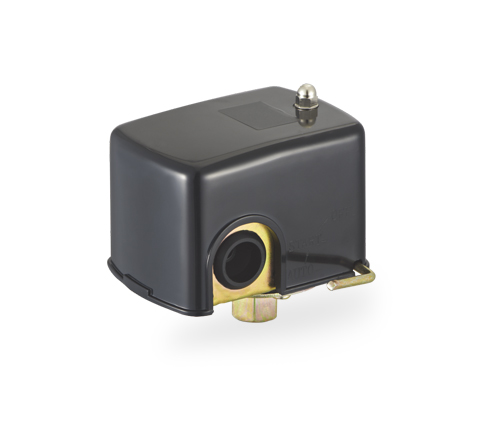
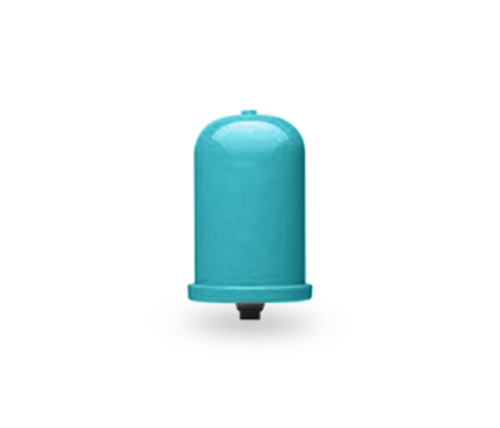
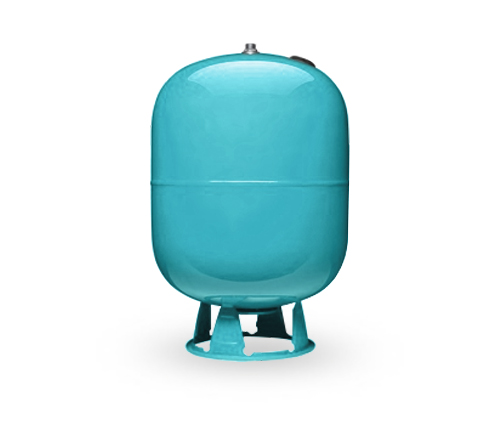
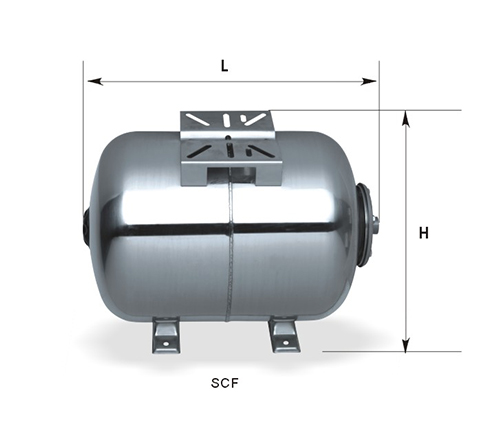
Deep well pumps almost never operate by themselves. They work as part of a full setup with storage tanks, pipes, and control parts.
If these components don't match well, the pump has to keep adjusting non‑stop to shifting working conditions.
This leads to choppy running. Pressure jumps around more than it should, and the pump's load never stays steady.
When the whole system is properly balanced, the pump doesn't have to constantly compensate for mismatched parts. It runs smoothly and follows a predictable rhythm, putting less strain on itself long‑term.
Conditions inside a well never stay perfectly constant. They shift little by little over time.
Water levels rise or fall slightly, temperatures change, and sediment levels go up or down gradually.
These shifts are too small to spot day‑to‑day, but they still change how the pump performs.
For instance, dropping water levels force the pump to work harder. Extra sediment inside the well alters internal water flow patterns bit by bit.
The pump reacts slowly to these subtle changes, which is why problems build gradually instead of hitting all at once.
Load stability simply means keeping the pump's working conditions consistent while it runs.
With steady load, internal moving parts operate in a predictable pattern. The pump doesn't have to keep readjusting constantly.
Frequent load swings make movement unstable. The pump has to react over and over, speeding up wear and tear over time.
Stable load doesn't eliminate stress entirely. It just keeps that pressure even and manageable, extending overall service life.
No single factor decides how long a pump will last. In real use, everything works together.
Installation, water quality, operating habits, maintenance, system design, and environmental conditions all interact.
A pump may still last a long time even in less ideal conditions if other factors are stable. On the other hand, even good conditions cannot fully protect a system if operation is inconsistent.
Lifespan is the result of combined influences, not one isolated reason.
On paper, performance often assumes stable and ideal conditions. Real life is not that consistent.
Water quality changes. Demand shifts. Environmental conditions evolve slowly over time.
Because of this, the working environment is always slightly changing.
A pump that performs well over time is not only well designed, but also supported by stable usage habits and balanced system conditions.
In the end, long service life is less about specifications and more about how everything behaves together in real operation.
| Factor | What happens in real use | Effect on pump lifespan |
|---|---|---|
| Installation quality | Alignment and stability during setup | Stable installation reduces uneven stress |
| Water quality | Presence of particles or minerals | Cleaner water supports smoother operation |
| Operating pattern | Frequency of start and stop cycles | Stable cycles reduce internal wear |
| System balance | Compatibility with connected components | Balanced systems reduce unnecessary load |
| Depth condition | Pressure changes with installation depth | Proper matching reduces long-term strain |
| Maintenance habits | Regular checks and cleaning routines | Consistent care slows gradual performance loss |
edwina@edwin-pump.com
+86-13586290903 (WhatsApp)
Xuri Gongliang Cutting Tool Entrepreneurship Park, Wenqiao Town, Wenling City, Taizhou City, Zhejiang Province, China

High Performance Smart Pump Factory


 English