edwina@edwin-pump.com

View All Products
en
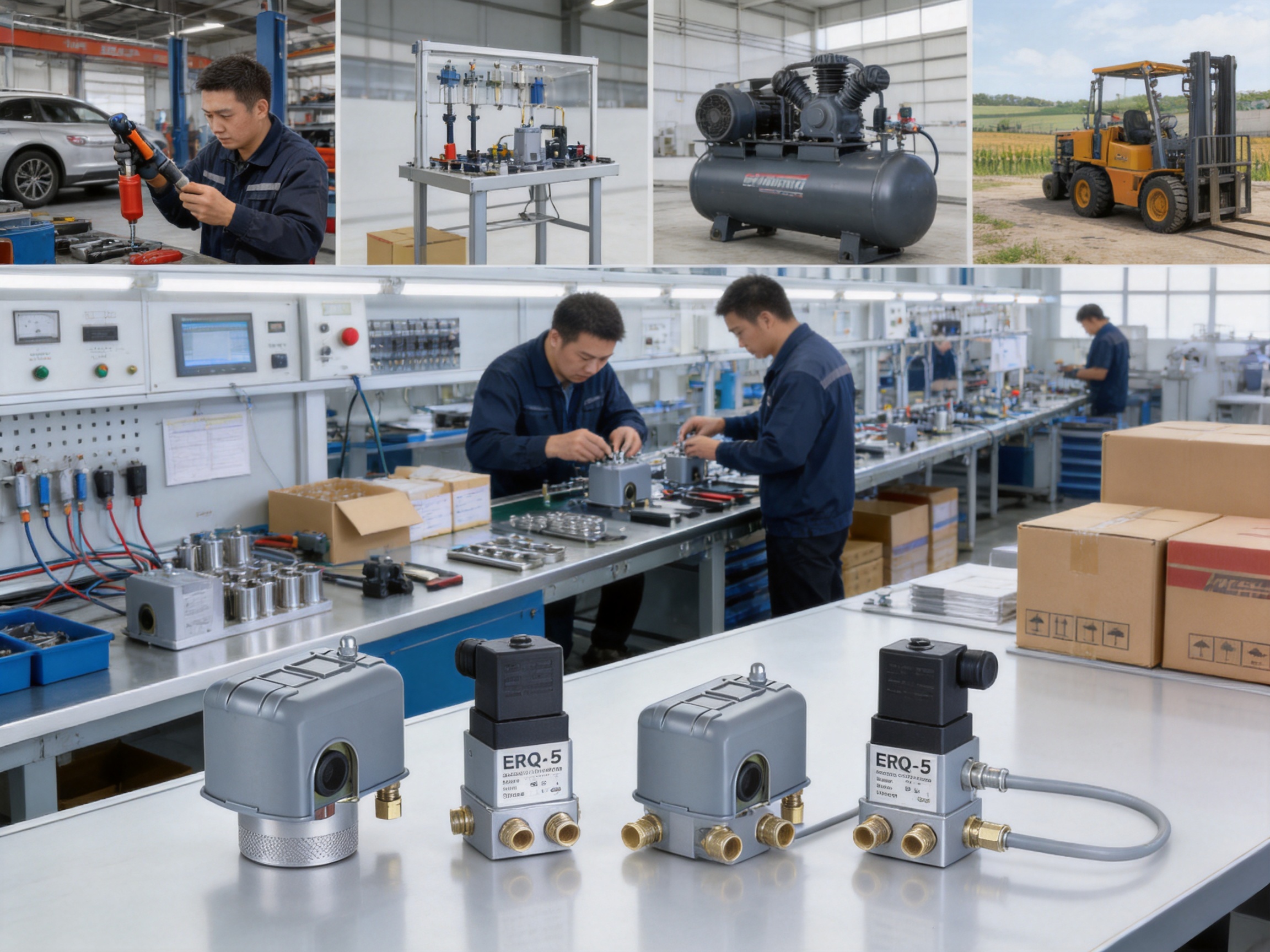
Air compressors depend on accurate and dependable pressure control. Whether installed in a workshop, production line, vehicle service center, construction site, or industrial facility, an air compressor must start and stop at the correct pressure to maintain stable operation, protect the motor, reduce energy waste, and prevent damage caused by excessive pressure. The pressure switch is one of the most important components responsible for this control function.
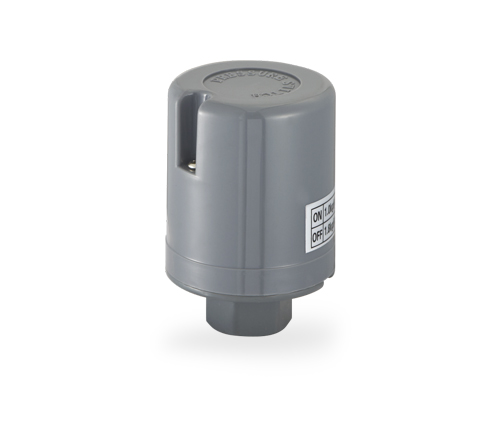
The ERQ-5 Series 50/60Hz Zinc Alloy Bottom Pressure Switch is designed to provide automatic pressure management for air compressors operating in a broad range of electrical environments. With a pressure range of 20–100 psi, rated voltage of 110–240V, rated current of 12A, and compatibility with both 50Hz and 60Hz systems, the switch is suitable for many standard compressor configurations. Its zinc alloy bottom contributes to mechanical strength, durability, and resistance to demanding operating conditions.
Unlike a basic manual control device, the ERQ-5 Series pressure switch responds automatically to changes in air pressure. When system pressure falls below the selected starting value, it activates the compressor. When pressure reaches the selected stopping value, it disconnects the compressor from operation. This automatic cycle helps maintain a usable air supply while reducing unnecessary operation and protecting the compressor from continuous running.
This article examines the product structure, operating principle, electrical characteristics, installation considerations, application advantages, customization options, and the manufacturing strengths behind the ERQ-5 Series. It also explains how the product compares with generic pressure-control alternatives and why a specialized pressure switch can improve the reliability of a complete air-compressor system.
An air compressor converts mechanical energy into compressed air. During this process, the compressor motor drives a pump or compression mechanism, which raises the pressure inside a receiver tank or connected air system. If the compressor continued operating without a control system, pressure could rise beyond the intended working level. Such operation would increase energy consumption and place excessive stress on the motor, pump, tank, hoses, valves, and other components.
A pressure switch solves this problem by monitoring the pressure in the system and controlling the electrical circuit that supplies the compressor motor. It normally uses two predetermined pressure points: a cut-in pressure and a cut-out pressure. The cut-in pressure is the level at which the compressor starts. The cut-out pressure is the level at which the compressor stops.
For example, a pressure setting of 30–60 psi means that the compressor may start when system pressure falls to approximately 30 psi and stop when the pressure reaches approximately 60 psi. The difference between these two values is known as the pressure differential. Different equipment requires different pressure settings, so the ability to select or customize the operating range is important.
The ERQ-5 Series is designed specifically for this automatic control task. It combines a mechanical pressure-sensing function with an electrical switching function in one compact component. This allows the pressure switch to serve as a direct interface between the compressed-air system and the compressor motor circuit.
A properly selected pressure switch provides several benefits:
1. It automatically maintains pressure within a selected operating range.
2. It reduces the need for constant manual supervision.
3. It prevents unnecessary compressor operation after the target pressure has been reached.
4. It helps protect the compressor from over-pressurization and excessive running.
5. It supports more consistent air delivery to downstream tools and equipment.
6. It makes the compressor easier and safer to operate in workshops and industrial environments.
Because of these functions, the pressure switch should not be treated as a minor accessory. Its mechanical accuracy, electrical capacity, material quality, and compatibility with the compressor system all affect the performance of the complete installation.
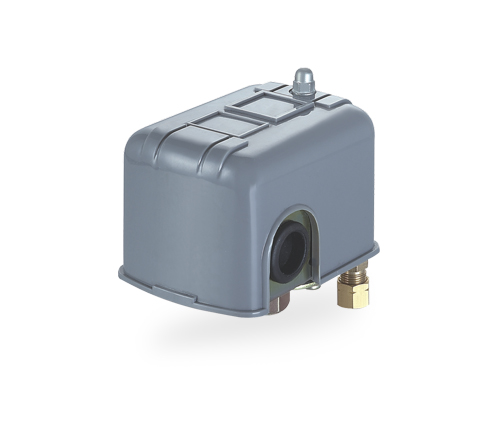
ERQ-5 Series 50/60Hz Zinc Alloy Bottom Pressure Switch Used in Air Compressors
The ERQ-5 Series 50/60Hz Zinc Alloy Bottom Pressure Switch is a mechanical pressure controller for air compressors. It is designed to support automatic compressor starting and stopping according to the selected pressure values. The zinc alloy bottom provides a robust base for the pressure-control assembly and helps the product withstand normal mechanical demands in compressor applications.
The product is suitable for electrical systems with rated voltages from 110V to 240V and a rated current of 12A. Its 50/60Hz compatibility allows it to be used in markets with different power-frequency standards. This broad electrical compatibility is valuable for distributors, equipment manufacturers, and users who require one product platform for several regions.
The pressure range is 20–100 psi. Within this range, several common pressure settings are available, including:
20–50 psi
30–60 psi
40–70 psi
50–80 psi
These settings provide flexibility for different compressor sizes, receiver capacities, applications, and desired air-delivery conditions. Customized pressure settings can also be discussed according to customer requirements.
| Parameter | Specification |
| Product type | Mechanical pressure controller |
| Primary application | Air compressors |
| Material feature | Zinc alloy bottom |
| Pressure range | 20–100 psi |
| Available pressure settings | 20–50 psi, 30–60 psi, 40–70 psi, 50–80 psi |
| Rated voltage | 110–240V |
| Rated current | 12A |
| Frequency | 50/60Hz |
| Hydraulic connection | 1/4-inch female option |
| Screw configuration | One-way or four-way option |
| Air-relief valve | Delayed-closing system |
| Air-relief pipe options | 6 mm or 1/4-inch diameter pipe |
| Maximum working temperature | 40°C |
| Protection degree | IP20 |
| Warranty | One year |
The listed parameters provide a practical basis for selecting the pressure switch for a specific compressor. However, the complete electrical system must always be checked before installation. Motor starting current, contactor configuration, local electrical regulations, pressure-tank specifications, and the overall compressor design should be considered by qualified personnel.
One of the defining characteristics of the ERQ-5 Series is its zinc alloy bottom. The lower section of a pressure switch is important because it forms part of the connection between the switch and the pressure circuit. It may be exposed to vibration, repeated pressure cycles, mechanical tightening during installation, and environmental conditions found around compressors.
Zinc alloy is commonly selected for components that require a balance of strength, formability, dimensional stability, and corrosion resistance. Compared with a low-strength plastic base, a metal alloy bottom can provide a more solid connection point and greater resistance to mechanical stress. This is particularly useful when the switch is installed on equipment that experiences repeated starting and stopping or moderate vibration.
The zinc alloy construction also supports a more stable connection between the pressure switch and the compressor piping or manifold. A secure connection helps reduce the risk of loosening during service. It can also make installation more consistent when the connection is tightened according to appropriate procedures.
Material selection alone does not determine product quality. The performance of the finished pressure switch also depends on the accuracy of forming, machining, assembly, sealing, adjustment, and inspection. The value of the zinc alloy bottom is therefore strongest when it is combined with controlled manufacturing and appropriate quality management.
Generic low-cost pressure switches may use simpler materials or less robust construction. Such products can be suitable for light-duty applications, but their performance may be less consistent where the switch is exposed to vibration, frequent cycling, or repeated installation and removal.
The zinc alloy bottom of the ERQ-5 Series offers several potential advantages over basic plastic-bottom alternatives:
1. Improved mechanical rigidity at the pressure connection.
2. Better resistance to deformation during normal installation.
3. Greater suitability for repeated operating cycles.
4. More robust support in workshop and industrial environments.
5. A solid construction that supports long-term equipment maintenance.
6. Better suitability for customers who value a durable metal pressure interface.
These advantages are especially relevant for air compressors used by repair shops, factories, agricultural service providers, construction contractors, and other professional users. In such environments, a pressure switch must perform reliably rather than simply meet the lowest initial purchase price.
The ERQ-5 Series is designed to start and stop an air compressor automatically according to the selected pressure values. The switch detects the pressure in the connected air system through its pressure port. A mechanical sensing element responds when pressure changes. Internal contacts then change state to control the compressor circuit.
When air is consumed by a pneumatic tool, spray gun, cleaning device, production machine, or other outlet, the pressure in the receiver or pipeline gradually decreases. Once the pressure reaches the selected cut-in level, the switch closes or changes the electrical circuit so that the compressor starts. The compressor then restores pressure.
When pressure rises to the selected cut-out level, the pressure switch changes the circuit again and stops the compressor. This process repeats automatically as air is used. The result is a controlled pressure cycle without the need for an operator to turn the compressor on and off manually.
Automatic operation improves convenience, but its more important role is system protection. If an operator forgets to stop the compressor, the pressure switch can interrupt operation at the intended pressure value. It also reduces the likelihood of the compressor running continuously when there is no demand for additional compressed air.
The actual pressure behavior depends on the selected setting, the receiver volume, the compressor output, air consumption, leakage, ambient temperature, and the accuracy of the pressure switch. For this reason, selecting an appropriate pressure differential is essential. A setting that is too narrow may cause frequent cycling, while a setting that is too wide may create a pressure range that is unsuitable for the connected equipment.
The ERQ-5 Series supports several standard pressure-setting combinations. A customer can select a configuration based on the required operating pressure of the compressor and the air tools or equipment connected to it.
A lower setting may be appropriate for smaller compressors, light-duty workshop tools, or applications where moderate air pressure is sufficient. A higher setting may be selected for equipment that requires a stronger air supply, provided that the compressor, receiver, pipework, and safety devices are designed for that pressure.
The available settings also make the product suitable for different market segments. A distributor may serve household, automotive, agricultural, and industrial customers with one product family while stocking several pressure configurations. This can simplify purchasing and product management.
Customized settings are another advantage for original equipment manufacturers and project suppliers. If a compressor design requires a pressure range that differs from the standard options, the required cut-in and cut-out values can be discussed during the technical confirmation process.
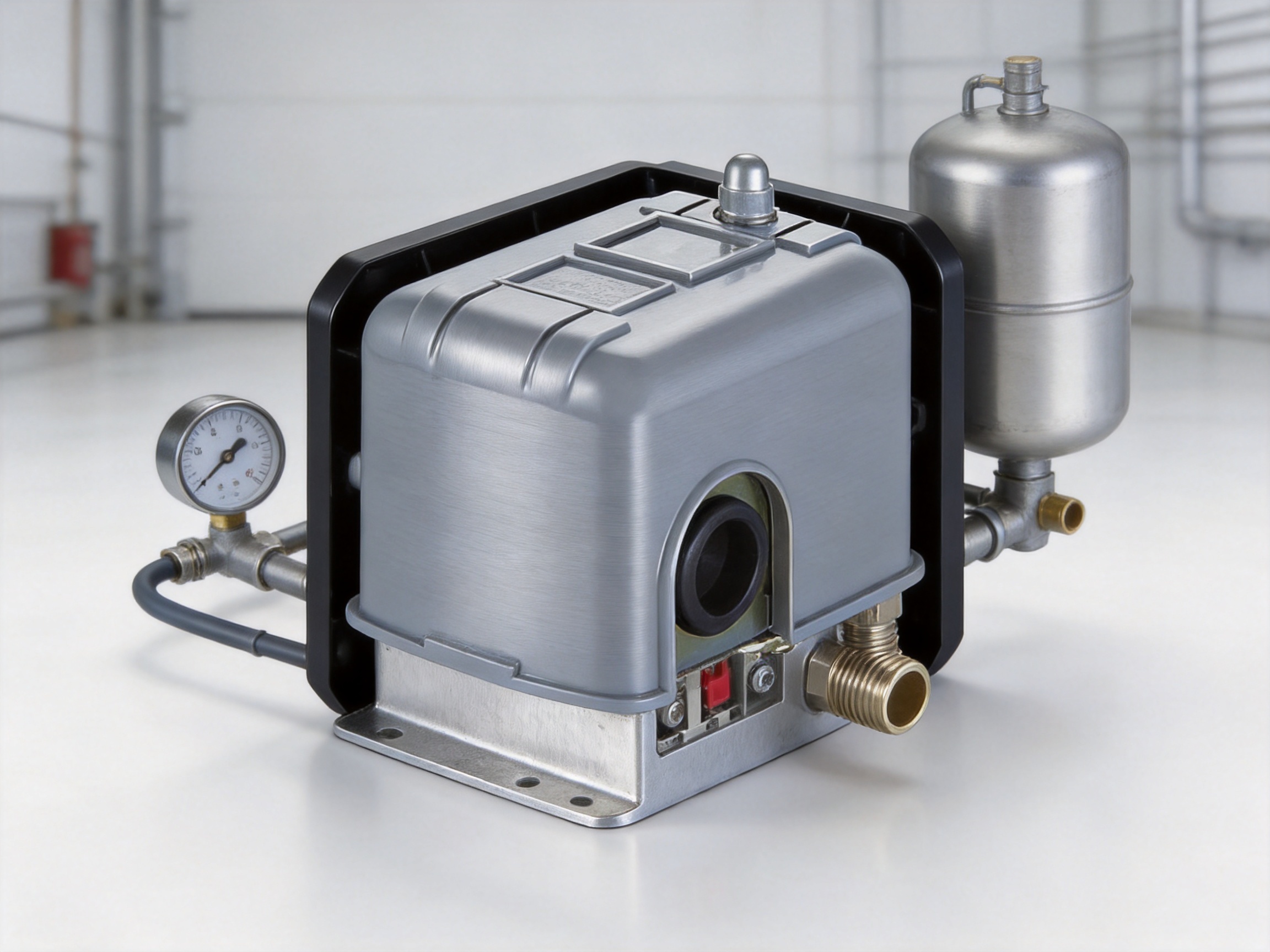
The ERQ-5 Series can be equipped with an air-relief valve featuring a delayed-closing system. This function is important in many compressor configurations because it helps release residual pressure from a portion of the compressor discharge path when the motor stops.
When a compressor stops, compressed air may remain in the pipe between the compressor outlet and the non-return valve or receiver connection. If this residual pressure is not relieved, the motor may have to start against a higher load during the next cycle. This can increase starting stress and make it more difficult for the motor to accelerate smoothly.
An air-relief function helps reduce this starting burden by allowing trapped air to escape for a controlled period. The delayed-closing feature is designed to coordinate the relief action with compressor operation. It can therefore support easier restarting and improve the operating conditions of the motor and compression mechanism.
The air-relief valve can be configured with a 6 mm or 1/4-inch diameter pipe option. The correct size should be selected according to the compressor design and connection arrangement. The valve and tubing must be installed correctly so that the relief function does not create unwanted leakage during normal pressurization.
Although the air-relief valve is a small component, it demonstrates the practical design approach of the pressure switch. The product is not limited to sensing pressure. It also addresses a common operating issue associated with compressor restarting. This integrated function may reduce the need for separate control components and simplify the compressor assembly.
Air compressors are produced in many configurations. Some use a simple vertical connection, while others require multiple ports for a pressure gauge, safety valve, discharge pipe, receiver connection, or air-relief tube. To support different designs, the ERQ-5 Series offers connection options including a 1/4-inch female hydraulic connection and one-way or four-way screw configurations.
A one-way configuration can be suitable for a relatively direct installation in which the pressure switch connects to a single pressure line or manifold. A four-way arrangement can provide additional connection flexibility when several accessories must be installed around the pressure-control point.
The appropriate connection should be selected based on the compressor structure, available installation space, pipe direction, required accessories, and maintenance requirements. A correct connection configuration can make the product easier to install and reduce the need for additional adapters.
Customers may also request hydraulic connections according to their own requirements. This option is valuable for equipment manufacturers that have an established manifold design or a standardized connection specification across several compressor models.
Before installing the pressure switch, the user should confirm the pressure range, thread type, electrical rating, motor current, frequency, and mounting arrangement. The switch should only be used within its specified operating limits.
The pressure connection should be clean and free from metal chips, sealing fragments, excessive oil, or other contaminants. The connection should be tightened appropriately, without applying excessive force to the pressure-switch body. Over-tightening may damage threads or place unnecessary stress on the connection.
Electrical wiring should be performed by qualified personnel. The supply voltage must correspond to the product rating, and the circuit should include suitable protection. If the compressor motor has a starting current that exceeds the direct switching capacity of the pressure switch, an appropriate contactor or relay arrangement may be required.
The pressure switch should also be positioned where it is protected from direct water exposure, severe contamination, excessive heat, and impact. The specified protection degree is IP20, so the product is intended for suitable enclosed or protected equipment environments rather than unprotected outdoor exposure.
After installation, the system should be checked for pressure leakage, correct start and stop action, proper air-relief operation, secure wiring, and compatibility with all safety devices. The pressure switch should not be used as a replacement for a certified pressure-relief valve or other mandatory compressor safety equipment.
The ERQ-5 Series is rated for 110–240V and operates with both 50Hz and 60Hz electrical systems. This broad range gives the product flexibility in international markets and reduces the need for separate pressure-switch models for different power frequencies.
For global equipment suppliers, 50/60Hz compatibility is a practical advantage. A compressor manufacturer may sell similar equipment in regions with different grid frequencies. Using a pressure switch that supports both frequencies can simplify product planning, reduce inventory complexity, and support more consistent assembly procedures.
The 110–240V voltage range covers many common single-phase electrical environments. However, the voltage rating must always be interpreted together with the current rating and load type. The stated rated current is 12A. Motor loads can generate higher starting currents than their normal running currents, so the complete electrical design must be evaluated rather than relying only on the nominal motor current.
Electrical terminals should be tightened securely, and conductors should be selected according to the current, installation method, ambient conditions, and applicable electrical standards. Loose wiring may cause heat generation, intermittent operation, or contact damage.
The internal switching contacts should also be protected from conditions outside their intended application. Excessive electrical arcing, overload, short circuits, or incorrect wiring can reduce service life. Correct circuit protection and professional installation are therefore essential to achieving reliable performance.
Many generic pressure switches are limited to a particular voltage or frequency, forcing distributors to maintain several versions. The ERQ-5 Series addresses this issue with a wider electrical application range. This can be especially beneficial for:
1. Compressor brands selling products in multiple countries.
2. Importers seeking one standard component for different markets.
3. Equipment manufacturers assembling both 50Hz and 60Hz models.
4. Spare-parts distributors serving diverse compressor types.
5. Engineering companies purchasing components for international projects.
This flexibility does not eliminate the need for electrical verification, but it can simplify the selection process and support more efficient supply-chain management.
The ERQ-5 Series is supplied by Taizhou Edwin Electric Co., Ltd., an integrated manufacturing enterprise established in 2008. The company specializes in independent research and development, mass production, and global export. Its broader product portfolio includes deep well pumps, submersible pumps, domestic booster pumps, circulation pumps, solar water pumps, intelligent booster pumps, and related water-system products.
This background is relevant to the pressure switch because it reflects experience in electromechanical products, fluid systems, motor-driven equipment, and international customer requirements. A pressure switch used with air compressors requires more than a basic electrical assembly. It must combine mechanical pressure response, fluid connection design, electrical switching, material selection, and application knowledge.
An integrated manufacturer can coordinate these areas more effectively than a trading company that only purchases finished components from unrelated suppliers. Product development, production planning, assembly, inspection, packaging, and export support can be managed through a connected manufacturing structure.
Independent research and development supports the adaptation of products to different market requirements. For a pressure switch, development work may involve pressure ranges, switching differentials, connection formats, air-relief options, enclosure details, materials, and customized settings.
The ability to discuss these specifications directly with a manufacturer can make technical communication more efficient. Customers do not have to rely exclusively on a standard catalog model if their compressor requires a specific pressure setting, connection, crust design, or air-relief arrangement.
Research and development also supports continuous improvement. Feedback from compressor manufacturers, distributors, installers, and end users can be used to refine product structure and application suitability. This is especially important for components that operate repeatedly over many start-stop cycles.
Mass production capability provides several commercial and technical benefits. Stable production planning can support consistent availability, more predictable lead times, and repeatable assembly procedures. It also allows the manufacturer to serve both standard orders and larger equipment programs.
For distributors, reliable production capacity reduces the risk of stock shortages. For original equipment manufacturers, it supports the integration of the same pressure-switch specification into repeated compressor production. For project buyers, it can make procurement planning easier when multiple units are required.
Mass production should not mean sacrificing attention to individual product quality. A capable production system uses standardized procedures to make sure that key operations are repeated consistently. For a pressure switch, these operations may include component preparation, zinc alloy bottom production, thread processing, membrane or sensing-element installation, electrical-contact assembly, adjustment, sealing, functional testing, and final packaging.
The exact internal production procedures may vary according to configuration and customer requirements, but a professional pressure-switch manufacturing process normally includes several controlled stages.
First, incoming materials and components must be checked against the required specifications. The zinc alloy bottom, electrical parts, seals, springs, pressure-sensing components, fasteners, and housing parts must be suitable for the intended assembly.
Second, the metal connection components must be formed or machined with appropriate dimensional control. Thread accuracy is important because the connection must mate correctly with the compressor manifold or pipe. Surface quality and dimensional consistency also affect sealing and installation.
Third, the pressure-control mechanism and electrical contacts must be assembled according to a defined procedure. The position of springs, diaphragms, adjustment elements, and switching contacts influences the cut-in and cut-out pressures.
Fourth, each configured product should be adjusted or verified according to its selected pressure setting. A switch marked for a particular range should respond within the agreed specification. This is one of the most important functional checks because pressure accuracy directly affects compressor operation.
Fifth, the electrical path and switching behavior should be inspected. The product must be able to control the intended circuit within its rated conditions. Terminal integrity, contact operation, and insulation-related considerations should be addressed during quality control.
Sixth, assembled units should receive final inspection before packaging. Appearance, connection condition, marking, accessory configuration, and product quantity should be checked. Proper packaging helps protect the pressure switch from damage during handling and international transportation.
The value of an integrated manufacturer is that these activities can be coordinated under one production and quality system. This provides a stronger basis for repeatability than an unstructured supply chain involving multiple unrelated subcontractors.
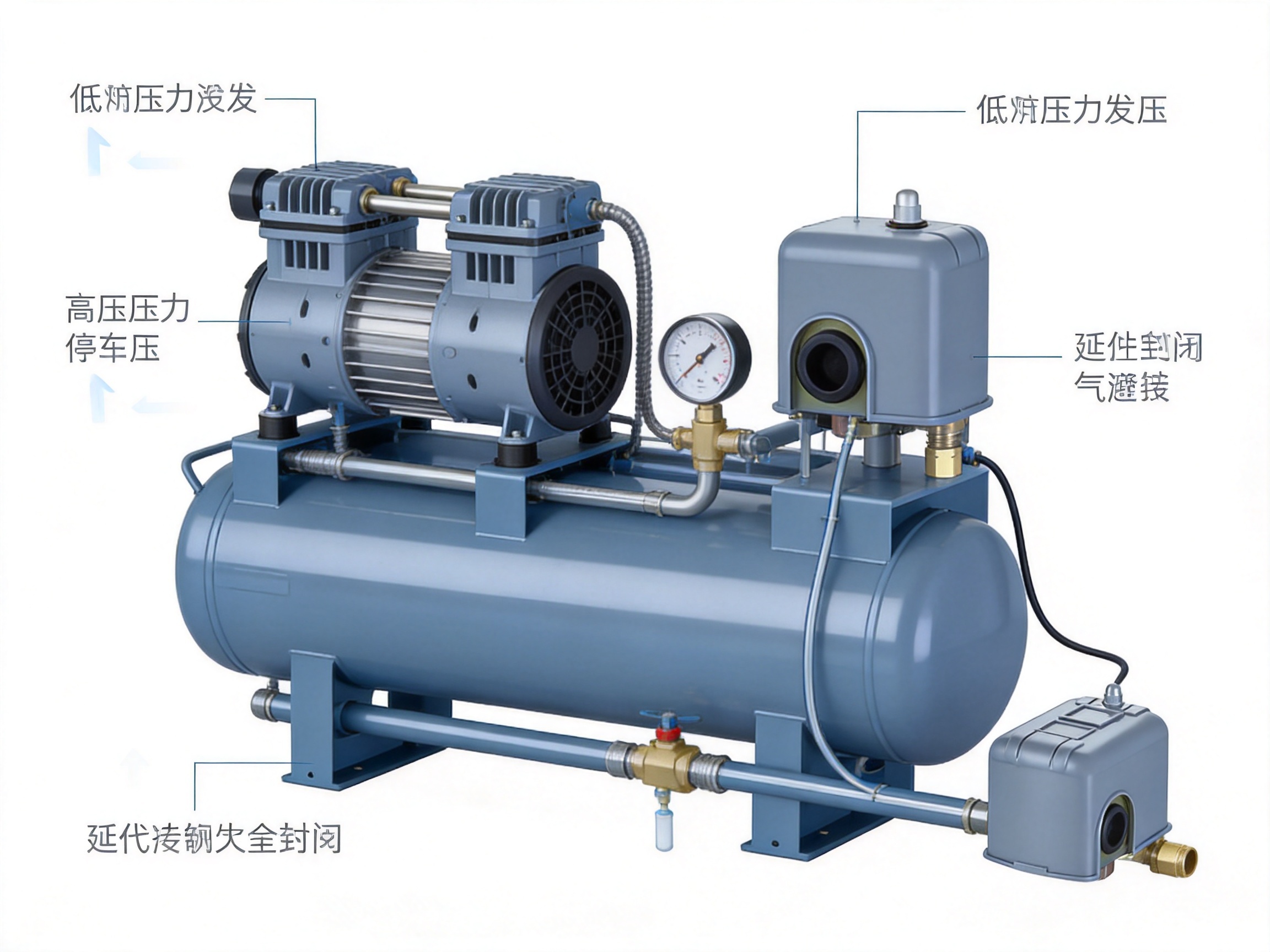
When selecting a pressure switch, buyers often compare price, pressure range, electrical rating, connection type, material, and delivery time. The ERQ-5 Series has several characteristics that can distinguish it from basic generic alternatives.
The zinc alloy bottom provides a robust mechanical foundation. It is suitable for users who require a stronger metal connection than a simple plastic construction can provide. This can be important in professional compressor environments where equipment is installed, serviced, and operated frequently.
The 110–240V rating and 50/60Hz compatibility support use across many international electrical systems. A broader application range can reduce the number of separate models that a distributor or equipment manufacturer must manage.
The 20–100 psi pressure range and multiple standard settings allow the product to serve different compressor requirements. Customized pressure settings provide additional flexibility for original equipment programs.
The delayed-closing air-relief valve addresses residual pressure during compressor restart. This feature can support smoother starting and reduce stress on the motor and compression system. A generic pressure switch without this function may require a separate arrangement.
One-way and four-way screw configurations, a 1/4-inch female hydraulic connection, alternative air-relief pipe sizes, and customized crust options allow the product to be adapted to different compressor layouts.
Technical communication with an integrated manufacturer can be valuable when the application requires a non-standard pressure setting, connection, appearance, or packaging arrangement. The company’s experience in global export and electromechanical products supports communication with international buyers.
The product includes a one-year warranty. A defined warranty period provides buyers with additional confidence when introducing the pressure switch into a new compressor model, distribution program, or replacement-parts range. Warranty conditions should be confirmed with the supplier and applied according to the installation and usage requirements.
The ERQ-5 Series can be used in many air-compressor applications where automatic pressure control is required.
Automotive repair shops use compressed air for tire inflation, cleaning, pneumatic tools, spray painting, impact wrenches, and service equipment. The compressor may be started and stopped many times during a working day. A durable pressure switch can support regular operation and reduce the need for manual control.
Workshops may use compressed air for assembly tools, machining support, cleaning, material handling, and production processes. Stable pressure control helps ensure that air is available when needed while preventing unnecessary compressor operation during idle periods.
Small production facilities often require practical, reliable compressor controls without the complexity of a fully computerized system. A mechanical pressure controller can provide direct and understandable operation for machines with standard pressure requirements.
Construction contractors and maintenance teams may use portable or semi-portable compressors for pneumatic tools and site services. The pressure switch must tolerate practical working conditions, including repeated transport, vibration, and frequent start-stop cycles. Proper enclosure and installation remain necessary because the product has an IP20 protection degree.
Compressed air is used in agricultural workshops, equipment maintenance, cleaning, and some utility operations. A flexible pressure switch can be integrated into systems where voltage, pressure, and connection requirements vary between equipment models.
The ERQ-5 Series can also serve as a replacement pressure switch for compatible compressor systems. Its common electrical rating, standard pressure configurations, connection options, and automatic control function make it suitable for distributors supplying maintenance components.
Before purchasing the ERQ-5 Series, buyers should identify the technical requirements of the compressor and verify compatibility with the product specifications.
Pressure range is the first consideration. The required cut-in and cut-out values should be determined according to the compressor’s design, receiver rating, air tools, and operating instructions. The selected pressure must never exceed the safe working pressure of the receiver, pipework, or other connected components.
Electrical voltage and frequency should then be checked. The product supports 110–240V and 50/60Hz, but the actual motor circuit must still be evaluated. The rated current is 12A, and additional switching equipment may be required for larger motors or demanding loads.
The pressure connection must match the compressor manifold or piping. The 1/4-inch female option and one-way or four-way configurations should be compared with the available mounting arrangement. If an alternative connection is required, it should be confirmed before ordering.
The air-relief valve should also be considered. If the compressor requires unloading or residual-pressure relief during restart, the delayed-closing air-relief system can be specified. The appropriate 6 mm or 1/4-inch pipe option should be selected according to the compressor design.
The environmental conditions should be reviewed. The maximum working temperature is listed as 40°C, and the protection degree is IP20. The pressure switch should therefore be installed in a suitable location away from direct water, excessive dust, corrosive chemicals, and temperatures outside the stated range.
Finally, customers should identify whether they need a standard model or a customized configuration. Customized crusts, hydraulic connections, air-relief pipe arrangements, and pressure settings can be discussed for special equipment or private-label programs.
A pressure switch is designed for automatic operation, but periodic inspection can help maintain system reliability. The compressor should be isolated from electrical power and depressurized before service work is performed.
Users should inspect the pressure connection for signs of leakage, looseness, corrosion, or mechanical damage. Any abnormal sound, pressure fluctuation, delayed switching, or failure to stop should be investigated promptly.
The electrical terminals should be checked for secure connection and signs of overheating. If the contacts show severe burning or the switch operates intermittently, the pressure switch should be evaluated by qualified personnel.
The air-relief tube should be checked for blockage, cracks, loose connections, or incorrect routing. A blocked relief path may prevent the intended unloading function, while a damaged tube may create an air leak.
The pressure gauge and safety-relief equipment should be checked together with the pressure switch. The pressure switch is one part of the compressor control system and should not be relied upon as the only safety device.
If the compressor cycles too frequently, the user should check for air leakage, insufficient receiver capacity, incorrect pressure settings, restricted airflow, or excessive air consumption. Frequent cycling is not always caused by a defective pressure switch.
Replacement should be considered when the pressure switch no longer maintains the required cut-in and cut-out values, shows physical damage, has damaged threads, exhibits electrical contact failure, or cannot operate the air-relief function correctly.
Customization is important for compressor manufacturers that want to optimize a component for their own equipment. The ERQ-5 Series supports several customization directions, including housing or crust requirements, hydraulic connections, air-relief valve pipe size, and pressure settings.
A customer should provide complete technical information when requesting customization. Useful information includes the compressor model, motor voltage, motor current, operating frequency, required cut-in pressure, required cut-out pressure, connection size, mounting direction, preferred air-relief arrangement, working environment, packaging requirements, and expected annual quantity.
Clear technical communication helps the manufacturer determine whether the requested configuration can be produced as a standard option or requires additional development. It also reduces the risk of selecting an electrically or mechanically incompatible product.
For original equipment manufacturers, a customized pressure switch can improve product integration. The switch may be aligned with the compressor’s manifold, control box, receiver, pressure gauge, and air-relief tubing. This can reduce assembly time and improve the appearance of the finished machine.
Customization may also support distributor branding and market positioning. Buyers should discuss available packaging, labels, markings, and product documentation during the order process if these elements are required.
The performance of a pressure switch is connected to the competence of the company producing and supplying it. Taizhou Edwin Electric Co., Ltd. has operated since 2008 and has developed experience in product research, mass manufacturing, and international export.
The company’s wider pump portfolio includes equipment for agricultural irrigation, new energy projects, municipal engineering, mining, construction, HVAC systems, and household water supply. These fields require knowledge of motors, fluid movement, pressure management, electrical control, and equipment durability.
The company also established related import and export service organizations to support procurement planning, order tracking, cross-border delivery, and foreign-trade services. For international customers, these capabilities can be as important as the product itself. A technically suitable pressure switch still needs accurate order processing, proper documentation, secure packaging, and dependable delivery.
Investment in intelligent technology and new-energy products since 2018 demonstrates an interest in extending product capabilities beyond traditional pump manufacturing. This broader technical direction can support the development of practical control components for fluid and electromechanical systems.
For buyers comparing suppliers, important evaluation points include manufacturing history, production capability, ability to support customization, product consistency, communication efficiency, warranty policy, and export experience. The ERQ-5 Series is positioned as part of an integrated product and service capability rather than as an isolated low-cost component.
Compressor manufacturers can use the ERQ-5 Series as a standard control component or adapt it to a particular compressor design. Its broad voltage and frequency range, pressure-setting options, connection flexibility, and air-relief function can support several machine models.
Importers and distributors can benefit from a product that serves multiple markets and applications. Standard pressure settings simplify inventory planning, while customization options create opportunities for special orders and private equipment programs.
Maintenance companies require replacement parts that are compatible, practical, and readily understood by technicians. The automatic start-stop function and common connection options make the product suitable for many compatible compressor systems, subject to technical verification.
Industrial users can use the pressure switch to maintain automatic control over compressor operation. The zinc alloy construction and delayed-closing air-relief function can contribute to a more durable and serviceable installation when the switch is correctly selected and installed.
Engineering buyers can discuss pressure settings, connections, electrical details, and quantities with the manufacturer before placing an order. This is useful when a compressor system is part of a larger project with defined technical specifications.
The ERQ-5 Series is designed for automatic pressure control in air compressors. It starts the compressor when system pressure falls below the selected cut-in value and stops the compressor when pressure reaches the selected cut-out value.
The pressure range is 20–100 psi. Standard pressure settings include 20–50 psi, 30–60 psi, 40–70 psi, and 50–80 psi. Customized pressure settings may also be available according to the customer’s requirements.
Yes. The product is designed for use with both 50Hz and 60Hz electrical systems, making it suitable for many international compressor applications.
The rated voltage is 110–240V, and the rated current is 12A. The compressor motor circuit should be checked by qualified personnel, especially where motor starting current may exceed the direct switching capacity.
The zinc alloy bottom provides a robust mechanical base and pressure connection. It offers strength, dimensional stability, and resistance to normal mechanical demands associated with compressor installation and operation.
Yes. The ERQ-5 Series can be equipped with an air-relief valve using a delayed-closing system. This function helps release residual pressure during compressor shutdown and can support easier restarting.
The air-relief valve can be configured with a 6 mm or 1/4-inch diameter pipe option. The correct option should be selected according to the compressor’s design.
The product can be supplied with a 1/4-inch female hydraulic connection. One-way and four-way screw configurations are also available, depending on the installation requirements.
Customized pressure settings can be discussed according to customer requirements. The required cut-in and cut-out values should be provided during technical confirmation.
Yes. The product information indicates that the crust can be configured according to customer needs. Custom requirements should be confirmed before production.
The listed maximum working temperature is 40°C. The pressure switch should be installed in an environment that remains within the specified operating conditions.
The protection degree is IP20. This means the pressure switch should be installed in a suitable protected location and should not be exposed directly to water or severe outdoor conditions.
It may replace a compatible pressure switch, but the pressure range, voltage, current, connection, mounting arrangement, air-relief configuration, and compressor requirements must be checked first. Replacement should be performed by qualified personnel.
No. A pressure switch provides automatic operating control, but it should not be considered a replacement for a pressure-relief valve or other required safety equipment.
The product information specifies a one-year warranty. Detailed warranty conditions should be confirmed with the supplier before purchase.
The 110–240V rating, 50/60Hz compatibility, standard pressure options, connection flexibility, customization capability, and international export experience make the product suitable for many global purchasing programs.
The ERQ-5 Series 50/60Hz Zinc Alloy Bottom Pressure Switch is a practical automatic control component for air compressors. Its main function is simple but essential: it monitors system pressure and starts or stops the compressor according to the selected pressure values.
The product combines a 20–100 psi pressure range, 110–240V electrical compatibility, 12A rated current, 50/60Hz operation, zinc alloy bottom construction, connection options, customized pressure settings, and a delayed-closing air-relief system. Together, these features make it more adaptable than a basic pressure switch with limited electrical, mechanical, or configuration options.
Its strongest advantages are found in the balance between durability and flexibility. The zinc alloy bottom provides a robust pressure connection, while the different pressure settings and connection arrangements support a broad range of compressor designs. The air-relief valve addresses residual discharge pressure during restart, and the broad voltage and frequency range supports international applications.
The manufacturer’s experience in independent research and development, mass production, pump technology, electromechanical products, and global export provides additional value for customers. Buyers can obtain more than a standard component; they can also receive technical coordination, customization support, production planning, and international order assistance.
For the best results, users should confirm pressure, electrical, connection, environmental, and safety requirements before installation. When correctly selected and professionally installed, the ERQ-5 Series can support stable compressor operation, reduce manual intervention, and contribute to a more reliable compressed-air system.
1. Product technical information for the ERQ-5 Series 50/60Hz Zinc Alloy Bottom Pressure Switch.
2. Manufacturer-provided specifications for pressure range, electrical rating, connection options, air-relief configuration, and operating temperature.
3. General engineering principles for mechanical pressure switches used in air-compressor control systems.
4. General guidance on compressed-air receiver pressure management and automatic compressor start-stop control.
5. General industrial practices for electrical component selection, motor-load evaluation, installation, and maintenance.
6. Company information concerning integrated research and development, mass production, global export, and electromechanical product manufacturing.
edwina@edwin-pump.com
+86-13586290903 (WhatsApp)
Xuri Gongliang Cutting Tool Entrepreneurship Park, Wenqiao Town, Wenling City, Taizhou City, Zhejiang Province, China

High Performance Smart Pump Factory


 English