
edwina@edwin-pump.com

View All Products
en
Reliable water movement is essential in gardens, greenhouses, small farms, fish-breeding facilities, poultry-raising operations, and residential water-supply systems. When a water source is located below the point of use, a pump must do more than simply transfer liquid. It must start reliably, create sufficient suction, tolerate daily operating conditions, protect its motor from common electrical and thermal risks, and remain simple enough for homeowners and maintenance personnel to operate.
The EGP-XSH Series Garden JET Water Pump is designed for these practical requirements. As a garden self-priming pump, it is intended for clean water and other liquids with physical and chemical properties similar to water. Its application range includes garden irrigation, greenhouse watering, fish breeding, poultry raising, water supply, drainage, and domestic automatic water-supply systems.
The pump combines a self-priming design with a maximum suction capability of up to 8 meters, a built-in thermal protector, Class F insulation, IPX4 protection, and a C&U bearing. Its maximum fluid temperature is +35°C, while the maximum ambient temperature is +40°C. These specifications make it a practical choice for everyday water handling where dependable operation, straightforward installation, and reasonable protection are more important than complex industrial control functions.
For buyers comparing garden pumps, the value of this series lies in the balance between performance, protection, application flexibility, and manufacturing support. It is not presented as a universal replacement for every high-pressure, high-temperature, or heavy-duty industrial pump. Instead, it is engineered for a clearly defined group of water-supply and irrigation applications, where correct sizing and dependable operation are central purchasing priorities.
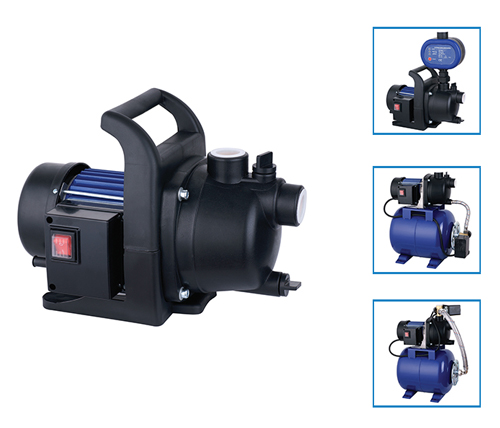
EGP-XSH Series Garden JET Water Pump
A garden self-priming pump is used when water must be drawn from a source and delivered to a higher or more distant point. The source may be a storage tank, shallow well, rainwater collection system, pond, irrigation reservoir, or other clean-water supply. The pump creates suction on the inlet side and pressure on the outlet side, allowing water to reach sprinklers, hoses, distribution pipes, or household fixtures.
Unlike a basic transfer pump, a self-priming design is developed to remove air from the suction line under suitable operating conditions. This feature is particularly useful when the pump is installed above the water level. In practical garden environments, suction piping can contain air after installation, cleaning, maintenance, or an extended shutdown. A self-priming configuration helps simplify restarting and reduces the need for repeated manual intervention.
Self-priming does not mean that installation requirements can be ignored. The pump and suction pipe must be prepared correctly, the suction height must remain within the specified limit, and the pump should be filled or primed according to the installation instructions. The suction line should be airtight, appropriately sized, and protected from leaks. A foot valve or non-return valve may also be required depending on the installation arrangement.
The EGP-XSH Series is especially relevant to users who need practical water movement without installing a fully submerged pump. A surface-mounted pump can be easier to inspect, access, disconnect, and maintain. It can also be positioned in a protected pump room, garden service area, equipment cabinet, greenhouse utility zone, or household installation space.
The available technical information establishes several important operating limits and protection characteristics. These details should be considered before purchase because they define the environments in which the pump is suitable.
| Specification | Value or Feature | Practical Meaning |
|---|---|---|
| Product type | Garden self-priming pump | Suitable for surface water supply, irrigation, and related clean-water applications |
| Maximum fluid temperature | +35°C | Designed for cool or moderately warm water rather than hot-water service |
| Maximum suction | +8 m | Suitable for lifting water from a source within the specified suction limit |
| Bearing | C&U bearing | Supports smooth rotating operation and dependable mechanical performance |
| Motor protection | Built-in thermal protector | Helps protect the motor against excessive temperature during abnormal conditions |
| Insulation class | Class F | Provides a defined level of thermal resistance for motor winding insulation |
| Protection class | IPX4 | Protects against water splashes from different directions under the applicable test conditions |
| Maximum ambient temperature | +40°C | Appropriate for many normal indoor and outdoor service environments when properly installed |
| Available options | Different cable lengths, pressure controller connection, tank-system assembly | Allows the configuration to be adapted to different installation and water-supply requirements |
| Warranty | 1 year | Provides a defined warranty period according to the supplier’s general sales conditions |
This table should be used as a preliminary selection guide rather than a substitute for a complete pump curve. Flow rate, total head, motor power, voltage, frequency, inlet and outlet sizes, and duty cycle should be confirmed with the supplier for a specific project. A pump that is suitable for one irrigation layout may not be appropriate for a long pipeline, a large sprinkler network, or a multi-story domestic system.
The most important functional advantage of the EGP-XSH Series is its self-priming configuration. For garden and household applications, convenience during startup can be just as important as nominal motor power. Users may not have technical personnel available every time the water system is restarted. A design that supports easier air removal can reduce operating complexity and improve user confidence.
The maximum suction specification of up to 8 meters gives the pump flexibility for shallow wells, underground tanks, collection pits, and other water sources positioned below the pump. The actual usable suction height depends on atmospheric pressure, water temperature, pipe losses, valve arrangement, elevation, and installation quality. Nevertheless, the stated limit provides a clear reference point for system planning.
Compared with a conventional non-self-priming surface pump, a self-priming model may be more forgiving when air enters the suction line during normal service. This can be an important distinction in gardens where hoses are moved, tanks are periodically cleaned, and water levels change throughout the year.
Compared with a submersible pump, a surface self-priming pump offers easier external access. The motor and pump body do not need to be removed from a well or tank for every inspection. This arrangement can simplify maintenance, electrical checks, and seasonal storage. It is particularly useful where the water source is accessible and the installation area can be kept dry and ventilated.
Compared with a basic garden transfer pump, the EGP-XSH Series is more suitable for applications that require suction from a lower water source and regular delivery through an irrigation or household distribution network. The exact advantage depends on the required flow and pressure, but the self-priming design gives the product a wider practical role than a pump intended only for short-distance transfer.
Water pumps often operate in demanding conditions. A blocked pipe, closed valve, low-water event, voltage fluctuation, excessive restart frequency, or inadequate ventilation can increase motor temperature. The built-in thermal protector is designed to respond to excessive motor heat and help reduce the risk of damage under abnormal operating conditions.
A thermal protector is not a replacement for correct installation or external electrical protection. Users should still follow the applicable electrical regulations, use correctly rated wiring, install suitable circuit protection, and ensure that the pump is properly grounded where required. The protector is one layer of protection within a complete safety system.
Class F insulation is another important motor characteristic. Motor winding insulation is exposed to electrical stress and heat during operation. A higher insulation class provides a defined thermal capability for the winding insulation system. In practical terms, Class F insulation supports reliable operation within the motor’s rated conditions and complements the built-in thermal protection.
The protection class is specified as IPX4. This means the pump enclosure is designed to resist water splashes from different directions under the relevant test conditions. IPX4 is useful for garden and utility installations where incidental splashing may occur, but it does not mean that the motor can be submerged or exposed to uncontrolled flooding. The pump should be installed in a location protected from standing water, direct immersion, and severe weather beyond its intended conditions.
The maximum ambient temperature of +40°C is also relevant to installation planning. In hot climates, the pump should be placed in a ventilated area away from direct heat sources. A small enclosed cabinet exposed to strong sunlight may become hotter than the surrounding air. Maintaining adequate ventilation helps the motor operate within its intended thermal environment.
The EGP-XSH Series uses a C&U bearing. Bearings support the rotating shaft and help maintain stable alignment between the motor and hydraulic components. Smooth bearing operation contributes to reduced friction, controlled vibration, and consistent rotation during normal service.
For a garden pump, bearing quality is important because operating schedules can vary considerably. Some users run the pump for short irrigation cycles several times a day, while others operate it continuously for a longer watering period. A dependable bearing system helps the pump manage these repeated starts and operating cycles when the system is correctly sized and maintained.
Mechanical reliability also depends on factors beyond the bearing. Correct alignment, suitable sealing, clean water, stable mounting, and proper pipe support all affect service life. The suction and delivery pipes should not place excessive mechanical load on the pump connections. Flexible connectors or suitable supports may be used where necessary to reduce vibration and prevent pipe weight from being transferred to the pump body.
Because the product is intended for clean water or liquids similar to water in physical and chemical properties, it should not be used for abrasive slurry, chemically aggressive liquids, flammable fluids, seawater, or heavily contaminated water unless the supplier has specifically confirmed compatibility. Using the pump outside its intended liquid range can accelerate wear and compromise sealing and motor safety.
Garden irrigation is one of the most natural applications for this product. A garden may include hoses, spray guns, sprinklers, drip lines, raised beds, flower borders, and small lawn systems. The pump can draw water from a tank, shallow source, or collection point and deliver it to the irrigation network.
In a residential garden, the pump may be used to transfer stored rainwater to plants and lawns. Using collected water can reduce dependence on treated mains water and provide a practical supply during dry periods. The pump’s self-priming function is useful where the storage tank is located below the pump position.
For greenhouse irrigation, reliable water delivery is important because plants may require regular and evenly scheduled watering. The pump can support manual hose watering or an automatic irrigation arrangement when connected to suitable controls. The greenhouse environment should be evaluated carefully because high humidity and elevated temperature may affect electrical equipment. Proper enclosure, drainage, ventilation, and electrical protection remain necessary.
In small-scale agricultural settings, the pump may serve nursery beds, seedling areas, vegetable plots, and ornamental plant production. The appropriate model depends on the required flow, pipe length, elevation difference, and irrigation equipment. Sprinklers and long delivery lines can produce significant pressure loss, so the complete hydraulic system must be calculated before final selection.
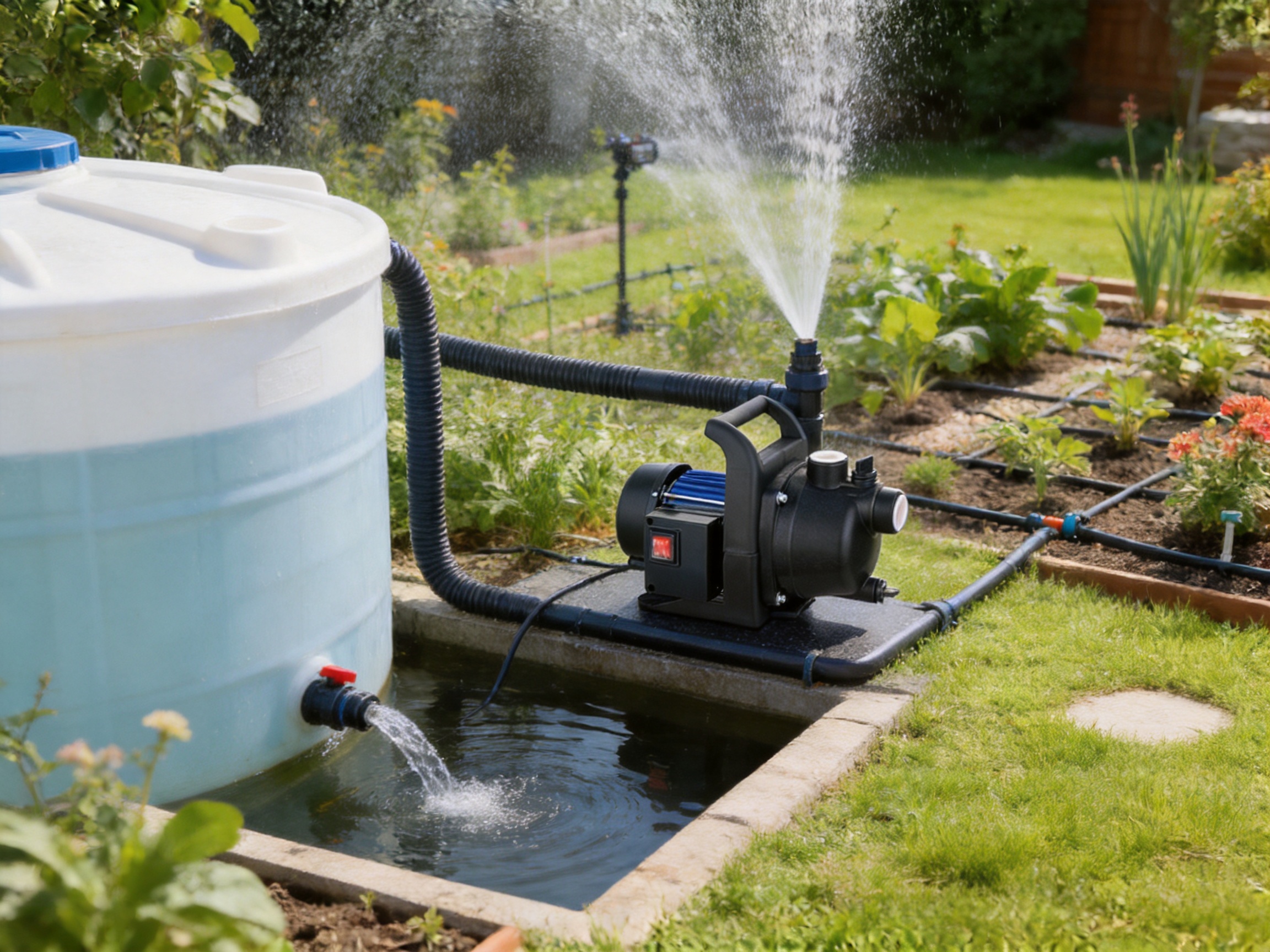
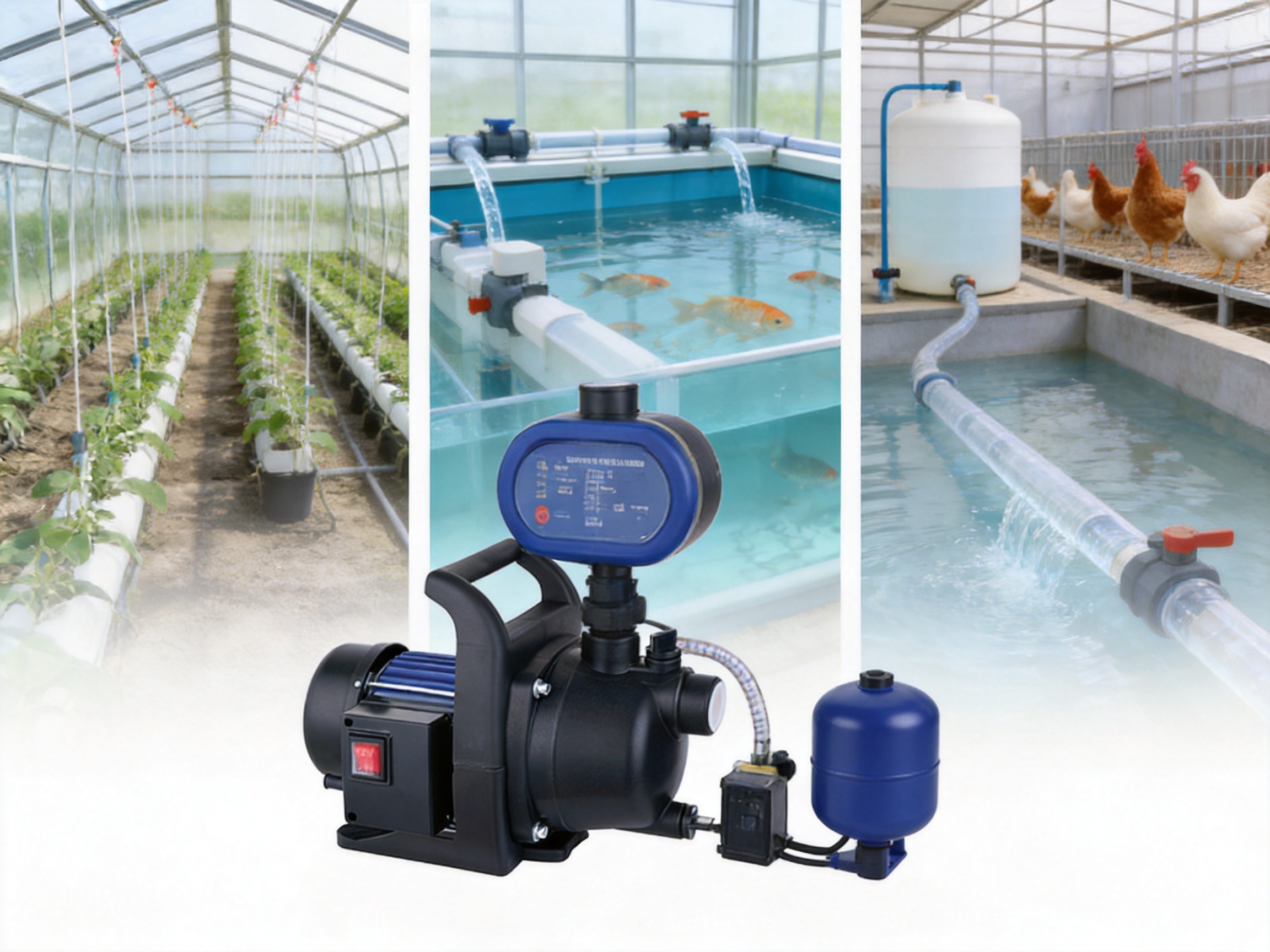
The product information identifies fish breeding and poultry raising as potential applications. In these environments, water management may include filling tanks, replenishing clean water, washing equipment, and supplying water to suitable distribution points. The pump can assist with these operations when the liquid is clean and within the specified temperature range.
For fish-breeding installations, water quality is a central consideration. The pump should be used only when the water is compatible with its materials and operating conditions. If the water contains sand, shells, algae, biological solids, or abrasive particles, filtration or pretreatment may be needed. The pump should not be treated as a substitute for a dedicated aeration, filtration, or recirculation system unless the entire installation has been engineered for that purpose.
In poultry-raising facilities, the pump may support clean-water distribution and cleaning operations. The pump room or equipment area should be separated from excessive dust, corrosive chemicals, and direct animal contact. Electrical components should be protected from washdown water beyond the specified IPX4 conditions. A suitable drainage arrangement is important because agricultural facilities can experience frequent spills and cleaning activities.
These applications illustrate the product’s flexibility, but they also emphasize the importance of correct system design. The pump itself is only one part of the installation. Filters, valves, pressure controllers, tanks, non-return devices, pipework, and electrical controls may be needed to create a complete and dependable water-management solution.
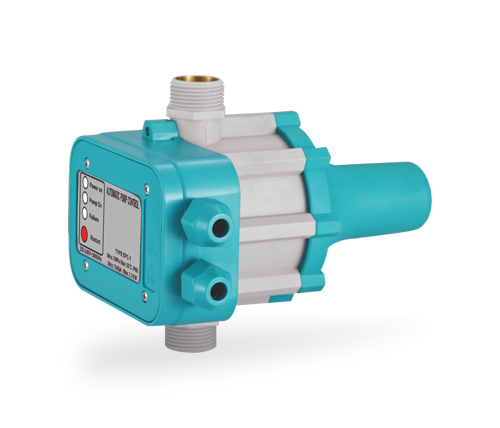
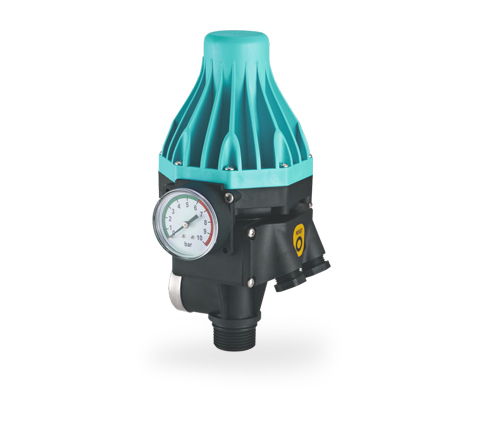
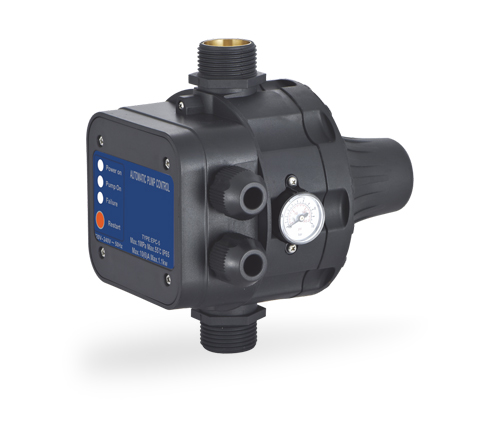
The EGP-XSH Series can be used in domestic automatic water-supply locations, especially when paired with a pressure controller or tank system. A pressure controller can help start and stop the pump in response to water demand, while a tank system can reduce the number of starts and provide more stable pressure in certain installations.
This configuration can be useful for homes supplied from a storage tank, rainwater reservoir, shallow well, or other independent source. It may support garden taps, toilet flushing, washing areas, and other non-potable applications when local regulations and water-quality requirements are followed.
Domestic users should distinguish between water transfer and drinking-water service. The product information describes clean-water applications but does not independently confirm potable-water certification. If the pump is intended for drinking water, the buyer should request confirmation of material compatibility, certification, hygiene requirements, and local regulatory compliance.
Automatic operation should be planned carefully. The pressure controller must match the pump’s electrical characteristics and hydraulic performance. The tank size should be selected according to demand and desired cycling behavior. Dry-running protection may also be required if the water source can become empty. These additional components can improve convenience, but they must be correctly installed and adjusted.
The availability of different cable lengths is useful for installations where the standard cable arrangement may not match the distance to the electrical connection. Selecting an appropriate cable length can help reduce unnecessary extensions and simplify equipment layout. The final electrical installation should always comply with local safety requirements and be completed by qualified personnel when required.
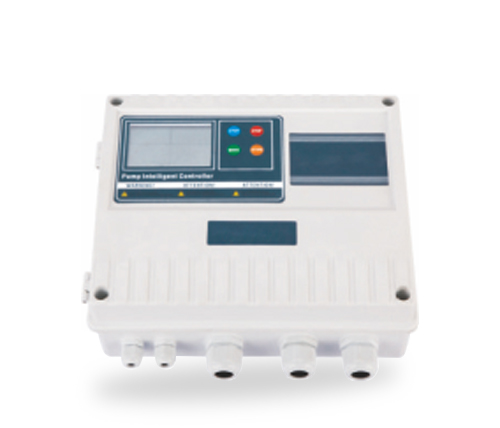
The pump can be connected with a pressure controller. This option supports automatic start and stop functions in response to system pressure or water demand. It can be particularly valuable for household water supply, garden hose use, and small irrigation systems where the user expects the pump to operate automatically rather than through a manual switch.
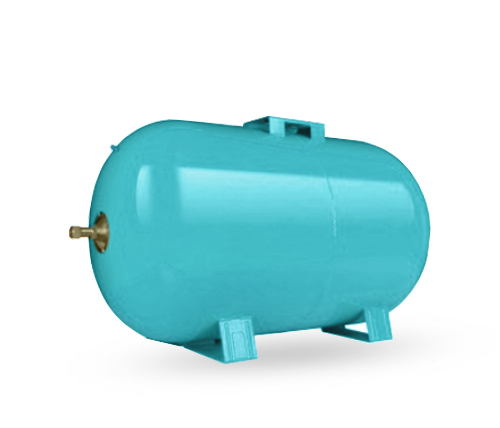
The pump can also be assembled with a tank system. A pressure tank can store a quantity of pressurized water and reduce the frequency of motor starts. Fewer starts may help improve user comfort, reduce pressure fluctuations, and support longer service life when the system is correctly adjusted.
These options provide a practical advantage over a one-configuration product. Different customers have different installation distances, control preferences, and water-use patterns. The ability to request cable variations, pressure-controller compatibility, or tank-system assembly allows distributors and project buyers to create a more suitable package.
Product comparison should be based on application rather than on a simple claim that one pump type is always superior. The EGP-XSH Series has specific advantages in the category of surface-mounted, clean-water, self-priming service.
Against a standard non-self-priming surface pump, the EGP-XSH Series offers greater convenience where air may enter the suction line or where the water source is below the pump. Its self-priming configuration can simplify startup and make it more suitable for variable garden conditions.
Against a submersible pump, the surface-mounted design provides external access to the motor and pump assembly. Inspection and maintenance can be more convenient, and the pump does not need to be lifted from a tank or well for routine checks. However, a submersible pump may be more suitable for deep sources or installations where the pump must be placed directly in the water.
Against a basic transfer pump, the EGP-XSH Series is better suited to suction-lift arrangements and regular water distribution. A transfer pump may be adequate for moving water between nearby containers, but it may not provide the same practical advantages for a garden irrigation network or automatic supply arrangement.
Against a larger commercial multistage pump, the EGP-XSH Series is more appropriate for smaller clean-water applications where the requirements do not justify a complex high-pressure system. A multistage pump may be necessary for tall buildings, long pipelines, large sprinkler systems, or demanding industrial duties. Selecting an oversized pump can increase purchase cost, energy consumption, and system complexity.
Against a low-cost unprotected garden pump, the EGP-XSH Series offers a more clearly defined protection package, including a built-in thermal protector, Class F insulation, IPX4 protection, and a stated maximum ambient temperature. These features do not eliminate every operating risk, but they provide useful engineering safeguards for routine service.
The manufacturer behind the product was founded in 2008 and operates as an integrated manufacturing enterprise. Its activities include independent research and development, mass production, and global export. This combination is important because a pump supplier must coordinate product design, component sourcing, assembly, testing, documentation, packaging, and after-sales support.
Independent research and development allows a manufacturer to build product knowledge internally rather than relying only on third-party designs. For a garden pump, this can support improvements in hydraulic structure, motor protection, sealing arrangements, materials, electrical compatibility, and installation options. It also helps the manufacturer respond to feedback from distributors, installers, and end users in different markets.
Mass-production capability provides another advantage. Consistent production requires controlled assembly procedures, repeatable component specifications, organized workstations, inspection routines, and production planning. When these activities are managed effectively, customers can receive more consistent products across repeated orders and different production batches.
A broad product portfolio also strengthens technical understanding. The company’s product lines include deep well pumps, submersible pumps, domestic booster pumps, circulation pumps, solar water pumps, intelligent booster pumps, and other water-pump categories. Experience across these categories can help the manufacturer understand different hydraulic duties, motor requirements, installation conditions, and customer expectations.
The company has also developed related import, export, procurement, order-tracking, delivery, and foreign-trade services through affiliated organizations. For international buyers, this can simplify communication and support one-stop procurement. A supplier that understands cross-border documentation, production schedules, packaging, and shipment coordination may reduce the administrative burden associated with overseas purchasing.
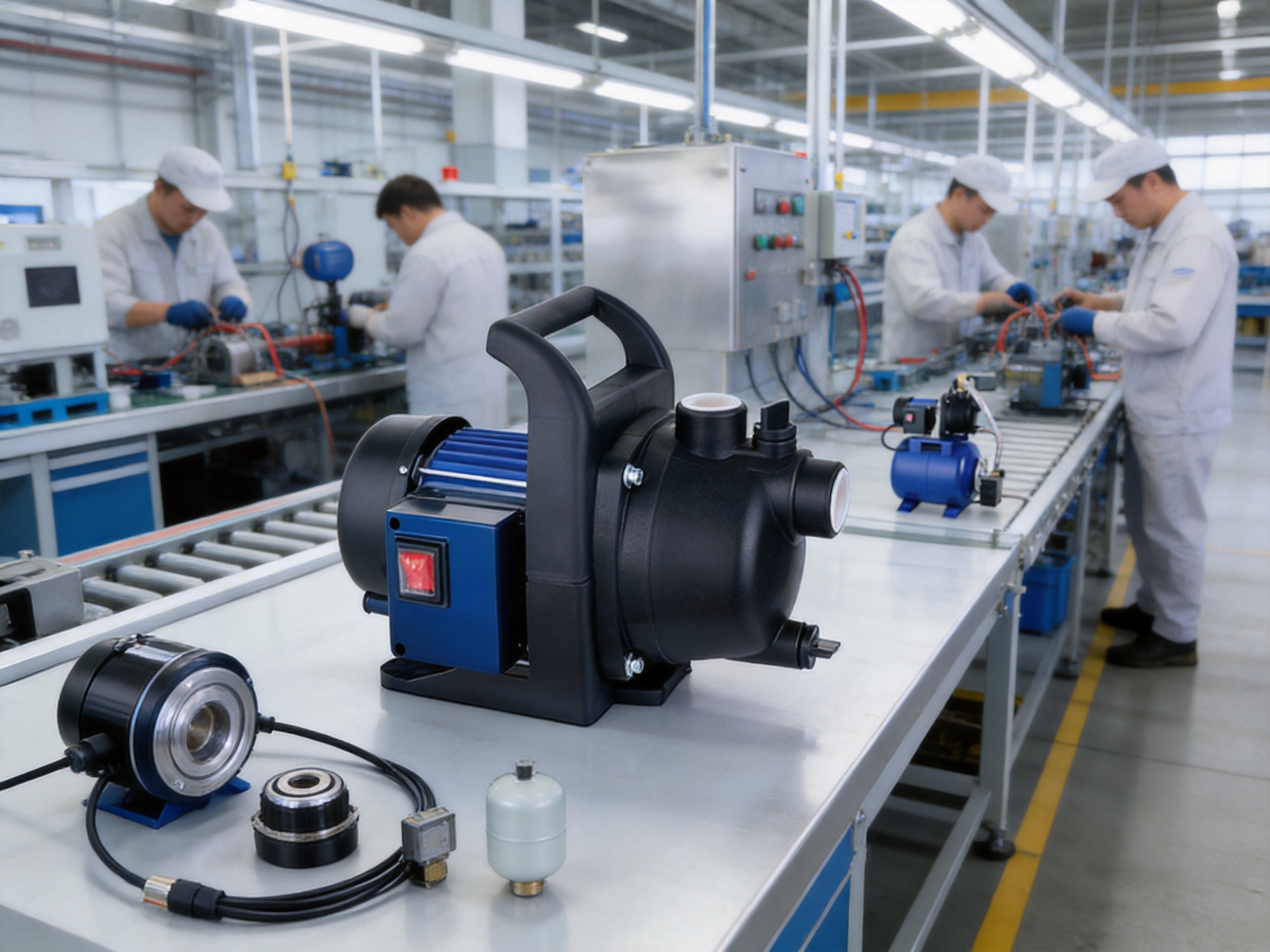
A dependable pump is the result of multiple controlled processes rather than a single component. Product quality begins with design requirements that clearly define the intended application, operating limits, electrical characteristics, material compatibility, and protection features.
Component control is equally important. The motor, bearing, shaft, seals, impeller, housing, terminals, cable, and protective components must be suitable for the intended duty. The stated use of a C&U bearing, Class F insulation, and a built-in thermal protector shows that the product specification includes attention to both mechanical operation and motor safety.
During assembly, correct positioning and secure fastening are essential. Shaft alignment affects vibration and bearing loading. Seal installation affects leakage resistance. Electrical connections affect starting reliability and safety. A repeatable assembly process helps reduce variation and supports stable product performance.
Testing should reflect the pump’s intended use. Typical quality-control considerations for a pump of this type may include visual inspection, electrical safety checks, insulation verification, operating tests, leakage inspection, noise and vibration observation, and confirmation of protective functions. The exact tests and acceptance criteria should be confirmed through the manufacturer’s quality documentation and applicable standards.
Production capability is especially valuable for distributors who require repeat orders. Garden pumps are often sold through multiple channels, including irrigation suppliers, hardware distributors, plumbing wholesalers, agricultural-equipment dealers, and online retailers. Stable product identity, consistent packaging, and reliable technical information help these channels serve their customers more effectively.
Manufacturing strength also involves traceability and communication. When a supplier can identify product models, options, production arrangements, and shipment details, it becomes easier to manage replacements, technical questions, and future purchases. This is particularly important for projects that use multiple pumps or require long-term procurement.
Correct installation is essential for achieving the intended performance of any self-priming pump. The pump should be placed on a stable, level foundation that can support its weight and resist vibration. The installation area should be clean, dry, accessible, and adequately ventilated.
The suction line should be as short and direct as practical. Unnecessary bends, undersized pipes, and excessive horizontal runs can increase friction losses and reduce the pump’s ability to draw water. All suction-side connections should be airtight. Even a small air leak can interfere with priming and cause unstable operation.
The suction height must remain within the maximum specified value of 8 meters. This limit should not be interpreted as a guarantee that every installation at exactly 8 meters will provide the same result. Elevation, water temperature, pipe condition, valve losses, and atmospheric pressure all influence actual suction performance.
The pump should be primed according to the supplier’s instructions before initial operation. The user should verify that water is available, the suction pipe is correctly installed, and the delivery path is open or suitably controlled. Operating a pump without adequate water can increase heat and wear.
Delivery piping should be supported independently where necessary. Pipe stress can damage connections and create vibration. Valves should be selected and positioned to permit safe isolation during maintenance. If the system includes a pressure controller or tank, the components should be installed according to their own instructions and adjusted to match the pump.
Electrical work should be performed in accordance with local regulations. The power supply must match the pump’s rated requirements, which should be confirmed before ordering. A suitable protective device, grounding arrangement, cable size, and isolation switch should be provided as appropriate.
Routine maintenance begins with observation. Users should check for unusual noise, vibration, leakage, overheating, repeated thermal-protector activation, loss of pressure, and irregular starting. Early attention to these signs can help prevent more serious damage.
The suction line and inlet area should be kept free from blockage. If a filter or strainer is installed, it should be inspected and cleaned at suitable intervals. Blocked filters increase suction resistance and may reduce flow. Dirty water can also accelerate wear, so water quality should be monitored.
Before maintenance, the pump should be electrically isolated and allowed to cool. Pressure should be released from the system, and valves should be closed where necessary. Maintenance personnel should use appropriate tools and follow the supplier’s service instructions.
Seasonal storage may be necessary in regions where freezing temperatures occur. Water left inside the pump or pipework can expand when frozen and cause damage. The system should be drained and stored according to the manufacturer’s recommendations.
The built-in thermal protector should be viewed as a safety feature, not as an indication that repeated overheating is acceptable. If the protector activates frequently, the cause should be investigated. Possible causes may include blocked flow, excessive cycling, low voltage, poor ventilation, an unsuitable duty point, or mechanical problems.
Buyers should begin with the water source. Determine whether the source is a tank, shallow well, reservoir, pond, rainwater container, or another clean-water supply. Measure the vertical distance from the lowest operating water level to the pump inlet. This value is central to suction planning.
Next, calculate the required flow rate. Garden irrigation may be based on the combined flow of sprinklers, drip circuits, or hoses that operate at the same time. Domestic supply should be evaluated according to the number of outlets and the likelihood of simultaneous use.
The total head must also be considered. Total head includes elevation, required outlet pressure, and friction losses in pipes, fittings, filters, valves, and irrigation equipment. A pump that can lift water from a source may still fail to deliver adequate pressure if the distribution system is long or restrictive.
Water temperature and quality should be checked. The maximum fluid temperature is +35°C, so the pump should not be selected for hot-water applications. The water should be clean or similar to water in physical and chemical properties. Abrasive or chemically aggressive liquids require a different pump design and material specification.
Environmental conditions should be reviewed as well. The maximum ambient temperature is +40°C, and the IPX4 rating indicates resistance to splashing rather than immersion. Outdoor installations should include suitable shelter, drainage, and protection from flooding.
Finally, buyers should confirm the electrical supply, cable requirements, automation preferences, and future expansion plans. If automatic operation is needed, ask about pressure-controller compatibility or tank-system assembly. If the pump will be installed far from the control point, request an appropriate cable length.
For distributors, the product offers a clear market position. It is designed for customers who need more than a basic transfer pump but do not necessarily require a large industrial pumping system. Its target applications are easy to explain: garden irrigation, clean-water transfer, greenhouse use, small-scale agricultural water supply, and domestic automatic water supply.
The defined specifications help sales teams communicate responsibly. Maximum suction, maximum fluid temperature, ambient temperature, insulation class, protection class, bearing type, and available options provide concrete information for product selection. Clear technical boundaries can reduce unsuitable orders and improve customer satisfaction.
For engineering contractors, the product can be considered as part of a packaged water-supply solution. The option of connecting a pressure controller or assembling the pump with a tank system can support different project configurations. Contractors should still request full performance data and confirm compatibility with the planned hydraulic system.
For overseas buyers, the manufacturer’s experience in global export and foreign-trade services may be useful. Procurement support can include order planning, production coordination, cross-border delivery, and documentation. These services are valuable when buyers need consistent communication from inquiry through shipment and after-sales support.
A professional product description should explain limitations as clearly as advantages. The EGP-XSH Series is intended for clean water and similar liquids. It should not automatically be applied to sewage, abrasive slurry, corrosive chemicals, fuel, seawater, or high-temperature fluids.
The pump is a surface-mounted model with a maximum suction specification of up to 8 meters. It is therefore not the ideal solution for very deep wells or applications where the water level is far below the pump. A deep well pump or submersible pump may be more appropriate in those situations.
The IPX4 protection class does not permit immersion. Flood-prone sites require additional protection and may require a different equipment arrangement. The +40°C maximum ambient temperature and +35°C maximum fluid temperature must also be respected.
Performance cannot be judged from suction height alone. Flow rate and head requirements must be matched to the pump curve. Buyers should request complete technical data when planning a system with long pipes, multiple outlets, high elevations, automatic controls, or continuous-duty operation.
These limitations do not reduce the product’s value. Instead, they help ensure that it is used in the applications for which it was designed. Correct selection is one of the most important factors in achieving reliable pump service.
It is a garden JET water pump in the garden self-priming pump category. It is designed for surface-mounted clean-water applications, including irrigation, water supply, drainage, greenhouse use, fish breeding, poultry raising, and domestic automatic water supply.
The stated maximum suction is up to 8 meters. Actual performance depends on installation conditions, including pipe length, pipe diameter, fittings, valves, water temperature, elevation, and airtightness of the suction line.
The maximum fluid temperature is +35°C. The pump should not be used for hot-water duties unless the supplier confirms that a special version is suitable.
It can be used in suitable outdoor applications when it is protected from immersion, flooding, extreme weather, and conditions beyond its specified limits. The IPX4 rating indicates protection against water splashes, not submersion.
Yes. The product information states that it has a built-in thermal protector. Correct electrical installation, ventilation, grounding, and external circuit protection are still required.
Class F identifies the thermal resistance category of the motor winding insulation system. It supports reliable operation within the motor’s designed operating conditions.
The C&U bearing supports the rotating shaft and contributes to smooth, stable mechanical operation. Bearing performance also depends on correct installation, alignment, water quality, and operating conditions.
Yes, the pump can be connected with a pressure controller, and it can also be assembled with a tank system on request. The controller and tank must be correctly selected and installed for the intended water demand.
Different cable lengths are available on request. Buyers should specify the required installation arrangement and confirm the electrical configuration before placing an order.
The stated application is clean water or liquids similar to water in physical and chemical properties. Drinking-water use requires confirmation of material suitability, certification, hygiene compliance, and local regulations.
Its maximum suction is specified as up to 8 meters, so it is intended for shallow suction-lift applications. A deep well or deeply submerged source may require a dedicated deep well pump or submersible pump.
Buyers should provide the required flow rate, total head, suction height, water temperature, water quality, pipe sizes, power supply, operating schedule, installation environment, cable length, and whether automatic control or a tank system is required.
The stated warranty is one year according to the supplier’s general sales conditions. Customers should review the applicable warranty terms, installation requirements, exclusions, and after-sales procedures before purchase.
The EGP-XSH Series Garden JET Water Pump is a practical clean-water solution for garden irrigation, greenhouse watering, small-scale agricultural applications, fish breeding, poultry raising, domestic water supply, and drainage. Its self-priming configuration and maximum suction of up to 8 meters make it suitable for many surface-mounted installations where the water source is below the pump.
The product’s protection features provide additional value for everyday operation. A built-in thermal protector helps manage excessive motor temperature, Class F insulation supports motor durability, IPX4 protection helps resist splashing, and the +40°C maximum ambient temperature defines a useful operating range for many normal environments. The C&U bearing contributes to smooth mechanical operation, while optional cable lengths, pressure-controller connection, and tank-system assembly allow greater installation flexibility.
Its strongest competitive position is the combination of practical self-priming capability, defined motor protection, application versatility, and configuration support. It is not intended to replace every deep well, submersible, high-temperature, or industrial multistage pump. Its value comes from matching a focused design to common garden, household, greenhouse, and small agricultural water needs.
The manufacturer’s experience in independent research and development, mass production, global export, and broad pump-category development provides important support behind the product. An integrated approach to design, manufacturing, procurement, order tracking, delivery, and foreign-trade service can help international customers obtain a more consistent purchasing experience.
For best results, the pump should be selected using complete hydraulic data, installed with an airtight suction line, protected from flooding and overheating, and maintained according to the supplier’s instructions. When applied within its stated limits, the EGP-XSH Series can provide a dependable and adaptable foundation for everyday water management.
1. Manufacturer-provided product information for the EGP-XSH Series Garden JET Water Pump.
2. Manufacturer-provided application, motor, options, and warranty specifications.
3. Manufacturer-provided company profile and product portfolio information.
4. General principles of centrifugal pump selection, suction-lift installation, and hydraulic system design.
5. General principles of electric motor insulation classification, thermal protection, and enclosure protection.
6. General practices for clean-water pump installation, maintenance, and safe electrical operation.
edwina@edwin-pump.com
+86-13586290903 (WhatsApp)
Xuri Gongliang Cutting Tool Entrepreneurship Park, Wenqiao Town, Wenling City, Taizhou City, Zhejiang Province, China

High Performance Smart Pump Factory


 English