edwina@edwin-pump.com

View All Products
en
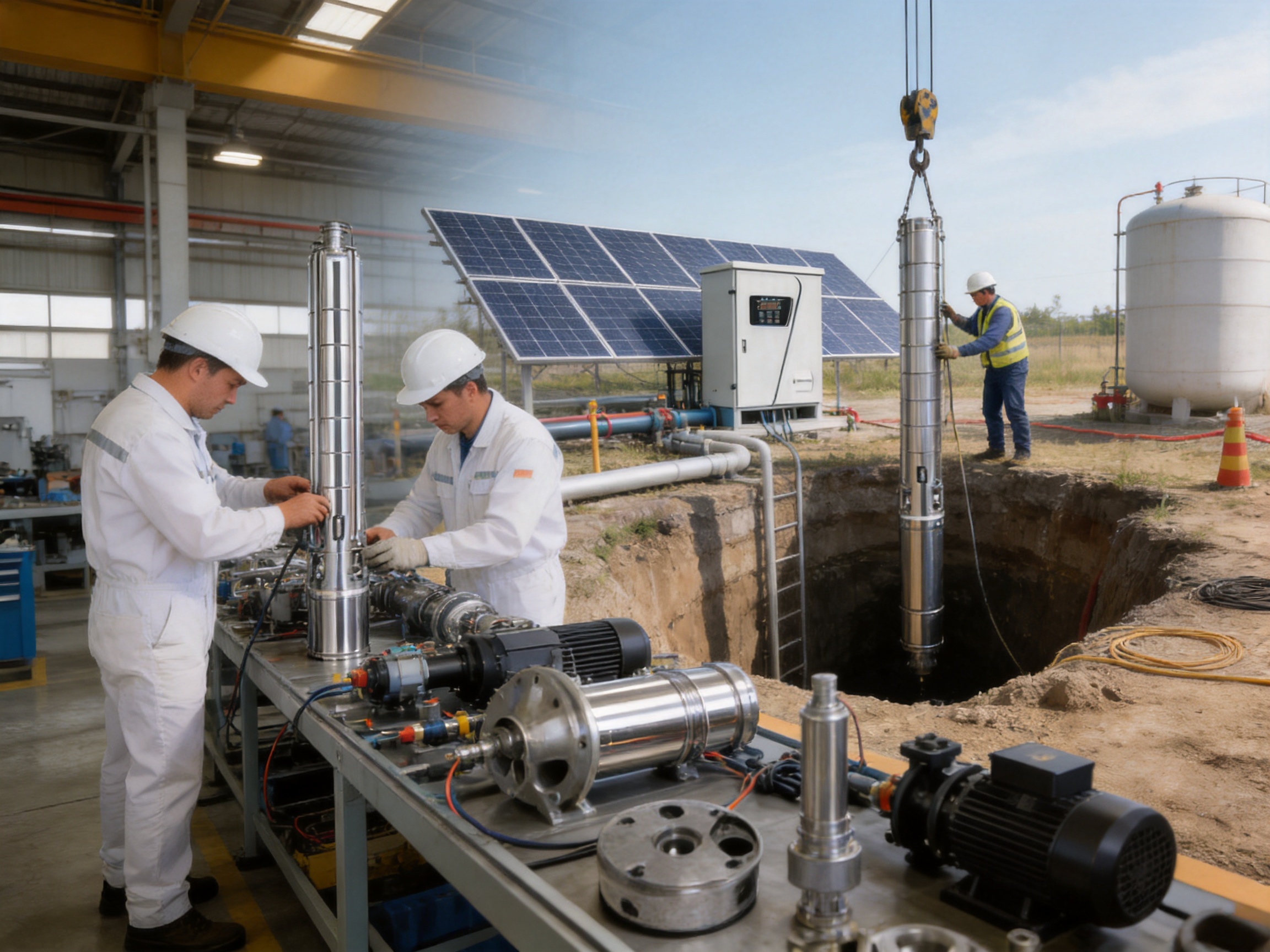
The transition toward renewable energy, decentralized water infrastructure, and dependable off-grid utilities has created increasing demand for high-performance solar water pumps. In agricultural regions, remote communities, livestock facilities, industrial sites, and rural households, water must often be lifted from deep underground sources without relying entirely on unstable grid electricity. The 8ADSC Stainless Steel Cylinder AC/DC Hybrid Solar Deep Well Pump is designed to address this need with a combination of high pumping capacity, deep-well suitability, hybrid power flexibility, durable construction, and energy-conscious operation.
Unlike a conventional single-power-source pump, this AC/DC hybrid model can operate with solar direct current and conventional alternating current. Solar energy can be used when photovoltaic power is available, while AC electricity can provide operational continuity during periods of limited sunlight, maintenance, seasonal weather changes, or high water demand. This dual-input concept gives system designers greater flexibility and helps reduce dependence on a single energy source.
The 8ADSC series is particularly notable for its stainless steel cylinder construction, high-efficiency motor, brushless design, and substantial hydraulic capacity. The available configurations include a 150 cubic meter per hour maximum flow rate with either a 37-meter or 77-meter maximum head. With power ratings of 11,000 watts and 22,000 watts, the pump is suitable for demanding agricultural, commercial, and infrastructure-related water applications rather than only small household installations.
This article examines the product’s operating concept, performance characteristics, competitive advantages, application value, installation considerations, maintenance requirements, and the manufacturing strengths behind its development. It also explains how the pump can be integrated into practical water systems and why its design is relevant to buyers seeking reliable solar-powered or hybrid pumping equipment.
The 8ADSC Stainless Steel Cylinder AC/DC Hybrid Solar Deep Well Pump is a submersible water pump developed for deep well extraction and solar-assisted water supply. Its principal function is to transfer groundwater from a deep source to a storage tank, irrigation network, livestock watering system, rural distribution point, or other destination requiring a dependable water supply.
The pump uses an AC/DC hybrid electrical architecture. Its specified voltage is AC380/DC520V, with an optimum DC input range of 520V to 650V. This voltage range allows the pump to work with a properly configured photovoltaic array while retaining compatibility with an appropriate three-phase AC supply. Because solar output changes throughout the day, the electrical design must be paired with a suitable controller, protection system, and photovoltaic configuration.
The available models include the 8ADSC150-37-380/520-11000 and the 8ADSC150-77-380/520-22000. Both models are listed with a maximum flow of 150 cubic meters per hour and a 5-inch outlet. The first model provides a maximum head of 37 meters at 11,000 watts, while the second provides a maximum head of 77 meters at 22,000 watts. These two configurations allow users to select a pumping solution according to vertical lift, pipeline resistance, required water volume, and operating conditions.
The pump is supplied with a 2-meter cable, and the recommended solar panel open-circuit voltage is below 780 volts. The listed solar array power requirement is at least 1.3 times the pump power. For the 11,000-watt model, this indicates a recommended minimum photovoltaic capacity of approximately 14,300 watts. For the 22,000-watt model, the corresponding minimum is approximately 28,600 watts. Actual system design should also account for solar radiation, temperature, cable losses, controller efficiency, starting requirements, seasonal conditions, and the desired daily water volume.
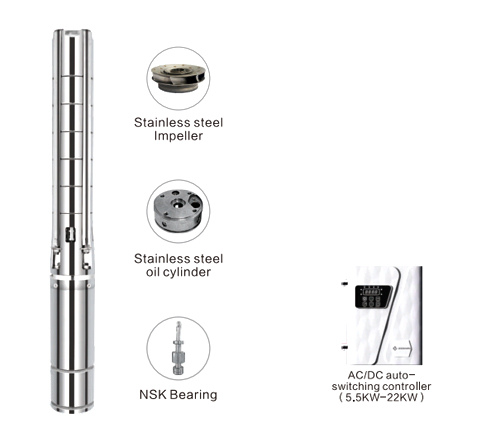
8ADSC Stainless Steel Cylinder AC/DC Hybrid Solar Deep Well Pump
The most important characteristic of the 8ADSC series is its hybrid power capability. A purely solar pump depends on sunlight and may deliver reduced output during cloudy weather, early morning, late afternoon, or winter conditions. A conventional AC pump, in contrast, depends on grid electricity or a generator and may incur higher operating costs in areas where power is expensive or unreliable.
The hybrid design combines the practical benefits of both energy sources. During periods of strong solar availability, the pump can use photovoltaic energy to reduce electricity consumption. When solar power is insufficient, an AC source can support the pumping process. This arrangement is valuable for farms, water projects, and remote facilities where water delivery must continue according to a schedule rather than only when solar conditions are ideal.
Hybrid operation also gives project owners greater flexibility when expanding a system. A water installation may begin with solar power as the primary source and later add grid backup, or it may use grid power during the initial stage while the photovoltaic array is installed and optimized. The pump can therefore form part of a phased energy strategy rather than requiring a single fixed operating model.
The stainless steel cylinder provides a strong protective structure for a pump working in a submerged environment. Deep wells expose equipment to continuous contact with water, minerals, suspended particles, and potentially corrosive substances. A corrosion-resistant outer structure can help preserve mechanical integrity and extend service life when the pump is selected and installed correctly for the water conditions.
Stainless steel also provides a clean, durable appearance and is widely used in water-handling equipment because of its resistance to rust and surface deterioration. Compared with ordinary painted steel housings, stainless steel can offer a stronger defense against coating damage, abrasion, and corrosion-related maintenance problems. This is especially useful in agricultural and rural installations where inspection and servicing opportunities may be limited.
The cylinder design is also practical for submersible applications because it supports a compact vertical form. A cylindrical body can be lowered into a well casing while maintaining a high strength-to-size relationship. This allows the pump to deliver substantial hydraulic performance without requiring a large surface footprint.
The motor is designed to deliver strong water flow while limiting unnecessary energy consumption. In a solar pumping system, motor efficiency is particularly important because the available energy is limited by the size and output of the photovoltaic array. A more efficient motor can convert a greater proportion of available electrical energy into useful hydraulic work.
Energy efficiency also has a direct relationship with system economics. Lower energy consumption may reduce the required solar array size for a given duty point, lower operating costs when AC electricity is used, and reduce thermal stress within the motor and electrical components. Over a long service period, these advantages can contribute to lower total ownership costs.
Actual efficiency depends on the operating point. A pump should be selected according to the required flow and total dynamic head rather than only its maximum advertised values. Operating close to the intended duty range generally provides better hydraulic performance and helps prevent unnecessary energy use.
The brushless motor design helps reduce mechanical wear associated with traditional brush-based motors. Brushes and commutators can require periodic replacement because they are exposed to friction and electrical arcing. Eliminating these components can reduce routine maintenance requirements and support more stable long-term operation.
For a submerged pump, reduced maintenance is particularly valuable. Removing equipment from a deep well can require lifting tools, labor, downtime, and sometimes specialized service personnel. A brushless configuration can help reduce the frequency of service interventions, although the full system still requires inspection of electrical connections, cable condition, water quality, and control equipment.
The 8ADSC series is designed specifically for deep-well water pumping. Its submersible arrangement places the pump near the water source, allowing it to push water upward through a discharge pipe. This approach avoids many of the priming limitations associated with surface-mounted suction pumps.
Because the pump is installed below the water level, the system can be suitable for groundwater extraction where a surface pump would struggle to maintain suction. Submersible operation can also reduce surface noise and save space around the wellhead. The selected model must nevertheless match the well diameter, static water level, dynamic water level, available submergence, and required pumping rate.
| Model | Power | Voltage | Optimum DC Input | Maximum Flow | Maximum Head | Outlet | Cable |
| 8ADSC150-37-380/520-11000 | 11,000 W | AC380/DC520V | 520V–650V | 150 m³/h | 37 m | 5 inches | 2 m |
| 8ADSC150-77-380/520-22000 | 22,000 W | AC380/DC520V | 520V–650V | 150 m³/h | 77 m | 5 inches | 2 m |
The specifications show that the two listed configurations share the same maximum flow rating but differ in power and head capability. This distinction is important because water systems are not defined by flow alone. A project with a relatively low vertical lift may prioritize the 37-meter configuration, while a site with a deeper water level, longer delivery route, or greater elevation change may require the 77-meter version.
Maximum flow and maximum head are reference values rather than guaranteed simultaneous operating points. In practical operation, flow normally decreases as the required head increases. Buyers should request or review the complete pump performance curve before final selection. The curve helps determine the expected flow at the actual total dynamic head, including static lift, pipe friction, valves, fittings, filters, and outlet pressure requirements.
The 5-inch outlet is suitable for high-volume water transfer when matched with properly sized discharge piping. Undersized pipe can create excessive friction losses and reduce delivered flow. Correct pipe sizing is therefore essential to obtain the full value of the pump’s capacity and to avoid unnecessary energy consumption.
Many conventional pumps are designed for only one electrical source. A grid-powered pump may be dependable where electricity is available but expensive or unavailable in remote areas. A standard solar pump may reduce energy costs but become less predictable when sunlight is limited. The 8ADSC hybrid model offers a more adaptable alternative by supporting both AC and DC operation.
This flexibility can be a decisive advantage for commercial farms, municipal water projects, and facilities where water delivery cannot stop when solar production falls. It also helps reduce the need to purchase a separate backup pump or redesign the entire pumping system when the site’s energy infrastructure changes.
With a listed maximum flow of 150 cubic meters per hour, the 8ADSC series is positioned for substantial water movement. This capacity is significantly more suitable for large irrigation blocks, storage tank filling, agricultural reservoirs, and commercial water supply than small domestic solar pumps designed for modest daily volumes.
High-capacity pumping can reduce the time required to fill a storage reservoir or supply a distribution network. When combined with a tank, the pump can operate during periods of strong solar availability and the stored water can then be used later for irrigation or livestock watering. This approach reduces the need to operate the pump continuously and helps balance intermittent solar generation with practical water demand.
The stainless steel cylinder and robust construction give the product an advantage in applications where corrosion resistance and mechanical durability are important. While no pump is suitable for every water chemistry, stainless steel construction generally provides a strong foundation for long-term use in ordinary groundwater and many challenging water conditions.
Durability is especially important in remote locations. A pump that requires frequent replacement can create much higher costs than its initial purchase price suggests. Transportation, labor, well access, irrigation interruption, and lost production can all increase the real cost of failure. A durable pump design helps reduce these risks when supported by correct installation and regular preventive checks.
The brushless motor and corrosion-resistant body can help reduce the maintenance burden compared with more mechanically complex alternatives. Lower maintenance does not mean that the pump is maintenance-free, but it can simplify long-term ownership. Users should still inspect the electrical system, check operating performance, verify the condition of the well, and monitor changes in water quality or flow.
For farms and remote water systems, reduced maintenance can be as valuable as high efficiency. Operators may not have immediate access to specialized technicians, and service visits can be expensive. A product designed for reliable continuous operation can improve system availability and support more predictable water management.
Solar operation can reduce dependence on purchased electricity or fuel. Once the photovoltaic system has been installed, sunlight is available without a recurring fuel charge. This can be particularly attractive for agricultural users facing high energy prices or remote sites where diesel delivery is difficult.
The AC input provides a practical alternative when solar power is insufficient. As a result, the product can help users balance energy cost and operational reliability. Solar energy may be prioritized during daylight hours, while AC power can be reserved for critical periods, low-sun conditions, or planned production schedules.
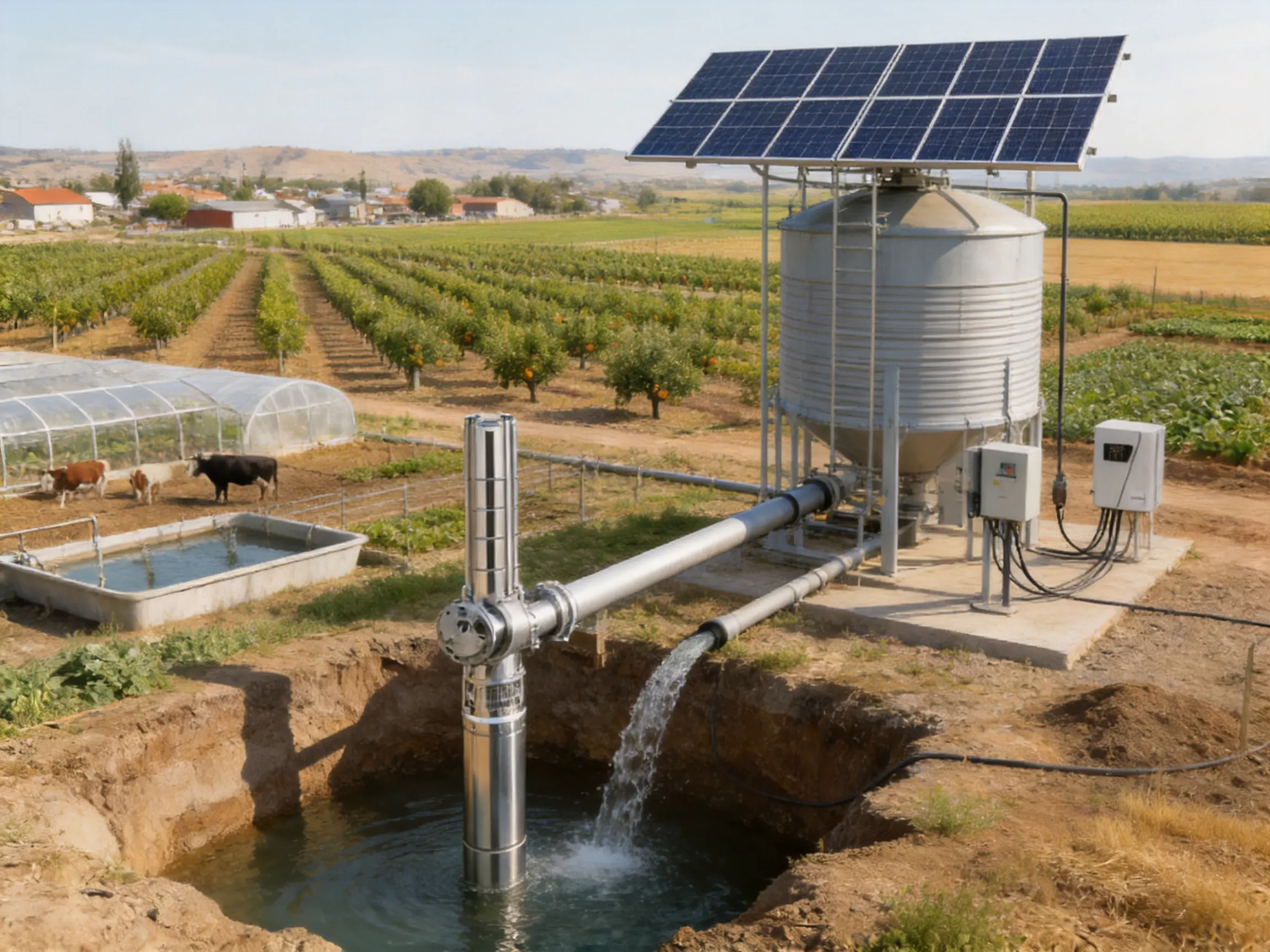
Agricultural irrigation is one of the most important applications for the 8ADSC series. Farms, orchards, greenhouses, and large cultivation areas often require significant volumes of water. The pump can transfer groundwater to elevated tanks, irrigation reservoirs, drip irrigation systems, sprinkler networks, or field channels.
For orchards and field crops, water demand may change according to season, crop type, rainfall, and temperature. A hybrid solar pump allows the operator to use low-cost solar energy during the day while retaining AC backup when irrigation must continue under poor weather conditions. Water storage can further improve flexibility by allowing pumping and irrigation to occur at different times.
Before installation, the irrigation designer should calculate the required daily water volume, peak flow, total dynamic head, pipe length, terrain elevation, filtration needs, and pressure requirements. The pump’s maximum flow should not be treated as the only selection criterion. The correct configuration is the one that delivers the required flow at the actual operating head.
Livestock facilities require consistent access to clean water. A deep well pump can transfer groundwater to storage tanks, troughs, pressure systems, or automated drinking lines. In remote ranches and poultry operations, solar energy can reduce reliance on generators and simplify daily water supply.
The hybrid configuration is useful where animal welfare and production schedules require dependable water availability. If sunlight is temporarily insufficient, AC electricity can maintain the water supply. A properly sized storage tank should also be considered because it provides a reserve in case of electrical interruption, pump servicing, or sudden increases in demand.
Many rural communities and isolated properties are located far from reliable electrical infrastructure. The 8ADSC pump can be integrated into an off-grid or partially grid-connected water system in which groundwater is pumped to a storage facility and distributed through a local network.
In these applications, the pump can support household water supply, community water points, sanitation systems, and small commercial activities. The system design should include appropriate water treatment where necessary. Pump construction alone does not guarantee drinking-water suitability; water quality testing and applicable local regulations must always be considered.
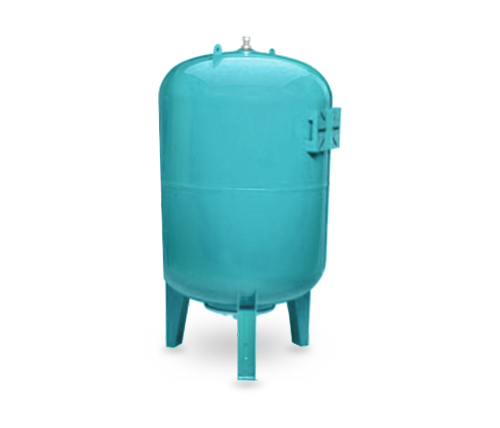
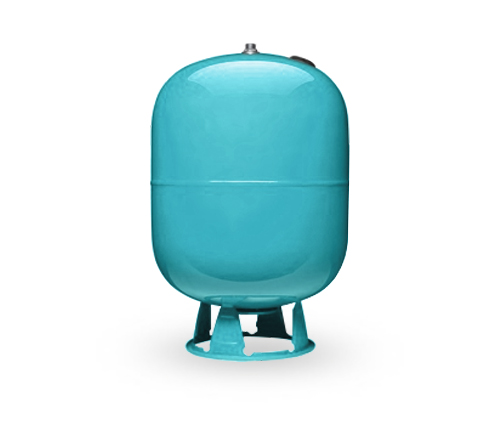
Storage tanks are a natural partner for solar pumping systems. During hours of strong sunlight, the pump can fill a tank, and the stored water can then be used when solar production is low. This method can reduce the need for batteries, which may be expensive and require replacement.
The pump’s flow capacity makes it suitable for filling large tanks and reservoirs in relatively short periods, provided the tank, pipeline, and water source can support the required rate. Level sensors, float switches, or programmable controls can be used to prevent overflow and avoid unnecessary operation.
The high-power configurations can also be considered for commercial water transfer, construction support, municipal auxiliary systems, mining-related water movement, and industrial utility applications. The suitability of the pump depends on water chemistry, solids content, temperature, well geometry, duty cycle, and regulatory requirements.
For infrastructure projects, the hybrid power architecture can provide resilience where power availability varies. A project may use photovoltaic energy as the primary source while maintaining an AC connection for emergency operation. This type of redundancy can improve continuity and reduce dependence on fuel-based backup equipment.
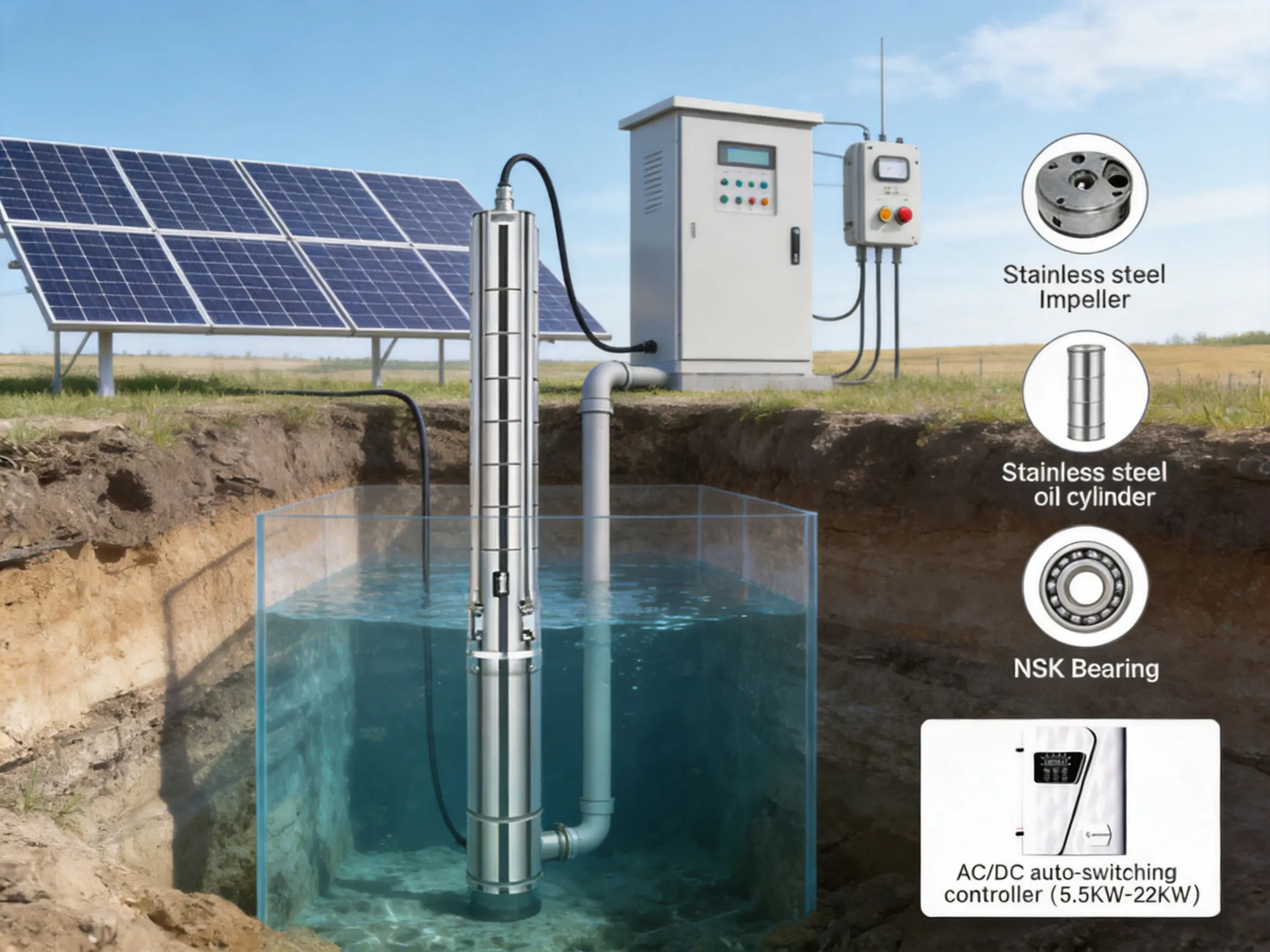
The listed recommendation is that solar panel power should be at least 1.3 times the pump power. This means the nominal array should be approximately 14.3 kilowatts for the 11-kilowatt model and 28.6 kilowatts for the 22-kilowatt model. These figures are starting points rather than universal design rules.
Actual array sizing should account for local solar irradiation, seasonal variation, panel temperature, dust, shading, wiring losses, controller efficiency, and the required pumping schedule. A site with weaker solar resources or a longer daily operating requirement may need additional photovoltaic capacity. A professional designer should also verify that the array voltage remains within the controller and pump’s permissible operating range under both open-circuit and loaded conditions.
The specified solar panel open-circuit voltage is below 780 volts. This requirement must be treated seriously during string design because photovoltaic voltage rises under certain low-temperature conditions. The maximum possible open-circuit voltage should remain below the permitted limit, including the effects of local climate and panel temperature coefficients.
Electrical protection may include DC isolators, overcurrent protection, surge protection, grounding, appropriate cable selection, and a compatible hybrid controller. AC protection should include suitable circuit breakers, overload protection, phase protection, and grounding. All electrical work should be completed by qualified professionals according to applicable standards.
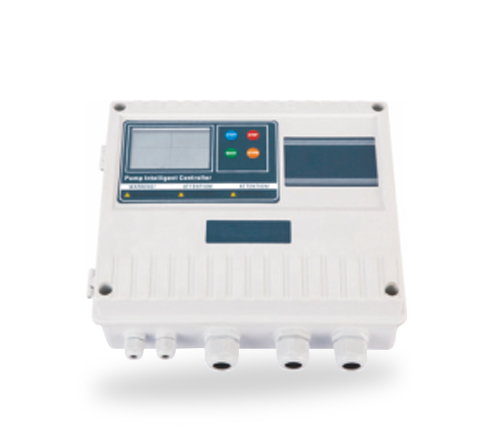
The controller is a critical part of the overall system. It must be compatible with AC380/DC520V operation and the specified DC input range. A suitable controller manages the relationship between photovoltaic power, AC power, motor demand, and protective shutdown functions.
Depending on the system architecture, the controller may provide functions such as soft starting, dry-run protection, overvoltage protection, undervoltage protection, overload protection, phase-loss monitoring, and automatic source switching. These features can improve motor protection and make operation more stable under changing energy conditions.
A storage tank can improve both water availability and energy efficiency. Water-level sensors can stop the pump when the tank is full and restart it when the level falls. A low-water sensor in the well or source can prevent dry running, which is one of the most important protective functions for a submersible pump.
For irrigation, the control system may be linked to valves, timers, soil moisture sensors, or irrigation controllers. For livestock systems, it may be linked to float valves and reserve tanks. The pump should not be allowed to operate against a closed discharge line unless the system is specifically designed to manage that condition.
Before installation, the well should be assessed for casing diameter, total depth, static water level, pumping water level, yield, sediment, and water chemistry. The pump must fit safely within the casing while maintaining sufficient clearance for installation and cooling.
The well’s sustainable yield should be greater than the intended pumping rate or the system should use a controlled duty cycle. Pumping more water than the aquifer or well can supply may lower the water level, draw in sediment, cause dry running, or damage the well structure. A high-capacity pump should therefore be matched to the actual well yield rather than operated at maximum output without verification.
Total dynamic head includes more than the vertical distance from the water level to the delivery point. It includes the drawdown level while pumping, elevation difference, pipe friction, fittings, check valves, filters, meters, and the pressure needed at the final outlet.
For example, a project with a 25-meter vertical lift may still require a pump capable of more than 25 meters of head if the pipeline is long or the irrigation system requires pressure. Selecting a model only from the well depth can lead to underperformance. A complete hydraulic calculation is essential.
The 5-inch outlet should be connected to discharge piping that can carry the required volume without excessive friction. A pipe that is too small may reduce flow, increase energy consumption, and create water hammer or pressure problems. The pipeline should also be supported properly so that its weight does not place excessive stress on the pump cable or discharge connection.
A check valve may be needed to prevent reverse flow when the pump stops. Isolation valves and a pressure gauge can simplify maintenance and system monitoring. In long pipelines, additional air-release or surge-control provisions may be required according to the system layout.
The supplied cable length is listed as 2 meters, so the installation may require an approved submersible extension cable for deeper wells. Cable selection should consider voltage, current, length, insulation quality, water exposure, temperature, and local electrical requirements.
The pump should be suspended using an appropriate support method rather than hanging from the electrical cable. A strong, corrosion-resistant safety line or pipe support can help secure the pump during installation and removal. Cable joints must be waterproof and professionally made because moisture penetration can cause insulation failure, short circuits, or motor damage.
The product is manufactured by Taizhou Edwin Electric Co., Ltd., an integrated enterprise founded in 2008. The company’s stated capabilities include independent research and development, mass production, and global export. These capabilities are important because a pump manufacturer serving international customers must coordinate product design, component sourcing, assembly, quality control, packaging, documentation, and logistics.
Independent research and development supports the continuous improvement of pump structures, motor systems, solar compatibility, and intelligent control functions. For a product such as the 8ADSC hybrid solar pump, development work must address both hydraulic performance and electrical compatibility. The pump is not simply a mechanical water mover; it is part of an integrated energy and water system.
Mass production can provide advantages in process consistency, component standardization, production planning, and supply continuity. When manufacturing procedures are properly controlled, repeated production can help reduce variation between units. Standardized processes also make it easier to manage spare parts, technical documentation, inspection procedures, and after-sales support.
The stainless steel cylinder requires appropriate material handling, forming, welding, finishing, and inspection procedures. Stainless steel components must be processed carefully to maintain dimensional accuracy and surface quality. Motor assembly requires attention to winding quality, insulation, rotor and stator alignment, bearing installation, sealing, and electrical testing.
Hydraulic assembly also requires precision. Impellers, diffusers, shafts, seals, bearings, and pump stages must be assembled according to the intended design. Proper alignment helps limit vibration, noise, mechanical wear, and energy loss. A production system that combines component inspection with assembly checks can improve product reliability and reduce the risk of premature failure.
Testing is another important part of pump manufacturing. A responsible quality process may include electrical insulation checks, voltage and current verification, rotational checks, leakage inspection, vibration observation, and hydraulic performance testing. The exact testing program depends on the model and applicable standards, but performance verification is essential for confirming that the finished pump corresponds to its technical specification.
The manufacturer’s product portfolio includes deep well pumps, submersible pumps, domestic booster pumps, circulation pumps, solar water pumps, and intelligent booster pumps. Experience across these categories can support broader technical understanding of motors, hydraulic systems, pressure control, energy efficiency, and water application requirements.
The company has also invested in new energy and intelligent technology since 2018. This development direction is relevant to the 8ADSC series because hybrid solar pumping requires more than traditional pump manufacturing knowledge. It requires understanding of photovoltaic power behavior, variable input conditions, electronic control, system protection, and the relationship between energy availability and water demand.
Global export experience can provide additional value to international buyers. Export-oriented manufacturing typically requires attention to product labeling, packaging, customs documentation, communication, order tracking, shipping coordination, and market-specific expectations. The company’s related import and export service structure is intended to support procurement planning, delivery coordination, and foreign trade services.
Although the 8ADSC pump is designed for low maintenance and long service life, correct operation remains essential. The pump should not run dry, operate outside its electrical limits, or work continuously against an unsuitable hydraulic condition. Protection devices and water-level controls should be tested regularly.
Operators should monitor changes in flow, pressure, current, vibration, and operating sound. A gradual reduction in flow may indicate well drawdown, clogged intake components, pipe blockage, worn hydraulic components, or a change in system conditions. An increase in current may indicate hydraulic overload, mechanical friction, voltage problems, or a developing motor issue.
Water quality should also be monitored. Sand, abrasive particles, excessive sediment, and aggressive chemicals can reduce the service life of pump components. If the well produces sand, appropriate well development, filtration, or operating controls may be required. The pump should be selected according to the actual water conditions rather than assumed conditions.
At the electrical level, terminals, cable joints, grounding, and protective devices should be inspected by qualified personnel. Solar panels should be kept reasonably clean and free from shading. Loose connections, damaged insulation, and abnormal voltage readings should be corrected before continued operation.
Preventive maintenance is generally less expensive than emergency repair. A maintenance schedule can include seasonal inspection, tank and sensor testing, panel cleaning, electrical testing, pipe and valve inspection, and review of pump performance against the original design values.
Solar-powered pumping can reduce the use of grid electricity, diesel fuel, and gasoline generators. This may lower operating emissions and reduce noise in rural or environmentally sensitive locations. The environmental value is strongest when the solar array is properly designed and the pump operates efficiently at the required duty point.
The hybrid design provides a practical balance between sustainability and reliability. Purely renewable systems can be highly efficient but may require large water storage or batteries to overcome intermittent generation. A hybrid pump can use AC power as backup, allowing project owners to reduce battery dependence while maintaining water availability.
Economic benefits depend on local energy prices, solar resource, pump utilization, installation cost, maintenance, and financing conditions. A high-capacity pump may provide strong value in applications with regular water demand because the initial investment can be distributed across a large volume of pumped water over its service life.
For agricultural users, dependable irrigation can protect crop yields and reduce production risk. For livestock operators, reliable water can support animal health and simplify daily operations. For rural communities, a well-designed water system can improve access to water while reducing dependence on fuel deliveries and unstable utility infrastructure.
Buyers should begin by defining the application rather than selecting a pump solely by power rating. Important questions include the required daily water volume, peak flow, well depth, dynamic water level, delivery elevation, pipe length, outlet pressure, solar resource, AC availability, water quality, and desired operating schedule.
The buyer should confirm whether the 37-meter or 77-meter configuration is appropriate for the actual total dynamic head. Maximum head should not be confused with a recommended continuous operating point. The complete performance curve and technical documentation should be reviewed before ordering.
Electrical compatibility should also be confirmed. The project must support AC380V and the specified DC voltage range, and the photovoltaic array must remain below the stated open-circuit voltage limit. The controller, protection devices, cable, and installation accessories should be selected as a coordinated system.
For international projects, buyers should clarify packaging, export documentation, spare parts, warranty conditions, installation guidance, testing records, and technical support. It is also useful to request confirmation of the materials used in wetted and structural components when water chemistry is unusual or the pump will be used in a regulated application.
It is an AC/DC hybrid submersible solar deep well pump designed for deep-well water extraction, agricultural irrigation, livestock supply, rural water systems, storage tank filling, and other high-volume applications.
Yes. The pump is designed for hybrid operation and can use conventional AC electricity when solar DC power is unavailable or insufficient, provided that the AC supply and controller meet the specified requirements.
The listed configurations are 11,000 watts with a 37-meter maximum head and 22,000 watts with a 77-meter maximum head. Both listed models have a maximum flow of 150 cubic meters per hour.
The specified optimum DC input range is 520V to 650V. The solar array must also be designed so that its open-circuit voltage remains below 780 volts under the applicable operating and temperature conditions.
The listed recommendation is at least 1.3 times the pump power. This corresponds to approximately 14.3 kilowatts for the 11-kilowatt model and approximately 28.6 kilowatts for the 22-kilowatt model. Final sizing should account for local solar conditions and system losses.
The listed outlet size is 5 inches. The discharge pipeline should be selected to manage the expected water volume while limiting friction losses.
The pump may be used in a water supply system, but drinking-water suitability depends on the complete installation, material compliance, water quality, treatment process, and applicable regulations. Water should be tested before being used for human consumption.
No pump material eliminates every corrosion risk. Stainless steel provides strong corrosion resistance, but water chemistry, chloride concentration, acidity, temperature, abrasive particles, and installation conditions must still be evaluated.
A storage tank is not always mandatory, but it is often beneficial. It allows water to be pumped during strong solar conditions and used later, reducing the effects of changing sunlight and providing a reserve during short interruptions.
A submersible pump depends on surrounding water for proper operation and cooling. If the well water level falls below the pump intake or the source becomes depleted, dry running may cause overheating, wear, or damage. A suitable water-level protection system is recommended.
The AC input may be supplied by an appropriate generator if the generator provides compatible voltage, phase, frequency, capacity, and power quality. The generator should be selected and connected by qualified electrical personnel.
Model selection should be based on the required flow at the total dynamic head, not only on well depth or maximum flow. The designer should evaluate water demand, elevation, pipe friction, pressure requirements, well yield, electrical supply, and solar availability.
Potential users include agricultural irrigation operators, livestock farms, rural communities, off-grid property owners, construction projects, commercial water facilities, municipal support systems, and other organizations requiring high-volume deep-well pumping.
The 8ADSC Stainless Steel Cylinder AC/DC Hybrid Solar Deep Well Pump is designed for users who need substantial water flow, deep-well capability, and flexible energy operation. Its combination of AC and DC compatibility allows solar power to serve as a primary energy source while preserving the reliability of conventional electricity. The stainless steel cylinder provides durable corrosion-resistant protection, while the brushless high-efficiency motor supports low-maintenance operation and improved energy utilization.
The two listed configurations offer different head capabilities while maintaining a maximum flow rating of 150 cubic meters per hour. This makes the series suitable for a range of irrigation, livestock, storage, rural water, and commercial applications. The product’s value is strongest when it is selected using a complete hydraulic calculation and integrated with a correctly sized photovoltaic array, compatible controller, protective devices, storage tank, and properly designed pipeline.
Behind the product is an established manufacturing organization with experience in research and development, mass production, pump engineering, new-energy technology, intelligent water equipment, and international export services. These capabilities support the development of high-performance water pumps intended for demanding global applications.
For project owners seeking to reduce energy costs, increase water access, and improve resilience in areas with limited or unstable grid infrastructure, the 8ADSC series provides a practical hybrid solution. Its long-term performance will depend on correct sizing, professional installation, suitable water conditions, routine monitoring, and the use of a complete system design that matches energy supply with real water demand.
1. Product technical information for the 8ADSC Stainless Steel Cylinder AC/DC Hybrid Solar Deep Well Pump.
2. Manufacturer-provided specifications for AC/DC hybrid solar submersible pumping systems.
3. General engineering principles for photovoltaic water pumping and solar array sizing.
4. General guidance on submersible pump installation, well assessment, hydraulic head calculation, and preventive maintenance.
5. Technical references concerning stainless steel construction, brushless motor operation, and energy-efficient water pumping.
6. Agricultural irrigation system design principles for groundwater extraction, storage tanks, pipelines, and pressure management.
edwina@edwin-pump.com
+86-13586290903 (WhatsApp)
Xuri Gongliang Cutting Tool Entrepreneurship Park, Wenqiao Town, Wenling City, Taizhou City, Zhejiang Province, China

High Performance Smart Pump Factory


 English