edwina@edwin-pump.com

View All Products
en
Modern water supply systems require more than a motor and impeller. They must deliver stable pressure, efficient operation, dependable self-priming performance, and reliable protection under changing working conditions. The XLJET-50/80/100/150 Permanent Magnet Variable Frequency Self-Priming Jet Pump is designed to meet these requirements in residential, commercial, agricultural, and light industrial applications.
As part of the intelligent booster pump category, the XLJET Series combines self-priming capability with a high-efficiency permanent magnet motor, variable-frequency control, integrated pressure regulation, and multiple protective functions. This combination allows the pump to respond more intelligently to demand than a conventional fixed-speed jet pump. Instead of operating continuously at one power level, the pump can adjust its output according to the actual water requirement, helping reduce unnecessary energy consumption and pressure fluctuation.
The series includes four models: XLJET-50, XLJET-80, XLJET-100, and XLJET-150. Power ratings range from 370 W to 1,100 W, while maximum flow rates range from 50 L/min to 70 L/min and maximum heads range from 28 m to 46 m. Each model offers a maximum suction lift of 8 m, a maximum working pressure of 8 bar, and a compact horizontal design suitable for many installation environments.
Manufactured by Taizhou Edwin Electric Co., Ltd., the product reflects the company’s focus on pump research and development, mass production, quality control, and global export. The manufacturer has developed product lines covering deep well pumps, submersible pumps, domestic booster pumps, circulation pumps, solar water pumps, and intelligent water supply equipment. This broad experience supports the development of practical pump solutions for household water systems, agricultural irrigation, HVAC applications, industrial cleaning, municipal projects, and commercial facilities.
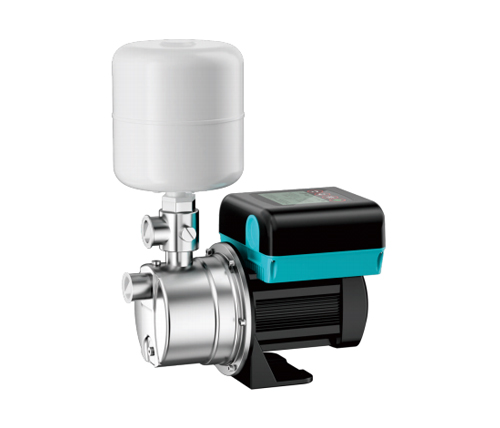
XLJET-50/80/100/150 Permanent Magnet Variable Frequency Self-Priming Jet Pump
A self-priming pump is designed to remove air from the suction line and establish water flow without requiring repeated manual filling under normal operating conditions. This function is especially useful where the pump is installed above a water source, where the suction pipe may occasionally contain air, or where the system needs to restart automatically after a period of inactivity.
Traditional centrifugal pumps can experience difficulty when air enters the suction pipe. In many cases, the pump must be manually primed before it can operate correctly. A self-priming jet pump is better suited to installations where the water level, piping conditions, or operating schedule may vary. By supporting automatic priming, the XLJET Series can simplify installation and everyday operation.
The “intelligent booster” designation refers to more than automatic starting. The XLJET Series is designed to manage pressure and motor output electronically. Its variable-frequency system enables the pump to operate at different speeds rather than relying only on an on/off cycle. This helps the pump match water demand more closely, which can improve comfort, reduce hydraulic shock, and support more efficient operation.
For example, a household using one faucet requires significantly less water than a building using several showers, washing machines, or irrigation outlets at the same time. A conventional fixed-speed pump may run at full speed in both situations. An intelligent variable-frequency pump can reduce its output during low demand and increase it when demand rises. This operating principle can help reduce energy waste while maintaining a more stable supply pressure.
The central performance feature of the XLJET Series is its IE5 high-efficiency permanent magnet motor. Permanent magnet motors generate a magnetic field through embedded permanent magnets instead of relying entirely on induced rotor current. This design can reduce certain electrical losses and support high efficiency across a broad range of operating conditions.
The motor is specified with efficiency of up to 96%. Actual efficiency depends on the model, operating point, voltage, hydraulic load, installation quality, and other site conditions. Nevertheless, the high-efficiency motor platform gives the pump an important advantage over many conventional asynchronous motor designs, particularly in applications where the pump operates for long periods.
The product information indicates that the permanent magnet motor can provide more than 30% energy savings compared with asynchronous motors under suitable comparison conditions. The actual saving will vary according to the competing motor, duty cycle, system pressure, flow demand, and control method. Even so, variable-frequency operation combined with permanent magnet technology provides a strong foundation for reducing operating costs.
Energy efficiency is increasingly important for commercial buildings, agricultural facilities, factories, and residential water systems. Electricity costs represent a significant portion of the lifetime cost of a pump. A pump with a higher purchase price may provide better total value if it consumes less electricity over many years of operation. The XLJET design is therefore intended not only to deliver hydraulic performance but also to support lower lifecycle energy consumption.
Variable-frequency control allows the motor speed to change in response to system requirements. When water demand is low, the pump can operate at a lower speed. When more outlets are opened or the required pressure increases, the control system can raise the motor speed.
This approach offers several practical advantages compared with simple fixed-speed operation. It can reduce frequent full-power operation, minimize pressure swings, and help avoid unnecessary starting and stopping. Smooth speed adjustment may also reduce mechanical stress on the pump, piping, valves, and connected appliances.
In domestic water supply, stable pressure improves user comfort. In commercial or industrial applications, stable pressure can contribute to more consistent process operation. For HVAC circulation, cleaning systems, and water treatment equipment, controlled flow and pressure can make the overall system easier to manage.
The XLJET Series is designed to provide self-priming performance with a maximum suction lift of 8 m. This specification indicates the maximum stated vertical suction distance under appropriate installation and operating conditions. Actual results may be affected by pipe length, pipe diameter, fittings, water temperature, air leakage, elevation, and the condition of the suction line.
A properly designed suction line remains essential. The pipe should be adequately supported, the connections should be airtight, and the suction diameter should be appropriate for the required flow. A foot valve or check valve may be needed depending on the system layout. Self-priming technology improves convenience, but it does not eliminate the need for correct hydraulic design.
Compared with a standard non-self-priming centrifugal pump, the XLJET Series can be a more convenient option for systems where the pump is located above the water source. It is suitable for water transfer from tanks, wells, storage reservoirs, and similar sources when the installation remains within the specified suction limit.
The product incorporates a one-click pressure regulation concept. This design is intended to make pressure adjustment simpler for installers and users. Rather than requiring complicated manual calibration or frequent mechanical intervention, the control interface provides a more direct method of selecting the desired pressure behavior.
A simple interface is particularly valuable in residential and small commercial installations, where users may not have specialized pump-control experience. It can also reduce setup time for installers working across multiple projects. The exact pressure range and control parameters should be confirmed according to the selected model and the application requirements.
Pressure adjustment should always be coordinated with the pump curve, pipework, storage tank, valves, and end-use equipment. Setting a pressure target above the system’s design capability can increase energy use and may create unnecessary stress. Proper commissioning ensures that the intelligent control system works efficiently rather than simply operating at maximum output.
The XLJET Series supports wide-voltage and dual-frequency operation according to the product design. The listed frequency range is 50/60 Hz, allowing the series to serve markets with different electrical standards. This is valuable for an export-oriented manufacturer supplying customers in different regions.
Electrical compatibility can simplify product selection for distributors, engineering contractors, and international buyers. However, the exact voltage specification, current, wiring method, and protection requirements should be confirmed before ordering. The pump must be connected to a power supply that matches the model’s nameplate and installation instructions.
Wide operating compatibility also supports standardized procurement. A distributor can potentially serve multiple regional markets with a related product platform rather than maintaining an entirely different pump design for every country. This can simplify inventory planning and technical training.
The motor and control system include multiple safety and protection functions intended to support reliable operation. The product information specifies IPX4 protection for the pump and IP54 protection for the pressure-control design. These ratings indicate protection against water exposure under defined testing conditions, but they do not mean the pump may be submerged or exposed to uncontrolled weather without additional protection.
For outdoor installation, the pump should be placed in a suitable ventilated and protected location. It should not be exposed to flooding, direct high-pressure water jets, or conditions beyond the stated environmental limits. Correct grounding, electrical isolation, overcurrent protection, and cable selection are also necessary.
The product is specified for an ambient temperature of up to 40°C and insulation class F. Class F insulation provides a defined thermal capability for the motor winding system. In practice, motor life is influenced by ambient heat, ventilation, operating load, voltage stability, humidity, and maintenance. Operating within the stated conditions helps protect the motor and control components.
The XLJET Series includes an automatic self-start function intended to prevent the pump from remaining inactive for too long. According to the product information, when the pump has not been used for an extended period, it automatically starts for a few seconds every 12 hours and then stops.
This short periodic operation can help reduce the possibility of the pump becoming stuck because of long-term non-use. The feature is useful in seasonal homes, standby water systems, holiday properties, agricultural installations, and backup equipment. It also demonstrates how the product combines mechanical pumping technology with electronic operating logic.
The self-start function should not be considered a substitute for normal inspection. Pumps installed in dusty, corrosive, freezing, or highly humid environments still require appropriate maintenance. Users should also make sure that the pump has adequate water availability before commissioning and that the suction system is protected against dry running.
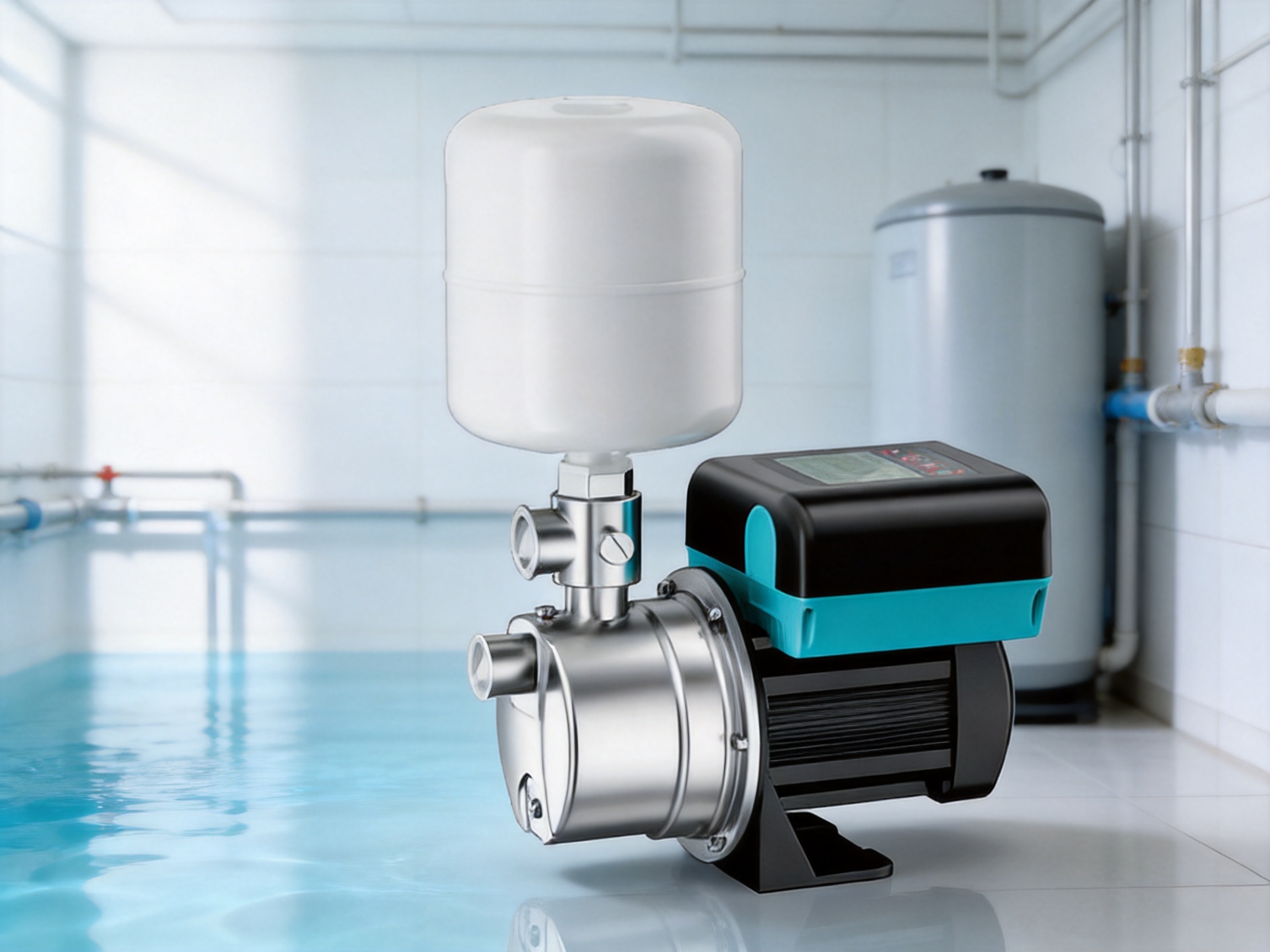
The XLJET product family offers four models with different power and head capabilities. Selecting the right model requires consideration of the required flow, vertical lift, pipe friction, pressure target, simultaneous water demand, and suction conditions.
| Model | Frequency | Power | Maximum Flow | Maximum Head | Maximum Suction | Inlet and Outlet | Net Weight | Dimensions |
|---|---|---|---|---|---|---|---|---|
| XLJET-50 | 50/60 Hz | 370 W | 50 L/min | 28 m | 8 m | 1 inch × 1 inch | 7.3 kg | 330 × 198.5 × 245.5 mm |
| XLJET-80 | 50/60 Hz | 550 W | 50 L/min | 38 m | 8 m | 1 inch × 1 inch | 7.3 kg | 330 × 198.5 × 245.5 mm |
| XLJET-100 | 50/60 Hz | 750 W | 60 L/min | 43 m | 8 m | 1 inch × 1 inch | 9.4 kg | 364 × 200 × 267.5 mm |
| XLJET-150 | 50/60 Hz | 1,100 W | 70 L/min | 46 m | 8 m | 1 inch × 1 inch | 9.4 kg | 364 × 200 × 267.5 mm |
The XLJET-50 is the smallest model in the series, with a rated power of 370 W, a maximum flow of 50 L/min, and a maximum head of 28 m. It is suitable for smaller domestic water systems, garden applications, tank transfer, and low-to-moderate pressure requirements.
Its compact size and 7.3 kg net weight can make handling and installation easier. The model is appropriate where the required pressure is moderate and the total pipeline resistance is limited. It should not be selected solely on the basis of maximum flow; the required flow at the actual operating head must also be checked.
The XLJET-80 uses a 550 W motor and provides a maximum head of 38 m while retaining a listed maximum flow of 50 L/min. It is a useful choice when the system requires more pressure than the XLJET-50 can provide but does not require the higher flow capacity of the larger models.
This model may suit multi-point domestic supply, small commercial facilities, elevated storage tanks, or systems with greater vertical lift and pipe friction. The compact dimensions and weight are the same as the XLJET-50, which can simplify product interchange in some installation designs.
The XLJET-100 increases motor power to 750 W, maximum flow to 60 L/min, and maximum head to 43 m. It is designed for more demanding water supply, transfer, cleaning, agricultural, and light commercial applications.
With a net weight of 9.4 kg and dimensions of 364 × 200 × 267.5 mm, it remains relatively compact for its performance class. This model can be considered when several outlets may operate at once or when the system includes more significant vertical lift and pipe resistance.
The XLJET-150 is the highest-capacity model in the series. It has a rated power of 1,100 W, a maximum flow of 70 L/min, and a maximum head of 46 m. It is intended for applications requiring higher pressure and flow, including larger domestic systems, commercial water supply, industrial cleaning, and process-related liquid transfer where the fluid conditions are suitable.
Although it provides the highest performance in the range, correct selection remains essential. A larger pump is not automatically more efficient if the system demand is low. The intelligent control can help adapt operation, but the pump should still be selected according to the system’s duty point and the desired pressure range.
Durable materials are essential for pump reliability. The XLJET Series uses a combination of stainless steel, aluminum, engineering plastic, and mechanical seal materials selected for their role in the hydraulic and motor assembly.
| Component | Specified Material | Functional Benefit |
|---|---|---|
| Pump body | Stainless steel | Supports corrosion resistance, structural strength, and clean water handling |
| Motor housing | Aluminum | Provides a lightweight structure and assists heat dissipation |
| Impeller | PPO | Offers a lightweight engineering-plastic solution for hydraulic rotation |
| Pump support | Aluminum | Provides a rigid and relatively lightweight mounting structure |
| Mechanical seal | Silicon carbide and graphite | Supports sealing performance and wear resistance under suitable conditions |
The stainless steel pump body provides a strong and corrosion-resistant hydraulic enclosure. This is valuable in water supply, water treatment, cleaning, and other applications where the pump may be exposed to moisture and regular contact with water.
Material selection must always be considered together with the fluid chemistry. The product is intended for low-viscosity, neutral, non-explosive liquids without solid particles or fibers. Aggressive chemicals, abrasive fluids, saltwater, oils, and special industrial liquids may require a different material configuration or a specially selected pump model.
Aluminum is used for the motor housing and pump support. Its relatively low weight helps maintain a compact product format, while its thermal conductivity can assist with heat dissipation from the motor assembly. Lightweight construction is beneficial during transportation, installation, servicing, and export packaging.
The mechanical strength of the support structure is also important because the pump must remain stable during operation. The installation base should be level, rigid, and capable of supporting the pump without excessive vibration. Correct alignment of suction and discharge piping prevents external pipe loads from being transferred to the pump body.
The impeller is made from PPO, an engineering plastic commonly selected for its dimensional stability, low weight, and suitability for certain water-handling environments. A lightweight impeller can reduce rotating mass and support responsive motor control.
As with all engineering materials, PPO performance depends on temperature, chemical compatibility, and fluid cleanliness. The maximum liquid temperature specified for the product is 90°C, but users must verify that the actual fluid composition and operating conditions are suitable for the complete pump assembly.
The mechanical seal uses silicon carbide and graphite. Mechanical seals are critical because they prevent liquid from entering the motor area while allowing the shaft to rotate. Silicon carbide offers high hardness and wear resistance, while graphite provides a compatible sealing face in suitable fluid conditions.
Seal life depends on water quality, temperature, pressure, alignment, dry-running events, installation, and operating frequency. The pump should not be operated without sufficient liquid. Preventing dry running is one of the most important measures for protecting the mechanical seal and hydraulic assembly.
The XLJET Series can support water boosting in houses, apartments, villas, and small residential buildings. It can be used with storage tanks, shallow water sources, rainwater systems, and other suitable water supplies. Variable-frequency control can help maintain more consistent pressure when demand changes between one and several outlets.
The self-priming function is helpful where the pump is positioned above the water source. The one-click pressure adjustment can make commissioning simpler for homeowners and installers. The selected model should be based on the building height, number of fixtures, expected simultaneous use, and available water supply.
For garden watering, the pump can supply sprinklers, hose outlets, drip irrigation systems, and tank transfer applications when the water is clean and free of damaging solids. The XLJET-50 or XLJET-80 may be suitable for smaller systems, while the larger models can support higher flow or longer pipe runs.
Irrigation systems should include suitable filtration where necessary. Sand, grit, leaves, and other solids can damage seals, restrict passages, or reduce hydraulic performance. A properly sized filter and regular cleaning can improve system reliability.
Commercial facilities often need compact pumps that can supply wash stations, equipment, small process systems, storage tanks, and service areas. The XLJET range offers several power levels so that users can select a model according to the duty requirements rather than relying on a single standard size.
The pump can also support liquid transportation, circulation, and lifting in suitable low-viscosity applications. Before use in an industrial process, engineers should confirm fluid compatibility, temperature, viscosity, vapor pressure, solids content, and chemical exposure.
The product information identifies circulation in air-conditioning systems and cooling systems as application areas. In these systems, controlled water movement is important for transferring heat and maintaining stable operating conditions.
The pump should be selected based on the required flow rate, system pressure drop, temperature, and control strategy. HVAC systems may operate for long periods, so the energy-saving potential of the IE5 permanent magnet motor and variable-frequency operation can be especially relevant.
The XLJET Series may be used in suitable water treatment and purification systems for clean-water circulation and transfer. Its stainless steel pump body and corrosion-resistant material configuration are advantageous in many water-handling environments.
However, treatment chemicals can affect metal, plastic, and seal materials. The pump should not be used with a chemical solution without confirming compatibility. For highly corrosive, abrasive, or chemically active liquids, a specialized pump design may be required.
Industrial cleaning systems often require reliable water pressure and repeated operation. The XLJET-100 and XLJET-150 may be considered for applications where higher pressure and flow are required, provided the cleaning liquid is compatible with the pump.
The pump is not described as a high-pressure washer pump, so system designers should evaluate the required pressure carefully. Where the process includes detergents, solvents, elevated temperatures, or suspended solids, the complete material and seal configuration must be checked before use.
The product information includes food, beverage, agricultural, and other ingredient systems among potential applications. This statement should be interpreted as applying to suitable low-viscosity, neutral, non-explosive liquids without solid particles or fibers.
Food and beverage installations may require specific hygienic design, certifications, sanitary connections, and materials beyond the standard product configuration. Users should confirm regulatory and sanitary requirements before integrating the pump into a process involving consumable products.
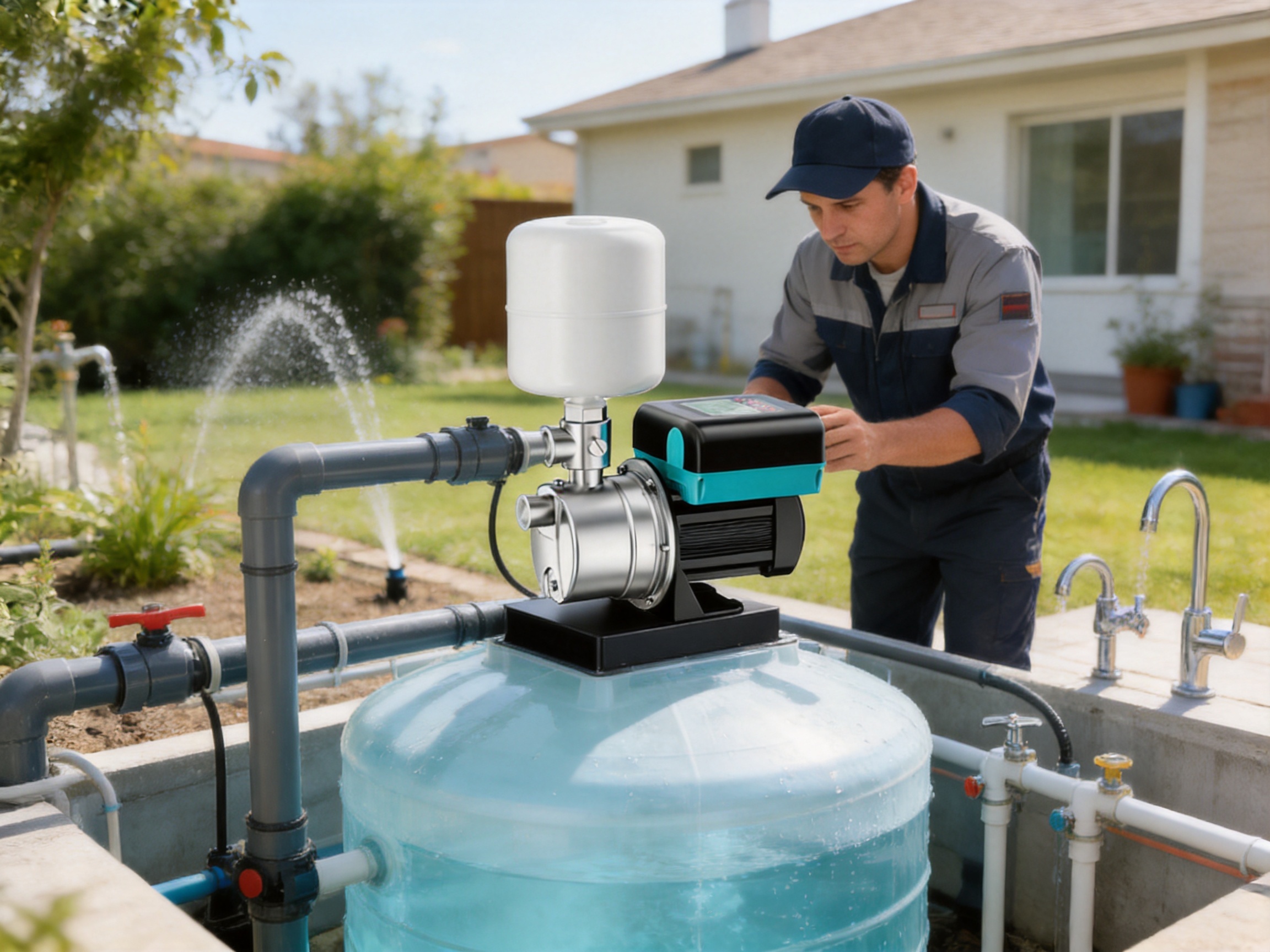
The XLJET Series offers several design advantages when compared with conventional fixed-speed, non-self-priming, or lower-efficiency booster pumps. These advantages relate to energy management, operating convenience, installation flexibility, and control.
A conventional fixed-speed pump generally operates at one speed whenever it is running. If the system demand is lower than the pump’s full output, excess energy may be converted into pressure losses, throttling losses, or unnecessary circulation. Variable-frequency control helps reduce this mismatch by allowing the pump to adjust its speed.
The permanent magnet motor further supports efficient operation. Together, these technologies may reduce electricity consumption and lower the heat generated during operation. This can be particularly valuable in systems with long operating hours or frequently changing demand.
Non-self-priming pumps may require manual filling after installation, maintenance, or air entry. The self-priming design of the XLJET Series reduces this inconvenience under appropriate conditions. This can improve the user experience and help shorten recovery time after a system interruption.
Conventional booster systems may produce noticeable pressure changes when the pump starts or stops. A variable-frequency system can ramp speed more smoothly and adjust operation according to demand. This may reduce water hammer and improve pressure stability at taps, showers, cleaning equipment, and other outlets.
The XLJET models combine motor, hydraulic assembly, control electronics, and pressure-management functions in a compact package. This reduces the need for a large external control cabinet in many installations. Compact dimensions can be beneficial where plant-room space, equipment-room space, or residential utility-room space is limited.
The one-click pressure adjustment system is intended to make the equipment more approachable for installers and end users. Instead of requiring complex programming for basic applications, the user can access essential pressure-control functions through a simplified interface.
Support for 50/60 Hz operation and wide-voltage application helps the series serve different export markets. For international distributors, this can simplify product selection and reduce the number of separate designs that must be stocked and supported.
The performance of a smart pump depends not only on its design but also on manufacturing consistency. Taizhou Edwin Electric Co., Ltd. was founded in 2008 and has developed an integrated business covering independent research and development, mass production, and global export.
This integrated structure can provide advantages in product development and supply coordination. When design, manufacturing, quality management, and export services operate within a connected organization, feedback from customers and field applications can be incorporated into product improvement more efficiently.
The company’s product portfolio includes deep well pumps, submersible pumps, domestic booster pumps, circulation pumps, solar water pumps, and intelligent booster pumps. This range gives the manufacturer experience across different hydraulic structures, motor technologies, control systems, and application environments.
Since 2018, the company has invested in new energy and intelligent technology. The development of solar water pumps and intelligent booster pumps reflects an effort to respond to market demand for energy efficiency, automation, and reduced dependence on traditional operating methods.
Mass production requires more than assembly capacity. It involves stable sourcing, repeatable processes, component control, testing procedures, production scheduling, and documentation. These capabilities are important for international buyers that need consistent product quality across repeated orders.
For a product such as the XLJET Series, production consistency must cover motor winding, impeller installation, mechanical seal assembly, pump-body machining, electronic control integration, pressure-control calibration, and final performance inspection.
The XLJET motor uses 100% copper wire in the winding system. Pure copper provides good electrical conductivity and supports stable motor performance. It can also help reduce resistive heat generation compared with lower-conductivity alternatives, provided the winding design and manufacturing process are properly controlled.
Motor winding quality depends on wire specification, winding tension, insulation, slot filling, connection quality, varnish treatment, and electrical testing. Consistent winding processes are therefore essential for achieving reliable efficiency and service life.
The use of stainless steel, aluminum, PPO, silicon carbide, and graphite requires careful control of incoming materials and assembly tolerances. Hydraulic clearances, shaft alignment, seal positioning, impeller balance, and fastening torque can all influence pump noise, vibration, efficiency, and longevity.
Electronic components require a separate quality focus. Variable-frequency control boards must be protected against electrical stress, heat, moisture, and installation errors within the stated operating conditions. Proper assembly and testing help ensure that the motor and control system work as a coordinated unit.
To meet different purchasing requirements, the company established Taizhou Haipai Import & Export Co., Ltd. and Golden Falcon Industrial Co., Ltd. in 2012. These organizations support procurement planning, order tracking, cross-border delivery, and foreign trade services.
This structure can be valuable to overseas customers that require more than a product catalogue. International projects often involve specification confirmation, model selection, packaging, documentation, production schedules, shipping coordination, and after-sales communication. A manufacturer with dedicated export-service experience can help streamline these stages.
The company’s pumps are used in new energy projects, agricultural irrigation, municipal engineering, mining, construction, HVAC systems, and household water supply. Exposure to different sectors can strengthen the manufacturer’s understanding of varying duty cycles, installation environments, environmental conditions, and customer expectations.
Application experience also helps a manufacturer identify the difference between laboratory performance and practical field requirements. Pump selection, pipe sizing, control settings, water quality, and maintenance conditions all influence real-world results. A capable technical supplier should therefore support customers with application-oriented guidance rather than only providing a nominal power rating.
The suction pipe should be airtight and as short and direct as practical. Excessive bends, undersized piping, and poorly sealed joints increase friction and may allow air to enter the system. The suction lift should remain within the stated maximum of 8 m.
A foot valve or check valve may be required to help retain water in the suction line. The suction pipe should be positioned to avoid drawing in air, sediment, floating debris, or excessive turbulence. Where the water source contains particles, a suitable strainer or filtration system should be installed.
The discharge system should be designed around the required flow and pressure. Long pipe runs, high elevations, multiple fittings, partially closed valves, and undersized pipes increase system resistance. The actual duty point may therefore be significantly different from the maximum flow or maximum head shown in the product table.
Installers should use the pump performance curve, when available, to identify the expected operating point. Maximum flow and maximum head are limiting values and are not normally achieved simultaneously. Correct sizing improves both performance and energy efficiency.
Electrical installation should be completed by qualified personnel. The supply voltage, frequency, current, grounding, circuit protection, cable size, and disconnecting means must match the pump requirements and local regulations.
The pump should be protected from voltage instability, water ingress, and incorrect wiring. The control interface should remain accessible for adjustment and inspection. Outdoor installations should include appropriate shelter and drainage.
The specified liquid temperature range is 0–90°C, while the specified ambient temperature is up to 40°C. The insulation class is F, and the listed maximum pressure is 8 bar. These limits should be treated as design boundaries rather than targets to exceed.
The pump is intended for low-viscosity, neutral, non-explosive liquids without solid particles or fibers. Oil or oil-based liquids require a special pump type. Users should also avoid operating the pump with fluids that may attack the pump body, impeller, seals, or other internal components.
Before starting the pump, installers should verify that the suction line is correctly connected, the pump is filled or prepared according to the operating instructions, valves are positioned correctly, and water is available. The system should be checked for leaks, abnormal vibration, unusual noise, and stable pressure.
During initial operation, the pressure setting should be adjusted gradually. If the pump cycles too frequently, cannot reach the desired pressure, or operates noisily, the system should be inspected for air leakage, insufficient water supply, blocked filters, incorrect pipe sizing, or unsuitable settings.
Regular inspection can help maintain performance and extend service life. Maintenance intervals should be based on operating hours, water quality, temperature, duty cycle, and environmental conditions.
Filters and strainers should be cleaned when necessary. Connections should be checked for leaks, and the pump should be kept free from excessive dust and moisture. The motor housing and ventilation areas should remain unobstructed so that heat can dissipate effectively.
Mechanical seal condition should be monitored through inspection for leakage. A small amount of initial moisture may require evaluation according to the seal design, but continuous or increasing leakage should be investigated. Dry running, cavitation, misalignment, and abrasive water can accelerate seal wear.
Electrical terminals and protective devices should be inspected by qualified personnel. Any unusual motor temperature, repeated fault condition, burning smell, abnormal vibration, or inconsistent pressure should be treated as a reason to stop and inspect the system.
The automatic self-start function can help prevent long-term inactivity from causing the pump to seize, but it does not eliminate seasonal maintenance. Before winter operation, users should consider freezing risk, drainage, insulation, and the local climate. If the pump will be stored, it should be drained and protected according to the manufacturer’s instructions.
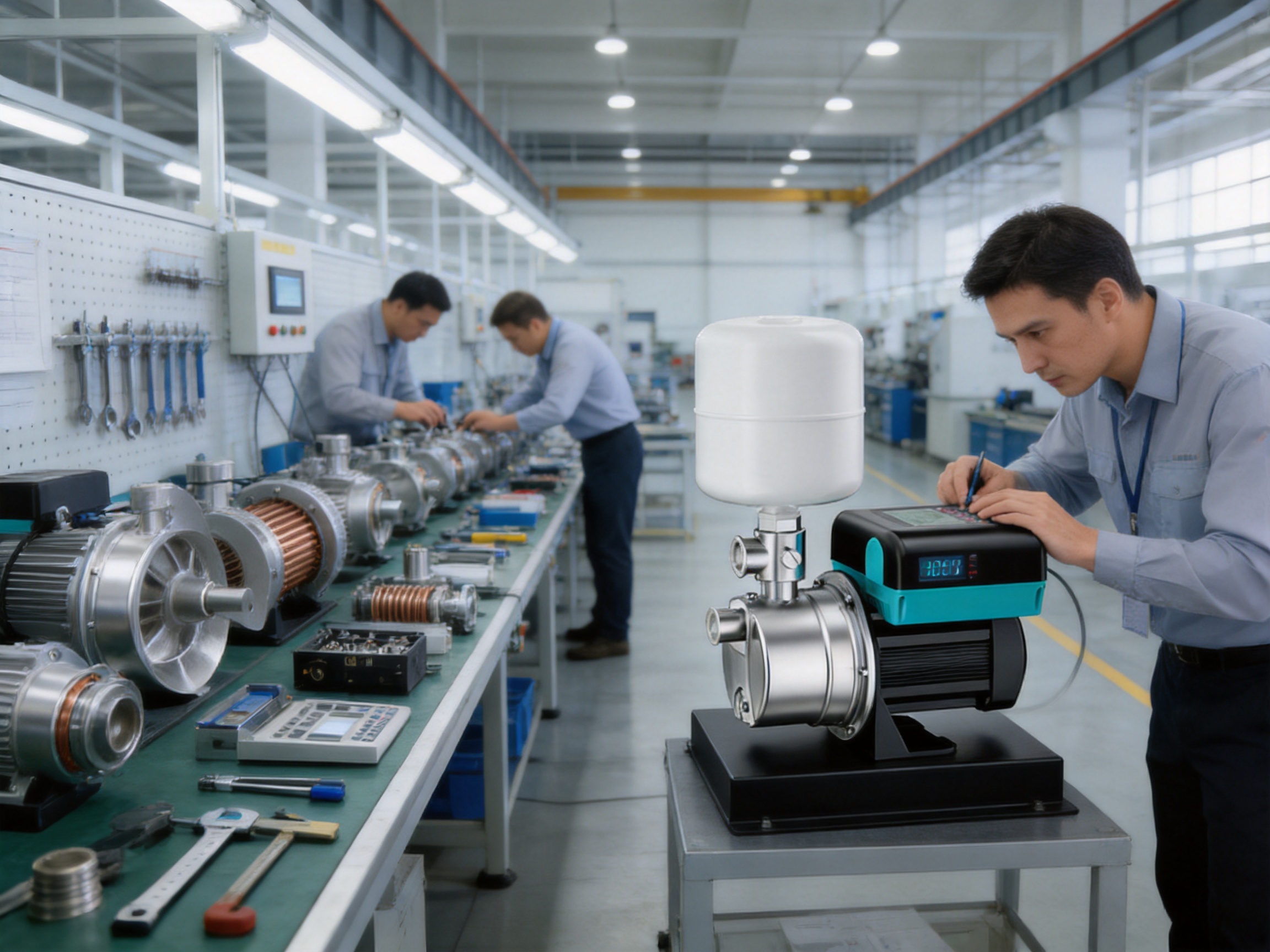
International buyers often evaluate pumps according to more than hydraulic specifications. They also consider supplier reliability, product range, manufacturing capability, documentation, delivery coordination, and technical communication. The XLJET Series is supported by a manufacturer with experience in domestic and export-oriented pump production.
The four-model range provides flexibility for distributors and project suppliers. Buyers can select a lower-power model for compact residential systems or a higher-power model for more demanding commercial and light industrial applications. The common design philosophy across the range can simplify training, marketing, installation guidance, and spare-part planning.
The product’s combination of self-priming operation, permanent magnet motor efficiency, variable-frequency adjustment, pressure control, and automatic self-start function creates a strong value proposition for modern water systems. These features address several common customer priorities: reduced energy consumption, easier operation, stable pressure, convenient installation, and reliable standby readiness.
For project procurement, the manufacturer’s broader capabilities can also be important. Edwin Pump offers product categories that include solar water pumps, submersible pumps, deep well pumps, circulation pumps, domestic boosters, and intelligent booster pumps. This makes it possible to discuss different water-supply requirements with a supplier that understands multiple pump configurations.
Customers should provide complete application information when requesting a quotation. Important details include the liquid type, temperature, source depth, suction lift, required flow, required pressure, pipe dimensions, elevation, voltage, frequency, duty cycle, installation location, and local certification needs. Accurate information allows the supplier to recommend the correct model and identify whether a special version is necessary.
The XLJET Series is a permanent magnet variable-frequency self-priming jet pump designed for intelligent water boosting, transfer, circulation, and pressure-supply applications.
The maximum stated suction lift is 8 m. Actual performance depends on pipe design, water temperature, atmospheric conditions, fittings, air tightness, and the water source.
The maximum stated pressure is 8 bar. The complete system, including pipework, valves, tanks, and connected equipment, must also be rated for the intended pressure.
The specified liquid temperature range is 0–90°C. The fluid must also be chemically compatible with the stainless steel, aluminum, PPO, silicon carbide, and graphite components.
The permanent magnet motor can provide high efficiency, with efficiency of up to 96% under suitable conditions. It can reduce electrical losses and support lower energy consumption compared with less efficient motor designs.
Yes. The variable-frequency control system is designed to adjust motor output according to water demand and pressure requirements, helping the pump operate more efficiently than a simple fixed-speed system.
The correct model depends on the number of outlets, building height, required pressure, pipe resistance, and expected simultaneous water use. The XLJET-50 or XLJET-80 may suit smaller systems, while the XLJET-100 or XLJET-150 may be appropriate for larger or higher-pressure requirements.
The standard product is intended for low-viscosity, neutral, non-explosive liquids without solid particles or fibers. Oil and oil-based liquids require a special pump type and should not be handled without confirming compatibility.
The product includes IPX4 and IP54 protection specifications for relevant components, supporting suitable outdoor use. However, it should be installed in a protected, ventilated, and well-drained location and must not be submerged or exposed to conditions beyond its ratings.
When the pump has not been used for an extended period, the function starts the pump for a few seconds every 12 hours before stopping. This is intended to help prevent the pump from becoming stuck because of long-term inactivity.
The pump body is stainless steel, the motor housing and pump support are aluminum, the impeller is PPO, and the mechanical seal uses silicon carbide and graphite.
It may be suitable for clean-water circulation and transfer in water treatment and purification systems. Chemical compatibility, temperature, solids content, and any required certifications should be checked before installation.
Use clean and compatible liquid, prevent dry running, maintain airtight suction piping, keep filters clean, provide correct electrical protection, avoid excessive pressure, and inspect the pump regularly for leakage, vibration, heat, and unusual noise.
Buyers should provide the required flow, pressure, suction lift, liquid type and temperature, pipe size, elevation, power supply, operating schedule, installation environment, and any certification or packaging requirements.
The XLJET-50/80/100/150 Permanent Magnet Variable Frequency Self-Priming Jet Pump is designed for modern water systems that demand efficiency, convenience, and stable performance. Its IE5 permanent magnet motor, variable-frequency control, self-priming capability, one-click pressure regulation, automatic self-start function, and compact construction create a practical alternative to conventional fixed-speed booster pumps.
The four-model range allows users to match equipment more closely to their pressure and flow requirements. Maximum flow ranges from 50 L/min to 70 L/min, maximum head ranges from 28 m to 46 m, and all models provide a stated maximum suction lift of 8 m. Stainless steel, aluminum, PPO, silicon carbide, and graphite components provide a balanced construction for suitable clean-water and low-viscosity applications.
Its advantages are supported by the manufacturer’s broader strengths in research and development, mass production, pump manufacturing, intelligent technology, export services, and one-stop procurement. With experience across household, agricultural, municipal, HVAC, construction, industrial, and new-energy applications, the company is positioned to provide more than a single pump model.
For best results, model selection and installation should be based on the complete hydraulic system rather than maximum specifications alone. When correctly selected, installed, and maintained, the XLJET Series can provide reliable pressure boosting, efficient motor operation, and convenient automatic water supply for a wide range of residential, commercial, and industrial applications.
1. Product specification materials for the XLJET-50/80/100/150 Permanent Magnet Variable Frequency Self-Priming Jet Pump.
2. Manufacturer-provided technical information on liquid temperature, ambient temperature, insulation class, protection level, maximum suction, and maximum pressure.
3. Manufacturer-provided model data covering rated power, flow, head, dimensions, weight, frequency, and connection sizes.
4. Manufacturer-provided component material schedule for stainless steel, aluminum, PPO, silicon carbide, and graphite pump assemblies.
5. General engineering principles for centrifugal pump selection, suction-pipe design, variable-frequency motor control, and water-system commissioning.
6. General technical guidance on motor efficiency classes, permanent magnet motor technology, mechanical seals, and pump maintenance.
edwina@edwin-pump.com
+86-13586290903 (WhatsApp)
Xuri Gongliang Cutting Tool Entrepreneurship Park, Wenqiao Town, Wenling City, Taizhou City, Zhejiang Province, China

High Performance Smart Pump Factory


 English