
edwina@edwin-pump.com

View All Products
en
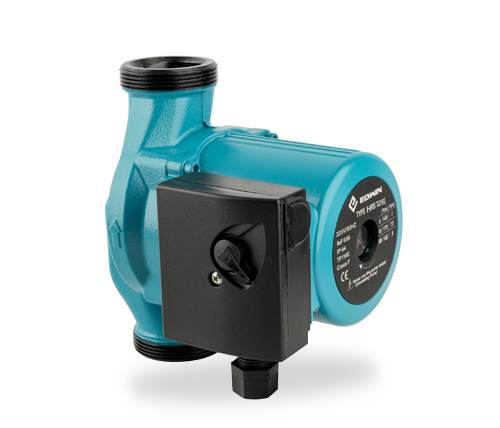
Access to groundwater is a critical concern for agriculture, residential use, and industrial operations. A borehole pump is designed to extract water efficiently from deep wells or boreholes, providing a consistent water supply where surface sources are limited. Its specialized design allows it to handle varying water depths and flow requirements, making it a versatile tool for multiple settings.
Understanding the advantages and practical applications of a borehole pump highlights its importance in water management.
A borehole pump operates by pushing or lifting water from a deep underground source to the surface. Depending on the type, it can be submersible or surface-mounted. Submersible pumps sit inside the borehole and push water upward, while surface pumps draw water using suction.
This type of pump is designed to operate reliably under pressure and varying water levels. Its efficiency comes from careful engineering of the impellers, casing, and motor to handle depth and volume without significant energy loss.
The main components of a borehole pump include the pump body, impellers, motor, and shaft. Submersible models are sealed to prevent water from entering the motor, ensuring durability and continuous operation. Materials are chosen for corrosion resistance, strength, and long-term performance, often including stainless steel, brass, or specialized polymers.
The construction of the pump ensures that it can operate effectively even in challenging conditions, such as fluctuating water tables or high sediment content.
A borehole pump serves multiple applications:
The adaptability of the pump makes it a suitable choice for projects where water availability and reliability are crucial.
While a borehole pump is designed to move water efficiently, energy usage depends on depth, flow rate, and pump type. Submersible pumps typically provide higher efficiency at deeper depths because they push water rather than pulling it, reducing the risk of cavitation. Regular maintenance, including cleaning filters and checking seals, ensures optimal performance over time.
A borehole pump is built to operate in challenging environments for long periods. Proper maintenance extends its lifespan and prevents costly downtime. Regular inspection of the motor, bearings, and impellers helps maintain steady performance. Lubrication and timely replacement of worn parts ensure that the pump continues to function reliably.
Using a borehole pump offers practical advantages. It ensures consistent water availability, supports irrigation and household needs, and reduces dependence on surface water sources that may fluctuate seasonally. For both rural and urban applications, it provides a dependable solution that balances efficiency, durability, and ease of operation.
A borehole pump is a versatile and practical tool for accessing groundwater efficiently. From agricultural irrigation to residential water supply, it provides reliable performance and supports sustainable water management. By combining durability, energy-efficient operation, and adaptability, a borehole pump ensures that water needs are met consistently and effectively across diverse applications.
edwina@edwin-pump.com
+86-13586290903 (WhatsApp)
Xuri Gongliang Cutting Tool Entrepreneurship Park, Wenqiao Town, Wenling City, Taizhou City, Zhejiang Province, China

High Performance Smart Pump Factory


 English