
edwina@edwin-pump.com

View All Products
en
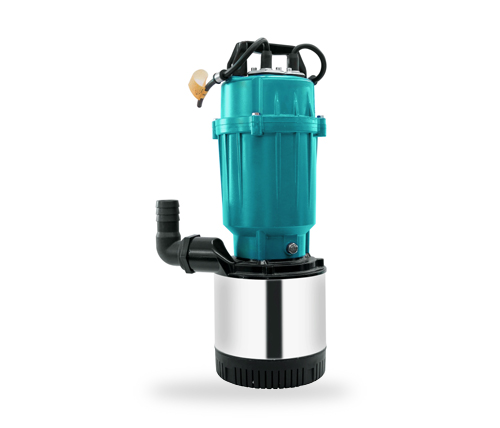
A Submersible Pump is a critical tool for moving water and other fluids from wells, tanks, or reservoirs. Unlike surface pumps, submersible models operate underwater, which reduces noise, eliminates the need for priming, and ensures consistent flow. Their design allows them to function in challenging environments, from agricultural fields to industrial sites.
Understanding how these pumps work highlights their significance in everyday operations. By combining engineering, durability, and operational versatility, a submersible pump provides practical solutions for fluid management.
The core mechanism of a Submersible Pump involves a sealed motor directly attached to the pump unit. This configuration allows the pump to be fully submerged in the liquid it moves. The impeller pushes water or fluid upward, while the motor operates efficiently without exposure to air or external contaminants.
Because the pump is submerged, the risk of cavitation—caused by air pockets in the pump—is minimized. This design also supports continuous operation under various conditions, from low-volume residential wells to high-volume irrigation systems.
Durability is key for a Submersible Pump. Manufacturers select corrosion-resistant materials such as stainless steel, reinforced polymers, or treated alloys for the pump casing, impeller, and motor housing. These materials resist wear, reduce maintenance, and ensure consistent performance over time.
Sealing systems, including double mechanical seals or oil-lubricated barriers, prevent water ingress into the motor. By maintaining a protected environment for electrical components, the pump achieves long-term reliability even in harsh or abrasive fluids.
Submersible pumps serve a wide range of applications. In agriculture, they provide irrigation for crops and maintain water levels in reservoirs. In industry, they handle wastewater, process fluids, and cooling water. Municipalities rely on submersible pumps for water supply and drainage, making them versatile tools in many sectors.
A single pump can often adapt to different flow rates and depths, allowing professionals to tackle multiple tasks without replacing the equipment. This flexibility enhances efficiency and reduces operational complexity.
Even durable submersible pumps require periodic care. Monitoring vibration, temperature, and flow helps identify potential issues before they escalate. Many pumps feature modular designs, allowing impellers, seals, or bearings to be replaced without removing the entire unit.
Proper maintenance extends lifespan and maintains consistent performance. Following manufacturer recommendations for lubrication, cleaning, and operation ensures the pump operates reliably under varying conditions.
Submersible pumps are designed for energy-efficient operation. By positioning the pump in the fluid, resistance is reduced, lowering electricity use. Additionally, precise flow control minimizes water wastage in irrigation or municipal systems.
Some pumps incorporate variable speed motors or monitoring systems, allowing adjustment based on real-time demand. These measures support both environmental responsibility and operational cost savings.
A Submersible Pump combines engineering, material durability, and practical design to offer dependable fluid management. From agriculture to industry, these pumps provide consistent performance, reduced maintenance, and efficient energy use.
Understanding the design and application of submersible pumps underscores their importance in everyday operations. By choosing the right pump and following proper maintenance practices, users can ensure reliable water or fluid transfer for years to come.
edwina@edwin-pump.com
+86-13586290903 (WhatsApp)
Xuri Gongliang Cutting Tool Entrepreneurship Park, Wenqiao Town, Wenling City, Taizhou City, Zhejiang Province, China

High Performance Smart Pump Factory


 English