
edwina@edwin-pump.com

View All Products
en
Deep-well pumping systems operate under conditions where direct observation is impossible, which makes fault diagnosis heavily dependent on indirect signals. An Oil Filled Borehole Pump is designed with sealed motor housing filled with dielectric oil, improving heat dissipation and internal lubrication stability. This configuration is widely used in submersible groundwater extraction, mining drainage, and agricultural irrigation wells.
Dry running protection in such systems is not inherently mechanical—it is achieved through monitoring logic, sensor feedback, and system-level safeguards. Industry reports show that dry running remains one of the most destructive operating conditions, often causing rapid seal failure, overheating, and cavitation-related wear within minutes of abnormal operation.
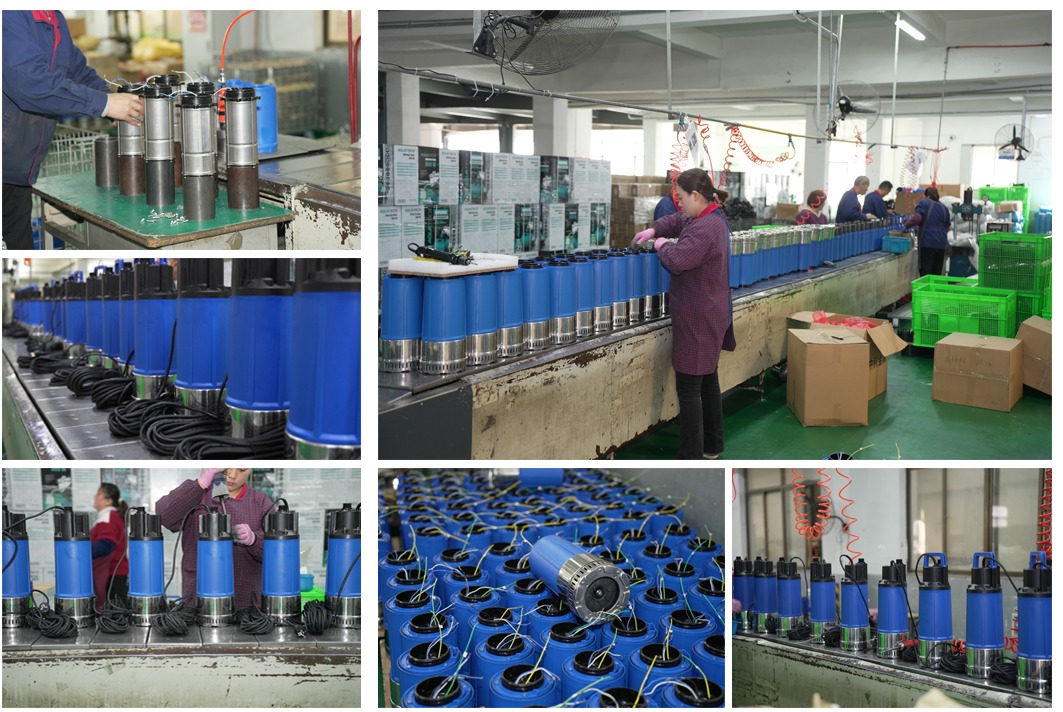
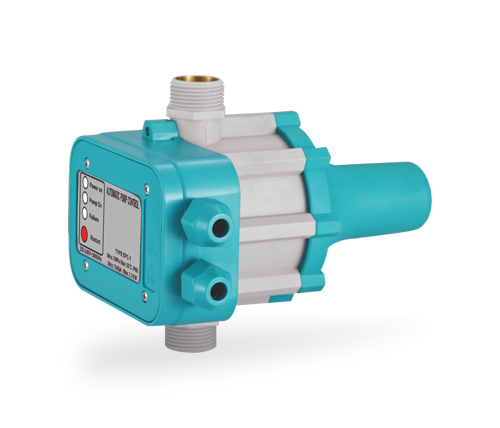
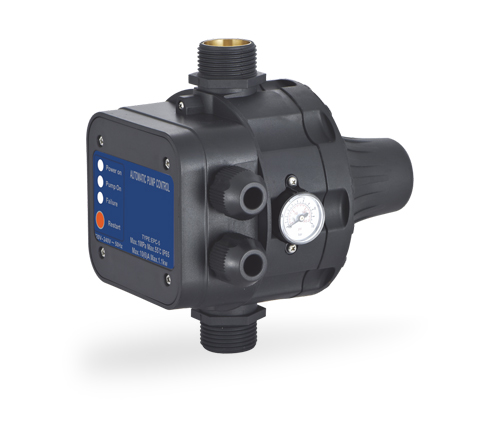
Detection is typically not handled by the pump body itself but by external or integrated monitoring modules. Several mechanisms are commonly used:
A drop in load current is often the earliest electrical indicator. When water intake is lost, motor resistance decreases, causing measurable amperage reduction. However, this signal can be misleading under partial flow conditions, which complicates direct interpretation.
Modern monitoring systems sometimes combine multiple signals to reduce false alarms, especially in deep installations where retrieval costs are high.
Inside an oil filled borehole unit, lubrication oil continues circulating around stator and rotor assemblies. However, hydraulic cooling from pumped liquid is absent, which changes thermal balance significantly.
Key internal effects include:
Dry operation does not immediately stop motor rotation, which creates a dangerous false sense of normal operation. Mechanical damage accumulates quietly until insulation breakdown or seal failure occurs.
Field studies of submerged pumps show that dry running often coincides with air ingestion and cavitation events, especially in systems with fluctuating water tables or poorly sealed suction zones.
Confusion often arises between cavitation and dry running because both produce similar acoustic and performance symptoms. However, internal mechanisms differ:
Cavitation symptoms:
Dry running symptoms:
Accurate diagnosis depends on suction condition verification rather than sound alone. System-level inspection is more reliable than localized observation.
Most modern borehole installations rely on layered protection systems rather than a single detection method. Typical configurations include:
Advanced systems integrate these signals into programmable logic controllers (PLC), allowing automatic shutdown thresholds.
Typical protective thresholds used in industrial installations:
These values vary depending on pump size, depth rating, and application environment.
Dry running detection accuracy is strongly influenced by system design rather than sensor quality alone.
Common design constraints include:
In deeper installations, pressure recovery time after load changes can mask early warning signals. This delay makes real-time detection more challenging compared to surface pumps.
Motor current signature analysis has become a practical diagnostic method for borehole pumps. Under normal load, current remains relatively stable. During dry operation:
However, false positives may occur during voltage fluctuations or partial clogging, requiring correlation with other data sources.
Extended dry running introduces cascading failure mechanisms:
Because borehole pumps are submerged and inaccessible, damage often becomes irreversible before detection triggers activation.
Dry running detection in oil filled borehole systems is less about identifying a single event and more about recognizing a pattern of abnormal system behavior. Reliable protection depends on combining electrical, thermal, and hydraulic signals into a unified decision framework.
Effective monitoring setups prioritize early-stage deviation detection rather than waiting for complete flow loss. That shift in design philosophy significantly reduces long-term failure rates in deep-well pumping applications.
edwina@edwin-pump.com
+86-13586290903 (WhatsApp)
Xuri Gongliang Cutting Tool Entrepreneurship Park, Wenqiao Town, Wenling City, Taizhou City, Zhejiang Province, China

High Performance Smart Pump Factory


 English