
edwina@edwin-pump.com

View All Products
en
Fast installation has become a strong selling point for modern pumping equipment. Homeowners, agricultural users, and commercial buyers increasingly look for products that require fewer tools, less wiring, and shorter setup time. An Easy Installation Pump certainly offers convenience, but another question naturally follows: does a simplified installation process reduce reliability over years of operation?
The short answer is not necessarily. Installation convenience and product durability are two different engineering considerations. A well-designed pump can remain dependable for thousands of operating hours while also reducing installation complexity. Reliability depends far more on structural design, hydraulic balance, sealing technology, motor protection, and proper application than on the number of bolts or fittings required during installation. Industry reliability experts consistently note that installation quality and system integration are major factors affecting long-term pump performance, sometimes even more than the pump itself.
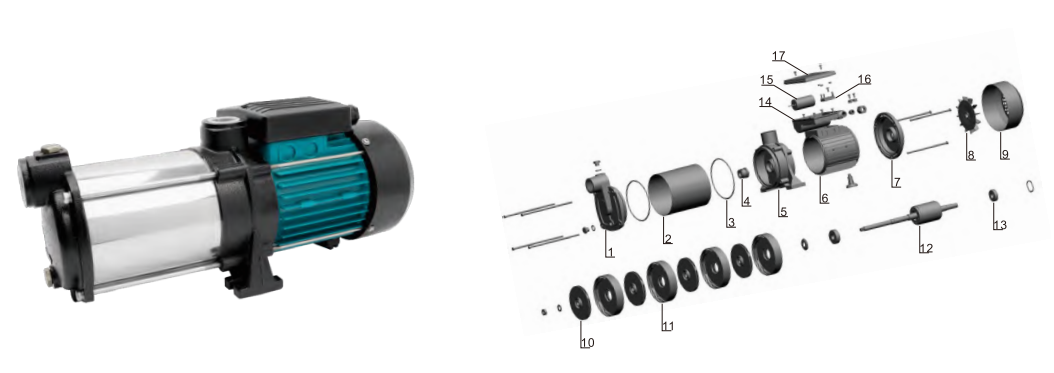
Many users associate quick installation with lightweight construction or fewer internal components. Modern pump development tells a different story.
Engineers often simplify external installation while maintaining sophisticated internal structures. Typical improvements include:
These features reduce installation time without changing hydraulic performance.
Long-term service life depends on several engineering details rather than installation speed.
The motor carries the majority of the operating load.
| Motor Feature | Contribution to Reliability |
| Copper windings | Stable temperature during continuous operation |
| Class F insulation | Higher thermal resistance |
| IP55 or IP66 protection | Improved dust and water resistance |
| Thermal overload protection | Reduces overheating damage |
Water leakage remains one of the primary reasons pumps require repair.
A high-quality mechanical seal using ceramic, silicon carbide, or carbon materials generally provides much longer operating life than low-cost alternatives. Double sealing arrangements are frequently chosen in demanding applications involving continuous duty or contaminated water.
Precision bearings reduce shaft vibration and improve rotational stability.
Bearings designed for continuous operation often support:
This may sound surprising, but easier installation can help reduce human error.
Complicated assembly procedures create additional opportunities for mistakes, including:
Reducing installation steps often reduces installation errors. Reliability specialists emphasize that improper installation, pipe strain, poor alignment, and inadequate foundations frequently shorten pump service life even when the equipment itself is manufactured correctly.
Rather than judging a pump by installation difficulty, buyers should compare technical specifications.
| Specification | Typical Range |
| Power | 0.37–3.0 kW |
| Maximum Head | 20–65 m |
| Flow Capacity | 30–180 L/min |
| Operating Voltage | 110V / 220V / 380V |
| Maximum Liquid Temperature | 40–90°C depending on application |
| Protection Rating | IP54–IP66 |
These specifications provide a better indication of expected operating capability than installation time alone.
An Easy Installation Pump installed under suitable operating conditions may continue running reliably for many years.
Several environmental factors deserve attention.
Voltage fluctuations place additional stress on electric motors. Consistent voltage improves motor efficiency while reducing winding temperature.
Suspended sand, abrasive particles, and debris gradually wear impellers and mechanical seals.
Adding an inlet filter often reduces unnecessary component wear.
Excessive start-stop cycles increase mechanical stress.
Applications requiring frequent cycling may benefit from pressure tanks or variable-frequency drives that reduce repeated motor starts.
Reliable products often share several engineering characteristics.
None of these characteristics conflict with simplified installation.
Many modern pumps integrate several components into compact assemblies while maintaining identical hydraulic performance.
Installation duration has little relationship with bearing quality, motor construction, or seal performance.
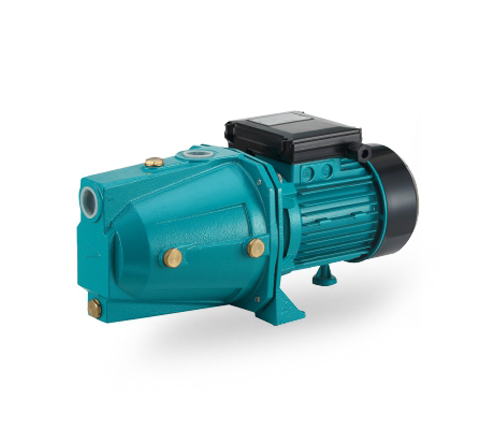
Numerous compact centrifugal and self-priming pumps are designed for extended daily operation provided they remain within their rated flow and pressure range.
Instead of focusing only on installation convenience, practical questions provide more useful information.
Answers to these questions usually reveal much more about expected reliability than installation instructions.
Engineering improvements have made modern pump installation considerably easier without reducing durability. Factory alignment, integrated electrical connections, improved sealing systems, and optimized hydraulic passages simplify installation while maintaining dependable performance.
An Easy Installation Pump should be evaluated as a complete system rather than by installation speed alone. Reliable operation depends on sound mechanical design, appropriate materials, correct operating conditions, and proper system integration. Research on pump reliability consistently shows that alignment, piping, foundation quality, and overall installation practices have a significant impact on long-term performance, while a thoughtfully engineered easy-install design can actually reduce installation-related failures.
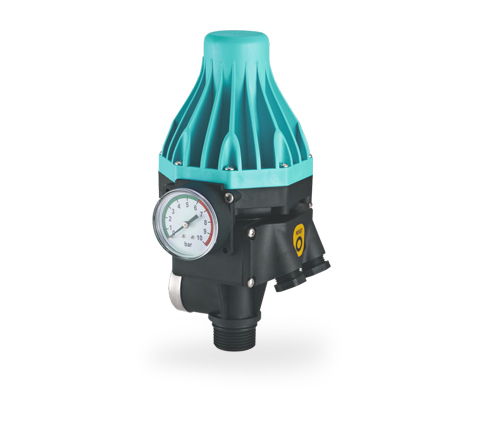
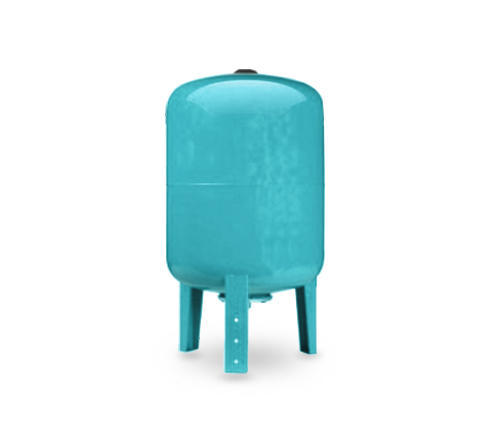
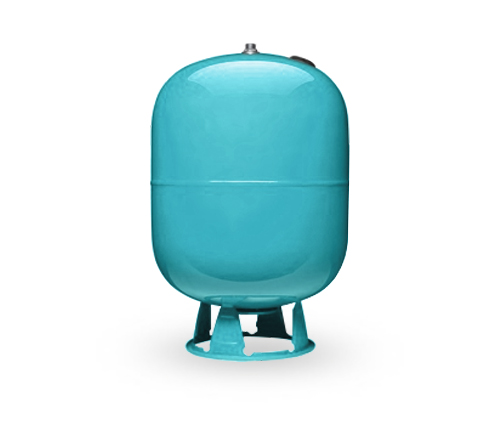
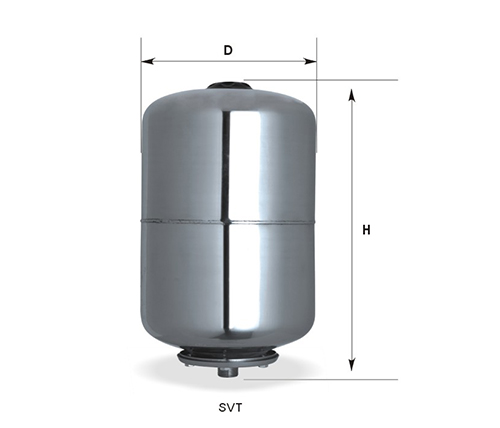
serieswatershortageprotectionvoltagestabilizationstainlesssteelverticalmultistagepump.jpg "EVR(S) Series Water Shortage Protection Voltage Stabilization Stainless Steel Vertical Multistage Pump")
edwina@edwin-pump.com
+86-13586290903 (WhatsApp)
Xuri Gongliang Cutting Tool Entrepreneurship Park, Wenqiao Town, Wenling City, Taizhou City, Zhejiang Province, China

High Performance Smart Pump Factory


 English