
edwina@edwin-pump.com

View All Products
en
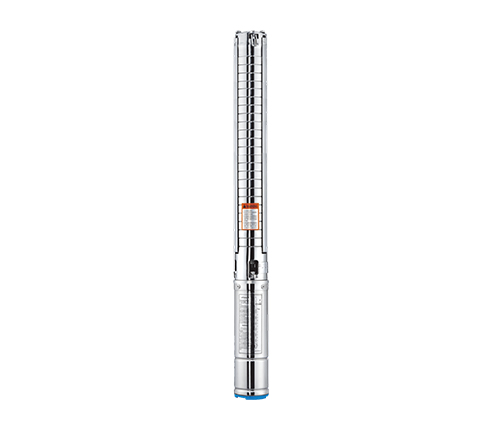
Water supply is a critical resource for agriculture, industry, and municipal projects. A Borehole Pump offers an effective solution for drawing water from deep underground sources, ensuring consistent delivery where surface sources are insufficient. Understanding its design, advantages, and selection considerations can help B2B buyers and project managers make informed decisions.
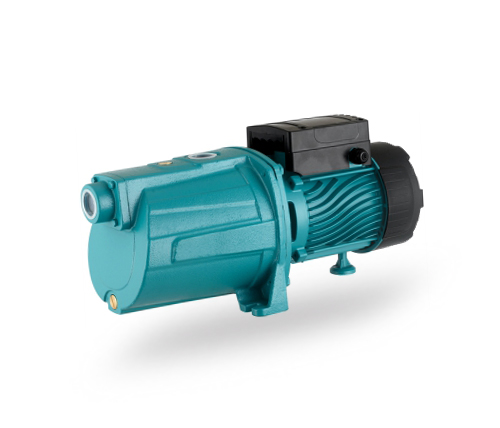
A borehole pump is designed to transport water from deep wells, often exceeding tens or even hundreds of meters in depth. Unlike surface pumps, it must handle high suction pressures and maintain a steady flow under variable conditions. Borehole pumps can be either submersible or vertical column types, depending on the installation and operational requirements.
Key features of a borehole pump include:
Manufacturers design borehole pumps to provide several benefits for industrial, agricultural, and municipal applications:
These characteristics make borehole pumps a dependable choice for projects requiring consistent water supply.
Borehole pumps are widely used in various sectors:
Each application requires pumps designed for specific flow rates, well depths, and water conditions.
When sourcing borehole pumps, B2B buyers should evaluate:
Attention to these details helps avoid operational interruptions and costly replacements.
Proper installation and maintenance are key to reliable operation:
Following these practices extends the pump's life and reduces unexpected downtime.
A Borehole Pump is an essential tool for water extraction from deep underground sources. From the perspective of industrial and agricultural projects, selecting pumps that meet technical specifications and are supported by reliable manufacturers ensures consistent water supply and long-term performance.
B2B buyers benefit from understanding the pump's materials, capacity, and installation requirements, which ultimately supports efficient operations and project success. Properly manufactured and maintained borehole pumps contribute to sustainable water management and operational reliability in diverse sectors.
edwina@edwin-pump.com
+86-13586290903 (WhatsApp)
Xuri Gongliang Cutting Tool Entrepreneurship Park, Wenqiao Town, Wenling City, Taizhou City, Zhejiang Province, China

High Performance Smart Pump Factory


 English