
edwina@edwin-pump.com

View All Products
en
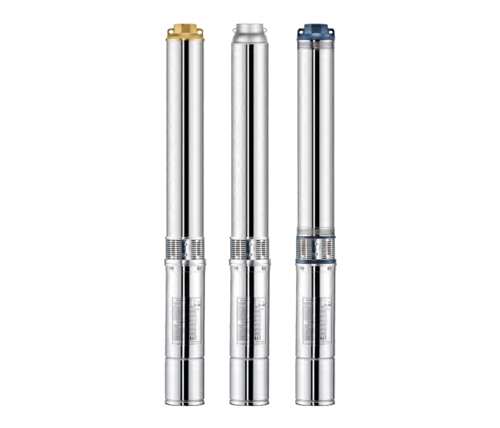
Water supply systems are essential in agriculture, industry, and municipal services. As a manufacturer, producing a Deep Well Pump requires careful attention to design, materials, and quality control to ensure the product performs reliably in challenging environments. This article explores how deep well pumps are manufactured, their advantages, and factors that B2B buyers should consider when sourcing from manufacturers.
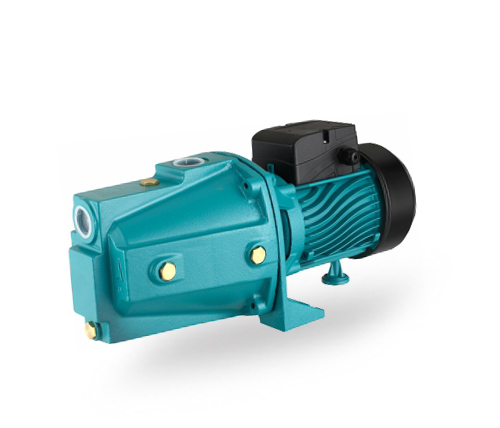
A deep well pump is designed to extract water from significant depths, often exceeding tens or hundreds of meters. Unlike surface pumps, these devices must handle high suction pressures and maintain consistent flow over extended periods. For manufacturers, this means selecting durable materials, designing precise impellers, and ensuring the pump can operate efficiently under varying conditions.
Key manufacturing considerations include:
From a production standpoint, a well-engineered deep well pump offers multiple advantages:
These benefits highlight why buyers rely on manufacturers with established quality standards.
Creating a reliable Deep Well Pump involves several key steps:
Manufacturers who follow these practices ensure their pumps perform reliably in the field.
Manufactured deep well pumps serve a wide range of purposes:
Customization options allow manufacturers to meet specific client needs, from variable flow rates to different motor configurations.
When sourcing from manufacturers, buyers should focus on:
These considerations help procurement teams make informed decisions, ensuring investment in pumps that operate efficiently over time.
From a manufacturer's perspective, producing a Deep Well Pump involves more than assembly; it requires material expertise, precision engineering, and rigorous quality control. Buyers benefit from these practices through consistent performance, durability, and reduced maintenance demands.
Choosing pumps backed by knowledgeable manufacturers ensures that industrial, municipal, and agricultural projects maintain reliable water supply. By partnering with experienced suppliers, B2B buyers can secure products tailored to their operational needs, supporting efficiency and project success.
edwina@edwin-pump.com
+86-13586290903 (WhatsApp)
Xuri Gongliang Cutting Tool Entrepreneurship Park, Wenqiao Town, Wenling City, Taizhou City, Zhejiang Province, China

High Performance Smart Pump Factory


 English