
edwina@edwin-pump.com

View All Products
en
With rising interest in renewable energy, the Water Filled Solar Pump has emerged as an alternative to conventional electric and diesel-powered pumping systems. Designed to operate using solar energy, this technology is increasingly adopted in both agricultural and domestic applications. As more households, farmers, and businesses explore sustainable water management solutions, questions often arise about how efficient a Water Filled Solar Pump is compared to traditional pumps.
One of the main advantages of a Water Filled Solar Pump is its energy source. Unlike electric pumps that rely on grid power or diesel pumps that consume fuel, the solar-powered system operates on sunlight. This reduces operational costs and offers greater independence in areas where access to electricity is limited. Efficiency in this case is not only about water output but also about energy savings over time.
In terms of performance, the Water Filled Solar Pump can provide a steady water flow during sunny conditions, making it highly reliable in regions with consistent sunlight. Traditional pumps may offer higher flow rates, but their efficiency is often tied to energy availability and fuel supply. By contrast, a solar-powered pump operates without recurring expenses, turning sunlight into a consistent and renewable energy source.
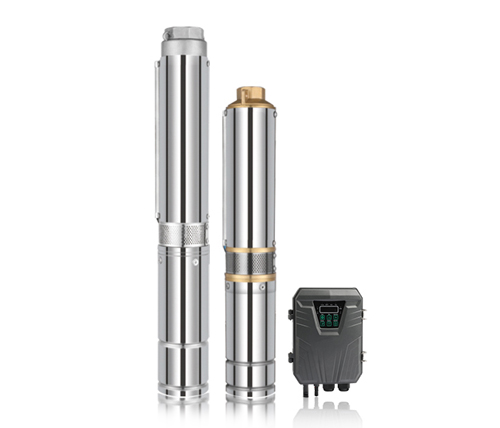
Technological improvements have further enhanced the efficiency of the Water Filled Solar Pump. Modern designs often include power point tracking (MPPT) controllers, which optimize energy use by adjusting to sunlight intensity. This allows the pump to perform effectively throughout the day, even as light conditions change. Traditional pumps do not require such adjustments, but they depend on external resources that may fluctuate in cost and availability.
Another important consideration is long-term cost efficiency. A Water Filled Solar Pump usually involves a higher initial investment compared to a basic electric or diesel pump. However, once installed, it operates at minimal ongoing cost since no fuel or grid power is needed. Over time, this can result in substantial savings, especially in remote agricultural areas where fuel delivery or electricity connection is expensive.
Durability and maintenance also contribute to efficiency comparisons. The Water Filled Solar Pump generally requires less frequent servicing because it has fewer moving parts and does not rely on combustion engines. Traditional pumps, particularly diesel models, often need regular maintenance and fuel management. While stainless steel or cast-iron pumps may last longer under heavy use, the reduced upkeep of solar pumps offsets this difference in many cases.
Environmental impact is another dimension of efficiency. A Water Filled Solar Pump produces no direct emissions, supporting efforts to reduce carbon footprints in farming and household water systems. Traditional pumps, particularly those powered by diesel, contribute to greenhouse gas emissions. For organizations or communities with sustainability goals, this makes the solar alternative a more efficient choice overall.
However, efficiency is also influenced by local conditions. A Water Filled Solar Pump may not perform as well in regions with prolonged cloudy weather unless paired with battery storage or water tanks. Traditional pumps, unaffected by sunlight, can provide continuous performance regardless of weather. This means that while solar pumps are highly efficient in sunny climates, users in other areas may need hybrid solutions.
The Water Filled Solar Pump demonstrates strong efficiency when considering energy consumption, operating costs, and environmental benefits. While traditional pumps may deliver higher output under certain conditions, they come with recurring expenses and greater maintenance needs. For long-term sustainability and cost-effectiveness, especially in regions with abundant sunlight, the Water Filled Solar Pump presents itself as a highly efficient solution that aligns with modern energy and water management priorities.
edwina@edwin-pump.com
+86-13586290903 (WhatsApp)
Xuri Gongliang Cutting Tool Entrepreneurship Park, Wenqiao Town, Wenling City, Taizhou City, Zhejiang Province, China

High Performance Smart Pump Factory


 English