
edwina@edwin-pump.com

View All Products
en
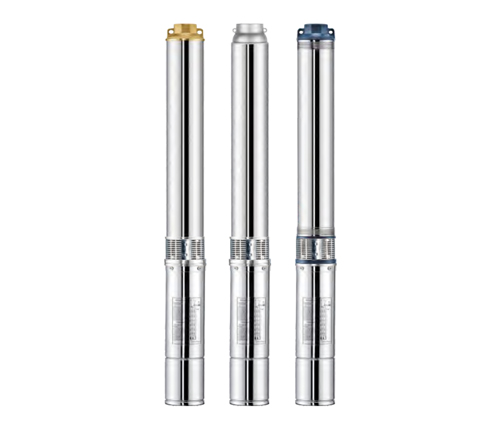
From a manufacturing perspective, an irrigation pump is more than just a piece of equipment—it is a product of precise engineering, material selection, and rigorous testing. Manufacturers aim to deliver pumps that meet the operational demands of industrial clients, agricultural operators, and commercial enterprises.
For B-end buyers, selecting a pump involves more than looking at specifications; the manufacturer's expertise, production capabilities, and quality assurance practices are equally critical. A reliable irrigation pump ensures consistent performance, reduces maintenance costs, and improves water management efficiency for businesses.
Understanding the production process sheds light on why some irrigation pumps outperform others. Key steps include:
Modern irrigation pump manufacturers prioritize flexibility to serve B-end clients:
By offering customization, manufacturers help businesses achieve efficiency without overhauling existing systems.
A key concern for industrial buyers is reliability. Manufacturers address this with:
Consistent quality ensures that pumps perform reliably over time, reducing downtime and long-term maintenance costs.
Manufacturers do more than produce pumps; they provide technical support, installation guidance, and after-sales service for B-end clients:
This manufacturer-centric approach builds trust with industrial buyers and ensures that pumps are integrated seamlessly into business operations.
From a manufacturing perspective, an irrigation pump represents precision engineering, material expertise, and quality assurance. Manufacturers not only produce equipment but also provide technical guidance, customization, and reliable after-sales support for B-end clients. For businesses in agriculture, landscaping, or industrial water management, choosing a manufacturer that emphasizes durability, efficiency, and adaptability is as important as the pump itself. A strong manufacturer-client partnership ensures reliable water delivery, operational efficiency, and long-term value.
edwina@edwin-pump.com
+86-13586290903 (WhatsApp)
Xuri Gongliang Cutting Tool Entrepreneurship Park, Wenqiao Town, Wenling City, Taizhou City, Zhejiang Province, China

High Performance Smart Pump Factory


 English