
edwina@edwin-pump.com

View All Products
en
Replacing a water pump or integrating a new pumping system into an existing installation requires more than checking the voltage printed on the motor label. Power supply type, current capacity, controller compatibility, cable length, and operating conditions all influence whether the equipment can work as intended.
At Edwin Pump, we encourage buyers to evaluate these electrical details before placing an order. A dc powered water pump may suit remote water supply, agricultural irrigation, and deep-well applications, but its electrical requirements must match the available system. Reviewing the following factors can help procurement teams avoid incompatible equipment and unexpected installation expenses.
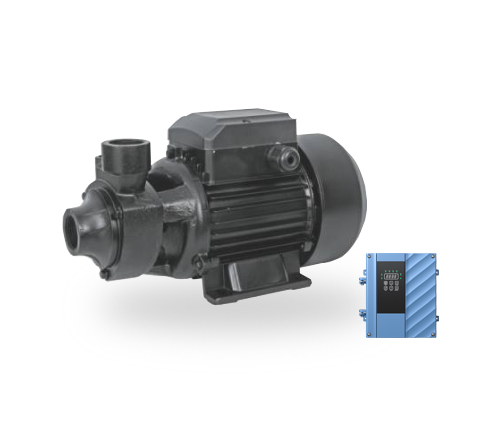
Voltage and current are basic parameters for determining electrical compatibility. A pump designed for a particular DC voltage cannot automatically operate safely from another supply voltage.
For example, a nominal 24 V DC pump should not be connected directly to an unverified 36 V source. The acceptable voltage range must come from the equipment documentation. A supply with insufficient current capacity may also cause startup difficulties or unstable operation.
Existing installations may use batteries, photovoltaic panels, DC power supplies, or AC mains. Each arrangement requires a different compatibility check.
Battery systems can provide DC power independently of immediate sunlight. Buyers should confirm battery voltage, available capacity, discharge limits, and the pump's expected operating hours.
Battery capacity is commonly expressed in ampere-hours (Ah), while stored energy is expressed in watt-hours (Wh). As a simplified example, a 24 V, 100 Ah battery has a nominal energy rating of 2,400 Wh. Usable energy will be lower depending on battery chemistry, discharge limits, temperature, and system losses.
Solar panels produce DC electricity, but their output varies with sunlight, temperature, and panel configuration. A compatible solar pump controller may be required to regulate power and match the pump's operating requirements.
The nominal voltage of the pump is not the same as the permissible solar array input voltage. Buyers should request a confirmed pump-controller-panel configuration before purchasing the complete system.
A DC pump cannot be assumed to operate directly from a conventional AC outlet. An approved conversion device or a pump designed for an AC/DC hybrid arrangement may be required. The proposed equipment documentation should specify the permitted input type and operating range.
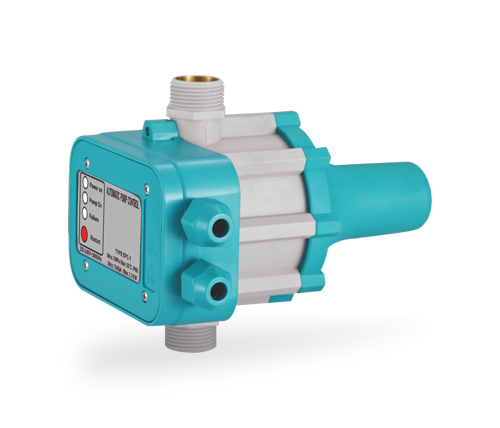
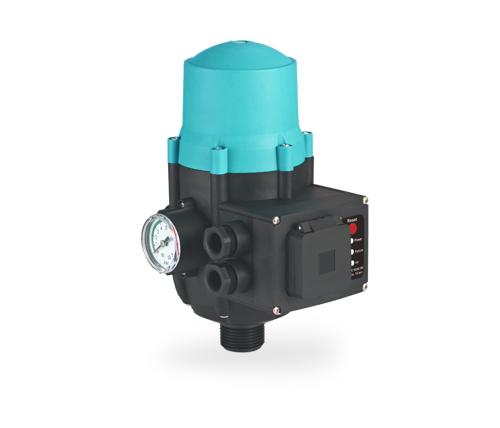
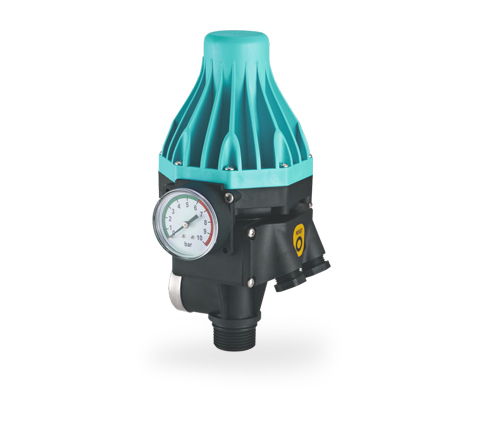
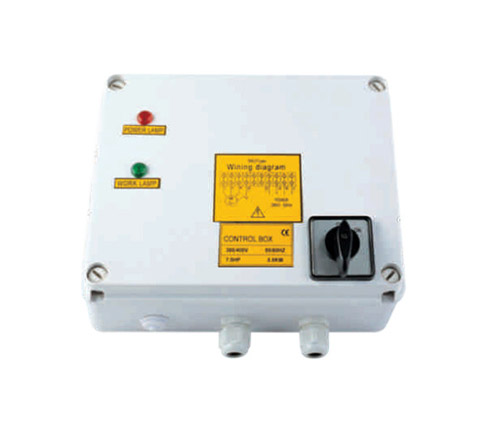
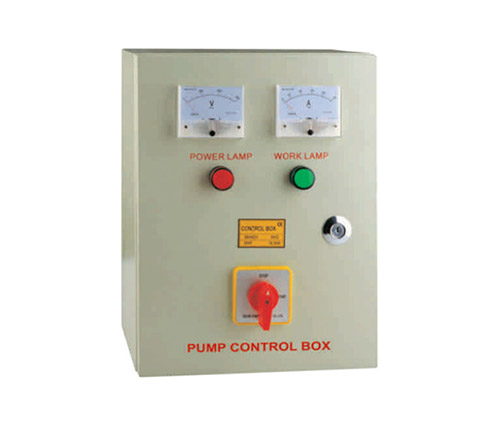
Electrical compatibility also depends on the components between the power source and the motor. A suitable controller can manage the electrical supply, while correctly specified cables and protection devices support safe operation.
| Component | What Buyers Should Verify |
| Controller | Supported motor type, input range, output voltage, current rating, and protection functions |
| Power cables | Conductor size, cable length, voltage drop, insulation, and environmental suitability |
| Protection devices | Compatibility with the system design and applicable electrical requirements |
| Sensors | Support for any required tank-level, well-level, or dry-run protection sensors |
| Connectors | Correct ratings, environmental protection, and compatibility with the supplied equipment |
Long cable runs can increase voltage drop, particularly in low-voltage DC systems. Cable dimensions and protective devices should therefore be determined from the actual current, installation distance, equipment specifications, and applicable standards by a qualified electrical professional.
Electrical compatibility alone does not establish whether a pump can satisfy the site's water delivery requirements. Buyers should also review flow rate and total dynamic head.
A pump's maximum flow and maximum head generally represent different operating conditions. The performance curve should be checked to establish the expected delivery at the required duty point.
At Edwin Pump, we recommend preparing a concise technical specification before requesting a quotation. This helps our team assess the proposed configuration against the customer's application.
A DC water pump can integrate successfully into an existing system when its electrical requirements, controller, power source, and hydraulic duty are properly matched. Reviewing these details before ordering helps reduce the risk of equipment mismatch, additional conversion costs, and commissioning delays.
Edwin Pump encourages distributors, contractors, and project buyers to share their power supply specifications and water delivery requirements before choosing a model. With clear technical information, buyers can compare suitable configurations and make a more informed procurement decision.
edwina@edwin-pump.com
+86-13586290903 (WhatsApp)
Xuri Gongliang Cutting Tool Entrepreneurship Park, Wenqiao Town, Wenling City, Taizhou City, Zhejiang Province, China

High Performance Smart Pump Factory


 English