
edwina@edwin-pump.com

View All Products
en
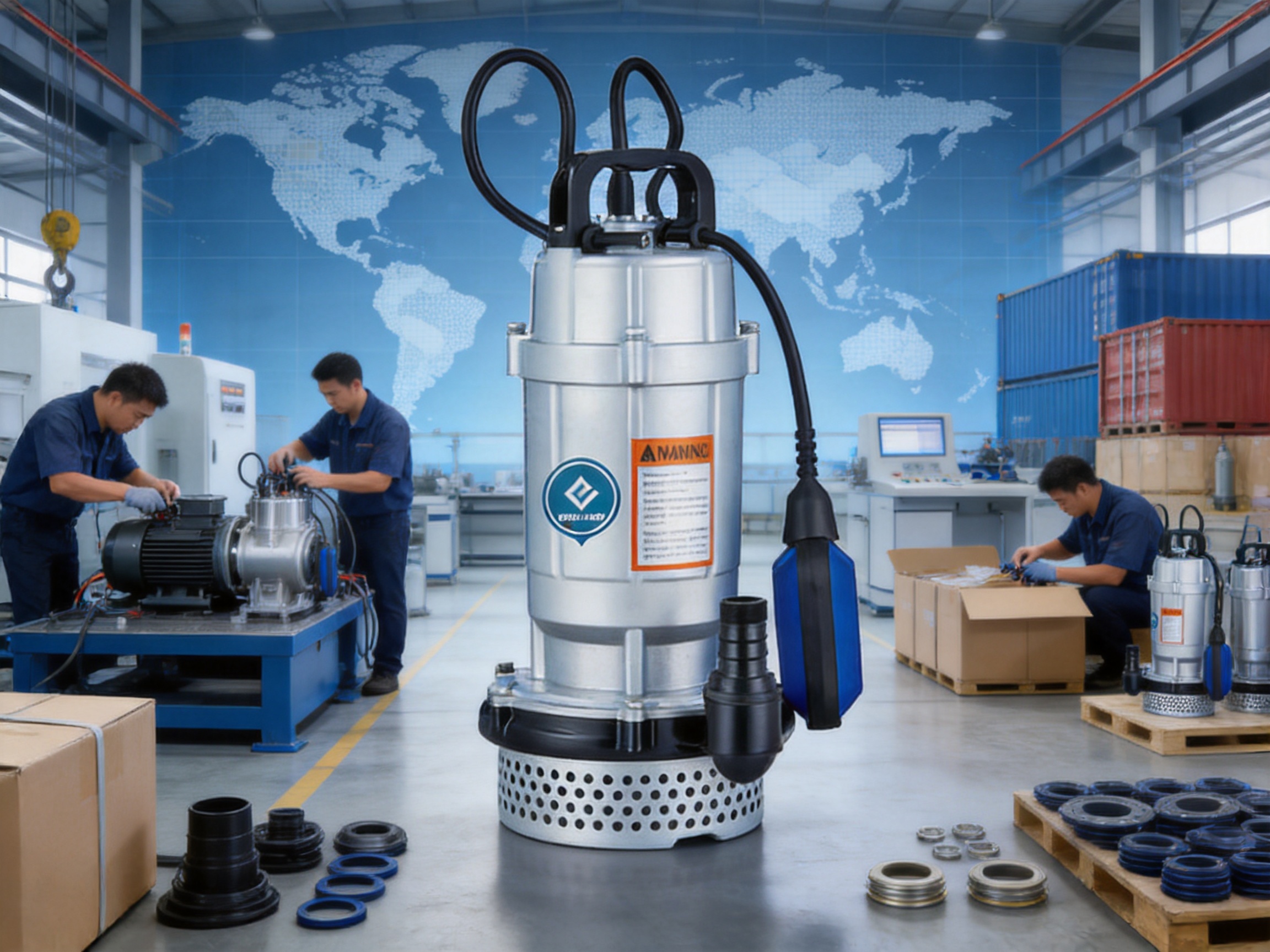
The Submersible Sewage Pump QX is designed for dependable water transfer in wells, reservoirs, domestic water systems, civil projects, industrial applications, gardens, and irrigation installations. Its submersible configuration allows the pump to operate close to or beneath the water surface, reducing the need for complicated suction arrangements and helping provide a practical solution where space, installation depth, or water-level variation must be considered.
Although submersible pumps are often selected for drainage and sewage-related duties, their actual performance depends on the fluid characteristics, installation conditions, and selected configuration. The QX model is specified for a maximum fluid temperature of 40°C and a maximum sand content of 0.1%. These operating limits make it especially suitable for relatively clean or lightly contaminated water transfer, well water, reservoir water, garden irrigation, and general water-supply duties when the installation is properly designed.
The pump is manufactured by an established Chinese electric-pump enterprise with experience in research and development, mass production, export operations, and international customer service. The company’s broader product portfolio includes deep well pumps, submersible pumps, domestic booster pumps, circulation pumps, solar water pumps, intelligent booster pumps, and other water-treatment peripheral products. This product knowledge supports a practical approach to pump design, component selection, production organization, and one-stop procurement.
For buyers comparing submersible pumps from different manufacturers, the QX offers several valuable characteristics: a rewindable motor, single-phase and three-phase power options, compatibility with a floating switch, a broad range of intended applications, optional electrical configurations, and a stated two-year warranty under the manufacturer’s general sales conditions. These features help the QX serve both routine water-supply requirements and more demanding project environments where reliable operation and service flexibility are important.
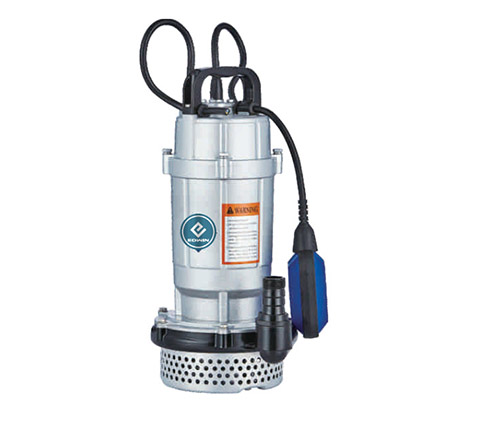
SUBMERSIBLE SEWAGE PUMP QX
The Submersible Sewage Pump QX is a compact electric pump intended to transfer water from wells, reservoirs, collection areas, and other submerged or partially submerged locations. By placing the pumping unit in the fluid, the design can reduce the distance between the pump and the water source. This arrangement can be useful in applications where a surface pump would face suction limitations, a long suction line, or difficult priming conditions.
The product is available in single-phase and three-phase versions. The stated single-phase electrical supply is 220–240 V at 50 Hz, while the stated three-phase supply is 380–415 V at 50 Hz. This selection allows the same product family to address smaller domestic installations as well as larger agricultural, commercial, or industrial systems with three-phase electrical infrastructure.
A floating switch can be fitted when requested. The floating switch provides a practical method of controlling pump operation according to water level. When correctly installed and adjusted, it can help prevent dry running caused by a low water level and can also reduce unnecessary manual supervision. The exact control logic, cable arrangement, and protection system should be confirmed for the specific installation before ordering.
The motor is described as rewindable. This feature is important for users who want a pump that can be serviced rather than discarded after a motor winding fault. In regions with qualified repair technicians, a rewindable motor can support longer equipment life, improve maintainability, and reduce the logistical cost associated with replacing a complete pump assembly.
The QX is also manufactured with curve tolerance according to ISO 9906. Pump performance curves are essential when selecting a product because they indicate the relationship between flow rate, head, power, and efficiency. Curve tolerance provides a basis for comparing expected performance with actual test results. Buyers should still request the detailed performance curve and confirm the required flow and head for their system.
Well-water transfer is one of the principal applications identified for the QX. In a well installation, the pump can be positioned below the water level and used to move water toward a storage tank, pressure system, irrigation network, or household distribution line. Submerged operation can help avoid the priming issues that may occur with a surface pump installed above the water source.
Before installation, the well diameter, pump dimensions, water level, well yield, electrical supply, discharge-pipe size, and required delivery pressure should be checked. The pump should not be selected solely according to the desired flow rate. The total dynamic head, which includes vertical lifting height and friction losses through pipes, valves, bends, filters, and fittings, must also be considered.
Water quality is equally important. The stated maximum sand content is 0.1%, so the pump should not be placed in a well with excessive abrasive sediment unless an appropriate pre-treatment or sediment-control solution is used. Sand can accelerate wear on hydraulic components, seals, bearings, and other internal parts. A properly developed well and a suitable intake arrangement can help protect the pump.
The QX can be used for transferring water from reservoirs and storage tanks. These installations are common in agricultural irrigation, rainwater collection, construction sites, rural water systems, and industrial utility networks. A submersible unit can be installed directly within the source tank or reservoir, reducing the amount of above-ground equipment required.
Reservoir applications may involve changing water levels. A floating switch can be particularly useful where the pump must stop automatically when the water falls below a safe operating level. In an automatic system, the float should be positioned so that it can move freely without becoming trapped against the tank wall, pipework, cables, or structural components.
The reservoir should be inspected for large debris, excessive sediment, and floating materials before the pump is installed. Where contamination is possible, a suitable inlet screen or protective arrangement may be required. Such protection must be selected carefully because an undersized screen can restrict flow and increase operating resistance.
For domestic applications, the QX can support water transfer from a well, underground tank, rainwater reservoir, or other source to a household storage or distribution system. It may be applied in rural homes, villas, small residential compounds, and properties where the municipal water supply is insufficient or unavailable.
A domestic system may include a pressure tank, pressure switch, control panel, non-return valve, isolation valve, and filtration equipment. The pump should be matched to the actual demand of the building rather than selected only for its maximum possible flow. Oversizing can lead to frequent cycling, unnecessary energy consumption, or excessive pressure in the pipe network.
For drinking-water use, the complete installation must comply with local regulations concerning materials, hygiene, water quality, electrical safety, and treatment. The pump itself should not be assumed to make untreated water potable. Water testing and appropriate filtration or disinfection remain the responsibility of the system designer and end user.
In civil and industrial projects, submersible pumps are commonly used for site drainage, construction water transfer, utility systems, process-water movement, and temporary or permanent dewatering duties. The QX product family can be considered where the water temperature and sand-content limits are suitable and where the required performance matches the available pump curve.
Construction sites may use submersible pumps to remove accumulated water from excavations, pits, tanks, and temporary collection points. Industrial facilities may use them to move service water between storage areas or to supply secondary systems. In either case, the fluid should be evaluated before installation. Chemical compatibility, suspended solids, particle size, temperature, and expected operating duration all influence pump suitability.
For heavily abrasive, chemically aggressive, or high-temperature fluids, a special pump configuration may be required. The manufacturer lists special mechanical seals as an option on request, which can be useful when standard sealing arrangements are not appropriate for a particular liquid. The fluid composition should be disclosed during the quotation stage so that the correct materials and configuration can be considered.
Garden irrigation is another practical application. The pump can transfer water from a tank, well, pond, or reservoir to sprinklers, drip-irrigation lines, hoses, or small distribution networks. Its submerged installation can save space and help simplify water intake where the source is below ground level or located inside a storage vessel.
Irrigation performance depends on the pressure required by the selected sprinkler or drip system. Long pipe runs, elevation changes, filters, and multiple outlets can significantly affect the actual flow available at the discharge point. A detailed calculation should therefore be completed before selecting the pump size and control method.
For garden systems, seasonal operation and storage should also be considered. If the pump will remain unused for long periods, it should be inspected, cleaned as appropriate, and protected against freezing or other environmental hazards. Electrical connections must remain dry and must be installed in accordance with local requirements.
| Item | Stated Specification or Feature | Practical Importance |
|---|---|---|
| Product type | Submersible sewage pump QX | Suitable for submerged water-transfer installations when fluid conditions are within the specified limits |
| Maximum fluid temperature | Up to +40°C | Defines the upper recommended temperature for the pumped liquid |
| Maximum sand content | 0.1% | Helps determine whether the source water requires sediment control or pre-treatment |
| Motor design | Rewindable motor | Supports repairability and may extend service life in regions with qualified technicians |
| Single-phase supply | 220–240 V, 50 Hz | Suitable for many residential and small commercial electrical systems |
| Three-phase supply | 380–415 V, 50 Hz | Suitable for many agricultural, commercial, and industrial power networks |
| Level control | Floating switch available | Can support automatic start and stop according to water level |
| Performance verification | Curve tolerance according to ISO 9906 | Provides a recognized basis for evaluating pump-curve accuracy and tolerance |
| Optional configuration | Special mechanical seal and other voltages or 60 Hz frequency on request | Allows adaptation to selected fluids, electrical systems, and project requirements |
| Warranty | Two years according to general sales conditions | Provides a defined warranty framework for eligible product issues |
A major advantage of a submersible design is that the pump operates within the water source. Because the hydraulic section is submerged, the system can reduce the priming difficulties associated with surface-mounted centrifugal pumps. A surface pump installed above a well or tank may require a carefully sealed suction line, a foot valve, and a manual or automatic priming procedure. Air leakage in the suction pipe can interrupt operation and reduce reliability.
The QX approach places the pump closer to the water, which can simplify the intake arrangement. This is particularly valuable where the source is deep, where suction lift is significant, or where a long suction pipe would be inconvenient. The installation still requires correct discharge piping, electrical protection, support, and maintenance access, but the basic water-entry arrangement can be more straightforward.
Submersible pumps are often selected where surface space is limited. The main pumping unit is located inside the well, tank, or collection area, leaving fewer mechanical components above ground. This can be helpful in residential properties, small utility rooms, compact irrigation stations, and construction areas where equipment must be kept clear of traffic or working space.
Reducing above-ground equipment can also improve visual appearance and limit exposure to weather, accidental impact, and unauthorized handling. However, the installation should include suitable lifting provisions or a safe removal method. A pump that is difficult to retrieve may create unnecessary maintenance risk, particularly when installed in a deep well or confined tank.
The availability of both single-phase and three-phase versions gives the QX a broader application range than a pump offered in only one electrical format. Single-phase power is commonly available in homes, small farms, gardens, and small workshops. Three-phase power is frequently used in factories, commercial buildings, municipal facilities, and larger irrigation systems.
Other voltages and 60 Hz frequency are available on request. This is an important advantage for exporters and international project contractors, because electrical systems differ between countries and regions. Buyers should provide the exact voltage, phase, frequency, starting method, and local electrical requirements before production is finalized.
The rewindable motor can be a meaningful advantage over sealed motor assemblies that are difficult or uneconomical to repair. When a qualified service center is available, the motor can potentially be rewound after an electrical fault, depending on the condition of the stator, rotor, bearings, insulation, and other parts.
Repairability is especially relevant for agricultural users, industrial operators, and distributors who maintain equipment over many years. A serviceable design may reduce downtime and lower the need to keep a complete replacement pump in stock. It also supports a more sustainable maintenance strategy by allowing selected components to be restored rather than replacing the entire unit.
The optional floating switch supports automatic control in applications where water levels change frequently. A float can stop the pump when the source level becomes too low and restart it when the water returns to an appropriate level, depending on the wiring and control arrangement. This can reduce the risk of dry running and make the system more convenient for the operator.
Automatic control should be combined with suitable overload protection, short-circuit protection, grounding, and a correctly rated control device. A floating switch is a valuable control accessory, but it is not a substitute for a complete electrical protection system.
The manufacturer operates as an integrated enterprise covering independent research and development, mass production, and global export. This structure is important because pump quality depends not only on the final assembly but also on design control, component sourcing, process consistency, testing, packaging, documentation, and after-sales support.
Independent research and development enables a manufacturer to improve product families according to market requirements and application feedback. Pump users in different regions may need different electrical specifications, control methods, materials, hydraulic configurations, or installation accessories. A company with internal technical capability can respond more directly to these needs than a business that only resells standardized products.
The company’s broader work in deep well pumps, submersible pumps, booster pumps, circulation pumps, solar water pumps, and intelligent pumping technology provides a diversified technical foundation. Knowledge gained from one product category can support improvement in another. For example, experience with motor protection, hydraulic efficiency, automatic controls, and field installation can be applied across multiple pump families.
Mass production can provide more consistent manufacturing when it is supported by defined processes, trained personnel, appropriate tooling, and controlled inspection. For distributors and project buyers, repeatability is especially important. They need confidence that pumps supplied in different batches will maintain consistent dimensions, electrical characteristics, assembly quality, and documentation.
Large-scale production also helps support scheduled orders and broader product availability. This can be useful for wholesalers, irrigation contractors, building-equipment suppliers, and industrial procurement departments that require several units or recurring shipments. Production planning should still be confirmed for each order, especially when customized voltage, frequency, seals, or accessories are requested.
The stated curve tolerance according to ISO 9906 demonstrates attention to standardized pump-performance evaluation. Testing against a recognized standard helps create a clearer relationship between the advertised pump curve and the measured product performance. It gives buyers a more reliable basis for comparing pump options and checking whether a selected model is suitable for a specified duty point.
Performance testing is only one part of quality assurance. A complete manufacturing and inspection program may also consider winding quality, insulation resistance, grounding continuity, seal integrity, mechanical assembly, noise, vibration, electrical current, and packaging condition. Buyers with critical applications should request the inspection documents, test records, and technical data appropriate to their project.
The company has developed a professional team for procurement planning, order tracking, cross-border delivery, and foreign-trade services. This experience can simplify international purchasing, especially for customers who need assistance with product selection, order coordination, shipping documents, packaging requirements, and delivery planning.
International customers often require more than a pump. They may need a coordinated supply of accessories, different voltage versions, replacement parts, technical documents, labels, cartons, and consolidated shipments. The manufacturer’s associated import and export organizations are intended to support these one-stop procurement requirements.
Since 2018, the company has invested in new energy and intelligent technology, including solar water pumps and intelligent booster pumps. This development direction demonstrates an effort to address changing market needs such as energy efficiency, remote or off-grid water supply, automatic pressure management, and more convenient system control.
Although the QX is a conventional electric submersible pump rather than an intelligent product by definition, it can still form part of a modern water system. It may be combined with level control, pressure equipment, protective devices, solar-compatible systems, storage tanks, or automated irrigation controls, provided that the overall system is properly engineered.
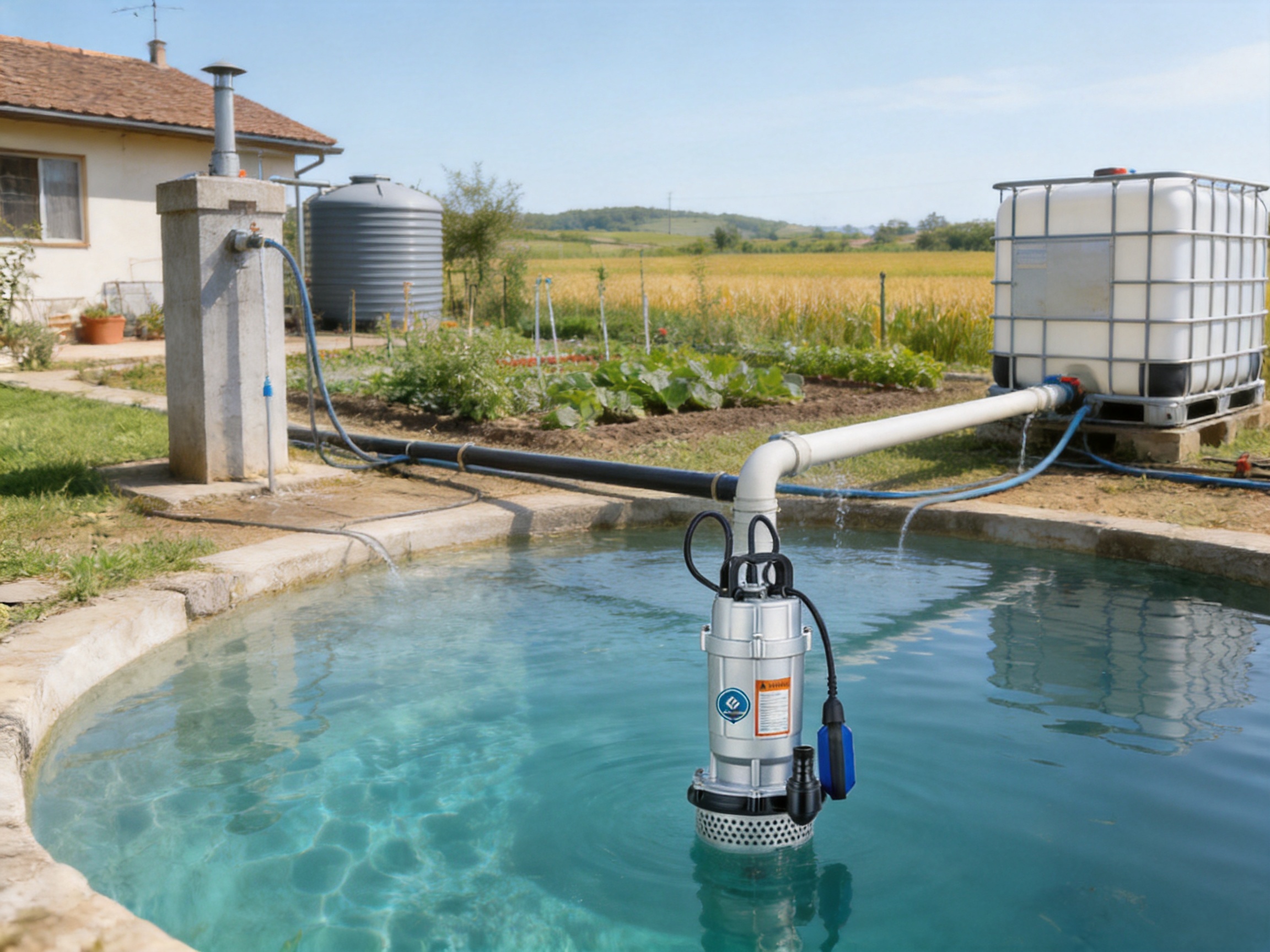
The QX uses a rewindable motor and is offered in two principal electrical formats. The single-phase version is rated for 220–240 V at 50 Hz, while the three-phase version is rated for 380–415 V at 50 Hz. These ratings should be treated as ordering and installation requirements rather than general suggestions. Using the wrong voltage or frequency can lead to overheating, poor performance, excessive current, or motor damage.
Before ordering, the purchaser should confirm the actual voltage available at the installation point. Voltage drop can occur in long cables, especially in deep wells and remote irrigation systems. The cable size should be selected according to cable length, motor current, installation conditions, allowable voltage drop, and local electrical regulations.
Electrical protection should include appropriate overcurrent and overload protection. Depending on the installation, additional protection may be required for phase failure, phase sequence, under-voltage, over-voltage, earth leakage, and dry-running conditions. A qualified electrician should design and commission the system.
The pump should be properly grounded, and all cable joints or connection points should be protected against moisture. Electrical equipment near water presents a serious safety risk if installed incorrectly. The power supply should be isolated before inspection, removal, cleaning, or maintenance.
The manufacturer identifies special mechanical seals as an option on request. Mechanical seals are critical components because they help prevent the pumped liquid from entering the motor area and help protect internal electrical parts. The appropriate seal material depends on temperature, chemical composition, suspended solids, operating frequency, and pressure.
For standard water applications within the stated limits, the standard configuration may be adequate. However, users handling unusual liquids should provide complete fluid information before placing an order. Important details include the liquid name, concentration, pH value, temperature range, viscosity, suspended-solids content, particle size, and whether the fluid contains oils, solvents, salts, or corrosive chemicals.
Other voltages and 60 Hz frequency are also available on request. This flexibility can benefit customers in regions where 60 Hz power is standard or where project equipment must match a non-standard electrical supply. Customized options should be confirmed in writing because electrical changes may affect motor performance, cable selection, control-panel settings, starting current, and pump documentation.
The first step in selection is to determine the required flow rate. Domestic water systems may be based on expected simultaneous demand. Irrigation systems may be based on the number and type of outlets operating at one time. Industrial systems may require a fixed process flow or a defined transfer time. Selecting a pump without a clear flow requirement can result in poor performance or unnecessary energy use.
Total head includes the vertical distance from the water level to the discharge point and the friction losses in the piping system. Valves, elbows, filters, check valves, meters, and fittings all contribute to resistance. If the system must deliver a particular pressure at the outlet, that pressure must also be converted into an equivalent head and included in the calculation.
The selected operating point should be checked against the manufacturer’s performance curve. A pump that can provide a high maximum flow at low head may not be appropriate for a tall building, deep well, long irrigation line, or pressurized industrial network. Conversely, selecting a pump that is too large can cause unstable operation, excessive cycling, and higher operating costs.
The maximum fluid temperature for the QX is specified as 40°C, and the maximum sand content is 0.1%. These limits should be respected. Water containing too much sand or abrasive material can cause premature wear, while liquid temperatures above the stated limit can affect motor cooling, insulation, seals, and lubrication.
If the application involves genuine sewage, wastewater, or solids-bearing liquid, the buyer should verify the allowable solids size, passage requirements, and hydraulic design with the manufacturer. The product title identifies the pump as a sewage pump, but the listed applications emphasize wells, reservoirs, domestic use, civil and industrial applications, gardens, and irrigation. Confirmation is therefore essential before using the pump for heavily contaminated sewage or large solids.
Well and tank installations must provide enough space for the pump, discharge pipe, cable, float switch, and lifting arrangement. The pump should not be allowed to rest in heavy sediment or become trapped by debris. It should be supported in a stable position and protected against impact during installation.
Where a float switch is used, the switch must have sufficient room to move. The cable should be secured so that it cannot become entangled with the float, rotating parts, pipework, or support structure. Correct positioning improves reliability and reduces the likelihood of false switching.
Installation should be completed by personnel familiar with submersible pump systems and local electrical regulations. The discharge line should be sized to balance required flow, friction loss, installation cost, and operating efficiency. A non-return valve may be needed to prevent the discharge column from flowing back into the source when the pump stops.
Isolation valves can assist with maintenance and system testing. However, the pump should never be operated against a fully closed discharge valve unless the manufacturer specifically permits that condition. Restricting flow excessively can create heat, vibration, pressure, and mechanical stress.
The pump cable should be routed carefully and protected from abrasion. It should not be used as a lifting rope. A suitable lifting cable, chain, or support system should be selected according to the pump weight and installation depth. The pump should be lowered gradually to avoid impact with the well wall or tank structure.
After installation, the system should be checked for correct rotation on three-phase models, secure electrical connections, leaks, abnormal sound, vibration, current draw, and stable water flow. The pump should be stopped immediately if it runs dry, draws abnormal current, vibrates excessively, or produces unusual noise.
Routine maintenance can help preserve performance and extend service life. The inspection schedule should reflect the water quality, operating hours, number of starts, temperature, and importance of the application. A pump used occasionally in clean water may require less frequent service than one operating continuously in an industrial transfer system.
Typical inspection activities may include checking the electrical cable, examining the float switch, cleaning the inlet area, inspecting valves, measuring operating current, and verifying that flow and pressure remain within the expected range. Any maintenance procedure must follow safe isolation practices.
If the pump becomes blocked, the power must be disconnected before attempting to remove the obstruction. The pump should not be handled while energized. Personnel should also use appropriate protective equipment when the pumped liquid may contain biological, chemical, or other hazardous contaminants.
The rewindable motor provides a potential service advantage. In the event of a winding failure, a qualified repair center can evaluate whether rewinding is appropriate. The decision should consider the condition of the motor housing, stator core, shaft, bearings, seals, impeller, cable, and other components. Rewinding should be carried out using suitable wire, insulation, winding data, drying procedures, and electrical testing.
Special mechanical seals and replacement parts should be discussed with the supplier when ordering. Keeping commonly needed parts available can reduce downtime for contractors, distributors, farms, and industrial plants. The pump model, electrical rating, serial information, and original configuration should be recorded for future service.
Global pump buyers often face challenges that are not visible in a product photograph. They must evaluate whether the supplier can maintain quality across repeated orders, provide accurate technical data, communicate clearly about customization, package products safely, and support claims or replacement-part requirements after delivery.
An integrated manufacturer can coordinate design, production, inspection, export documentation, and customer service within a connected organization. This reduces the risk of communication gaps between separate design houses, contract factories, trading companies, and logistics providers. It can also make it easier to discuss private labeling, mixed product orders, container planning, and technical adjustments.
The manufacturer’s product range supports one-stop purchasing for customers who need more than one type of pump. A project may require a deep well pump for a borehole, a booster pump for building pressure, a circulation pump for HVAC, a solar pump for an off-grid location, and accessories for installation. A supplier with multiple product categories can help coordinate these requirements while reducing the number of separate vendors.
The company’s experience in agricultural irrigation, municipal engineering, mining, construction, HVAC systems, new-energy projects, and household water supply also indicates exposure to varied application environments. Such experience can help customers ask better technical questions during selection and avoid choosing a pump based only on catalog flow or motor power.
| Application | Typical Source | Important Selection Factors | Useful QX Features |
|---|---|---|---|
| Domestic water supply | Well, tank, reservoir, rainwater storage | Demand, pressure, water quality, cable length, automatic control | Single-phase option, floating switch availability, submerged operation |
| Garden irrigation | Tank, pond, well, reservoir | Sprinkler pressure, pipe friction, seasonal use, debris protection | Compact submerged installation, single-phase supply, automatic level control option |
| Agricultural irrigation | Deep well, reservoir, storage pond | Required flow, total head, sand content, operating hours, three-phase power | Three-phase option, rewindable motor, ISO 9906 curve tolerance |
| Construction drainage | Pit, excavation, temporary collection area | Fluid cleanliness, sediment, duty cycle, safe lifting and electrical protection | Submersible arrangement, level-control option, serviceable motor |
| Industrial transfer | Process tank, utility reservoir, collection vessel | Temperature, chemical compatibility, solids, seal materials, duty point | Special mechanical seal option, three-phase version, international customization |
| Civil water systems | Reservoir, well, underground tank | Reliability, maintenance access, standby planning, documentation | Mass-production support, global export experience, two-year warranty framework |
The product is supplied with a stated two-year warranty according to the manufacturer’s general sales conditions. A warranty provides an important commercial framework, but buyers should review the exact terms before purchase. Matters such as installation quality, electrical protection, misuse, unsuitable fluid, unauthorized modification, normal wear, and maintenance records may affect warranty eligibility.
To support a warranty claim or technical investigation, users should retain the purchase documentation, model information, serial number, installation date, operating conditions, photographs, and service records. Clear information about the fault can help the supplier determine whether the issue is electrical, hydraulic, mechanical, installation-related, or caused by the operating environment.
Commercial confidence also depends on accurate documentation. Buyers should request the appropriate product datasheet, performance curve, wiring information, installation instructions, spare-parts details, packing information, and inspection documents. For a project order, these documents can be reviewed before shipment to ensure that the selected product matches the specification.
The energy cost of a pump depends on the flow, head, motor efficiency, operating hours, electricity price, system control, and maintenance condition. Selecting a pump close to the required duty point is usually more effective than choosing a model solely for maximum capacity. Oversized pumps can consume more energy and may require throttling or frequent cycling.
Pipe design also influences energy use. A pipe that is too small creates higher friction losses and forces the pump to work against greater resistance. A properly sized discharge line can reduce pressure loss and support more stable operation. Clean filters, correctly adjusted valves, and leak-free connections also help preserve system performance.
Automatic level control may reduce unnecessary running when the source tank is empty or the water level is too low. In domestic and irrigation systems, combining the pump with appropriate storage and control equipment can reduce the number of starts and stops. The best control strategy depends on the application and should be designed as a complete system rather than added without calculation.
A professional purchasing process begins with a clear technical inquiry. The buyer should state the required flow rate, total head, fluid type, temperature, sand or solids content, operating hours, installation depth, pipe size, voltage, phase, frequency, control requirements, and destination country.
For a well or reservoir project, photographs, drawings, dimensions, water-level information, and source-water analysis may be useful. For industrial projects, a process description and chemical compatibility data are important. For irrigation, the layout, elevation difference, number of outlets, and required pressure should be supplied.
The supplier can then recommend a configuration, confirm available options, provide the relevant performance curve, and clarify the delivery schedule. If the project needs a special seal, 60 Hz frequency, non-standard voltage, floating switch, customized label, or particular packaging, those requirements should be recorded in the purchase order.
Before shipment, the buyer should verify model identification, electrical rating, accessories, quantity, documentation, packing condition, and destination requirements. A clear pre-shipment confirmation can prevent avoidable errors and make installation more efficient after delivery.
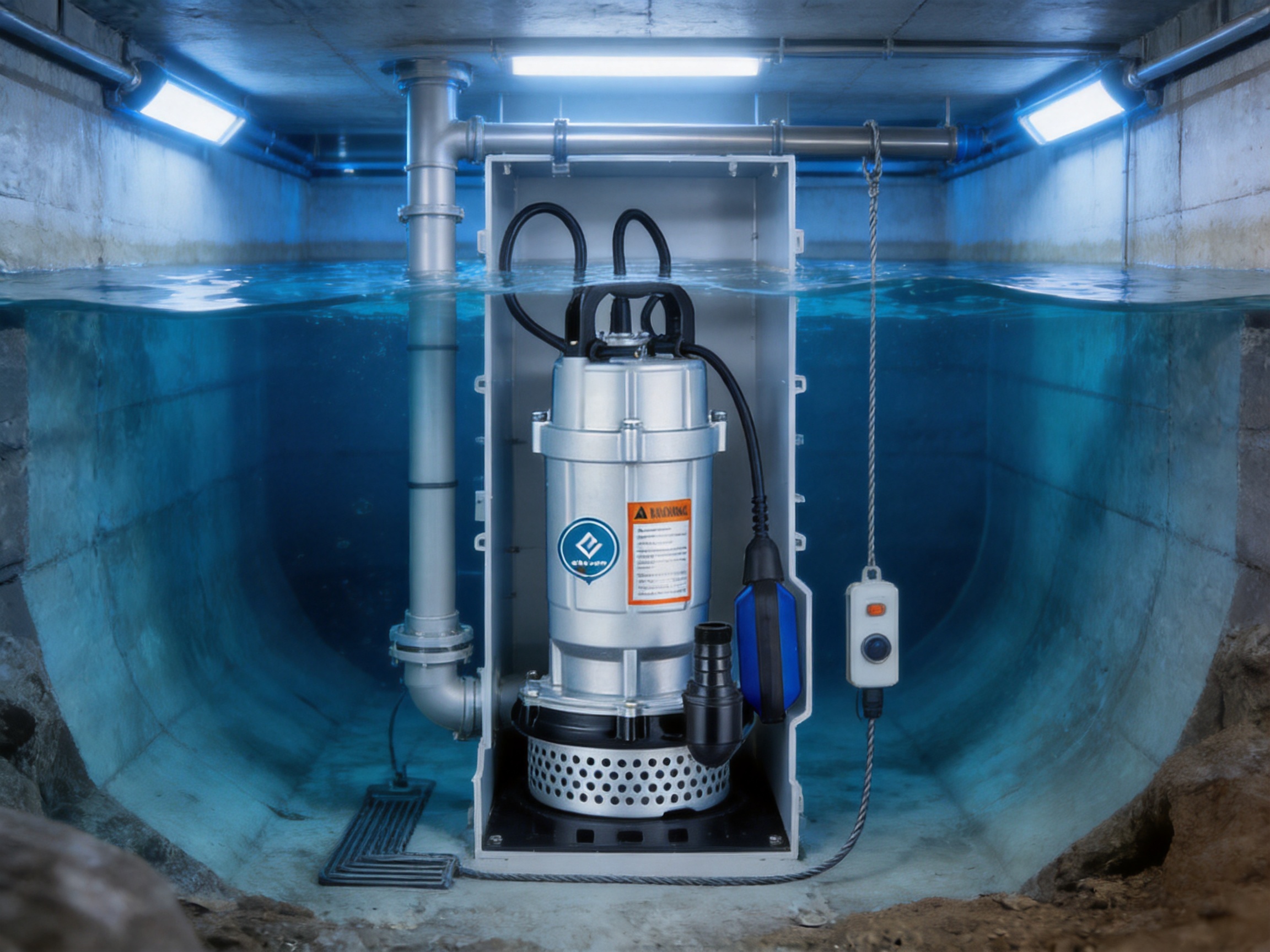
The QX is designed for submerged water transfer from wells, reservoirs, tanks, and collection areas. The listed applications include domestic water supply, civil and industrial use, garden use, and irrigation. Suitability depends on the actual fluid and the required flow and head.
Yes, clean or lightly contaminated well water is among the stated application areas. The maximum sand content is specified as 0.1%, so the well should be evaluated and protected against excessive abrasive sediment.
The product title identifies the pump as a sewage pump, but the available information does not specify a solids-passage diameter or detailed sewage-media limits. For sewage containing large solids, fibrous materials, or heavy contamination, the buyer should confirm suitability, hydraulic design, and required configuration with the manufacturer before ordering.
The stated maximum fluid temperature is +40°C. Liquids above this temperature should not be pumped without written confirmation of a suitable configuration.
The standard listed options are single-phase 220–240 V at 50 Hz and three-phase 380–415 V at 50 Hz. Other voltages and 60 Hz frequency are available on request and should be confirmed before production.
The pump is available with a floating switch. Because the wording identifies it as an available option, buyers should confirm whether the switch is included in the quoted configuration or must be ordered separately.
A rewindable motor can be repaired by a qualified service center after certain winding faults. This may reduce replacement costs and extend equipment service life, although the final repair decision depends on the condition of the motor and other pump components.
It means that the pump performance curve is associated with the tolerance requirements of ISO 9906. This provides a recognized reference for evaluating measured pump performance against the stated curve. The detailed curve should still be reviewed for the required duty point.
Yes. Special mechanical seals are listed as an option on request. The buyer should provide full information about the pumped liquid, temperature, chemical composition, and solids content so that the appropriate seal arrangement can be considered.
Determine the required flow, total head, pipe length, elevation change, sprinkler or drip-line pressure, and operating schedule. Then compare the duty point with the manufacturer’s performance curve. Sand content and source-water quality should also be checked.
Yes. Its product lines include deep well pumps, submersible pumps, domestic booster pumps, circulation pumps, solar water pumps, intelligent booster pumps, commercial multistage pumps, garden pumps, pool and spa pumps, end-suction pumps, surface pumps, pipes, valves, accessories, and related products.
The stated warranty is two years according to the manufacturer’s general sales conditions. Buyers should review the detailed warranty terms, exclusions, installation requirements, and claim procedures before purchase.
The request should include flow rate, head, liquid type, temperature, sand or solids content, installation depth, voltage, phase, frequency, control requirements, quantity, destination, and any special seal, label, packaging, or documentation requirements.
The Submersible Sewage Pump QX is a flexible water-transfer solution for wells, reservoirs, domestic systems, gardens, irrigation, civil projects, and selected industrial applications. Its submerged operating principle can reduce priming complexity and save installation space, while the availability of single-phase and three-phase versions allows it to serve different electrical environments.
The rewindable motor supports serviceability, and the optional floating switch can provide convenient water-level control. Special mechanical seals, other voltages, and 60 Hz frequency are available on request, giving international buyers and project contractors additional configuration flexibility. Curve tolerance according to ISO 9906 provides a recognized basis for assessing pump performance, while the two-year warranty offers a defined commercial support period under the manufacturer’s general conditions.
Its strongest competitive value comes from the combination of practical pump features and the capabilities of an integrated manufacturing organization. Independent research and development, mass-production experience, international export support, broad product coverage, and investment in solar and intelligent pumping technologies enable the supplier to support both individual pump purchases and coordinated water-system projects.
For the best results, the QX should be selected according to the actual duty point and fluid conditions. Buyers should confirm flow, head, temperature, sand or solids content, electrical supply, installation dimensions, control method, and seal requirements before ordering. With correct selection, professional installation, suitable protection, and regular maintenance, the QX can provide dependable service in a wide range of water-transfer applications.
1. Manufacturer product information for the Submersible Sewage Pump QX, including stated applications, operating limits, motor options, electrical ratings, floating-switch availability, performance tolerance, optional seals, and warranty information.
2. Manufacturer corporate information concerning independent research and development, mass production, global export, product categories, industry applications, and investment in solar and intelligent pump technology.
3. ISO 9906, Rotodynamic pumps: Hydraulic performance acceptance tests, grades 1, 2, and 3.
4. General engineering principles for centrifugal pump selection, total dynamic head calculation, pipe-friction assessment, and submersible pump installation.
5. General electrical-safety practices for motor-driven pumping equipment installed in wells, tanks, reservoirs, irrigation systems, and industrial facilities.
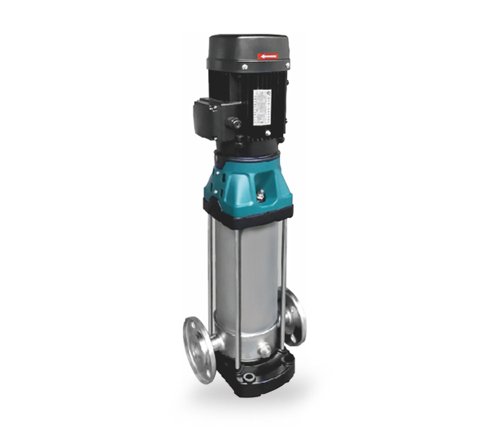
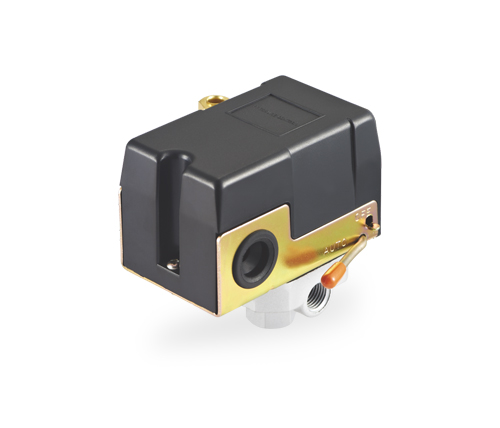
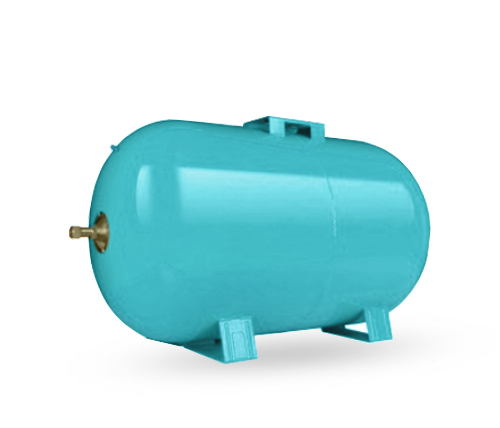
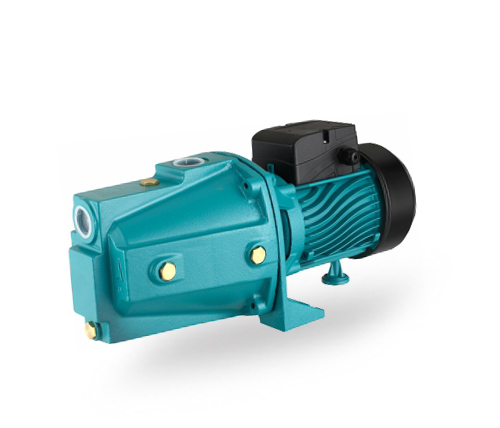
aseriesnoisereductiondesignacid-baseverticalsurfacepump-1.jpg "EV(F)A Series Noise Reduction Design Acid-base Vertical Surface Pump")
edwina@edwin-pump.com
+86-13586290903 (WhatsApp)
Xuri Gongliang Cutting Tool Entrepreneurship Park, Wenqiao Town, Wenling City, Taizhou City, Zhejiang Province, China

High Performance Smart Pump Factory


 English