
View All Products
en
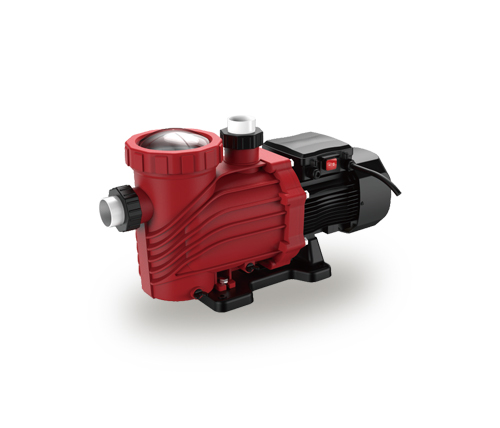
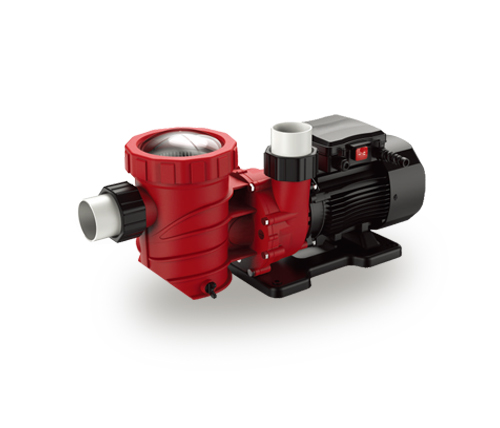
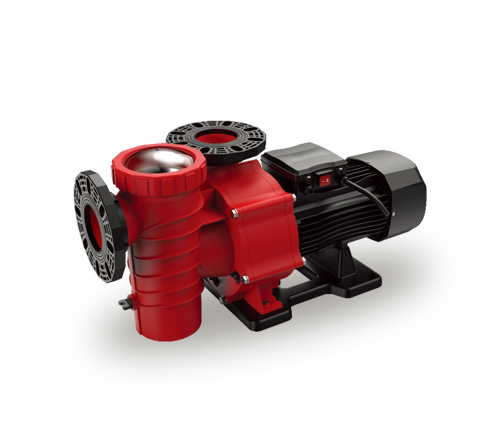
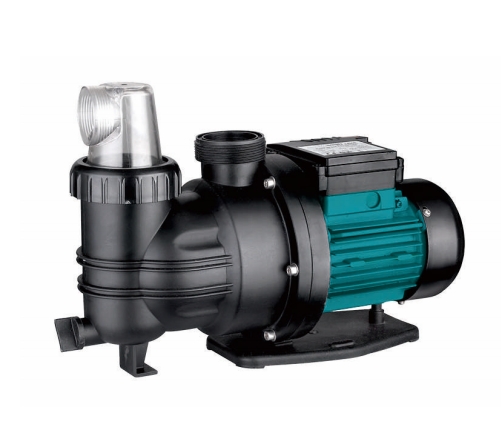
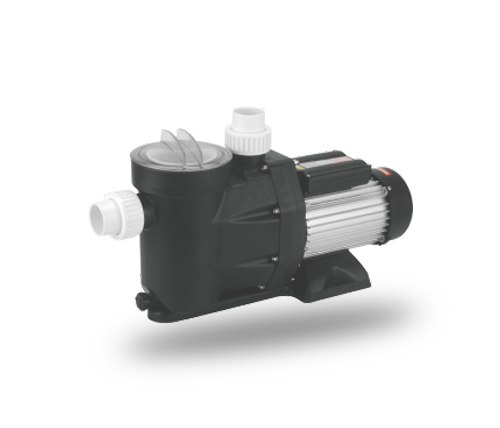
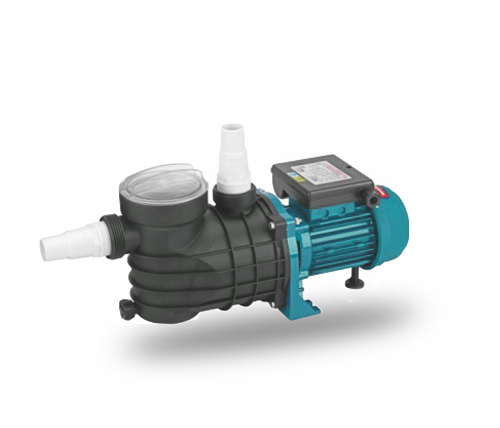
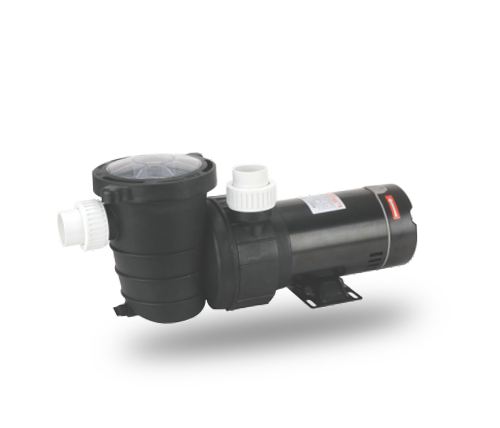
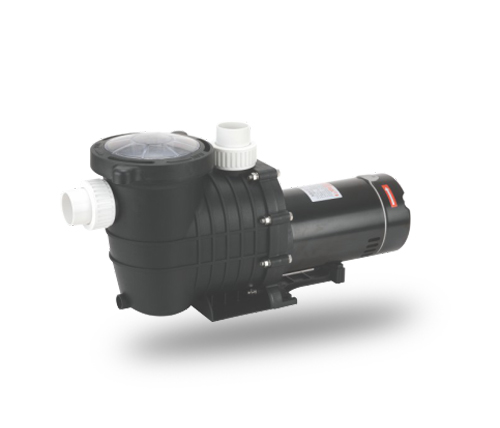
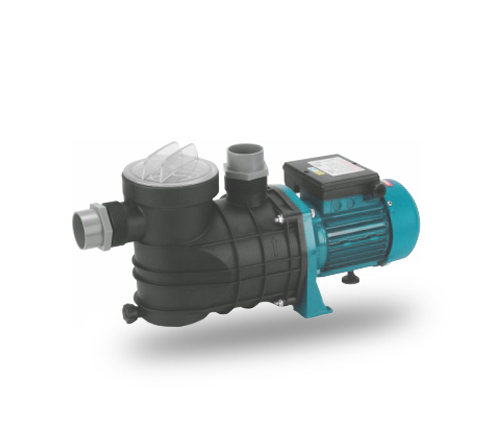
A swimming pool pump is a crucial component of any swimming pool system, and its purpose is to circulate water throughout the pool to maintain clean, clear, and safe water. The pump works by drawing water from the pool and pushing it through the filtration system and back into the pool. There are several different types of swimming pool pumps available on the market, including single-speed, two-speed, and variable-speed pumps. Single-speed pumps are the most basic and have one fixed speed setting, while two-speed and variable-speed pumps offer more options for adjusting the speed and flow rate of the pump. Variable-speed pumps, in particular, are considered to be the most energy-efficient option as they can be programmed to operate at lower speeds when less water circulation is needed and at higher speeds when more cleaning is required. The size of the swimming pool pump is an important consideration, as the pump must be able to circulate the entire volume of water in the pool in a reasonable amount of time. The size of the pump is determined by factors such as the size of the pool, the type of filtration system used, and the desired flow rate. A professional pool service technician or plumber can help determine the appropriate size pump for your pool. One of the benefits of a swimming pool pump is that it helps maintain water cleanliness by removing dirt, debris, and other contaminants from the water. Regular use of the pump also helps distribute chemicals such as chlorine evenly throughout the pool, which is important for maintaining a healthy and safe swimming environment. The pump also helps distribute heat, which is important for maintaining a comfortable water temperature.

A Submersible Pump is a critical tool for moving water and other fluids from wells, tanks, or reservoirs. Unlike surface pumps, submersible...
READ MOREAccess to groundwater is a critical concern for agriculture, residential use, and industrial operations. A borehole pump is designed to ext...
READ MOREA Deep Well Pump is designed to draw water from wells that are significantly deeper than standard household sources. These pumps are widely...
READ MOREWater management is an essential part of agriculture, and efficient irrigation systems depend on reliable pumps. An Irrigation Pump Factory...
READ MOREA submersible pump factory is responsible for producing pumps that operate fully underwater while maintaining stable performance. These pump...
READ MOREThe operational frequency of a pool pump depends on pool size, circulation requirements, and environmental conditions. Proper pump operation ensures clean water, balanced chemicals, and energy efficiency.
Daily Circulation Requirement:
pools require full water turnover once per day, meaning the pump should circulate the entire volume of water every 8–12 hours.
This ensures even distribution of chemicals and prevents stagnation.
Pool Size and Pump Capacity:
Larger pools or pools with heavy bather loads may require longer pump operation to maintain water clarity.
High-capacity pumps may circulate water faster, reducing required runtime.
Seasonal Considerations:
During hot months or peak usage, running the pump longer helps manage debris, algae, and chemical distribution.
In cooler months or periods of low usage, running the pump for fewer hours may be sufficient.
Energy Efficiency Practices:
Using a timer or programmable control system can optimize pump operation, reducing electricity costs while maintaining water quality.
Variable speed pumps allow adjustment of flow rates, enabling shorter runtimes with effective circulation.
Regular monitoring of water clarity, chemical levels, and debris accumulation helps determine if pump operation duration needs adjustment.
Residential pool pumps are typically exposed to water, chemicals, and outdoor environments, making corrosion resistance a critical design feature. High-quality pumps often use materials such as stainless steel, thermoplastics, or powder-coated metals for components exposed to water. Stainless steel shafts, impellers, and fasteners resist rust and chemical damage, while thermoplastic casings provide lightweight corrosion-resistant protection. Some pumps incorporate epoxy coatings or specialized alloys for enhanced durability in chlorinated or saltwater pools. Corrosion-resistant materials prevent leaks, maintain structural integrity, and extend the service life of the pump. Furthermore, regular maintenance such as rinsing saltwater pumps and inspecting seals helps maintain corrosion resistance over time. Even in harsh environments, these pumps can reliably operate for many years without significant degradation, making them suitable for residential pools that experience daily chemical treatment and variable weather conditions. In summary, residential pool pumps designed with corrosion-resistant materials provide long-term reliability, reduced maintenance, and consistent performance for homeowners.
A variable speed inground pool pump is an advanced type of circulation pump that allows precise control of flow rates and energy usage. Its features and benefits include:
Unlike single-speed pumps, variable speed pumps allow users to set different speeds depending on tasks such as filtration, heating, or cleaning.
Lower speeds are sufficient for daily circulation, reducing energy consumption.
By running at reduced speeds for routine tasks, these pumps consume significantly less electricity compared to traditional single-speed pumps.
Energy savings can range from 30% to 70%, depending on usage patterns and pool size.
Reduced operational speed minimizes wear on the motor and impeller.
Fewer high-speed cycles decrease the risk of overheating and mechanical stress.
Many variable speed pumps feature digital controls or mobile app integration, allowing precise scheduling and monitoring.
Users can automate cycles for filtration, heating, or spa operation efficiently.
Lower operating speeds result in quieter performance, making these pumps ideal for residential environments where noise reduction is desirable.
Variable speed inground pumps provide water circulation, reduced energy bills, and enhanced operational flexibility, making them a popular choice for modern pool installations.
Swimming pool pumps are vital for maintaining water quality and efficiency. Proper runtime ensures clean, balanced water, while corrosion-resistant residential pumps provide durability and reliability.
+86-13586290903 (WhatsApp)
Xuri Gongliang Cutting Tool Entrepreneurship Park, Wenqiao Town, Wenling City, Taizhou City, Zhejiang Province, China

Swimming Pool Pump Manufacturer


 English