View All Products
en
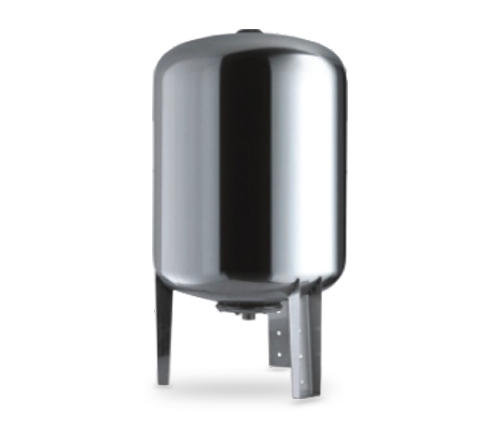
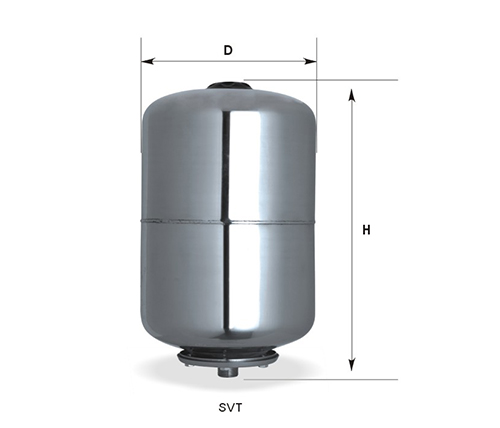
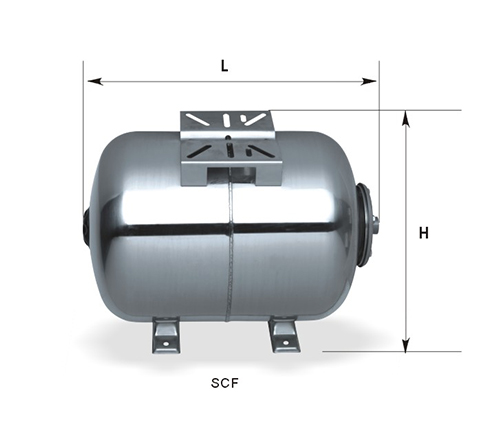
Stainless steel pressure tanks are an important component in many water systems, particularly those that utilize a pump to circulate water. These tanks are designed to store and regulate the pressure of water within the system, ensuring that the pump operates efficiently and effectively. In this essay, we will take a closer look at the benefits of using a stainless steel pressure tank in pump systems, as well as its key features and applications. The use of stainless steel in pressure tanks offers several advantages over other materials, such as increased durability and longevity. Stainless steel is resistant to corrosion and rust, making it ideal for use in water systems where there may be exposure to harsh elements or chemicals. This means that the tank will last longer and require less maintenance over time, saving the user money in the long run. In addition to their durability, stainless steel pressure tanks are also highly efficient. They are designed to minimize air and water mixing, which can cause the pump to become less effective over time. The tanks are also equipped with a bladder or diaphragm that separates the water and air, ensuring that the water remains clean and free of contaminants. This helps to maintain the quality of the water and prevents the need for frequent water changes. Another key feature of stainless steel pressure tanks is their flexibility. They are available in a range of sizes and capacities, making them suitable for use in a variety of pump systems. This allows users to select the tank that is best suited to their specific needs, and to easily upgrade or modify the tank as their needs change over time.
A Deep Well Pump is designed to draw water from wells that are significantly deeper than standard household sources. These pumps are widely...
READ MOREWater management is an essential part of agriculture, and efficient irrigation systems depend on reliable pumps. An Irrigation Pump Factory...
READ MOREA submersible pump factory is responsible for producing pumps that operate fully underwater while maintaining stable performance. These pump...
READ MOREA borehole pump manufacturer plays an important role in water supply systems, especially in areas where surface water is limited. Borehole p...
READ MOREWater drawn from deep underground plays a key role in agriculture, industry, and residential supply. Behind this process is a Deep Well Pump...
READ MOREStainless steel pressure and horizontal tanks are common fixtures across industries, from municipal water systems and food processing to pharmaceutical manufacturing and chemical storage. Their popularity stems from stainless steel's inherent strengths: notable corrosion resistance, hygienic properties, and structural durability. However, to fully realize these benefits and ensure safe, reliable, and long-term operation, users must adhere to specific precautions and understand the factors that govern service life. Mismanagement can compromise both safety and the significant investment these vessels represent.
The safe operation of a stainless steel pressure tank hinges on respecting its design limits and maintaining its integrity. It is imperative to operate within the designated pressure and temperature ranges. Every tank is manufactured with a maximum allowable working pressure (MAWP) and a temperature rating, clearly marked on its nameplate. Exceeding these parameters, even briefly, can bring about catastrophic failure through metal fatigue or rupture. Pressure relief valves, which are critical safety devices, must be installed, correctly sized, and tested regularly to ensure they activate at the set pressure.
Proper installation and support are foundational. Tanks must be placed on level, stable foundations capable of supporting their weight when full. For horizontal tanks, adequate saddle support along the tank's length is necessary to prevent sagging and stress concentration. The environment should also be considered; while stainless steel resists corrosion, prolonged exposure to certain chemicals, saline atmospheres, or abrasive dust can be detrimental. Indoor placement or protective shelters is often advisable.
Water quality and maintenance directly impact safety and performance. In water systems, maintaining water chemistry to avoid highly chlorinated conditions or stagnant water is important to prevent localized pitting corrosion. A routine inspection schedule is non-negotiable. This includes visual checks for signs of external corrosion, leaks at welds or connections, and physical damage like dents. The interior should be inspected during scheduled shutdowns for sediment buildup, biofilm, or any signs of internal corrosion. Adherence to these precautions transforms the tank from a simple container into a reliable, long-term asset within a controlled system.
The service life of a stainless steel horizontal tank is not a fixed number of years but a variable determined by the interaction between the material, the stored medium, and operational practices. Under ideal conditions with proper care, these tanks can remain in service for several decades, often 20 to 30 years or more. However, this longevity is contingent upon several key factors.
The primary factor is the nature of the stored medium. Stainless steel is an alloy, and its corrosion resistance depends on a passive chromium-oxide layer on its surface. Certain chemicals can compromise this layer. Storing aggressive substances like strong acids, chlorides, or bleaching agents without verifying the alloy grade's compatibility (e.g., 304 vs. 316L stainless steel) will accelerate corrosion, pitting or stress corrosion cracking. Even in water systems, high chloride content or low pH levels can pose a risk. The operational environment is equally critical. Tanks installed in coastal areas with salt-laden air, or in industrial zones with atmospheric pollutants, are subject to external corrosion unless properly protected or housed.
Operational practices significantly influence mechanical longevity. Consistent operation at or above the design pressure induces metal fatigue. Thermal cycling—frequent and significant heating and cooling—causes expansion and contraction stresses. For tanks that are not fully supported, the static weight of the contents can cause deflection over time. Perhaps the damaging practice is inadequate or infrequent maintenance. Failure to conduct regular inspections allows minor issues like small leaks, coating damage, or sediment accumulation to progress into major structural problems. The integrity of ancillary components, such as valves, level sensors, and the tank's protective coating or finish, also plays a role in the overall system's durability.
+86-13586290903 (WhatsApp)
Xuri Gongliang Cutting Tool Entrepreneurship Park, Wenqiao Town, Wenling City, Taizhou City, Zhejiang Province, China

Stainless Steel Pressure Tank Manufacturer


 English